Male reproductive damage is a major health challenge China and the world are facing. Environmental factors are one of the most important causes of male reproductive damage. Identifying these environmental factors, elucidating their damage mechanisms and developing targeted prevention and control strategies are of great significances in maintenance of male reproductive health and improvement of national population security. In this article, we summarize the recent progress on male reproductive damage caused by environmental factors. In male-reproductive toxicity, physical, chemical and biological factors, including electromagnetic radiation, emerging environmental contaminants and corona virus disease 2019(COVID-19) etc., have been recently recognized. On the other hand, ferroptosis, circadian rhythm & circadian clock, epigenetics & chromatin characteristics, as well as microbiota have been noticed to play important roles in the mechanism of the damage caused by environmental factors. In the future, we should focus on the new challenges of environmental changes, make full use of the advances in basic research and interdisciplinary integration, profoundly explore the key issues such as combinative exposure, and promote the transformation of research results into health prevention and control practices by combining population and laboratory research.
近日节律对于维持机体的稳态和生理活动的正常运行具有重要的意义。动物实验表明,近日节律紊乱可以促进小鼠乳腺癌的发生、发展及远处转移,降低发病潜伏期,是乳腺癌的风险因素。流行病学研究在对轮班工作、夜间光线暴露以及睡眠行为等可能引发近日节律紊乱的行为进行分析后发现:长期夜间轮班工作,夜间暴露在光线下或者睡眠时间较短的女性患乳腺癌的风险更高。总体而言,目前的证据尚不能完全确定这种联系。笔者对生物钟与近日节律的相关知识进行了概述,重点回顾了近日节律紊乱与乳腺癌在动物实验与人类临床研究中的研究进展,同时展望未来的研究趋势,以期为乳腺癌的研究和防治提供参考。
Circadian rhythm is a phenomenon of diurnal changes in life activities formed by a transcription-translation feedback loop of biological clock genes affected by external environmental conditions. The circadian rhythm system controls almost all physiological processes in the organism, and these processes will change as the external environment changes. Previous studies have shown that the hypothalamic-pituitary-thyroid axis in mammals is regulated by the central diurnal pacemaker of the suprachiasmatic nucleus of the hypothalamus, so part of the thyroid function is controlled by the biological clock, and the secretion of thyroid hormones in blood can present a circadian rhythm. However, the molecular mechanism of the biological clock's regulatory effect on thyroid is still unclear. Whether circadian rhythm interference is related to the disorder of thyroid function or the occurrence of thyroid diseases is worthy of attention. This paper focused on the research progress of biological clock, circadian rhythm, and thyroid function, specifically the characteristics of circadian rhythm of thyroid physiological function and the effects of sleep deprivation, light at night, and night shift work on thyroid function, elaborated the relationships of circadian rhythm disorder with thyroid function and thyroid diseases represented by thyroid malignant tumors. The review summarized that circadian rhythm disorder may disrupt the rhythmic secretion of thyroid hormones, but no clear conclusion is reached yet on any effect on thyroid diseases, especially thyroid malignant tumors, so it is necessary to further strengthen the relevant epidemiological and molecular mechanism research.
Objective To investigate the fatigue status and occurrence of systemic exertion intolerance disease (SEID) in soldiers from a unit of special operations force. Methods A total of 260 officers and soldiers from a SPF unit were selected in June 2018, and surveyed for fatigue level with multidimensional fatigue inventory 20 (MFI-20). According to the SEID diagnostic criteria recommended by the Institute of Medicine (IOM) in 2015, the occurrence and influencing factors of SEID were assessed using a questionnaire. Results The total score of MFI of the participants was 54.49±11.13, and the scores of general fatigue, physical fatigue, reduced activity, reduced motivation and mental fatigue were 13.63±3.48, 11.75±3.48, 9.72±2.33, 9.00±2.52 and 10.39±3.74, respectively. About 34.27% of the participants suffered from deep fatigue for longer than half a year. The incidences of SEID-related symptoms were 76.00% for unrefreshing sleep, 71.54% for substantial reduction or impairment in the ability, 46.18% for cognitive impairment, 26.52% for orthostatic intolerance and 22.09% for post-exertional malaise in order. According to the diagnostic criteria recommended by IOM, the incidence of SEID was 12.61%. The daily training time was closely correlated to fatigue level (r=0.223, P < 0.01) and SEID incidence (P=0.039). There were no differences in fatigue score and SEID incidence among the participants of different durations of military service, posts and other factors. Conclusion The fatigue score and incidence of SEID are quite high in the participants. The daily training time is closely correlated to fatigue level and SEID incidence.
Objective: To investigate the association between maternal nocturnal sleep during pregnancy and their infants' nocturnal sleep patterns in early infancy by establishing a birth cohort. Methods: In this prospective study,healthy pregnant women and their infants were recruited in Chongqing Health Center for Women and Children from September 2013 to January 2014. A total of 40 healthy pregnant women and their infants were enrolled, and 34 pairs (85%) completed the whole survey. Actiwatch, wearing on the mother's wrist or infant's ankle,was used to monitor nighttime sleep at home for 7 times in total,with 7 consecutive days for each monitoring course. Pregnant women were monitored at 16, 24, 32 weeks gestational age, and were required to finish Pittsburgh Sleep Quality Index (PSQI) scale at the end of each monitoring. Their infants were initially monitored at 14 days after birth, followed by 1(st), 2(nd), and 3(rd) month after birth,with sleep diary recorded by parents. Pearson correlation analysis and multivariate linear regression were used to investigate the potential correlation between these two sleep patterns. Results: The average nocturnal sleep time was (465±53) min throughout pregnancy, with increased trend in the latency of maternal nighttime sleep onset ((30±15), (34±29), (38±30) min) while decreasing of average sleep efficiency ((85±5)%, (84±8)%, (83±8)%). The longest night sleep duration decreased from (382±74) min in the first trimester to (330±83) min in the third trimester (F=4.932, P<0.05), while awakening time after sleep onset (WASO) correspondingly increased from (27±22) min to (53±25) min (F=12.605, P<0.05). In terms of infants, the latency of nighttime sleep onset decreased from (43±33) min on the 14th day to (20±29) min at 3-month of age (t=3.281, P=0.002), while the longest nighttime sleep duration increased from (20±62) min to (265±140) min (t=3.867, P<0.01); meanwhile, the total nocturnal sleep time and the sleep efficiency increased from (373±126) min and (63±28)% to (431±103) min and (75±16)%, respectively (t=2.362, P=0.024; t=2.418, P=0.039, respectively). After adjusting for maternal age and body mass index (BMI), parental educational level and family income, maternal mood, exposure to tobacco and alcohol during pregnancy, method of delivery, as well as infants' gender, feeding patterns and gestational weeks, the regression analysis showed that the total nocturnal sleep time and the longest nighttime sleep duration during pregnancy were positively correlated with the corresponding parameters of their infants at the age of 3 months (B=0.541, 95%CI 0.168-0.914, t=2.882, P=0.005; B=0.310, 95%CI 0.035-0.586, t=2.240, P=0.027, respectively). Conclusions: The total nocturnal sleep time and the longest nighttime sleep duration during pregnancy are positively correlated with the corresponding parameters of their infants in early infancy. Paying more attention to improve maternal sleep quality may facilitate their infants to establish sleep-wake patterns early.
Objective To evaluate the training intensity and fatigue level after 5 km armed off-road training in army special operations forces (SOF), and to screen sensitive indicators for fatigue evaluation. Methods Twenty soldiers at professional posts were collected from a SOF unit during May and June 2018 by simple random sampling. They conducted a training of 5 km armed off-road strictly according to the assessment criteria of SOF. Their fatigue indexes were collected before and after training, and the results were compared and analyzed. A survey questionnaire about training conditions was conducted on 44 officers and 420 soldiers selected from a SOF unit by cluster sampling. The fatigue levels of different SOF training subjects was quantitatively scored and ranked. Results ① Compared with the resting values before 5 km armed off-road training, the peripheral blood level of lactic acid (P < 0.001) was increased significantly, while the pH value of saliva was decreased obviously after training (P=0.013). ② Their heart rate (P < 0.001) and blood perfusion index (P=0.015) were elevated remarkably, but the oxygen saturation was reduced (P < 0.001) after training. ③No significant differences were found in the handgrip strengths of the dominant and non-dominant hands and skin space thresholds before and after the training. ④The training reduced the indicators of neurobehavioral ability, such as memory scanning (P=0.030), visual attention span (P=0.007) and curve fitting ability index (P=0.001) in the subjects when compared with the data before training. ⑤Among the 16 training subjects, there were 6 SOF training subjects causing higher fatigue level than that of 5 km armed off-road training. Conclusion Five-kilometer armed off-road training is an activity of sub-severe intensity. Blood lactic acid, saliva pH value, heart rate, oxygen saturation, visual attention span, and curve fitting ability index can be used as sensitive indicators to evaluate the training fatigue of soldiers in SOF.
Objective To evaluate the training intensity and fatigue level after 400-meter barrier training in army special operations force (SOF), and to screen sensitive indicators for fatigue evaluation. Methods Twenty soldiers at professional posts were collected from a SOF unit during May and June 2018 by simple random sampling. They conducted a training of 400-meter barrier strictly according to the assessment criteria of SOF. Their fatigue indexes were collected before and after training. Results ① Compared with the resting level before 400-meter barrier training, the lactic acid level in the peripheral blood was increased significantly (P < 0.000 1). But there was no statistical difference in the pH value of saliva between pre- and post-training; ②Compared with the resting levels before training, the heart rate, systolic blood pressure, diastolic blood pressure and pulse pressure were elevated significantly after training (P < 0.000 1), but the blood perfusion index and oxygen saturation were decreased remarkably (P < 0.000 1, P=0.001 5); ③ Training showed no effect on the handgrip strength of the dominant and non-dominant hands and skin space thresholds; ④ The training reduced the indicators of neurobehavioral ability, such as visual attention span (P=0.038 4), but no such difference was seen in the other indexes. ⑤ The 400-meter barrier training showed better effectiveness on the improvement of heart rate and pulse pressure when compared with 5-kilometer armed off-road training (P=0.043 7, P < 0.000 1). Conclusion The 400-meter barrier training is an activity of severe intensity and can cause a higher fatigue level than 5-kilometer armed off-road training. Blood lactic acid, heart rate, pulse pressure, oxygen saturation and visual attention span can be used as sensitive indicators to evaluate the training fatigue in SOF soldiers after 400-meter barrier training.
Objective To investigate the status of fatigue in the army special operations forces (SOF) and its relationship with occupational specialties. Methods A total of 203 operators at special positions were recruited from SOF divisions. Their fast venous blood and urine samples were collected in the next morning after regular military training. Hemoglobin (HB), blood urea nitrogen (BUN), urea acid (UA), creatine (CRE), creatine phosphokinase (CPK), lactic dehydrogenase (LDH) and microscale albuminuria (MAU) were measured and evaluated according to medical reference ranges and suitable restored limits recommended by National Bureau of Sports, so as to reflect the status of fatigue. The levels in the SOF group were compared to our data of HB, CRE, CPK and LDH levels in 162 non-SOF soldiers collected 7 years ago. The differences of the 7 biomarkers among the different SOF positions, and the correlation of these biomarkers with the occurrence of training-related injuries (strain and laceration) were analyzed. Results In the SOF operators, 17.2%, 2.5%, 34.0%, 0%, 78.3%, 14.3% and 21.1% of them had abnormalities when compared with the medical reference ranges for HB, BUN, UA, CRE, CPK and LDH, respectively, and even 32.5%, 0.0%, 57.1% and 11.3% of them separately had their HB, BUN, CPK and LDH values beyond the restored values in professional athletes after exercise. There were more SOF operators having abnormal HB and UA values than the soldiers from non-SOF force (proportions beyond medical reference ranges for HB: 1.3% and UA: 6.8%, and 12.3% of them beyond the restored value)(P < 0.001). Significant differences were seen in the CPK, LDH and MAU values among the operators of different SOF positions, and scouts had higher levels in multiple biomarkers. The CPK level was positively correlated with UA (P=0.013), LDH (P < 0.001) and MAU (P=0.015), and that of CRE was with BUN (P < 0.001) and UA (P < 0.001). Among the SOF operators with repetitive strain or laceration injuries, they had higher proportions of CPK and LDH abnormalities (both P < 0.05). Conclusion There are large proportion of the SOF operators having abnormal multiple biomarkers for fatigue status when compared with the medical references and the returned values in professional athletes after exercise. The fatigue status of scouts is at a high level in all specialties, and CPK and LDH may have potential to monitor the fatigue status in them.
Objective To analyze the association of sperm mitochondrial DNA (mtDNA) copy number and mtDNA integrity with semen quality parameters and investigate the role of the sperm mtDNA-related indicators in assessing fertility in male adults.Methods We collected semen samples from 161 male adult volunteers in a male reproductive health survey.The routine semen parameters were examined using a computer-aided sperm analysis system (CASA),and Diff-Quick kit was used to evaluate the sperm morphology.Quantitative long polymerase chain reaction (L-PCR) and real-time fluorescence quantitative PCR (Q-PCR) were used to assess the mtDNA integrity and detect mtDNA copy number in the spermatozoa.Results We found inverse correlations of sperm mtDNA copy number with the semen volume,sperm concentration,total sperm count,progressive motile sperm count,total motility and the rate of normal sperm morphology (r =-0.168,-0.452,-0.474,-0.189,-0.306,-0.235,all P < 0.05).Sperm mtDNA integrity was positively correlated with the semen volume,sperm concentration,total sperm count,total motility and the rate of normal sperm morphology (r =0.193,0.379,0.480,0.325,0.282,all P < 0.05) except for progressive motile sperm count.Multiple linear regression analysis showed significant correlations of mtDNA copy number and mtDNA integrity with the sperm concentration,total sperm count,sperm motility,and the rate of normal sperm morphology after adjustment for the confounders.Conclusion Sperm mtDNA copy number and mtDNA integrity are significantly correlated with the routine semen quality parameters,suggesting that these two mtDNA-related indicators may serve as potential biomarkers for assessing sperm quality in male adults.
男(雄)性生殖功能具有昼夜节律.生物钟基因作为昼夜节律的分子基础,对男(雄)性生殖功能具有重要影响.睡眠行为的改变可导致昼夜节律紊乱,并有证据提示其与男性生殖损害相关.当前研究面临的问题主要是:缺乏敏感的效应指标;昼夜节律的测量存在困难;个体差异对研究结果的影响等.未来的研究方向可能是在人群中明确昼夜节律紊乱导致的损害效应,以及探索生物钟基因调控生殖功能的具体机制.
 Jia Cao (曹佳)合作论文数Army Medical University;Ningxia Medical University6
 Gang LONG (龙刚)合作论文数4Yuanjun ZHU (朱元军)合作论文数4Lei Sun (孙磊)合作论文数4Zou Peng合作论文数4Peng Xiang (向鹏)合作论文数4Ziyuan Zhou (周紫垣)合作论文数Army Medical University4Guowei Zhang合作论文数Nantong University4Wang YANG (杨望)合作论文数3JinYi Liu (刘晋祎)合作论文数3Liu Wenbin合作论文数3Hongqiang Chen合作论文数3Yingfei ZENG (曾颖斐)合作论文数2Shanshan Han合作论文数2YANG Yuping (杨钰坪)合作论文数2Jingsong Xiao合作论文数2Zhonghao Zhang合作论文数2Kun Liu (刘坤)合作论文数2Xiaogang WANG (王晓刚)合作论文数2Chang LIU (刘畅)合作论文数2Jia Ming (明佳)合作论文数2
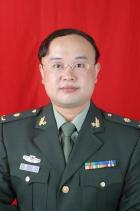 Yan Xu (徐琰)合作论文数中国人民解放军第三军医大学普外科2Niya Zhou合作论文数2Yan Sai合作论文数2X N Huang合作论文数1Yujie Huang (黄玉洁)合作论文数1Jianfang Gao合作论文数1Huan Yang (杨桓)合作论文数State Key Lab Marine Resource Utilizat South China, Hainan Univ1Linping Huang合作论文数1Kun LIU (刘坤)合作论文数1Zheng LI (李正)合作论文数1Ya Ye (叶亚)合作论文数1
 Ao Lin (周燕虹)合作论文数1ChunYan He (何春燕)合作论文数1Ling Xi合作论文数1
 Yankai Xia (夏彦恺)合作论文数Department of Toxicology, School of Public Health, Nanjing Medical University;State Key Laboratory of Reproductive Medicine and Offspring Health, Nanjing Medical University1




