PURPOSE:To investigate the synergistic effects of low-intensity pulsed ultrasound (LIPUS) and mild hyperthermia (MH) on tendon-to-bone healing in a rabbit rotator cuff repair model and to explore underlying cellular mechanisms using bone marrow-derived mesenchymal stem cells (BMSCs). METHODS:In vitro, BMSCs were exposed to various LIPUS intensities and MH temperatures to determine optimal conditions based on proliferation, migration, and chondrogenic differentiation assessed by multiple assays. In vivo, rabbits with infraspinatus tendon detachment and repair were randomly assigned to control, LIPUS, MH, or combined treatment groups. Interventions were applied daily beginning shortly after surgery, and tendon-bone healing was evaluated at defined postoperative intervals using histological, immunohistochemical, micro-CT, and biomechanical analyses. RESULTS:Optimal LIPUS and MH conditions significantly enhanced BMSC proliferation compared with other settings. Combined LIPUS and MH treatment further promoted BMSC proliferation, migration, and chondrogenic differentiation relative to either treatment alone. In vivo, the combined group showed the most organized collagen alignment, robust fibrocartilage regeneration, highest bone volume fraction, and significantly improved biomechanical strength at both time points (P < .01). Micro-CT and histological analyses confirmed superior osteochondral integration in the combined group. CONCLUSIONS:The combination of LIPUS and MH significantly enhanced BMSCs proliferation, chondrogenic differentiation, and tendon-bone healing in a rabbit rotator cuff repair model. Compared with single interventions, the combined treatment led to improved histological organization, increased COL-II expression, and higher biomechanical strength at the tendon-bone interface. CLINICAL RELEVANCE:The combination of LIPUS and MH significantly enhances tendon-to-bone healing in rotator cuff injuries, offering a promising non-invasive therapeutic strategy for improving repair quality and functional recovery.
BACKGROUND:Rotator cuff standard surgery carries retear risks. Early postoperative Extracorporeal Shock Wave Therapy (ESWT) may enhance recovery and tendon healing, but its early-postoperative-use safety on suture knots remains unproven. METHODS:This study compared radial pressure wave therapy (EPAT) and focused ESWT on suture knots in rotator cuff repairs. EPAT comprised four standard-dose groups delivering 2000 impulses at 6 Hz (G1 Evo Blue 2.5 bar; G2 Evo Blue 4.0 bar; G3 Power + 2.5 bar; G4 Power + 3.8 bar) and a high-energy condition with 10,000 impulses (G4, 3.8 bar). ESWT included four energy groups (G1-G4: 0.08-0.38 mJ/mm2) plus a high-energy G4 at 0.38 mJ/mm2 with 10,000 impulses. Knots were secured to a 24 mm ringed syringe; loop circumference was measured after stretch. Knot strength was tested by single-load failure or 3 mm slip from a 10 N preload. Cyclic loading used a 10 N preload, 20 mm/min: 100 cycles at 25 N, then 50 N, increasing by 25 N every 100 cycles until failure or 3 mm slip. FINDINGS:Under medium energy (ESWT ≤0.28 mJ/mm2; EPAT ≤4.0 bar; EvoBlue, 6 Hz), knot integrity was preserved in both groups under single-cycle and cyclic loading (P > 0.05). Under high energy (ESWT =0.38 mJ/mm2; EPAT ≤3.8 bar; Power+, 6 Hz), after 10,000 impulses single-cycle loads decreased in both groups (P < 0.05), while cyclic loading showed no difference (P > 0.05). INTERPRETATION:Medium- to low-energy EPAT and focused ESWT did not affect knot integrity or loop dimensions under loading, indicating safety and potential for early postoperative use.
The Bristow-Latarjet procedure is a well-established and reliable technique for managing recurrent anterior shoulder instability. Although the Bristow technique is associated with lower graft healing rates than the Latarjet, it shows better postoperative range of motion and a higher rate of return to sports. However, the arthroscopic Bristow-Latarjet procedure has a relatively steep learning curve. Building upon the classic Bristow technique, this technical note describes an open inlay Bristow procedure with button fixation that preserves the capsule. This approach is particularly suitable for beginners, offering a simple yet effective alternative.
PURPOSE:To compare shoulder function, recurrence rates, graft healing, and osteoarthritis progression following the arthroscopic Latarjet and modified Inlay Bristow (CUIstow) procedures in patients with anterior shoulder instability. METHODS:Clinical data from anterior shoulder patients treated with either arthroscopic modified Inlay Bristow procedure or arthroscopic Latarjet procedure at our institution between 2014 and 2019 were collected with at least 2 years of follow-up. Propensity matched by age, sex, degree of the glenoid bone defect (%), and graft fixation method (screw or button) in a 1:1 ratio was conducted to compare postoperative outcomes, including clinical scores, return to sports, complications, and computed tomography assessment findings (position of the transferred coracoid, graft healing, graft absorption, and glenohumeral degenerative osteoarthritis). RESULTS:There were 40 matched pairs in the present study. The study revealed no significant differences between the groups in postoperative shoulder function scores, return to sports, and complications. The Latarjet group exhibited significantly greater restrictions in external rotation compared to the modified Inlay Bristow group, (45% vs 20%, respectively; P = .017). There were significant differences in the vertical positioning of the grafts between the surgical methods (P = .026), with more grafts positioned above the 3 o'clock position in the Latarjet group. Although there was no statistical difference between the 2 groups in graft healing at the final follow-up, the graft healing rate was significantly higher in the Modified Inlay Bristow group (90% vs 70%, respectively; P = .025) at the 3-month follow-up. At the final follow-up, the Latarjet group exhibited significantly more progression of osteoarthritis compared to the Modified Inlay Bristow group, with 20% of Latarjet patients progressing to moderate or severe osteoarthritis, compared with 2.5% in the modified Inlay Bristow group (P = .029). CONCLUSIONS:Both arthroscopic modified Inlay Bristow and arthroscopic Latarjet procedures effectively restore shoulder stability and function, but the arthroscopic modified Inlay Bristow procedure offers better external rotation, faster graft healing, and a lower risk of osteoarthritis progression. LEVEL OF EVIDENCE:Level III, retrospective cohort study.
Background: Bone grafting is a common and effective treatment for anterior shoulder instability. Graft healing is critical for the success of this procedure; however, few studies have investigated methods to enhance the healing process. Furthermore, suitable animal models are scarce for this type of surgery.Purpose: To (1) establish an animal model of anterior shoulder instability, and (2) evaluate whether a surgical modification based on an inlay structure (creating a groove on the glenoid and shaping the graft to match it) along with postoperative administration of the bone anabolic agent parathyroid hormone 1-34 (PTH1-34) could accelerate graft healing.Study Design: Controlled laboratory study.Methods: A rabbit model of anterior shoulder instability was established, and autologous iliac bone grafting was performed. Gross morphological observation, micro-computed tomography imaging and analysis, and histological staining and evaluation were employed to assess whether the inlay-based surgical modification and postoperative intermittent subcutaneous injection of PTH1-34 could enhance graft healing.Results: The modified inlay technique increased the expression of Runx2 and type I collagen within the graft, accelerated graft integration with the glenoid, promoted more rapid callus remodeling and maturation, and reduced graft resorption. Additionally, for both the modified inlay and classic onlay bone grafting procedures, postoperative intermittent subcutaneous injection of PTH1-34 enhanced osteogenic capacity of the autograft and glenoid, increased new bone volume, and shortened the graft healing time.Conclusion: We successfully developed an animal model of autologous bone grafting for anterior shoulder instability. Using this model, we demonstrated that the modified inlay bone grafting procedure improves osteogenic ability, shortens healing time, and promotes callus maturation. Intermittent subcutaneous administration of PTH1-34 after surgery further enhanced graft-glenoid healing.Clinical Relevance: The modified inlay technique and postoperative intermittent PTH1-34 administration may improve graft healing rates after bone grafting procedures for anterior shoulder instability.
Background:Rotator cuff injuries often lead to impaired shoulder function, and tendon-bone healing remains challenging due to the complex structure of the enthesis and persistent remodeling-associated pro-inflammatory signaling. Low-intensity pulsed ultrasound (LIPUS) and mild hyperthermia (MH) have shown potential in tissue repair, but the molecular mechanisms underlying their combined effects are unclear. Objective:This study aimed to investigate whether LIPUS and MH synergistically promote tendon-bone healing by regulating macrophage polarization through the TRPV1/Ca2+/CaMKII/BACH2 signaling pathway. Methods:A rabbit supraspinatus tendon-bone injury model and in vitro macrophage polarization assays were employed. Histology, immunohistochemistry, MRI, and biomechanical testing were performed to assess repair outcomes. RNA-seq with qPCR and Western blot validation was used to identify key signaling pathways. Functional assays, including Ca2+ flux detection, pharmacological inhibition, and siRNA knockdown, were conducted to examine the role of TRPV1, CaMKII, and BACH2. Results:LIPUS and MH significantly suppressed M1 polarization (CD86, iNOS) and enhanced M2 markers (CD163, Arg1), reducing ROS levels and inflammatory cytokine expression. Combined intervention yielded the most pronounced effects, showing improved fibrocartilage formation, collagen alignment, and bone remodeling, with superior biomechanical strength approaching native tissue. Transcriptomic and protein analyses revealed increased TRPV1 activation, enhanced Ca2+ influx, CaMKII phosphorylation, and promoted BACH2 nuclear translocation. Mechanistically, TRPV1 activation promoted Ca2+ entry, CaMKII activation, and BACH2 nuclear translocation, thereby inhibiting M1 polarization. Inhibition of TRPV1, Ca2+ influx, or CaMKII significantly reduced BACH2 nuclear translocation and diminished the anti-inflammatory effects. Conclusion:Combined LIPUS and MH synergistically enhance tendon--bone healing, potentially through modulating the TRPV1/Ca2+/CaMKII/BACH2 pathway, which appears to modulate macrophage polarization during the later stages of tendon-bone remodeling. The translational potential of this article:This study identifies the TRPV1/Ca2+/CaMKII/BACH2 signaling axis as a novel mechanistic target for non-invasive physical therapy in tendon-bone healing. Our findings provide a strong preclinical rationale for combining LIPUS and mild hyperthermia as a promising, non-pharmacological strategy to improve immune microenvironment and outcomes after rotator cuff repair. This paves the way for future clinical trials to translate this combinatorial biophysical therapy into adjuvant treatment protocols.
Anterior cruciate ligament (ACL) injury are commonly observed in athletes; however, there is a scarcity of research examining the long-term outcome of the use of hamstring tendon autografts for anterior cruciate ligament reconstruction (ACLR) in professional elite skiers. To report the clinical outcome and associated factors of ACLR in a professional elite skiing population in China. The research encompassed a cohort of elite skiers in China who underwent ACLR utilizing hamstring tendon autografts. The selection criteria were limited to professional elite skiers, specifically those affiliated with the national ski team who had attained top three rankings in international or domestic competitions prior to their injury occurrence. The data on the levels of return to sports, graft rupture occurrences, long-term functional outcomes, and the influencing factors were comprehensively examined. A cohort of 29 elite skiers (33 knees) were included for follow-up at an average of 8.6 ± 4.1 years (range, 5.0–18.0 years). Following ACLR, only one elite skier was unable to resume participation in training, while 84.8
BACKGROUND:Eden-Hybinette procedure can maximize the restoration of the glenoid defect by harvesting a proper size of iliac bone block. We developed an arthroscopic "double-inlay" Eden-Hybinette procedure to achieve better bone union of the graft. The aim of this study was to evaluate the clinical and radiological mid-term outcomes of the arthroscopic "double-inlay" Eden-Hybinette procedure for bone defects exceeding 20%. METHODS:A retrospective case series was conducted. The inclusion criterion was a bone defect exceeding 20%, especially failed Bristow-Latarjet procedure or recurrent anterior shoulder instability among patients with epilepsy. An arthroscopic "double-inlay" Eden-Hybinette procedure was carried out. Recurrence and apprehension, the American Shoulder and Elbow Surgeons, University of California at Los Angeles, Subjective Shoulder Value, Rowe, and visual analog scale pain scores and rate of return to sports were obtained at final follow-up. Graft position, healing, and resorption were evaluated via 3D computerized tomography scan. Moreover, postoperative complications and the incidence of osteoarthritis were recorded. RESULTS:The study cohort included 15 patients, with a mean age of 34.9 ± 13.2 years (range, 19-59 years) and a mean follow-up duration of 5 ± 1.7 years (range, 2.0-8.0 years). No patients experienced recurrent dislocation, and the visual analog scale pain and instability scores during shoulder range of motion decreased from a mean 6.5 ± 2.3 and 9.6 ± 0.9 preoperatively to 1.9 ± 1 and 2 ± 1.7 at the last follow-up (P < .001). The Rowe, American Shoulder and Elbow Surgeons, University of California at Los Angeles, and Subjective Shoulder Value scores of the patients increased from 18.7 ± 10.6, 71.8 ± 5, 22.9 ± 3.5, and 49.3 ± 16.2 preoperatively to 90.3 ± 6.2, 90.1 ± 4.2, 30.1 ± 2.4 (P < .001) and 81.1 ± 15.7 (P = .001) postoperatively. At the final follow-up, the bone graft healing rate was 100%, and there was no severe bone resorption. All patients returned to work, and 73.3% of patients (11 of 15) returned to sports at their preinjury or higher level. CONCLUSIONS:The arthroscopic "double-inlay" Eden-Hybinette procedure has demonstrated reliability and efficacy, yielding excellent mid-term clinical and radiological outcomes for bone defects exceeding 20%, particularly in cases of failed Bristow-Latarjet procedures or in patients with epilepsy.
BACKGROUND:Muscular fatty infiltration originated from fibrogenic/adipogenic progenitors (FAPs) is a common issue following rotator cuff tear (RCT) that impairs shoulder function. RCT disrupted the biomechanical equilibrium of the shoulder and decreased the mechanical stimuli transmitted to the rotator cuff. Whether mechanical stimuli participate in mediating muscular fatty infiltration after RCT remains unknown. The current study aimed to explore how mechanical environment changes caused by RCT affect muscular fatty infiltration and to identify the potential therapeutic modality. METHODS:Human and murine FAPs were isolated from RCT and control (CTRL) groups to compare adipogenesis properties. Single-cell RNA sequencing and bulk RNA sequencing were performed to investigate the mechanisms of excessive adipogenesis of FAPs after RCT. The effects and mechanisms of PIEZO1 on adipogenesis of FAPs were investigated by small-molecule treatment and FAP-specific PIEZO1 knockout mice. The antiadipogenic effects of low-intensity pulsed ultrasound (LIPUS) were investigated in vitro and in vivo. RESULTS:We found that the adipogenic differentiation ability of FAPs was increased after RCT (1.9-fold vs. CTRL, p < 0.05). Single-cell RNA-sequencing data analyses and confirmation assays revealed suppressed expression of PIEZO1, which was proved by real-time qPCR and Western blot (2.9-fold vs. CTRL, p < 0.01, and 3.4-fold vs. CTRL, p < 0.01). There was increased PPARG expression and adipogenesis ability of FAPs after PIEZO1 ablation (1.7-fold vs. CTRL, p < 0.01, and 2.3-fold vs. CTRL, p < 0.01). The PIEZO1-mediated antiadipogenic role by ERK/KLF4 signalling was confirmed by small-molecule treatment and PIEZO1 KO mice evaluation. LIPUS could reactivate PIEZO1 and mitigate the adipogenesis of FAPs in vitro, ameliorate the muscular fatty degeneration after RCT (3.0-fold vs. CTRL, p < 0.001) and facilitate the improvement of shoulder functions. CONCLUSIONS:Our findings indicate that the downregulation of PIEZO1 expression contributes to the enhanced adipogenesis capacity of FAPs after RCT by inhibiting ERK/KLF4 signalling. LIPUS could mitigate the excessive adipogenesis of FAPs by upregulating expression of PIEZO1, alleviate muscular fatty infiltration and improve shoulder function after RCT.
Objective: To anlysis the efficacy and safety of cut-umbilical cord milking (C-UCM) compared with immediate cord clamping in preventing anemia and iron deficiency among term cesarean-delivered newborns. Methods: A total of 485 pregnant women planning to deliver by cesarean section were recruited in this randomized controlled trial in Hunan Maternal and Child Health Hospital and Liuyang Maternal and Child Health Care Hospital from July 2016 to April 2019. A block randomization was conducted to evenly allocate them to the controlled group and the C-UCM group. In the controlled group, the cord was clamped within 30 seconds as routine. In the C-UCM group, the cord was first clamped at 25 cm from the newborn's navel, and then the blood in the cord was gently squeezed into the newborn's body until the cord became white and shriveled. The cord was clamped twice at 2-3 cm from the newborn's navel subsequently. Neonatal jaundice, hyperbilirubinemia and polycythemia were monitored before discharge. After the newborns discharged, their hemoglobin, red blood cell count, hematocrit (at the age of 1, 6 and 12 months) and serum ferritin (at the age of 6 and 12 months) were followed up; body length and weight were measured; and information about their feeding and iron supplementation were collected (at the age of 1, 6, 12 and 18 months). The two groups were compared by t test, Mann-Whitney U test, χ² test, or Fisher exact probability method. The hospital was set as a random item, and the mixed effects regression model was used to evaluate the effect of C-UCM on relevant indicators of cesarean-delivered newborns. Results: There were 244 women in the C-UCM group with an average age of (31.9±4.4) years, and 241 in the control group with an average age of (31.8±4.2) years (P>0.05). There was no statistically significant difference between the C-UCM group and the control group at 1, 6 and 12 months of age in hemoglobin [(123.6±14.5) vs (122.2±14.5) g/L, (115.3±9.4) vs (114.1±8.5) g/L, (115.6±9.6) vs (116.1±12.6) g/L] or anemia incidence rate [15.2% (17/112) vs 18.4% (19/103), 22.7% (34/150) vs 26.8% (44/164), 22.3% (25/112) vs 19.5% (22/113)] (all P>0.05). There was no statistically significant difference between the two groups at 6 and 12 months of age in serum ferritin [M (Q1, Q3), 39.9 (24.9, 61.8) vs 43.6 (25.2, 100.9) μg/L, 40.3 (25.4, 259.2) vs 40.3 (26.4, 167.6) μg/L)] or iron deficiency incidence rate [6.1% (5/82) vs 4.2% (3/72), 6.7% (5/75) vs 3.8% (3/80)] (all P>0.05). There were also no significant difference between the two groups in other indicators, such as the Z-score of weight-for-length, the incidence of neonatal jaundice, and the incidence of neonatal hyperbilirubinemia (all P>0.05). After adjusting for the relevant covariates, there were still no significant effects of C-UCM on these outcomes above. Conclusions: Compared to immediate cord clamping, the intervention of gently squeezing 25 cm of the cord does not significantly reduce the risk of anemia or iron deficiency in term cesarean-delivered newborns, nor does it have a significant impact on infant growth and development. Yet this intervention does not increase the risk of jaundice or hyperbilirubinemia in newborns as well.
Background:This study aimed to investigate the short-term complications (minimum 1-year follow-up) after either an arthroscopic Bristow or Latarjet procedure for anterior shoulder instability utilizing screw or suture-button fixation.Methods:Patients undergoing arthroscopic Bristow or Latarjet procedures between November 2016 and April 2021 were enrolled. Data were collected at baseline, 3 months, 6 months, and every year after surgery. Risks of postoperative complications and unplanned reoperations were assessed. A multivariable regression model was used to identify risk factors for complications and to determine the association of complications with patient-reported outcomes.Results:A total of 412 patients (425 shoulders) undergoing arthroscopic Bristow or Latarjet procedures performed by a single surgeon between November 2016 and April 2021 were reviewed. Two hundred and ninety-nine patients (308 shoulders, 76.2% of 404 eligible) with a mean follow-up of 22.3 +/- 4.2 months were included for analysis. Two hundred and sixty-nine shoulders (87.3%) underwent a Bristow procedure (165 with screw and 104 with suture-button fixation), while 39 (12.7%) underwent a Latarjet procedure (18 with screw and 21 with suture-button fixation). Eighty-two patients (83 shoulders) reported a total of 85 complications within 2 years after surgery, with an overall complication rate of 26.9%. The rates of recurrent dislocation or subluxation and infection were 1.9% and 0.6%, respectively, while a total of 4 (1.3%) of the shoulders had unplanned reoperations. The most common complications were graft-related (11.7%), followed by complications involving neurologic symptoms (10.7%). The overall, graft, and neurologic complication rates following Bristow or Latarjet procedures were 27.1% versus 25.6%, 12.3% versus 7.7%, and 10.0% versus 15.4%, respectively. Compared with the Bristow technique with screw fixation, Bristow with suture-button fixation yielded a lower risk of any complications (odds ratio [OR], 0.55; p = 0.04). Paying with rural insurance and poor sleep quality prior to surgery were associated with increased risk of any complications.Conclusions:Compared with arthroscopic Bristow procedures with screw fixation, Bristow procedures with suture-button fixation resulted in a lower overall complication risk. Both patient demographic and implant-specific factors were associated with the development of a complication.Level of Evidence:Therapeutic Level II. See Instructions for Authors for a complete description of levels of evidence.
Background: Compared with the Latarjet procedure, the Bristow procedure has a lower screw-related complication rate but poor bone healing. A modified Inlay Bristow procedure has been reported to significantly improve the bone healing rate, but the biomechanical mechanism is unclear. The aim of this study was to evaluate the biomechanical stability of the bone graft between a modified Inlay Bristow procedure and the classic Bristow procedure. Methods: Sixteen left scapula models (Sawbones, Composite Scapula, and fourth generation) were randomly divided into 2 groups (8:8). The bone graft in the first group was fixed with a 3.5 mm screw using the Inlay structure. The bone graft in the second group was fixed with a 3.5 mm screw via the traditional method. The maximum cyclic displacement, ultimate failure load and stiffness were evaluated biomechanically. The failure type was recorded for each model. Results: Cyclic loading tests demonstrated that the maximum cyclic displacement of the Inlay procedure was significantly smaller (P = .001) than that of the classic procedure. The Inlay Bristow technique resulted in a significantly higher (P = .024) ultimate failure load than the classic Bristow technique. The stiffness of the classic group was 19.17 +/- 4.01 N/mm and that of the inlay group was 22.34 +/- 5.35 N/mm (P = .232). Failure was mainly due to bone graft fractures through the drill hole or glenoid bone fractures. Conclusion: Inlay Bristow fixation of the bone graft in a Sawbones model provides significantly stronger fixation and better time point zero stability than classic Bristow fixation, suggesting a higher likelihood of graft union. (c) 2023 Journal of Shoulder and Elbow Surgery Board of Trustees. All rights reserved.
Background Rotator cuff tears are a common shoulder injury that significantly impacts patients’ daily lives and work abilities. Although surgical treatment methods for rotator cuff tears have been continuously improved with advances in medical technology, postoperative rehabilitation remains challenging. Therefore, finding effective rehabilitation treatments is crucial for improving patient prognosis and enhancing quality of life. This study will aim to systematically evaluate the impact of low-intensity pulsed ultrasound (LIPUS) on postoperative rehabilitation of rotator cuff tears, comprehensively assessing the efficacy and safety of LIPUS in postoperative recovery. Methods This protocol will search multiple databases including PubMed/MEDLINE, Embase, Cochrane Library, CNKI, Scopus, and Web of Science to identify randomized controlled trials related to LIPUS for postoperative rehabilitation of rotator cuff tears. The search will encompass literature published from the inception of the databases up to April 2024. Methodological quality assessment and data extraction will be conducted using the Cochrane Handbook for Systematic Reviews of Interventions and PRISMA guidelines. Meta-analysis will be performed on appropriate studies using either random-effects or fixed-effects models, and subgroup analyses will be conducted to explore potential heterogeneity. Studies meeting the inclusion criteria will be included in the analysis. All analyses will be performed using Stata version 16.0. Results The incidence of rotator cuff tear rates will be assessed by imaging techniques such as MRI or ultrasound. Pain intensity will be scored using standardized pain assessment scales, such as the Visual Analog Scale (VAS). Improved range of motion (ROM) in shoulder flexion, abduction, and rotation. Functional outcomes will be evaluated using effective measures such as Constant-Murley scores (CMS) and shoulder joint scores by American Shoulder and Elbow Surgeons (ASES). Adverse events associated with LIPUS therapy, including skin irritation, increased pain, or any other complications. Subgroup analysis will also be carried out if possible. Discussion and conclusion Following the meta-analysis, we will assess the overall effect of LIPUS on postoperative rehabilitation of rotator cuff tears, and further explore its impact on aspects such as pain relief, functional improvement, and postoperative complications. It is anticipated that this study will provide comprehensive evidence regarding the role of LIPUS in postoperative rehabilitation of rotator cuff tears, guiding clinical practice and future research. The resultant manuscript will be submitted for publication in a peer-reviewed journal. Protocol registration number CRD42024530798.
Objective:To explore the research progress of the coracoid transfer surgery using suture button fixation, particularly focusing on the technique known as Chinese unique Inlay Bristow (Cuistow surgery). Methods:Extensive literature review was conducted to summarize and analyze the utilization of suture button fixation in the Cuistow surgery, comparing its biomechanical and clinical outcomes with those of traditional screw fixation. Results:Utilizing suture button fixation in coracoid transfer surgery helps circumvent certain metal-related complications associated with traditional screw fixation. While its biomechanical stability and effectiveness have been preliminarily confirmed, debates persist regarding its graft healing rate and postoperative recurrence rate compared to traditional screw fixation. The Cuistow surgery based on the Inlay structure is a solution to improve the healing rate of graft after suture button fixation. Conclusion:Suture button fixation, as a novel approach in coracoid transfer surgery, remains to have its advantages and disadvantages compared to traditional screw fixation not entirely elucidated, underscoring the need for further in-depth clinical and fundamental research. Cuistow surgery is the Chinese experience of coracoid transfer surgery, and its biomechanical stability and clinical advantages have been preliminarily confirmed.
Background: Young athletes who undergo surgery for a rotator cuff tear (RCT) are expected to return to sports (RTS) at the preinjury level. Purpose: To determine the rate and level of RTS and associated factors after RCT surgery in young athletes. Study Design: Systematic review; Level of evidence, 4. Methods: A literature search was performed in PubMed, Embase, and Cochrane Library the PRISMA (Preferred Reporting Items for Systematic Reviews and Meta-Analyses) guidelines. The inclusion criteria were studies in English evaluating RTS after surgical treatment of RCTs in athletes <40 years. Study quality was evaluated according to the Methodological Index for Nonrandomized Studies scores. Fixed-effects and random-effects meta-analyses were conducted to investigate the overall RTS rate and the ability to RTS at the preinjury level and explore the heterogeneity of the studies. Results: Of 168 studies initially identified, 13 studies (332 athletes; 270 competitive and 62 recreational) were included. The mean age of the athletes was 26.1 years (range, 13.2-39 years). Eleven studies (289 athletes) reported the type of sports; the most common sports were baseball (n = 195), football (n = 47), and tennis (n = 13). A total of 25 athletes were lost to follow-up, leaving 307 athletes with postoperative RTS data for meta-analysis. The combined rate of RTS according to the fixed-effects model was 84% (95% CI, 80%-88%). The level of RTS was evaluated in 11 studies (251 athletes), and according to the random-effects models, the combined rate of RTS at the preinjury level was 63% (95% CI, 49%-77%). In a subgroup analysis, the rate of RTS at the preinjury level was significantly different between competitive athletes (61% [95% CI, 46%-76%]) and recreational athletes (89% [95% CI, 78%-99%]) ( P = .004). Conclusion: Results of this review indicated that most young athletes were able to RTS after RCT surgery, and more than half were able to RTS at the preinjury level. Compared with competitive athletes, a higher proportion of recreational athletes were able to RTS at the preinjury level after surgery.
Background Rotator cuff injury (RCI) is a common musculoskeletal ailment and a major cause of shoulder pain and limited functionality. The ensuing pain and restricted movement significantly impact overall quality of life. This study aims to systematically review the effects of extracorporeal shock wave therapy (ESWT) on RCI. Methods This protocol follows the Preferred Reporting Items for Systematic Reviews and Meta-Analyses Protocols. A literature search, spanning inception to November 1, 2023, will include databases such as PubMed, Web of Science, the Cochrane Library, Scopus, MEDLINE, EMBASE, EBSCO, and China National Knowledge Infrastructure (CNKI) to identify ESWT studies for RCI treatment. Excluding retrospectives, bias risk will be assessed with the Cochrane tool. Two researchers will independently screen, extract data, and evaluate bias risk. Revman 5.3 software will be used for data analysis. Results This study aims to objectively and comprehensively evaluate the effectiveness and safety of randomized controlled trials of ESWT in the treatment of RCI, and analyze in detail the effect of ESWT in the treatment of RCI. Results will be analyzed using the Pain Visual Analogue Scale (VAS), Constant-Murley score, University of California Los Angeles score (UCLA), and American Shoulder and Elbow Surgeons form (ASES). If applicable, subgroup analysis will also be performed to divide patients into groups according to the energy level of ESWT, the time of intervention, and the degree of tearing of RCI. Finally, the results are submitted for publication in a peer-reviewed journal. Discussion and conclusion There is existing evidence suggesting that ESWT may contribute to the amelioration of pain and functional limitations associated with Rotator Cuff Injury (RCI). This systematic review aims to update, consolidate, and critically evaluate relevant evidence on the effects of ESWT for RCI. The anticipated outcomes may serve as a valuable reference for clinical ESWT practices, covering treatment methods, timing, and intensity. Moreover, this review aspires to provide high-quality evidence addressing the impact of ESWT on RCI-related pain. Simultaneously, the findings of this systematic review are poised to offer guidance to clinicians and rehabilitation therapists. This guidance is intended to enhance the management of pain and functional impairments experienced by individuals with RCI, ultimately leading to improvements in their physical well-being. Trial registration Protocol registration number CRD42023441407. https://www.crd.york.ac.uk/prospero/display_record.php?ID=CRD42023441407.
PurposeTo evaluate the effectiveness and safety of arthroscopic surgery combined with platelet-rich plasma (PRP) compared to arthroscopic surgery alone in the treatment of patients with full-thickness rotator cuff tears (RCT).MethodsThe Cochrane Library, PubMed, Embase, Scopus, EBSCO, Web of Science, CNKI, and Wanfang Database were systematically searched from inception to November 2023. Subject words combined with free words were used to collect randomized controlled trials focusing on arthroscopic surgery combined with platelet-rich plasma (PRP) in the treatment of full-thickness RCT. The assessment of evidence quality employed the Cochrane Collaboration risk of bias tool, and data analysis was performed using RevMan 5.3 software.ResultsA total of 9 studies with 537 patients were included. The meta-analysis revealed that compared to the arthroscopic surgery alone group, the summary result of UCLA scores in the arthroscopic combined with PRP group was [MD = 1.08, 95% CI 0.19∼1.97, P = 0.02], subgroup analysis of surgical suture method VAS Single-row [MD = -1.00, 95% CI -1.50∼-0.50, P<0.0001], VAS Double-row [MD = -0.10, 95%CI -0.17∼-0.02, P=0.02], CMS Single-row [MD = 3.49, 95%CI 0.32∼ 6.66, P=0.03], the difference was statistically significant, and the differences in VAS, CMS, qDASH, complications and retear rate were not statistically significant.ConclusionsPatients undergoing arthroscopic repair combined with PRP treatment showed no difference in pain, function, complications, and retear rate compared to those treated with arthroscopic surgery alone.
BACKGROUND:This study aimed to investigate the short-term complications (minimum 1-year follow-up) after either an arthroscopic Bristow or Latarjet procedure for anterior shoulder instability utilizing screw or suture-button fixation. METHODS:Patients undergoing arthroscopic Bristow or Latarjet procedures between November 2016 and April 2021 were enrolled. Data were collected at baseline, 3 months, 6 months, and every year after surgery. Risks of postoperative complications and unplanned reoperations were assessed. A multivariable regression model was used to identify risk factors for complications and to determine the association of complications with patient-reported outcomes. RESULTS:A total of 412 patients (425 shoulders) undergoing arthroscopic Bristow or Latarjet procedures performed by a single surgeon between November 2016 and April 2021 were reviewed. Two hundred and ninety-nine patients (308 shoulders, 76.2% of 404 eligible) with a mean follow-up of 22.3 ± 4.2 months were included for analysis. Two hundred and sixty-nine shoulders (87.3%) underwent a Bristow procedure (165 with screw and 104 with suture-button fixation), while 39 (12.7%) underwent a Latarjet procedure (18 with screw and 21 with suture-button fixation). Eighty-two patients (83 shoulders) reported a total of 85 complications within 2 years after surgery, with an overall complication rate of 26.9%. The rates of recurrent dislocation or subluxation and infection were 1.9% and 0.6%, respectively, while a total of 4 (1.3%) of the shoulders had unplanned reoperations. The most common complications were graft-related (11.7%), followed by complications involving neurologic symptoms (10.7%). The overall, graft, and neurologic complication rates following Bristow or Latarjet procedures were 27.1% versus 25.6%, 12.3% versus 7.7%, and 10.0% versus 15.4%, respectively. Compared with the Bristow technique with screw fixation, Bristow with suture-button fixation yielded a lower risk of any complications (odds ratio [OR], 0.55; p = 0.04). Paying with rural insurance and poor sleep quality prior to surgery were associated with increased risk of any complications. CONCLUSIONS:Compared with arthroscopic Bristow procedures with screw fixation, Bristow procedures with suture-button fixation resulted in a lower overall complication risk. Both patient demographic and implant-specific factors were associated with the development of a complication. LEVEL OF EVIDENCE:Therapeutic Level II . See Instructions for Authors for a complete description of levels of evidence.
Background: The Chinese unique inlay Bristow (Cuistow) procedure is a modified Bristow surgery in which an inlay (mortise-and-tenon) structure is added to the contact surface between the coracoid tip and the glenoid. Patients who have undergone the Cuistow procedure have had satisfying clinical performance and excellent postoperative bone healing rates (96.1%). Purpose: To compare the clinical and radiographic outcomes after the arthroscopic Cuistow procedure and the arthroscopic Bristow procedure. Study Design: Cohort study; Level of evidence, 3. Methods: A total of 91 patients who underwent either the Cuistow or Bristow procedure between January 2017 and March 2018 were selected, and 69 patients (70 shoulders; 35 in the Cuistow group and 35 in the Bristow group) were included. Clinical assessment at minimum 24 months postoperatively, including the visual analog scale for pain and instability, American Shoulder and Elbow Surgeons score, Rowe score, subjective shoulder value score, and active range of motion, was completed by independent observers and compared with values collected preoperatively. Assessment with 3-dimensional computed tomography scans was performed preoperatively; immediately after the operation; at 3, 6, and 12 months postoperatively; and at the final follow-up. Results: A total of 69 patients (70 shoulders) were included, with a mean follow-up duration of 34.41 ± 5.99 months (range, 24-50 months). Both groups saw significant improvement in visual analog scale for pain and instability, American Shoulder and Elbow Surgeons, Rowe, and subjective shoulder value scores at the final follow-up compared with the preoperative values ( P < .001 for all), with no significant between-group differences on any clinical outcomes at the final follow-up. The 3-month postoperative graft union rate on computed tomography was significantly higher in the Cuistow group compared with the Bristow group (82.9% vs 51.4%, respectively, P = .003), although the graft union rate at the final follow-up was not significantly different (94.3% vs 85.7%, respectively; P = .449). Conclusion: Patients receiving the Cuistow procedure had equivalent clinical outcomes and a significantly higher bone union rate at 3 months postoperatively than those in the Bristow group. The inlay structure used in the Cuistow procedure was found to be associated with accelerated bone union.
 Guoqing Cui (崔国庆)合作论文数22
 Zhenxing Shao (邵振兴)合作论文数Institute of Sports Medicine, Peking University Third Hospital16
 Luo Hao合作论文数5Amila Kuati合作论文数4Shuhan Zhang合作论文数4
 Qiang Liu合作论文数4Xiali Xue合作论文数4Hangle Wang合作论文数3Yuqing Zhao合作论文数3Yanfang Jiang合作论文数3Xinwei Yang合作论文数3Jucheng Bai合作论文数2Aofei Gao合作论文数2Min Zhang合作论文数2
 Yulei Liu (刘玉雷)合作论文数Department of Sports Medicine, Peking University Third Hospital2
 Hao Fu (付浩)合作论文数Shenzhen University2Guihu Liu合作论文数1Hao Zhou合作论文数1Chengyang Tang (唐澄阳)合作论文数1Zhongyi Deng (邓钟义)合作论文数1Yaxuan Zhang合作论文数1Taowen Zhang合作论文数1Ke-Yi Si合作论文数1Shaonan Zhou合作论文数1Yue-Qi Du合作论文数1Zhi-Hao Cheng合作论文数1Li-ying PENG (彭丽颖)合作论文数1HaiLe Pan (潘海乐)合作论文数1Hui Zheng (郑徽)合作论文数1
 Siyuan Zhu (朱四元)合作论文数中国农业科学院麻类研究所1
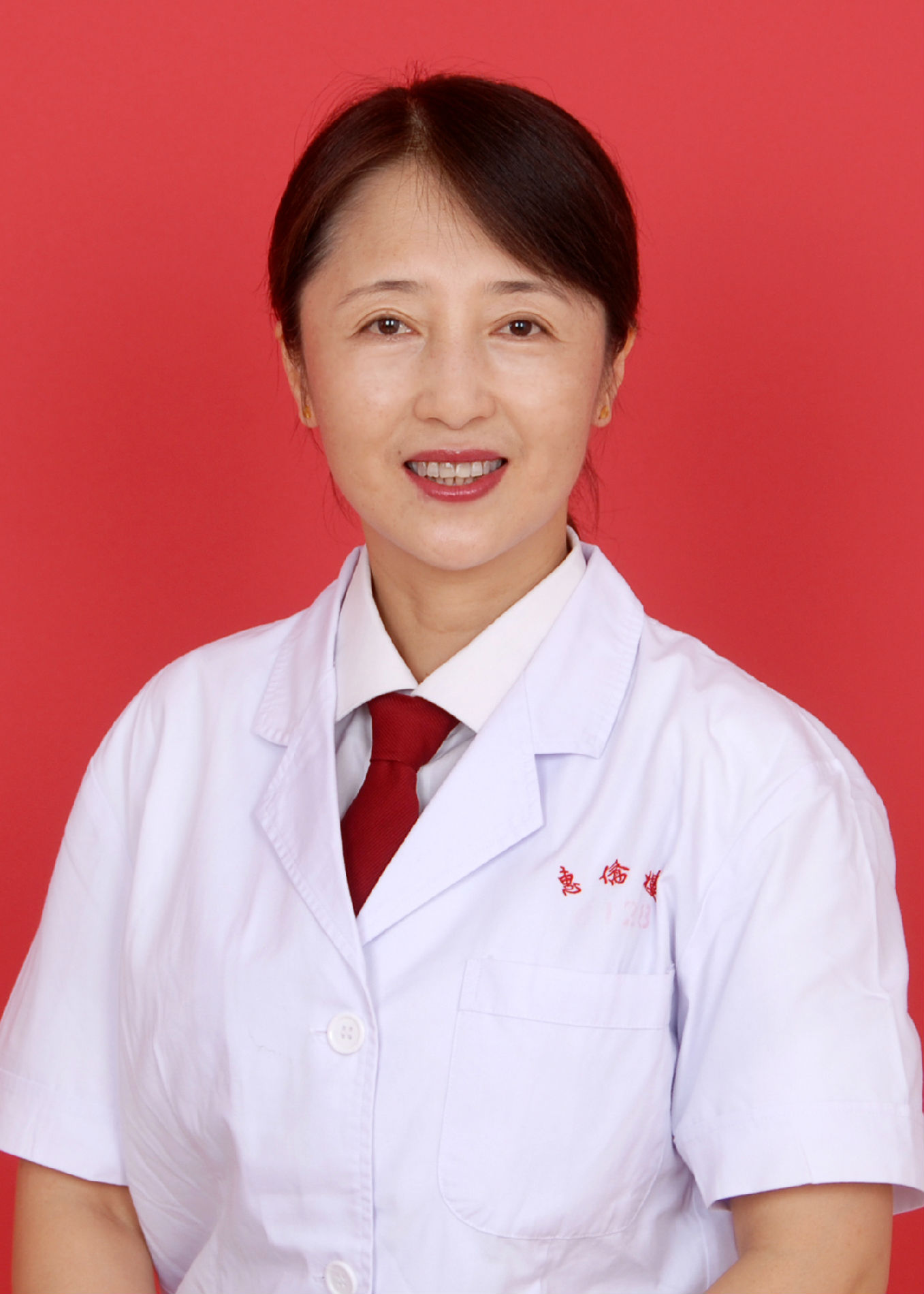 Wanghong Zhao (赵望泓)合作论文数南方医科大学南方医院1Zhang Qian合作论文数1Zhang Jieni合作论文数1
 Jianmeng Liu (刘建蒙)合作论文数School of Public Health, Peking University1Guangsi Shen合作论文数1
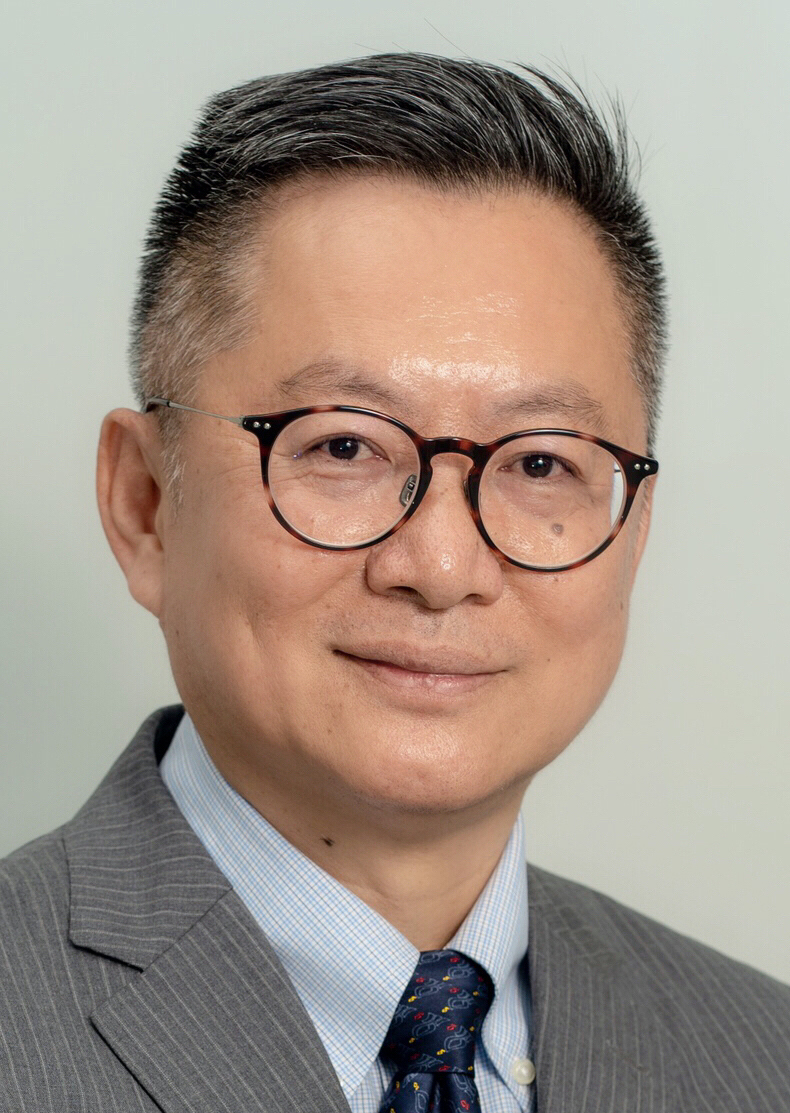 Feng Chen (陈峰)合作论文数Institute for Advanced Study, Shenzhen University;Institute for Food & Bioresource Engineering, College of Engineering, Peking University1
 Xu Cheng (程旭)合作论文数University of Chinese Academy of Sciences;School of Computer Science, Peking University;Microprocessor Research and Development Center, Peking University1
 Hongtian Li (李宏田)合作论文数School of Public Health, Peking University1
 Jian Xiao (肖健)合作论文数Institute of Sports Medicine, The Third Hospital of Peking University1
 Hui Yan (闫辉)合作论文数.Institute of Sports Medicine,Peking University Third Hospital,Beijing ,China1
 Jianhua Wang (王建华)合作论文数Xinhua Hospital Affiliated to Shanghai Jiaotong University School of Medicine1
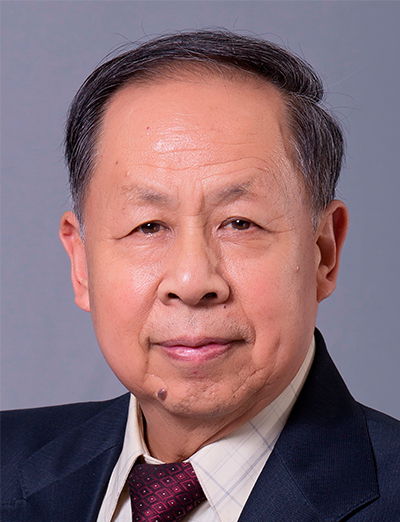 Jiuxiang Lin (林久祥)合作论文数Hospital of Stomatology, Peking University;Health Science Center, Peking University1
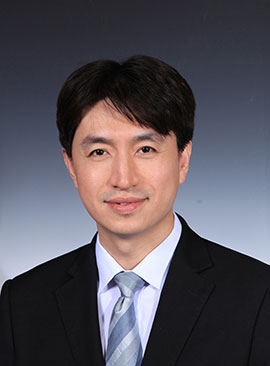 Zhibo Zhou (周治波)合作论文数Hospital of Stomatology, Peking University1
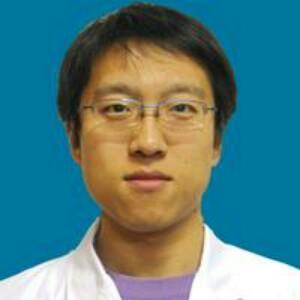 Pengbo Yuan (原鹏波)合作论文数Department of Obstetrics and Gynecology, Peking University Third Hospital1
 Weiran Li (李巍然)合作论文数Peking University School of Stomatology1




