Circuit quantum electrodynamics (circuit QED) offers a promising platform for quantum information processing and quantum simulation. The quantum spatial searches for identifying a target vertex on a graph have broad applications across information technologies. However, implementing quantum spatial searches on a graph through circuit QED remains unexplored. In this paper, we propose a scheme to realize quantum spatial searches via continuous-time quantum walks in a circuit QED system. Here, each cavity represents a graph vertex, while a single superconducting (SC) qubit mediates interactions among all cavities, enabling coherent manipulation of the search process in complete graphs. Remarkably, we find that an increasing number of vertices leads to a shorter search time, and the search is achieved deterministically. Our numerical simulations for the target search in an eight-vertex complete graph agree well with theoretical predictions, even under realistic decoherence and experimental parameters. This protocol is universal and can be generalized to accomplish the same task in a wide range of physical systems, where multiple microwave or optical cavities couple to a single matter qubit of various types.
Realizing efficient and controlled state transfers is necessary for implementing a wide range of classical and quantum information protocols. Recent studies have demonstrated that both asymmetric and symmetric state transfers can be achieved by encircling an exceptional point (EP) in non-Hermitian (NH) systems. However, the application of this phenomenon has been restricted to scenarios where an EP exists in single-qubit systems and is associated with a specific type of dissipation. In this work, we demonstrate efficient and controlled symmetric and asymmetric Bell-state transfers by modulating system parameters within a Jaynes-Cummings model while accounting for atomic spontaneous emission and cavity decay. The effective suppression of nonadiabatic transitions enables a symmetric exchange of Bell states irrespective of the encircling direction. Furthermore, we report a counterintuitive finding: the presence of an EP is not indispensable for implementing asymmetric state transfers in NH systems. We achieve perfect asymmetric Bell-state transfers even in the absence of an EP by dynamically orbiting around an approximate EP. Our work presents an approach to effectively and reliably manipulate entangled states with both symmetric and asymmetric characteristics, through dissipation engineering in NH systems.
The memory effects in open quantum systems can induce information backflow and revive quantum correlations, thereby providing a powerful way to protect and recover useful quantum resources in realistic noisy environments. However, such dynamics remains experimentally unexplored in multipartite quantum steering. Here we observe different non-Markovian evolution of tripartite quantum steering using Greenberger-Horne-Zeilinger-type mixed states, covering both death and revival processes. In particular, we experimentally demonstrate the more intricate asymmetric steering structure of tripartite quantum steering through different bipartitions, which do not arise in bipartite systems. Our results provide foundational insights into the hierarchical and directional structures in multipartite quantum steering, and highlight its potential as a useful resource for asymmetric quantum information processing.
Distributed quantum resources in practical multi-user quantum networks are inevitably degraded by environmental noise, channel loss, and device-induced imperfections. To address these issues, quantum resource distillation offers a fundamental approach to recovering stronger resources from imperfect states. However, conventional implementations often require additional copies, dedicated physical filtering elements, or restrict to bipartite systems, posing challenges for scalable multipartite networks. Here, we introduce the method of quantum resource distillation based on the local measurement program (LMP), which transfers completely positive maps into programmable measurement processes. We experimentally demonstrate the performance of resource distillation through LMP in both bipartite and tripartite photonic systems, including the activation and enhancement of multipartite steering configurations. To demonstrate the flexibility and extensibility of the LMP framework, we also show that virtual resource distillation can be naturally reformulated within it. Our results establish a programmable and experimentally economical approach for distilling quantum resources in multipartite and higher-dimensional systems, thereby providing a practical route toward scalable quantum networks.
Exceptional points (EPs) in non-Hermitian systems give rise to enhanced sensitivity and chiral state transfer, which are important for quantum technologies. Although parameter trajectories encircling EPs can control symmetric and chiral state transfer, their robustness against practical perturbations and their role in quantum sensing remain largely unexplored. Here, we study three time-modulated parameter loops in a non-Hermitian two-level system to show how trajectory design governs state-transfer symmetry, robustness, and sensing performance. Trajectories avoiding the EP support robust symmetric transfer, while those encircling the EP yield chiral transfer governed by the topological winding number, whose robustness depends on the distance to the EP and the encircling direction. For quantum sensing, trajectory engineering enables tuning of sensitivity amplitude, time window, and parameter selectivity in both eigenvalue-based and eigenstate-based sensors. Notably, eigenstate-based sensing achieves full parameter selectivity that is unattainable with eigenvalue-based methods. Our results establish a quantitative connection between trajectory topology and system dynamics, providing a unified framework for robust state-transfer protocols and high-performance quantum sensors.
Quantum state transfer, from one location to multiple different locations via the control of a quantum switch, is of fundamental interest in quantum physics. It has potential applications in networked quantum communication, information processing, and development of quantum technologies and quantum functional devices. Here we consider a circuit-QED system, which consists of an input microwave cavity, n output microwave cavities, and an (n + 2)-level superconducting (SC) qudit (acting as a multiplex switch). We show that arbitrary quantum states initially stored in the input cavity can be transferred to n different output cavities when the SC-qudit switch is in different states. The operational time does not depend on the output-cavity number. Since the two auxiliary higher-energy levels of the qudit are almost not excited during the state transfer, decoherence from these two levels is greatly suppressed. The state transfer can be realized deterministically because no state measurement is needed. We further numerically analyze the experimental feasibility of transferring arbitrary states of a photonic qubit from one input cavity to two output cavities via the control of a SC-flux-ququart switch (a four-level system). This proposal may be extended to accomplish the same task in other physical systems, where the switch is a multilevel artificial atom of different types and each cavity is a microwave or optical cavity.
Compared to a qubit, a qutrit (a three-level or three-state quantum system) possesses a larger Hilbert space to process and store quantum information. On the other hand, large-scale qutrit-based hybrid quantum computing usually requires performing hybrid multi-qutrit quantum gates with diverse qutrits, different in their nature or in their encoding format. In this work, we consider two types of qutrits, i.e., superconducting (SC) qutrits and cat-state qutrits. We propose to implement a hybrid controlled-SUM gate with one SC qutrit simultaneously controlling multiple-target cat-state qutrits. The gate is implemented in a circuit-QED system, which is composed of an SC ququart and multiple microwave cavities. The SC ququart here refers to a four-level quantum system, with the three lowest levels forming a qutrit and an auxiliary higher energy level utilized for the coherent state manipulation. The gate implementation does not require applying a classical pulse. Because the auxiliary higher energy level of the SC ququart is only virtually excited during the gate operation, decoherence from this level is greatly suppressed. The gate is deterministic, as it requires no measurement of the cavity or SC ququart states. Moreover, the gate operational time is independent of the number of qutrits, thus it does not increase with the number of qutrits. As an application of this gate, we further discuss the generation of a hybrid maximally entangled state of one SC qutrit and multiple cat-state qutrits. We also numerically analyze the experimental feasibility of creating the hybrid entangled state of one SC qutrit and two cat-state qutrits in a circuit QED system. This proposal may be extended to accomplish the same task in other physical systems, such as a four-level artificial atom (e.g., a quantum dot, an NV center, a magnon, etc.) coupled to multiple optical or microwave cavities.
When increasing the dimensionality of quantum systems, high-dimensional quantum state certification becomes important in quantum information science and technology. However, how to certify ensembles of high-dimensional quantum states in a black-box scenario remains a challenging task. In this Letter, we report an experimental test of certifying ensembles of high-dimensional quantum states based on prepare-and-measure experiments with independent devices, where the state preparation device and the measurement device have no shared randomness. In our experiment, the prepared quantum states are high-dimensional orbital angular momentum states of single photons, and both the preparation fidelity and the measurement fidelity are about 99.0% for the six-dimensional quantum states. We also measure the crosstalk matrices and calculate the similarity parameter for up to ten dimensions. We not only experimentally certify the ensemble of high-dimensional quantum states in a semi-device-independent manner, but also experimentally investigate the effect of atmospheric turbulent noise on high-dimensional quantum state certification. Our experimental results clearly show that the certification of high-dimensional quantum states can still be achieved even under the influence of atmospheric turbulent noise. Our findings have potential implications in quantum certification and quantum random number generation.
Recently, the concept of universal photon blockade, which unifies the physical mechanisms of conventional and unconventional photon blockade, was proposed based on a two-photon Jaynes-Cummings model [Y.-H. Zhou, T. Liu, Q.-P. Su, X.-Y. Zhang, Q.-C. Wu, D.-X. Chen, Z.-C. Shi, H. Z. Shen, and C.-P. Yang, Phys. Rev. Lett. 134, 183601 (2025)]. In this paper, we introduce an approach to studying universal photon blockade by directly integrating the conditions for conventional and unconventional photon blockades. From a theoretical perspective, this approach can address the key question of "in which systems universal photon blockade can be realized" and establish a more intuitive analytical framework for understanding the relationships among conventional, unconventional, and universal photon blockades. We validate this approach by investigating universal photon blockade in a system of two coupled cavities with Kerr nonlinearities, and we find excellent agreement between the derived optimal conditions and precise numerical simulations. Our results establish a pathway for predicting universal photon blockade and hold promising potential for applications in generating antibunched photons.
Generalized quantum measurements play a crucial role in quantum mechanics, and symmetric informationally complete positive operator-valued measurements (SIC POVMs) provide a powerful and flexible framework for extracting information from quantum systems. However, the existence of SIC-POVMs in every finite dimension remains an open question, which has stimulated extensive research into alternative classes of POVMs. Recently, Geng et al. [Phys. Rev. Lett. 126, 100401 (2021)] proposed a broader class of SIC POVM, called semisymmetric informationally complete POVM (semi-SIC POVM), which extends beyond SIC POVM. In this work, we focus on the four-outcome POVMs and experimentally realize the semi-SIC POVMs using a one-dimensional discrete-time quantum walk. Additionally, employing single photons and linear optics, we perform an experimental self-testing of semi-SIC POVMs in the semi-device-independent manner. Our results pave the way for exploring quantum certification with generalized quantum measurements.
The controlled transfer of quantum entangled states is a fascinating topic in quantum physics, and has potential applications in fields such as quantum network communication, distributed quantum information processing, and development of quantum functional devices. This study focuses on a circuit quantum electrodynamics (QED) system, comprising an input port, two output ports, and a quantum switch. The input port or each output port contains n microwave cavities. The switch is a superconducting transmon qutrit (three-level quantum system). The vacuum and single-photon states in each cavity encode a photonic qubit. We demonstrate that the single-excitation symmetric (SES) entangled state of n photonic qubits can be transferred from the n cavities at the input port to the n cavities at either of the two output ports, controlled by the switch. Remarkably, the operational time decreases as the number n increases. The only use of qutrit-cavity resonant interaction enables rapid quantum state transfer while effectively suppressing system decoherence. This proposal can be used to achieve the controlled transfer of both Bell states and W states of photonic qubits via a quantum switch. To validate the experimental feasibility, we numerically simulate two scenarios: (i) transferring the Bell state of two photonic qubits, and (ii) transferring the W state of three photonic qubits. This proposal may be extended to accomplish the same task in other physical systems, where the switch is implemented with a three-level artificial atom of different types while each cavity is a microwave or optical cavity.
Photon blockades are traditionally classified into conventional and unconventional types, depending on distinct physical mechanisms. Regarding the cavity decay rate κ, the conventional photon blockade takes place under strong nonlinearity condition (g>κ), whereas the unconventional photon blockade occurs in the regime of weak nonlinearity (g<κ). We here propose how to derive an optimal condition for photon blockade utilizing a two-photon Jaynes-Cummings model. Under this condition, the equal-time second-order correlation function reaches its minimum, leading to photon antibunching in both conventional and unconventional photon blockade regimes (g>κ and g<κ), even in g∼κ. This characteristic is termed universal photon blockade. By comparing it with the conventional and the unconventional photon blockades in the weak-driving limit, the advantages of universal photon blockade are revealed. Our proposal paves an avenue towards the future study of photon blockades and has potential applications in generating antibunched photons.
Discrete-time quantum walks (DTQWs) have broad applications in quantum computation and simulation, particularly in universal quantum computing. Prior research in circuit quantum electrodynamics (QED) has focused on implementing DTQWs in one-dimensional chains. However, to achieve practical quantum tasks, it is crucial to extend DTQWs to multidimensional networks with diverse structures. Here, we propose a protocol for realizing DTQWs in multidimensional networks, which accommodate nodes with different numbers of neighbors. Using this protocol, we numerically simulate a Grover walk search algorithm in a cubic network with circuit QED. Our simulations, which consider decoherence, align well with theoretical predictions. Our universal protocol can be adapted for various quantum systems and paves the way for DTQWs in multidimensional networks, which has potential applications in quantum computing and simulation.
Enhancing the sensitivity of quantum sensing near exceptional points represents a significant phenomenon in non-Hermitian (NH) systems. However, the application of this property in time-modulated NH systems remains largely unexplored. In this work, we propose two theoretical schemes to achieve enhanced quantum sensing in time-modulated NH systems by leveraging the coalescence of eigenvalues and eigenstates. We conduct a comprehensive analysis of the full energy spectrum, including both real and imaginary components, the population distribution of eigenstates, and various characteristics associated with optimal conditions for sensitivity enhancement. Numerical simulations confirm that eigenvalue-based quantum sensors exhibit a 9.21-fold improvement over conventional Hermitian sensors, aligning with the performance of existing time-independent NH sensors. In contrast, for eigenstate-based quantum sensors, the enhancement reaches up to 50 times that of conventional Hermitian sensors, surpassing the performance of existing time-independent NH sensors. Moreover, the eigenstate-based sensor exhibits divergent susceptibility even when the system's parameters are not close to an exceptional point. Our findings pave the way for advanced sensing in time-sensitive contexts, complementing existing efforts to harness the unique properties of open systems.
We propose an enhanced entanglement generation scheme in the non-Hermitian system by introducing an ancillary qubit with adjustable driven field to control the target entanglement, making this model more suitable for the switch operation at the quantum interface. Moreover, through adiabatic elimination, the mode of the qubit has been eliminated, and direct coupling between the cavities has been realized. The effective coupling strength between two non-Hermitian microwave cavities can be adjusted as an optimal value to satisfy a specific phase condition that realizes the maximally entangled state on a timescale. To prove the ability of our scheme to improve the performances of entanglement generation in the non-Hermitian system, the numerical simulations are performed based on a model where two microwave cavities are indirectly coupled through a superconducting qubit. It is evident that non-Hermitian cavities can be entangled significantly faster than Hermitian cavities, with the relative speedup increasing significantly as the perturbation is decreased, and the fourth-order exceptional points at J=0 are approached. Last but not least, our scheme has good robustness against parameter errors, crosstalk, and Gaussian white noise and is a feasible scheme for enhanced entanglement generation via approaching to higher-order exceptional points in a non-Hermitian network system.
Hybrid entangled states are essential quantum resources not only for hybrid quantum communication but also for creating robust hybrid quantum networks and processors. By considering a circuit-cavity quantum electrodynamics (QED) system composed of a superconducting (SC) qutrit (a three-level quantum system) and n microwave cavities, we here present a method to prepare hybrid Greenberger-Horne-Zeilinger (GHZ) entangled states of n+1 qubits. The use of a single SC qutrit as the coupler leads to a significant saving in circuit hardware resources. The GHZ state preparation is deterministic without measurement. The operation time for the GHZ state preparation is independent of the number of qubits. Decoherence from the highest energy level of the SC qutrit is suppressed because this level remains unoccupied during the GHZ state preparation. Our numerical simulations demonstrate that the high-fidelity generation of hybrid GHZ states of an SC qubit and three photonic qubits is achievable within current circuit-QED technology. The proposed scheme possesses universality and is suitable for preparing hybrid GHZ states of a matter qubit (e.g., atomic qubit, trapped ion, quantum dot, magnon, NV center, and SC qubit with various types) and multiple photonic qubits across a wide range of physical systems.
High-dimensional quantum systems, known as qudits with dimension d> 2, possess the capability to encode and process more information than traditional two-dimensional qubits. Entangled states serve as crucial resources for both quantum computation and quantum communication. On the basis of circuit quantum electrodynamics (QED) systems, we introduce an efficient scheme to deterministically generate high-dimensional multipartite entangled states of hybrid qutrits (d = 3). Assuming a simple initial state has already been prepared with the use of local operations, our method requires only a single step to produce hybrid Greenberger-Horne-Zeilinger (GHZ) entangled states among circuit QED systems consisting of superconducting qutrits and a superconducting cavity. Remarkably, the number of steps and the operational time remain constant as the number of qutrits increases, highlighting the efficiency and scalability of our approach. Using numerical simulations for a three-dimensional hybrid GHZ state of seven qutrits, we demonstrate the feasibility of our scheme and study the effects of various parameters on the fidelity. The importance of this research is in directing the experimental creation of multipartite, high-dimensional, and hybrid GHZ states, which can then be used to enhance quantum communication protocols and computational processes.
Non-Hermitian dynamics exhibits a wealth of surprising and potentially useful phenomena. However, it is typically realized by coupling a system with thermal reservoirs, which makes the system suffer from thermal fluctuations associated with the dissipation. Here, we propose a dissipation-free approach to realize non-Hermitian dynamics using a superconducting circuit composed of two resonators and a superconducting qutrit. The non-Hermiticity arises in the dynamical matrix for the evolution of the two resonators in the Heisenberg picture, via a photon-number non-conserved dynamics. The energy spectrum of the non-Hermitian dynamical matrix can be retrieved by measuring the state of the two resonators, and a phase transition of the energy spectrum can be observed by varying the control parameters. In the realization of the non-Hermitian dynamics, the dissipation of the system and the post-selection are not required. Thus, the approach is implemented in a deterministic way, and the reservoir-induced noise is suppressed. Numerical simulations indicate that the energy spectrum of the non-Hermitian dynamical matrix obtained via the measurement of the resonators is in accordance with the theoretical prediction. Moreover, we demonstrate the parity discrimination for the state of two four-level qudits as an application, exhibiting the potential of the non-Hermitian dynamics in the field of quantum measurement. This work opens a new avenue for the realization of non-Hermitian dynamics and may have a significant implication in exploring the non-Hermitian phenomena.
W-type optical entangled cat states play a crucial role in quantum information processing, quantum communication, and quantum technology. In this Letter, we propose an efficient protocol for preparing a W-type optical entangled cat state in circuit quantum electrodynamics (QED). The W-state preparation requires only a few basic operations. The system complexity is substantially reduced by using only one coupler qutrit. Our numerical simulation demonstrates that the high-fidelity preparation of the W-type optical entangled cat state is feasible with current circuit QED technology. This proposal is universal and can be extended to generate the W-type optical entangled cat state, by employing three microwave or optical cavities coupled to a natural or artificial three-level atom.
Non-Hermiticity can lead to the emergence of many intriguing phenomena that are absent in Hermitian systems, enabled by exceptional topological defects, among which Weyl exceptional rings (WER) are particularly interesting. The topology of a WER can be characterized by the quantized Berry phase and a nonzero Chern number, both encoded in the eigenvectors of the non-Hermitian Hamiltonian. So far, WERs have been realized with classical wave systems, whose eigenvectors can be well described by classical physics. We here report the first quantum-mechanical implementation of WERs and investigate the related topology transitions. The experiment system consists of a superconducting qubit and a dissipative resonator, coupled to each other. The high flexibility of the system enables us to characterize its eigenvectors on different manifolds of parameter space, each of which corresponds to a quantum-mechanical entangled state. We extract both the quantized Berry phase and Chern number from these eigenvectors, and demonstrate the topological transition triggered by shrinking the size of the manifold.
 Chuiping Yang (杨垂平)合作论文数School of Science, Hangzhou Normal University89Yihao Kang合作论文数20Li Yu合作论文数18Yu Zhang合作论文数15
 Tong Liu合作论文数15
 Zhe Sun (孙哲)合作论文数School of Science, Hangzhou Normal University15
 Franco Nori合作论文数College of Literature, Science and the Arts, University of Michigan;Theoretical Quantum Physics Laboratory, RIKEN13Shao-Jie Xiong合作论文数12Yong-Nan Sun合作论文数Univ Sci & Technol China, CAS Key Lab Quantum Informat, Hefei 230026, Anhui, Peoples R China11
 Guo-Qiang Zhang (张国强)合作论文数Sch Phys, Hangzhou Normal Univ11
 Shi-Biao Zheng (郑仕标)合作论文数College of Physics and Information Engineering, Fuzhou University10Liang Bin合作论文数9
 Jinming Liu (刘金明)合作论文数East China Normal University9Y. H. Zhou (周彦辉)合作论文数9
 Ronggen Cai (蔡荣根)合作论文数Institute of Theoretical Physics, Chinese Academy of Sciences;University of Chinese Academy of Sciences;Ningbo University8
 Bin Chen (陈斌)合作论文数School of Science, Harbin Institute of Technology, Shenzhen7Wu Qi-Cheng合作论文数7
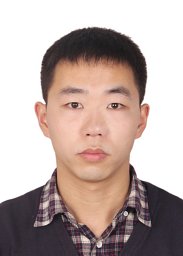 Wei Feng合作论文数Beijing Computational Science Research Center, Beijing Computational Science Research Center7
 Jinhu Yang (杨金虎)合作论文数School of Chemical Science and Engineering, Tongji University7
 Jinshuang Jin (金锦双)合作论文数School of Science, Hangzhou Normal University7Hangdong Wang合作论文数7
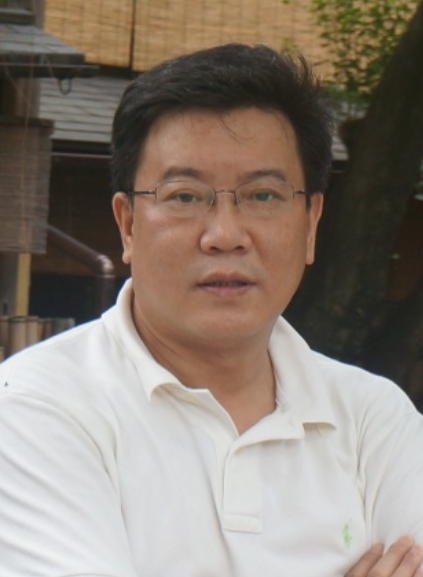 Minghu Fang (方明虎)合作论文数School of Physics, Zhejiang University6mingxing luo合作论文数5
 Yu Wang合作论文数5Qianhui Mao合作论文数5
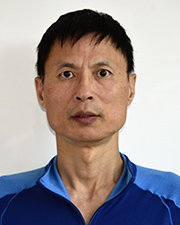 Siyuan Han (韩思远)合作论文数University of Kansas5
 Yang Yu (于扬)合作论文数School of Physics, Nanjing University5Qingjun Xu合作论文数4Jianhua Du合作论文数4Xiaoqiang Xu合作论文数4Meng-Yun Ma合作论文数3
 Jiaqi Zhou合作论文数Beihang Univ, Fert Beijing Inst, BDBC, Beijing 100191, Peoples R China3
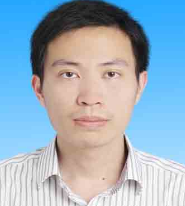 Chiheng Dong (董持衡)合作论文数中国科学院大学中国科学院电工研究所.电子电气与通信工程学院3
 Xiong Wei (熊炜)合作论文数School of Electronics, Peking University3
 Zhengjun Xi (席政军)合作论文数College of Computer Science,Shaanxi Normal University3Zheng Wen合作论文数Department of Materials Science and Engineering, Nanjing University3
 Kefei Chen (陈克非)合作论文数School of Mathematics, Hangzhou Normal University;University of Chinese Academy of Sciences3Shao-Xiong Li合作论文数3Pei-Rong Han合作论文数2
 Rajwali Khan合作论文数2Chen-Hui Peng合作论文数2Shi-Chao Wang合作论文数2Hanyu Zhang合作论文数2Huang-Qiu-Chen Wang合作论文数2Shou-Bang Yang合作论文数2Yan Chi合作论文数2




