You have accessJournal of UrologyProstate Cancer: Advanced I1 Apr 2012676 THE ABSENCE OF GOAL SETTING IN THE DIALOGUE BETWEEN METASTATIC PROSTATE CANCER (MCRPC) PATIENTS AND THEIR PHYSICIANS AN OPPORTUNITY FOR SHARED DECISION MAKING? Brad Davidson, Matthew DiChiara, Robert A. Bailey, Lorie A. Ellis, Mekre' Senbetta, Andrew J. Stephenson, and Tracey L. Krupski Brad DavidsonBrad Davidson Parsippany, NJ More articles by this author , Matthew DiChiaraMatthew DiChiara Parsippany, NJ More articles by this author , Robert A. BaileyRobert A. Bailey Horsham, PA More articles by this author , Lorie A. EllisLorie A. Ellis Horsham, PA More articles by this author , Mekre' SenbettaMekre' Senbetta Horsham, PA More articles by this author , Andrew J. StephensonAndrew J. Stephenson Cleveland, OH More articles by this author , and Tracey L. KrupskiTracey L. Krupski Charlottesville, VA More articles by this author View All Author Informationhttps://doi.org/10.1016/j.juro.2012.02.758AboutPDF ToolsAdd to favoritesDownload CitationsTrack CitationsPermissionsReprints ShareFacebookTwitterLinked InEmail INTRODUCTION AND OBJECTIVES In advanced prostate cancer, competing therapies often offer prolongation of life or improvement in quality of life but not both. Previous studies have reported that patients with advanced cancer are not distressed by prognostic and treatment information.1,2 These observations suggest that discussion of the expected benefits of each treatment option can facilitate shared decision-making allowing for incorporation of patient preferences and values into the treatment plan. We sought to understand how metastatic castrate-resistant prostate cancer (mCRPC) patients and their physicians discuss treatment goals. METHODS This institutional review board-approved, Health Insurance Portability and Accountability Act (HIPAA)-compliant, observational, linguistic study analyzed conversations between mCRPC patients and their oncologist or urologist during a naturally-occurring clinic visit in 2011. The videotaped clinic visits had no 3rd-party observers present and both participants were interviewed separately after the visit using standardized questionnaires. All conversations were analyzed with standard anthropology and discourse analysis techniques. RESULTS We observed a number of information gaps during 42 clinic visits involving mCRPC patients (69% African-American) and their physician (7 urologists; 7 oncologists). In particular, explicit conversation about the patients' goals for therapy or the terminal nature of the disease did not occur in any physician-patient discussion. In post-visit interviews, physicians primarily viewed the care plan as preserving quality of life while patients tended to believe their care plan focused on extending life. Both patients and physicians assumed that their views on treatment goals were aligned with each other. The absence of direct dialogue allowed this gap to persist. CONCLUSIONS Universally, the discussion of “quality” versus “quantity” of life is understood to be difficult. In this research, discussions about setting or revisiting treatment goals was notably absent from the patient-physician dialogue. This research highlights a need to enhance communication between patients and providers that facilitate alignment of treatment goals and expectations in mCRPC patients. References 1 : JAMA2000; 283: 3217. Google Scholar 2 : J Supportive Onc2011; 9: 79. Google Scholar © 2012 by American Urological Association Education and Research, Inc.FiguresReferencesRelatedDetails Volume 187Issue 4SApril 2012Page: e276 Advertisement Copyright & Permissions© 2012 by American Urological Association Education and Research, Inc.MetricsAuthor Information Brad Davidson Parsippany, NJ More articles by this author Matthew DiChiara Parsippany, NJ More articles by this author Robert A. Bailey Horsham, PA More articles by this author Lorie A. Ellis Horsham, PA More articles by this author Mekre' Senbetta Horsham, PA More articles by this author Andrew J. Stephenson Cleveland, OH More articles by this author Tracey L. Krupski Charlottesville, VA More articles by this author Expand All Advertisement Advertisement PDF downloadLoading ...
Introduction/Objective: To estimate the prevalence of CKD in Hawaii's LTC population based on laboratory data and the degree to which a corresponding diagnosis of CKD is identified in the resident's chart.
Introduction/Objective: To evaluate the prevalence of anemia and anemia treatment in anemic LTCF residents.
This article is written for the general psychiatrist whose practice does not customarily include children and adolescents but has occasion to work with youths who present with neurobiological disorders or serious emotional disorders that fall under the rubric of childhood psychiatric diagnoses . It discusses the unique ethical considerations that general psychiatrists may not routinely encounter. It reviews ethical concerns related to such themes as informed consent , confidentiality, documentation about other family members, familial and cultural practices, professional competence, mandatory treatment, evidence-based practices, boundary issues, and research practices. The intent is to provide psychiatrists with an enhanced awareness of those ethical considerations, a broad framework for comprehending and addressing those issues, and additional resources for further development. The goal is to help the reader achieve competency, rather than expertise.
The results of increasing blood flow capability in a modified system for plasma exchange with a rotating filter are reported. There were 742 treatments performed with the authors' original system (OS), limited to blood flows of 100 ml/min, and 327 treatments performed with the updated system (US), allowing for blood flows of 150 ml/min. Blood flows for OS were 98 +/- 5 ml/min (mean +/- SD) vs 145 +/- 12 ml/min for US (p < 0.001). Plasma flows were 65 +/- 7 ml/min for OS vs 98 +/- 12 ml/min for US (p < 0.001). Plasma removal rate was 42 +/- 8 ml/min for OS vs 61 +/- 14 ml/min for US (p < 0.001). Mean treatment time was reduced from 76 +/- 23 min for OS to 52 +/- 17 min for US (p < 0.001) in spite of providing a similar amount of plasma removed per treatment (3,113 +/- 577 ml/Rx for OS vs 3078 +/- 797 ml/Rx for US; p = 0.48). Despite statistical significance, there were only small differences in filtration fractions (65 +/- 12% for OS vs 62 +/- 11% for US; p(0.001) and patient hematocrits (34 +/- 6% for OS vs 33 +/- 6% for US; p < 0.001). In conclusion, modification of the OS to allow for increased blood flow has resulted in a substantial improvement in procedure efficiency and a clinically useful decrease in treatment time.
An 87‐year‐old white male with adult onset diabetes mellitus and progressive renal insufficiency was admitted because of dyspnea. Admission workup revealed a blood urea nitrogen (SUN) of 133 mg/dl, a creatinine of 5.6 mg/dl, a potassium of 5.0 mEq/l, and echocardiographic evidence of a pericardial effusion. The pericardial effusion was not hemodynamically significant, with no pulsus paradoxus and no evidence of right atrial or right ventricular collapse on echocardiogram. Of significance was a past medical history of third degree heart block managed by the placement of a sequential atrial‐ventricular (DDD) cardiac pacemaker. On admission his pacemaker was A‐V sequential pacing at a rate of 80 bpm. Hemodialysis was initiated without heparin, and transmembrane pressure was minimized so as not to precipitate cardiac tamponade. No net ultrafiltration occurred during the dialysis. Two hours after the initiation of hemodialysis, hypotension and an irregular tachycardia occurred. The hypotension was not volume responsive. Echocardiogram and rhythm strip showed atrial fibrillation with irregularly irregular ventricular pacing. Cardiology consultation was requested to further evaluate the pacemaker status. The pacemaker was emergently converted to a VVI mode of 90 bpm. The patient subsequently became normotensive and hemodynamically stable. He was also given a loading dose of 1000 mg of procainamide and a continuous infusion of procainamide was initiated at 1 mg/min. Organized atrial activity was restored within 15 min. No further atrial arrhythmias were noted during subsequent hemodialyses.
 Rs Mckenzie合作论文数9Francis Vekeman合作论文数6Ct Piech合作论文数5
 Marie-Hélène Lafeuille合作论文数3
 Francois Laliberte合作论文数3M. Corral合作论文数2B Johnson合作论文数2Andre A. Kaplan合作论文数University of Connecticut Health Center2Mekré Senbetta合作论文数2Brahim K Bookhart合作论文数2G. Reardon合作论文数2jerald belitz合作论文数1Matthew DiChiara合作论文数1FR Ernst合作论文数1
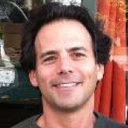 Brad Davidson合作论文数1J. Blais合作论文数1D Freedman合作论文数1Katherine Dea合作论文数1S. Martin合作论文数1M. Durkin合作论文数1Tang Boxiong I合作论文数1
 Andrew Stephenson合作论文数Rush University Medical Center1
 Gravel Jonathan合作论文数1Ernst Frank R合作论文数1
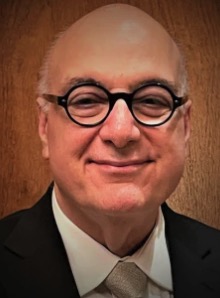 George Bakris合作论文数Department of Medicine, University of Chicago;Comprehensive Hypertension Center, University of Chicago1Lorie Ellis合作论文数Janssen Scientific Affairs, LLC1
 Dominic Pilon合作论文数1Ms Duh合作论文数1Marvin Wasserman合作论文数1Judith Sevigny合作论文数1Judith Reardon合作论文数1Clifton E. Kew合作论文数1Heidi Waters合作论文数1
 Mei Sheng Duh合作论文数Analysis Group, Inc.;Department of Biostatistics, Harvard T.H. Chan School of Public Health1Susan C Bolge合作论文数1
 Joseph A Vassalotti合作论文数Department of Medicine, Mount Sinai School of Medicine1
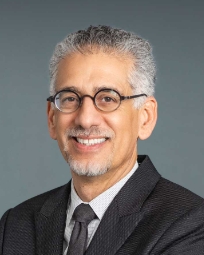 Josef Coresh合作论文数Department of Population Health, Grossman School of Medicine, New York University;Department of Medicine, Grossman School of Medicine, New York University1
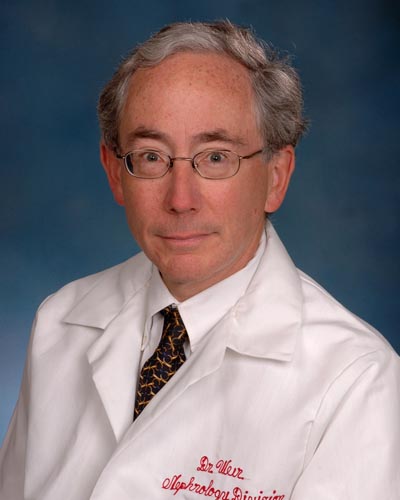 Matthew R. Weir合作论文数Division of Nephrology, Department of Medicine, School of Medicine, University of Maryland;University of Maryland Hospital1B Kilpatrick合作论文数1Gregory S. Wagner合作论文数1Mekre Senbetta合作论文数1A Naim合作论文数1
 Tracey L Krupski合作论文数Department of Urology, University of Virginia1S. Hord合作论文数1Patrick Lefebvre合作论文数1




