The discovery and development of 5-azaindole factor VIIa inhibitors will be described.
The 4-amino-5-azaindole as an amidino-benzimidazole replacement is described. A series of potent and selective analogs were discovered and showed desirable ex vivo efficacy as measured by PT.
Structure-activity relationships and binding mode of novel heterocyclic factor VIIa inhibitors will be described. In these inhibitors, a highly basic 5-amidinoindole moiety has been successfully replaced with a less basic 5-aminopyrrolo[3,2-b]pyridine scaffold.
Within the trypsin family of coagulation proteases, obtaining highly selective inhibitors of factor VIIa has been challenging. We report a series of factor VIIa (fVIIa) inhibitors based on the 5-amidino-2-(2-hydroxy-biphenyl-3-yl)-benzimidazole (1) scaffold with potency for fVIIa and high selectivity against factors IIa, Xa, and trypsin. With this scaffold class, we propose that a unique hydrogen bond interaction between a hydroxyl on the distal ring of the biaryl system and the backbone carbonyl of fVIIa lysine-192 provides a basis for enhanced selectivity and potency for fVIIa.
The rational design and synthesis of beta-amino-alpha-hydroxy amide derivatives as reversible inhibitors of methionine aminopeptidase-2 (MetAP2) with anti-proliferative activity against human umbilical vein endothelial cells (HUVECs) is described.
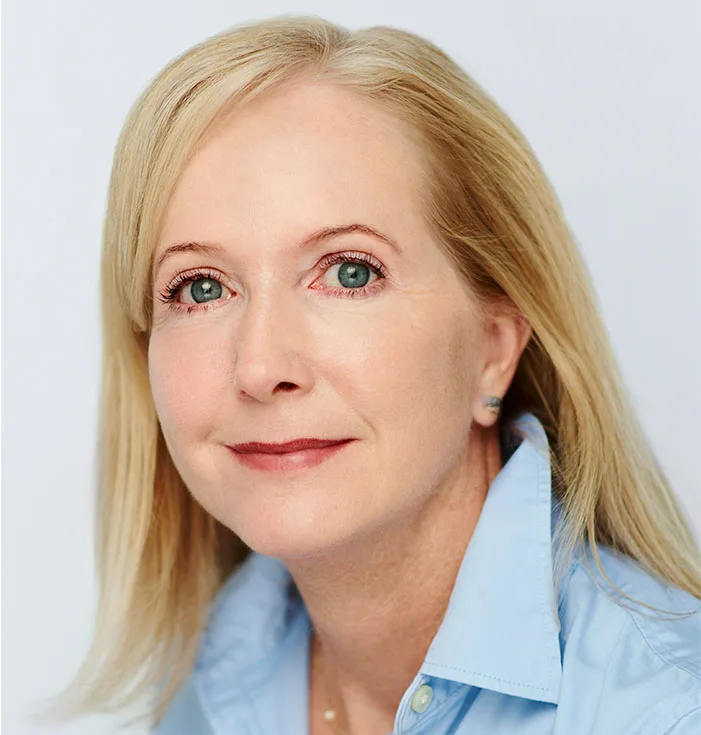 Wendy Young合作论文数Google Ventures5
 Ellen Sanford合作论文数5William D. Shrader合作论文数5Ba Katz合作论文数4
 Christine Yu合作论文数4PA Sprengeler合作论文数3S Torkelson合作论文数3John Hendrix合作论文数3Roopa Rai合作论文数Celera Genomics, 180 Kimball Way, South San Francisco, CA 94080, USA3
 Alexander I Kolesnikov合作论文数Neutron Scattering Division, Oak Ridge National Laboratory;Institute for Integrated Cell-Material Sciences, Kyoto University3Aleksandr Kolesnikov合作论文数2Tony Ton合作论文数2Jennifer R. Riggs合作论文数2Hy Hu合作论文数2
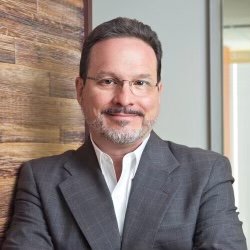 Michael J. Green合作论文数Celera Genomics, 180 Kimball Way, South San Francisco, CA 94080, USA2Paul A. Sprengeler合作论文数2James W. Janc合作论文数2Ellen M. Leahy合作论文数2
 Robin Stephens合作论文数Celera Genomics, 180 Kimball Way, South San Francisco, CA 94080, USA2Margaret Nguyen合作论文数2E.M. Leahy合作论文数1E Gjerstad合作论文数1J Janc合作论文数1Erik Gjerstad合作论文数1R.L. Mackman合作论文数1Neil Squires合作论文数1Honigberg Lee A合作论文数1Martin Sendzik合作论文数1Dange Vijaykumar合作论文数1Jie Tang合作论文数1Catherine Magill合作论文数1Jana Burgess-Henry合作论文数1Troy A. Wahl合作论文数Celera Genomics, 180 Kimball Way, South San Francisco, CA 94080, USA1
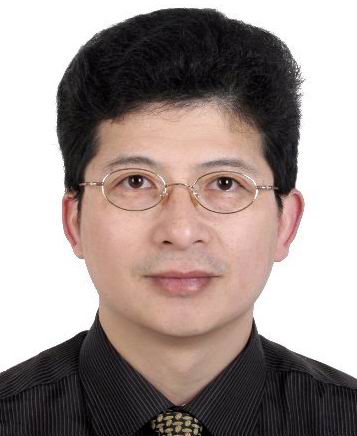 Zhiwei Tong (童志伟)合作论文数School of Environmental and Chemical Engineering, Jiangsu Ocean University1Kieron E. Wesson合作论文数1
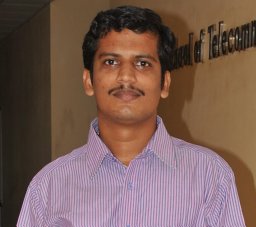 Anil Kumar Vuppala合作论文数LTRC, IIIT1
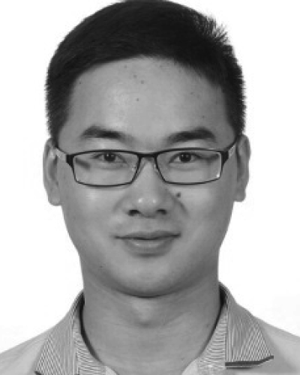 Huiyong Hu (胡辉勇)合作论文数1




