Keratinocyte growth factor (KGF) has been proposed as a therapeutic adjuvant to enhance T cell immune reconstitution, particularly following stem cell transplantation. Here, we demonstrate that the long-term KGF-induced increase in thymic cellularity and thymocyte differentiation is preceded by a transient developmental block prior to the β-selection checkpoint, observed as early as day 2 following KGF treatment. This early block is characterized by an increased expansion of uncommitted thymocytes and is driven by KGF-induced alterations in both cortical and medullary thymic epithelial cells (TECs). KGF suppresses Wnt/β-catenin signaling by downregulating distinct Wnt ligands in cTECs and mTECs, leading to reduced expression of FOXN1, a master regulator of TEC differentiation. Consequently, expression of Foxn1-dependent genes, including Dll4, a key Notch ligand required for early thymocyte development, is diminished. These findings reveal a novel mechanism of KGF action: an initial disruption of TEC-mediated signaling that transiently impairs early thymocyte differentiation, followed by enhanced proliferation and long-term thymic recovery.
ABSTRACT:Graft-versus-host disease (GVHD) is a major complication of allogeneic hematopoietic cell transplantation (HCT). Palifermin, a recombinant N-truncated keratinocyte growth factor (KGF), protects epithelial tissues, including the thymus and gut. Although high-dose KGF prevents GVHD in preclinical models, lower doses of palifermin were ineffective in humans. We conducted a phase 1/2 trial evaluating high-dose palifermin for preventing severe chronic GVHD (CGVHD) in matched unrelated donor T-cell replete peripheral blood HCT after reduced-intensity conditioning (RIC). Using a 3+3 design, we determined the recommended phase 2 dose (RP2D), followed by an expansion phase. Palifermin (180-720 μg/kg) was given on day -7 before HCT. All 31 patients received fludarabine/cyclophosphamide RIC with tacrolimus, methotrexate, and sirolimus for GVHD prophylaxis. Palifermin was well tolerated, with self-limiting rash and pancreatic enzyme elevations as notable grade 3/4 adverse events. The RP2D was 720 μg/kg. Remarkably, no patients at this dose developed grade 2 to 4 acute GVHD (AGVHD [0/19]), although severe CGVHD rates (primary end point) remained unchanged compared to historical controls. Posttransplant lymphocyte phenotyping suggests palifermin modulates regulatory and naïve CD4+ T-cell numbers. These findings indicate that high-dose palifermin with RIC is safe and may prevent AGVHD, although it did not affect CGVHD rates in this study. This trial was registered at www.ClinicalTrials.gov as #NCT02356159.
Chronic graft-versus-host disease (cGVHD) remains a significant problem for patients after allogeneic hematopoietic stem cell transplants (allo-HSCT). While in vivo lymphodepletion by antibodies for cGVHD prophylaxis has been explored in the myeloablative setting, its effects after reduced intensity conditioning (RIC) are not well described. Patients (n=83) with hematologic malignancies underwent targeted lymphodepletion chemotherapy followed by a RIC allo-HSCT using peripheral blood stem cells from unrelated donors. Patients were randomized to two GVHD prophylaxis arms: high-dose alemtuzumab/cyclosporine (AC, n=44) and tacrolimus/methotrexate/sirolimus (TMS, n=39) with the primary endpoint of cumulative incidence of severe cGVHD. The incidence of severe cGVHD was lower with AC vs TMS prophylaxis at 1- and 5-years (0% vs 10.3% and 4.5% vs 28.5%, overall p=0.0002), as well as any grade (p=0.003) and moderate-severe (p<0.0001) cGVHD. AC was associated with higher rates of grade III-IV infections (p=0.02) and relapse (52% vs 21%, p=0.003) with a shorter 5-year PFS (18% vs 41%, p=0.01) and no difference in 5-year GRFS, OS, or NRM. AC severely depleted naïve T-cells reconstitution, resulting in reduced TCR repertoire diversity, smaller populations of CD4 Treg and CD8 Tscm, but a higher ratio of Treg to naïve T-cells at 6 months. In summary, an alemtuzumab-based regimen successfully reduced the rate and severity of cGVHD after RIC allo-HSCT and resulted in a distinct immunomodulatory profile which may have reduced cGVHD incidence and severity. However, increased infections and relapse resulted in a lack of survival benefit after long-term follow-up. ClinicalTrials.gov identifier: NCT00520130
Supplementary Figure 6 from Tumor-Evoked Regulatory B Cells Promote Breast Cancer Metastasis by Converting Resting CD4+ T Cells to T-Regulatory Cells
Supplementary Methods, Figure Legends 1-8 from Tumor-Evoked Regulatory B Cells Promote Breast Cancer Metastasis by Converting Resting CD4+ T Cells to T-Regulatory Cells
PDF file - 96K, In vivo inactivation of tBregs with BLC-arp/CpG-ODN induces antitumor T cell responses
Aberrant differentiation of progenitor cells in the hematopoietic system is known to severely impact host immune responsiveness. Here we demonstrate that NOD1, a cytosolic innate sensor of bacterial peptidoglycan, also functions in murine hematopoietic cells as a major regulator of both the generation and differentiation of lymphoid progenitors as well as peripheral T lymphocyte homeostasis. We further show that NOD1 mediates these functions by facilitating STAT5 signaling downstream of hematopoietic cytokines. In steady-state, loss of NOD1 resulted in a modest but significant decrease in numbers of mature T, B and natural killer cells. During systemic protozoan infection this defect was markedly enhanced, leading to host mortality. Lack of functional NOD1 also impaired T cell-dependent anti-tumor immunity while preventing colitis. These findings reveal that, in addition to its classical role as a bacterial ligand receptor, NOD1 plays an important function in regulating adaptive immunity through interaction with a major host cytokine signaling pathway.
Supplementary Figures 1-10 from Breast Cancer Lung Metastasis Requires Expression of Chemokine Receptor CCR4 and Regulatory T Cells
PDF file - 206K, Regulatory activity is mostly retained in human tBregs expressing low levels of CD20
Administration of recombinant erythropoietin (rEPO) is often associated with systemic and pulmonary arterial hypertension in animals and human. The present study was conducted to determine whether one-week rEPO-treatment can produce any effect on pulmonary vasomotor function.Male Wistar rats were injected with rEPO (400 IU/kg sc) or saline every other day for one week. Tension, biochemical and Real-Time PCR experiments were conducted on left and right branches of pulmonary artery and main pulmonary artery isolated from the rats.ACh-induced relaxation was significantly (p < 0.05) reduced in rEPO-treated rats in comparison to control animals. Relaxation to the NO donor SNP was not different between the groups. EDHF-induced relaxation was remarkably higher in rEPO-treated group in comparison to control. Phenylephrine-induced contraction was significantly (p < 0.05) reduced in rings from rEPO-treated rats at the second and third lowest concentrations of phenylephrine and its potency was not significantly reduced. No significant difference was observed in CaCl2-induced contraction between the groups. Nitric oxide production was significantly reduced in rEPO-treated rats in comparison to control animals. Real-time PCR studies demonstrated a significant decrease (p < 0.05) of eNOS transcript. However, peNOS activity was not altered with rEPO treatment.The present study suggests that EPO-treatment for one week attenuates ACh-stimulated NO production. It does not affect the vasodilatory action of SNP. It showed up-regulation of EDHF and decreased potency of phenylephrine. Thus elevated EPO may diversely affect the vasomotor function of pulmonary artery. Clinically, it is important to observe the use of EPO in hypertensive condition.
In vivo deuterated water ( 2 H 2 O) labeling leads to deuterium ( 2 H) incorporation into biomolecules of proliferating cells and provides the basis for its use in cell kinetics research. We hypothesized that rapidly proliferating cancer cells would become preferentially labeled with 2 H and, therefore, could be visualized by deuterium magnetic resonance imaging (dMRI) following a brief period of in vivo systemic 2 H 2 O administration. We initiated systemic 2 H 2 O administration in two xenograft mouse models harboring either human colorectal, HT-29, or pancreatic, MiaPaCa-2, tumors and 2 H 2 O level of ~ 8% in total body water (TBW). Three schemas of 2 H 2 O administration were tested: 1) starting at tumor seeding and continuing for 7 days of in vivo growth with imaging on day 7, 2) starting at tumor seeding and continuing for 14 days of in vivo growth with imaging on day 14, and 3) initiation of labeling following a week of in vivo tumor growth and continuing until imaging was performed on day 14. Deuterium chemical shift imaging of the tumor bearing limb and contralateral control was performed on either day 7 of 14 after tumor seeding, as described. After 14 days of in vivo tumor growth and 7 days of systemic labeling with 2 H 2 O, a clear deuterium contrast was demonstrated between the xenografts and normal tissue. Labeling in the second week after tumor implantation afforded the highest contrast between neoplastic and healthy tissue in both models. Systemic labeling with 2 H 2 O can be used to create imaging contrast between tumor and healthy issue, providing a non-radioactive method for in vivo cancer imaging.
PDF file - 90K, Anti-bcma2 transduced T cells from Myeloma Patient 4 produced TNF and IFN in a BCMA-specific manner.BCMA protein in solution does not block recognition of BCMA+ target cells by anti-bcma2-transduced T cells in vitro.Human BCMA protein was detected by ELISA in the serum of NSG mice with RPMI8226 tumors, but human BCMA protein was not detected in the serum of a control mouse that did not have a tumor.
NK effector cells expressing a CAR construct may be used to target T-lineage markers. In this work, we compared the activity of a NK-specific CAR-NK and a CAR-T framework when expressed on NK effector cells to target CD3 and CD5 in T-cell malignancies. Our results show that CD3-CAR-T is more active than CD5-CAR-T to eliminate malignant T cells in vitro, however, CD3-CAR-T were less efficient to eliminate tumor cells in vivo, while CD5-CAR-T had antitumor activity in a diffuse xenograft model. Lack of in vivo efficacy correlated with downregulation of CD3 levels in target T cells after coculture with CD3-CAR effector cells. The CAR-NK framework greatly improved the efficacy of CARs leading to increased degranulation, cytokine secretion and elimination of the tumor xenograft by CD5-CAR-NK effector cells. Finally, all CAR constructs were similarly effective to eliminate malignant T cells in vitro. Our results show that the NK-CAR framework improves the activity of CARs in NK cells and that CD5 would be a better target than CD3 for T-cell malignancies, as dynamic downregulation of target expression may affect in vivo efficacy.
Bronchiolitis obliterans syndrome (BOS) is a severe manifestation of chronic graft-versus-host disease (cGVHD) following hematopoietic cell transplantation (HCT). Montelukast interrupts cysteinyl leukotriene (CysLT) activity and may diminish the activation and homing of cells to bronchioles and subsequent fibrosis. We performed a prospective phase II trial to test whether montelukast altered lung decline for patients with BOS after HCT. In this single-arm, open-label, multi-institutional study, the primary endpoints were stability or improvement (<15% decline) in forced expiratory volume in 1 second (FEV1) and a <1-point decline in the slope of FEV1 after 6 months of treatment. Secondary endpoints included symptom and functional responses and immune correlates investigating the role of leukotrienes in BOS progression. The study enrolled 25 patients with moderate to severe lung disease after 3 months of stable cGVHD therapy. Montelukast was well tolerated, and no patient required escalation of BOS-directed therapy. At the primary endpoint, all 23 evaluable patients met the criteria for treatment success using FEV1% predicted, and all but 1 patient had stable or improved FEV1 slope. In those with a >5% improvement in FEV1, clinically meaningful improvements were seen in the Lee scores of breathing, energy, and mood. Improvements in the Human Activity Profile and 6-minute-walk test were observed in those with a <5% decline in FEV1. Overall survival was 87% at 2 years. Immune correlates showed elevated leukotriene receptor levels on blood eosinophils and monocytes versus healthy controls, elevated urine leukotrienes in 45% of the cohort, and CysLT receptors in bronchoalveolar lavage subsets and a predominance of Th2 cells, all pretreatment. These data suggest that montelukast may safely halt the progression of BOS after HCT, and that leukotrienes may play a role in the biology of BOS.
 Steven Z. Pavletic合作论文数109
 Daniel Fowler合作论文数Cytokine Biology Section, Experimental Transplantation and Immunology Branch, National Institutes of Health108
 Fran Hakim合作论文数National Cancer Institute, U.S. Department of Health and Human Services84Seth M Steinberg合作论文数Center for Cancer Research, National Cancer Institute, National Institutes of Health68
 Michael Bishop合作论文数Department of Medicine, The University of Chicago49Claude Sportes合作论文数45
 Juan C Gea-Banacloche合作论文数43
 Edward W. Cowen合作论文数Dermatology Branch, National Institute of Arthritis and Musculoskeletaland Skin Diseases, National Institutes of Health35Kristin Baird合作论文数33Nancy M. Hardy合作论文数National Cancer Institute, National Institutes of Health30Rose Jeremy J合作论文数29David F. Stroncek合作论文数26Hakim Fran T合作论文数23Williams Kirsten合作论文数23
 Crystal Mackall合作论文数School of Medicine, Stanford University22
 James N. Kochenderfer合作论文数National Cancer Institute, National Institutes of Health21Daniele Avila合作论文数21F. Hakim合作论文数20Curtis Lauren合作论文数20
 Bruce L. Levine合作论文数Department of Pathology and Laboratory Medicine, Perelman School of Medicine, University of Pennsylvania;Center for Cellular Immunotherapies, University of Pennsylvania20
 Drazen Pulanic合作论文数School of Medicine, University of Zagreb;Unit for Hemostasis, Thrombosis and Benign Diseases of the Hematopoietic System, Division of Hematology, Department of Internal Diseases, University Hospital Center Zagreb20Jeanne Odom合作论文数20Blacklock-Schuver Bazetta合作论文数19Philip J. Lucas合作论文数19
 Sandra A. Mitchell合作论文数Division of Cancer Control and Population Sciences Program Areas, National Cancer Institute, National Institutes of Health19K. M. Williams合作论文数19
 Carl H. June合作论文数Department of Pathology and Laboratory Medicine, Perelman School of Medicine, University of Pennsylvania19David C Halverson合作论文数18
 Sarfraz Memon合作论文数NCI, NIH18Kanakry Christopher G合作论文数Expt Transplantat & Immunol Branch, NIH18
 Kanakry Jennifer A合作论文数Expt Transplantat & Immunol Branch, NIH18Comis Leora E合作论文数18
 Terry Fry合作论文数18
 Arya Biragyn合作论文数Laboratory of Molecular Biology and Immunology, National Institute on Aging18
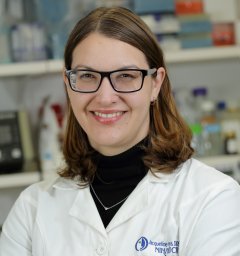 Jacqueline W. Mays合作论文数College Of Dentistry, The Ohio State University17Filip Pirsl合作论文数16
 Jennifer Sproul Wilder合作论文数16
 Monica Bodogai合作论文数Institute of Genetics, Biological Research Center Hungarian Academy of Sciences16
 Wyndham Wilson合作论文数Lymphoid Malignancies Branch, Center for Cancer Research, National Cancer Institute, National Institutes of Health15Baruffaldi Judy合作论文数15William G. Telford合作论文数15
 Dennis D. Hickstein合作论文数Center for Cancer Research, National Cancer Institute15
 Nataliya P Buxbaum合作论文数14Veena Kapoor合作论文数14Francis A. Flomerfelt合作论文数14Hansen Brenna G合作论文数13Rachel B. Salit合作论文数13Elizabeth J. Read合作论文数Department of Transfusion Medicine, National Institutes of Health13Dimana Dimitrova合作论文数12




