OBJECTIVE:There is limited evidence on the optimal management of nasal septal haematoma and abscess. This systemic review aims to summarise the management and outcomes and identify gaps in the literature. METHOD:A systematic search of Embase, PubMed, Cochrane Central Register of Controlled Trials (CENTRAL) and CINAHL was done. We included all studies on management of paediatric and adult patients with nasal septal haematoma or nasal septal abscess. RESULTS:Seventeen articles were included (15 retrospective and 2 prospective) totalling 503 patients. Prophylactic antibiotics generally are used in nasal septal haematoma. Most septal collections were drained under general anaesthetic, and incision and drainage used in all. Quilting sutures, drains, nasal packing or a combination of these surgical techniques were described. Re-collection occurred in 18 of the 503 (3.6 per cent) patients. CONCLUSION:Low rates of re-collection following incision and drainage are reported. There is a lack of well-designed studies that stratify outcomes and morbidity of nasal septal abscess and nasal septal haematoma based on mode of treatment.
BACKGROUND:Hypoparathyroidism is a recognised complication following laryngectomy; it is associated with significant short-and long-term morbidity. This study aimed to further characterise this condition, identify risk factors and describe preventative and management strategies in a large cohort.MATERIALS AND METHODS:This was a retrospective study at a tertiary referral centre for head and neck cancers. All consecutive patients who had total laryngectomy over an eight-year period were included.RESULTS:A total of 140 patients were included. Rates of transient and long-term hypoparathyroidism were 14.3% and 10.1%, respectively. The following factors were significantly associated with transient post-surgical hypocalcaemia or hypoparathyroidism: total thyroidectomy (relative risk, RR, 4.33; 95% confidence interval, CI, 1.86-10.10), oesophagectomy (RR 6.05; 95% CI 2.92-12.53) and female sex (RR 3.23; 95% CI 1.45-7.19). In addition, total thyroidectomy (RR 5.89; 95% CI 1.94-17.86), central neck dissection (RR 3.97; 95% CI 1.42-11.10), oesophagectomy (RR 9.38; 95% CI 4.13-21.3), pharyngectomy (RR 7.14; 95% CI 2.08-24.39) and female sex (RR 5.52; 95% CI 1.95-15.63) were risk factors for long-term hypoparathyroidism. There was variability in the use of preventative measures, monitoring and management of hypocalcaemia and hypoparathyroidism following total laryngectomy.CONCLUSIONS:Transient hypocalcaemia and long-term hypoparathyroidism occur in a significant proportion of patients after laryngectomy. A standard protocol is required to improve care.
Objective The extent of parotidectomy in the management of regional metastatic disease is controversial. This systematic review aimed to appraise data from studies evaluating superficial and total parotidectomy in metastatic cutaneous squamous cell carcinoma and cutaneous malignant melanoma of the head and neck. Method A systematic search of PubMed, Embase and Cochrane Library was performed. The protocol was registered with Prospero (CRD42020217962). Results A total of five studies evaluated cutaneous malignant melanoma. Only one compared outcomes of superficial and total parotidectomy: they found higher parotid area recurrence following superficial parotidectomy. Seven studies reported outcomes following cutaneous squamous cell carcinoma; some studies found higher regional recurrence and reduced survival in total parotidectomy, but there was likely selection bias in these studies. Others found no difference in survival between superficial and total parotidectomy. Conclusion The effect of the extent of parotidectomy on outcomes is unclear in cutaneous malignant melanoma and cutaneous squamous cell carcinoma. This systematic review highlights the need for well-designed studies to direct better care.
OBJECTIVES:The objective of this review was to determine the rate and risk factors of paratracheal lymph node (PTLN) involvement during total laryngectomy (TL) or total pharyngolaryngectomy (TPL). In addition, we aimed to assess its prognostic significance in terms of survival and peristomal recurrence.METHODS:A comprehensive electronic search was performed on PubMed, EMBASE, and CENTRAL databases. We searched for studies reporting outcomes of PTLN dissection during radical laryngeal surgery for squamous cell carcinoma of the larynx, hypopharynx or cervical oesophagus.RESULTS:We included a total of ten studies (838 patients). The overall rate of PTLN dissection positivity was 18.6% (20.7% for primary TL, 8.7% for salvage TL). Random-effects meta-analysis identified T4 stage, N+ stage of the lateral neck, subglottis involvement and primary tumour arising from the hypopharynx or cervical oesophagus as significant risk factors for PTLN involvement.CONCLUSIONS:This meta-analysis allowed to better define the risk of PTLN involvement during TL or TPL, in a bid to guide indication for PTLN dissection. There is a need for further large studies reporting rigorously the outcomes of PTLN dissection in order to establish stronger evidence-based recommendations.
Abstract Purpose Our objective is to report on the management strategies and outcomes of patients with parathyroid cancer (PC) in the Yorkshire and Humber region of the UK. Pathology databases were interrogated for patients diagnosed with PC at three major centres in the region. Data was collected by two observers and all pathology reports were reviewed by a single consultant pathologist. The analyses were primarily descriptive and outcomes were compared with recently published literature. Methods All cases of PC diagnosed between 2006 and June 2019 were included. Data on presentation, treatment, histology and outcomes were recorded for each case. Results The series includes 27 patients, with a median age of 56 (range 46.5–72.5) years. No gender predisposition (M: F 13:14) was present. Twenty-two had the ipsilateral thyroid lobe (+/- lymph nodes) excised as part of definitive treatment. Nine of these had definitive surgery in two stages. Capsular, vascular and thyroid/soft tissue invasion were seen in 89%, 70% and 70% of patients respectively. One patient received adjuvant radiotherapy treatment. Recurrence was confirmed in one patient, causing mortality 70 months post diagnosis. Three other patients died of other causes during the study period, one of whom was suspected to have recurrent disease. Conclusions Rates of recurrence and mortality were low following surgical treatment for PC; however, diagnostic strategies and surgical practices were variable. The development of guidelines on the management of PC may reduce variability in treatment and improve patient outcomes.
Purpose This study aims to evaluate management pathways, outcomes and safety of rigid endoscopy (RE) and flexible endoscopy (FE) for the treatment of impacted foreign bodies of the upper gastrointestinal tract (UGIT) in adults. Methods Retrospective study, included all patients undergoing RE or FE for impacted UGIT foreign body over an 11-year-period. Results A total of 144 patients were included (95 FE and 49 RE). FE were performed under local anaesthetic or sedation, and RE under GA. Success rate of FE and RE were 95.8% and 95.9% respectively. During FE an intra-procedural biopsy was performed in 45/95 (47.3%); with 26/95(27.4%) identifying mucosal pathology. Complications was significantly higher in patients having RE (40.8% versus 6.3%, p = .001). Conclusion FE and RE are effective for the therapeutic management of impacted UGIT foreign bodies. However, FE can be performed under LA and was associated with fewer complications, favouring FE where possible as a first line option.
Purpose This study aims to analyse the oncological outcomes of total rhinectomy (TR) for squamous cell carcinomas (SCCs) involving the nasal vestibule, and to identify prognostic factors for disease recurrence. Methods A retrospective single-centre study was conducted between September 2003 and February 2021 including all patients who underwent a TR for a SCC involving the nasal vestibule. Results 23 patients were included in the study. Tumours originated from the anterior septum ( n = 12), vestibule ( n = 8) or skin ( n = 3). Six TRs (26.1%) were salvage procedures, after primary radiotherapy or partial rhinectomy. Seven patients had a concurrent neck dissection and 17 patients (73.9%) received adjuvant treatment (14 patients had radiotherapy and 3 had chemoradiotherapy). After a median follow-up of 32 months, six patients (26.1%) presented with tumour recurrence. Three patients (13%) had nodal-only recurrence. The estimated 5-year overall survival, disease-free survival and disease-specific survival were 67.5%, 66.3% and 80.7%, respectively. Positive excision margins were a predictive factor for tumour recurrence ( p = 0.0401). Conclusion For SCCs involving the nasal vestibule that are not amenable to limited surgical resection, TR along with adjuvant radiotherapy provide good oncological outcomes and should be considered the main treatment option.
Background Traditionally, fine needle aspiration cytology was the primary diagnostic investigation for head and neck lumps; however, ultrasound-guided core biopsy offers the advantage of preserving tissue architecture with increased tissue yield. This study reviews the diagnostic utility of ultrasound-guided core biopsy for investigating head and neck lumps. Methods Overall, 287 ultrasound-guided core biopsies were reviewed between May 2017 and April 2019 at a single tertiary site for head and neck cancer. Results On initial ultrasound-guided core biopsy, a diagnostic sample was obtained in 94.4 per cent of patients and in 83.7 per cent of patients with lymphoma. Where the initial ultrasound-guided core biopsy was non-diagnostic, 50 per cent of samples were diagnostic on repeat ultrasound-guided core biopsy. Overall, five complications were seen related to ultrasound-guided core biopsy, and all were managed conservatively. No cases of disease recurrence were identified at the biopsy site. Conclusion Ultrasound-guided core biopsy is a safe procedure with a high diagnostic yield when investigating head and neck lumps. Patients whose ultrasound-guided core biopsies were non-diagnostic should be considered for excisional biopsy over repeat ultrasound-guided core biopsy.
Pulmonary sequestration is a congenital abnormality of a non-functional pulmonary mass with anomalous systemic arterial supply. Surgical resection is the gold standard treatment, but it carries a risk of life-threatening haemorrhage from accidental injury of the anomalous artery. Endovascular embolisation has been introduced as a safe alternative, but does not eliminate the possibility of symptom recurrence. We report a case of a 61-year old woman with intralobar pulmonary sequestration treated with a combination of endovascular coil embolisation and surgical resection.
OBJECTIVES:The aim of this study is to investigate factors that are associated with having a non-localising 99m Tc-sestamibi scan.DESIGN:A retrospective study was performed on patients that underwent parathyroid surgery performed within a single institution between 2001 and 2018.SETTING:Single tertiary centre for parathyroid surgery.PARTICIPANTS:230 patients underwent surgery for primary hyperparathyroidism due to a solitary parathyroid adenoma and had preoperative 99m Tc-sestamibi imaging.MAIN OUTCOME MEASURES:Variables including age, gender, intra-operative location of parathyroid adenoma, adenoma weight and pre- and postoperative calcium and parathyroid hormone levels were investigated through univariate and multivariate analysis to identify any association with having a non-localising (negative) 99m Tc-sestamibi scan result.RESULTS:Multivariate analysis identified that right-sided adenomas (P = .038), superior adenomas (P = .042) and a lower preoperative PTH level (P = .034) were all individual factors associated with having a negative 99m Tc-sestamibi scan result. Although the weight of the adenoma was significant on univariate analysis (P = .029), this was not demonstrated on multivariate analysis (P = .422).CONCLUSION:Factors that were associated with having non-localising 99m Tc-sestamibi scan were right-sided adenomas, superior adenomas and lower preoperative PTH level. Further large prospective multicentre studies are needed to further evaluate these initial findings.
An 88-year-old woman presented acutely to the ear, nose and throat (ENT) department at a District General Hospital with an unusual foreign body discovered on videofluoroscopy. This investigation had been organised by her general practitioner as the patient was experiencing progressive dysphagia with food regurgitation and weight loss. There was no history of chest or abdominal pain, haemoptysis or known foreign body ingestion. She had a background of polymyalgia rheumatica, ischaemic heart disease, pharyngeal pouch and wore bilateral hearing aids for presbycusis. During videofluoroscopy a circular, radiopaque foreign body was noted within the pharyngeal pouch resembling a button battery (figures 1 and 2). Given these unusual findings, the ENT team was urgently contacted by the …
Chemical activity inside a three-way catalytic converter (TWC) is highly complex and usually is not taken into account when developing TWC control- oriented models. Such models still remain to a large extent empirical and do not perform satisfactorily under a wider range of operating conditions. This work demonstrates how a very simple model, based on the basic chemical processes that take place inside the catalytic converter, can successfully capture a large part of the strongly non-linear TWC dynamic behaviour. The proposed model is based on the reactions of ceria oxidation and carbon monoxide oxidation, which appear to dominate the fast dynamics of oxygen storage and release respectively. In addition, the water-gas shift reaction is incorporated into the model, which is responsible for the slower dynamic response of the catalyst under rich operating conditions. With some mild assumptions, a discrete-time version of the model was implemented in MATLAB. The model is sufficiently simple in structure for in-vehicle use and can be used for control and on-board diagnostic purposes.
Richard Jackson describes a study undertaken in Ireland that was designed to establish the potential benefits of musical activities aimed at people with a learning disability. His description of the findings concludes with recommendations for practice and further research
An increasing knowledge and understanding of organic reaction mechanisms has been a major factor in the rapid advance of organic chemistry, biochemistry and pharmacology in the last century. It therefore forms a vital part of today's chemistry courses. Mechanisms in Organic Reactions helps students to make sensible proposals for the mechanisms of particular organic reactions, and then how to distinguish between different possible mechanisms. Techniques for this include product studies, kinetics, and the identification of intermediates. Three chapters on intermediates discuss likely points of attack on molecules by anions, radicals and cations, and the important role of acid- and base-catalysed reactions and radical chain reactions. The prediction of reaction rates and the effects of structural changes on reaction rate are also covered. It concludes with a discussion of molecular reactions, both thermal and photochemical - reactions which provide deep and beautiful insights into the reasons why some reactions go and others do not, and why the majority of real-life reactions involve multi-step processes. The book provides both illuminating insights into fundamental chemistry, and also practical value for students who will go on to teach, research, or be involved in other scientific roles (administration, policy making or journalism). Ideal for the needs of undergraduate chemistry students, Tutorial Chemistry Texts is a major series consisting of short, single topic or modular texts concentrating on the fundamental areas of chemistry taught in undergraduate science courses. Each book provides a concise account of the basic principles underlying a given subject, embodying an independent-learning philosophy and including worked examples.
 Colin Eaborn合作论文数Department of Chemistry, University of Sussex40
 George Eisenbarth合作论文数Barbara Davis Center for Childhood Diabetes, University of Colorado33
 Andrew Hudson合作论文数23S.W. Bennett合作论文数12Js Soeldner合作论文数10
 John B. Buse合作论文数Division of Endocrinology and Metabolism, Department of Medicine, University of North Carolina;Diabetes Care Center, University of North Carolina9
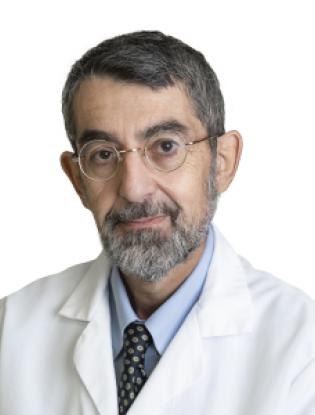 Alberto Pugliese合作论文数Department of Diabetes Immunology, City of Hope;Diabetes Research Institute;Department of Microbiology & Immunology, University of Miami8Antonios K. Zarkadis合作论文数Laboratory of Organic Chemistry, University of Ioannina8J Cooper合作论文数7Mt Rahman合作论文数7
 Sathyanarayana Srikanta合作论文数Department of Endocrinology, All India Institute of Medical Sciences7
 James C. Peyton Jones合作论文数Department of Electrical and Computer Engineering, Villanova University7A. J. Bowles合作论文数7marion glen waggoner合作论文数6CA ALPER合作论文数6OP GANDA合作论文数6
 Hikmet Agirbas合作论文数6Ronald Pearce合作论文数6j brian roberts合作论文数5SL RABINOWE合作论文数5
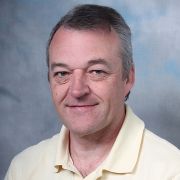 Steven P. Armes合作论文数Department of Chemistry, School of Mathematical and Physical Sciences, University of Sheffield5
 Chris Rhodes合作论文数Fresh-lands Environmental Actions5
 Edafe O合作论文数Department of Oncology, University of Sheffield5
 Jonathan G. Seidman合作论文数Blavatnik Institute, Harvard Medical School;Department of Genetics, Harvard Medical School5Tihamer Orban合作论文数Joslin Diabetes Center, Boston, MA5A. G. Beaumont合作论文数5Zuheir L Awdeh合作论文数5M. Townson合作论文数5dennis jack royer合作论文数4Nmk Eldurini合作论文数4Sj Brink合作论文数4Emilien Chabrillac合作论文数4Eesh Bhatia合作论文数Department of Endocrinology, Sanjay Gandhi Postgraduate Institute of Medical Sciences4
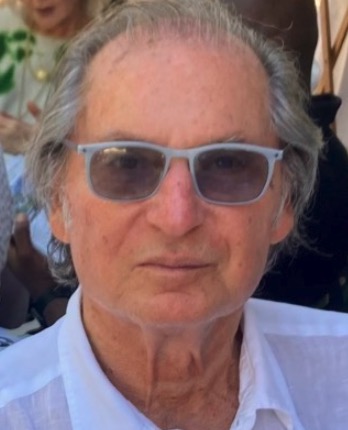 Henry A. Erlich合作论文数Children's Hospital Oakland Research Institute4Roberto Gianani合作论文数4Aj Pidduck合作论文数3NPC SIMMONS合作论文数3P Vardi合作论文数3R. W. Walsingham合作论文数3H.J. Clase合作论文数3
 David A. Hafler合作论文数Neuroimmunology Lab, Department of Neurology, Yale School of Medicine;Broad Institute, Massachusetts Institute of Technology;Harvard University;Brigham and Women’s Hospital;Massachusetts General Hospital;Yale-New Haven Hospital3Farideh Malek合作论文数3William A. Waters合作论文数3R. Moromisato合作论文数3Paul D. Knight合作论文数2D. W. O'Neill合作论文数2K L George合作论文数2




