Genetic predisposition and alcohol consumption are risk factors for increased blood pressure (BP), but their interactions influencing BP remain understudied. We conducted population-specific and cross-population meta-analyses of genome-wide gene-alcohol (GxAlc) interactions affecting BP in >1.1M individuals from multiple populations. We identified 46 GxAlc interaction loci for BP, including 21 from one-degree-of-freedom interaction tests (PGxAlc<5×10⁻⁸; or <0.05/Meff, Meff independent BP associations at P<10-5), and 25 from two-degree-of-freedom tests of main and interaction effects (PGxAlc<0.05/M2df, M2df independent 2df-associations at P2df<5×10⁻⁸), including 7 novel and 39 known BP loci. The 12q24 locus highlights the genetic effect of BRAP-rs11066001 on BP, being ~6 times larger in current drinkers than in non-drinkers. Gene prioritization with 46 GxAlc loci identified 15 genes with ≥3 lines of evidence (location, literature, druggability, functional/regulatory annotation, or pathway analyses). Several loci showed sex- and population-specific effects and revealed biological pathways of alcohol's influence on BP, suggesting mechanisms underlying alcohol-induced hypertension.
Sri Lanka was certified malaria-free by the World Health Organization in 2016 and has remained so since then. Yet, imported malaria cases and the presence of mosquito vectors in parts of the country threaten the re-establishment of malaria. Data on imported malaria cases diagnosed from 2013 to 2023 in Sri Lanka were extracted from the National Malaria Database containing detailed data on every case of malaria maintained at the Anti Malaria Campaign, Sri Lanka. Descriptive analyses were carried out to characterize imported malaria in the country. A total of 532 imported malaria cases were reported during the study period, over half of them (68.5
The study aims were firstly to identify potential traumatic events (PTE) and stressors faced by the population in the districts of Northern Sri Lanka exposed to the decades-long conflict and secondly to predict Post Traumatic Stress Disorder (PTSD) based on conceptually derived composites of the PTE. https://www.editorialmanager.com/SSMMH/Data for this study were collected in 2015. The sample consisted of 1526 individuals in northern Sri Lanka who were all exposed to the prolonged war and who had all previously participated in a baseline study in 2014. Four composites of PTEs were identified: extreme violence; traumatic losses; exposure to conflict and ongoing stressors. The data were analyzed using path analysis and mediation models. The results revealed that these stressors explained 40% of the variance in PTSD. The direct path from “extreme violence” had the highest effect on PTSD, even six years after exposure. Mediation analysis identified that ongoing stressors mediated the relationship of exposure to conflict with PTSD, lending support to the “daily stressors” model among internally displaced persons (IDPs). The results suggest that early specific intervention will benefit those exposed to extreme violence and broader Mental Health and Psychosocial Support (MHPSS) approaches for ongoing stressors to reduce mental distress of this population.
Leishmaniasis, a significant emerging and re-emerging zoonotic disease, has exhibited a marked increase in incidence globally and in Sri Lanka. Analyzing its incidence in different geographical locations provides insights into its transmission dynamics for designing and implementing control interventions. This study aimed to investigate the disease trends in Sri Lanka at the national level using statistical models. Weekly records of leishmaniasis cases from 2009 to 2023 were accessed from the weekly epidemiology reports published by the Epidemiology Unit of the Ministry of Health, Sri Lanka. The incidence rate (IR) for each year for 25 administrative districts in Sri Lanka was calculated per 100,000 population using estimated population data published by the Department of Census and Statistics, Sri Lanka. The IR was modeled using a Generalized Additive Model for Location, Scale, and Shape (GAMLSS). Data were analyzed using R 4.4.0 software and gamlss, mgcv, sp, ggplot2, dplyr, and rgl packages. A total of 30,295 leishmaniasis cases were recorded, with Hambantota (68.32), Polonnaruwa (52.21), and Anuradhapura (40.30) districts reporting the highest IRs. These three districts, along with Matara (26.38), Matale (25.48), and Kurunegala (16.21), accounted for over 83% (n = 25,151) of reported cases. The IRs of Anuradhapura, Matale, Ratnapura, Kegalle, and Puttalam districts steadily increased over time after 2015 to almost 2.0 cases per 100,000 population by 2022. A seasonal variation is seen mid-year peaking around June to August. This study reveals temporally regressive and spatially expanding incidence of cutaneous leishmaniasis in Sri Lanka with characteristic geographical patterns and disease hotspots, highlighting the need for comprehensive control strategies to prevent further spread and mitigate the impact of leishmaniasis in the country.
IntroductionModels derived from non-Sri Lankan cohorts are used for cardiovascular (CV) risk stratification of Sri Lankans.ObjectiveTo develop a CV risk prediction model using machine learning (ML) based on data from a Sri Lankan cohort followed up for 10 years, and to compare the predictions with WHO risk charts.DesignCohort study.SettingThe Ragama Health Study (RHS), an ongoing, prospective, population-based cohort study of patients randomly selected from the Ragama Medical Office of Heath area, Sri Lanka, focusing on the epidemiology of non-communicable diseases, was used to develop the model. The external validation cohort included patients admitted to Colombo North Teaching Hospital (CNTH), a tertiary care hospital in Sri Lanka, from January 2019 through August 2020.ParticipantsAll RHS participants, aged 40–64 years in 2007, without cardiovascular disease (CVD) at baseline, who had complete data of 10-year outcome by 2017, were used for model development. Patients aged 40–74 years admitted to CNTH during the study period with incident CV events or a disease other than an acute CV event (CVE) with complete data for CVD risk calculation were used for external validation of the model.MethodsUsing the follow-up data of the cohort, we developed two ML models for predicting 10-year CV risk using six conventional CV risk variables (age, gender, smoking status, systolic blood pressure, history of diabetes, and total cholesterol level) and all available variables (n=75). The ML models were derived using classification algorithms of the supervised learning technique. We compared the predictive performance of our ML models with WHO risk charts (2019, Southeast Asia) using area under the receiver operating characteristic curves (AUC-ROC) and calibration plots. We validated the 6-variable model in an external hospital-based cohort.ResultsOf the 2596 participants in the baseline cohort, 179 incident CVEs were observed over 10 years. WHO risk charts predicted only 10 CVEs (AUC-ROC: 0.51, 95% CI 0.42 to 0.60), while the new 6-variable ML model predicted 125 CVEs (AUC-ROC: 0.72, 95% CI 0.66 to 0.78) and the 75-variable ML model predicted 124 CVEs (AUC-ROC: 0.74, 95% CI 0.68 to 0.80). Calibration results (Hosmer-Lemeshow test) for the 6-variable ML model and the WHO risk charts were χ2=12.85 (p=0.12) and χ2=15.58 (p=0.05), respectively. In the external validation cohort, the sensitivity, specificity, positive predictive value, negative predictive value, and calibration of the 6-variable ML model and the WHO risk charts, respectively, were: 70.3%, 94.9%, 87.3%, 86.6%, χ2=8.22, p=0.41 and 23.7%, 79.0%, 35.8%, 67.7%, χ2=81.94, p<0.0001.ConclusionsML-based models derived from a cohort of Sri Lankans improved the overall accuracy of CV-risk prediction compared with the WHO risk charts for this cohort of Southeast Asians.
Burnout, depression, anxiety, and stress are overlapping, yet distinct constructs. Mental health problems like depression and anxiety can occur as a consequence of burnout. Resilience, on the other hand, can potentially protect against burnout as well as its mental health consequences. This study aimed to explore the relationship between burnout, depression, anxiety, stress, and resilience among healthcare workers (HCWs), and to investigate the moderating role of resilience against the mental health correlates of burnout. For this purpose, using a cross-sectional design, 318 HCWs from various categories (nurses, midwives, doctors, etc.) recruited from hospital and community settings in two Districts of Sri Lanka during the COVID-19 pandemic were surveyed using the Copenhagen Burnout Inventory (CBI), Depression, Anxiety and Stress Scale (DASS-21), and the Brief Resilience Scale. CBI assessed three domains: personal burnout, work burnout and client burnout. The prevalence of personal, work, and client burnout were 26.4
In the 1990s, Sri Lanka started reporting cases of cutaneous leishmaniasis (CL), which gradually increased to the current case incidence rate of over 3000/year. The causative strain of CL is Leishmania donovani MON-37, which is genetically different from the visceral leishmaniasis (VL)-causing strain in Sri Lanka. Visceral and mucosal forms are rare in Sri Lanka. The potential vector is Phlebotomus argentipes. Due to increasing CL case numbers, the Anti-Malaria Campaign was identified as the focal point in 2022 by the Ministry of Health (MoH) to control leishmaniasis and a WHO-funded situational analysis and the first National Strategic Plan (NSP) for prevention and control of leishmaniasis in Sri Lanka 2024–2028 were developed. During the situational analysis, a comprehensive literature review, meeting the stakeholders, visiting CL endemic areas and hospitals, and a SWOT analysis were carried out. The goal of the NSP is “To control cutaneous leishmaniasis for possible elimination as a public health problem in the future and prevention of VL and MCL.” The two objectives are as follows: to reduce the annual incidence of CL < 5 per 10,000 population by 2028 (approximately 6600 cases) and to ensure zero mortality due to VL. The NSP had three strategic plans and five supporting areas. Each activity was well-described, and timelines were given to complete each task. This review describes the activities carried out by the MoH, the research work conducted so far, and the key points in the NSP recommended to eliminate leishmaniasis as a public health problem from Sri Lanka by 2028.
Background and objective: Valid and cost-effective approaches are essential to assess physical activity and sedentary behaviors in individuals of all ages. This study aimed to validate a physical activity recall questionnaire (PAR-Q) and a physical activity log against the doubly labelled water (DLW) technique in 11-13-year-old Sri Lankan children. Method: Total energy expenditure (TEE) was determined using the criterion DLW technique (TEEDLW) and physical activity energy expenditure (PAEEDLW) was estimated. Subsequently, physical activity assessment methods were validated in a group of children (n=96). PAR-Q was adapted from the adolescent physical activity questionnaire and the physical activity log from the Bouchard activity diary. The youth physical activity compendium was used to calculate PAEE from both PAR-Q (PAEEPAR-Q) and activity log (PAEEPALog). Statistical analysis included Spearman’s correlation coefficient and Bland-Altman analyses. Results: Mean age of the study sample was 12.0 ± 0.8 years where the greater proportion were males (51.9%, n=41). PAEEPAR-Q and PAEEPALog were significantly correlated with the PAEEDLW (r=0.63 and r=0.49, p < 0.05). PAR-Q and activity log underestimated PAEE by 304.2 ± 1223.8 kJ/day and 375.3 ± 1087.4 kJ/day, respectively. Using Bland-Altman analysis, the majority of data points were within the limits of agreement in both PAR-Q and activity log. Conclusion: PAR-Q is a valid tool for predicting PAEE in Sri Lankan children whereas the physical activity log was not. Researchers and practitioners can confidently use the PAR-Q to assess physical activity in this population, with potential applications in various research and intervention settings.
Introduction: Individuals, families and communities in Sri Lanka, particularly in the North-East of Sri Lanka, have undergone 3 decades of war trauma. Methods: Mixed quantitative and qualitative methods with an integrated, holistic and inclusive approach using validated survey measures of trauma, collective distress and mental health, complemented by information from narratives, observations, key-informant interviews, focus group discussions and case studies were collected from the war-affected in 5 districts of Sri Lanka. Thick description was used to bring out the contours of collective trauma through exemplar quotes, summarized verbatims and collective themes. Main findings: At the individual level, high levels of Post Traumatic Stress Disorder (PTSD) (46.8 %), depression (57.1 %), anxiety (60.7 %), stress (50 %), somatization (40.2 %) and functional disability (36.4 %) were found. Individual level consequences were significantly higher in districts with high trauma as compared to those with low trauma burdens. Coping intensity was correlated with anxiety, stress, PTSD and somatization. At the family level, dysfunctional families had a higher proportion of members with suicidal thoughts, mental health issues, alcohol and drug abuse, poor income, lack of essential facilities and dissatisfaction with family life. At the community level, common problems reported were use of illicit drugs (86.2 %) and alcohol (84.5 %), family problems (36.4 %), unemployment (32 %) and financial problems (26.3 %). Study villages scored very low in structural social capital. Bonding social capital was used more indicating its use as a coping strategy. Conclusion: This study provides evidence that trauma in a population can collectively affect the characteristics and dynamics of the group as a whole. The observed social capital and collective efficacy changes, dysfunctional family units, negative changes in the functional dynamics of the community, higher rates of coping efforts and high prevalence of individual level effects of trauma are manifestations of collective trauma.
Background: Exposure to indoor air pollution (IAP), including particulate matter of size 2.5 µm/m3 (PM2.5) and carbon monoxide (CO) resulting from the combustion of biomass fuels in homes, is an important risk factor associated with growth and developmental delays in neonates. We investigated the association between exposure to HAP and adverse birth outcomes in a birth cohort study of 594 pregnant females in Sri Lanka. Methods: Pregnant females between the ages of 18 and 40 years were enrolled in their first trimester and followed until delivery. Baseline assessments of fuel used for cooking were used to categorize the females into high-exposure (wood and kerosene) or low-exposure (liquid petroleum gas and electricity) groups. Indoor air quality measurements of PM2.5 (n = 303) and CO (n = 258) were conducted in a subgroup of households. The outcomes at birth included the neonates’ appearance, pulse, grimace, activity, respiration (APGAR) score, Brazelton Neonatal Behavioural Assessment Scale (BNBAS) score, and birth weight. Linear and logistic regressions were used to evaluate the association between household air pollution (HAP) and birth outcomes. Results: Of the 526 neonates assessed at delivery, 55.7% were born to mothers with high HAP exposure and 44.3% with low HAP exposure, respectively. The results of the linear regression found an inverse association between higher exposure to HAP and birthweight in the adjusted and unadjusted models; the birth weight of children in the high-exposure group was lower by 107 g compared to that of the low-exposure group after adjusting for other variables (β = −106.8; 95% confidence intervals: −197.6, −16.0). Exposure status was not associated with birth length, gestational age, or the APGAR score; however, the BNBAS motor score was significantly lower in the neonates of the high-exposure group (6.41 vs. 6.55, p = 0.04), though it was not significant when adjusted for other variables. No correlation was found between the measured indoor PM2.5 levels and birth weight, birth length, gestational age, APGAR score, or BNBAS score. Conclusions: Exposure to IAP due to emissions from combustion products from biomass fuels adversely affects birth weight. These effects may be more pronounced in vulnerable populations in settings where primary healthcare for pregnant women is limited.
To estimate the prevalence of Chronic Obstructive Pulmonary Disease (COPD) among non-smoking Sri Lanka adults as part of a larger study which assessed the burden of obstructive lung disease (BOLD) in Sri Lanka. The prevalence of COPD among non-smokers was 5.3
The International Health Regulations (IHR) developed and approved by the World Health Organization (WHO) in 2005 provide an overarching legal framework that stipulates countries’ rights and obligations in handling and managing public health events and emergencies that may cross local and international borders. Sri Lanka established an IHR Steering Committee in 2016 providing an opportunity to significantly enhance intersectoral collaboration and information sharing, thereby improving the health and health security of humans and animals. A Joint External Evaluation (JEE) of IHR core capacities was conducted in Sri Lanka in 2018 to assess the country’s preparedness to meet IHR. The aim of this study was to investigate the preparedness of the country for maintaining prevention of re-establishment of malaria in terms of IHR criteria based on indicators considered in the JEE conducted in 2018. The criteria (prevent, detect, respond and IHR related activities) in the JEE which were relevant for the prevention of re-establishment of malaria in Sri Lanka were reviewed. The assessment was done by the authors. The Delphi technique was used to provide the relevant evidence and to assign a score by consensus following the scoring system that was originally used by the JEE. In the prevent domain, all subdomains obtained a score of 5 except for IHR coordination due to the unavailability of a functional mechanism for coordination between relevant sectors. In detect domain, many of the subdomains demonstrated sustainable capacity. However, further improvement was required in workforce development. In the response domain, emergency preparedness subdomain demonstrated the greatest need for further improvement especially in emergency operation centre capacities, procedures and plans which obtained a score of two, reflecting limited capacity. In the fourth subdomain, IHR-related activity, securing the ports of entry demonstrated capacity even though the systems were not sustainable. Other subdomains achieved the highest score. This study demonstrates that the IHR framework provides an useful tool to assess the capacity of a country during PoR to sustain malaria-free status. This novel approach used for the first time, has demonstrated that Sri Lanka has the sustainable capacity for the prevention of re-establishment of malaria 12 years after elimination. It is proposed that a malaria-specific tool using an IHR lens be developed and an evaluation be conducted once in 5 years in countries with high receptivity and importation risk certified as malaria-free.
Knee Injury and Osteoarthritis Outcome Score (KOOS) scale is a patient-reported outcome measurement tool. It evaluates both short- and long-term consequences of knee injury and primary osteoarthritis. This study aims to translate and validate the KOOS scale for a Sinhala-speaking Sri Lankan population. A cross sectional study was conducted in three hospitals. Four hundred and fifteen patients comprising 185 males and 227 females (3 subjects did not reveal their gender) with knee osteoarthritis (KOA) participated in the study. Seventy nine participants without KOA were recruited as controls. The functionality and quality of life level in patients and healthy participants were assessed using translated versions of the KOOS and Short Form-36 (SF-36) scales. Internal consistency of the instrument was assessed by Cronbach alpha. Construct validity and test-retest reliability were examined using the Intraclass Correlation Coefficient (ICC). Confirmatory Factor Analysis (CFA) was used to assess factorial validity. The mean age (± sd) of the KOA subjects was 54.9 (± 9.2) years and for the control group was 49.2 (± 8.0) years. Majority of the respondents were female and Sinhalese in both groups. Internal consistency reliability was high (Cronbach’s alpha values ≥ 0.70). The test–retest reliability was excellent with the intraclass correlation coefficient for all subscales being above 0.90. Construct validity was assessed by the magnitude of the correlation coefficient between KOOS and SF-36 subscale scores. KOOS Pain scale moderately correlated with SF-36 bodily pain (Pearson’s r = 0.41). SF-36 physical function scores had a weak positive correlation with all KOOS subscales and SF-36 emotional wellbeing was not significantly correlated with KOOS Quality of Life (QoL) subscale. A five-factor Confirmatory Factor Analysis (CFA) model yielded a Comparative Fit Index (CFI) = 0.950, Tucker Lewis Index (TLI) = 0.946, Root Mean Square Error of Approximation (RMSEA) = 0.082 and Standardised Root Mean squared Residual (SRMR) = 0.072. The Sinhala translation of the KOOS scale is a reliable and valid instrument to assess KOA in a Sinhala-speaking Sri Lankan population. Studies to assess its use as a scale to evaluate responsiveness are recommended.
Type 2 diabetes (T2D) is a heterogeneous disease that develops through diverse pathophysiological processes1,2 and molecular mechanisms that are often specific to cell type3,4. Here, to characterize the genetic contribution to these processes across ancestry groups, we aggregate genome-wide association study data from 2,535,601 individuals (39.7% not of European ancestry), including 428,452 cases of T2D. We identify 1,289 independent association signals at genome-wide significance (P < 5 × 10⁻⁸) that map to 611 loci, of which 145 loci are, to our knowledge, previously unreported. We define eight non-overlapping clusters of T2D signals that are characterized by distinct profiles of cardiometabolic trait associations. These clusters are differentially enriched for cell-type-specific regions of open chromatin, including pancreatic islets, adipocytes, endothelial cells and enteroendocrine cells. We build cluster-specific partitioned polygenic scores5 in a further 279,552 individuals of diverse ancestry, including 30,288 cases of T2D, and test their association with T2D-related vascular outcomes. Cluster-specific partitioned polygenic scores are associated with coronary artery disease, peripheral artery disease and end-stage diabetic nephropathy across ancestry groups, highlighting the importance of obesity-related processes in the development of vascular outcomes. Our findings show the value of integrating multi-ancestry genome-wide association study data with single-cell epigenomics to disentangle the aetiological heterogeneity that drives the development and progression of T2D. This might offer a route to optimize global access to genetically informed diabetes care.
Background Health policies form the foundation for provisioning best level care and are important for all stakeholders including patients and healthcare providers. Health policy analysis and evaluation allows policy makers to improve an existing policy, terminate a non-effective policy and to successfully implement future policies. The objective was to assess the coherence between the two local policy documents on NCD prevention and control in Sri Lanka, the national NCD policy (NCD policy) and the multisectoral action plan (MSAP), and to assess the consistency of MSAP with the global action plan for NCDs. Methods The content analysis of the NCD policy and MSAP of Sri Lanka was conducted based on the modified criteria developed to the ‘Analysis of determinants of policy impact’ model, by two reviewers independently. Coherence between MSAP and the global NCD action plan were also assessed by two reviewers independently. Consensus for discrepancy was achieved through discussion. Results Accessibility was the strongest criteria for the NCD policy, while, resources and obligations were the weakest. Goals and monitoring and evaluation criteria were the strongest in the MSAP. Requirement for improvement were identified in policy background, goals, monitoring and evaluation, and public opportunities for the NCD policy. Accessibility, policy background, resources, public opportunities and obligations require further improvement in the MSAP. The MSAP is well coherent with the global road map for NCD prevention and control. Conclusion Policy documents related to NCD prevention and control in Sri Lanka are coherent with the global action plan, while, there are areas within the local policy documents that need to be improved to enhance the coherence between the local documents. Lessons learnt by this activity need to be utilized by Sri Lanka and other countries to improve the uniformity between the NCD policy documents within the country as well as internationally.
The high prevalence of psychological problems observed among healthcare workers (HCWs) during the COVID-19 pandemic called for interventions to safeguard their mental health. We assessed the effectiveness of a 6-week online mindfulness-based intervention in improving well-being and reducing stress among HCWs in Sri Lanka. Eighty HCWs were recruited and randomised into two groups: waitlist-control (WLC) and intervention groups. In the intervention, 1-hour online sessions were conducted at weekly intervals and participants were encouraged to do daily home practice. Stress and well-being were measured pre- and post-intervention using the Perceived Stress Scale and WHO-5 Well-being Index, respectively. One-way analysis of covariance was used to evaluate the effectiveness, in both intention-to-treat (ITT) and complete-case (CC) analyses. A significantly greater improvement in well-being occurred in the intervention arm compared to WLC on both ITT (p = .002) and CC analyses (p < .001), with medium-to-large effect sizes (partial η2 = .117-.278). However, the reduction in stress following the intervention was not significant compared to the WLC group on both ITT (p = .636) and CC analyses (p = .262). In the intervention arm, the median number of sessions attended by participants was 3. Low adherence to the intervention may have contributed to the apparent non-significant effect on stress.
Imported malaria continues to be reported in Sri Lanka after it was eliminated in 2012, and a few progress to life-threatening severe malaria. Data on imported malaria cases reported in Sri Lanka from 2013 to 2023 were extracted from the national malaria database maintained by the Anti Malaria Campaign (AMC) of Sri Lanka. Case data of severe malaria as defined by the World Health Organization were analysed with regard to patients’ general characteristics and their health-seeking behaviour, and the latter compared with that of uncomplicated malaria patients. Details of the last three cases of severe malaria in 2023 are presented. 532 imported malaria cases were diagnosed over 11 years (2013–2023); 46 (8.6
The COVID-19 pandemic—with its first reported case in Sri Lanka in March 2020—had the potential to impact the risk of re-establishing malaria, a disease which was eliminated from Sri Lanka in 2012. Post-elimination, the country remains highly vulnerable to a return of malaria on account of high vector mosquito densities and the inflow of imported malaria cases. Parallels between COVID-19 and malaria after its elimination as health security threats were drawn, and the many ways in which the COVID-19 pandemic impacted the prevention of re-establishment of malaria programmes in the country in 2020 were examined. The implications of this experience for global health security are analysed. In 2020, imported malaria cases were fewer than in the previous 3 years, due to restrictions on international travel. Yet, a high level of malaria case and entomological surveillance was sustained through surveillance strategies modified to focus on quarantine centers, in response to the pandemic. As a result, more imported malaria cases were detected by active case detection than by passive surveillance. Some of the operational shifts adopted by the Anti Malaria Campaign were moving rapidly into functioning as an intersectoral player by reinforcing its collaborations with the Ministries of Aviation and Defense, switching to the use of online communication systems, and integrating and synergizing its field activities with the COVID-19 control programme. The experience highlights the need for disease control programmes to be agile, flexible and responsive, and underscores the importance of maintaining even a lean focal programme for diseases such as malaria after they have been eliminated. Sustaining public health leadership and robust technological capacities in communication and data management were paramount in preventing the disruption of the malaria prevention programme during the pandemic and sustaining the malaria-free status of the country.
Diabetes mellitus is a significant contributor to the disease burden in Sri Lanka. Despite government efforts to improve access to care for those with chronic illness, major gaps remain. We assessed the prevalence and correlates of unmet needs among persons with diabetes mellitus type 2 to inform policies on improving healthcare access in a predominantly tax- funded public healthcare system. A descriptive cross-sectional study identified 401 persons with diabetes mellitus type 2 using a multi-stage cluster sampling method from 1767 individuals aged 40-69 from the Gampaha district, just north of the capital Colombo. An interviewer-administered questionnaire gathered data on unmet needs for physician care, medicines, and investigations during the preceding year. Associated factors, identified from the health behaviour model, were examined using binomial logistic regression with significance set at p<0.05. One-fifth experienced an unmet need (95%CI:15.7-23.7), with 16% for physician care (95%CI:12.7-20.2), 4.2% for medicines (95%CI:2.5-6.7) and 6.0% for investigations (95%CI:3.9-8.8). People who frequently visited a private provider experienced less unmet needs overall. Being female (AOR 0.50; 95%CI:0.27-0.92) and having a higher income (AOR 0.37; 95%CI:0.16-0.83) reduced unmet need for physician care. Absence of other major chronic illnesses (AOR 0.31; 95%CI:0.12-0.80) and having a regular care provider in the public (AOR 0.24; 95%CI:0.07-0.89) or private sectors (AOR 0.18; 95% CI:0.05-0.68) reduced unmet need for investigations with the latter also reducing unmet need for medicines (AOR 0.11; 95%CI:0.02-0.77). Despite Sri Lanka having a predominantly publicly financed healthcare system, persons with diabetes mellitus experienced unmet healthcare needs, mainly for physician care which varied with socio-economic characteristics. It is important to ensure uninterrupted care, universally for all, through patient- centred models of care linked to a regular provider. Health planners should take account of unmet needs when expanding public sector coverage for chronic illness care.
BACKGROUND:Virgin coconut oil (VCO) is a potential therapeutic approach to improve cognition in Alzheimer's disease (AD) due to its properties as a ketogenic agent and antioxidative characteristics.OBJECTIVE:This study aimed to investigate the effect of VCO on cognition in people with AD and to determine the impact of apolipoprotein E (APOE) ɛ4 genotype on cognitive outcomes.METHODS:Participants of this double-blind placebo-controlled trial (SLCTR/2015/018, 15.09.2015) were 120 Sri Lankan individuals with mild-to-moderate AD (MMSE = 15-25), aged > 65 years, and they were randomly allocated to treatment or control groups. The treatment group was given 30 mL/day of VCO orally and the control group, received similar amount of canola oil, for 24 weeks. The Mini-Mental Sate Examination (MMSE) and Clock drawing test were performed to assess cognition at baseline and at the end of the intervention. Blood samples were collected and analyzed for lipid profile and glycated hemoglobin (HbA1 C) levels.∥Results:There were no significant difference in cognitive scores, lipid profile, and HbA1 C levels between VCO and control groups post-intervention. The MMSE scores, however, improved among APOE ɛ4 carriers who had VCO, compared to non-carriers (2.37, p = 0.021). APOE ɛ4 status did not influence the cognitive scores in the control group. The attrition rate was 30%.∥Conclusion:Overall, VCO did not improve cognition in individuals with mild-to-moderate AD following a 24-week intervention, compared to canola oil. However, it improved the MMSE scores in APOE ɛ4 carriers. Besides, VCO did not compromise lipid profile and HbA1 C levels and is thus safe to consume.
 Anuradhani Kasturiratne合作论文数Faculty of Medicine, University of Kelaniya55
 Peiris-John Roshini合作论文数34
 Nalini Sathiakumar合作论文数30
 Jaspal Kooner合作论文数National Heart and Lung Institute, Faculty of Medicine, Imperial College London28
 Janaka De Silva合作论文数26
 John Chambers合作论文数School of Public Health, Faculty of Medicine, Imperial College London25Fumihiko Takeuchi合作论文数Research Institute, National Center for Global Health and Medicine24
 Norihiro Kato (加藤紀弘)合作论文数Softmaterial Lab, Utsunomiya University;Department of Fundamental Engineering, School of Engineering, Utsunomiya University23
 Tai E Shyong合作论文数Division of Endocrinology, Department of Medicine, National University Hospital;Saw Swee Hock School of Public Health, National University of Singapore;Duke-NUS Graduate Medical School22Deepika Fernando合作论文数22
 Ching-Yu Cheng合作论文数Duke-NUS Medical School;National University of Singapore;Singapore Eye Research Institute, Singapore National Eye Centre21
 Hasantha Nayana Gunathilaka合作论文数Biotechnology Unit, Industrial Technology Institute21Weihua Zhang合作论文数21
 Wimaladharma Abeyewickreme合作论文数Dept. of Parasitology, Faculty of Mecidine, Colombo, Sri Lanka21
 Annette Peters合作论文数Institute of Epidemiology, Helmholtz Zentrum München;Institute for Medical Data Processing, Biometry and Epidemiology, Faculty of Medicine, LMU Munich20
 Chiea Chuen Khor合作论文数19
 Rob Van Dam合作论文数Department of Exercise and Nutrition Sciences, Milken Institute School of Public Health, George Washington University19
 Christian Gieger合作论文数Deutsches Zentrum für Infektionsforschung;Helmholtz Zentrum München - Deutsches Forschungszentrum für Gesundheit und Umwelt19
 Marie Loh Chiew Shia合作论文数Lee Kong Chian School of Medicine, Nanyang Technological University18
 Michael Boehnke合作论文数Department of Biostatistics, School of Public Health, University of Michigan;Center for Statistical Genetics, University of Michigan18
 Xiao-Ou Shu (舒晓鸥)合作论文数Vanderbilt Institute for Global Health, Vanderbilt University Medical Center;Department of Medicine, Division of Epidemiology, Vanderbilt University School of Medicine18
 Xueling Sim合作论文数Saw Swee Hock School of Public Health, National University of Singapore18
 Karen L. Mohlke合作论文数Department of Genetics, School of Medicine, University of North Carolina18
 Mark McCarthy合作论文数Genentech18
 Xiuqing Guo合作论文数The Lundquist Institute17
 Jie Yao合作论文数17
 Ya Xing Wang合作论文数Beijing Institute of Ophthalmology, Beijing Tongren Hospital, Capital Medical University, Beijing, China17
 Jian-Min Yuan合作论文数UPMC Hillman Cancer Center;Department of Epidemiology, School of Public Health, University of Pittsburgh17
 Markku Laakso合作论文数Institute of Clinical Medicine, School of Medicine, Faculty of Health Sciences, University of Eastern Finland17
 Nick Wareham合作论文数MRC Epidemiology Unit, School of Clinical Medicine, University of Cambridge17
 Tien Yin Wong (黄天荫)合作论文数School of Clinical Medicine, Tsinghua University17
 Pim van der Harst合作论文数17Yii-Der Ida Chen合作论文数16Jin-Fang Chai合作论文数Natl Univ Singapore, Saw Swee Hock Sch Publ Hlth, Singapore, Singapore16
 Myriam Fornage合作论文数The Brown Foundation Institute of Molecular Medicine for the Prevention of Human Diseases, McGovern Medical School, The University of Texas Health Science Center at Houston;Graduate School of Biomedical Sciences, The University of Texas MD Anderson Cancer Center16
 Andrew Morris合作论文数Institute of Population Health, Faculty of Health & Life Sciences, University of Liverpool16
 Claudia Langenberg合作论文数Precision Healthcare University Research Institute, Queen Mary University of London;MRC Epidemiology Unit, School of Clinical Medicine, University of Cambridge16
 Jerome I Rotter合作论文数Institute for Translational Genomics and Population Sciences, The Lundquist Institute;Division of Genomic Outcomes, Departments of Pediatrics and Medicine, Harbor-UCLA Medical Center;David Geffen School of Medicine, University of California, Los Angeles16
 JB Jonas合作论文数Medical Faculty Mannheim, Heidelberg University;Institute of Molecular and Clinical Ophthalmology Basel16
 Tomohiro Katsuya合作论文数16
 Lawrence F Bielak合作论文数School of Public Health, University of Michigan16
 Michele Kim Evans合作论文数16
 Terho Lehtimäki合作论文数Department of Clinical Chemistry, Faculty of Medicine and Health Technology, Tampere University;The Finnish Centre for Cardiovascular Disease Tampere, Tampere University;Fimlab Laboratories16
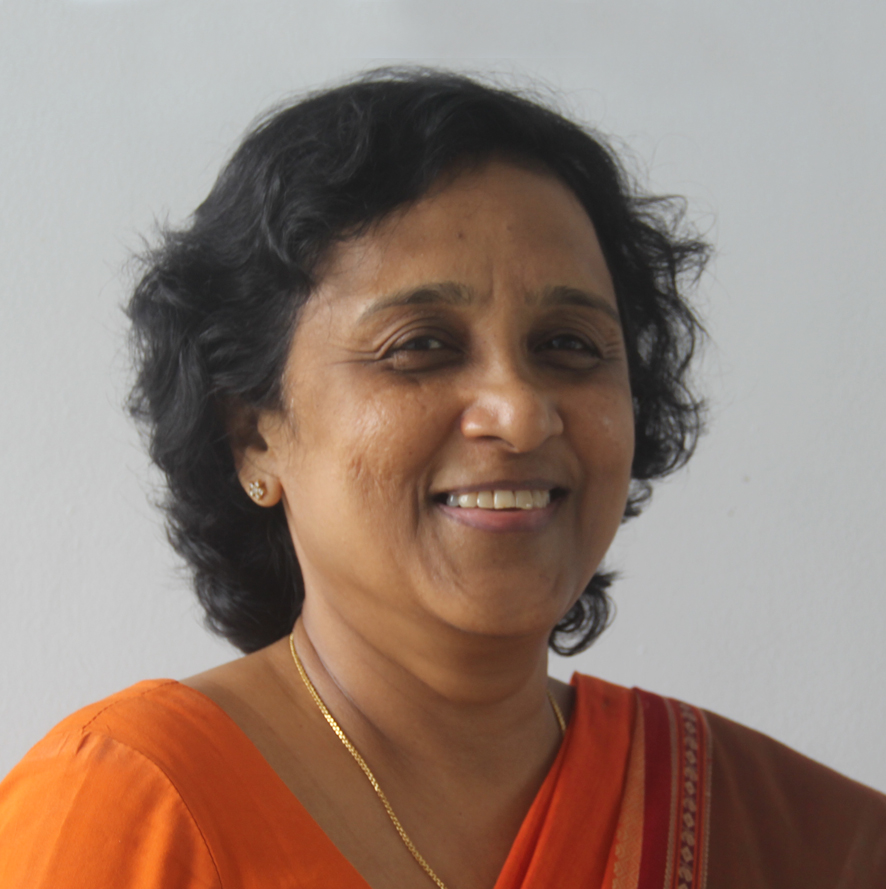 Renu Wickremasinghe合作论文数Department of Parasitology, Faculty of Medical Sciences, University of Sri Jayewardenepura16
 Bruce M. Psaty合作论文数Department of Epidemiology, School of Public Health, University of Washington16Danish Saleheen合作论文数15
 Patricia A. Peyser合作论文数Department of Epidemiology, School of Public Health, University of Michigan15
 Sharon L.R. Kardia合作论文数School of Public Health, University of Michigan;Center for Computational Medicine and Bioinformatics, University of Michigan15
 Johanna Kuusisto合作论文数Institute of Clinical Medicine, School of Medicine, Faculty of Health Sciences, University of Eastern Finland15




