Semiconductors with dimensions in the nanometer range are turns out to be the important field of studies due to their long range of applications. Optical properties of ZnO are of great interest for application in optoelectronics, photovoltaics and biological sensing. Various chemical synthetic methods have been developed to prepare such nanoparticles ZnO nanoparticles are synthesized by hydrothermal method. In this method zinc acetate salt is used with surfactant to form the ZnO precipitates. The obtained precipitates are vacuum dried at room temperature. The prepared sample is characterized by XRD techniques and characteristics peaks are obtained. Furthermore, The FT-IR and Raman studies confirm the formation of Zno nanoparticles. The particles obtained are of the orders of 20 nm. Furthermore, The prepared sample tested for photo response measurement and ZnO sample has photo response of 5% at 30 Mw/cm2.
Background: India is a country with diverse religious and cultural practices instigating skin diseases which may be missed due to lack of awareness. Contact dermatitis (CD) to lac is not uncommon yet an underreported entity. Objectives: To study clinical patterns of allergic CD due to lac bangles and to assess common contact allergens. Methodology: A retrospective study was conducted after approval by an ethical committee. Out of 850 patients attending the CD clinic from January 2021 to December 2022, the prevalence of CD lac bangles was 40 (4.7%). After obtaining consent, the history of sites, duration, morphology, and DLQI were recorded from patients’ medical records. Patch testing with Indian standard series (ISS) and raw lac powder mixed with control was done. Results: A total of 40 females were evaluated. The mean duration between contact and first symptom was 14.8 ± 10.43 months. Morphology was dry eczematous in 18 (45%), lichenoid in 10 (25%), oozy eczematous in 5 (12.5%), urticarial in 5 (12.5%) and vesiculobullous in 2 (5%) patients. In 14 (35%) females, lesions were disseminated. In 12 (30%) females, CD to bindi (4), lipstick (1), Sindhoor (5), rings (1), and plastic slippers (1) were associated. The mean DLQI was 19.37 ± 3.4. Patch test results were positive with ISS allergen epoxy in 9 (22.5%) patients, nickel in 6 (15%), cobalt in 6 (15%), paraphenylenediamine in 5 (12.5%), and lac in only 2 (5%) patients. Conclusion: Data observed in the present study suggests that CD to lac is a distinct clinical entity. Low positivity with lac in patch test proposes the need for standardized testing material.
Dear Editor, Scar sarcoidosis is a rare but specific manifestation of cutaneous sarcoidosis, occurring in 2.9% - 29% of overall cases.[1] It is seen in both genders but shows slight female preponderance. A 58-year-old Indian married female presented to us with asymptomatic multiple nodular lesions over the dorsum of right index finger and forehead from the last 1 month. She had a history of trauma over the same sites in an accident 28 years back. There was no history of dyspnoea, night sweats and weight loss. On examination, there were ill-defined nodular lesions over previous scars on dorsum of the right index finger [Figure 1], medial end of right eyebrow and on the centre of her forehead [Figure 2].Figure 1: Lesions over the right index fingerFigure 2: Lesions over the medial end of the right eyebrow and foreheadRoutine laboratory tests, including complete blood count, liver function tests, and renal function tests, were within normal limits. Erythrocyte sedimentation rate (ESR) was 49 mm/hr and serum calcium was 8.6 mg/dl (normal – 7-11 mg/dl). Serological tests showed negative C- Reactive protein (CRP). Serum Angiotensin converting enzyme (ACE) level was 23 U/L. We kept our differentials as granuloma annulare, foreign body granuloma, cutaneous metastasis, hypertrophic scar or keloid. To confirm our diagnosis, we performed a small punch biopsy from the lesion present over the right index finger, which on histopathology showed non-caseating epithelioid cell granuloma [Figure 4]. Chest X-ray was normal. Thus, we made a diagnosis of scar sarcoidosis and ruled out any possibility of systemic sarcoidosis or malignancy.Figure 3: Post-treatment regression of lesionsFigure 4: H/E imagePatient was treated with intralesional injection of triamcinolone 0.5 ml (10 mg/ml) in each lesion on day 1, resulting in partial regression of lesions and then 0.5 ml (5 mg/ml) on day 15. Patient showed complete regression of her lesions 15 days after the second injection [Figure 3]. Scar sarcoidosis can occur as early as six months to as long as 59 years after any injury.[2] Scar sarcoidosis is characterized by the onset of erythematous swelling and the development of papules and nodules within the original scars.[3] These could be scars from surgical incisions, venepuncture, acne, pseudo folliculitis barbae, herpes zoster virus and other forms of skin trauma. The damaged skin sites serve as the foundation for the new concept of Ruocco’s immunocompromised cutaneous district, which refers to a skin area with acquired immune dysregulation that can lead to the local onset of opportunistic disorders such as infections, tumour and granulomatous disorders.[4] Scar sarcoidosis can be associated with long-term disease involving multiple organs but has also been reported in acute forms as well as a sign of recurrence of sarcoidosis in remission.[5] It can be the presenting symptom of systemic sarcoidosis so, whenever there is clinical and histopathologic suspicion of sarcoidosis, a thorough history should be taken along with physical examination and relevant investigations like CBC, LFT, RFT, chest X-ray, serum ACE levels, etc., should be done to rule out systemic involvement. A stepwise approach to patient care is imperative, and potent topical corticosteroids or repeated intralesional injections of triamcinolone (3-10 mg/mL) may be all that is needed in mild skin-limited disease, as we appreciated in our case. The extent of systemic involvement will determine the prognosis but not the extent of cutaneous involvement. A prognosis is usually good in case of minimal or no systemic involvement. Declaration of patient consent The authors certify that they have obtained all appropriate patient consent forms. In the form, the patient(s) has/have given his/her/their consent for his/her/their images and other clinical information to be reported in the journal. The patients understand that their names and initials will not be published and due efforts will be made to conceal their identity, but anonymity cannot be guaranteed. Financial support and sponsorship Nil. Conflicts of interest There are no conflicts of interest.
BACKGROUND:Umbilical cord milking (UCM) and delayed cord clamping (DCC) are strategies that improve the hemodynamic condition of the newborn and also increase the storage of iron. This study aimed to compare the effects of DCC with or without milking in late preterm and term neonates at different time intervals after birth (60, 120, and 180 seconds) on hematological and hemodynamic parameters in neonates at six weeks of age.MATERIALS AND METHODS:In this double-arm, parallel-group, triple-blind, and active-controlled trial, all 150 eligible neonates were randomized with allocation concealment into three groups: Group A (DCC with UCM at 60 seconds), Group B (DCC with UCM at 120 seconds), and Group C (only DCC for 180 seconds). Hemodynamic parameters were recorded and compared during the first 48 hours, and hematological parameters were compared at six weeks of age.RESULTS:At six weeks, a significant difference in hemoglobin levels was noted between Groups A, B, and C (p<0.001). The difference in serum ferritin values at six weeks was also statistically significant in comparisons across all three groups (p=0.003). Regarding secondary outcomes examined, hemodynamic parameters and the incidence of neonatal hyperbilirubinemia were found to be comparable at 48 hours after birth.CONCLUSION:DCC followed by UCM at 120 seconds and DCC till 180 seconds proves superior to DCC with UCM at 60 seconds in preserving elevated hemoglobin levels and iron stores in neonates at six weeks of age. DCC for 180 seconds yielded comparable results, followed by UCM at 120 seconds. All three methods are considered safe and effective without compromising the neonate's hemodynamics.
Immunofluorescence on human epithelial type 2 cells is the standard screening assay for the detection of antinuclear antibodies (ANA). Cytoplasmic speckled patterns are a common finding. However, the less commonly reported ones include the cytoplasmic fibrillar patterns on indirect immunofluorescence technique (IIFT). The cytoplasmic fibrillar patterns include the cytoplasmic linear (AC-15), cytoplasmic filamentous (AC-16), and cytoplasmic segmental (AC-17). We report a case of cytoplasmic linear (F-actin) detected through IIFT during ANA screening in a 77-year-old man and later reconfirmed on liver mosaic biochip through IIFT on vascular smooth muscle substrate (VSM-47) without features suggestive of anti-smooth muscle antibody involvement post-complementary and alternative medicine therapy initiation.
Study design Retrospective cohort study. Objectives To study the incidence of concomitant calcaneum fractures in participants with traumatic spine fractures and to study the association of calcaneum injury with the mode of trauma, morphology and level of vertebral fracture and neurological status in participants with concomitant spine and calcaneum fracture. Setting Central Institute of Orthopaedics, Safdarjung Hospital, New Delhi, India. Methods Records of participants with traumatic spine fractures were analyzed. Participants who had calcaneum fracture confirmed on radiographs were considered to have concomitant spine and calcaneum fracture. In these participants, variables noted were age, gender, mode of trauma, level and morphology of vertebral fracture and neurological status. Results Concomitant calcaneum fracture was present in 43 participants out of a total of 358. The lumbar spine was involved in 72.09% of participants. 46.51% of participants had complete burst type of vertebral fractures. Neurology was found to be intact in 58.13% of participants. The association of concomitant calcaneum injury with the level of spine fracture and type of fracture were found to be statistically significant ( p < 0.05). In particular, the association of concomitant calcaneal fracture with intact neurology and incomplete paraplegia (ASIA B, C or D) as compared to spinal injury cases without calcaneal fractures was statistically significant ( p < 0.001). Conclusion Calcaneum fractures co-exist with spine fractures in 12.01% participants. Concomitant calcaneal fracture(s) with spine trauma indicate a greater chance of incomplete injury or intact neurology possibly due to dispersion of force vectors.
Electrostatic two-stream instabilities play essential roles in an electrostatic collisionless shock formation. They are a key dissipation mechanism and result in ion heating and acceleration. Since the number and energy of the shock-accelerated ions depend on the instabilities, precise identification of the active instabilities is important. Two-dimensional particle-in-cell simulations in a multicomponent plasma reveal ion reflection and acceleration at the shock front, excitation of a longitudinally propagating electrostatic instability due to a non-oscillating component of the electrostatic field in the upstream region of the shock, and generation of up- and down-shifted velocity components within the expanding-ion components. A linear analysis of the instabilities for a C2H3Cl plasma using the one-dimensional electrostatic plasma dispersion function, which includes electron and ion temperature effects, shows that the most unstable mode is the electrostatic ion-beam two-stream instability (IBTI), which is weakly dependent on the existence of electrons. The IBTI is excited by velocity differences between the expanding protons and carbon-ion populations. There is an electrostatic electron-ion two-stream instability with a much smaller growth rate associated with a population of protons reflecting at the shock. The excitation of the fast-growing IBTI associated with laser-driven collisionless shock increases the brightness of a quasi-monoenergetic ion beam.
Gender based discrimination is still common and one of the biggest issues in Pakistan. Transgender are ignored in almost every lifestyle. They face biasedness while finding for a job and are forced to earn money using unrespectable ways such as begging and dancing. Although, Pakistani law declares them equal citizen and many government as well as private organizations offer them jobs. Most of the transgender people remain unaware of these job offers due to the lack of an existing information propagation channel. This paper has proposed Transparity; which a dedicated online job portal for transgender. Transparity is also equipped with supportive features such as CV creation, online courses and motivational profiles to make it effective and helpful. Our study reveals that no such dedicated portal exists in Pakistan. This study focuses on the improvement of employment issues of transgender through.
Gladiolus is one of the prime cut flower which occupies eight position in global trade among the cut flowers. To bring the gladiolus cultivation under commercial scale in coastal Tamilnadu condition it is imperative to identify suitable varieties. Hence, a field experiment was conducted in Randomized Block Design with two replications in Department of Horticulture, Annamalai University, during 2017-2018 to find out the suitability of twenty five gladiolus varieties for their growth, flowering, spike yield and corm yield characters under coastal region of Tamil Nadu. The results revealed that there were significant difference among the varieties with respect to vegetative parameters, flower and corm yield. Among all varieties, Sarala and White friendship were found performing better with highest growth, flowering and yield parameters. The maximum dry matter production was recorded in Sarala (37.61g plant) followed by White friendship(36.48g plant) and guvari (36.12g plant) and the minimum dry matter production was recorded in Hunting Song (11.60 g plant). Significantly highest spike length (95.41cm) and rachis length (54.94cm) were recorded in cultivar ‘Sarala’ followed by White friendship and Guvari. However, the maximum of one marketable spike yield per plant was observed in the cultivars Sarala, White Prosperity, Guvari and White friendship. The maximum number of (1.50) corms per plant was recorded in ‘Sarala’ and Guvari while many cultivars viz., Hunting Song, Green Star, Nova Zembla, Purple Flora, Adagio, Karma, Apollo, Morallo and Yellow star have produced only one corm. It could be concluded that the gladiolus varieties Sarala, White friendship and Guvari were found suitable for the coastal region of Tamil Nadu.
Intense laser-plasma interactions are an essential tool for the laboratory study of ion acceleration at a collisionless shock. With two-dimensional particle-in-cell calculations of a multicomponent plasma we observe two electrostatic collisionless shocks at two distinct longitudinal positions when driven with a linearly polarized laser at normalized laser vector potential ${a}_{0}$ that exceeds 10. Moreover, these shocks, associated with protons and carbon ions, show a power-law dependence on ${a}_{0}$ and accelerate ions to different velocities in an expanding upstream with higher flux than in a single-component hydrogen or carbon plasma. This results from an electrostatic ion two-stream instability caused by differences in the charge-to-mass ratio of different ions. Particle acceleration in collisionless shocks in multicomponent plasma are ubiquitous in space and astrophysics, and these calculations identify the possibility for studying these complex processes in the laboratory.
View Video Presentation: https://doi.org/10.2514/6.2021-3714.vid Global Space habitat mission is a great opportunity for the researchers dedicated to the designing and development of systems which facilitates the survival of human beings aboard space. One of the major challenge for the mars mission will be the efficient thermal energy storage system. Due to the continuous relative motion of sun and mars, continuous supply of energy is unattainable. Martian environment experience abundance in CO2 level apart from the solar energy. The Novel Solar Thermal Energy storage system not only play a vital role for meeting the requirements of energy but also enhance the system's performance. Due the nature of carbon dioxide at supercritical stage it will compact the thermal energy store in multiple folds and, the power to weight ratio is increased drastically. Scope of this paper is to discuss various solar thermal storage systems, renewable heat transfer fluids, storage material and optimized thermal energy systems dedicated to the martian environment. This paper covers the comparative study of sensible heat based on solar thermal energy system and implement the novel approach for utilizing supercritical CO2 as heat transfer fluid in order to minimize the size of thermal storage system. Supercritical carbon dioxide recently came in light due to an increasing demand for a next generation propulsion system. This paper will discuss the merits and demerits of integration of solar thermal energy with end solar concentrator. A comparative study of latent and sensible heat PBSS solar thermal energy system with supercritical CO2 will be discussed in detail.
Today interplanetary exploration is the area where the researchers want to work and emerging space agencies are paying their attention more towards deep space research and planet colonization. The orbiter will be placed in the geostationary orbit of Titan and set to observe Saturn’s moon for its geological process and its natural phenomenon. The surface of Titan is non-uniform and solid but with humid characteristics, could be because of the clusters of fine ice particles in the surface at such cold temperature. Its topographical features are quite similar to that of Ganymede. The land elevation at the equatorial regions is higher compared to the Polar Regions with fractured pieces and patterns which indicate that these features could be tectonic; these events might have taken place due to the tides created by Saturn. The ultraviolet rays from the sun molecules of nitrogen and methane and these molecules further to form carbon-rich organic compounds, some of which get settled down on the moon which is the “sand” on the moon. These hydrocarbon products are also the reason for the thick smog which hinders the study of the moon’s surface from space. The orbiter together with the submarine will make this study a little easier. The orbiter will also study the presence of a water layer with ammonia dissolved in it acting as antifreeze inside the ice crust that has been supported by several other models. The study done by the submarine is transmitted via a small diameter antenna that will be receiving and sending the required data to the orbiter and the orbiter is sending the data towards the earth. Throughout the study, the orbiter was in contact with the submarine.
Background: Post-cholecystectomy bile duct injury (BDI) is a serious complication that often requires surgical repair. This study aimed to analyze the outcomes of surgery performed for BDI and to determine the factors associated with post-surgical complications.Methods: A retrospective analysis was conducted using a prospectively maintained database of 105 patients who underwent surgical repair for post-cholecystectomy BDI between March 2013 and March 2020. BDI was classified based on the Strasberg-Bismuth system, and the outcomes were graded using the McDonald criteria. Multivariable logistic regression was used to identify the significant variables associated with postoperative complications.Results: In a cohort of 105 patients with post-cholecystectomy BDI who underwent bilioenteric repair, 71 (67.6%), 25 (23.8%), 2 (1.9%), and 7 (6.7%) patients had excellent, good, fair, and poor outcomes, respectively, during a median follow-up of 64 months. The incidence of recurrent biliary stricture after definitive surgical hepaticojejunostomy was 6.7% (n = 7). The presence of cholangitis, choledochoduodenal fistula, and hilar biliary strictures was among the significant variables associated with the development of both short-term and long-term complications following surgery.Conclusions: Surgical repair of BDIs with bilioenteric anastomosis can yield excellent results when managed in a tertiary care center where expertise in the reconstruction of the biliary tree is prioritized.
Space Debris is a major problem posing a great threat to all the future space travels as well as to all the satellites which are orbiting around the earth. According to a definition by the Inter-Agency Debris Coordination Committee (IADC) “space debris are all man-made objects including fragments and elements thereof, in Earth orbit or re-entering the atmosphere, that are non-functional” [1]. According to J. C. Liou, even if we stop all the space launches the amount of space debris will remain constant up to 50 years but will increase later due to collisions among them [3], [4]. Till December 16, 2019 a total of 20047 objects are on orbit out of which 5370 objects are payloads and 14677 are debris, this means about 73% of the objects in orbit constitutes debris. [2] The rate at which the debris is generated is much greater than the rate at which this debris deaccelerates, leaves the earth orbit and re-enters the earth atmosphere. We can protect the future space missions from huge debris particles that are traceable but the small debris elements pose a major threat. In this paper we propose a technique to remove the small debris particles from Lower earth orbits based on cold welding. Cold welding is the process in which two similar metals stick to each other when there is a metal to metal contact in space. This happens because on the ground these metals have layers of oxides thus, two pure metals never come in contact but in space, due to wear and tear, this layer of oxides get removed irreversibly and as a result, pure metals come in contact and the adhesive forces cause the metals to join. The debris is orbiting around the earth at a speed of 17500 mph [10]. For our system we use a composite material made up of a combination of elements that usually orbit the earth. Since, in relative frames they are stationary by increasing the velocity with controlled amount we can control the impact during contact. We will propel this composite material with the same speed around the earth as the debris, so that in their relative frames it appears stationary. By bringing the debris particles into contact with the composite material, cold welding will take place between them and then, we will send the system to international space station where the captured debris particles are removed from the composite material. By repeating this process, we can remove most of the small debris particles of size less than 10cm which are orbiting around the earth in lower earth orbit.
The call for choosing a sustainable lifestyle has become more of a necessity than a choice. The past decade had also contributed in bringing the focus towards wind energy and its benefits. Wind generators are the most widespread kind these days. However, a slag in having a wind energy converter that would operate on low wind speeds and can be used on a small scale specifically for domestic purposes or in remote areas still exist. Vertical Axis Wind Turbines (VAWT) can serve the purpose on a low cost scale. Further, a more continuous and stable velocity of air is obtained as the elevation above terrain increases since the wind becomes stronger and steadier which in turn, fuels to more power generation. Airborne Wind Energy System (AWES) aims at extracting energy by placing wind turbines at a higher altitude from the terrain. The paper aims at exploring this new avenue for energy generation by optimizing and improving the VAWT and exploring the possibility of making the design airborne. This is achieved through 2-D numerical investigations of the turbine for three different blade sections at different orientations at low wind velocities. The better blade profile will further be examined in terms of performance by modeling the flow field behavior in rotation. Turbine performance at different azimuthal positions will be evaluated. The 2-D CFD simulations will provide insights to the flow characteristics around the turbine and will help capture the flow complexities that affects the blade and turbine performance.
The present study was carried out in Sirsa and Hisar districts of Haryana to find out the adoption level of wheat seed production technologies. In total 120 respondents, viz. 60 wheat seed producing farmers from each district and 30 farmers from each block were selected for the study. Empirical data were collected personally through a well-structured and pre-tested interview schedule and analyzed with the help of appropriate statistical tools using 26th version of Statistical Package for Social Sciences (SPSS). Findings revealed that more than half of the respondents (56.67%) had medium level of overall adoption level regarding wheat seed production technology. In case of practise-wise adoption, the adoption level was high about field preparation, recommended varieties, seed standards and field standards, while spacing and sowing time were less adopted practices. Study also concluded that independent variables like age, education, socio-economic status, land holding, extension contact, mass media exposure, change proneness, risk orientation, scientific orientation and seed production experience were positively and significantly correlated with adoption level.
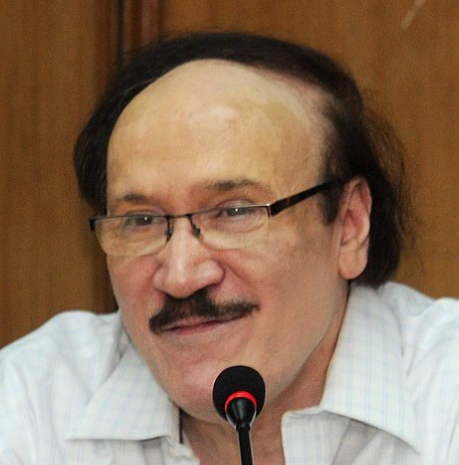 Maharaj Kishan Bhan合作论文数Department of Biotechnology, Government of India24
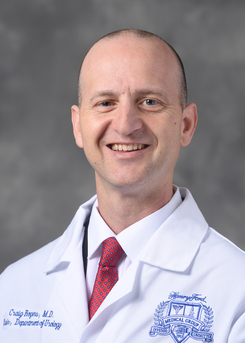 Craig Rogers合作论文数Vattikuti Urology Institute, Henry Ford Hospital11
 Angelika Wieck合作论文数the Institute of Psychiatry, London, University of Manchester11Mn Marks合作论文数10
 Mani Menon合作论文数Vattikuti Urology Institute, Henry Ford Hospital9
 Wooju Jeong合作论文数Vattikuti Urology Institute, Henry Ford Hospital/Henry Ford Cancer Institute, Henry Ford Hospital9
 Anand Malaviya合作论文数Department of Medicine, All India Institute of Medical Sciences9
 satbir singh合作论文数Krishi Vigyan Kendra7Iain Campbell合作论文数Department of Psychological Medicine, School of Academic Psychiatry, Institute of Psychiatry, Psychology & Neuroscience, King's College London7Pranita Jaiswal合作论文数Division of Microbiology, Indian Agricultural Research Institute7Khurshid R Ghani合作论文数7
 Shyam Narayan Jha合作论文数Indian Council of Agricultural Research7
 Kairam Narsaiah合作论文数Livestock Products Processing Laboratory, Central Institute of Post Harvest Engineering and Technology7SA CHECKLEY合作论文数6
 Ahmad Umar合作论文数Department of Chemistry, Faculty of Science and Arts, Najran University;Promising Centre for Sensors and Electronic Devices, Najran University6
 Mohinder Singh Chauhan合作论文数6
 Bimal Kumar Das合作论文数Department of Microbiology;All India Institute of Medical Sciences;Department of Microbiology, All India Institute of Medical Sciences6kushal singh合作论文数5Raj Pema合作论文数5
 Roger I. M. Glass合作论文数John E. Fogarty International Center, National Institutes of Health5Stuart a Checkley合作论文数5
 Nita Bhandari合作论文数Society for Applied Studies, New Delhi, India5
 Jon R Gentsch合作论文数5
 Sunil Sazawal合作论文数Center for Public Health Kinetics;Johns Hopkins Bloomberg School of Public Health5B N Manjula合作论文数4Poonam Preet Kaur合作论文数4Ashok Dhillon合作论文数4Pramod Kumar Garg合作论文数4S Aneja合作论文数4
 Eyarkai Nambi合作论文数Department of Food Product Development, Indian Institute of Food Processing Technology4
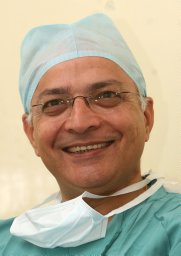 Rajesh Ahlawat合作论文数Department of Urology and Renal Transplantation, Sanjay Gandhi Post Graduate Institute of Medical Sciences4
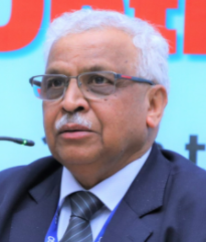 Anurag Sharma合作论文数Department of Physics, Indian Institute of Technology Delhi4
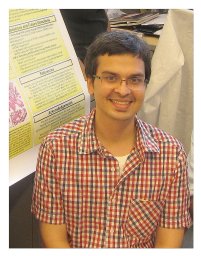 Sood Akshay合作论文数Center for Outcomes Research, Analytics and Evaluation, Vattikuti Urology Institute4
 Ashish Kumar Singh合作论文数Edinburgh Orthopaedic Trauma Unit, Royal Infirmary of Edinburgh4Sharma D K合作论文数4
 Mahendra Bhandari合作论文数Vattikuti Urology Institute, Henry Ford Health System;RediMinds, Inc4
 Rajiv Sharma合作论文数Central Institute of Post-harvest Engineering and Technology, Indian Council of Agricultural Research4Gudmund Stintzing合作论文数4
 Prince Sharma合作论文数Department of Biotechnology and Microbiology, Panjab University4
 Sushma Bhatnagar合作论文数All India Institute of Medical Sciences Unit of Anesthesiology, Institute Rotary Cancer Hospital4Vikram Khoshoo合作论文数4Rishi Bhardwaj合作论文数4S. Jayashree合作论文数Department of Computer Science and Engineering, Indian Institute of Technology4Y. Sakawa合作论文数Department of Energy Engineering and Science, Nagoya University4
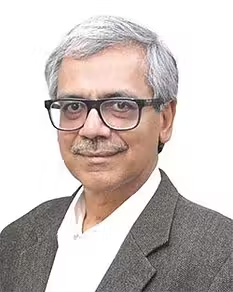 Rajiv Bahl合作论文数Department of Child and Adolescent Health and Development, World Health Organization4P RAJAGOPALAN合作论文数3V Taluja合作论文数3Leonard N. K. Dohl合作论文数3AD HIRST合作论文数3




