Child sexual abuse (CSA) is a serious public health issue in India, with long-lasting physical, emotional and psychological consequences. Dermatologists play a crucial, though often underappreciated, role in the identification and management of CSA due to expertise in recognising and interpreting cutaneous signs, which are the most common and visible indicators of abuse. The authors explore the pivotal role of dermatologists in the multidisciplinary approach to CSA, emphasising their involvement in history-taking, physical examination, injury interpretation, and forensic evidence collection. The article also discusses the importance of timely reporting to authorities and adhering to treatment protocols based on the prevalent guidelines. This article attempts to create awareness among practising dermatologists in India about their role in the early detection and comprehensive care of CSA survivors. We also believe that this article will act as a guiding force for them to manage CSA cases effectively.
The global discourse on reproductive rights has increasingly centred on securing safe and legal abortion access, with India emerging as a significant site of legal and medical deliberation aimed at curbing the harms associated with clandestine pregnancy terminations. Unsafe abortion remains a critical public health concern worldwide, contributing significantly to maternal mortality, particularly in nations with stringent anti-abortion legislation. Abortion laws vary considerably across different countries and are subject to change in response to the socio-political viewpoints of respective regions. In a noteworthy ruling, the Supreme Court of India reaffirmed that the right to reproductive autonomy, which includes the authority to terminate a pregnancy, is encompassed within the right to privacy and personal liberty as delineated in Article 21 of the Indian Constitution. The Court’s interpretation of the Medical Termination of Pregnancy Act and associated regulations reflects a recognition that legal frameworks must evolve in accordance with changing social realities. However, the verdict creates an unresolved tension between protecting the reproductive privacy of minor survivors and the investigative requirements of criminal law under the Protection of Children from Sexual offences Act. This article will critically examine the landmark judgement delineating reproductive autonomy in India, arguing that while the judgement is neoteric, it does not go far enough to address the practical challenges associated with medical termination of pregnancy.
Abstract The human brainstem is a complex division of the brain comprised of more than 200 nuclei and fiber tracts. The brainstem is essential for the functioning of the entire body. We introduce here the most detailed human brainstem Atlas across the human lifespan: fetus, child, adult. ANCHOR, the Atlas of Neurochemical Characterization of the Human Brainstem, is an online platform that includes more than 800 serial histological sections, stained for Nissl and seven immunochemical (IHC) markers, from the human brainstem of three ages: 25 fetal gestational weeks (GW), 9 years old, and 54 years old. This makes ANCHOR the most comprehensive human brainstem Atlas to date. In these three brainstems, we identified and manually annotated over 200 structures. We further characterized these structures with the seven IHC markers. We specifically describe the catecholaminergic groups in the human brainstem across all three age groups. In addition, we identified the protoplasmic commissural dendrites of the hypoglossal nucleus and we describe the pretectal nuclei in the Nissl-stained fetal 25 GW brainstem. ANCHOR includes an online viewer that integrates multimodal data, from magnetic resonance imaging and block face imaging to Nissl- and IHC-stained serial sections and 3D reconstruction of the entire brainstem. For the 9-year-old specimen, the online viewer allows simultaneous navigation of annotated sections with corresponding IHC, for viewing the specific region-wise cellular features accessible at https://anchor.humanbrain.in/ .
Transfusion reactions are adverse events that can occur with the transfusion of blood and blood components. These reactions can range from mild and self-limiting to severe and potentially fatal. Some incidents arise from human error or oversight, which may lead to legal consequences for both the physician and the hospital. This thematic literature review examines the incidence, pathophysiology, and mortality associated with various adverse transfusion reactions. It also addresses the difficulties in diagnosing these reactions, both before and after death, and emphasizes the implications of adverse transfusion reactions. Furthermore, we propose a workflow for investigating transfusion reactions from clinical and forensic perspectives and urge professional societies to collaborate in developing comprehensive guidelines. Recognize clinical signs of acute transfusion reactions and know when to stop transfusion immediately. Understand the mandatory steps for patient and blood component identification before transfusion, including crossmatch and bedside verification. Apply the systematic laboratory workup algorithm for investigating each type of transfusion reaction. Identify high-risk scenarios requiring specialized blood bank intervention (e.g., Bombay group, multiple transfused patients, stem cell transplant with ABO mismatch). Understand the forensic (medicolegal) approach to investigating transfusion-related deaths, including postmortem sample collection and interpretation. Comprehend the medicolegal framework governing transfusion-related adverse events, including individual versus institutional liability and standard of proof in civil and criminal proceedings.
The discourse on the right to die and end-of-life care autonomy, advocating for a dignified and humane end, has gained significant traction globally, including in India. Emphasizing individual choice and autonomy, this debate spans various health spectrums as individuals seek control over their deaths to avoid unnecessary suffering and alleviate family burdens, particularly in intensive care unit settings. However, concerns about potential abuse and the need for stringent safeguards if passive euthanasia, that is withdrawal and withholding of life support, were legalized have emerged, especially regarding the medical profession’s role and individual vulnerability. In India, where end-of-life legal frameworks are evolving, the Supreme Court recognized the right to die with dignity as a fundamental right (it only includes the right to refuse treatment) under Article 21 of the Constitution. This commentary will critically examine the landmark judgement in line with end-of-life care in India to argue that while the judgement is progressive in principle, it does not go far enough in procedural simplification.
Synthetic pesticides are commonly used in agriculture to manage pests and protect crop yields. However, improper handling and use of these chemicals pose significant risks to farm workers, leading to health hazards and even fatalities. This methodology paper outlines a project aimed at assessing the awareness, attitude, and practices of farm workers regarding the safe usage of pesticides in rural south India and to evaluate the effectiveness of an educational intervention designed to improve safety. A quasi-experimental pre and post-test will be used to evaluate the knowledge, attitude of farm workers and their practice of handling pesticides in their daily life following an educational intervention for a period of 6 months. The study will involve a baseline assessment through questionnaires, followed by the development and implementation of an educational intervention through a targeted educational module tailored to the identified knowledge and practice gaps. The module will then be implemented in workshops, and its effectiveness will be measured through pre- and post-intervention assessments. The ultimate goal is to promote safer pesticide handling practices and improve farm workers' overall awareness and attitudes toward pesticide safety.This paper describes the methodology in detail and submits results of the pilot study conducted using the developed questionnaire.
Autopsy personnel face substantial occupational risks from exposure to infectious agents, particularly during aerosol-generating procedures like bone sawing. The COVID-19 pandemic highlighted these dangers, underscoring the need for innovative safety solutions in resource-limited settings without negative-pressure autopsy suites. To address this, we developed a Low-Cost Infection Containment Chamber (LCICC)-a full-length, transparent, and impermeable structure designed to contain aerosols during high-risk autopsy procedures. This study evaluated the efficacy of LCICC using goat skulls to simulate aerosol generation during sawing. Aerosol densities were measured under both open-air conditions and with LCICC use, employing fluorescein dye for visualization and particle counter for quantification. Statistical analysis confirmed the chamber's effectiveness in reducing occupational exposure. LCICC demonstrated a substantial reduction in aerosol levels, ranging from 85.96 to 88.38% across all particle sizes. Median aerosol densities were consistently recorded at 10.50 mg/m³ with LCICC use, compared to 74.80 to 90.40 mg/m³ in open-air conditions. LCICC's affordability, ease of assembly, and reliable performance position it as a groundbreaking tool for protecting healthcare workers, particularly in low-resource settings. This innovation addresses critical gaps in autopsy safety protocols, offering a practical solution to mitigate risks associated with infectious aerosols while advancing occupational health standards in forensic pathology.
The landmark 1995 judgment by the Supreme Court of India included doctors within the purview of the Consumer Protection Act (CPA) 1986, hinting that other professions, including legal services, could also fall under its ambit. However, in 2024, the apex court ruled in ‘Bar of Indian Lawyers Through its President vs DK Gandhi PS National Institute of Communicable Diseases and Anr.’, that lawyers are not liable for professional deficiencies under the CPA, emphasising the lack of universal standards for assessing dereliction of duty in legal services. Although this landmark verdict let advocates off the hook, it calls into question the Court’s 30-year-old decision. This ruling has reignited the debate on whether doctors should be equated with other service providers under the CPA 2019, particularly in light of the rise in defensive medicine practices, which increase healthcare costs and erode doctor–patient trust. In this commentary, we will discuss the analysis and observations of the apex court in the DK Gandhi case, contributing to the ongoing discourse on medical liability under the CPA in India.
In India, Medicolegal cases require meticulous examination and evidence collection to support legal investigations, yet the absence of a standardized national medicolegal code leads to inconsistent practices. Currently, only a few states and institutions have developed their own codes, leaving many healthcare facilities, particularly in resource-limited settings, reliant on outdated or ad-hoc protocols. This variability complicates workflows, especially for junior consultants, medical graduates working in district hospitals performing medicolegal duties and foreign-trained medical graduates unfamiliar with Indian procedures, risking suboptimal evidence collection and documentation. A national medicolegal code is proposed to standardize protocols for examination, sample preservation, and stakeholder responsibilities, ensuring unifor mity and clarity. Such a code would align with updated criminal laws, address logistical challenges like evidence storage, and incorporate guidelines for diverse medicolegal scenarios, including sexual violence, autopsies, and disaster victim identification. Despite challenges in enforceability due to state jurisdiction over law and order, voluntary adoption by states, endorsed by the Union government, could streamline practices, ultimately improving medicolegal service quality and aiding the justice delivery system across India. This review article discusses several practical difficulties in medicole gal practice, challenges in creating a national medicolegal code, and proposes recommendations to move forward.
BACKGROUND:Diagnosing anaphylactic deaths is a challenging task for forensic pathologists. Although serum tryptase is considered to be a reliable biomarker, there are limitations to it. Thus, there is an urgent need to explore various other potential biomarkers which could be of diagnostic value, along with Tryptase, to diagnose anaphylactic shock at autopsy. AIM:We want to systematically review the accuracy of newer postmortem biomarkers for anaphylaxis, such as chymase or eosinophilic cationic protein. Before embarking on this project, we intend to assess the feasibility of conducting systematic reviews on this topic. and identify any deficiencies in the existing literature to guide research priorities. METHODOLOGY:We followed PRISMA guidelines and conducted the search in four databases, namely Medline, Scopus, EBSCO-CINAHL, and TRIP. Rayyan AI software was used to screen the articles. RESULTS:A total of 6112 articles were retrieved from the search, and 5079 articles were screened after removing duplicates. Only 25 articles were finally available as per our inclusion criteria. Studies pertaining to post-mortem tryptase levels were found in large numbers, with two recently done systematic reviews on this topic. The number of studies available on other newer biomarkers was too few. More clinical studies are needed before a meta-analysis can be done. Hence, we could perform only a narrative review on the topic. DISCUSSION:There is a scarcity of literature with definite cutoff levels for markers other than Tryptase. Based on the available studies, it is not possible to do diagnostic accuracy reviews at the moment. Hence, we narrate the usefulness of biomarkers like Immunoglobulin E, Chymase, Carboxypeptidase A3, Diamine Oxidase, Histamine and Eosinophilic Cationic Protein. CONCLUSION:Based on the available evidence, serum tryptase is recognized as the primary biomarker for the postmortem diagnosis of anaphylactic death, with elevated levels strongly indicating anaphylaxis. Additionally, serum IgE, particularly allergen-specific IgE, is a valuable complementary biomarker. Further research is needed to understand the performance of other biomarkers.
In today's digital age, where children are increasingly exposed to online platforms, the prevalence of online child sexual abuse and exploitation poses a significant threat to their safety and well-being. This article examines the multifaceted issue of online child sexual abuse and exploitation, focusing on interpersonal cybercrimes and the legal provisions in India aimed at combating these offenses. It highlights the vulnerabilities faced by children in digital environments, particularly exacerbated by the COVID-19 pandemic, which has led to a surge in internet usage among young users.The overarching aim of the article is to analyze existing legal frameworks in India and compare them with those of other countries, advocating for improved protective measures and policies to effectively combat these crimes. Key recommendations include mandatory reporting of online child sexual abuse, due diligence by Internet Service Providers (ISPs), and the establishment of log retention periods to facilitate effective cybercrime investigations. A comprehensive approach involving parents, lawmakers, NGOs, and law enforcement agencies is essential for combating online child sexual abuse. Furthermore, leveraging new technological solutions and signing international conventions is proposed to enhance cooperation and improve prosecution efforts across borders.In conclusion, protecting children from online sexual abuse requires a concerted effort to update legal frameworks, raise awareness, and implement effective measures to safeguard their digital well-being. The urgency for comprehensive, stringent, and unambiguous legal provisions cannot be overstated, as the safety of our children depends on it.
Medical malpractice suits are quite common in developed countries leading to an increase in malpractice insurance. Recent trends indicate that India is at the cusp of a medical malpractice crisis. There has been a rise in medical negligence cases filed against doctors, though often the allegations are frivolous. In such cases, doctors can be considered as the second victim of medical negligence. Members of the medical fraternity do not learn much about law during their training and are often naïve regarding various options available to counter such cases as well as relevant legal doctrines. Doctors thus not only need to remain updated on medical knowledge and skills but also obtain knowledge of legal paradigms. We aim to raise awareness among doctors about handling negligence cases in various forums and share insights through relevant literature, court judgments and government orders. We also map the process of handling complaints, procedures followed in various courts and the different levels of remedies available for doctors.
The Government of India (GoI) launched the “One Stop Centre” (OSC) in 2015 to offer support and help to women afflicted by violence (Gender Based Violence, Domestic Violence, and Sexual Violence). It is present throughout the country at the district level and provides a range of services, including emergency medical care, police support, assistance with legal matters, counselling, short-term accommodation, and help with survivors’ rehabilitation for women who have been abused. According to the Press Information Bureau and Mission Sakthi Scheme,out of the 733 approved OSC for 730 districts (encompassing 35 States and Union Territories), 704 centres were operational, and 6,99,405 women received assistance till March 31, 2023. 1,2
Teaching through role-plays is a preferred modality when certain behaviours or skills need to be taught. They provide a risk-free environment that simulates a real-life scenario. For a clinician, appearance in a Court of Law as an expert witness is a part of his/her legal obligation. To explore the utility of Mock Court as an additional teaching tool for undergraduate medical students, in understanding and familiarizing with legal procedures, specifically the courtroom procedures. We conducted Mock Court sessions with the students playing various roles, following which feedback was collected from the students, teachers and guest assessors. The data was statistically analysed by comparison of frequencies and paired t-test (pre- and post-session comparison). The study revealed a positive effect of the Mock Court sessions on the students, based on their increased confidence, motivation and a better grasp of legal procedures. There was a statistically significant (p < 0.001) improvement in the understanding of specific aspects of courtroom procedures after the session. The authors recommend the active implementation of Mock Court as a teaching aid for undergraduate medical students, and the use of PDSA (Deming) cycle as a tool for quality-checks and self-improvement in subsequent sessions.
The relationship between a doctor and a patient is a contract, retaining the essential elements of the tort. Modern medical practice has evolved alongside the court of law to regulate the conduct of doctors and hospitals to reduce litigations of medical negligence. Lately, Indian patients have become more aware of their rights and the Consumer Protection Act. This awareness encourages patients to litigate and seek the help of redressal forums to mitigate their loss/injury in cases of medical negligence. Though there is a rise in complaints of medical negligence filed against doctors and hospitals, these allegations are often frivolous. The specter of litigation constantly looms over medical practitioners, who frequently struggle to defend themselves in a court of law, causing undue anxiety and anguish. Thus, a doctor can be considered the second victim in a medical negligence case. Lack of awareness regarding their legal rights and pertinent laws coupled with contradictory actions of the law enforcement agencies while handling alleged medical negligence cases worsens a doctor's trepidation. Hence, this article attempts to raise awareness among medical professionals, which will thereby allay undue fear while facing an allegation.
Background: Medical education had to adapt to the challenges posed by the COVID-19 pandemic and shifted towards online platforms. However, this has been fraught with challenges. Objective: To compare traditional classroom teaching and online teaching and assessments in Forensic Medicine and Toxicology for undergraduate medical students. Methods: Total of 98 undergraduate medical students gave their anonymous feedback about Google Forms and Microsoft Forms for assessments and using Microsoft Teams for learning Forensic Medicine and Toxicology. Results: One-third of the students felt online classes were more convenient than traditional classes. Half the students thought that online classes didn't facilitate good teacher-student interaction. 39.8% of the students felt that technical difficulties during the online classes negatively affected their learning. 56.2% of the students believe that online practical classes cannot replace traditional practical classes. 74.5% of the students believed that feedback provided by the Forensic Medicine faculty helped them improve their academic performance. 68.4% of the students preferred traditional classes but would like it to be combined with some online learning. According to the teachers, viva conducted via video calls was the most authentic form of assessment. Conclusion: Technical issues may prevent medical educators and undergraduate medical students from completely embracing online teaching. The benefits of online teaching like convenience and versatility of options will likely see it being used in teaching medical students long after the pandemic is over. To make the teaching program more robust, feedback should be taken from the students regarding the teaching session, materials, and engagement methods.
ABSTRACT:We describe a safe and standardized perfusion protocol for studying brain pathology in high-risk autopsies using a custom-designed low-cost infection containment chamber and high-resolution histology. The output quality was studied using the histological data from the whole cerebellum and brain stem processed using a high-resolution cryohistology pipeline at 0.5 μm per pixel, in-plane resolution with serial sections at 20-μm thickness. To understand the pathophysiology of highly infectious diseases, it is necessary to have a safe and cost-effective method of performing high-risk autopsies and a standardized perfusion protocol for preparing high-quality tissues. Using the low-cost infection containment chamber, we detail the cranial autopsy protocol and ex situ perfusion-fixation of 4 highly infectious adult human brains. The digitized high-resolution histology images of the Nissl-stained series reveal that most of the sections were free of processing artifacts, such as fixation damage, freezing artifacts, and osmotic shock, at the macrocellular and microcellular level. The quality of our protocol was also tested with the highly sensitive immunohistochemistry staining for specific protein markers. Our protocol provides a safe and effective method in high-risk autopsies that allows for the evaluation of pathogen-host interaction, the underlying pathophysiology, and the extent of the infection across the whole brain at microscopic resolutions.
Background: Forensic Microbiology is an emerging branch of science that has great potential to assist criminal investigations. Having said that, microbial analysis is not performed routinely during forensic investigations in India. This could be attributed to lack of specific training and lack of evidence-based standard protocol. Objectives: The authors attempt to highlight the key areas in forensic microbiology that need to be explored in a developing nation like India. Content: Forensic microbiology could help in linking a person to a crime, determining the cause of death, estimating postmortem interval (PMI), etc. Additionally, applications are being developed by forensic microbiologists across the globe to investigate the coordinated and dynamic changes in microbial activity which occur after the death of a human host. Such evidence from the human postmortem microbiome can aid in criminal investigations and administration of justice. These recent advances and developments have the potential to transform the field of forensic microbiology in a developing country.
 Latif Rajesh Johnson合作论文数12Daniel Manoj合作论文数10
 Shankar M Bakkannavar合作论文数Department of Forensic Medicine and Toxicology, Kasturba Medical College5
 Vinod Chandrakanth Nayak合作论文数Department of Forensic Medicine, Kasturba Medical College Manipal4Yajnesh Kidiyoor合作论文数3
 Mousumi Sen合作论文数3
 Gerard Pradeep Devnath合作论文数3
 Navin Patil合作论文数3
 Kavitha Saravu合作论文数Kasturba Medical College, Manipal University3Satya Raj合作论文数2Hema Paul合作论文数2
 Malathi Murugesan合作论文数Department of Clinical Microbiology, Christian Medical College2Haneil Dsouza合作论文数2
 Joy John Mammen合作论文数Department of Transfusion Medicine and Immunohaematology, Christian Medical College Vellore2Annie Valsan合作论文数1
 Chaitan Jaunky合作论文数1Senthamil Selvan合作论文数1Jenifer Jeba Sundararaj合作论文数1Ilavarasi Jesudoss合作论文数1
 Vinitha Ravindran合作论文数1
 Narmada Ashok合作论文数1Richa Verma合作论文数1Tarun K George合作论文数1Shipra Rai合作论文数1
 Mohanasankar Sivaprakasam合作论文数1Prashantha Bhagavath合作论文数1
 Jeyalinda Christopher合作论文数1Ramdayalan Kumarasami合作论文数1Raj K. Mani合作论文数1Deepak Nayak合作论文数1Gagandeep Kang合作论文数1
 Pavanchand Shetty合作论文数Dept Forens Med & Toxicol, Manipal Acad Higher Educ1
 Indrajit Khandekar合作论文数1Vrinda Lath合作论文数1
 Abi Manesh合作论文数1Talha Ahmed合作论文数1
 Shyamkumar Nidugala Keshava合作论文数Department of Radiology, Christian Medical College1
 Jayaraj Joseph合作论文数Healthcare Technol. Innovation Centre, IIT Madras;c;Healthcare Technol. Innovation Centre, IIT Madras1Barney Thomas Jesudason Isaac合作论文数1Sowmya Sathyendra合作论文数Christian Medical College Vellore1
 Rao Karthik合作论文数Department of Internal Medicine, Kasturba Medical College1
 Deepak Thomas Abraham合作论文数1
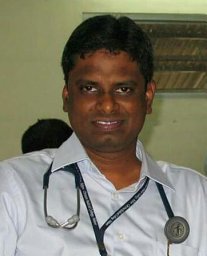 Kundavaram Paul Prabhakar Abhilash合作论文数1Mathews Prasad合作论文数1
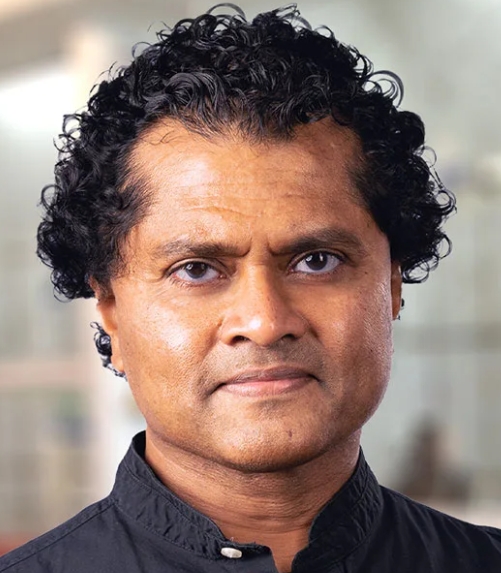 Partha P. Mitra合作论文数Mitra Laboratory, Cold Spring Harbor Laboratory1
 Anand Zachariah合作论文数Department of Medicine, Christian Medical College1
 Sasidharan Balukrishna合作论文数Department of Radiation Oncology Unit 1, Christian Medical College1Aparna Irodi合作论文数Department of Radiology, Christian Medical College and Hospital1
 Hannah Mary Thomas T合作论文数Department of Bioengineering, Christian Medical College1




