This study evaluated the effects of irrigation with saline treated wastewater (TWW) (EC = 5.84 dS m- 1) and inoculation with arbuscular mycorrhizal fungi (AMF) (Glomus deserticola, Gigaspora margarita or a combined inoculum of G. deserticola and G. margarita) on the physiological, anatomical and morphological performance of young olive plants (Olea europaea L. cv. Chetoui) over a 12-month period. Irrigation with TWW resulted in an increase in leaf water saturation deficit and water uptake capacity, along with a decrease in the membrane stability index, compared to control plants irrigated with tap water. Consequently, these changes negatively affected gas exchange parameters and total chlorophyll content, which were consistent with corresponding changes in leaf anatomy and morphology. However, principal component analysis (PCA) demonstrated that mycorrhizal symbiosis improved leaf water status and photosynthetic capacity, as compared to non-inoculated plants. These benefits were closely associated with enhanced anatomical and morphological traits in mycorrhizal plants. Overall, the results suggest that inoculated olive plants were less stressed and more resilient to the salinity stress caused by TWW irrigation.
The current work evaluated the effect of irrigation, during 12 months, with saline treated wastewater (TWW) (EC=5.84 dS m−1) and inoculation with arbuscular mycorrhizal fungal (AMF) inoculums (Glomus deserticola, Gigaspora margarita or a combined inoculum of G. deserticola and G. margarita) on the physiological, anatomical and morphological performance of young olive plants (Olea europaea L. cv. Chetoui). Results showed that irrigation with TWW induced an increase in leaves water saturation deficit and water uptake capacity, in parallel with a decrease of membrane stability index, compared to control plants irrigated with tap water. Such disturbance was accompanied by a decrease in net carbon dioxide assimilation rate and total chlorophyll content. These physiological disorders were consistent with corresponding changes in leaf anatomy and morphology, including an increase in leaf tissue thickness (both upper and lower epidermis and palisade parenchyma), a reduction in leaf growth rate, their perimeter, as well as a decrease in stomatal density. However, mycorrhizal symbiosis has played a beneficial role in improving the leaf water status and enhancing the photosynthetic capacity of host plants, compared to non-inoculated plants. These observations were closely related to the better anatomical and morphological performance of host plants. Such results may suggest that colonized olive plants were less stressed and more resilient to the salinity of TWW.
Inducing the differentiation of specific cell type(s) synchronously and on-demand is a great experimental system to understand the sequential progression of the cellular processes, their timing and their resulting properties for distinct isolated plant cells independently of their tissue context. The inducible differentiation in cell suspension cultures, moreover, enables to obtain large quantities of distinct cell types at specific development stage, which is not possible when using whole plants. The differentiation of tracheary elements (TEs) - the cell type responsible for the hydro-mineral sap conduction and skeletal support of plants in xylem tissues - has been the most studied using inducible cell suspension cultures. We herein describe how to establish and use inducible pluripotent suspension cell cultures (iPSCs) in Arabidopsis thaliana to trigger on-demand different cell types, such as TEs or mesophyll cells. We, moreover, describe the methods to establish, monitor, and modify the sequence, duration, and properties of differentiated cells using iPSCs.
The present study aimed to determine the impact of arbuscular mycorrhizal fungi (AMF) on soil and young olive plants irrigated for one year with saline treated wastewater (TWW). One-year-old olive plants were inoculated with different AMF: (i) Glomus deserticola; (ii) Gigaspora margarita and (iii) combination of G. deserticola and G. margarita. Changes were observed in the soil chemical characteristics, in particular a significant increase in the electrical conductivity and an accumulation of Na(+)and Cl-. Consequently, compared to the control treatment, the Na+ and Cl- contents of young olive plants irrigated with TWW increased by 12 and 133% in the leaves and by 98 and 106% in the roots, respectively. Moreover, an increase in the antioxidant enzyme activities, malondialdehyde and H2O2 contents, and electrolyte leakage rate was observed. Interestingly, roots and leaves of olive plants inoculated with AMF and irrigated with TWW showed a lower Na+ and Cl(-)content, and a higher macro-and micro-nutrient content, compared to uninoculated plants. The decrease of Na+ and Cl- contents in olive plants inoculated with both G. deserticola and G. margarita was about 24 and 43% in the leaves, and about 30 and 39% in the roots, respectively. Furthermore, the AMF symbiosis enhanced the antioxidant enzymes activities (CAT and APX) and reduced the malondialdehyde and H2O2 contents. (C) 2022 SAAB. Published by Elsevier B.V. All rights reserved.
The reuse of treated wastewater for olive irrigation is becoming a common practice in areas with limited water resources. However, this water may contain high level of salts (Na+ and Cl−) that could affect plant performances when used for a long period. In order to enhance the tolerance of plants to salt stress induced by treated wastewater, the application of arbuscular mycorrhizal fungi (AMF) may be a suitable solution. In this study, the ability of different AMF inoculums to improve young olive plants (Olea europaea L. cv. Chetoui) performances under long term irrigation with treated wastewater was studied. One-year-old olive trees inoculated with Glomus deserticola and/or Gigaspora margarita were irrigated with treated wastewater for one year. As compared to plants irrigated with tap water, treated wastewater irrigation caused a significant decrease in relative water content (RWC), total fresh and dry weights, gas exchange parameters, and chlorophyll and starch contents. Nevertheless, a significant increase in Na+ and Cl−, proline, soluble sugars, total polyphenols as well as flavonoids contents was observed under treated wastewater irrigation. Interestingly, colonization with different AMF inoculums, particularly the 1:1 mixture of G. deserticola and G. margarita, alleviated the negative effect of saline treated wastewater on young olive plants and significantly improved the above parameters. In fact, mycorrhizal symbiosis decreased the Na+ and Cl− contents and improved the RWC, the total fresh and dry weights and the photosynthetic activity. Furthermore, mycorrhizal plants showed higher concentrations of proline and soluble sugars as well as higher antioxidant defense systems as compared to the non-inoculated plants.
Under the effect of disturbances, like unbalanced stem, but also during normal development, poplar trees can develop a specific secondary xylem, called "tension wood" (TW), which is easily identifiable by the presence of a gelatinous layer in the secondary cell walls (SCW) of the xylem fibers. Since TW formation was mainly performed on 2-year-old poplar models, an in vitro poplar that produces gelatinous fibers (G-fibers) while offering the same experimental advantages as herbaceous plants has been developed. Using specific cell wall staining techniques, wood structural features and lignin/cellulose distribution were both detailed in cross-sections obtained from the curved stem part of in vitro poplars. A supposed delay in the SCW lignification process in the G-fibers, along with the presence of a G-layer, could be observed in the juvenile plants. Moreover, in this G-layer, the immunolabeling of various polymers carried out in the SCW of TW has allowed detecting crystalline cellulose, arabinogalactans proteins, and rhamnogalacturonans I; however, homogalacturonans, xylans, and xyloglucans could not be found. Interestingly, extensins were detected in this typical adaptative or stress-induced structure. These observations were corroborated by a quantitation of the immunorecognized polymer distribution using gold particle labeling. In conclusion, the in vitro poplar model seems highly convenient for TW studies focusing on the implementation of wall polymers that provide the cell wall with greater plasticity in adapting to the environment.
Water quality monitoring with integrative tools is a main issue of concern for environment assessment. Submerged aquatic macrophyte can be a good candidate for the evaluation of contaminant content in rivers. Indeed, owing to their habitat, aquatic macrophytes interact directly with surface water; they can absorb contaminants and thus allow to detect their presence in water. In situ studies were conducted over 28 days in five aquatic environments, affected by different levels of anthropogenic pressure (domestic wastewater plant, industrial activities), during two field campaigns. We have investigated whether the accumulation of some metals and a metalloid (As) in Myriophyllum alterniflorum could be used to detect their occurrence in river waters. Our results demonstrated that long time bioaccumulation was correlated with the contaminant levels in water. However, the water composition and the duration of exposure affected the studied pollutants’ absorption. On an operational point of view, the optimal duration of exposure of Myriophyllum alterniflorum to assess the water quality is conditioned by the contaminant contents in waters that can induce different defense mechanisms as the reduction of pollutant absorption and their efflux. In addition, the nutrient concentration influenced the accumulation of pollutants since the higher the nutrient level, the higher the essential metal accumulation was observed.
Lignin accumulates in the cell walls of specialized cell types to enable plants to stand upright and conduct water and minerals, withstand abiotic stresses, and defend themselves against pathogens. These functions depend on specific lignin concentrations and subunit composition in different cell types and cell wall layers. However, the mechanisms controlling the accumulation of specific lignin subunits, such as coniferaldehyde, during the development of these different cell types are still poorly understood. We herein validated the Wiesner test (phloroglucinol/HCl) for the restrictive quantitative in situ analysis of coniferaldehyde incorporation in lignin. Using this optimized tool, we investigated the genetic control of coniferaldehyde incorporation in the different cell types of genetically-engineered herbaceous and woody plants with modified lignin content and/or composition. Our results demonstrate that the incorporation of coniferaldehyde in lignified cells is controlled by (a) autonomous biosynthetic routes for each cell type, combined with (b) distinct cell-to-cell cooperation between specific cell types, and (c) cell wall layer-specific accumulation capacity. This process tightly regulates coniferaldehyde residue accumulation in specific cell types to adapt their property and/or function to developmental and/or environmental changes.
Surface water pollution by trace metal elements constitutes problems for both public and terrestrial/aquatic ecosystem health. Myriophyllum alterniflorum (alternate watermilfoil), an aquatic macrophyte known for bioaccumulating this type of pollutant, is an attractive species for plant biomonitoring within the scope of environmental research. The two metal elements copper (Cu) and cadmium (Cd) are considered in the present study. Cu is essential for plant development at low concentrations, while very high Cu concentrations are detrimental or even lethal to most plants. On the other hand, Cd is usually toxic even at low concentrations since it adversely affects the physiological plant functions. In order to check whether watermilfoil could be used for the in situ biomonitoring of Cu or Cd pollution in rivers, the plant biomarker sensitivity is first tested during long-term in vitro assays. Three markers specific to oxidative stress (glucose-6-phosphate dehydrogenase, malondialdehyde and α-tocopherol) are evaluated by varying the pollutant concentration levels. Given the absence of effective correlations between Cu and all biomarkers, the response profiles actually reveal a dependency between Cd concentration and malondialdehyde or α-tocopherol biomarkers. Conversely, preliminary in situ assays performed at 14 different localities demonstrate some clear correlations between all biomarkers and Cu, whereas the scarcity of Cd-contaminated rivers prevents using the statistical data. Consequently, the three indicated biomarkers appear to be effective for purposes of metal exposure analyses; moreover, the in situ approach, although preliminary, proves to be paramount in developing water biomonitoring bases.
Given the toxicity of trace metals, their concentration, speciation and bioavailability serve to induce various plant detoxification processes, which themselves are specific to several parameters like plant species, tissue type and developmental stage. In this study, Myriophyllum alterniflorum (or alternate watermilfoil) enzyme activities (ascorbate peroxidase, catalase, glutathione peroxidase and superoxide dismutase) from in vitro cultures was measured over 27 days in response to copper (Cu) or cadmium (Cd) stress. These enzymes are unique to reactive oxygen species (ROS) scavenging (mainly hydrogen peroxide H2O2 and superoxide anion O-2(center dot-) ) and moreover showed specific or unspecific activity profiles, depending on the metal concentrations used. Our results suggest a higher-priority protection of chloroplasts during the initial days of exposure to both metals. At the same time, the increased catalase activity could indicate an H2O2 diffusion in peroxisome in order to protect other organelles from ROS accumulation. However, as opposed to the Cd effects, high Cu concentrations appear to induce a "limited oxidative threshold" for some antioxidant enzymes, which could suggest an ion absorption competition between Cu2+ and Fe2+. In spite of an overall analysis conducted of the scavenging processes occurring in plant cells, biochemical analyses still yielded relevant indications regarding the watermilfoil strategies used for ROS management.
Toxicity caused by trace metal elements in water is a major concern, leading to environmental disturbances and public health problems. The effect of cadmium on clonal macrophyte populations is poorly documented despite its high level of toxicity among aquatic organisms. Our aim here is to highlight the strong relationship existing between the physiological responses of Myriophyllum alterniflorum and the cadmium level over a long exposure period. Nine potential biomarkers of cadmium stress are tested, with three of them appearing to be highly sensitive: free proline, Hsp70, and malondialdehyde. Long-term follow-up analysis after metal exposure (27 days) also proves to be quite beneficial by providing a detailed overview of ecotoxicological events that is more complete and extensive than data recordings conducted over a few days. Taken together, these results support our initial hypothesis that leads to recommending biomarker analyses over at least 2 weeks of metal exposure.
The development of inducible cell differentiation in suspension cultures led to multiple breakthroughs. It enabled the understanding of the chronology, duration, regulation and interdependency of the multiple events leading to fully functional specialized cells. The most studied cell differentiation in plants using inducible suspension cultures is the formation of tracheary elements (TEs) - the hydro-mineral sap conducting cells. Several in vitro systems established in different plant species have been developed to trigger TE formation on-demand. Here, we describe the establishment, harvesting and analysis of Arabidopsis thaliana stable habituated cell lines inducible by hormones to differentiate into TEs on-demand. Moreover, we explain the means to monitor and modify the chronology, duration and regulation of the progression of TE formation.
Lignin is a polyphenolic polymer specifically accumulating in the cell walls of xylem cells in higher vascular plants. Far from being homogeneous, the lignification of xylem cell walls varies in deposition site, quantity, composition and macromolecular conformation depending on the cell wall compartment, cell type, cell developmental stage and plant species. Here, we describe how confocal microspectroscopy methods using lignin autofluorescence can be used to evaluate the relative lignin amounts, its spatial distribution and composition at the cellular and sub-cellular levels in both isolated cells and histological cross-sections of plant tissues.
Chemical screening for novel inhibitors of lignification uncovered a compound processed in the plant into two such inhibitors, one of which, p-iodobenzoic acid, inhibits CINNAMATE-4-HYDROXYLASE activity. Plant secondary-thickened cell walls are characterized by the presence of lignin, a recalcitrant and hydrophobic polymer that provides mechanical strength and ensures long-distance water transport. Exactly the recalcitrance and hydrophobicity of lignin put a burden on the industrial processing efficiency of lignocellulosic biomass. Both forward and reverse genetic strategies have been used intensively to unravel the molecular mechanism of lignin deposition. As an alternative strategy, we introduce here a forward chemical genetic approach to find candidate inhibitors of lignification. A high-throughput assay to assess lignification in Arabidopsis (Arabidopsis thaliana) seedlings was developed and used to screen a 10-k library of structurally diverse, synthetic molecules. Of the 73 compounds that reduced lignin deposition, 39 that had a major impact were retained and classified into five clusters based on the shift they induced in the phenolic profile of Arabidopsis seedlings. One representative compound of each cluster was selected for further lignin-specific assays, leading to the identification of an aromatic compound that is processed in the plant into two fragments, both having inhibitory activity against lignification. One fragment, p-iodobenzoic acid, was further characterized as a new inhibitor of CINNAMATE 4-HYDROXYLASE, a key enzyme of the phenylpropanoid pathway synthesizing the building blocks of the lignin polymer. As such, we provide proof of concept of this chemical biology approach to screen for inhibitors of lignification and present a broad array of putative inhibitors of lignin deposition for further characterization.
Plant secondary-thickened cell walls are characterized by the presence of lignin, a recalcitrant and hydrophobic polymer that provides mechanical strength and ensures long-distance water transport. Exactly the recalcitrance and hydrophobicity of lignin put a burden on the industrial processing efficiency of lignocellulosic biomass. Both forward and reverse genetic strategies have been used intensively to unravel the molecular mechanism of lignin deposition. As an alternative strategy, we introduce here a forward chemical genetic approach to find candidate inhibitors of lignification. A high-throughput assay to assess lignification in Arabidopsis (Arabidopsis thaliana) seedlings was developed and used to screen a 10-k library of structurally diverse, synthetic molecules. Of the 73 compounds that reduced lignin deposition, 39 that had a major impact were retained and classified into five clusters based on the shift they induced in the phenolic profile of Arabidopsis seedlings. One representative compound of each cluster was selected for further lignin-specific assays, leading to the identification of an aromatic compound that is processed in the plant into two fragments, both having inhibitory activity against lignification. One fragment, p-iodobenzoic acid, was further characterized as a new inhibitor of CINNAMATE 4-HYDROXYLASE, a key enzyme of the phenylpropanoid pathway synthesizing the building blocks of the lignin polymer. As such, we provide proof of concept of this chemical biology approach to screen for inhibitors of lignification and present a broad array of putative inhibitors of lignin deposition for further characterization.
Agar substrates for in vitro culture are well adapted to plant micropropagation, but not to plant rooting and acclimatization. Conversely, paper-pulp-based substrates appear as potentially well adapted for in vitro culture and functional root production. To reinforce this hypothesis, this study compares in vitro development of nemesia on several substrates. Strong differences between nemesia roots growing in agar or in paper-pulp substrates were evidenced through scanning electron microscopy. Roots developed in agar have shorter hairs, larger rhizodermal cells, and less organized root caps than those growing on paper pulp. In conclusion, it should be noted that in this study, in vitro microporous substrates such as paper pulp lead to the production of similar root hairs to those found in greenhouse peat substrates. Consequently, if agar could be used for micropropagation, rooting, and plant acclimatization, enhancement could be achieved if rooting stage was performed on micro-porous substrates such as paper pulp.
We studied the distribution of wall ingrowth (WI) polymers by probing thin sections of companion cells specialized as transfer cells in minor veins of Medicago sativa cv Gabès blade with affinity probes and antibodies specific to polysaccharides and glycoproteins. The wall polymers in the controls were similar in WIs and in the primary wall but differently distributed. The extent of labeling in these papillate WIs differed for JIM5 and JIM7 homogalacturonans but was in the same range for LM5 and LM6 rhamnogalacturonans and xyloglucans. These data show that WI enhancement probably requires arabinogalactan proteins (JIM8) mainly localized on the outer part of the primary wall and WIs. By comparison, NaCl-treated plants exhibited cell wall polysaccharide modifications indicating (1) an increase in unesterified homogalacturonans (JIM5), probably implicated in Na(+) binding and/or polysaccharide network interaction for limiting turgor variations in mesophyll cells; (2) enhancement of the xyloglucan network with an accumulation of fucosylated xyloglucans (CCRC-M1) known to increase the capacity of cellulose binding; and (3) specific recognition of JIM8 arabinogalactan proteins that could participate in both wall enlargement and cohesion by increasing the number of molecular interactions with the other polymers. In conclusion, the cell wall polysaccharide distribution in enlarged WIs might (1) participate in wall resistance to sequestration of Na(+), allowing a better control of hydric homeostasis in mesophyll cells to maintain metabolic activity in source leaves, and (2) maintain tolerance of M. sativa to NaCl.
In stems of woody angiosperms responding to mechanical stress, imposed for instance by tilting the stem or formation of a branch, tension wood (TW) forms above the affected part, while anatomically distinct opposite wood (OW) forms below it. In poplar TW the S3 layer of the secondary walls is substituted by a "gelatinous layer" that is almost entirely composed of cellulose and has much lower hemicellulose contents than unstressed wood. However, changes in xylan contents (the predominant hemicelluloses), their interactions with other wall components and the mechanisms involved in TW formation have been little studied. Therefore, in the study reported here we determined the structure and distribution of xylans, cloned the genes encoding the xylan remodeling enzymes beta-xylosidases (PtaBXLi), and examined their expression patterns during tension wood, normal wood and opposite wood xylogenesis in poplar. We confirm that poplar wood xylans are substituted solely by 4-O-methylglucuronic acid in both TW and OW. However, although glucuronoxylans are strongly represented in both primary and secondary layers of OW, no 4-O-methylGlcA xylan was found in G-layers of TW. Four full-length BXL cDNAs encoding putative beta-xylosidases were cloned. One, PtaBXL1, for which xylosidase activity was confirmed by heterologous expression in Escherichia coli, exhibited a wood-specific expression pattern in TW. In conclusion, xylan as PtaBXL1, encoding beta4-xylosidase activity, are down-regulated in TW.
 Pascal Labrousse合作论文数10Mohamed Zouari合作论文数6
 Ameni Ben Hassena合作论文数5
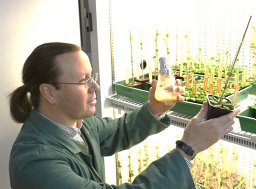 Edouard Pesquet合作论文数John Innes Centre5
 Lina Trabelsi合作论文数4Wahid Khabou合作论文数4David Delmail合作论文数4
 Nacim Zouari合作论文数Laboratoire de Biochimie et de Génie Enzymatique des Lipases, ENIS4Ménard Delphine合作论文数3
 Henrik Serk合作论文数Department of Plant Physiology, Umeå Plant Science Centre;Umeå University;Umeå;a Umeå Plant Science Centre, Umeå University3Philippe Hourdin合作论文数2Nabil Soua合作论文数2
 Guy Costa合作论文数2
 Emile Bere合作论文数2
 Höfer René合作论文数Department of Plant Systems Biology, VIB;Department of Plant Biotechnology and Bioinformatics, Ghent University;Wisconsin Energy Institute, University of Wisconsin;Ghent University, University of Wisconsin, Madison2
 Dorien Van de Wouwer合作论文数2Mohamed Ali Triki合作论文数2
 Pierre Krausz合作论文数2Pierrette Fleurat-Lessard合作论文数2
 Ruben Vanholme合作论文数VIB-UGent Center for Plant Systems Biology2Karine Cleries合作论文数1Anissa Chaari合作论文数1Florence Thibault合作论文数1Servane Bigot合作论文数1
 Maha Krayem合作论文数Dept Biol & Chem Sci, Lebanese Int Univ1
 Leonard Blaschek合作论文数Arrhenius Laboratories, Stockholm University1Fondanèche Patrice合作论文数1
 Anne Da Silva合作论文数1
 Antoine Champagne合作论文数1
 Fathi Ben Amar合作论文数Laboratoire de Robotique de Paris ( LRP );Universite Pierre et Marie Curie;Laboratoire de Robotique de Paris ( LRP ), Universite Pierre et Marie Curie1
 Dominique Audenaert合作论文数Department of Plant Biotechnology and Genetics, Ghent University1Françoise Laurans合作论文数1
 Annabelle Dejardin合作论文数1Gilles Pilate合作论文数1Elodie Sulpice合作论文数1
 Susanne Kratzer合作论文数Department of Systems Ecology, Stockholm University1Sabine Lhernould合作论文数1
 Wout Boerjan合作论文数Department of Plant Biotechnology and Bioinformatics, Faculty of Sciences, Universiteit Gent;Department of Plant Systems Biology, Vlaams Instituut voor Biotechnologie;Center for Plant Systems Biology, Vlaams Instituut voor Biotechnologie1Shinya Kajita合作论文数1
 Bechir Ben Rouina合作论文数1Bartel Vanholme合作论文数1Veronique Deluchat合作论文数Laboratoire des sciences de l'eau et de l'environnement, Université de Limoges1Shojiro Hishiyama合作论文数1
 Geert Goeminne合作论文数Department of Metallurgy, Electrochemistry and Materials Science, Vrije Universiteit Brussel1
 Jean-Charles Leplé合作论文数Unité Amélioration, Génétique et Physiologie Forestières (UAGPF), UR INRA 588, 2163 avenue de la Pomme de Pin, CS 4001 Ardon, F-45075 Orléans, France1




