Addressing flood risk management (FRM) from an integrated and multidimensional perspective is crucial for effective flood management. Several studies advocate involving the affected populations in the decisions on the implementation of FRM measures, but only a few focus on systematically analyzing the citizens' opinions on such measures. From a psycho-environmental approach, the main objective of this study was to design an instrument, a Likert-type attitude scale, to assess the attitudes of riverside population toward flood mitigation measures (FMMs). First, we obtained a dataset of the FMMs based on the discourses of 24 stakeholders. Forty FMMs were identified using the focus group and content analysis method; and refined by flood risk-assessment experts. Second, the FMMs were tested in the general population (N = 111) using a questionnaire survey. The data analysis revealed the 15 most valid FMMs for general population, constituting to the pilot attitude scale. Finally, the scale was applied to a representative sample of riverside city residents (N = 406) through a questionnaire. An exploratory factor analysis (EFA) was employed to identify two factors, with adequate adjustments to the sample [goodness of fit index (GFI) = 0.986], both corresponding (to some extent) to the double traditional and integrated model of FRM. Based on this study, we propose the Integrated Flood Risk Management Attitudes Scale (IFRMAS), whose psychometric properties are adequate in terms of reliability and validity. Notably, the IFRMAS can be applied to analyze the perceptions of riverside population regarding FRM in potential flood-prone areas, detect misconceptions, and guide the design of flood-risk communication strategies.
Handwriting is a complex activity that involves continuous interaction between lower-level handwriting and motor skills and higher-order cognitive processes. It is important to allocate mental resources to these high-order processes since these processes place a great demand on cognitive capacity. This is possible when lower-level skills such as transcription are effortlessness and fluent. Given that fluency is a value in virtually all areas of academic learning, schools should provide instructional activities to promote writing fluency from the first stages of learning to write. In an effort to determine if teaching handwriting enhances writing fluency, we conducted a systematic and meta-analytic review of the writing fluency intervention literature. We selected 31 studies: 21 true and quasi-experimental studies, 4 single-group design, 3 single-subject design, and 3 non-experimental studies, conducted with K-6 students in a regular school setting. A total of 2,030 students participated in these studies. When compared to no instruction or non-handwriting instructional conditions, teaching different handwriting intervention programs resulted in statistically significant greater writing fluency (ES = 0.64). Moreover, three specific handwriting interventions yielded statistically significant results in improving writing fluency, when compared to other handwriting interventions or to typical handwriting instruction conditions: handwriting focused on training timed transcription skills (ES = 0.49), multicomponent handwriting treatments (ES = 0.40), and performance feedback (ES = 0.36). There were not enough data to calculate the impact of sensory-motor and self-regulated strategy handwriting interventions on writing fluency. The significance of these findings for implementing and differentiating handwriting fluency instruction and guiding future research will be discussed.
ABSTRACT Research Findings: The COVID-19 pandemic is leading to an unprecedented crisis worldwide. With schools closed, the frequency with which Spanish parents engage in home literacy activities with their children between the ages of 2 and 8 and the sociodemographic variables that influence this collaboration are unknown. The present research aimed to understand interactions among parents and children in the context of literacy activities at home. A total of 337 Spanish parents completed the Home Literacy Activities Questionnaire (HLAQ). Results from the reliability test showed a good adequacy and consistency (Cronbach’s alpha .85), and a factorial analysis indicated all items could be grouped into four factors: reading activities, writing activities, digital literacy activities, and dialogic-creative literacy activities. A latent class cluster analysis, based on parents’ factorial scores in the HLAQ and their sociodemographic data, suggested four discrete parental clusters: parents prioritizing writing activities, interested in practicing all type of literacy activities, willing to do digital activities, or ready to practice dialogic-creative literacy activities. All indicators and sociodemographic characteristics – the children’s age, the number of children in the family, and the parents’ educational level – were significant and discriminated among the parental clusters. The activities carried out with least frequency were dialogic-creative literacy activities and digital literacy activities. Practice or Policy: Schools, as well as researchers, must be intentional about engaging families who may not be aware of certain activities to support their young children’s literacy skills, in times of crisis, for all children and families, for specific groups of families and children, and at varying grade levels.
Portal hypertension (PHT) is an increase in portal pressure (PP) with hepatic venous pressure gradient (HVPG)≥10mmHg. It's most common etiology is cirrhosis and it can cause ascites, esophageal varices and encephalopathy. Endoscopic ligation, TIPS and liver transplantation have made surgical treatment rarely necessary Purpose: We present two cases of unconventional surgical treatment for PHT. Case 1: 44-year-old woman with antiphospholipid syndrome, on oral anticoagulants, with portal cavernomatosis and a superior mesenteric vein (SMV) aneurysm treated with a PTFE meso-caval shunt 17 years prior, presented with abdominal pain and a palpable mass. CT showed a growing and partially thrombosed SMV aneurysm (11.6x8.4cm) and multiple venous collaterals. We performed spleno-renal shunt with retroperitoneal (lumbotomy) approach using one of her two left renal veins, lowering HVPG from 18 to 4mmHg. A small renal cortical vessel hemorrhage required reintervention without further complications. The aneurysm decreased in size and thrombosed completely, the shunt is open and she remains asymptomatic 18 months later. Case 2: 50-year-old man with cirrhosis (HCV/alcohol) and a large intrahepatic cholangiocarcinoma. At surgery he had PP=17mmHg (HVPG=13mmHg). After right posterior sectorectomy PP increased to 21mmHg. A partial porto-caval shunt with end-to-side renoportal anastomosis using the right renal vein lowered PP to 16mmHg (HVPG=9mmHg). Postoperatively he presented mild encephalopathy and was discharged on the 8th day. Follow-up imaging demonstrated permeability in the shunt 45 days later. He died five months later due to worsening cirrhosis. Conclusions: Portosystemic surgical bypass techniques are useful tools in selected cases and must remain in the surgical armamentarium.
EDITORIAL article Front. Psychol., 05 August 2021 | https://doi.org/10.3389/fpsyg.2021.703057
n el presente trabajo se propone una secuencia didáctica para la enseñanza de las reacciones químicas en educación secundaria, que incluye dos actividades diferentes de aprendizaje cooperativo. La primera, para trabajar la diferencia entre cambio físico y cambio químico y, la segunda, para consolidar la parte experimental que también se ha llevado a cabo en el laboratorio. Los estudiantes han valorado la experiencia y la metodología empleada mediante un cuestionario. Los resultados muestran que la mayoría de ellos están a favor de emplear el modelo de aprendizaje con grupos cooperativos. No obstante, un 30% de los estudiantes señalan que hay que asegurar que todos los miembros de los equipos participen y realicen el trabajo asignado.
BACKGROUND:Most studies focused on measuring environmental attitudes consider a one-dimension measure of pro/anti-environmentalism, such as NEP scale. Nevertheless, more recent research has shown that it seems more adequate to use a multidimensional approach when assessing complex relations among people and the natural environment, particularly on cultural basis. This paper aims to test the psychometric properties of the Multidimensional Environmental Concern Scale (MECS) and, in particular, its factorial invariance.METHOD:Two studies were conducted. The first one assessed factorial invariance using two different approaches (multiple group confirmatory factor analysis - MGCFA, and alignment method) in a sample of 907 undergraduate students from Argentina, India, and Spain. A second study was conducted with 557 adults from Mexico and Spain, which also evaluated the criterion validity of the MECS' scores.RESULTS:The results obtained allowed to assure an acceptable degree of invariance of the MECS among all countries, and in terms of gender (Studies 1 and 2), age and education level (Study 2).CONCLUSIONS:Results provide support for a multidimensional approach when studying the environmental concern, showing that the environmentalism presents different associations depending on the analysed country. A deep analysis on different conceptualization of environmentalism will be promoted.
The presence of learning gardens in Spain is growing, and the current scenario is highly diverse in relation to issues such as participatory models or purposes, among others. In the context of the 1(st) National Meeting on organic learning gardens, we convened eight expert practitioners in a focus group. Their discourse was analyzed through content analysis, after which four categories were selected for co-occurrence analyses. The most important questions for university garden-based practitioners in the country are presented, related to actors involved, functions that gardens fulfill, strengths of these educational resources, and requirements for their consolidation.
Studies have shed light on the idea that people who have experiences in natural settings might be more aware of the environment. Learning gardens, as outdoor contexts, might contribute to the development of students' affective relations toward nature, pro-environmental attitudes, and protective actions; neverthless, these aspects begging to be explored. This preliminary research investigates the impact that the use of organic gardens to teach natural sciences at university has on kindergarten pre-service teachers' (KPST) connectedness to and conceptions of nature. The research follows a pre-/post-design and it uses a mixed methods approach. A total of 74 students completed four quantitative scales (INS, CCC, LCN, and NR-6), and 66 of them an open question about the concept of nature. After the garden experience, students scored higher in all the scales, nevertheless the change was significant only for INS and CCC. The phenomenographic analysis evidenced an initial predominant static and non-social concept of nature, biased toward the most obvious biological elements. After the garden-based learning experience, more informed conceptions of nature - including notions of complexity and systemic character - increased from 7 to 19%; however, statistical comparison was not significant. In spite of the absence of concluding results, further research is required to assess the role that learning gardens may play regarding connectedness to nature and pro-environmental behaviors.
Climate change requires the designing of strategies that mitigate the damage to people's daily life. One of the most notable consequences of climate change in the Iberian Peninsula is Hooding, the frequency and social and economic impact of which have increased in recent decades. As a result, a change of paradigm in flood risk management has been identified, with the social dimension of the disasters acquiring more importance. This paper presents a review of the theoretical and empirical approaches in relation to flood risk, emphasizing the contributions made in the field of environmental psychology. Two main objectives are pursued: to build an appropriate conceptual framework for the analysis of flood risk and to provide professionals in this field with the necessary practical resources to face problems that require psycho-socioenvironmental intervention.
l calentamiento global es una realidad que va a demandar cambios en el estilo de vida para mitigar sus consecuencias desastrosas, suponiendo un desafío para los psicólogos ambientales.A pesar de que la investigación sobre los riesgos medioambientales y tecnológicos ha estado dominada en el siglo XX por el proceso de la percepción, centrado en la energía nuclear, la aparición de nuevos tipos de peligros provocados por el cambio climático ha ganado terreno generando mayor especialización en el análisis del riesgo.Actualmente el interés de su investigación va más allá de las Ciencias del Comportamiento y se ha convertido en un objeto de estudio multidisciplinar, multiprocesual y centrado en el análisis de peligros específicos.Entre los peligros derivados del cambio climático, la inundación se presenta como el más frecuente del mundo y uno de los más destructivos, y en el futuro lo será aún más (Bustillos-Ardaya, Evers y Ribbe, 2017; Intergovernamental Panel on Climate Change-IPCC, 2015).Entre 1998-2017, de doce desastres naturales, la inundación fue el más frecuente y el que más afectados produjo, el cuarto en muertos y el tercero en daños económicos.Además, algunas actividades humanas han contribuido a aumentar la frecuencia y gravedad de las inundaciones.Así, la creciente urbanización de las "llanuras de inundación" de ríos y costas expone a más población a este riesgo y reduce, junto con la agricultura, la capacidad natural de estas llanuras para retener el agua (IPCC, 2015).Entre 1970-2010 se ha doblado la población mundial residente en zonas inundables y su urbanización, entre 2010-2050, incrementará el valor de los bienes materiales expuestos de 46 a 158 trillones de dólares (Jongman, Ward & Aerts, 2012).En España, entre 2000 y 2017, la inundación fue el segundo desastre natural más mortal después de las "altas temperaturas"; causando 800 millones de euros anuales en daños (Ministerio para la Transición Ecológica, 2018).España es el país más vulnerable de Europa al cambio climático y será uno de los más afectados del mundo por este fenómeno (European Environment Agency, 2017).La gota fría causará fuertes lluvias torrenciales e inundaciones súbitas en el Mediterráneo (Garijo, Mediero & RETOS PARA AFRONTAR EL CAMBIO CLIMÁTICO:
The chapter begins by making a conceptual reflection of the relation between, terms such as wellbeing and the quality of life, based on a contextualization of the residential satisfaction. Thereafter, a revision is carried out on the pioneer research in residential satisfaction. Concretely, the chapter shows how these studies find out evaluation criteria that will allow to understand the reason why residents are satisfied with their houses even though the home assessment is not the most appropriated one. Subsequently, the following domains of the residential environment are explinated: house, neighborhood and neighbors as well as their function as predictive variables to explain residential satisfaction. Closely linked to these domains, the residential satisfaction models that consider the same as a variable criteria of wellbeing or as a predictive variable of certain behavior are presented. Additionally it is explained a model that integrated both approaches. Once the form of understanding residential satisfaction is presented, the indexes of residential quality and their transformation to predictors of this variable will be analyzed. Furthermore, a classification of these will be explained in two dimensions: subjective vs objective and physical vs social. Finally, it is highlighted the importance of attachment to the place and its close relation with the residential satisfaction, specially focused on the neighborhood.
People leave 'footprints' in the environment in which they live and these become cues that reflect the occupants' identity. The aim of the present study was to determine the inferences about sociodemographic and personality traits made from the observation of primary spaces, and to identify the cues that facilitate such inferences. In Study 1, participants (N = 214) observed non-shared spaces and completed a questionnaire about sociodemographic variables and the Big Five regarding each bedroom's occupant. The results show that participants are able to infer resident's characteristics such as gender and age, although differences are identified according to the observer's age. Furthermore, different personality traits were associated with sociodemographic characteristics, thus Agreeableness and Extraversion were attributed to young occupants, and Conscientiousness and Openness to Experience were associated with older residents. In Study 2, participants (N = 150) reported the cues leading them to make inferences about both resident's gender and personality traits. Simple Correspondence Analysis shows that different types of cues functional and symbolic-were related differently to sociodemographic variables and personality traits. (C) 2017 Elsevier Ltd. All rights reserved.
María Amérigo (Universidad de Castilla-La Mancha) Camila Bolzán de Campos (Universidade Federal do Rio Grande do Sul) Silvia Collado (Universidad Autónoma de Madrid) Naira Delgado (Universidad de La Laguna) Ghozlane Fleury (Université de Nantes) Blanca S. Fraijo-Sing (Universidad de Sonora) Martha Frias-Armenta (Universidad de Sonora) Daniel González (Universidad de Sonora) Estefanía Hernández-Fernaud (Universidad de La Laguna) Elizabeth López (Universidad Autónoma del Estado de Morelos) Sibila Marques (ISCTE Instituto Universitário de Lisboa) Rosario Marrero (Universidad de La Laguna) Gabriel Muiños (Universidad de La Laguna) Pablo Olivos (Universidad de Castilla-La Mancha) Raquel Pérez-López (Universidad Internacional de La Rioja) Annemijn Peters (University of Groningen) Concepción Piñeiro (Universidad Autónoma de Madrid) Verónica Sevillano (Universidad Autónoma de Madrid) Ernesto Suárez (Universidad de La Laguna) Fernando Talayero (Universidad de Castilla-La Mancha) César Tapia (Universidad de Sonora) A. Berfu Unal (University of Groningen) Sergi Valera (Universitat de Barcelona) Laura Vozmediano (Universidad del País Vasco) Psyecology: Revista Bilingüe de Psicología Ambiental / Bilingual Journal of Environmental Psychology, 2016 Vol. 7, No. 1, 111, http://dx.doi.org/10.1080/21711976.2016.1136126
Warmth and competence are universal dimensions of social perception that articulate the perception of other individuals and social groups. However, there are no scales that have systematically been used in psychosocial research. The purpose of this study is to construct two scales, one on warmth and another on competence, which could be used at the inter-group, interpersonal and individual levels. To accomplish this, we performed two studies. In Study I (N = 578 students and N = 540 general population), we tested the scales at the intergroup level (immigrant groups and Spaniards), the interpersonal level (people close to the participants) and the individual level (the participants themselves). In Study 2 (N = 184 students), the two scales were tested at an interpersonal level by evaluating 16 public figures. The results of both studies show that both the warmth scale (kind, pleasant, friendly, warm) and the competence scale (competent, effective, skilled, intelligent) achieved a high degree of reliability when reflecting the perception of groups, individuals and oneself.
espanolLa cordialidad y la competencia son dimensiones universales de percepcion social que articulan la percepcion interpersonal y de los grupos sociales. Sin embargo, no existen escalas que hayan sido utilizadas de forma sistematica en la investigacion psicosocial. El objetivo de esta investigacion es construir dos escalas, una de cordialidad y otra de competencia que puedan ser utilizadas en los niveles intergrupal, interpersonal e individual. Para ello se realizan dos estudios. En el Estudio 1 (N = 578 estudiantes y N = 540 poblacion general), se ponen a prueba las escalas en los niveles intergrupal (grupos de inmigrantes y espanoles), interindividual (personas cercanas) e individual (uno mismo). En el Estudio 2 (N = 184 estudiantes) se evaluan 16 personajes publicos. Los resultados de ambos estudios muestran que tanto la escala de cordialidad (amable, agradable, amigable, cordial) como la de competencia (competente, eficaz, habilidoso, inteligente) alcanzan una alta fiabilidad a la hora de responder como se percibe a los grupos, a las personas y a uno mismo. EnglishWarmth and competence are universal dimensions of social perception that articulate the perception of other individuals and social groups. However, there are no scales that have systematically been used in psychosocial research. The purpose of this study is to construct two scales, one on warmth and another on competence, which could be used at the inter-group, interpersonal and individual levels. To accomplish this, we performed two studies. In Study I (N = 578 students and N = 540 general population), we tested the scales at the intergroup level (immigrant groups and Spaniards), the interpersonal level (people close to the participants) and the individual level (the participants themselves). In Study 2 (N = 184 students), the two scales were tested at an interpersonal level by evaluating 16 public figures. The results of both studies show that both the warmth scale (kind, pleasant, friendly, warm) and the competence scale (competent, effective, skilled, intelligent) achieved a high degree of reliability when reflecting the perception of groups, individuals and oneself
 Maria Amerigo合作论文数university of castilla la mancha13
 Juan Ignacio Aragones合作论文数Universidad Complutense de Madrid12
 Fernando Talayero合作论文数5
 Lucia Poggio合作论文数Faculty of Psychology, Universidad Complutense de Madrid5
 Juan Agustin Garcia合作论文数4
 Marcia Eugenio-Gozalbo合作论文数3
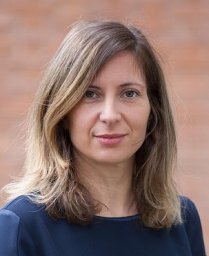 Veronica Sevillano合作论文数a Department of Social Psychology and Methodology, Autónoma University of Madrid3
 Carmen López-Escribano合作论文数Dept Res & Psychol Educ, Univ Complutense Madrid2
 M. L. Sanchez-Bernardos合作论文数Facultad de Psicología, Universidad Complutense de Madrid2
 Juan-Carlos Tojar-Hurtado合作论文数1Carolina Martín López合作论文数1J.M. Ramia Ángel合作论文数1Juan Peña Martínez合作论文数1Andrés Dı́ez Herrero合作论文数1G.P. Rodríguez Laiz合作论文数1A. Gomis Martín合作论文数1J.J. Rubio García合作论文数1C.F. Alcázar López合作论文数1
 Alberto Elihu Ramos-Moya合作论文数1Clara Llopis Torremocha合作论文数1C.F. Campo Betancourth合作论文数1elbar ramirez合作论文数1Siva Kalyan Venumbaka合作论文数1M. Franco Campello合作论文数1Orlanda Díaz-García合作论文数Dept Labour Law & Social Work, Univ Castilla La Mancha1Esther Mercado García合作论文数1
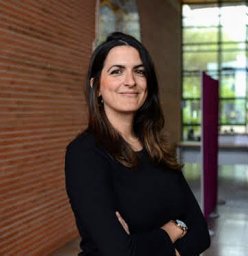 Patricia Fernandez-Montano合作论文数Universidad de Castilla La Mancha1
 Margot CAJIGAS Romero合作论文数Univ Nacl Colombia1
 Natalia Hipolito合作论文数University of Castilla-La Mancha1
 Vicenta Rodriguez合作论文数Univ Castilla La Mancha1
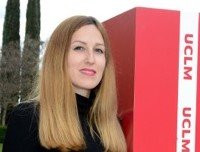 Beatriz Esteban-Ramiro合作论文数Dept Pedag, Univ Castilla La Mancha1
 Maria Teresa Bejarano Franco合作论文数Univ Castilla La Mancha1Patricia Fernández de Castro合作论文数Dept Labour Law & Social Work, Univ Castilla La Mancha1pedro de la paz elez合作论文数1
 Sonia Morales Calvo合作论文数Univ Castilla La Mancha1
 Juan Lirio Castro合作论文数Dept Pedag, Univ Castilla La Mancha1
 Roberto Moreno Lopez合作论文数Univ Castilla La Mancha1
 Martha Rios Manriquez合作论文数Dept Finance & Adm, Univ Guanajuato1
 Virtudes Tellez Delgado合作论文数Autonomous University of Madrid1
 Juan Jose Blazquez-Resino合作论文数Dept Business Adm, Castilla La Mancha Univ1
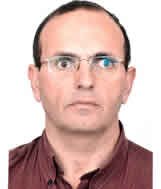 Julian Chamizo-Gonzalez合作论文数Autonomous University of Madrid1Elisa Isabel Cano Montero合作论文数Univ Castilla La Mancha1Eduardo Diaz Herraiz合作论文数Fac Social Sci, Univ Castilla La Mancha1Ana Escudero合作论文数1
 Irene Martinez Martin合作论文数1
 Aritz Ruiz-Gonzalez合作论文数Department of Zoology and Animal Cell Biology, University of the Basque Country (UPV/EHU) Vitoria-Gasteiz;Lascaray Research Center, University of the Basque Country (UPV/EHU) Vitoria-Gasteiz;Conservation Genetics Laboratory, National Institute for Environmental Protection and Research (ISPRA) Bologna;University of the Basque Country, University of the Basque Country (UPV/EHU) Vitoria-Gasteiz1Esther Portal Martínez合作论文数1
 Juan Antonio FLORES MARTOS合作论文数1
 Javier Martin Babarro合作论文数Universidad Complutense de Madrid.1




