BackgroundAfter-school programs (ASP) provide safe and enjoyable setting for youth to participate in sports and physical activities (PA). The flexibility in the structure of ASPs can facilitate non-traditional approaches to teaching PA which consider the context of the community, students' backgrounds, and focuses on positive youth development. REACH takes a non-traditional approach that aims to provide youth in under-resourced communities with a safe space for PA and learning through a sport-centered curriculum.PurposeThe objective was to highlight the perspectives of Latino boys regarding their lived experiences in an after-school soccer and literacy program in a diverse urban school. The research questions were: (a) what are the lived experiences of young boys in a year-long after-school program in a diverse urban setting? (b) What opportunities did REACH provide that helped the young boys negotiate barriers to being physically active?MethodTwenty-three Latino boys participated in the REACH after-school sessions over a school year. Four pre-service teachers facilitated soccer sessions at REACH. Data were collected through boys' weekly journals across 28 weeks and interviews with ten boys at the end of the year. Coaches' reflexive journals were used to triangulate the data. Data were independently coded using constant comparison and analyzed following a collaborative qualitative analysis procedure. Trustworthiness included triangulation of data, negative cases checks, multiple coders, and peer-debriefing.ResultsThe results presented in this article are part of a larger year-long mixed-methods curriculum intervention. Two themes are presented to represent the perspectives of the boys in participating in REACH. In the first theme, we discuss student choice that was expressed in the way youth chose to participate in REACH and engage in PA during out-of-school hours. The second theme presents the students' identifying the barriers they face to being physically active and the ways REACH provided a space for them to reflect on those barriers.DiscussionStudents' choice was expressed in participants' engagement in physical activities and sports in and outside of REACH and as a fundamental aspect that enhanced enjoyment in the program. Thus, participating in the program led students to enhance their physical activity enjoyment in and out of the program as well as learn about life skills through sport. With a focus on positive youth development, discussions and journaling in REACH encouraged the boys to reflect on life skills that focused on character and the development of positive relationships. Participants described varied barriers they faced to being physically active in and out of schools. REACH provided a safe space where participants could talk about and develop awareness about aspects of their community such as violence.ConclusionREACH provided a safe space for students to be active, learn sports skills, and engage in interest-based activities. The safe space provided in REACH also encouraged Latino boys to reflect on the barriers to being physically active outside of the program with the intent of possibly transferring what was learned in the program to their lives. Having a choice was a fundamental aspect to enhancing the boys' enjoyment in REACH.
This chapter begins by briefly introducing the background of service-learning in kinesiology and, more specifically, physical education. A push for service-learning at the university level has led to teacher education programs across the nation to implement a variety of programs to provide their students with opportunities to engage in meaningful educational experiences. The main objective of this chapter is to provide an explanation of how one regional comprehensive University in California re-imagined their teacher education program to provide undergraduate students various service-learning experiences before attending a teaching credential program. These service-learning courses provide a service to under-resourced schools in the community while providing pre-service teachers authentic learning and teaching experiences.
Purpose: In the United States, after-school programs have been found to improve healthy behaviors and increase time in safe, structured environments for youth, but less is known about Latin American contexts. The purpose of this study was to examine the implementation of an educational program in an underserved school in Latin America. Method: A qualitative case study was used for this study. A Peace Corps volunteer was the main participant in the study. Data collection included interviews, field notes, artifacts, and reflective notes. Data were coded using constant comparative methods. Results: Three themes emerged that represent program implementation in a Latin American country: (a) learning to teach in a new country with new rules, (b) expectations and going with the flow, and (c) extending the positive youth development model to international outreach programs in rural communities. Conclusion: Relational developmental systems metatheoretical approach to positive youth development through sport model is effective in Latin American settings.
BACKGROUND:To understand how programs succeed we must evaluate them. The purpose of this paper was to examine the intervention and evaluation processes and identify areas of success and challenges in delivering and evaluating the Reflective Educational Approach to Character and Health (REACH) after-school program in a low SES community.METHODS:Sixty-six fifth and sixth graders from two schools participated. Data were collected at the intervention and control schools at four time points over the year. Data collected at baseline (Aug/Sep 2016), and Time 4 (May, 2017) were used for the analysis. Reach and fidelity to the intervention were assessed along with information on the process of data collection for variables of interest (e.g., accelerometer-measured physical activity level, FITNESSGRAM tests, vertical jump, and literacy). Missing data were imputed and a 2(School) by 2(Time) mixed factorial ANOVA was performed to examine the efficacy of the intervention.RESULTS:There were no significant time by school interactions for any of the outcomes assessed. There were several challenges in evaluating the program such as low compliance to wearing the accelerometer, lack of effort during literacy tests, peers affecting effort on physical tests, and missing data.CONCLUSIONS:We posit that research implementation be re-examined in community-based research that is conducted with students at the elementary level in low-income communities. Future research should engage with youth in the data collection process to make it a meaningful experience for them and to possibly reduce attrition from the program.
After-school physical activity programs have long been places for youth to develop, grow, and be supported. Perhaps more importantly, especially given the COVID-19 global pandemic, after-school programs are a safe, healthy, and affordable refuge for youth to develop social capital and benefit from positive relationships with adults. We come to this Viewpoint from six years of tinkering with our after-school program REACH (Reflective Educational Approach to Character and Health). Through several years of adjustments and working with communities in New York, California, and Virginia, we have seen the power that after-school programs can have.
Purpose: To understand where and how Latina girls are physically active outside of the Reflective Educational Approach to Character and Health program and the impact of female role models on participation in the program. Methods: The authors implemented a yearlong after-school physical activity and literacy program for fifth and sixth grade girls (N = 22 girls) in a low-income, urban community. Four university students/coaches delivered all sessions. Data were triangulated through 10 Latina girls' interviews, student journals, coaches' journals, researcher journals, and field notes, and analyzed using constant comparison. Results: Girls participated in leisure-time physical activities with family in community spaces, in spite of social and cultural barriers. Female coaches facilitated girls' increased engagement by acting as strong role models and fostering caring relationships. Conclusion: After-school programs, community spaces, and strong connections with coaches play a critical role in students' engagement in physical activity.
Background and purpose: The purpose of this research was to understand the experiences of pre-service teachers in a service-learning program. The research questions that guided this research were: (1) How does an after-school service-learning program that utilizes pre-service teachers develop students' pedagogy? (2) What are the experiences of pre-service teachers teaching in low SES schools through a service-learning approach? Methods: During the 2016-2017 school year, nine pre-service physical education students took part in a service-learning program. The REACH program was a free after-school physical education and literacy program for 5th and 6th grade students at a low SES school. This program consisted of two-hour sessions, twice per week, for 30-weeks starting in the Fall and ending in the Spring. Data consisted of interviews, pre-service teachers' journals, researcher journals, and researcher field notes. In total, 500 pages of data were analyzed using the constant comparative technique. Two researchers independently coded these data and a peer reviewer then separately reviewed the data and findings. Results: Three themes emerged from the data analysis. Theme 1 - Developing pedagogies in real-world settings. Theme 2 - Connecting with students and learning how to manage behavior. Theme 3 - Teaching in a low SES school: A wake-up call. Conclusions and implications: Pre-service teachers in this study were able to practice their pedagogy in a real-world environment and gain valuable experience in developing classroom and behavior management skills. The REACH program provides a model for a service-learning approach where pre-service students can practice and refine their teaching skills through extended involvement in an after-school program that served students in a low SES community.
This research sought to uncover challenges that arose in the implementation of the Reflective Educational Approach to Character and Health (REACH) after-school programme in a low-income public school in New York City. Additionally, we wanted to find and share some of the lessons learned, to help others avoid our pitfalls when implementing quality after-school programming. At the conclusion of the year-long REACH programme that was preceded by a year-long pilot, the lead researcher interviewed six key stakeholders: (a) the coach; (b) an academic tutor; (c) the director of REACH; (d) two after-school teachers/leaders within the school; and (e) the assistant principal of P.S. 780 (pseudonym). We employed a qualitative case study approach. Field notes from observations, researcher journals, emails, and multiple interviews were used to triangulate data. Two coders first independently coded and analyzed the data using the constant comparison method, followed by a peer reviewer to further establish credibility and trustworthiness. Three themes are presented from the data analysis: (a) bridging community dynamics and REACH; (b) needing community involvement; and (c) role modeling through cultural competence. These three themes are analyzed through a lens of culturally responsive pedagogy and a new theory of positive youth development through sport. These data present a detailed account of the implementation of a sport-based after-school programme in an urban environment. The paper presents the challenges faced in the implementation of such programmes as well as lessons learned in the process.
A good fitness testing program can promote physical activity and fitness. There is no published research, however, that has examined the relationships between teachers’ attitudes and students’ performance on fitness tests. This study investigated the attitudes of urban middle school physical education teachers (N = 74) toward physical fitness tests and their relationship with student performance on fitness tests. Teachers completed the Physical Education Teacher Attitudes toward Fitness Tests instrument. Student FITNESSGRAM scores were obtained for each teacher. Teachers’ overall attitudes toward fitness testing were positive, suggesting that teachers enjoy implementing fitness tests and using fitness tests results. The affective subdomain of teachers’ attitude on the enjoyment of using fitness tests results was found to have a positive relationship with the percentage of students in the HFZ for the push-up test. Additional positive relationships between teachers’ attitudes and student performance were also found for girls, but not for boys. The findings suggest that teachers’ affective attitude may have a relationship with students’ performance on fitness tests.
Purpose: To explore teachers' perceptions of incorporating digital technologies in physical education (PE) and how they influenced pedagogical practices. Method: Data were collected using qualitative methods (interviews, observations, and artifacts) and were analyzed using a grounded theory approach. Results: Teachers integrated wearable digital technologies in ways they thought would augment their PE programs, not replace them. It also was found that teachers' ideologies of PE shaped the way they implemented wearable digital technologies. Finally, the material circumstances of schools affected the ways in which wearable digital technologies could be implemented in PE. Conclusion: Teachers were willing to integrate wearable digital technologies if they augmented (and did not replace) their preferred purpose of PE. Given this, ideologies of teachers influenced the role that technologies played in teaching and learning in PE.
This chapter will discuss the research-based and contextually-responsive ways REACH (Reflective Educational Approach to Character and Health), an after-school program, integrated literacy and physical activity to meet a growing demand for after-school programs. The chapter focuses on the design and evolution of REACH in culturally, linguistically, and economically diverse communities and explains how this after-school program design has changed to support students in accessing safe physical activity spaces as well as relevant and student-centered literacy-based experiences. The overall goal of REACH is to provide youth in communities affected by poverty a safe space for physical activity and literacy learning through a culturally relevant, sport-centered curriculum. The aims of REACH are to: (a) engage students in literacy practices through reflective activities based on reading, writing, listening, and speaking; (b) teach students fitness and nutrition concepts to foster a healthy lifestyle, and (c) promote positive youth development by supporting youth in making a positive impact on their communities. Guided by a strengths-based approach of Positive Youth Development (PYD) through sport (Holt et al., 2017), REACH has been widely researched based on five years of immersive research studies preceded by a year-long pilot. The REACH curriculum has served 350 students to date.
Background After-school approaches offer a viable solution to the current challenge of physical inactivity among many adolescents; however, availability, cost, transportation, and interest limit many youths' choices during non-school hours [Roth, Brooks-Gunn, Murray, and Foster 2003. "Youth Development Programs: Risk, Prevention and Policy." Journal of Adolescent Health 32 (3): 170-182]. In addition to these limitations, safety concerns in urban communities act as barriers to participation in both after-school programs [Sanderson and Richards 2010. "The After-School Needs and Resources of a Low-income Urban Community: Surveying Youth and Parents for Community Change." American Journal of Community Psychology 45: 430-440] and physical activity [Moore, Roux, Evenson, McGinn, and Brines 2010. "A Qualitative Examination of Perceived Barriers and Facilitators of Physical Activity for Urban and Rural Youth." Health Education Research 25 (2): 355-367]. Purpose This year-long qualitative case study sought to explore young urban boys' experiences in an after-school program that aimed to empower young men through the sport of basketball. Method Two coaches facilitated weekly sessions for 5-20 young men of color in an urban, public school after-school program in Harlem, NY. The program recruited young men to an after-school program that offered basketball instruction in a safe space. During the program, students worked on basketball skills as well as reflective reading and writing through weekly journals and immersive conversations that revolved around weekly themes such as sportsmanship, culture, power, and communication. At the conclusion of the study seven boys aged 10-14 agreed to be interviewed about their experiences in the REACH program. Sources of data include journals, interviews, and observations. These data were coded by two independent coders, peer reviewed by a third researcher and analyzed using the constant comparative method. Findings Theme one: Shooting guns (violence) is a barrier to shooting hoops at local courts. Analysis of the data highlighted violence as an always-present barrier to playing basketball, specifically, and physical activity, generally speaking. Theme two: Future plans, the NBA. The vast majority of boys discussed joining the NBA, either directly from high school or after a year at a college. The NBA dream operated as a perceived pathway to a safer future and higher education. Theme three: Having and being role models. Analysis of the data also pointed to participants both being and/or having a role model. These relationships impacted them in a variety of ways and not only helps us better understand their experiences in the program but also elucidates how barriers to physical activity were alleviated. The young men who participated in this after-school program were able to engage in interest-based physical activity and academic learning tasks, thus creating a peaceful space to develop positive associations between school, physical activity, and community. Conclusion Closely examining the lived experiences of the REACH participants is significant for understanding their barriers to physical activity and how REACH, as a PYD sport program, alleviated those barriers. Examining the data around these issues also expands on the need for PYD programs [Wright and Li 2009. "Exploring the Relevance of Positive Youth Development in Urban Physical Education." Physical Education and Sport Pedagogy 14 (3): 241-251] and extends understandings of the PYD framework put forth by Holt et al. [2017. "A Grounded Theory of Positive Youth Development Through Sport Based on Results From a Qualitative Meta-Study." International Review of Sport and Exercise Psychology 10: 1-49]. Specifically, our study demonstrates the reciprocal and iterative nature of PYD climate, life skills focus, and PYD outcomes. Our study also expands on the understandings of PYD climate, extending the focus beyond relationships to also including participants' experiences and perceptions.
Purpose: This study sought to explore students' experiences of the Fitness Integrated with Technology (F.I.T.) unit and of their perceptions of using technology in physical education. Method: This manuscript is part of a larger mixed-methods study that measured student attitude and physical activity (PA) levels of 221 students in sixth, seventh, and eighth grades. Selected students (N = 13; seven girls) were observed and then interviewed after the unit through semistructured interviews. Students were identified based on their PA levels and attitude scores from a baseline measurement. The unit was designed to deliver fitness-based knowledge and used accelerometers as a tool to measure and teach students about PA. Results: Three themes emerged from the data analysis: (a) technology and problems implementing it, (b) homework in PE, and (c) potential motivational effects of technology. The lack of access to technology at home and the design and utility of the accelerometers were perceived barriers. Additionally, homework was not well received. The accelerometer seemed to have a motivational effect on increasing students' PA levels but wore off during the unit. Conclusions: Results demonstrate that the use of technology for some students was a motivating factor to increase PA, and the use of accelerometers was a welcomed addition for students. Some students, however, raised concerns with the integration of technology such as the bulkiness of the accelerometer, not being able to wear it at sporting events, a novelty effect, and lack of access to technology at home that limited their interaction with their accelerometer data.
School-age youth of low-income, urban communities frequently experience systemic inequities, such as limited access to healthy foods, lack of space for physical activity, higher drop-out rates, lower academic performance, and escalating rates of neighborhood violence. These inequities are often exacerbated for girls of color. After-school programs hold great potential for countering these issues, particularly when guided by a positive youth development (PYD) model. This qualitative study examined girls’ experiences in one after-school PYD program called REACH (Reflective Educational Approach to Character and Health). The authors discuss the ways in which the co-creation of a participant-centered space and interrelated connections between participants and program elements contributed to the girls’ experiences of the program in particular ways. These findings enhance understandings on how girls’ experiences shape relational dimensions of the PYD model, particularly PYD through sport. The authors conclude with implications for future research, suggesting enhancing the PYD through sport framework through activist-based research as a particularized means for further researching girls’ experiences in after-school PYD programs seeking interdisciplinary integration.
This study measured students' free-living Physical Activity (PA) in order to examine activity patterns of youth. Students (N=221) in 12-classes wore accelerometers to measure their PA over six weeks in and out-of-school while participating in a fitness unit. PA was significantly higher during Non-PE-Days and PE-Days than on Sundays. PA was significantly higher during baseline than weeks five and six. There were no significant differences between boys and girls in the number steps taken. Eighth-grade students had the lowest PA levels. On average, the students were attaining 60 minutes of MVPA. Students, however, did not often reach national recommendations. Girls reached their national recommendations five out of six weeks on days that they participated in PE. The results suggest that specific subgroups, such as adolescent girls, are getting the recommended PA but only when the PA is structured. A spike in PA during the first week suggested a possible motivational effect of the accelerometer.
 Risto Marttinen合作论文数Department of Kinesiology, California State University22
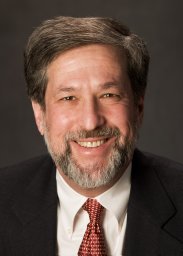 Stephen Silverman合作论文数Teachers Coll, Columbia Univ8
 Kelly Johnston合作论文数Baylor Univ7
 Sharon Phillips合作论文数3
 Juana Fernandez合作论文数2
 David Newman Daum合作论文数Dept Kinesiol, San Jose State Univ2Novak Dario合作论文数Faculty of Kinesiology, University of Zagreb2Maria Beitzel合作论文数1Brianna Meza合作论文数1
 Alba Rodrigues合作论文数1Debra Patterson合作论文数1
 Mara Simon合作论文数Dept Phys Educ & Hlth Educ, Springfield Coll1
 Gabriella M. McLoughlin合作论文数Brown School, Washington University in St. Louis1
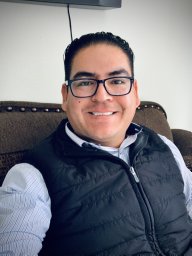 Oscar Nunez Enriquez合作论文数Univ Autonoma Chihuahua Mexico1
 Dillon Landi合作论文数Department of Kinesiology, Towson University1
 Kathleen S. Wilson合作论文数Department of Kinesiology, College of Health and Human Development, California State University, Fullerton1
 Koren L Fisher合作论文数1
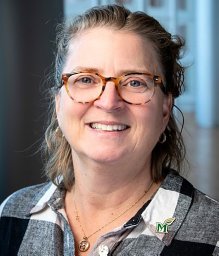 Dominique Banville合作论文数1




