Metastatic castration-sensitive prostate cancer (mCSPC) has undergone major therapeutic advances with the introduction of next-generation androgen receptor pathway inhibitors (ARPI). Two treatment strategies have demonstrated clinical benefit at this stage: doublet therapy, combining androgen deprivation therapy (ADT) with one of the four currently available ARPI, and triplet therapy, integrating abiraterone or darolutamide with docetaxel. The choice of therapeutic strategy is based on a personalized assessment that considers both tumor aggressiveness and the patient's overall profile, particularly cardiovascular and cognitive comorbidities, regardless of age, frailty, or level of activity. Optimal management of mCSPC requires a multidisciplinary approach, including a baseline cardiovascular workup, systematic geriatric assessment, non-pharmacological interventions (such as tailored physical activity and cognitive stimulation programs), calcium and vitamin D supplementation, structured sexual health support, and a comprehensive medication review conducted in collaboration with a pharmacist. Ongoing trials are exploring treatment de-escalation strategies, notably intermittent ADT, to preserve antitumor efficacy while improving quality of life. This review highlights the importance of a personalized, multidisciplinary approach, integrating therapeutic innovations with individualized supportive care, in a context marked by emerging differentiations of therapeutic options for mCSPC.
Background: Ultra-processed food (UPF) consumption has been associated with a lower nutritional status, and a higher risk of cancer and metabolic outcomes. Reducing UPF consumption has been suggested to improve overall diet quality. Behavioural science-based interventions may improve the effectiveness and sustainability of dietary changes. This paper describes the design of U-TRANS, a brief behaviourally informed nutritional intervention targeting reduction of UPF intake as a lever to improve global diet quality. This intervention will be delivered in an outpatient clinical setting within a multicenter cancer risk reduction program in individuals at increased risk of cancers (INTERCEPTION). Methods: The U-TRANS intervention was developed using an established behaviour change framework, the Capability–Opportunity–Motivation COM-B model, in conjonction with the Behavior change Wheel described in 6 steps in Public Health Wales NHS Trust model framework, and co-designed with patients, citizens, dietitians, and program managers. We describe here the 5 firsts steps of the model framework, the sixth being the implementation of the intervention, which is the ultimate objective of U-TRANS. Results include a structured manual, a conceptual model of theory of change, and a replicable 15-minute intervention to be integrated into the INTERCEPTION cancer prevention program using the mobile application Open fact food to support health behaviour change. Conclusion: U-TRANS provides a pragmatic model of a co-designed behavioural science-based primary cancer prevention intervention to be implemented within an outpatient clinical setting. By promoting sustainable reductions in UPF consumption, this intervention seeks to improve overall diet quality and health benefits without stigmatizing specific foods. Implementing this brief, low-cost intervention within INTERCEPTION, an already existing risk-reduction program is expected to support feasibility and acceptability in real-world settings. Results will inform scalable public health strategies and provide a replicable framework for the prevention and management of other chronic conditions.
Le cancer de la prostate métastatique sensible à la castration (mCSPC) a connu des avancées thérapeutiques majeures avec l’introduction des inhibiteurs de la voie du récepteur aux androgènes (ARPI). Deux stratégies thérapeutiques ont démontré leur intérêt au stade mCSPC : les doublets, associant l’hormonothérapie de déprivation androgénique (ADT) à une des quatre ARPI actuellement disponibles, et les triplets, intégrant l’abiratérone ou le darolutamide avec le docétaxel. Le choix de la stratégie thérapeutique repose sur une évaluation personnalisée, intégrant à la fois l’agressivité de la tumeur et le profil du patient — notamment ses comorbidités cardiovasculaires et cognitives — indépendamment de l’âge, de la fragilité, ou du niveau d’activité. La prise en charge optimale du mCSPC s’appuie sur une approche multidisciplinaire incluant un bilan cardiovasculaire de base, une évaluation gériatrique systématique, des interventions non pharmacologiques (activité physique adaptée et des programmes de stimulation cognitive), une supplémentation en calcium et en vitamine D, un accompagnement structuré de la santé sexuelle, ainsi qu’une revue des co-médications réalisée en collaboration avec le pharmacien. Les essais en cours explorent des stratégies de désescalade thérapeutique, notamment l’ADT intermittente, visant à maintenir l’efficacité antitumorale tout en préservant la qualité de vie des patients. Cette revue met en lumière l’importance d’une médecine personnalisée multidisciplinaire, combinant innovations thérapeutiques et soins de support individualisés, dans un contexte où des différenciations se dessinent parmi les options thérapeutiques disponibles pour la prise en charge du mCSPC.
Introduction: The MEDEA (NCT04303924) RCT evaluated a phone-based educational and counselling intervention for weight loss (adapted from BWEL A011401) focused on calorie restriction and behavior change among overweight and obese survivors of BC in France. Patient’s acceptability and engagement with weight loss interventions can be influenced by cross-country cultural differences related to dietary, social and behavioral habits. We performed a qualitative study to explore these aspects and inform future implementation. Methods: 220 patients with stage I-III BC within 12 months of primary treatment and BMI ≥25 kg/m2 participated in the MEDEA trial and were randomized to receive the phone-based weight loss intervention delivered by dieticians through 24 semi-structured calls over 12 months vs. a standard health educational program. 20 patients in the intervention arm participated in focus groups to explore barriers and facilitators for uptake and engagement, as well as acceptability, satisfaction, and suggestions of improvement. A thematic content analysis was performed using Nvivo 12 software. Results: Four focus groups were conducted with patients from diverse sociodemographic and economic backgrounds. Patients had mostly positive representations. Several themes emerged: 1) Patients expressed satisfaction with the objective weight loss and improvement in symptom burden: “I'm very satisfied with the weight loss, that's for sure.” “My self-image improved, I find that I'm much more toned, I'm more energetic. I have less pain. I sleep better.” 2) Patients referred to the MEDEA intervention as a catalyzer to sustainable behavior change: “It helped me a lot because it made me understand that I was eating too much of some food categories and not enough of others. It allowed me to balance my meals.” “I didn't have motivation anymore and she really coached me, she taught me again to feel like exercise, to boost myself, to walk, and now I've become an addict, I do 2.5 hours of sport per day.” 3) Most of them stressed the convenience of remote intervention: “It's much better over the phone because it would have been a constraint to free up time to go to in-person meetings.” Nevertheless, patients highlighted some barriers to uptake and engagement and suggestions for improvement. 1) Need for tools to sustain engagement such as a follow-up call, psychological support and enabling/facilitating self-monitoring: “If we had a call from the dietician six months after [the end of the intervention], it would help to keep the momentum on which we started.” “I would have liked to have a summary of my weight loss. A small conclusion on a diagram to see the evolution.” “I don't know if a psychologist could be included in MEDEA, but in any case it would be a good thing or that the coaches refer to psychologists.” 2) Need for culturally adapted content: “Sometimes it was more like an American-style method, in terms of food. The menu planning, it's not very French.” 3) Patients advocated for a more patient-centered research ecosystem (e.g. selection of patient-reported outcomes measures, communication and community building): “I think it would be interesting to have some of the results of the study.” “I would have liked to meet the women who did the same program, to talk to them.” “The food questionnaire is horrible to fill out! […] The last one I still haven’t filled it, because it annoys me so much that I forgot.” Conclusions: The MEDEA intervention was deemed acceptable and positively experienced suggesting that a North American weight loss intervention was scalable and adaptable to a different language and cultural context. This qualitative analysis also informed refinements to optimize weight loss interventions in a European context. Citation Format: Antonio Di Meglio, Laurence Vanlemmens, Carine Segura-Djezzar, Carole Bouleuc, Olivier Tredan, Barbara Pistilli, Tracy E. Crane, Davide Soldato, Cécile Charles, Aude Barbier, Bruno Raynard, Anthony Mangin, Bernadette Coquet, Guillemette Jacob, Julia Bonastre, Stefan Michiels, Dan Chaltiel, Fabrice André, Jennifer A. Ligibel, Ines Vaz-Luis, Maria Alice Franzoi. Experience and perceptions with a phone-based weight loss intervention among survivors of breast cancer (BC) in France: a qualitative study within a randomized clinical trial (RCT) [abstract]. In: Proceedings of the San Antonio Breast Cancer Symposium 2024; 2024 Dec 10-13; San Antonio, TX. Philadelphia (PA): AACR; Clin Cancer Res 2025;31(12 Suppl):Abstract nr P2-05-12.
10543 Background: The Interception program (IP) is a unique initiative aiming to assess the value of a dedicated personalized care pathway for individuals at high risk (HR) of different cancers. IP includes identification of HR individuals in primary care, a One-Day-Clinic (ODC) (including individual care and workshops aimed at information, education, awareness; informed prevention decisions on an evidence-based shared personalized early detection and prevention plan), implementing and monitoring this plan with community professionals and MyInterception digital follow-up. Methods: This prospective, cohort study analysed data from participants who entered IP between Jan 2021 and May 2023. Eligible participants were adults at high risk of breast ( > 2.5% at 5 yrs), lung ( > 1.6% at 5 yrs), prostate, pancreatic cancer, or Lynch syndrome. Data cut-off was June 2024. Primary endpoint was the 1-yr adherence rate to planned screening and risk-reduction measures (RRM), (the latter defined by full smoking cessation for smokers, or >1 point improvement of WCRF score for others (or stable if was >5 out of 7). Secondary endpoints were awareness of risk, screening and prevention measures, and cancer incidence. We assessed factors associated with 1-yr adherence to screening and RRM. Results: 719 participants were eligible for the present assessment, median age 50 (range 21-81), 80% female. 83% tertiary education, 38% active smokers, at HR of breast (360), lung (281), other (78) cancers. Median baseline WCRF score was 4 (range 0.5-7), 65% had a score < 5. At 1 yr, global adherence to both screening and RMM was 57%. Adherence to screening measures was between 82 and 100% overall. The 1-yr median WCRF score (N = 290) was 4.5 (range 1.25–7) (p = < 7.8e-07 vs baseline), 41% had improved ( > = 1 point) their score while 7.4% had remained stable >5. However, only 18% smokers succeeded in fully quitting smoking. The crude incidence of new cancer cases was 1.5%. We found major improvements in perceived knowledge and in the accuracy of self-estimated cancer risk scores 8 days after the ODC (p = < 2.2 e-16). In the multivariable logistic regression analysis, increasing age was associated with higher odds of global adherence (OR = 1.02 per year, 95% CI [1.001, 1.046], p = 0.03). Male sex was associated with a trend toward increased adherence (OR = 1.7, 95% CI [0.97, 3.15], p = 0.06). Smokers had significantly lower odds of adherence compared to other risk categories (OR = 0.17, 95% CI [0.09, 0.3], p < 0.0001). Among smokers, male sex was significantly associated with higher odds of adherence compared to female sex (OR = 2, 95% CI [1.1, 3.6], p = 0.01). Conclusions: IP demonstrated promising results in promoting cancer risk reduction and achieving satisfactory adherence to screening among HR individuals. However, challenges remain, particularly in enhancing adherence to RRM and reaching less educated populations.
IntroductionThe MEDEA randomized clinical trial evaluated the impact of a telephone-based weight loss intervention focused on calorie restriction and lifestyle behavior change among overweight and obese breast cancer (BC) patients on cancer-related fatigue in France. The intervention was linguistically and culturally adapted from the North American BWEL-A011401. Since patient acceptability and engagement with weight loss interventions are influenced by cross-country cultural differences in dietary, social, and behavioral habits, we conducted a qualitative study to explore these factors and inform future implementation.MethodsAmong 220 patients with Stage I-III BC who participated in MEDEA, 110 were randomized to receive the weight loss intervention delivered by dietitians through 24 semistructured calls over 12 months. Twenty patients receiving the intervention accepted participation in four focus groups to explore barriers and facilitators for uptake and engagement, as well as acceptability, satisfaction, and improvement suggestions. A thematic content analysis was performed using Nvivo12 software.ResultsFour focus groups were conducted. Overall, patients generally expressed positive perceptions of the intervention, highlighting several key themes: (1) satisfaction with the intervention, reporting objective benefits, including measurable weight loss and reduced symptom burden; (2) recognition of intervention as a catalyst for sustainable behavioral change; and (3) appreciation for the convenience of a telephone-based format. However, participants also identified several barriers to uptake and engagement, along with suggestions for improvement: (1) The need for tools to sustain engagement such as postintervention follow-up calls, psychological support, and resources for self-monitoring; (2) for the importance of further cultural adaptation; and (3) a call for a more patient-centered research ecosystem, encompassing the selection of relevant patient-reported outcomes, improved communication, and enhanced community-building efforts).ConclusionsThe MEDEA intervention was found to be acceptable and positively experienced, suggesting that a North American weight loss program seems adaptable to a different language and cultural context. This qualitative analysis also informed refinements to optimize weight loss interventions in a European context.Trial RegistrationClinicalTrials.gov identifier: NCT04303924
PURPOSE:To explore the implementation, structure, and challenges of multimodal prehabilitation programs in gastrointestinal (GI) oncology across France, in a context where evidence supports its benefits but national standardization is lacking. METHODS:A national cross-sectional survey was conducted from April to July 2024. The 54-item questionnaire, developed by a multidisciplinary group, assessed team demographics, patient selection, intervention modalities, pathway coordination, and barriers to implementation. Descriptive statistics were used for data analysis. RESULTS:Among 92 respondent teams, 19 (20.7 %) reported having a structured prehabilitation pathway. Most included nutritional (94.7 %) and physical activity (74 %) interventions, while only 5.3 % provided systematic psychological support. Program eligibility was generally based on nutritional risk, surgical magnitude, and patient frailty, but varied widely. Prehabilitation was most often coordinated by surgeons (40 %) and dietitians (78.9 %), and typically delivered in day-hospital settings. Key challenges included insufficient human resources (60 %), coordination issues (49 %), and funding limitations (35 %). Despite these barriers, perceived utility and satisfaction with prehabilitation programs were high (median scores of 8/10 and 8.6/10, respectively). CONCLUSION:Prehabilitation in GI oncology is emerging but remains inconsistently applied across France. To scale these interventions equitably and effectively, national guidelines, enhanced coordination and institutional support are essential. Integration with existing perioperative pathways like ERAS and increased psychological support are also needed to improve patient outcomes. Only one center in our sample offered systematic psychological support.
Purpose Our translational research team in nutrition and cancer works to identify changes in eating and cooking behaviors since the diagnosis. Educational tools have been standardized as supportive care workshops in culinary practice and nutrition to enhance quality of life with regards to symptoms associated with treatment. Ongoing work with a cluster of expert patients led to the conclusion that such tools are essential but may be addressed too late, once symptoms are present and undernutrition is set. We thus investigated the concept of an early nutritional and multimodal prehabilitation program to improve quality of life.Methods Over a period of one year, 10 patients, together with researchers and caregivers co-constructed the NEHOTEL educational program. The relevance of this program was then confronted to the practical, medical and ethical points of view.Results An innovative multimodal supportive care 5-days course has been validated with our panel of expert patients. In this setting, new cancer patients will be invited to a non-medical hotel facility specifically designed for this project.Conclusions In the synopsis of the cancer care path as currently conceived in France, the early positioning of this intervention, which formalizes the need for unmet supportive care of patients in nutrition, raises questions about its medico-technical feasibility and the chances of visualizing a benefit on the quality of life. NEHOTEL® concept design is the outcome of this translational work, supported by an ongoing clinical feasibility study.### Competing Interest StatementThe authors have declared no competing interest.### Clinical TrialNCT05495165### Funding StatementThe clinical study is co-funded by the Research Program 2021 of the Hauts-De-France Regional Council delivered by the Direction de la recherche, de l'enseignement superieur et des formations sanitaires et sociales (DRESS), and by the Malakoff Humanis group.### Author DeclarationsI confirm all relevant ethical guidelines have been followed, and any necessary IRB and/or ethics committee approvals have been obtained.YesThe details of the IRB/oversight body that provided approval or exemption for the research described are given below:Ethics Committee of Ile de France III gave ethical approval for this work on July the 6th 2022 under the reference 21.04970.003904. International [ClinicalTrials.gov][1] identifier is [NCT05495165][2].I confirm that all necessary patient/participant consent has been obtained and the appropriate institutional forms have been archived, and that any patient/participant/sample identifiers included were not known to anyone (e.g., hospital staff, patients or participants themselves) outside the research group so cannot be used to identify individuals.YesI understand that all clinical trials and any other prospective interventional studies must be registered with an ICMJE-approved registry, such as ClinicalTrials.gov. I confirm that any such study reported in the manuscript has been registered and the trial registration ID is provided (note: if posting a prospective study registered retrospectively, please provide a statement in the trial ID field explaining why the study was not registered in advance).YesI have followed all appropriate research reporting guidelines, such as any relevant EQUATOR Network research reporting checklist(s) and other pertinent material, if applicable.YesAll data produced in the present study are available upon reasonable request to the authors (study protocol not started)* AFSOS : association francophone de soins oncologiques de support ARS : Agence régionale de santé BMI : body mass index CNCR : conseil national de coordination de la recherche CONSORT : consolidated standards of reporting trials DRESS : direction de la recherche, de l’enseignement supérieur et des formations sanitaires et sociales FHF : fédération hospitalière de France HAD : hospital anxiety and depression; HN: head and neck I : inclusion IDDSI : international dysphagia diet standardization initiative IPAQ : international physical activity questionnaire MSG : monosodium glutamate NI : non inclusion NPIS : non-pharmaceutical intervention solution P : primary; PNA: programme national alimentation PNI : prognostic nutritional index QLQ : quality of life questionnaire S : secondary SIRHA : salon international de la restauration hôtellerie et alimentation SIRS : systemic inflammatory response syndrome TEP : therapeutic education of patient TNM : tumor node metastasis VAS : visual/verbal analogue scale WHO : world health organisation [1]: http://ClinicalTrials.gov [2]: /lookup/external-ref?link_type=CLINTRIALGOV&access_num=NCT05495165&atom=%2Fmedrxiv%2Fearly%2F2024%2F02%2F14%2F2024.02.13.24302761.atom
Undernutrition (UD) increases perioperative morbidity and mortality. Its prevention and treatment are therefore essential in surgical prehabilitation and rehabilitation programs. Nutritional treatment is individualized according to the patient's nutritional status, ingesta and protein-energy requirements. Oral nutrition is optimized to increase intakes through personalized dietary advice and oral nutritional supplements. Artificial nutrition support is indicated in cases of UD or high risk of UD before major surgery. Enteral nutrition is preferred to parenteral nutrition when the digestive tract is functional.
Undernutrition (UD) increases perioperative morbidity and mortality. Its prevention and treatment are therefore essential in surgical prehabilitation and rehabilitation programs. Nutritional treatment is individualized according to the patient's nutritional status, ingesta and protein-energy requirements. Oral nutrition is optimized to increase intakes through personalized dietary advice and oral nutritional supplements. Artificial nutrition support is indicated in cases of UD or high risk of UD before major surgery. Enteral nutrition is preferred to parenteral nutrition when the digestive tract is functional.
Background: Malnutrition and sarcopenia are challenges for patients with metastatic breast cancer and have been proposed as independent prognostic factors. Very few studies have addressed the temporal evolution of these parameters and, notably, the separate and combined analysis of sarcopenia and malnutrition. This study aimed to i) determine the prevalence of malnutrition and sarcopenia, individually and combined, and their evolution over time, ii) identify risk factors for each condition, and iii) explore their impact on overall survival (OS). Methods: This retrospective study was conducted on 111 patients treated for at least a third-line metastatic breast cancer at the Institut Curie between January 1st and March 31st, 2018. Solitary malnutrition was defined from weight loss and body mass index values while solitary sarcopenia was defined solely based on low muscle mass. We analyzed solitary malnutrition, solitary sarcopenia, and then malnutrition with or without sarcopenia, at three key stages (T1: diagnosis of metastasis, T2: initiation of third-line treatment, and T3: 3-month re-evaluation). Univariate and multivariate logistic regression analyses were conducted to investigate the risk factors. We performed Cox proportional hazards analyses for each variable. Results: At T1, the prevalence of solitary malnutrition, solitary sarcopenia and malnutrition with or without sarcopenia was 18.6%, 36.1% and 48.9% respectively, increasing to 27.7%, 45.5% and 56.6% at T2. At T2, in multivariate logistic regression analyses, patients aged over 60 years were at an elevated risk of experiencing solitary malnutrition as well as malnutrition with or without sarcopenia, but not solitary sarcopenia. In multivariate analyses, solitary malnutrition was significantly associated with poorer OS (HR 2.2 [95% CI 1.1 -4.1], p 1/4 0.02), while solitary sarcopenia and malnutrition with or without sarcopenia showed no association. Conclusion: Solitary malnutrition and sarcopenia were highly prevalent in patients with metastatic breast cancer, affecting around a quarter and half of patients respectively at third-line treatment initiation. Notably, solitary malnutrition emerged as a prognostic factor for overall survival, whereas no significant association was observed for solitary sarcopenia or malnutrition with or without sarcopenia. This highlights the critical need for early identification of patients at risk of malnutrition and the importance of timely intervention. (c) 2024 The Authors. Published by Elsevier Ltd. This is an open access article under the CC BY license (http://creativecommons.org/licenses/by/4.0/).
Summary Medical nutrition therapy is a full-fledged treatment such as antibiotics, antidiabetics or mechanical ventilation. Like any medical procedure, evidence-based medical nutrition therapy (from its indication and introduction, to the eventual interruption thereof) goes along with ethical dilemmas, especially in the most extreme situations such as old age, end of life or critical care. But more than any medical intervention or therapeutic act, nutrition and food carries specific sociological and anthropological representations, and, therefore, a heavy symbolic and emotional burden. For several reasons, cancer is at the intersection of all these dimensions: the disease and its treatments severely affect the nutritional status; end-of-life situations in oncology are still frequent, leading to thorny ethical dilemmas. The difficulties in withholding and withdrawing nutrition and food due to the symbolic and emotional burden as well as the social function are at the forefront of said dilemmas. If nutrition is still struggling to find its rightful place, isn't it also because it struggles to be well named? The aim of this article is to analyze the ethical dilemmas, thought a socio-anthropological approach, that arise when it comes to feeding the cancer patient and to reflect on how the human based right approach can support the decision-making process in nutrition. The summarized case of Delphine G. is exemplary of these questions and will serve as the common thread of this analysis.
AbstractBackgroundA common method for diagnosing sarcopenia involves estimating the muscle mass by computed tomography (CT) via measurements of the cross‐sectional muscle area (CSMA) of all muscles at the third lumbar vertebra (L3) level. Recently, single‐muscle measurements of the psoas major muscle at L3 have emerged as a surrogate for sarcopenia detection, but its reliability and accuracy remain to be demonstrated.MethodsThis prospective cross‐sectional study involved 29 healthcare establishments and recruited patients with metastatic cancers. The correlation between skeletal muscle index (SMI = CSMA of all muscles at L3/height2, cm2/m2) and psoas muscle index (PMI = CSMA of psoas at L3/height2, cm2/m2) was determined (Pearson's r). ROC curves were prepared based on SMI data from a development population (n = 488) to estimate suitable PMI thresholds. International low SMI cut‐offs according to gender were studied for males (<55cm2/m2) and for females (<39 cm2/m2). Youden's index (J) and Cohen's kappa (κ) were calculated to estimate the test's accuracy and reliability. PMI cut‐offs were validated in a validation population (n = 243) by estimating the percentage concordance of sarcopenia diagnoses with the SMI thresholds.ResultsSeven hundred and sixty‐six patients were analysed (mean age 65.0 ± 11.8 years, 50.1% female). Low SMI prevalence was 69.1%. Correlation between the SMI and PMI for the entire population was 0.69 (n = 731, P < 0.01). PMI cut‐offs for sarcopenia were estimated in the development population at <6.6cm2/m2 in males and at <4.8 cm2/m2 for females. The J and κ coefficients for PMI diagnostic tests were weak. The PMI cut‐offs were tested in the validation population where 33.3% of the PMI measurements were dichotomously discordant.ConclusionsA diagnostic test employing single‐muscle measurements of the psoas major muscle as a surrogate for sarcopenia detection was evaluated but found to be unreliable. The CSMA of all muscles must be considered for evaluating cancer sarcopenia at L3.
PURPOSE:Optimal comprehensive survivorship care is insufficiently delivered. To increase patient empowerment and maximize the uptake of multidisciplinary supportive care strategies to serve all survivorship needs, we implemented a proactive survivorship care pathway for patients with early breast cancer at the end of primary treatment phase.METHODS:Pathway components included (1) a personalized survivorship care plan (SCP), (2) face-to-face survivorship education seminars and personalized consultation for supportive care referrals (Transition Day), (3) a mobile app delivering personalized education and self-management advice, and (4) decision aids for physicians focused on supportive care needs. A mixed-methods process evaluation was performed according to the Reach, Effectiveness, Adoption, Implementation and Maintenance framework including administrative data review, pathway experience survey (patient, physician, and organization), and focus group. The primary objective was patient-perceived satisfaction with the pathway (predefined progression criteria for pathway continuation ≥70%).RESULTS:Over 6 months, 321 patients were eligible for the pathway and received a SCP and 98 (30%) attended the Transition Day. Among 126 patients surveyed, 77 (66.1%) responded. 70.1% received the SCP, 51.9% attended the Transition Day, and 59.7% accessed the mobile app. 96.1% of patients were very or completely satisfied with the overall pathway, whereas perceived usefulness was 64.8% for the SCP, 90% for the Transition Day, and 65.2% for the mobile app. Pathway implementation seemed to be positively experienced by physicians and the organization.CONCLUSION:Patients were satisfied with a proactive survivorship care pathway, and the majority reported that its components were useful in supporting their needs. This study can inform the implementation of survivorship care pathways in other centers.
Background: Sarcopenia is observed in about 50% of cancer patients. Cancer-related sarcopenia nega-tively affects survival and is a predictive factor of anticancer drug toxicity. Sarcopenia diagnosis is challenging in routine care. We investigated whether plasma creatinine and cystatin C predict sarcopenia diagnosis in the specific population of cancer patients.Methods: Two common diagnostic criteria of cancer-related sarcopenia based on skeletal muscle mass +/- handgrip strength were separately applied as the "gold standard" sarcopenia definition. Four sarcopenia indexes based on creatinine and cystatin C values were evaluated: Creatinine/Cystatin C, Glomerular Filter rate (GFR) Cockroft-Gault/GFR CKD-EPI, GFR Cockroft-Gault/GFR Grubb and GFR Cockroft-Gault/GFR simple. The receiver operating characteristic (ROC) curves and the area under the ROC curves were applied to evaluate the sarcopenia diagnostic accuracy of the four different sarcopenia indexes.Results: A total of 99 patients were included. Among them, 47.5% were overweight or obese. The ratio creatinine/cystatin C (ratio value at 0.8) more accurately predicts the diagnosis of sarcopenia in the entire population based on low skeletal muscle mass and low handgrip strength (sensitivity, specificity, ac-curacy and Youden index at 0.77, 0.57, 0.90, 0.34 respectively). The other evaluated ratios predict sar-copenia with a lower specificity in all conditions. In the overweight/obese group, the results are similar. The ratio creatinine/cystatin C (ratio value at 1) accurately predicts sarcopenia with a sensitivity, a specificity, an accuracy and a Youden index at 0.50, 0.86, 0.95, 0.36 respectively in overweight/obese population. Conclusions: The creatinine/cystatin C ratio is a useful and simple biomarker to predict sarcopenia in cancer patients. Moreover, this sarcopenia index also seems to be a strong sarcopenia diagnosis biomarker in overweight and obese cancer patients. Our results must be confirmed in a larger cohort.(c) 2022 European Society for Clinical Nutrition and Metabolism. Published by Elsevier Ltd. All rights reserved.
Les comportements de vie, comme l’alimentation et l’activité physique, sont des facteurs influençant le risque de certains cancers. Ils sont aussi déterminants au cours et au décours de la maladie cancéreuse pour la bonne marche du traitement oncologique, mais aussi dans le pronostic immédiat et à long terme, et la qualité de vie pendant et après traitement. Séparément, l’activité physique adaptée et la prise en charge nutritionnelle peuvent réduire le risque de sarcopénie et ses conséquences et améliorer la qualité de vie en cours de traitement. Leur combinaison, en particulier proposée précocement, augmente leurs bénéfices pronostiques. Chez les patients en rémission, en particulier en cas de surpoids, l’association activité physique adaptée-diététique réduit le risque de rechute du cancer et améliore les performances cardiovasculaires. Ces programmes nécessitent une évaluation précise des capacités et des habitudes de chaque patient, et l’intervention de professionnels formés (enseignant en APA, diététicien formé à l’oncologie). Les conditions de financement de ces programmes existent pour l’après cancer et doivent être envisagées pour la période de traitement oncologique.
Le régime cétogène fait partie des régimes de restriction calorico-glucidique, pour lesquels un engouement médiatique et scientifique se fait jour en oncologie. De nombreuses données expérimentales ont été publiées durant les deux dernières décennies. L’effet combiné de la restriction glucidique et de la production de corps cétoniques pourrait avoir un effet anti-tumoral significatif dans la plupart des modèles animaux utilisés. La méta-analyse de ces études expérimentales montre aussi un effet favorable sur la survie des animaux. Ces données pré-cliniques ne sont pas confirmées par les études cliniques. Malgré la parution de plusieurs études contrôlées et randomisées, les bénéfices du régime cétogène sur la réponse tumorale sans ou avec anticancéreux, la survie, ou la qualité de vie, n’est pas démontrée. De plus, plusieurs de ces travaux décrivent une perte de poids et de masse maigre participant à l’altération pronostique largement connue de la sarcopénie chez les patients atteints d’un cancer. Toutes ces publications récentes ne modifient donc pas le message de prudence concluant le rapport « Nutrition Activité physique Cancer Recherche » (NACRe) de 2017, mettant en garde contre les risques de l’usage inadéquat de ces régimes de restriction chez les patients à risque de dénutrition.
 Sami Antoun合作论文数12Sylvie Naveau合作论文数12Gérard Nitenberg合作论文数11François Goldwasser合作论文数11
 Carole Bouleuc合作论文数10J.C. Chaput合作论文数10
 Stephane Michel Schneider合作论文数8
 Xavier Hebuterne合作论文数Centre Hospitalier, Universitaire de Nice;Centre Cancer et Vieillissement, University of Nice Sophia Antipolis;Université Côte d'Azur8Mario Di Palma合作论文数8Patrick Bachmann合作论文数8
 Dominique Elias合作论文数Département de chirurgie digestive carcinologique, Institut Gustave-Roussy7Goéré Diane合作论文数Inst Gustave Roussy7Frédérique Capron合作论文数7
 Jean Claude Desport合作论文数7
 Timothee Marchal合作论文数6Damien Vansteene合作论文数6Deluche E合作论文数6
 Pierre Senesse合作论文数6Frédéric Pigneur合作论文数6A Balian合作论文数5Stéphanie Chemama合作论文数5Marie Guinhut合作论文数5
 Antonio Di Meglio合作论文数Molecular Predictors and New Targets in Oncology, IN5Barbara Pistilli合作论文数5de Luca A合作论文数Inserm CIC0802, 86000 Poitiers, France;Pédiatrie multidisciplinaire-Nutrition de l'enfant, CHU de Poitiers;Pédiatrie multidisciplinaire-Nutrition de l'enfant, CHU de Poitiers5
 Veronique Hennequin合作论文数5
 Dominique Lescut合作论文数5
 M. Emmanuel Gyan合作论文数Faculté de Médecine, Université de Tours;CHU Tours;Centre Hospitalier Regional, Université de Tours5Axel Balian合作论文数5David Kere合作论文数5I de Pinieux合作论文数4Fabienne Beuzen合作论文数4Nathalie Ho Hio Hen合作论文数4Guillemette Jacob合作论文数4Laplanche Agnès合作论文数4
 Hugues Morel合作论文数4Virginie Colomb合作论文数4Elise Martin合作论文数4
 Laurence Vanlemmens合作论文数4
 Crane Tracy E合作论文数4
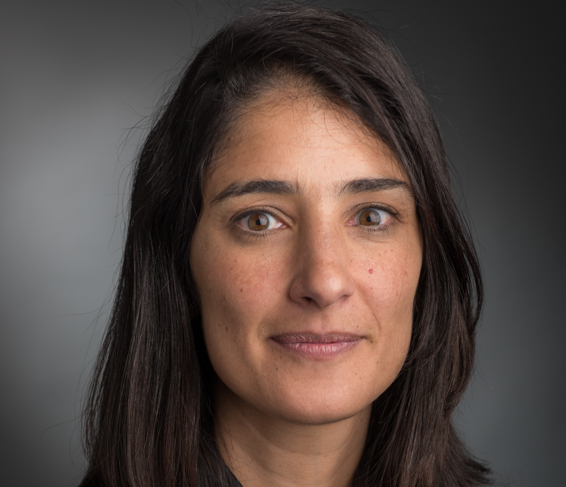 Ines Vaz Luis合作论文数Department of Medical Oncology, Dana-Farber Cancer Institute4
 Cecile Charles合作论文数Direction Générale de la Cohésion Sociale4
 Florence Joly合作论文数4
 Nicolas Danel Buhl合作论文数4
 Thierry Poynard合作论文数Centre de Recherche Saint-Antoine - Paris, Hospital Saint-Antoine;Sorbonne University, INSERM;Pitié-Salpêtrière Hospital4
 Michel Ducreux合作论文数Université Paris-Saclay;Institut Gustave Roussy4
 Didier Quilliot合作论文数Medical School, Universit[eacute] Henri-Poincar[eacute] (UHP),;and the Centre d'Investigations Cliniques INSERM-CHU, H[ocirc ]pital Jeanne d'Arc;Medical School, Universit[eacute] Henri-Poincar[eacute] (UHP),4Vanessa Cottet合作论文数4
 Olivier Tredan合作论文数Centre Léon Bérard4




