Mutations in the KRAS oncogene can mediate resistance to radiation. KRAS mutation-driven tumors have been reported to express cancer stem cell (CSC)-like features and may harbor metabolic liabilities through which CSC-associated radioresistance can be overcome. We established a radiation/drug screening approach that relies on the growth of 3D spheres under anchorage-independent and lipid-limiting culture conditions, which promote stemness and lipogenesis. In this format, we screened 32 KRAS mutation-enriched lung cancer models. As predicted from published data, CB-839, a glutaminase inhibitor, displayed the highest degree of radiosensitization in KRAS mutant models with LKB1 co-mutations. Radiosensitization by inhibition of stearoyl-CoA desaturase-1 (SCD1) displayed a similar genotype preference though the data also implicated KEAP1 co-mutation and SCD1 expression as potential predictors of radiosensitization. In an isogenic model, KRAS mutant cells were characterized by increased SCD1 expression and a higher ratio of monounsaturated fatty acids to saturated fatty acids. Accordingly, pharmacological inhibition or depletion of SCD1 radiosensitized isogenic KRAS mutant but not wild-type cells. The radiosensitizing effect was notably small, especially compared with several DNA repair inhibitors. As an alternative strategy to targeting monounsaturated fatty acid metabolism, adding polyunsaturated fatty acids phenocopied some aspects of SCD1 inhibition, suppressed tumor growth in vivo, and opposed the CSC-like phenotype of KRAS mutant cells. In conclusion, we report a 3D screening approach that recapitulates clinically relevant features of KRAS mutant tumors and can be leveraged for therapeutic targeting of metabolic vulnerabilities. Our data highlight pronounced intertumoral heterogeneity in radiation/drug responses and the complexity of underlying genomic dependencies. See related commentary by Buchsbaum, p. 840.
Peptide quantification from MIB column isolation of the active kinome in DMSO- versus dasatinib-treated HuCCT1, RBE, and SNU-1079 cells.
Cell viability and Ln(IC50) for 885 cancer cell lines treated with dasatinib and saracatinib over nine doses.
Supplementary Figure S1. IDHm ICC are insensitive to IDH inhibition. Supplementary Figure S2. Similarity matrix for drug response of BTC cell lines. Supplementary Figure S3. Hypersensitivity of ICC cells harboring endogenous IDH mutations to dasatinib. Supplementary Figure S4. Torin 1 inhibits growth of ICC cell lines. Supplementary Figure S5. Critical role for SRC in IDHm ICC cells. Supplementary Figure S6. Ectopic expression of mutant IDH has only a modest effect on dasatinib sensitivity.
IC50 values for dasatinib in nM of nine ICC cell lines and the immortalized human cholangiocyte cell line MMNK-1.
Adult liver malignancies, including intrahepatic cholangiocarcinoma and hepatocellular carcinoma, are the second leading cause of cancer-related deaths worldwide. Most individuals are treated with either combination chemotherapy or immunotherapy, respectively, without specific biomarkers for selection. Here using high-throughput screens, proteomics and in vitro resistance models, we identify the small molecule YC-1 as selectively active against a defined subset of cell lines derived from both liver cancer types. We demonstrate that selectivity is determined by expression of the liver-resident cytosolic sulfotransferase enzyme SULT1A1, which sulfonates YC-1. Sulfonation stimulates covalent binding of YC-1 to lysine residues in protein targets, enriching for RNA-binding factors. Computational analysis defined a wider group of structurally related SULT1A1-activated small molecules with distinct target profiles, which together constitute an untapped small-molecule class. These studies provide a foundation for preclinical development of these agents and point to the broader potential of exploiting SULT1A1 activity for selective targeting strategies.
Three- and five-day western blot analysis of SHP099-sensitive and - resistant HNSCC cell lines
 Cyril H Benes合作论文数Massachusetts General Hospital Cancer Center and Harvard Medical School/Department of Medicine, Harvard Medical School47
 Patricia Greninger合作论文数Massachusetts General Hospital Cancer Center and Harvard Medical School46Ellen Murchie合作论文数21Richard Kurupi合作论文数15
 Sosipatros A. Boikos合作论文数15
 Mikhail G. Dozmorov合作论文数Department of Urology, Oklahoma University Health Sciences Centre15
 Anthony C. Faber合作论文数School of Dentistry, Virginia Commonwealth University15Giovanna Stein Crowther合作论文数14Krista M Dalton合作论文数14
 Madhavi Puchalapalli合作论文数School of Medicine, Virginia Commonwealth University14
 Floros Konstantinos V合作论文数School of Dentistry and Massey Cancer Center, VCU Philips Institute;School of Dentistry and Massey Cancer Center, VCU Philips Institute14Colin M Coon合作论文数13Sheeba Jacob合作论文数13Leah J. Damon合作论文数13Jinyang Cai合作论文数Department of Human and Molecular Genetics, Virginia Commonwealth University School of Medicine13
 Jennifer Koblinski合作论文数School of Medicine (F.A.),, Virginia Commonwealth University;and AbbVie;School of Medicine (F.A.),, Virginia Commonwealth University13Rishabh Khatri合作论文数12Maninderjit S Ghotra合作论文数12Ayesha T Chawla合作论文数12
 Hisashi Harada合作论文数School of Medicine (F.A.),, Virginia Commonwealth University;and AbbVie;School of Medicine (F.A.),, Virginia Commonwealth University12
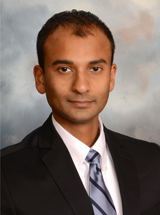 Devraj Basu合作论文数Department of Otorhinolaryngology Head & Neck Surgery, Perelman School of Medicine, University of Pennsylvania12
 Iain M Morgan合作论文数12Phuong Vu合作论文数11
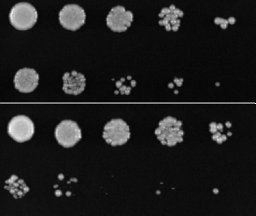 Lei Shi合作论文数Center for Cancer Research, Massachusetts General Hospital11
 Cristina Ferrone合作论文数Department of Surgery, Cedars-Sinai Medical Center;Division of General and GI Surgery, Department of Surgery, Massachusetts General Hospital11
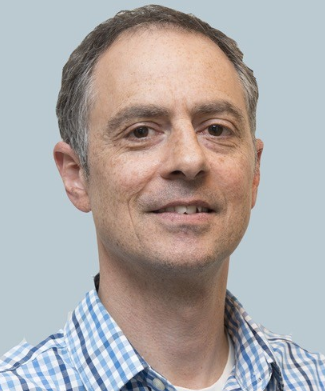 Nabeel M. Bardeesy合作论文数Center for Cancer Research, Massachusetts General Hospital;Harvard Medical School;KFCCR Faculty, Mass General Research Institute;Harvard Stem Cell Institute;OncoRev, LLC11
 Mathew Garnett合作论文数Translational Cancer Genomics Laboratory, Wellcome Sanger Institute11
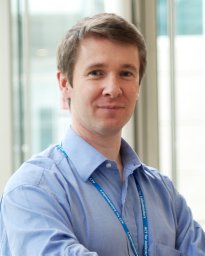 Ultan Mcdermott合作论文数Street11Supriya K. Saha合作论文数10Joseph McClanaghan合作论文数10
 Andrew X. Zhu (朱秀轩)合作论文数Jiahui International Cancer Center, Jiahui International Hospital (Shanghai)10
 Lipika Goyal合作论文数Division of Oncology, Department of Medicine, School of Medicine, Stanford University;Stanford Cancer Institute10John D. Gordan合作论文数10
 Kevan M. Shokat合作论文数Department of Chemistry, College of Chemistry, University of California Berkeley;Helen Diller Family Comprehensive Cancer Center, University of California, San Francisco;Department of Cellular and Molecular Pharmacology, University of California, San Francisco Medical Center10
 Andrew Liss合作论文数10James T. Webber合作论文数9Roger L Jenkins合作论文数9Travis Sullivan合作论文数9
 Benjamin P. Kleinstiver合作论文数Department of Pathology, Harvard Medical School;Center for Genomic Medicine, Massachusetts General Hospital9Levin Rebecca S合作论文数9
 J. Keith Joung合作论文数Harvard Medical School;Arena BioWorks;Nvelop Therapeutics;SeQure Dx;Chroma Medicine;Pairwise Plants9Najem Mortada S合作论文数9Yusuke Mizukami合作论文数Dept Med, Asahikawa Med Coll9Aram F. Hezel合作论文数Department of Medical Oncology;Center for Applied Cancer;Belfer Institute for Innovative Cancer Science;Dana-Farber Cancer Institute;Children ' s Hospital;Stem Cell Program;Department of Genetics;Medical School, Harvard;Harvard Stem Cell Institute;Department of Pathology;Comprehensive Cancer Center;University of Texas Southwestern Medical Center;Massachusetts General Hospital;Belfer Institute for Innovative Cancer Science, University of Texas Southwestern Medical Center9
 Kimbery Rieger-Christ合作论文数Lahey Clinic;Tufts Medical Center9Yasutaka Kato合作论文数9Giovanna T Stein合作论文数8Lopez-Sambrooks Cecilia合作论文数6Amanda Quijano合作论文数6




