Introduction: The commonly-used, 10-item Dermatology Life Quality Index (DLQI) patient-reported questionnaire measures impact of skin disease on patients' lives.[1].
With newer biologics, the achievement of complete skin clearance has become an attainable treatment goal for patients with plaque psoriasis. We evaluate how improvements in Psoriasis Area and Severity Index (PASI) responses, particularly at incremental improvements approaching complete skin clearance (PASI 100), translate into improvements in health-related quality of life (HRQoL) and patient-perceived symptoms. Data from the BE RADIANT phase 3b trial (NCT03536884) and its open-label extension (OLE), pooled across all study visits and treatments over 16 weeks (randomised patients) and 2 years (patients entering the OLE), were analysed using mixed-effects logistic regression models. Proportions of patients achieving a Dermatology Life Quality Index (DLQI) of 0/1, DLQI item scores of 0, and Psoriasis Symptoms and Impacts Measure (P-SIM) item scores of 0 for itching, scaling, and skin pain at specific PASI improvement levels were estimated. Seven hundred and forty-three patients were randomised to treatment; 654 entered the OLE. Using 16-week pooled data, there were incremental improvements in the proportions of patients estimated by our model to achieve DLQI 0/1 with PASI 100 compared with 95
Introduction: Psoriasis negatively impacts patients' health-related quality of life.[1] Bimekizumab (BKZ) has shown superior clinical responses vs ustekinumab (UST) and adalimumab (ADA) in phase 3 trials;[2,3] investigating whether objective improvements are perceived by patients is important. The patient reported Psoriasis Symptoms and Impacts Measure (P-SIM) captures key psoriasis symptoms and life impacts.[4]
Abstract Speed of response is a key treatment goal for patients with psoriasis. This analysis aimed to assess how early clinical response translated into cumulative health-related quality of life (HRQoL) benefit in patients with moderate-to-severe plaque psoriasis over 2 years of bimekizumab (BKZ) treatment. Included patients from BE RADIANT were randomized to BKZ 320 mg every 4 weeks (Q4W), continued to receive Q4W dosing or switched to Q8W at week 16 and entered the open-label extension (OLE) at week 48 (receiving BKZ Q4W or Q8W; NCT03536884). The proportions of patients achieving Psoriasis Symptoms and Impacts Measure (P-SIM) 0 in itching, skin pain and scaling, and Dermatology Life Quality Index 0 or 1 (DLQI 0/1), were estimated using modified nonresponder imputation (mNRI); missing data were imputed via NRI for patients discontinuing due to the lack of efficacy or treatment-related adverse events and multiple imputation otherwise. Cumulative HRQoL and symptom benefit through to week 96 was estimated using the area under the curve (AUC0–96) by week 16 Psoriasis Area and Severity Index (PASI)-100 status (NRI), with week 16 and week 96 responses also reported. AUC0–96 was used to calculate the estimated number of days that each response was achieved. Of the 336 patients randomized to BKZ who entered the OLE, 216 achieved PASI 100 at week 16. Of these, 187/216 patients had already achieved PASI 100 at one or more visit(s) before week 16. Of the PASI-100 responders at week 16, 71.8%, 92.1%, 89.4% and 88.0% also achieved P-SIM 0 for itching, skin pain and scaling and DLQI 0/1, respectively, vs. 39.1%, 77.7%, 56.6% and 74.6% of nonresponders. Of the week 16 PASI-100 responders at week 96, 67.1%, 85.4%, 80.6% and 89.3% achieved P-SIM 0 for itching, skin pain and scaling and DLQI 0/1, respectively, vs. 55.6%, 77.7%, 63.7% and 80.8% of nonresponders. The total AUC0–96 for achievement of P-SIM 0 in itching, skin pain and scaling and DLQI 0/1 was greater for week 16 PASI-100 responders through 2 years, corresponding to a greater number of days achieving these outcomes vs. nonresponders (Table 1). A high proportion of patients achieved complete skin clearance at week 16, translating to a greater number of days achieving P-SIM 0 in itching, skin pain and scaling and DLQI 0/1 vs. week 16 PASI-100 nonresponders through 2 years of BKZ treatment.Table 1AUC0-96 by week 16 PASI-100 response over 2 years (mNRI)Week 16 PASI-100 responders (n = 216)Week 16 PASI-100 nonresponders (n = 120)P-SIM 0P-SIM 0ItchingSkin painScalingDLQI 0/1ItchingSkin painScalingDLQI 0/1AUC0–9666398504784982674918753957837584Days465595549579344528405531 Acknowledgment: Medical writing: Costello Medical. Funding sources: UCB Pharma.
Background: Introduction: Understanding the relationship between clinical response and patient- reported symptoms is important.[1] Impact of incremental PASI improvements on achieving Psoriasis Symptoms and Impacts Measure (P-SIM) itching item=0 (no symptom), and DLQI (item 1)=0 (no itching, soreness, pain, stinging) was assessed.
 Matthias Augustin合作论文数Center for Psychosocial Medicine, Universitatsklinikum Hamburg-Eppendorf;Institute of Health Care Research in Dermatology and Nursing, Universitatsklinikum Hamburg-Eppendorf6
 Susanne Wiegratz合作论文数5Balint Szilagyi合作论文数4Jeremy Lambert合作论文数4
 Alice Gottlieb合作论文数Department of Dermatology, The University of Texas Southwestern Medical Center4Valerie Ciaravino合作论文数3
 Richard Warren合作论文数3
 Mark G Lebwohl合作论文数Kimberly and Eric J. Waldman Department of Dermatology, Icahn School of Medicine at Mount Sinai3Richard G. Langley合作论文数Department of Medicine, Dalhousie University;Department of Medicine, Dalhousie University3Andreas Pinter合作论文数3Kokolakis Georgios合作论文数2
 Jeffrey J Crowley合作论文数2Boni E. Elewski合作论文数2
 Carle F Paul合作论文数Department of Dermatology, Toulouse University;Paul Sabatier University1Fabienne Staelens合作论文数1George Han合作论文数1Kamran Ghoreschi合作论文数1Julia-Tatjana Maul合作论文数1
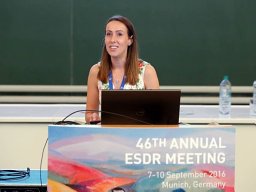 Amy Charlotte Foulkes合作论文数NIHR Manchester Biomedical Research Centre, The University of Manchester1
 Philip J Hampton合作论文数1
 Jo Lydie W Lambert合作论文数1
 Antonio Costanzo合作论文数Department of Biomedical Sciences, Humanitas University1
 Jennifer C Cather合作论文数1
 Kim Alexander Papp合作论文数Probity Medical Research Inc.1
 Andrew Blauvelt合作论文数Blauvelt Consulting, LLC1Bengt Hoepken合作论文数1Savage Laura J合作论文数1
 Wolf-Henning BOEHNCKE合作论文数Département de Médecine, Faculté de Médecine, Université de Genève1
 Lluís Puig合作论文数Department of Dermatology, Hospital de la Santa Creu i Sant Pau;Medicine School, Universitat Autònoma de Barcelona1
 April W. Armstrong合作论文数David Geffen School of Medicine, University of California Los Angeles;Division of Dermatology, Department of Medicine, University of California Los Angeles1
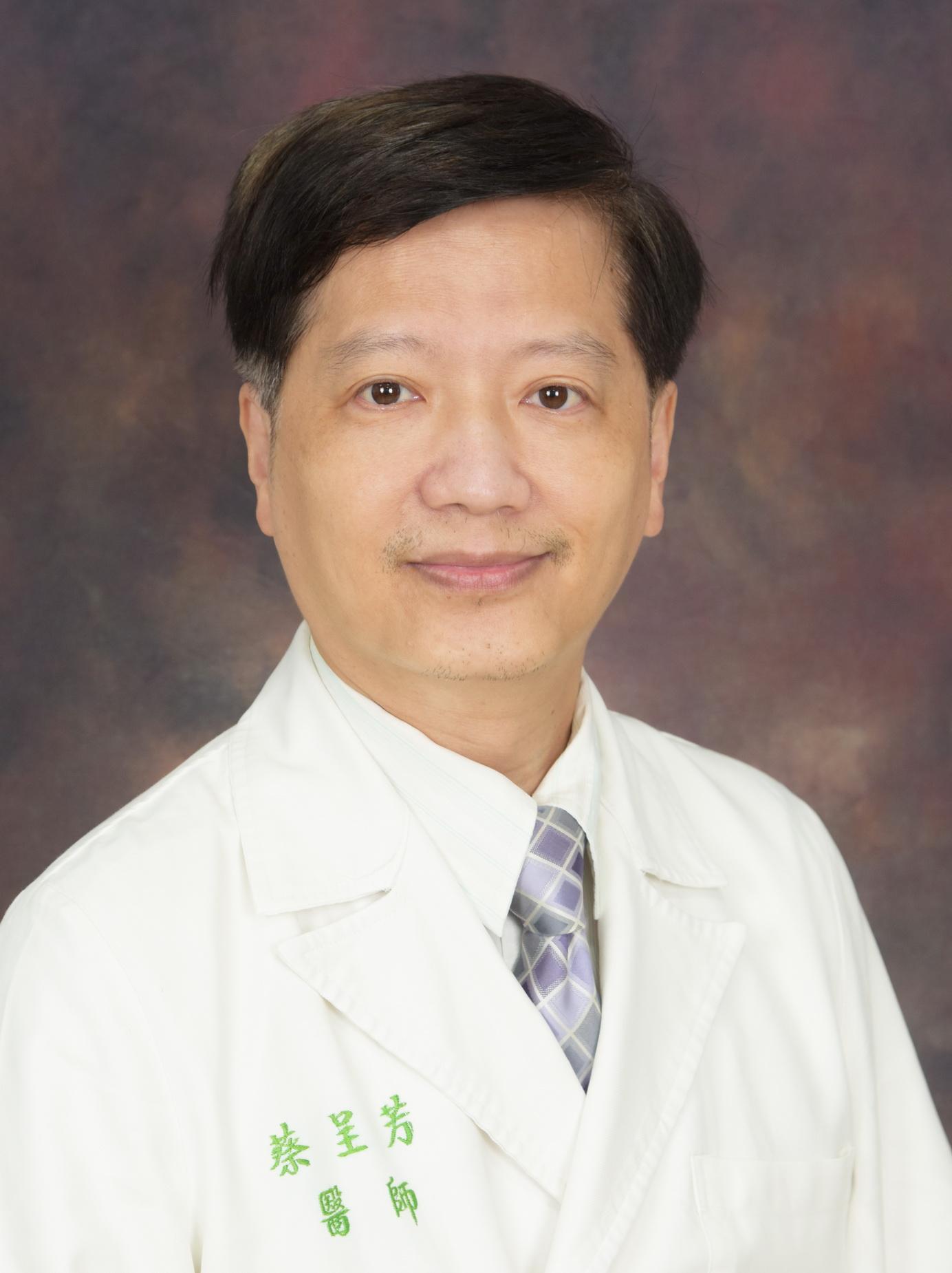 Tsen-Fang Tsai (蔡呈芳)合作论文数Department of Dermatology, National Taiwan University Hospital, College of Medicine, National Taiwan University;College of Medicine, National Taiwan University1Michael Sebastian合作论文数1
 Peter Foley合作论文数Department of Medicine, Faculty of Medicine, Dentistry and Health Sciences, The University of Melbourne;St Vincent's Hospital;Probity Medical Research;Skin Health Institute1
 Satoru Arai合作论文数Infectious Disease Surveillance Center, National Institute of Infectious Diseases1
 Patrick M. Brunner合作论文数1
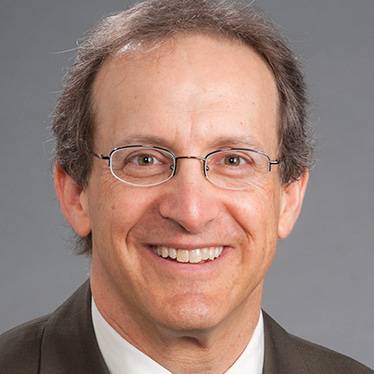 Steven R. Feldman合作论文数Atrium Health Wake Forest Baptist;School of Medicine, Wake Forest University;Sensal Health1




