PURPOSE:To compare patient-reported and clinical outcomes between radical cystectomy (RC) and bladder-sparing therapy (BST) in patients with recurrent high-grade non-muscle-invasive bladder cancer (NMIBC). PATIENTS AND METHODS:This pragmatic, prospective observational cohort study was designed with patients, who selected and prioritized outcomes. Eligible adults were candidates for both RC or BST, had previous induction Bacillus Calmette-Guérin (BCG), and received their last treatment within 12 months. The primary outcome was the EORTC-QLQ-C30 physical function scale at 12 months. Secondary outcomes included other EORTC-QLQ-C30 scales, depression, anxiety, bladder cancer-specific quality of life (QOL), financial burden, and cancer-specific outcomes. Targeted maximum likelihood estimation (TMLE) was used to calculate average treatment effect (ATE) estimates between arms. Inverse probability weighted risk ratios (wRR) were calculated using quasi-Poisson regression. RESULTS:Of 570 participants (mean age 71.4 years; 21% female), 371 selected BST and 199 selected RC. Physical function was significantly worse in the RC arm at 3 months; by 9 months, there was no difference between arms, and at 12 months, physical function did not differ (ATE, 0.9; 95% CI, -0.6 to 2.4; P = .22). RC was associated with better emotional function, generic health-related QOL, and financial burden, and lower depression and anxiety, while BST was associated with better bowel and sexual health. Cancer-specific survival was 99% for BST versus 96% for RC (wRR, 0.99; 95% CI, 0.97 to 1.01). RC was associated with a higher risk of adverse events and serious adverse events, including a 90-day mortality rate of 2.5%. CONCLUSION:Most patient-prioritized outcomes were similar or better among participants who chose RC compared with BST. These findings support the continued role of RC in managing recurrent high-grade NMIBC.
Purpose UGN-101, a reverse thermal mitomycin gel for upper tract instillation, recently became the first FDA approved treatment for upper tract urothelial carcinoma (UTUC). However, the durability of UGN-101 treatment has not been well described. Here we present long term outcomes from our multi-institutional cohort for patients who initially responded to treatment. Materials and Methods We identified patients from a multi-institutional database with UTUC who had a negative endoscopic evaluation following either adjuvant or chemoablative UGN-101 induction. Recurrence and progression data for those patients was reviewed. Kaplan-Meier survival analysis was performed, stratified by relevant clinical features. Results We identified 56 renal units that met the inclusion criteria of which 93% had low-grade disease while 4 cases had high-grade UTUC. With a median follow-up of 23.5 months, 21.4% of renal units experienced a recurrence, with 65% of renal units recurrence-free at 36 months. Three patients experienced eventual progression of disease leading to mortality, however only 1 of these patients had presumed low-grade UTUC and did not undergo nephroureterectomy on recurrence due to solitary kidney. Conclusions UGN-101 treatment has excellent durability in patients who initially respond to the treatment. Further study is needed to better understand the long term outcomes of this novel therapy and also the risks/benefits of maintenance therapy in this setting. Caution should be used in patients with high-grade disease who appear to be at higher risk of relapse and death despite initial response.
Introduction The current American Urological Association (AUA) guideline recommendation for patients diagnosed with BCG-Unresponsive High-Risk Non-Muscle Invasive Bladder Cancer (BCG-UR HR NMIBC) is radical cystectomy. However, many patients are unwilling or unable to undergo such a morbid operative intervention due to patient preference or competing medical risks. While the United States Food and Drug Administration (US FDA) has recently approved therapies in this disease state, a considerable unmet medical need still exists for additional clinically effective, well-tolerated, and readily available bladder-sparing options. This is particularly relevant in the BCG-UR Ta/T1 without CIS population, which may comprise a majority of BCG-UR HR NMIBC patients. Cretostimogene grenadenorepvec is an oncolytic immunotherapy designed to selectively replicate in bladder cancer cells with Retinoblastoma (Rb)-E2F pathway alterations, commonly found in BCG-UR HR NMIBC. In addition, cretostimogene also expresses GM-CSF adding to local and systemic cancer control. Cretostimogene received both US FDA Fast Track and Breakthrough Therapy Designations in the BCG-UR HR NMIBC CIS with or without Ta/T1 tumor indication and has demonstrated a consistently favorable safety profile. Based on the strength of these data, the BOND-003 Cohort P study was designed as a multi-national, single-arm, clinical trial to assess the efficacy and safety of intravesical cretostimogene in BCG-UR HR NMIBC patients with Ta/T1 tumors without CIS. Methods Eligibility criteria: age ≥18 years, Eastern Cooperative Oncology Group (ECOG) performance status of 0-2, histologically confirmed BCG-Unresponsive HG Ta/T1 papillary disease without CIS within 90 days of study enrollment. Patients are required to have previously received adequate BCG by the US FDA definition. Patients who recur with a HG Ta/T1 tumor within six months of the last dose of adequate BCG or who recur with HG T1 after a single induction course of BCG may be eligible. Patients must have no evidence of residual bladder cancer before treatment. Patients will receive intravesical cretostimogene in combination with DDM, a transduction agent, adjuvant to TURBT for six weekly doses during the induction phase, followed by three weekly maintenance cycles quarterly through month 12, then every six months through month 36. Re-induction is permitted. Primary disease assessments include serial cystoscopy, urine cytology, axial imaging, mandatory biopsy at month 12, and centralized review of pathologic samples. The primary outcome measure is all-cause Event Free Survival. Secondary outcome measures include high- and low-grade Recurrence Free Survival, Progression Free Survival, Radical Cystectomy-Free Survival, Bladder Cancer Specific Survival, safety, tolerability, and time to next intervention. Exploratory outcome measures include Health-Related Quality of Life, and biomarker analyses. Descriptive statistics will summarize patient characteristics, treatment administration/compliance, efficacy, safety, and laboratory or exploratory parameters. Data will also be displayed graphically, where appropriate. It is expected that enrolled patients will result in adequate confidence interval precision for comparisons to historical and published data in the BCG-Unresponsive HG Ta/T1 without CIS disease state, a patient population with considerable unmet medical need. 35+ clinical sites have been selected in the United States and Japan. Screening and patient selection have been initiated. NCT044552591
You have accessJournal of UrologyBladder Cancer: Upper Tract Transitional Cell Carcinoma III (PD41)1 May 2024PD41-11 LONGITUDINAL FOLLOW UP OF MULTICENTER STUDY OF UGN-101 FOR UPPER TRACT UROTHELIAL CANCER Solomon L. Woldu, Brett Johnson, Katie S. Murray, Hiroko Miyagi, Wade Sexton, Isamu Tachibana, Hristos Kaimakliotis, Joseph Jacob, Rian Dickstein, Jennifer Linehan, Alan Nieder, Marc Bjurlin, Daniel Heidenberg, Mitchell Humphreys, Saum Ghodoussipour, Marcus L. Quek, Michael O'Donnell, Brian Eisner, Surena Matin, Adam S. Feldman, and Yair Lotan Solomon L. WolduSolomon L. Woldu , Brett JohnsonBrett Johnson , Katie S. MurrayKatie S. Murray , Hiroko MiyagiHiroko Miyagi , Wade SextonWade Sexton , Isamu TachibanaIsamu Tachibana , Hristos KaimakliotisHristos Kaimakliotis , Joseph JacobJoseph Jacob , Rian DicksteinRian Dickstein , Jennifer LinehanJennifer Linehan , Alan NiederAlan Nieder , Marc BjurlinMarc Bjurlin , Daniel HeidenbergDaniel Heidenberg , Mitchell HumphreysMitchell Humphreys , Saum GhodoussipourSaum Ghodoussipour , Marcus L. QuekMarcus L. Quek , Michael O'DonnellMichael O'Donnell , Brian EisnerBrian Eisner , Surena MatinSurena Matin , Adam S. FeldmanAdam S. Feldman , and Yair LotanYair Lotan View All Author Informationhttps://doi.org/10.1097/01.JU.0001008568.76803.f1.11AboutPDF ToolsAdd to favoritesDownload CitationsTrack CitationsPermissionsReprints ShareFacebookLinked InTwitterEmail Abstract INTRODUCTION AND OBJECTIVE: UGN-101 is a novel therapeutic for the treatment of upper tract urothelial cancer (UTUC) but there is a lack of longitudinal data on efficacy. This study evaluated a large multicenter cohort of patients treated with UGN-101, with longest follow up available in the literature. METHODS: Data was collected from 15 centers on patients treated with UGN-101 for UTUC. Recurrence free survival (RFS) was calculated only for patients who had no evidence of disease following UGN-101 induction. Progression free survival (PFS) was calculated for all patients treated with UGN-101. Disease progression was defined as: i) grade progression from low-grade to high-grade disease, ii) stage progression, or iii) development of metastatic disease. Receipt of maintenance was defined as dichotomously, although practice patterns varied. RESULTS: There were 136 cases of UTUC treated with UGN-101 with a cumulative median (IQR) follow up of 22 (12-27) months including 107 cases of LGTa UTUC. PFS was 87% at 24 months. Within the subset of 53 cases with LGTa UTUC without evidence of disease following UGN-101 induction – the median time to recurrence was not reached. RFS at 24-months was 86%. Among initial responders, 30% received maintenance therapy. RFS at 24 months was 100% and 61% for patients who received maintenance versus no maintenance, respectively (log rank 0.014). There were 9 cases of high-grade and presumed non-invasive disease treated with UGN-101 who had follow-up available. The median risk of progression was 50% at 12 months. In the subset of 4 cases with HGTa disease who had a negative initial endoscopic evaluation – half had recurred by 10 months. CONCLUSIONS: UGN-101 treatment appears to demonstrate favorable recurrence free survival rates in patients with LGTa UTUC. Administration of maintenance appears to be associated with significantly better RFS. Due to small numbers of patients with high-grade disease, our analysis is limited however there is significant concern for high risk of recurrence and progression in this cohort. Download PPTDownload PPT Source of Funding: None © 2024 by American Urological Association Education and Research, Inc.FiguresReferencesRelatedDetails Volume 211Issue 5SMay 2024Page: e890 Advertisement Copyright & Permissions© 2024 by American Urological Association Education and Research, Inc.Metrics Author Information Solomon L. Woldu More articles by this author Brett Johnson More articles by this author Katie S. Murray More articles by this author Hiroko Miyagi More articles by this author Wade Sexton More articles by this author Isamu Tachibana More articles by this author Hristos Kaimakliotis More articles by this author Joseph Jacob More articles by this author Rian Dickstein More articles by this author Jennifer Linehan More articles by this author Alan Nieder More articles by this author Marc Bjurlin More articles by this author Daniel Heidenberg More articles by this author Mitchell Humphreys More articles by this author Saum Ghodoussipour More articles by this author Marcus L. Quek More articles by this author Michael O'Donnell More articles by this author Brian Eisner More articles by this author Surena Matin More articles by this author Adam S. Feldman More articles by this author Yair Lotan More articles by this author Expand All Advertisement PDF downloadLoading ...
Cretostimogene grenadenorepvec is a serotype-5 oncolytic adenovirus designed to selectively replicate in cancer cells with retinoblastoma pathway alterations, previously tested as monotherapy in bacillus Calmette-Gu & eacute;rin (BCG)-experienced non-muscle-invasive bladder cancer. In this phase 2 study, we assessed the potential synergistic efficacy between intravesical cretostimogene and systemic pembrolizumab in patients with BCG-unresponsive non-muscle-invasive bladder cancer with carcinoma in situ (CIS). Thirty-five patients were treated with intravesical cretostimogene with systemic pembrolizumab. Induction cretostimogene was administered weekly for 6 weeks followed by three weekly maintenance infusions at months 3, 6, 9, 12 and 18 in patients maintaining complete response (CR). Patients with persistent CIS/high-grade Ta at the 3-month assessment were eligible for re-induction. Pembrolizumab was administered for up to 24 months. The primary endpoint was CR at 12 months as assessed by cystoscopy, urine cytology, cross-sectional imaging and mandatory bladder mapping biopsies. Secondary endpoints included CR at any time, duration of response, progression-free survival and safety. The CR rate in the intention-to-treat population at 12 months was 57.1% (20 out of 35, 95% confidence interval (CI) 40.7-73.5%), meeting the primary endpoint. A total of 29 out of 35 patients (82.9%, 95% CI 70.4-95.3%) derived a CR at 3 months. With a median follow-up of 26.5 months, the median duration of response has not been reached (95% CI 15.7 to not reached). The CR rate at 24 months was 51.4% (18 out of 35) (95% CI 34.9-68.0%). No patient progressed to muscle-invasive bladder cancer in this trial. Adverse events attributed to cretostimogene were low grade, self-limiting and predominantly limited to bladder-related symptoms. Immune-related adverse effects were exclusively associated with pembrolizumab. A total of 5 out of 35 patients (14.3%) developed grade 3 treatment-related adverse effects, all related to pembrolizumab. There was no evidence of overlapping or synergistic toxicities. Combination intravesical cretostimogene and systemic pembrolizumab demonstrated enduring efficacy. With a toxicity profile similar to its monotherapy components, this combination may shift the benefit-to-risk ratio for patients with BCG-unresponsive CIS. ClinicalTrials.gov Identifier: NCT04387461. In a single-arm phase 2 trial evaluating intravesical delivery of the oncolytic adenovirus cretostimogene grenadenorepvec with systemic anti-PD-1 in patients with BCG-unresponsive non-muscle-invasive bladder cancer with carcinoma in situ, the complete response rate at 12 months was 57.1%, meeting the primary endpoint.
4601 Background: Cretostimogene grenadenorepvec is a type-5 oncolytic adenovirus designed to selectively replicate in bladder cancer cells with alterations in the retinoblastoma pathway. Additionally, the virus is engineered to express the GM-CSF transgene, resulting in a potent oncolytic immunotherapy mode of action. Cretostimogene monotherapy recently received Food and Drug Administration (FDA) Fast Track and Breakthrough Therapy Designations (BTD) in the BCG-Unresponsive, High-Risk, non-Muscle Invasive Bladder Cancer with Carcinoma in Situ (BCG-UR HR NMIBC with CIS) indication with a Complete Response (CR) at any time rate of 76%. This phase-2 study assessed the potential synergy between intravesical cretostimogene and pembrolizumab in patients with BCG-UR, HR NMIBC, with CIS, with or without Ta/T1 tumors. This combination has also received BTD from the FDA. Methods: 35 pts were treated with cretostimogene (1x10¹² viral particles) in combination with pembrolizumab at a dose of 400 mg IV q6 weeks. Cretostimogene induction was given as 6 weekly intravesical instillations followed by 3 weekly maintenance doses at months 3, 6, 9, 12, and 18. Pts with persistent CIS or high-grade Ta tumors at the 3mo assessment were eligible for re-induction. Pembrolizumab was administered for up to 24mo. Response assessments included cystoscopy, urine cytology, cross-sectional imaging, and mandatory bladder mapping biopsies at 12mo. The primary endpoint was CR at 12mo. Secondary endpoints included CR at any time, duration of response (DOR), CR at 24mo, cystectomy-free survival, and safety. Exploratory endpoints included analyses of baseline viral receptor expression, free E2F levels, PD-L1 status, urinary cytokine panels and measures of viral replication. Results: 30/35 pts are evaluable per protocol for the primary endpoint. Five pts discontinued prior to the 12mo time point. The CR rate in the Intention to Treat (ITT) population at 12mo and any time, was 57% (20/35) (95% CI 40-73%) and 83% (29/35) (95% CI 66-93%), respectively. Median DOR has not been reached but exceeds 21mo. The current CR rate in the ITT population at 24mo is 46% (16/35) (95% CI 29-63%). Three pts have yet to reach the 24mo time point. Cystectomy-free survival at 21mo is 80%. Complete data on the ITT and evaluable patient cohorts will be presented. Analyses of treatment-related adverse events (AE) are consistent with the individual agents and demonstrate no synergistic toxicity. Conclusions: The efficacy and safety of cretostimogene plus pembrolizumab for treatment of BCG-UR, HR NMIBC with CIS demonstrates best-in-class CR and DOR compared to current FDA-approved therapies, with an acceptable AE profile. Further investigation of this promising combination therapy is warranted and may serve to address a considerable unmet need. Clinical trial information: NCT04387461 .
There are multiple ongoing and planned clinical trials that are evaluating novel therapies to treat patients with BCG-unresponsive high grade nonmuscle invasive bladder cancer (NMIBC). Importantly, there is considerable variation in surveillance strategies between these clinical trials, specifically with regards to the use of advanced imaging, enhanced cystoscopy, and mandatory biopsies, which could impact landmark efficacy assessments of investigational agents. To present guideline recommendations for the standardization of cystoscopic evaluation, surveillance, and efficacy assessments for patients with BCG-unresponsive NMIBC participating in clinical trials. On September 29, 2023 at the annual meeting of the International Bladder Cancer Network, a breakout session was convened, during which representatives from various disciplines discussed potential guidance statements with opportunity for discussion and comment. A set of statements regarding use of white light and enhanced cystoscopy were developed to help guide a pragmatic approach to surveillance and efficacy assessments of patients in clinical trials. The use of "for cause" and "mandatory" biopsies was also addressed. A standard approach to evaluation of patients within the context of clinical trials is necessary to accurately assess the efficacy of novel agents, especially within single arm trials that lack an appropriate comparator. Additionally, the utilization and timing of mandatory biopsies is critical, as these biopsies may impact both disease evaluations and the determination of duration of response.
Supplementary Figures S1-S3 from Effects of mTOR Inhibitor Everolimus (RAD001) on Bladder Cancer Cells
The authors regret, that there were 2 missed corrections on the final proof. The corresponding author, Josh Gottlieb, was incorrectly listed to have affiliation "b" for University of Texas Southwestern Medical Center. Josh Gottlieb's correct affiliation should be the same as the first author, Jennifer Linehan (Providence Specialty Medical Group). In addition, Dr. Saum Ghodoussipour (correct spelling) was spelled incorrectly as Ghodoussipor (incorrect spelling) on the final proof. The corrections are updated as above. The authors would like to apologise for any inconvenience caused. Route of Administration for UGN-101 and Impact on Oncological and Safety OutcomesEuropean Urology FocusVol. 9Issue 6PreviewTake Home Message This is the first retrospective comparison of antegrade versus retrograde instillation of UGN-101 for the treatment of upper tract urothelial carcinoma. Our results show a lower rate of ureteral stricture using the antegrade approach without loss of oncological efficacy. Full-Text PDF
Objective: UGN-101 has been approved for the chemoablation of low-grade upper tract urothelial cancer (UTUC) involving the renal pelvis and calyces. Herein is the first reported cohort of patients with ureteral tumors treated with UGN-101. Patients and Methods: We performed a retrospective review of patients treated with UGN-101 for UTUC at 15 high-volume academic and community centers focusing on outcomes of patients treated for ureteral disease. Patients received UGN-101 with either adjuvant or chemo-ablative intent. Response rates are reported for patients receiving chemo-ablative intent. Adverse outcomes were characterized with a focus on the rate of ureteral stenosis. Results: In a cohort of 132 patients and 136 renal units, 47 cases had tumor involvement of the ureter, with 12 cases of ureteral tumor only (8.8%) and 35 cases of ureteral plus renal pelvic tumors (25.7%). Of the 23 patients with ureteral involvement who received UGN-101 induction with chemo-ablative intent, the complete response was 47.8%, which did not differ significantly from outcomes in patients without ureteral involvement. Fourteen patients (37.8%) with ureteral tumors had significant ureteral stenosis at first post-treatment evaluation, however, when excluding those with pre-existing hydronephrosis or ureteral stenosis, only 5.4% of patients developed new clinically significant stenosis. Conclusions: UGN-101 appears to be safe and may have similar efficacy in treating low-grade urothelial carcinoma of the ureter as compared to renal pelvic tumors. (c) 2023 Elsevier Inc. All rights reserved.
 Ashish M. Kamat合作论文数Department of Urology, Division of Surgery, The University of Texas MD Anderson Cancer Center33
 Colin P.N. Dinney合作论文数Department of Urology, The University of Texas MD Anderson Cancer Center;Division of Surgery, The University of Texas MD Anderson Cancer Center20
 H. Barton Grossman合作论文数Department of Urology, University of Texas M. D. Anderson Cancer Center19
 Yair Lotan合作论文数Department of Urology, The University of Texas Southwestern Medical Center17
 Solomon L Woldu合作论文数17
 Michael O'Donnell合作论文数Department of Urology, University of Iowa16
 Jennifer Linehan合作论文数13
 Kaimakliotis Hristos Z合作论文数13Murray Katie S合作论文数13
 Surena F. Matin合作论文数Department of Urology, Division of Surgery, The University of Texas MD Anderson Cancer Center13
 Wade Sexton合作论文数Moffitt Cancer Center13
 Adam S Feldman合作论文数Boston13
 Mitchell R. Humphreys合作论文数Department of Urology, Mayo Clinic13Sahil Parikh合作论文数12
 Mario Fernandez-Fernandez合作论文数12
 Joseph Jacob合作论文数12
 Marc Bjurlin合作论文数Urologic Oncology, UNC-Chapel Hill, Clinical Research12
 Ghodoussipour Saum B合作论文数12
 Marcus L. Quek合作论文数Loyola University Medical Center12Alan M. Nieder合作论文数Department of Urology, University of Miami School of Medicine12
 Louis L. Pisters合作论文数Department of Urology, Division of Surgery, The University of Texas MD Anderson Cancer Center12
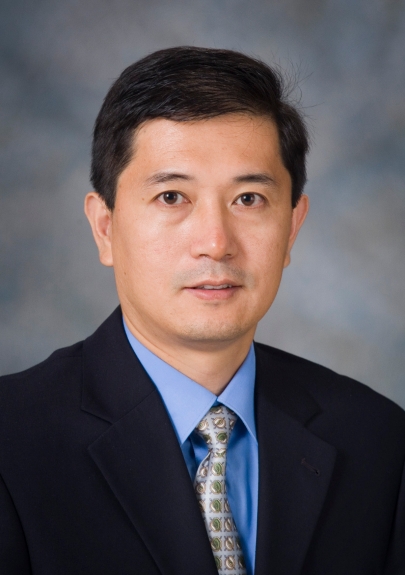 Charles Chuanhai Guo合作论文数Department of Pathology, Division of Pathology/Lab Medicine, The University of Texas MD Anderson Cancer Center12
 Bogdan A Czerniak合作论文数Department of Pathology, Division of Pathology/Lab Medicine, The University of Texas MD Anderson Cancer Center,11
 Jay Shah合作论文数Department of Urology, Stanford University11
 Brian Eisner合作论文数Department of Urology, Massachusetts General Hospital;Department of Surgery, Massachusetts General Hospital;Division of Urology, Newton Wellesley Hospital11Isamu Tachibana合作论文数10
 Arlene O Siefker-Radtke合作论文数Department of Genitourinary Medical Oncology, Division of Cancer Medicine, The University of Texas MD Anderson Cancer Center9Kyle M Rose合作论文数8Labbate Craig合作论文数8Rebecca Slack合作论文数7Eugene K. Lee合作论文数7
 Wassim Kassouf合作论文数Department of Surgery (Urology), McGill University6
 Stephen Williams合作论文数UTMB Health - University of Texas Medical Branch at Galveston;Division of Urology, Department of Surgery, The University of Texas Medical Branch6
 Mark D Tyson合作论文数6Daniel Willis合作论文数6Daniel L. Willis合作论文数5Daniel Heidenberg合作论文数5Trinity J Bivalacqua合作论文数5Fred Wolk合作论文数5Hiroko Miyagi合作论文数5
 Neal Shore合作论文数Carolina Urologic Research Center, Atlantic Urology Clinics5
 Roger Li合作论文数4
 Michael Jewett合作论文数Department of Surgery, Temerty Faculty of Medicine, University of Toronto;Division of Urology, University of Toronto4
 Siamak Daneshmand合作论文数Catherine and Joseph Aresty Department of Urology, Keck School of Medicine, University of Southern California4Johnson Brett A合作论文数4
 Kirk A Keegan合作论文数Department of Urologic Surgery, Vanderbilt University Medical Center4
 Shanna M Pretzsch合作论文数4
 Kristen Scarpato合作论文数4




