OBJECTIVES:Patients with advanced cancer frequently experience pain and psychological distress, often requiring controlled substances such as opioids and benzodiazepines. Although access to these medications increases risk of substance misuse, little is known about how clinicians and patients discuss controlled substance use during cancer care. Understanding these conversations may inform safer prescribing, improve patient outcomes, and support management of substance use disorder (SUD) risk. We aimed to characterize discussions of controlled substance use in oncology visits, including who initiated conversations, clinician responses, and verbalized SUD risk factors. METHODS:Five coders reviewed 826 audio-recorded oncology visits from a prior clinical trial. Encounters were coded for substance type, initiator (patient, clinician, both, neither), clinician/patient response style (avoidant, concerned/emotional, engaged, neutral, resistant), and substance misuse risk factors. RESULTS:Mean patient age was 59.5 years; most were female (55.8%), White (81.7%), and married (71.7%). Substance-related content appeared in 14.6% of counters (n = 121; 92 unique patients). Mentioned substances included opioids and sedative-hypnotics (benzodiazepines/sleep aids), with oxycodone referenced in 67 visits. Patients initiated discussions more frequently (n = 51) than clinicians (n = 33), though not significantly, χ2(1, N = 95) = 33.00, p = 0.078. For the remaining encounters, neither initiated (n= 24) or both initiated (n=13). Among patient-initiated discussions, clinician response types were engaged (n = 25), neutral (n = 10), avoidant (n = 12), concerned/emotional (n = 1), or resistant (n = 3). Common substance misuse risk factors included inadequate pain management (n = 28), medication concerns (n = 17), dose escalation (n = 11), psychological concerns (n = 11), and substance misuse/drug-seeking (n = 5). SIGNIFICANCE OF RESULTS:Despite widespread prescribing of controlled substances in oncology, discussions remain infrequent, and clinician responses to SUD-related concerns are often insufficient. These findings highlight opportunities to improve communication and risk management in cancer care.
Background/Rationale As multidisciplinary palliative care team members and researchers, we have distinct histories and rich identities that inform who we are, shape how we function, and unavoidably influence patient care as well as research questions, analysis, and interpretation.Our positionality as clinicians and researchers comprises our personal background, professional formation, and the values and perspectives we hold (1). Reflexivity entails the acts of reflecting on and engaging with our own unique positionality, as well as exploring what it means together (2). Owning our perspectives through reflexivity is a necessary, ongoing practice (3) and a key component of quality standards for reporting qualitative research (4).However, empirical evidence describing concrete reflexivity practices within palliative care science remains sparse, leaving a critical knowledge gap. Objectives/Purpose To systematically describe and practice methods that facilitate reflexivity in palliative care research teams. Methods/Approach We will share results from our ongoing work, through case-based discussion of four ongoing palliative care research projects: including poetic analysis in qualitative research (5), facilitating storytelling and storylistening, and narrative writing. This interprofessionally facilitated and interactive session will offer participants an opportunity to engage in reflexivity practices and foster a plan to bring this back to their teams. Results Our shared experience centers around three central themes: (1) reflexivity practices highlight positional assumptions that shaped research design and interpretation; (2) engaging in poetic analysis, facilitated storytelling and storylistening, and narrative writing shifted analytic lenses to foster novel insights into our work and ourselves; (3) intentional reflexivity enhanced the creation of inclusive research teams, supporting team wellbeing and resilience. Implications Interdisciplinary research teams can integrate reflexivity, through concrete strategies, to advance the quality and inclusivity of palliative care science.
Background Health systems frequently contract with hospice agencies to deliver high-quality, compassionate end of life care through general inpatient (GIP) programs.(1) These programs can help identify patients in need of hospice care earlier in their hospitalization, facilitate improved symptom management in patients with significant disease burden, and give families access to bereavement services that may not otherwise have been available to them.(2) However, challenges arose when a hospice launched a novel, high-touch GIP partnership in a hospital with an existing, robust palliative care program. Primary teams did not know whom to call for a given patient, and, for patients with both teams involved, palliative care and hospice clinicians offered differing recommendations, based on their institutional practice patterns. Furthermore, hospices that provide this level of care face increased regulatory scrutiny that creates an administrative burden and financial risk. We worried these challenges would lead to fragmented, suboptimal care. Approach In this session interprofessional, interdisciplinary clinical and administrative leaders in palliative care, hospice, and health systems transformation will describe an ongoing process improvement project that led creation of a palliative care-hospice partnership to deliver integrated, team-based care at a large, urban academic medical center. Drawing on specific examples from clinical care and program development, panelists will describe challenges related to clinical integration, differences in approaches to symptom management, high-stakes patient-centered communication, documentation, and the complex regulatory environment. Panelists will then present successful strategies, with examples, to enhance communication and create sustainable, collaborative partnerships between hospices and palliative care program. These strategies include regular meetings, proactive structured communication around shared patients, and just-in-time debriefings after difficult cases. Implications As hospitals continue to partner with hospice agencies to create GIP pathways and programs, hospice and palliative care leaders and clinicians can work together to strengthen their relationships, streamline communication and, ultimately, improve care delivery.
Legislation in 1982 formalized hospice care as a Medicare-reimbursed service. In the years that have followed, while many Americans have benefited from hospice's holistic, comfort-focused care, Medicare reimbursement frequently prevents hospices from providing the degree of caregiving support that patients and their informal caregivers need. Prior to the Medicare Hospice Benefit, leaders of the hospice movement emphasized that informal caregivers need significant support at the end of life, including custodial support through options for facility-based care for dying patients. The Medicare Hospice Benefit was designed to contain healthcare spending, resulting in a structure of care that curtailed caregiving support. This history illustrates key themes that remain relevant to public discourse today, including the extent to which payers should provide caregiving support and the role of facilities in providing custodial care at the end of life.
Clinical pharmacy specialists in palliative care have potential to enhance patient care by optimizing medication management and enriching interdisciplinary decision making(1-2). However, pharmacists often lack a fully integrated presence on palliative care services, leaving a critical gap in interprofessional care. Additionally, as demand for palliative care grows, there is a need to innovate how interdisciplinary team members can contribute to patient care. Over the past two years, we created a dedicated clinical pharmacist role on our institution’s inpatient palliative care consult service to support providers in addressing both the volume of patients who need to be seen and the complex pharmacotherapeutic needs of patients with serious illness. This presentation will describe the implementation and evolution of this role, highlighting the iterative process shaped by ongoing feedback from members of the palliative care team and a formal survey conducted after the first year. We will describe the iterations of this role, and the challenges encountered, with a goal of inspiring other institutions to incorporate similar roles. Key changes include the introduction of independent pharmacist follow-up visits (including providing recommendations to primary teams and documenting in the electronic medical record) and adjustments to the pharmacist’s rounding schedule to best align with the needs of providers and patients. The survey results revealed 100% of respondents found having a dedicated pharmacist for the consult services Very Helpful or Extremely Helpful, emphasizing the value of the clinical pharmacist’s contributions to symptom control, medication safety, and fostering team-based decision making. These data underscore that collaboration of interprofessional teams with diverse perspectives can improve the quality of care provided. We aim to elevate and advocate for the voice of the pharmacist as an indispensable member of the palliative care team, working alongside physicians, advanced practice providers, social workers, chaplains, and other disciplines to achieve holistic, compassionate care.
In the sacred spaces of serious illness, dying and bereavement, patients and families are our greatest teachers. In this feature, we reflect on lessons drawn from years of work in palliative medicine, integrating bedside experiences, practical guidance and narrative reflections to illuminate how, by serving others, we too are changed. The lessons are additionally grounded in literature stemming from clinical experience and interprofessional scholarship. This report foregrounds lived experience as a source of clinical knowledge, encouraging human-centred practice. Offered with gratitude to the patients and families who entrust us with their stories, this report is intended as both a reflective guide and a teaching tool for clinicians seeking to practise with greater humility, presence and intention.
The Journal of Palliative Medicine's "Tell Us More: The Palliative Care Oral History Project," seeks to tell the story of Hospice and Palliative Care through informal interviews with pivotal leaders in the field. In each episode, hosts Drs. Ricky Leiter and Billy Rosa, along with research assistant Dr. Yilong Peng, sit down with an HAPC luminary and do what our field does best-ask questions, listen, and reflect. In the third episode, Drs. Leiter and Rosa interviewed Ms. Shirley Otis-Green, founder of Collaborative Caring and a pioneer in palliative social work. What follows is a transcript of their conversation, edited lightly for clarity.
The Journal of Palliative Medicine's "Tell Us More: The Palliative Care Oral History Project" seeks to tell the story of hospice and palliative care through informal interviews with pivotal leaders in the field. In each episode, hosts Drs. Ricky Leiter and Billy Rosa, along with research assistant Dr. Yilong Peng, sit down with an Hospice and Palliative Care luminary and do what our field does best-ask questions, listen, and reflect. In the first episode, Drs. Leiter and Rosa interviewed Dr. Betty Ferrell, Director of Nursing Research and Education, and a Professor at City of Hope Medical Center in Duarte, California. What follows is a transcript of their conversation, edited lightly for clarity.
As palliative specialists, we have a unique appreciation for the power of oral tradition-the stories of healing and suffering, challenge and accomplishment, and meaning and purpose that can be honored between us in safe and inclusive spaces. To this end, we take great pride in launching a new Journal of Palliative Medicine (JPM) podcast series, "Tell Us More: The Palliative Care Oral History Project." Each month, we will sit down with a pivotal leader from Hospice and Palliative Care (HAPC) and do what our field does best-ask questions, listen, and reflect. Through our podcast, we'll seek to understand the complexities and nuance behind our established practices and processes. Our interviews will be with pioneers from across HAPC's professions and around the world. By weaving their narratives together, we hope to create a tapestry of the history of HAPC to affirm our humanity, recognize our achievements, and sit in solidarity with our shared love for this work. Podcast episodes will release monthly. They will be uploaded to JPM's website and be available for download on major platforms. Each podcast will also have an accompanying online article, with a brief introduction to the guest's work and a transcript of the interview. Our debut episode is planned for summer 2025-stay tuned!
Background:Compared with non-Chinese adults in high-income countries, ethnically Chinese patients are more likely to encounter palliative care (PC) closer to death and in hospital settings. Yet, Chinese families' experiences and perception of inpatient PC remain unknown. Objective:Identify barriers and facilitators to culturally respectful PC for Chinese immigrant inpatients and their caregivers. Design:Prospective, exploratory qualitative design involving phenomenological interviews. Setting/Subjects:We consecutively recruited (n = 15) Chinese immigrant patients and their caregivers (n = 14) referred to PC at one Canadian academic teaching hospital. We collected participant self-reported sociodemographics and Suinn-Lew acculturation level and conducted semi-structured interviews (n = 10) in Mandarin and/or English. The interviews were recorded, transcribed, translated, and thematically analyzed using Tan's Health Communication framework. Results:Patients were older-aged (mean = 73.5 ± 16.2 years), 53.3% female, 60% college-educated, 66.7% nonreligious, and 93.3% diagnosed with cancer and had low acculturation (mean = 1.8 ± 0.9/5.0). Caregivers were middle-aged (mean = 50.6 ± 15.5 years), 78.6% children, 57.1% female, 85.7% college-educated, and 71.4% nonreligious and had moderate acculturation (mean = 2.5 ± 1.2/5.0). We identified four themes from post-consultation interviews: abandonment and alienation mark past experiences with serious illness care; emphasizing expertise and symptom relief may help overcome initial ambivalence toward PC; PC brokers competing priorities within the family unit; and PC alleviates time-related distress by addressing illness understanding. Conclusion:Chinese patients and caregivers may prefer a PC approach that is sensitive to historical mistrust, leverages expertise in symptom management to inspire confidence, and accommodates the information and care preferences of the family unit. Further research is needed to examine the impact of these PC strategies on clinical outcomes for Chinese families.
PROBLEM:The field of hospice and palliative medicine (HPM) is grappling with a significant workforce shortage. An untapped source of growth for the HPM specialist workforce is mid-career physicians interested in specialist training and certification. This study describes a pilot competency-based, time-variable (CBTV) fellowship program for mid-career physicians interested in HPM, called the Mid-Career Fellowship. APPROACH:The pilot program was approved by the Accreditation Council for Graduate Medical Education (ACGME) Advancing Innovation in Residency Education program in consultation with certification boards. The Mid-Career Fellowship enrolled 2 mid-career fellows in July 2019 at the University of Pennsylvania, ultimately expanding in July 2020 and July 2021 to 7 participating sites. Clinical training in the fellowship was scheduled on an interrupted, part-time basis, with full- or partial-week clinical HPM rotations scheduled to accommodate fellows' other professional and academic responsibilities. Mid-career fellows' progression on HPM competencies was assessed through direct observation during HPM clinical rotations using validated assessments and the ACGME HPM milestones framework. Participants and traditional HPM fellows were surveyed for their perceptions of the program. OUTCOMES:From July 2019 to June 2024, the Mid-Career Fellowship had enrolled 22 individuals and produced 14 graduates across the 7 participating sites. As of June 2024, 12 of 14 (86%) graduates had entered full- or part-time practice in an HPM specialty. Two mid-career fellows have passed the biannual HPM board certification, with additional fellows being eligible to sit for the certification exam in fall 2024. NEXT STEPS:Aspects of the program could be adapted by other specialties facing workforce shortages. Future work is needed to determine the long-term impact of this training and the role of similar programs in other specialties. The authors' next steps will be to conduct qualitative analyses of such programs' impact on professional development for participants.
Even in our most difficult moments as clinicians, we can find space to hope with our patients, if we look for it. Dr Richard Leiter tells the powerful story of caring for a young man dying of GVHD.
This Viewpoint evaluates Medicare reimbursement for custodial care support.
BackgroundDespite overwhelming evidence for work-related stress and burnout, health care clinicians receive little training in self-care.ObjectivesWe explored training and current self-care satisfaction of psychosocial and palliative care clinicians.DesignForty-one psychosocial and palliative care clinicians (18 physicians, 16 social workers, and 7 others [nurse practitioners, psychologists, pharmacists, and physician assistants]) who care for adult oncology patients at a large U.S. academic cancer center, completed an online survey about well-being, including their prior training, current satisfaction, and barriers to self-care.ResultsThis cross-sectional mixed-methods study found that clinicians felt that their graduate training did not prepare them very well to look after themselves in their professional roles (m = 1.71 [SD = 1.25]), where zero corresponded to "not well at all" and 4 to "extremely well." Open-ended responses highlighted potential gaps in self-care training: (1) Institutional support; (2) Information and education; (3) Self-care techniques and support; (4) Expectations; and (5) Managing boundaries. Clinicians rated their satisfaction with their current self-care practices as "moderately satisfied" (m = 2.10 [SD = 0.92]). Participants also noted barriers to self-care: (1) Time; (2) Competing demands and priorities between work and home; (3) Work culture, including pace and load; (4) Energy, motivation, and awareness; and (5) New methods and tools.ConclusionsThe findings highlight gaps in clinical education and training about self-care practices for health care clinicians, especially for those who care for seriously ill and dying patients. We discuss training implications and propose possible interventions, to strengthen the existing models of self-care for health care clinicians.
BACKGROUND:Confronting terminal illness and the prospect of death and dying can severely undermine an individual's sense of identity, meaning and purpose in life, leading to existential suffering, increasing hopelessness, depressive symptoms, and death anxieties. OBJECTIVES:This study explored how narrative approaches can alleviate existential suffering, promote emotional healing, and consolidate identity for individuals confronted with death and dying. Specifically, the study aimed to (1) analyze dimensions of identity reflected in Dignity Therapy (DT) legacy documents from a randomized controlled trial, applying Ricoeur's framework of selfhood and identity; (2) deepen the understanding of existential suffering in relation to identity and its potential transformation into meaningful adaptation; and (3) synthesize these findings into a conceptual Model of Narrative Identity at the End of Life. METHODS:Thirty-two DT interviews were analyzed using MAXQDA software for qualitative data analysis. An inductive category development approach was employed to construct a three-tiered coding system capturing key dimensions of identity. Drawing on Ricoeur's framework of selfhood and identity, a hermeneutic and existential-phenomenological approach was employed to deepen understanding of the lived experiences and narrative reconstruction of self and identity in the context of vulnerability, suffering, loss, and the approaching end of life. RESULTS:The identified dimensions of narrative identity included "origin", "family", "movement", "societal", "work", "recreation", "disruption", "experience of the now", "feelings", "sense of self", and "future". Analysis of patients' narratives yielded an in-depth understanding of existential suffering, as well as the contrasting experiences of authenticity, integrity, and wholeness at the end of life. Three core mechanisms emerged through which narrative work may mitigate existential suffering while reaffirming selfhood and identity: (1) cultivation healing connections and embracing hope; (2) the search for coherence and meaning-making; and (3) inner growth and transformation. These findings informed the development of a conceptual Model of Narrative Identity at the End of Life. CONCLUSIONS:Confronting death and dying is challenging, yet it may serve as a catalyst for increased self-awareness, self-growth, and transformation towards greater authenticity. Storytelling is a simple yet powerful tool for reclaiming narrative identity and alleviating existential suffering during a time marked by loss of control and powerlessness. Our Model of Narrative Identity at the End of Life illustrates how narrative work facilitates depth work, through which healing connections and hope can be embraced, enabling meaning-based adaptation to terminal illness, thereby empowering individuals to retain a sense of control, agency, and autonomy, even in the face of their own mortality. TRIAL REGISTRATION:This study was registered with Clinical Trial Registry (ClinicalTrials.gov - Protocol Record NCT02646527; date of registration: 04/01/2016).
The Journal of Palliative Medicine's "Tell Us More: The Palliative Care Oral History Project," seeks to tell the story of Hospice and Palliative Care through informal interviews with pivotal leaders in the field. In each episode, hosts Dr. Ricky Leiter, Dr. Billy Rosa, and research assistant Dr. Yilong Peng sit down with an HAPC luminary and do what our field does best-ask questions, listen, and reflect. In the first episode, Drs. Leiter and Rosa interviewed Dr. Charles von Gunten, Clinical Professor of Medicine at the University of California, San Diego, and Editor Emeritus of JPM. What follows is a transcript of their conversation, edited lightly for clarity.
Importance:Patients often visit the emergency department (ED) near the end of life. Their common disposition is inpatient hospital admission, which can result in a delayed transition to hospice care and, ultimately, an inpatient hospital death that may be misaligned with their goals of care. Objective:To assess the association of hospice use with a novel multidisciplinary hospice program to rapidly identify and enroll eligible patients presenting to the ED near end of life. Design, Setting, and Participants:This pre-post quality improvement study of a novel, multifaceted care transitions program involving a formalized pathway with email alerts, clinician training, hospice vendor expansion, metric creation, and data tracking was conducted at a large, urban tertiary care academic medical center affiliated with a comprehensive cancer center among adult patients presenting to the ED near the end of life. The control period before program launch was from September 1, 2018, to January 31, 2020, and the intervention period after program launch was from August 1, 2021, to December 31, 2022. Main Outcome and Measures:The primary outcome was a transition to hospice without hospital admission and/or hospice admission within 96 hours of the ED visit. Secondary outcomes included length of stay and in-hospital mortality. Results:This study included 270 patients (median age, 74.0 years [IQR, 62.0-85.0 years]; 133 of 270 women [49.3%]) in the control period, and 388 patients (median age, 73.0 years [IQR, 60.0-84.0 years]; 208 of 388 women [53.6%]) in the intervention period, identified as eligible for hospice transition within 96 hours of ED arrival. In the control period, 61 patients (22.6%) achieved the primary outcome compared with 210 patients (54.1%) in the intervention period (P < .001). The intervention was associated with the primary outcome after adjustment for age, race and ethnicity, primary payer, Charlson Comorbidity Index, and presence of a Medical Order for Life-Sustaining Treatment (MOLST) (adjusted odds ratio, 5.02; 95% CI, 3.17-7.94). In addition, the presence of a MOLST was independently associated with hospice transition across all groups (adjusted odds ratio, 1.88; 95% CI, 1.18-2.99). There was no significant difference between the control and intervention periods in inpatient length of stay (median, 2.0 days [IQR, 1.1-3.0 days] vs 1.9 days [IQR, 1.1-3.0 days]; P = .84), but in-hospital mortality was lower in the intervention period (48.5% [188 of 388] vs 64.4% [174 of 270]; P < .001). Conclusions and Relevance:In this quality improvement study, a multidisciplinary program to facilitate ED patient transitions was associated with hospice use. Further investigation is needed to examine the generalizability and sustainability of the program.
RATIONALE & OBJECTIVE Kidney transplant patients with failing allografts suffer from physical and psychological symptom burden, and high morbidity and mortality. Palliative care is underutilized in this vulnerable population. We sought to describe kidney transplant clinicians' perceptions of palliative care and delineate their perceived barriers to and facilitators of providing palliative care to this population. STUDY DESIGN National explanatory sequential mixed methods study including an online survey and semi-structured interviews. SETTING & Participants: Kidney transplant clinicians in the United States were surveyed and interviewed from October 2021 to March 2022. ANALYTICAL APPROACH Descriptive summary of survey responses, thematic analysis of qualitative interviews, and mixed methods integration of data. RESULTS A total of 149 clinicians completed the survey and 19 completed subsequent interviews. Over 90% of respondents agreed that palliative care can be helpful for patients with a failing kidney allograft. However, 46% of respondents disagreed that all patients with failing allografts benefit from palliative care and two-thirds thought that patients would not want serious illness conversations. More than 90% of clinicians expressed concern that transplant patients and caregivers would feel scared or anxious if offered palliative care. Interviews identified three main themes: 1) transplant clinicians' unique sense of personal and professional responsibility was a barrier to palliative care engagement, 2) uncertainty regarding timing of palliative care collaboration led to delayed referral, and 3) clinicians felt challenged by factors related to patients' cultural backgrounds and identities, such as language differences. Many comments reflected an unfamiliarity with the broad scope of palliative care beyond end-of-life care. LIMITATIONS Potential selection bias. CONCLUSIONS Our study suggests that multiple barriers related to patients, clinicians, health systems, and health policies may pose challenges to the delivery of palliative care for patients with failing kidney transplants. This study illustrates the urgent need for ongoing efforts to optimize palliative care delivery models dedicated to kidney transplant patients, their families, and the clinicians who serve them.
Background Social support is associated with improved clinical outcomes but is understudied among US immigrants. We examined two types of social support, perceived health provider support and community support, and characterized perceptions of social support among US immigrants compared with nonimmigrants. Methods We conducted cross-sectional data analysis on self-reported data from Health Information National Trends Survey 5, Cycle 2. Population-level estimates were obtained using jack-knife replicate weights. Results Immigrant status was not associated with perceived health care provider support or community support. However, compared with nonimmigrants, US immigrants were more likely to report rarely (adjusted odds ratio [aOR]=3.07) or never (aOR=3.18) having access to emotional support. Conclusions Further research that incorporates nuanced factors (eg, time since arrival) that may influence social support in diverse US immigrant groups is needed to determine the impact of social support on health outcomes in an underserved and often overlooked population.
 James A. Tulsky合作论文数Division of Palliative Medicine, Brigham and Women's Hospital;Center for Palliative Care, Harvard Medical School;Department of Psychosocial Oncology and Palliative Care, Dana-Farber Cancer Institute;VitalTalk12
 Zhimeng Jia合作论文数11
 Kate Sciacca合作论文数7Samantha L Gelfand合作论文数7
 Sanders Justin J合作论文数6
 Lakin Joshua合作论文数Department of Medicine, University of California San Francisco6Ramona Mahtani合作论文数4Jane Thomas合作论文数4
 Emanuele Mazzola合作论文数Department of Biostatistics, Harvard T.H. Chan School of Public Health, Harvard University;Department of Biostatistics and Computational Biology, Dana-Farber Cancer Institute;Department of Data Sciences, Dana-Farber Cancer Institute4
 Rachelle Bernacki合作论文数Dana Farber Cancer Institute4
 Charlotta Lindvall合作论文数Van Andel Research Institute4Kelsey Killeen合作论文数3Irene M Yeh合作论文数3Nelia Jain合作论文数3Allison M Kurahashi合作论文数3
 Leah R. Steinberg合作论文数3
 Miryam Yusufov合作论文数Fenway Institute3West Colin P合作论文数3
 Kei Ouchi合作论文数3
 Hasan Bazari合作论文数3Jonathan Ripp合作论文数3Irene Yeh合作论文数2
 Charles Pu合作论文数2Sophia N Zupanc合作论文数2Maria Teresa Bejarano Varas合作论文数2
 Rashmi Sharma合作论文数2Joel T. Adler合作论文数2Lucinda Lai合作论文数2
 Zhijing Jin合作论文数Max Planck Institute for Intelligent Systems2Anna Revette合作论文数Dana Farber Canc Inst, Boston, MA 02115 USA2Rintaro Sato合作论文数2
 Isaac S. Chua合作论文数Dept Psychosocial Oncol & Palliat Care, Dana Farber Canc Inst2
 Jeff Myers合作论文数Department of Family and Community Medicine, Temerty Faculty of Medicine, University of Toronto2Logio Lia S合作论文数2Lawton Andrew合作论文数2
 Enrico Santus合作论文数Bloomberg2
 Deb Schrag合作论文数Department of Medicine, Memorial Sloan Kettering Cancer Center2
 Elizabeth Lilley合作论文数The Center for Surgery and Public Health at Brigham and Women's Hospital;Department of Surgery, Rutgers-Robert Wood Johnson Medical School2Moseley Edward T合作论文数2
 Naoka Murakami合作论文数Division of Nephrology, John T. Milliken Department of Medicine, Washington University in St. Louis2Enzinger Andrea C合作论文数2Mandel Ernest I合作论文数Renal Division, Department of Medicine, Brigham and Women's Hospital, Boston, Massachusetts, USA. emandel@partners.org2
 Pozzar Rachel合作论文数Addison Gilbert Primary Care2Geva Shahar合作论文数Soroka Medical Center and Faculty of Health Sciences, Ben-Gurion University of the Negev2
 Robert Gramling合作论文数2
 Michael R Privitera合作论文数2
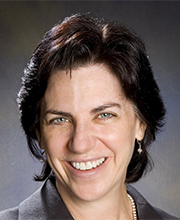 Jo Shapiro合作论文数2
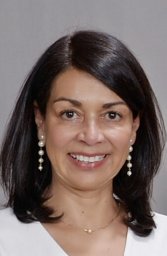 Ana Cristina Lindsay合作论文数Department of Nutrition, Harvard School of Public Health2
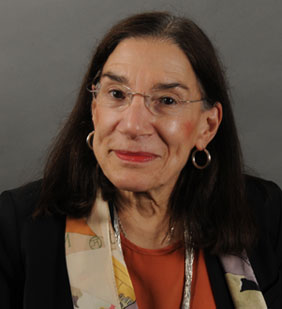 Laura Hayman合作论文数Department of Nursing, Manning College of Nursing and Health Sciences, University of Massachusetts Boston2




