Determining the biotic factors most responsible for the formation and stability of soil organic matter (SOM) is critical for understanding soil carbon storage in the wake of shifts in forest composition. We investigated the relative contributions of plant and microbial residues to SOM fractions in temperate forest stands dominated by arbuscular or ectomycorrhizal trees, and exposed to simulated N deposition. Using a Bayesian mixing model informed by stable isotope data, we partitioned contributions of plants, saprotrophic fungi and mycorrhizal fungi to particulate and mineral-associated organic matter fractions under contrasting tree-mycorrhizal dominance. Additionally, we explored bacterial and fungal contributions to both fractions using amino sugar biomarkers extracted from the same soils. Overall, ectomycorrhizal-dominated stands differed from arbuscular mycorrhizal-dominated stands in their particulate and mineral-associated organic matter distributions and sources. Carbon and nitrogen isotope analysis revealed that particulate organic matter was dominated by plant residues in both ectomycorrhizal (76%) and arbuscular mycorrhizal stands (59%), with greater plant contributions occurring in topsoil (0-15 cm) relative to subsoil (15-30 cm). In contrast, mineral-associated organic matter was dominated by fungal residues, with mycorrhizal residues contributing most in ectomycorrhizal stands (58%) and saprotrophic residues in arbuscular mycorrhizal stands (55%). Amino sugar analyses showed that contributions of fungi exceeded those of bacteria by several-fold in both SOM fractions. Under nitrogen deposition, microbial contributions slightly increased in arbuscular mycorrhizal stands, suggesting enhanced SOM turnover, whereas plant inputs increased in the particulate fraction in ectomycorrhizal stands. Collectively, our results highlight the key influence of tree-mycorrhizal dominance on the distribution and composition of SOM fractions, with consequences for soil carbon storage in temperate forests.
Solar-induced chlorophyll fluorescence (SIF) is commonly used to monitor photosynthetic responses to drought, but the SIF-photosynthesis relationship remains unclear due to the complex interactions between the quantum yield of photochemistry (IP) and fluorescence (IF), which reflect physiological energy partitioning and are indirectly influenced by structural factors through changes in absorbed light. To address this gap, we investigated the leaf angle distribution (LAD) shifts operating light regimes across leaves in sugar maple and white oak saplings, and how these shifts influence the apparent covariation between IP and IF across leaves using a growth-chamber drought experiment. By integrating classical techniques with remote sensing methods, we found that accounting for variation in LAD and absorbance made the apparent IP-IF covariation across leaves more linear. Changes in LAD altered the operating light regime across leaves, resulting in a more linear positive apparent relationship between IP and IF (from not significant to R2 = 0.6). Additionally, we observed that the conductance of the Cytochrome b6f complex to linear electron flow covaried with IF under drought and high light conditions (R2 = 0.82). Our findings suggest that considering both physiological and structural changes provides a more comprehensive understanding of the SIF-photosynthesis relationship under drought stress, particularly in relation to light energy partitioning. Focusing on only one aspect, either physiological or structural, can lead to an incomplete understanding of the mechanisms driving quantum yield relationships at the canopy scale and limit our ability to leverage SIF products to monitor how ecosystems are responding to changing environmental conditions.
Despite decades of research, the associations between plants and their mycorrhizal fungi remain poorly understood. In ecosystems with a mix of arbuscular mycorrhizal (AM) and ectomycorrhizal (EM)-associated trees, tree species richness and tree mycorrhizal association may shape mycorrhizal fungal communities and below-ground processes. Utilizing a long-term biodiversity-ecosystem function experiment at the Smithsonian Environmental Research Center (SERC), we investigated how tree species richness (1, 4, 12 species) and tree mycorrhizal association (AM, EM, mixed) influence the diversity and composition of the soil microbiome. We further assessed how above- and below-ground taxonomic and functional diversity influence soil characteristics. We hypothesized that soil microbial communities would be more strongly driven by tree mycorrhizal association than tree species richness and that both tree mycorrhizal association and fungal diversity would affect soil characteristics. Tree mycorrhizal type influenced EM fungal richness, diversity and turnover more strongly than tree species richness, with tree mycorrhizal association effects on turnover 2.4 times greater. Conversely, tree species richness led to a significant increase in AM hyphal length, while AM fungal relative abundance was linked to mycorrhizal association. Neither tree species richness nor tree mycorrhizal association directly impacted soil characteristics. Instead, shifts in fungal diversity and composition affected soil characteristics. 3. AM fungal richness was positively associated with acid phosphatase (AP) extracellular enzyme activity (EEA), whereas AM fungal hyphal lengths were positively associated with N-acetyl-glucosaminidase (NAG) EEA. The AP EEA was negatively correlated with inorganic phosphate (PO43-) concentrations in soils whereas NAG EEA was positively correlated with inorganic nitrate (NO3-). 4. Shifts in the composition of saprotrophic and pathogenic fungi correlated with soil organic carbon (SOC) stocks, suggesting SOC decomposition rate, rather than accumulation, drove carbon storage in these plots. Synthesis. By jointly manipulating tree species richness and tree mycorrhizal association, we demonstrated that mycorrhizal associations drive EM fungal diversity and composition and AM fungal abundance while indirectly influencing soil characteristics via below-ground microbiomes. As global change alters plant and fungal diversity and guild structure, understanding the universality of these above- and below-ground linkages will be critical for predicting ecosystem-level responses.
Plant roots are primary drivers of soil organic matter dynamics, mediating belowground carbon (C) inputs, stabilization, and losses. Yet, how global changes such as rising temperatures and altered nitrogen (N) availability interact to affect these dynamics has rarely been tested empirically in the field. Here, we quantify how inputs to soil organic matter from fine-root production, root exudates, and root-associated fungi respond to long-term (16 years) soil warming (+5°C), nitrogen (N) enrichment (+5 g N m-2 year-1), and their combination in a temperate hardwood forest. Warming alone reduced root-derived C inputs by 21% and increased microbial respiration by 46%, resulting in a net soil C loss of 135 g C m-2 year-1. In contrast, N enrichment increased root-derived soil organic carbon (SOC) accumulation by 47% and reduced root respiration by 40%, contributing to a near-neutral soil C balance. When combined, warming × N addition increased root-derived SOC fourfold (from 70 to 281 g C m-2 year-1), fully offsetting warming-induced C losses and maintaining soil C stocks at control levels. Root-derived SOC accumulation was positively related to fine-root production (r2 = 0.42) and to maple:oak exudate ratios (r2 = 0.31), highlighting species-specific control over C stabilization. These findings demonstrate that interacting global change factors can have balancing effects on root C allocation and microbial losses, highlighting soil N availability as a critical control determining whether warming accelerates SOC depletion or stabilizes new root-derived C.
Soil organic carbon (SOC) plays an essential role in carbon sequestration and climate change mitigation in forest ecosystems. While experimental studies have shown that plant diversity usually increases SOC, it remains unclear whether this positive relationship holds in natural ecosystems across varying climatic conditions. Using a global dataset of 15 large and long-term monitored natural forest sites spanning a wide latitudinal range, we assess the relationship between tree diversity and SOC within and across sites in temperate, subtropical, and tropical regions. We found an overall positive relationship between tree taxonomic diversity and SOC. The relationships between tree taxonomic or functional diversity and SOC became stronger under colder and more arid conditions. Additionally, tree functional composition was linked to SOC only within a subset of sites in more arid climates. These findings suggest that warmer and more humid conditions increase decomposition, offsetting diversity-driven carbon inputs, while colder and more arid conditions enhance SOC through low decomposition and increased inputs through abiotic facilitation and biotic interactions in high-diversity communities. Our findings indicate that conserving plant diversity is critical for enhancing carbon sequestration and mitigating the effects of climatic conditions, particularly in cold climates and regions facing an increase in arid conditions.
Abstract Diverging community responses of plants and microbes to global change have the potential to disrupt ecosystem function and resiliency. Saltwater intrusion and sea level rise (SWISLR) threaten coastal ecosystems and are associated with multiple stressors—salinization, alkalinization, and inundation. However, how plant and microbial communities respond in tandem to these environmental changes remains uncharacterized. We sought to determine which SWISLR stressor(s)—salinity, pH, or elevation (inundation risk)—best predict plant and microbial community turnover (change in species composition) and richness and to investigate whether community shifts are correlated or divergent in coastal wetlands. We sampled three transects within the Albemarle‐Pamlico Peninsula, North Carolina, USA, reflecting gradients of SWISLR. Along the transects, we characterized vegetation and sampled soils for microbial and chemical composition. We found that pH was an equally, if not more, important predictor of community turnover and richness than salinity, but that plant and microbial communities had distinct changes associated with SWISLR stressors. We identified more microbial indicator taxa associated with changes in pH than either salinity or elevation, and community turnover of plant and microbial communities across salinity gradients was parallel, but diverged across pH. Soil alkalinization associated with SWISLR may be a more powerful and accurate predictor of plant and microbial community change than variation in soil salinity in acidic coastal wetland soils. The distinct plant and microbial community changes we observe across gradients point to potential mismatches in how plant and microbial communities adapt to SWISLR, underscoring the need to assess their responses collectively for a complete understanding of SWISLR impacts on coastal ecosystems.
The global decrease in species diversity from low to high latitudes is among the most robust biogeographic patterns1,2. There is continuing debate on the contribution of conspecific negative density dependence (CNDD) to the latitudinal diversity gradient evident for trees3,4. Theory suggests that CNDD based on pairwise interactions alone is not sufficient to explain the intricacies of diverse communities, because higher-order interactions (HOIs) may greatly modify these interactions5,6. However, there has been a lack of empirical studies investigating how HOIs intertwine with pairwise interactions and how they may contribute to the latitudinal tree diversity gradient. Here we examined both pairwise interactions and HOIs across 32 large permanent forest plots, most in the northern hemisphere. We detected evidence of HOIs in 40% of the 1,543 species-plot combinations for tree growth, and 23% of the 1,340 such combinations for tree survival, with the strength of these interactions declining with latitude. HOIs were found to benefit rare species but disadvantage common species, suggesting a potential mechanism promoting species diversity. This stabilizing effect weakened towards higher latitudes, consistent with the latitudinal tree diversity gradient. Our findings reveal an important interplay between pairwise interactions and HOIs in promoting the latitudinal tree diversity gradient and help to clarify the contribution of CNDD to this biogeographic pattern.
Mycorrhizal fungi are critical plant mutualists that influence nutrient cycling, yet we have an incomplete understanding of factors driving their diversity and function. While it's presumed that diverse host plant communities support diverse mycorrhizal fungal communities, abiotic factors and non-host plants may also be important. We investigated whether ectomycorrhizal fungal (ECMF) communities in soils and roots varied among plots differing in tree and soil properties in three mixed ectomycorrhizal (ECM)-arbuscular mycorrhizal (AM) forests in NY, USA. We used mixed-effects models and multivariate tests to investigate ECMF taxonomic and functional responses to (1) ECM tree dominance, (2) taxonomic and phylogenetic diversity of ECM and AM trees, and (3) soil properties. ECMF taxonomic diversity was most strongly related to ECM tree dominance and the diversity of AM - but not ECM - trees. ECMF functional diversity was mostly related to soil factors and to a lesser extent tree communities. In most cases, soil nitrogen negatively influenced ECMF diversity. Collectively, our results suggest non-host (i.e., AM) tree diversity is associated with increased ECMF diversity, potentially by modifying soil conditions and resource availability. As such, mixed plots dominated by trees associating with different mycorrhizal types may be hotspots for ECMF diversity, with consequences for ecosystem functioning.
Soil microbes aid in the drought tolerance of plants, yet the extent to which a microbial community's previous drought exposure can affect plant responses to contemporary drought is largely unknown. To address this gap using a greenhouse experiment, we planted saplings of three eastern hardwoods (Prunus virginiana, Liriodendron tulipifera, and Quercus rubra) in field soils exposed to experimentally-induced drought or ambient moisture. Then, we altered the watering regime of the pots to induce contemporary drought (or no water stress) and measured several physiological responses. In pots containing soils with no drought history, contemporary drought reduced C assimilation rates, stomatal conductance, and leaf water potential in all tree species, as expected. However, in pots containing soils with a drought history, one species - P. virginiana - was buffered from the effects of contemporary drought, displaying no drought-induced changes in physiology. The buffering effect of the soil drought history treatment also affected soluble sugars, which increased to a lesser degree (in response to contemporary drought) than in soils with no drought history. These effects were not apparent in the other two species. Sterilized soils suggest that the soil drought history effect on some physiological variables in P. virginiana likely resulted from drought-induced responses of soil microbes as opposed to soil physical or chemical changes. Collectively, our results indicate that in addition to plant hydraulic traits, the physiological responses of some tree species to drought may depend, in part, on plant-soil-microbe interactions shaped by past stress exposures.
Root exudation affects soil biogeochemistry profoundly, yet it is rarely quantified in mature, field-grown trees and its controls are poorly understood. We measured rates of carbon (C) exudation in 11 tree species that exhibit divergent root traits, including gymnosperms and angiosperms that associate with either arbuscular mycorrhizal (AM) or ectomycorrhizal (EcM) fungi. Our goal was to explore how tree species, plant functional groups and root traits collectively influence exudation patterns. Species-level differences were modest owing to substantial intraspecific variability (among individuals of the same species). However, three of the four highest exuding species were EcM gymnosperms, which exuded ca. two times more C than the other functional groups. Principle component analysis revealed that relationships between root trait organization and exudation were pronounced in EcM-associated trees but weak or absent in AM-associated trees. In EcM trees, exudation rates were negatively correlated with root tissue density (RTD) and positively correlated with specific root area (SRA) and root diameter, driven largely by gymnosperms. In contrast, exudation in AM trees showed only a weak association with specific root length. Consistent with these findings, mixed-effect models also showed that exudation rates were best explained by a combination of tree-mycorrhizal type, phylogenetic group and SRA, though a large portion of unexplained variation suggests an important role for contemporary environmental and local edaphic conditions. Collectively, our results demonstrate that root exudation is a complex physiological process shaped by interactions among mycorrhizal associations, evolutionary history and root traits, rather than by functional groups or root traits alone. These findings highlight the urgent need for more integrative frameworks and new experimental approaches to incorporate exudation dynamics into plant strategy theory and large-scale ecosystem models.Read the free for this article on the Journal blog.
Abstract Plant–soil feedback (PSF) plays a central role in determining plant community dynamics, yet our understanding of how different combinations of plants and microbes influence PSF remains limited. Plants of different mycorrhizal types often exhibit contrasting PSF outcomes, influencing plant recruitment and spatial structure. Generalizing across plant species based on mycorrhizal type creates the potential to examine broader effects on ecological communities. We review mechanisms contributing to different PSF outcomes between arbuscular mycorrhizal and ectomycorrhizal trees. We focus on how plant and fungal traits that differ between mycorrhizal types interact with pathogenic and saprotrophic microorganisms and nutrient and carbon cycling. Synthesis. Building on this framework, we propose several new research directions. First, mycorrhizal‐induced changes in soils can operate beyond the conspecific level, spilling over from abundant plant species onto less abundant ones. This community‐level ‘mycorrhizal spillover’ is hypothesized to affect PSF in ways that are additive and interactive with conspecific density dependence. Second, we describe how mycorrhizal effects on PSF could structure the way plant communities respond to global change. Third, we discuss how they may influence plant evolution by altering the balance of selection pressures on traits and genes related to pathogen defence and mutualism formation.
Longstanding theories and models classify mineral-associated organic matter as the large ( ~ 60%) but slow-cycling and persistent portion of soil organic matter. Strong physico-chemical interactions and diffusion limitations restrict the turnover of mineral-associated organic matter, allowing carbon and nitrogen bound therein to persist in soil for as long as centuries to millennia. However, mineral-associated organic matter is a chemically and functionally diverse pool with a substantial portion cycling at relatively fast (i.e., minutes to years) timescales. Despite a growing body of evidence for the heterogenous and multi-pool nature of mineral-associated organic matter, we lack consensus on how to conceptualize and directly quantify fast-cycling mineral-associated organic matter and its ecological significance. We demonstrate that the dynamic qualities of fast-cycling mineral-associated organic matter vary based on 1) the chemistry of the mineral particles and organic matter, 2) the complex set of interactions between organic matter and the mineral matrix, and 3) the presence and strength of destabilizing forces that lead to decomposition or loss of mineral-associated organic matter (i.e., plant-microbe interactions, agricultural intensification, and climate change). Finally, we discuss potential implications and research opportunities for how we measure, manage, and model the dynamic subfraction of this otherwise persistent pool of soil organic matter. The dynamic qualities of fact-cycling mineral-associated organic matter depend on chemistry between minerals and organic matter, their interactions, and the destabilizing forces causing decomposition, according to a review of recent studies on mineral-associated organic matter across ecosystems
As droughts become longer and more intense, impacts on terrestrial primary productivity are expected to increase progressively. Yet, some ecosystems appear to acclimate to multiyear drought, with constant or diminishing reductions in productivity as drought duration increases. We quantified the combined effects of drought duration and intensity on aboveground productivity in 74 grasslands and shrublands distributed globally. Ecosystem acclimation with multiyear drought was observed overall, except when droughts were extreme (i.e., ≤1-in-100-year likelihood of occurrence). Productivity losses after four consecutive years of extreme drought increased by ~2.5-fold compared with those of the first year. These results portend a foundational shift in ecosystem behavior if drought duration and intensity increase, from maintenance of reduced functioning over time to progressive and profound losses of productivity when droughts are extreme.
Forest canopy complexity (i.e., the three-dimensional structure of the canopy) is often associated with increased species diversity as well as high primary productivity across natural forests. However, canopy complexity, tree diversity, and productivity are often confounded in natural forests, and the mechanisms of these relationships remain unclear. Here, we used two large tree diversity experiments in North America to assess three hypotheses: (1) increasing tree diversity leads to increased canopy complexity, (2) canopy complexity is positively related to tree productivity, and (3) the relationship between tree diversity and tree productivity is indirect and driven by the positive effects of canopy complexity. We found that increasing tree diversity from monocultures to mixtures of 12 species increases canopy complexity and productivity by up to 71% and 73%, respectively. Moreover, structural equation modeling indicates that the effects of tree diversity on productivity are indirect and mediated primarily by changes in internal canopy complexity. Ultimately, we suggest that increasing canopy complexity can be a major mechanism by which tree diversity enhances productivity in young forests.
Exploring why species of different plant growth forms can coexist in the same forest is critical for understanding the long-term community stability, but is poorly studied from root ecological strategies. The aim of this study was to explore the variation of root functional traits among different growth forms and their distribution patterns in root economics space to clarify how plant growth forms affect the root resource acquisition strategies of co-occurring species in a forest community. We sampled 115 co-occurring species with five growth forms (i.e., trees, shrubs, lianas, herbs and ferns) from a mega-plot (>50 ha) in temperate forest and measured seven root functional traits, including root morphological, anatomical and chemical traits, that are closely associated with root resource foraging and conservation strategies. We found that root specific length (SRL) and tissue density (RTD) showed wider variations than other traits among the five growth forms. Moreover, compared with clade and mycorrhizal type, variations of SRL and RTD were largely attributed to growth forms. Importantly, 115 co-occurring species were separately aggregated by growth forms along the trade-off dimension of SRL and RTD in root economics space, suggesting the diversity in root resource acquisition strategies at a local forest community is linked to plant growth forms. In particular, herbs were concentrated towards the side of high SRL and RN, by contrast, trees, shrubs and ferns were positioned at the side of high RTD and carbon/nitrogen, and lianas were located towards the middle. Diverse root resource acquisition strategies in plant growth forms allow them to occupy specific belowground ecological niches, thereby relieving the competition for the common resource. These findings advance our understanding of the mechanism for maintaining community species coexistence from a below-ground perspective.
Plants both respond to and influence their immediate soil environment, which can yield divergent predictions regarding plant economics and trait coordination. Tree species with high foliar nitrogen (N) resorption efficiency (NRE)—an important N conservation strategy—may invest less carbon (C) belowground to acquire soil-derived N. This “tree perspective” hypothesis predicts a negative relationship between NRE and root production. Alternatively, high NRE reduces litter N concentrations, which can reduce soil N availability, requiring trees to invest more C belowground to get N. This “soil perspective” hypothesis predicts a positive relationship between NRE and root production. We test these hypotheses and then examine how NRE relates to foliar and litter N in three natural forests ( 80–120-year-old trees; 12 species) and one common garden ( 25-year-old trees; 9 species) in the eastern U.S. NRE was weakly and positively related to root production at the common garden, supporting our “soil perspective” hypothesis that litter–soil nutrient feedbacks drive a positive relationship between NRE and root production. There was no relationship between NRE and root production at the natural forest sites, providing no evidence for our “tree perspective” hypothesis, which purports that NRE is negatively related to root production given competition between roots and leaves for C. NRE was positively related to foliar N but negatively related to litter N, illustrating that NRE is an important physiological trait linking aboveground nutrient use with litter–soil nutrient feedbacks. These findings suggest that plant economics and the cost of soil N acquisition contribute to local-scale nutrient cycling in temperate forests.
Despite the importance of mineral-associated organic matter (MAOM) in long-term soil carbon (C) and nitrogen (N) persistence, and the significant contribution of fungal necromass to this pool, the factors controlling the formation of fungal-derived MAOM remain unclear. This study investigated how fungal necromass chemistry, specifically melanin, interacts with soil mineral properties and microbial communities to influence MAOM formation and persistence. We cultured the fungus Hyaloscypha bicolor to produce C-13- and N-15-labeled necromass with varying melanin content (high or low) and incubated it in both live and autoclaved soils collected from six Indiana forests that differed in their clay and iron oxide (FeOx) content. After 38 days, we found that seven times more fungal-derived N was incorporated into MAOM than fungal-derived C, with fungal N comprising 20 % of the MAOM-N pool. Low melanin necromass formed more MAOM-C than high melanin necromass, although site-level differences in overall MAOM formation were substantial. Soil clay and FeOx content were strong predictors of MAOM formation, explaining similar to 60 % and similar to 68 % of the variation in MAOM-C and MAOM-N, respectively. However, microbial communities also significantly influenced MAOM formation, with MAOM-C formation enhanced and MAOM-N formation reduced in autoclaved soils. Furthermore, the relative abundance of fungal saprotrophs was negatively correlated, and bacterial richness was positively correlated with MAOM formation, and these relationships were influenced by necromass melanin content. Collectively, this study reveals that microbial communities and soil properties interactively mediate the incorporation of fungal necromass C and N into MAOM, with microbes differentially influencing C and N incorporation, and these processes being further modulated by necromass melanization.
Root carbon (C) exudation plays a central role in nutrient acquisition, microbially mediated organic matter decomposition and many other critical ecosystem processes. While it is well known that roots respond strongly to belowground resources, we have a limited quantitative understanding about C allocation to exudates and its fate in soil under changing water availability. This review synthesizes the importance of exudate C fluxes, summarizes studies quantifying mass-specific exudation rate (SER), total exudation rate (TER) and root exudate fraction (REF; the proportion of TER in a plant's C allocation), examines drought effects and highlights key research priorities to advance the understanding of C allocation to exudates in forest ecosystems. On average, SER is often <1 mg C gdry root-1 day-1, TER is 3.8 Pg C year-1 and REF varies between 1 and 17% of net primary production. Spatiotemporal variations in exudation, including seasonal and daily patterns and subsoil exudation, remain critical knowledge gaps. We show that many studies report a 1.2- to 11-fold increase in SER and REF in response to drought. However, TER often remains unchanged, suggesting that absolute exudate C inputs to the soil may stay constant under drought conditions. Disentangling the individual impacts of soil and air drought as well as drought legacy impacts on ecosystem C dynamics are overlooked aspects. By estimating the differences in rhizosphere formation and exudation across various forest biomes, we find that exudate-affected soil volumes are highest in tropical forests and lowest in boreal forests. While current research emphasizes significant C allocation from the canopy to soil via exudates, understanding exudation dynamics and biome-specific responses to drought by using standardized protocols is essential. Expanding these insights is critical for comprehending the role of root exudates in soil organic matter formation, ecosystem resilience and adaptation to climate change.
While forest degradation persists across many regions, restoration efforts have predominantly targeted aboveground carbon, often overlooking critical belowground ecosystem functions. Plant-mycorrhizal associations - key connectors between aboveground and belowground biodiversity - can help to enhance both carbon storage and forest multifunctionality; yet their explicit integration into restoration frameworks remains limited. By synthesizing recent advancements, we highlight the role of plant-mycorrhizal diversity in enhancing soil carbon pools and supporting multiple ecosystem functions. By examining evidence-based restoration cases, we propose a framework linking plant-mycorrhizal associations to sustainably restore resilient and multifunctional forest ecosystems. Incorporating the functional traits of plant-mycorrhizal associations into restoration strategies provides a pathway to effectively address the interconnected biodiversity and climate crises.
Forest composition is changing, yet the consequences for terrestrial carbon cycling are unclear. In the eastern United States, water-demanding "mesophytic" tree species are replacing "xerophytic" oaks (Quercus spp.) and hickories (Carya spp.), raising concerns that forest productivity will become increasingly sensitive to more frequent and severe drought conditions predicted for the region. However, we have a limited understanding of the extent to which the mortality risk of xerophytes versus mesophytes is coordinated with their growth sensitivity during drought. Here, we evaluated growth and mortality dynamics for 20 abundant eastern United States tree species following a severe drought in the summer of 2012. We synthesized data from ~4500 forest inventory plots and used an approach that quantified relative drought responses between co-located trees to minimize impacts from environmental heterogeneity. We found that mesophytes were just as likely to perish as co-occurring xerophytes but were more sensitive to drought in terms of diminished growth. These findings suggest that xerophytic decline is likely to lead to reduced carbon uptake during drought and that management efforts to conserve oak-hickory stands will be decisive to sustain the carbon mitigation potential of these forests. However, we also found that growth-mortality relationships differed between functional groups. Among xerophytes, growth and survival during drought were decoupled. Among mesophytes, there was a high degree of coordination, where species that experienced greater mortality also experienced greater growth reductions. Therefore, mesophytes with high growth sensitivity to water deficits are likely to be the most vulnerable to drought-driven die-off events moving forward.
 Brzostek Edward R合作论文数Dept Biol, West Virginia Univ31
 Kimberly A. Novick合作论文数Nicholas School of the Environment and Earth Sciences, Duke University30
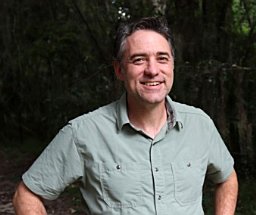 Daniel J Johnson合作论文数Department of Biology, Indiana University17
 Keith Clay合作论文数Department of Biology, The College of Arts & Sciences, Indiana University Bloomington;Roger Thayer Stone Center for Latin American Studies, Tulane University;School of Science & Engineering, Tulane University17
 Joshua Fisher合作论文数Schmid College of Science and Technology, Chapman University14
 Norman A Bourg合作论文数14
 Adrien Claude Finzi (Adrien Finz)合作论文数Department of Biology, Boston University13
 James A Lutz合作论文数College of Natural Resources and the Ecology Center, Utah State University13
 Songlin Fei合作论文数Natural Resources Spatial Analysis Laboratory, Purdue University;Department of Forestry and Natural Resources, College of Agriculture, Purdue University13
 Sean M. Mcmahon合作论文数University of Tennessee12
 William J. McShe合作论文数Smithsonian Conservation Biology Institute12
 Robert W. Howe合作论文数Cofrin Center for Biodiversity;University of Wisconsin-Green;Cofrin Center for Biodiversity, University of Wisconsin-Green11
 Benjamin N. Sulman合作论文数Department of Atmospheric and Oceanic Sciences, University of Wisconsin-Madison11
 Amy T. Wolf合作论文数Cofrin Center for Biodiversity, University of Wisconsin-Green Bay11Jill Thompson合作论文数10
 Craig Matthew E合作论文数Department of Biology, Augustana College10
 Justin T. Maxwell合作论文数Dept Geog, Indiana Univ10
 Yadvinder Malhi合作论文数Oxford Martin School, University of Oxford;School of Geography and the Environment, University of Oxford10
 Jess K. Zimmerman (Jess Zimmerman)合作论文数Department of Environmental Sciences, University of Puerto Rico;Institute for Tropical Ecosystem Studies, Faculty of Natural Sciences, University of Puerto Rico10
 Kamil Kral合作论文数10
 Stuart Davies合作论文数Forest Global Earth Observatory, Smithsonian Tropical Research Institute, Smithsonian Institution;Asian School of the Environment, Nanyang Technological University10
 Maria Uriarte合作论文数Dept. of Ecology, Evolution, and Environmental Biology, Columbia University10
 Anuttara Nathalang合作论文数Natl Sci & Technol Dev Agcy, Natl Biobank Thailand9
 Stephen Hubbell合作论文数Department of Ecology and Evolutionary Biology, University of California, Los Angeles;Institute of the Environment & Sustainability, University of California, Los Angeles;Smithsonian Tropical Research Institute, Smithsonian Institution9
 Midgley Meghan G合作论文数9
 Alexandre A de Oliveira合作论文数Departamento de Ecologia Geral, Instituto de Biociências, Universidade de São Paulo;Instituto Nacional de Pesquisas da Amazônia;Departamento de Ecologia, Universidade de São Paulo9Sarayudh Bunyavejchewin合作论文数9
 Andrew J Larson合作论文数College of Forest Resources;University of Washington;College of Forest Resources, University of Washington9
 David Kenfack合作论文数Missouri Botanical Garden9
 Gregory S. Gilbert合作论文数Smithsonian Tropical Research Institute;Environmental Studies Department, University of California, Santa Cruz9
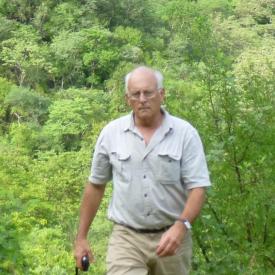 Geoffrey Parker合作论文数Smithsonian Environmental Research Center9
 David Alan Orwig合作论文数8
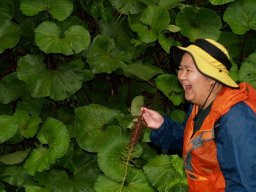 Sandra Yap合作论文数Far Eastern Univ8
 Duncan Thomas合作论文数Oregon State Univ, Dept Bot & Plant Pathol, Corvallis, OR 97331 USA8
 César Terrer合作论文数Stanford Univ, Dept Earth Syst Sci, Stanford, CA 94305 USA8
 steven a kannenberg合作论文数 Indiana University, Bloomington, IN, 47405 USA8
 Min Cao (曹敏)合作论文数Xishuangbanna Tropical Botanical Garden, Chinese Academy of Sciences8
 Lawren Sack合作论文数Institute of the Environment & Sustainability, University of California, Los Angeles;Department of Ecology and Evolutionary Biology, University of California, Los Angeles8
 Fangliang He (何芳良)合作论文数Department of Renewable Resources, Faculty of Agricultural, Life and Environmental Science, University of Alberta;School of Life Sciences, Sun Yat-sen University;East China Normal University8
 Stephanie Kivlin合作论文数Department of Ecology and Evolutionary Biology, University of California8
 Warren Y Brockelman合作论文数8
 Jonathan Myers合作论文数Department of Biology, Faculty of Arts & Sciences, Washington University in St. Louis8Rebecca Ostertag合作论文数Department of Biology, University of Hawaii at Hilo8
 Christian P. Giardina合作论文数Pacific Southwest Research Station, Institute of Pacific Islands Forestry8
 Susan Cordell合作论文数USDA Forest Service Institute of Pacific Islands8
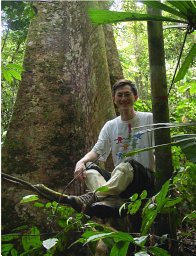 I Fang Sun合作论文数Center for Tropical Ecology and Biodiversity, Tunghai University8Jean-Remy Makana合作论文数7
 Xiangcheng Mi (米湘成)合作论文数Institute of Botany, Chinese Academy of Sciences7
 Shirong Liu (刘世荣)合作论文数Chinese Academy of Forestry7




