INTRODUCTION: Neurofibromatosis type 2 (NF2) patients develop spinal neoplasms. Determining indications for spine surgery remains challenging, as localization of spine related symptoms can be confounded by intracranial or peripheral neuropathology. Additionally, patient selection must be balanced with pre-existing comorbidities NF2 incurs with the goal to maintain or improve quality of life. METHODS: Seventy-nine patients were enrolled retrospectively based upon NF2 diagnosis and radiographic presence of spine tumors from three tertiary academic centers. Demographic data, clinical findings, treatment course, and spine tumor pathology were collected for all patients. RESULTS: Forty-eight percent of patients received spine surgery (38/79, 48.1%). Patients undergoing spine surgery had lower age of symptom onset (15.4 vs. 25.6, p = 0.015), increased cervical (4.2 vs 2.4, p = 0.005) and overall spine tumor burden (10.3 vs 6.2, p < 0.001) and presence of neck (9 vs 1, p = 0.006) and radicular pain (8 vs 1, p = 0.012). Over a quarter of our patients received BEV (25/79, 31.6%), with majority experiencing symptom onset before age 20 (17/19, 89.5%). Schwannoma was the most common BEV-treated pathology. Only one patient experienced worsening of tumor burden at one year while on BEV, and five patients required spine surgery after receiving BEV. CONCLUSIONS: NF2 patients who require spine surgery typically present at younger ages with large cervical spine tumor burden and associated symptomology. It is crucial that surgery-associated demographics and symptomology are identified. BEV was utilized in patients with aggressive, early-onset spine disease. Further, BEV halted spine disease progression in all patients except one, with minimal additional spine surgery required. Its ability to slow aggressive, NF2-associated spine tumors should be considered for clinical trial.
PDF file - 60K, Analysis for MCMV DNA and RNA in muscle and connective tissue in mice infected with MCMV at 4 weeks of age.
PDF file - 102K, A) Tumor age, location and type in MCMV-infected vs. Mock Trp53+/- mice. B)Summary of RMS patients' histopathology
Abstract Cytomegalovirus (CMV) has been detected in several human cancers, but it has not proven to be oncogenic. However, recent studies have suggested mechanisms through which cytomegalovirus may modulate the tumor environment, encouraging its study as a positive modifier of tumorigenesis. In this study, we investigated the effects of cytomegalovirus infection in Trp53 heterozygous mice. Animals were infected with murine cytomegalovirus (MCMV) after birth at 2 days (P2) or 4 weeks of age and then monitored for tumor formation. Mice injected at 2 days of age developed tumors at a high frequency (43%) by 9 months of age. In contrast, only 3% of mock-infected or mice infected at 4 weeks developed tumors. The majority of tumors from P2 MCMV–infected mice were pleomorphic rhabdomyosarcomas (RMS) harboring MCMV DNA, RNA, and protein. An examination of clinical cases revealed that human RMS (embryonal, alveolar, and pleomorphic) harbored human cytomegalovirus IE1 and pp65 protein as well as viral RNA. Taken together, our findings offer support for the hypothesis that cytomegalovirus contributes to the development of pleomorphic RMS in the context of Trp53 mutation, a situation that occurs with high frequency in human RMS. Cancer Res; 72(22); 5669–74. ©2012 AACR.
PDF file - 131K, Generation of Trp53+/- mice; Human samples; Virus preparation; HCMV in situ hybridization; HCMV DNA PCR and RT-PCR; Other statistical analysis
Cervical total disc replacement (CTDR) has gained popularity over the last 2 decades. It is a motion-preserving option to ACDF and is becoming more popular with patients and surgeons alike. Understanding complications that are unique to CTDR is crucial to performing successful, durable surgery. Careful patient selection and meticulous surgical technique are key to reducing complications associated with the surgery. Patient's should be followed closely after surgery with routine flexion/extension x-rays for early detection of any complications that may occur. Most complications can be observed with close follow-up. However, it is incumbent on the surgeon to recognize when revision surgery is necessary.
AbstractPurpose: Glioblastoma (GBM) is one of the deadliest cancers with no cure. While conventional MRI has been widely adopted to examine GBM clinically, accurate neuroimaging assessment of tumor histopathology for improved diagnosis, surgical planning, and treatment evaluation remains an unmet need in the clinical management of GBMs. Experimental Design: We employ a novel diffusion histology imaging (DHI) approach, combining diffusion basis spectrum imaging (DBSI) and machine learning, to detect, differentiate, and quantify areas of high cellularity, tumor necrosis, and tumor infiltration in GBM. Results: Gadolinium-enhanced T1-weighted or hyperintense fluid-attenuated inversion recovery failed to reflect the morphologic complexity underlying tumor in patients with GBM. Contrary to the conventional wisdom that apparent diffusion coefficient (ADC) negatively correlates with increased tumor cellularity, we demonstrate disagreement between ADC and histologically confirmed tumor cellularity in GBM specimens, whereas DBSI-derived restricted isotropic diffusion fraction positively correlated with tumor cellularity in the same specimens. By incorporating DBSI metrics as classifiers for a supervised machine learning algorithm, we accurately predicted high tumor cellularity, tumor necrosis, and tumor infiltration with 87.5%, 89.0%, and 93.4% accuracy, respectively. Conclusions: Our results suggest that DHI could serve as a favorable alternative to current neuroimaging techniques in guiding biopsy or surgery as well as monitoring therapeutic response in the treatment of GBM.
The authors describe 2 cases of triventricular hydrocephalus initially presenting as aqueductal stenosis that subsequently developed tumors of the pineal and tectal region. The first case resembled late-onset idiopathic aqueductal stenosis on serial imaging. Subsequent imaging revealed a new tumor in the pineal region causing mass effect on the midbrain. The second case presented in a more typical pattern of aqueductal stenosis during infancy. On delayed follow-up imaging, an enlarging tectal mass was discovered. In both cases hydrocephalus was successfully treated by cerebrospinal fluid diversion prior to tumor presentation. The differential diagnoses, diagnostic testing, and treatment course for these unusual cases are discussed. The importance of follow-up MRI in cases of idiopathic aqueductal stenosis is emphasized by these exemplar cases.
Addition of 4-1BB in third-generationCARs improves expansion, but this modification alone was insufficient for CD28-4-1BBz CARs to treat tumors without prior host lymphodepletion. CARs deficient in Lck signaling, however, significantly retarded tumor growth in immune-intact mice without prior lymphodepletion, and this was dependent on inclusion of 4-1BB in CAR design. To determine if deficient Lck signaling altered CAR vulnerability to Tregs, we lymphodepleted mice and transferred CARs 6 Tregs. Cotransfer was sufficient to abrogate the efficacy of CD28-4-1BBz CARs, whereas the efficacy of xCD28-4-1BBz CARs remained unperturbed.
Alveolar soft part sarcoma (ASPS) is an exquisitely rare sarcoma of unknown histogenesis, with a predilection for adolescents and young adults, characterized by slow progressive clinical course and high frequency of metastases. They are traditionally chemoresistant with very limited treatment options in the metastatic setting. Human cytomegalovirus (HCMV) is a DNA β-herpes virus and it is characterized by persistent lifelong and latent infection. There is growing evidence to indicate the presence of HCMV proteins and nucleic acids in glioblastoma, medulloblastoma, rhabdomyosarcoma, and a variety of solid organ malignancies of the breast, prostate, lung, and colon at very high prevalence. Immunotherapy-based clinical trials targeting specific cytomegalovirus proteins are currently in progress in the treatment of glioblastoma. Herein, we evaluated for the presence of HCMV proteins (IE1 and pp65), genes (US28 and UL96), and RNA in a cohort of ASPS. Six confirmed cases of ASPS were retrieved and full thickness sections of formalin-fixed paraffin-embedded material were stained for anti-HMCV-IE1 and anti-HCMV-pp65. Any nuclear and/or cytoplasmic staining was considered positive. DNA was purified from 50 µm of formalin-fixed paraffin-embedded material. One hundred nanogram of DNA was amplified using polymerase chain reaction for primers specific to HCMV-US28 (forward: AGCGTGCCGTGTACGTTAC and reverse: ATAAAGACAAGCACGACC) and HCMV-UL96 (forward: ACAGCTCTTAAAGGACGTGATGCG and reverse: ACCGTGTCCTTCAGCTCGGTTAAA) using Promega Taq polymerase. HCMV in situ hybridization was performed. All 6 cases of ASPS were positive for both HCMV-IE1 and HCMV-pp65. Usable DNA was available in 4 of the 6 cases. HCMV-US28 gene was found in 75% (3/4) of cases and HCMV-UL96 gene was detected in 50% (2/4) of cases. Importantly, all cases tested positive for at least 1 gene. HCMV-encoded RNA was identified in 80% (4/5) of cases. The presence of HCMV DNA, RNA along with HCMV protein indicates that HCMV is present in ASPS and may contribute to its pathogenesis.
To study the controversial role of cytomegalovirus (CMV) in glioblastoma, we assessed the effects of murine CMV (MCMV) perinatal infection in a GFAP-cre; Nf1(loxP/+); Trp53(-/+) genetic mouse model of glioma (Mut3 mice). Early on after infection, MCMV antigen was predominantly localized in CD45+ lymphocytes in the brain with active viral replication and local areas of inflammation, but, by 7 weeks, there was a generalized loss of MCMV in brain, confirmed by bioluminescent imaging. MCMV-infected Mut3 mice exhibited a shorter survival time from their gliomas than control Mut3 mice perinatally infected with mock or with a different neurotropic virus. Animal survival was also significantly shortened when orthotopic gliomas were implanted in mice perinatally infected with MCMV versus controls. MCMV infection increased phosphorylated STAT3 (p-STAT3) levels in neural stem cells (NSC) harvested from Mut3 mice subventricular zone, and, in vivo, there was increased p-STAT3 in NSCs in MCMV-infected compared with control mice. Of relevance, human CMV (HCMV) also increased p-STAT3 and proliferation of patient-derived glioblastoma neurospheres, whereas a STAT3 inhibitor reversed this effect in vitro and in vivo. These findings thus associate CMV infection to a STAT3-dependent modulatory role in glioma formation/progression in the context of tumor suppressor mutations in mice and possibly in humans.
The Polycomb Repressor Complex (PRC) is an epigenetic regulator of transcription whose action is mediated by 2 protein complexes, PRC1 and PRC2. PRC is oncogenic in glioblastoma, where it is involved in cancer stem cell maintenance and radioresistance.We used a set of glioblastoma patient samples, glioma stem cells, and neural stem cells from a mouse model of glioblastoma. We characterized gene/protein expression and cellular phenotypes by quantitative PCR/Western blotting and clonogenic, cell-cycle, and DNA damage assays. We performed overexpression/knockdown studies by lentiviral infection and microRNA/small interfering RNA oligonucleotide transfection.We show that microRNA-128 (miR-128) directly targets mRNA of SUZ12, a key component of PRC2, in addition to BMI1, a component of PRC1 that we previously showed as a target as well. This blocks the partially redundant functions of PRC1/PRC2, thereby significantly reducing PRC activity and its associated histone modifications. MiR-128 and SUZ12/BMI1 show opposite expression in human glioblastomas versus normal brain and in glioma stemlike versus neural stem cells. Furthermore, miR-128 renders glioma stemlike cells less radioresistant by preventing the radiation-induced expression of both PRC components. Finally, miR-128 expression is significantly reduced in neural stem cells from the brain of young, presymptomatic mice in our mouse model of glioblastoma. This suggests that loss of miR-128 expression in brain is an early event in gliomagenesis. Moreover, knockdown of miR-128 expression in nonmalignant mouse and human neural stem cells led to elevated expression of PRC components and increased clonogenicity.MiR-128 is an important suppressor of PRC activity, and its absence is an early event in gliomagenesis.
Over the last decade, cytomegalovirus (CMV) has been suggested to promote the development of glioblastoma multiforme (GBM). Recent evidence demonstrates that CMV contributes to the progression of GBM in the context of oncosuppressor gene mutations. This finding provides further insights into the mechanisms whereby CMV exacerbates the malignancy of GBM.
Abstract Recently several groups have demonstrated cytomegalovirus (CMV) protein and DNA in a large majority of glioblastomas (GBMs), though the exact role of CMV in tumors remains controversial. Although CMV is capable of activating several oncogenic pathways, it has never been shown to be a transforming virus. Because of this, we hypothesize that CMV infection can modify the rate of gliomagenesis in the context of genetic mutations known to predispose to tumor formation. To test this, we used the Smith strain mouse CMV (MCMV) to infect Mut3 (GFAP-cre; Nf1loxP/+; Trp53-/+) mice that develop normally but eventually develop spontaneous gliomas at an adult age After intraperitoneal viral inoculation, mice exhibited multisystemic infection throughout the body, including the brain. Mut3 mice infected perinatally (103 plaque forming units) developed gliomas significantly sooner than mock-infected Mut3 mice. MCMV-infected mice developed GBMs (WHO grade IV) at a higher rate than less severe tumors, whereas, mock-infected mice developed less severe gliomas (WHO grade III). Since MCMV preferentially infected the neural stem cell (NSC) niche, an area shown to generate gliomas, we interrogated changes in signaling in this population via microarray of cultured NSCs in MCMV- versus Mock-infected mice. Ingenuity Pathway Analysis identified a PDGF-B network as the highest scoring differentially regulated network between MCMV-and Mock-infected neurospheres. In vitro infection of mouse tumorspheres and human GBM tumorspheres with CMV validated the observed upregulation of PDGF-B, a molecule shown to cause gliomas de novo. Additionally, in vitro infection of human glioma stem cells with HCMV (Towne strain) or exogenous PDGF-B activated STAT3, a key regulator of gliomas. In mice infected with MCMV, PDGF-B is upregulated in CA2/3 neurons and STAT3 is activated in the subventricular zone and dentate gyrus suggesting a paracrine effect of MCMV-induced PDGF-B. Also, infected human brain tumor stem cells demonstrated an increase in proliferation via flow cytometry. Taken together, our data suggest that CMV in gliomas may accelerate GBM progression by activating PDGF-B/STAT3 signaling in the NSC population. Citation Format: {Authors}. {Abstract title} [abstract]. In: Proceedings of the 103rd Annual Meeting of the American Association for Cancer Research; 2012 Mar 31-Apr 4; Chicago, IL. Philadelphia (PA): AACR; Cancer Res 2012;72(8 Suppl):Abstract nr 4815. doi:1538-7445.AM2012-4815
 E. Antonio Chiocca合作论文数Department of Neurosurgery, Brigham and Women's Hospital;Institute for the Neurosciences, Brigham and Women's Hospital;Harvard Medical School;Center for Neuro-oncology, Dana-Farber Cancer Institute22
 Chang-Hyuk Kwon合作论文数17
 Katherine Bingmer合作论文数14
 Charles H. Cook合作论文数Beth Israel Deaconess Medical Center;Harvard Medical School14
 Lualhati E Harkins合作论文数10O. Hans Iwenofu合作论文数9Christopher E. Pelloski合作论文数9
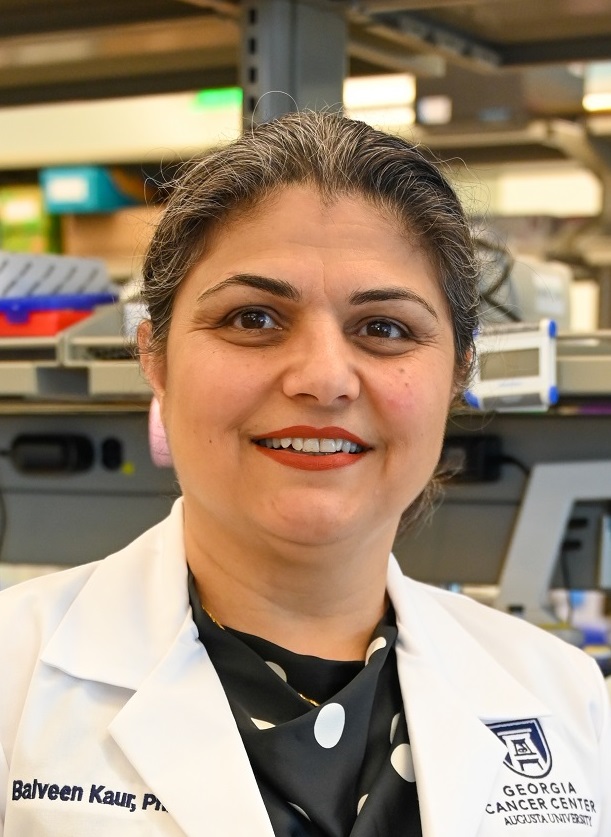 Balveen Kaur合作论文数Department of Pathology, Medical College of Georgia, Augusta University;Georgia Cancer Center, Augusta University;Department of Neurosurgery, The University of Texas Health Science Center at Houston8Song Jieun合作论文数Dardinger Neuro-oncology Center, Ohio State University;Solid Tumor Program, the James Comprehensive Cancer Center;Center for Biostatistics, Ohio State University;Department of Radiation Oncology, Ohio State University;Department of Internal Medicine, Ohio State University;Department of Molecular and Cellular Biochemistry, Ohio State University Wexner Medical Center;Ohio State University, Ohio State University7Ji-Yeun Yi合作论文数4Andreana Rivera合作论文数4
 Soledad Fernández合作论文数College of Public Health, The Ohio State University;Department of Biomedical Informatics, College of Medicine, The Ohio State University4
 Michal Nowicki合作论文数3
 Michael Oglesbee合作论文数Infectious Diseases Institute, The Ohio State University;Department of Veterinary Biosciences, College of Veterinary Medicine, The Ohio State University;Center For Retrovirus Research, The Ohio State University3
 Christopher Alvarez-Breckenridge合作论文数3Chunyu Song合作论文数2Pete Zimmerman合作论文数2Joshua Lin合作论文数2
 Zezhong Ye合作论文数2Xiran Liu合作论文数Inst Computat & Math Engn, Stanford Univ2
 Anthony Wu合作论文数2
 Sam E. Gary合作论文数2
 Diane D Mao合作论文数Washington Univ, Sch Med, Dept Neurol Surg, St Louis, MO 63130 USA2
 Yan Wang合作论文数Corning Incorporated2QingSong Yang (阳青松)合作论文数2
 Todd Hollon合作论文数MLiNS Lab, Department of Neurosurgery, Medical School, University of Michigan;Michigan Institute for Data Science, University of Michigan2
 Ruimeng Yang (杨蕊梦)合作论文数Department of Radiology, The Second Affiliated Hospital, South China University of Technology2
 Sonika Dahiya合作论文数Dept Pathol & Immunol, Washington Univ2Wallendorf Michael J合作论文数2
 Rowland Han合作论文数2
 Sean Lawler合作论文数Department of Pathology and Laboratory Medicine, Brown University2
 Michael Caligiuri合作论文数Division of Leukemia, Department of Hematology & Hematopoietic Cell Transplantation, City of Hope National Medical Center2Jianhua Yu合作论文数2
 Jr-Shin Li合作论文数The Preston M. Green Department of Electrical & Systems Engineering, McKelvey School of Engineering, Washington University in St. Louis;The Roy and Diana Vagelos Division of Biology & Biomedical Sciences, Washington University in St. Louis2
 Albert H. Kim合作论文数Department of Neurology and Neurological Surgery, Washington University School of Medicine2Min Wei合作论文数2
 Jian L. Campian合作论文数Mayo Clinic Comprehensive Cancer Center;Department of Oncology, Mayo Clinic2
 Wilson Z. Ray合作论文数Department of Neurosurgery, Washington University School of Medicine2
 Sheng-Kwei (Victor) Song合作论文数Department of Radiology, Washington University School of Medicine;Mallinckrodt Institute of Radiology, Washington University School of Medicine2P. Zimmerman合作论文数1H. Duale合作论文数1A. Rivera合作论文数1L. Parada合作论文数1Christopher E Mandigo合作论文数1Kazuo Okemoto合作论文数1Travis S CreveCoeur合作论文数1Amy Haseley合作论文数1
 Ichiro Nakano合作论文数Department of Optometry and Vision Science, University of Alabama at Birmingham;School of Medicine, University of Alabama at Birmingham1Colleen T. Curley合作论文数1




