As the global population ages, especially in low- and middle-income countries, there is an urgent need to rethink how health in older age is understood and addressed. Frailty has long served as a clinical construct to identify vulnerability and guide tailored, specialist care for older people. In 2015, the World Health Organisation introduced the concept of intrinsic capacity (IC) as part of its healthy ageing framework, offering a structured, capacity-based approach to promote functional ability. While conceptually distinct, frailty and IC are complementary. Frailty highlights the need for specialised care in complex cases, whereas IC supports early intervention and prevention across broader populations. This paper explores their differences, areas of overlap and how their integration can support a continuum of care that spans primary to specialist settings. Integrating these concepts connects prevention, health promotion and complex care management. By aligning clinical and public health perspectives, the combined use of frailty and IC offers a holistic, person-centred approach to care system transformation, with the potential to drive coordinated strategies that strengthen both geriatric practice and public health across diverse populations.
Government policies targeting key risk factors for cognitive decline are potential levers for preventing or delaying dementia. Policy is therefore a central component of the exposome-the cumulative exposures shaping dementia risk across the life course. While extensive research links individual risk factors to dementia, less attention has been paid to how public policies structure these risks. We introduce the concept of the policy exposome and summarize findings from a structured expert consultation conducted by the Gateway Exposome Coordinating center (GECC) to identify priority policy research domains. We argue that systematic collection and harmonization of policy data across countries and sub-national regions can enable causal research on dementia. We propose a tiered research framework to guide policy data collection, prioritizing education, tobacco and alcohol control, air pollution, and old-age social assistance. Using tobacco control as a case study, we illustrate how policies can be operationalized as exposures linkable to dementia outcomes.
Background: The development and integration of geriatric medicine into national health care systems vary widely across countries. While a robust care workforce requires providers from several disciplines, including nursing, social sector, rehabilitation, psychiatry, neurology, and others, a strong core of highly qualified geriatricians is essential to delivering older person-centred and integrated care. The number and professional profile of geriatricians, along with the status of the specialty, are important to informing efforts to reshape health care systems in response to the global ageing scenario. Methods: WHO developed and distributed a structured questionnaire to representatives of national geriatrics and gerontology societies beginning in March 2025. The survey collected data on the status of the geriatric medicine specialty, including its formal recognition at the country level, the estimated number of practising geriatricians, and information on training curricula, professional environments, and systemic challenges. Results: A total of 48 national societies completed the survey. Recognition of geriatric medicine ranged widely, from full specialty status in some countries to subspecialty or non-recognition in others. The number of practicing geriatricians per 100,000 persons aged 60 years and older ranged from <0.1 to >30 across countries, illustrating marked workforce disparities and some severe shortages. Where the geriatric medicine specialty is formally available, pre-service training durations ranged from 24 to 96 months. Geriatricians worked in diverse settings, though integration into primary care and public health was limited. Training in and exposure to geriatric medicine principles during undergraduate and postgraduate medical training were minimal in many countries. Key challenges included workforce shortages, fragmentation of care, and undervaluation of the speciality's role in informing health care for older people. Strategic priorities reported by respondents included investment in training, policy development, and institutional support. Conclusions: The survey highlights disparities in geriatric medicine across countries and identifies several challenges and priorities. Strengthening education, policy, and workforce development is essential to meet the needs of ageing populations and support healthy ageing worldwide. At the same time, countries should also think of innovative approaches and building capacity of existing other health occupations to improve geriatric care. Future updates of this survey will provide longitudinal insights into workforce evolution. These findings provide a global evidence base to guide workforce planning and policy under the United Nations Decade of Healthy Ageing (2021-2030).
Understanding population trajectories of psychological capacities can guide interventions to protect and enhance them across the life course. We conducted an umbrella review of systematic reviews examining the trajectories of a wide range of psychological capacity measures. Searches were performed in MEDLINE, EMBASE, PsycINFO, the Cochrane Database of Systematic Reviews and Google Scholar (11 December 2023 and 26 June 2025). Thirty-six reviews synthesizing 1,307 primary studies were included. Here we show that most reviews focused on depression, anxiety and trauma-related symptoms, with stable low-symptom trajectories being most common. Being a girl/woman and socioeconomic disadvantage were frequent risk factors, while social support emerged as protective. We found a comparative lack of reviews focused on less common mental-health conditions, positive outcomes and older adults. Future reviews should engage with a robust quality assessment of the analytical approach used and the (lack of) geographical and sociodemographic diversity in the primary studies included. Similarly, more evidence on the Global South and on minoritized and marginalized groups within populations is needed. The protocol is pre-registered in PROSPERO (CRD42023490490).
Early life adversity is a recognised risk factor for poor health in later life, but its relationship with allostatic load (AL; a measure of cumulative physiological stress) remains underexplored across populations around the world. This study builds evidence to test a life course approach to AL using harmonised data from six longitudinal ageing cohorts: Health and Retirement Study (US, N=2,427), English Longitudinal Study of Ageing (England, N=2,038), The Irish Longitudinal Study on Ageing (Ireland, N=8,184), Survey of Health Ageing and Retirement in Europe (Europe, N=4,079), China Health and Retirement Longitudinal Study (China, N=5,220), and Indonesia Family Life Survey (Indonesia, N=1,243). Childhood information at aged ten to sixteen was collected retrospectively from adults aged 65 on average. An AL score is constructed using biomarker data and a latent construct of early life adversity constructed to address recall bias. Results show that early life poverty is significantly associated with raised AL in Ireland, China, and Indonesia, supporting the impact of early life experiences on older adulthood. However, studies from other countries do not confirm statistical significance. These findings document that experiencing poverty during development phase in some settings is associated with higher AL in later life, however further analyses are required to explore possible variations across different populations and their social and economic context. These results add further evidence that social determinants of health, including child poverty, in some settings, contribute to cumulative physiological stress across the life course, and that policies and actions to reduce child poverty can have beneficial effects not only as children, but also as older adults.
Population aging represents one of the most significant social transformations of our time, with profound implications for health systems, social protection, and intergenerational solidarity. By 2050, 1 in 6 people globally will be aged 60 years or older, with the fastest growth occurring in low- and middle-income countries least prepared to respond. Alongside demographic shifts, sociocultural transitions-urbanization, changing family structures, and increased women's labor participation-are fundamentally altering traditional caregiving arrangements. The COVID-19 pandemic exposed with devastating clarity the consequences of neglected long-term care (LTC) systems. The United Nations has recognized LTC as a global public health priority, establishing it as 1 of 4 action areas under the UN Decade of Healthy Ageing (2021-2030). Building on a decade of normative work-including the LTC System Framework and the LTC Service Package-World Health Organization is now advancing the development of Global Standards for LTC, with a consultation draft released in May 2026 and currently open for public input. The proposed standards address interconnected domains spanning foundational principles; service delivery across home, community, and residential settings; health and care workforce; support for unpaid carers; governance; financing; and quality monitoring. This article describes the strategic approach to strengthening LTC systems globally, presents the evolving Global LTC Standards framework, and outlines pathways for clinicians, researchers, policymakers, and civil society to engage in shaping these standards. The implications extend across practice, policy, and research-offering opportunities to advance quality, equity, and sustainability in LTC worldwide.
BACKGROUND:Cognitive capacity and function affect daily activities, independence, and overall well-being across the life course. OBJECTIVE:To map and synthesise evidence on interventions that measured cognitive capacity at any life stage across the life course from Cochrane and Campbell systematic reviews. DESIGN:Mapping review. METHODS:The Cochrane and Campbell libraries were searched up to 1 May 2024 for systematic reviews of interventions that measured cognitive capacity across all ages. Data on interventions and outcomes were coded using the International Classification of Function and the International Classification of Health Interventions. We coded for equity characteristics using PROGRESS-Plus. Methodological quality was assessed with AMSTAR2. RESULTS:We included 34 Campbell and 31 Cochrane reviews, with over half (55%) rated as high quality. Most reviews (80%) included studies from high-income countries, with only 12% including studies from low-income countries. Of the 30 reviews that planned a subgroup analysis across equity characteristics, only eight did so. Most reviews included multiple age groups (63%), but none evaluated differences in cognitive outcomes across more than two age categories. Practical support interventions (60%) and intellectual function outcomes (51%) were most common; however, the interventions and outcomes varied at different life stages, reflecting a focus on development in younger ages and on maintaining cognitive function or prevention of decline in older ages. CONCLUSION:This work highlights the need for a comprehensive life course approach to cognitive interventions, incorporating equity considerations and age-appropriate outcome measures.
As people age, they are more likely to develop chronic diseases, experience physical and mental impairments, and face social issues. This complexity makes traditional research protocols challenging, leading to the exclusion of older individuals in clinical trials (CTs) and limiting the applicability of evidence-based medicine, especially in low- and middle-income countries (LMICs). A scoping review of the literature (based on PubMed, Embase, and Scopus) was conducted to identify recommendations to improve the methodology of CTs involving older persons. The findings were then shared with a panel of researchers with expertise in older adult research in LMICs, who assessed and refined the recommendations for implementation in low-resource settings. After screening more than 4,700 articles, 80 were retained as relevant, providing 1,119 inputs on the design and conduct of CTs in older persons. These inputs were homogenised into 120 recommendations and organised into 13 clusters representing different phases and aspects of a CT. Key recommendations, enriched from experts' input, indicate the importance of addressing various barriers that hinder older persons' participation in CTs in LMICs, such as poor funding, inadequate age-friendly facilities, ageism, transportation issues, and the need for standardised terminology and culturally sensitive assessment tools. CTs involving older individuals face unique challenges. Effective methodologies and innovative approaches are essential for generating scientific evidence that informs clinical practice and promotes healthy ageing. The present work highlights the need for practical, inclusive strategies to navigate the complexities of conducting CTs in older adults.
Intrinsic capacity (IC), which comprises all physical and mental capacities of individuals, is a key component in the World Health Organization’s healthy aging framework. A validated IC measure is lacking in India, the most populous country in the world. The aim of this study is to develop an IC measure in older Indian adults using 60,591 participants aged ≥45 years from the Longitudinal Ageing Study in India. Confirmatory factor analysis incorporated 14 items of cognitive, locomotor, psychological, sensory and vitality capacities in a bifactor structure and estimated IC scores (range 0–100). The mean score was 69.7 (95
WHO aims to identify metrics to monitor the quality of dying, complementing those indicators proposed under the UN Decade of Healthy Ageing. However, the proposed criteria for a good death are contentious. Needs and priorities vary between individuals and their carers, across conditions, over time, and across communities and cultures. Monitoring should also consider sudden or rapid deaths and assisted dying. Fundamental challenges in data collection include who reports, over what timeframe, and when. This Personal View explores these challenges, identifying potentially measurable indicators and ambiguities in their use, and offers recommendations towards a practical measurement framework. We aimed to define a concise, meaningful, and pragmatic set of indicators that could be collected and applied universally across countries and over time. We define a logic model of candidate variables at different conceptual levels and describe an empirical exercise for prioritising and operationalising these variables for measurement.
Humanitarian emergencies, including wars, forced displacements, sudden onset disasters, and pandemics, disproportionately affect older persons. This scoping review aims to map and synthesise existing studies on the care needs of older persons in such contexts, emphasising needs directly reported by the older persons themselves. A literature search was conducted on PubMed and EMBASE, focusing on qualitative studies that reported care needs of older persons in the context of humanitarian crises. The initial search yielded 4,409 articles, which were reduced to a final list of 27 articles after screening titles and abstracts, as well as an in-depth evaluation of full texts. The needs and priorities retrieved from the articles were clustered, taking into account the preparedness, response, and recovery phases of humanitarian crises to which they referred. Overall, findings indicated a broad spectrum of priorities reported by older persons. In particular, it was highlighted that the management of chronic conditions and functional impairments drove care needs. Furthermore, environmental barriers (including limited access to tailored information and inadequate transportation) and social issues (e.g., the need for support from others, disconnection from family, community, and cultural ties, and financial problems) are significant hurdles for older adults during crises. Unfortunately, qualitative studies reporting the perspectives of older people in the context of humanitarian crises still present substantial limitations, for which further research is required. Gathering evidence on the needs of older persons in humanitarian crises is essential. The scarcity of reliable data often results in their needs being overlooked during emergencies, leading to inadequate support.
The World Health Organization (WHO) defines healthy ageing as the process of developing and maintaining functional ability, comprising an individual's intrinsic capacity, the environment and the interaction of the two. The framework is based on a positive approach to ageing, giving value to the resources individuals can rely upon as they age and that they can build their physical, mental and social health, and overall well-being. To promote healthy ageing, it is important to understand better the biological mechanisms underlying this phenomenon from this positive perspective. Our knowledge about cellular processes that drive human ageing has increased dramatically, with current evidence identifying 12 hallmarks of ageing. Dysbiosis is one of these and is broadly defined as a 'deranged microbiological composition in and on the human body'. It is often measured by quantitatively and qualitatively evaluating the bacterial species in the gut. A major feature of dysbiosis and other markers of ageing is that these focus on age-related impairments, contributing to the onset of adverse outcomes over time rather than highlighting features that promote healthy ageing. Scientific literature addressing the hallmarks of healthy ageing, including those potentially positively affecting intrinsic capacity, is lacking. To this end, we propose the concept of gut eubiosis, the homeostatic state of commensal gut bacteria and their metabolites, as proof of concept, serving as a hallmark of healthy ageing. Importantly, this work adopts a life course approach to explore how a person's intrinsic capacities evolve with gut microbiota modifications at different life stages.
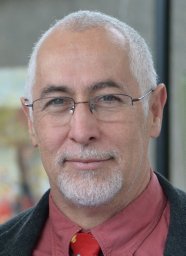 Colin Mathers合作论文数WHO19
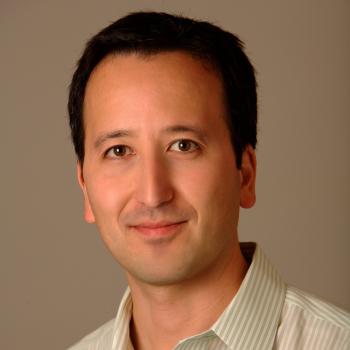 Joshua Salomon合作论文数Freeman Spogli Institute for International Studies, Stanford University;Department of Health Policy, School of Medicine, Stanford University16
 AT Jotheeswaran合作论文数14
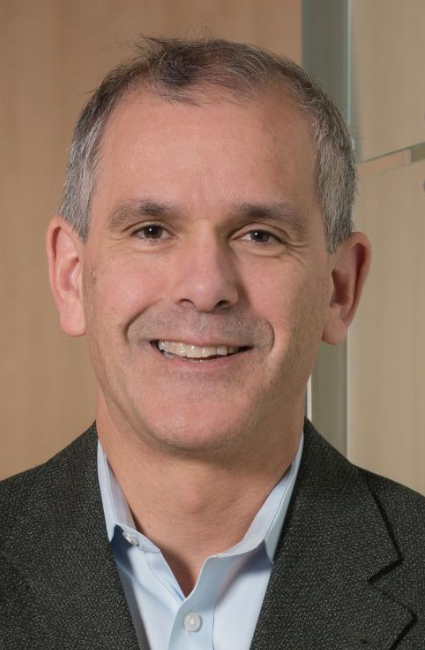 Christopher J.L. Murray合作论文数School of Public Health, University of Washington;Department of Health Metrics Sciences, School of Medicine, University of Washington;Institute for Health Metrics and Evaluation, University of Washington12
 Ajay Tandon合作论文数Harvard School of Public Health, Harvard University11Anshu Banerjee合作论文数9
 Somnath Chatterji合作论文数Department of Health Statistics and Information Systems, World Health Organization9
 Alan D. Lopez合作论文数School of Population Health, University of Queensland;Institute for Health Metrics and Evaluation, University of Washington9
) Matteo Cesari合作论文数Dipartimento di Scienze Cliniche e di Comunita, Università degli Studi di Milano;Geriatric Unit, IRCCS Istituti Clinici Scientifici Maugeri9
Matteo Cesari合作论文数Dipartimento di Scienze Cliniche e di Comunita, Università degli Studi di Milano;Geriatric Unit, IRCCS Istituti Clinici Scientifici Maugeri9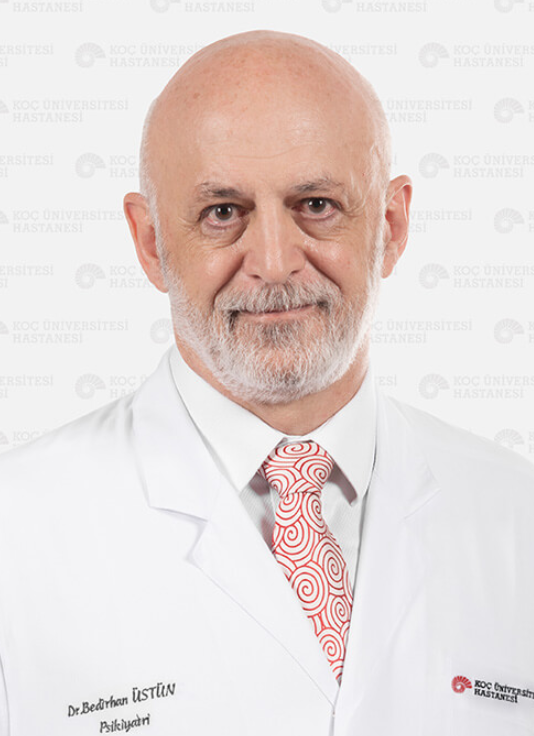 Bedirhan Ustun合作论文数Department of Psychiatry, Koç University Hospital8
 Alex Voorhoeve合作论文数Department of Philosophy, London School of Economics and Political Science/School of Public Policy, London School of Economics and Political Science 6
 Trygve Ottersen合作论文数Department of Global Public Health and Primary Care, University of Bergen6
 Matthew Prina合作论文数Department of Health Service and Population Research, School of Mental Health & Psychological Sciences, Institute of Psychiatry, Psychology & Neuroscience, King’s College London6
 Guillermo Paraje合作论文数6
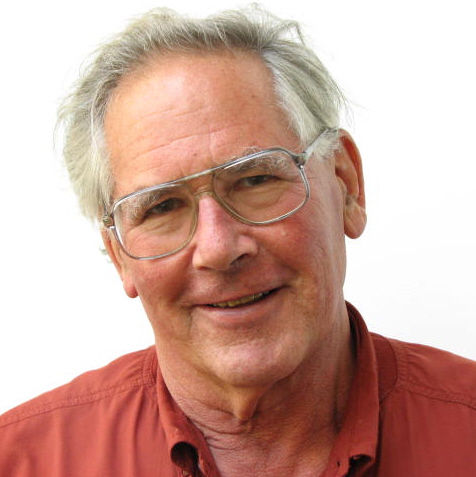 Norman Daniels合作论文数Harvard T.H. Chan School of Public Health6
 Toby Ord合作论文数Faculty of Philosophy, University of Oxford6Ole Frithjof Norheim合作论文数6Alena Petrakova合作论文数5
 Walter Flores合作论文数Ctr Study Equ & Governance Hlth Syst CEGSS, Ciudad De Guatemala, Guatemala5
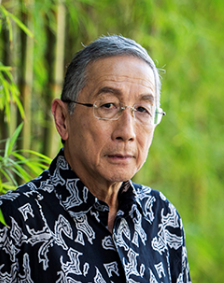 Tikki Pangestu合作论文数Lee Kuan Yew School of Public Policy, National University of Singapore;Department of Medicine, Yong Loo Lin School of Medicine, National University of Singapore5
 Daniel Wikler合作论文数Harvard T.H. Chan School of Public Health, Harvard University5
 Shlomi Segall合作论文数Department of Politics;Hebrew University of Jerusalem;Department of Politics, Hebrew University of Jerusalem5piroska ostlin合作论文数4daniel hausman合作论文数4
 Paul Kelly合作论文数Moray House School of Education and Sport, The University of Edinburgh4
 Özaltin Emre合作论文数4
 Ronald Labonté合作论文数School of Epidemiology and Public Health, Faculty of Medicine, University of Ottawa4Sen Gita合作论文数4
 Officer Alana合作论文数4
 Jennifer Mary Popay合作论文数Division of Health Research, Lancaster University4Carla Saenz合作论文数4
 Ted Schrecker合作论文数Faculty of Medicine and Institute of Population Health, University of Ottawa4
 Ziba Vaghri合作论文数4CJL Murray合作论文数3jonathon lavalley合作论文数3Erik Blas合作论文数3gita sen合作论文数3
 Marco Canevelli合作论文数3bonah chitah合作论文数3valorie whetung合作论文数3Frehiwot Berhane Berhane Defaye合作论文数3catherine graham合作论文数3Christine Mathew合作论文数3Yuka Sumi合作论文数3
 Ghassan Karam合作论文数3Alexander P. Christensen合作论文数3
 Vivian Welch合作论文数School of Epidemiology and Public Health, Faculty of Medicine, University of Ottawa;Centre for Global Health, Bruyère Research Institute, University of Ottawa;Bruyere Research Institute3
 Carles Muntaner合作论文数School of Public Health, University of Toronto3
 Lucy Gilson合作论文数Departement Openbare Gesondheld en Huisartskunde, School of Public Health and Family Medicine, University of Cape Town/School of Public Health, Faculty of Community and Health, University of the Western Cape3




