We lack comparative information on the scope and types of different substances used by women patients of community health centers (CHCs) in high- and medium-income countries, which is fundamental to adapting Screening, Brief Intervention, and Referral to Treatment (SBIRT) programs. This study analyzes and compares the prevalence proportions and characteristics related to the substance use of a total of 3623 women patients ages 18 and older, who attended eight CHCs located in the cities of Tijuana, Mexico and Los Angeles (LA), U.S. A gender-sensitive analysis based on the Behavioral Model for Vulnerable Populations’ Predisposing, Enabling and Need (PEN) characteristics and use of substances was performed. Risky substance (tobacco, alcohol and any drug) use was higher in LA than in Tijuana. The PEN analysis was useful for identifying care needs associated with substance use. The results are relevant for the planning of SBIRT programs targeting women patients of CHCs in countries with different income levels.
Background: Hospitals utilize three ideal type models for governing relationships with their physicians: the traditional medical staff, strategic alliances, and employment. Little is known about how these models impact physician alignment. Purpose: The study compares the level of physician–hospital alignment across the three models. Approach: We used survey data from 1,895 physicians in all three models across 34 hospitals in eight systems to measure several dimensions of alignment. We used logistic equations to predict survey nonresponse and differential physician selection into the alliance and employment models. Controlling for these selection effects, we then used multiple regression to estimate the effects of alliance and employment models on alignment. Results: Physicians in employment models express greater alignment with their hospital on several dimensions, compared to physicians in alliances and the traditional medical staff. There were no differences in physician alignment between the latter two models. Conclusions: Employment models promote greater alignment on some (but not all) dimensions, controlling for physician selection. The impact of employment on alignment is not large, however. Practice Implications: Hospitals and accountable care organizations that rely on employment may achieve higher physician alignment compared to the other two models. It is not clear that the gain in alignment is worth the cost of employment. Given the small impact of employment on alignment, it is also clear that they are not identical. Hospitals may need to go beyond structural models of integration to achieve alignment with their physicians.
Background: QUIT is the only primary care-based brief intervention that has previously shown efficacy for reducing risky drug use in the United States (Gelberg et al., 2015). This pilot study replicated the QUIT protocol in one of the five original QUIT clinics primarily serving Latinos. Design: Single-blind, two-arm, randomized controlled trial of patients enrolled from March-October 2013 with 3 month follow-up. Setting: Primary care waiting room of a federally qualified health center (FQHC) in East Los Angeles. Participants: Adult patients with risky drug use (4-26 on the computerized WHO ASSIST): 65 patients (32 intervention, 33 control); 51 (78%) completed follow-up; mean age 30.8 years; 59% male; 94% Latino. Interventions and measures: Intervention patients received: 1) brief (typically 3-4 minutes) clinician advice to quit/reduce their risky drug use, 2) video doctor message reinforcing the clinician's advice, 3) health education booklet, and 4) up to two 20-30 minute follow-up telephone drug use reduction coaching sessions. Control patients received usual care and cancer screening information. Primary outcome was reduction in number of days of drug use in past 30 days of the highest scoring drug (HSD) on the baseline ASSIST, from baseline to 3 month follow-up. Results: Controls reported unchanged HSD use between baseline and 3-month follow-up whereas Intervention patients reported reducing their use by 40% (p < 0.001). In an intent-to-treat linear regression analysis, intervention patients reduced past month HSD use by 4.5 more days than controls (p < 0.042, 95% CI: 0.2, 8.7). Similar significant results were found using a complete sample regression analysis: 5.2 days (p < 0.03, 95% CI: 0.5, 9.9). Additionally, on logistic regression analysis of test results from 47 urine samples at follow-up, intervention patients were less likely than controls to test HSD positive (p < 0.05; OR: 0.10, 95% CI: 0.01, 0.99). Conclusions: Findings support the efficacy of the QUIT brief intervention for reducing risky drug use.
Purpose: Little is known about how permanent supported housing influences ambulatory care received by homeless persons. To fill this gap, we compared diagnoses treated in VA Greater Los Angeles (VAGLA) ambulatory care between Veterans who are formerly homeless—now housed/case managed through VA Supported Housing (“VASH Veterans”)—and currently homeless. Methods: We performed secondary database analyses of homeless-experienced Veterans (n = 3631) with VAGLA ambulatory care use from October 1, 2010 to September 30, 2011. We compared diagnoses treated—adjusting for demographics and need characteristics in regression analyses—between VASH Veterans (n = 1904) and currently homeless Veterans (n = 1727). Results: On average, considering 26 studied diagnoses, VASH (vs currently homeless) Veterans received care for more ( P < .05) diagnoses (mean = 2.9/1.7). Adjusting for demographics and need characteristics, VASH Veterans were more likely ( P < .05) than currently homeless Veterans to receive treatment for diagnoses across categories: chronic physical illness, acute physical illness, mental illness, and substance use disorders. Specifically, VASH Veterans had 2.5, 1.7, 2.1, and 1.8 times greater odds of receiving treatment for at least 2 condition in these categories, respectively. Among participants treated for chronic illnesses, adjusting for predisposing and need characteristics, VASH (vs currently homeless) Veterans were 9%, 8%, and 11% more likely to have 2 or more visits for chronic physical illnesses, mental illnesses, and substance use disorder, respectively. Conclusion: Among homeless-experienced Veterans, permanent supported housing may reduce disparities in the treatment of diagnoses commonly seen in ambulatory care.
Fear of violent crime is common among adolescents in urban settings; however, little is known about individual- and neighborhood-level determinants of fear. A generalized ordered logit model was used to analyze individual- and neighborhood-level variables among 2474 adolescents. Seeing violence significantly reduced the probability of feeling unafraid, as did higher levels of social disorder. The more block faces where police were visible, the higher the probability of feeling unafraid and lower the probability of feeling very afraid. Reducing fear could affect more people than just reducing crime. Fear-reduction strategies should target those most at risk of becoming fearful.
Objectives: Integration of behavioral health including substance use problems into primary care is an essential benefit that federally qualified health centers (FQHCs) will offer as part of the Affordable Care Act. This study explores FQHC primary care clinicians' beliefs and practices regarding illicit drug use assessment and treatment.Methods: We administered a 10-minute questionnaire to 68 primary care clinicians of 5 FQHCs in Los Angeles.Results: Clinicians expressed limited confidence in their ability to address patients' illicit drug use, scoring on average 3.31 on a 5-point Likert scale. Two thirds reported that they assess for drug use routinely "at every visit'' and/or "at annual visits.'' When asked how often they counsel regarding drug use (on a 5-point Likert scale from "never'' to "always''), the median response was 4 ("usually''). Regarding their perspectives on the best practical resource for addressing drug use in their clinics, 45.6% named primary care clinicians. A minority (29.4%) of clinicians had completed a clinical rotation dealing with substance use, and 27.2% reported receiving more than 10 hours of training regarding substance use problems. Having a substance use rotation was associated with greater confidence in drug use assessment and treatment (P < 0.01). More hours of substance use training was associated with greater confidence (P = 0.01) and routinely addressing substance use in their patients (P = 0.04).Conclusions: Although two thirds of the surveyed clinicians assess for drug use routinely, and on average, report that they usually address drug use, clinicians' confidence in substance use care seems to be suboptimal, but both confidence and routinely addressing substance use are associated with increased substance use education. Improving clinicians' training and integrating drug use care in FQHCs may improve confidence in substance use care and facilitate the Affordable Care Act's mandate to integrate behavioral health into routine FQHC primary care.
OBJECTIVES:Existing studies of disparities in access to oral health care for underserved populations often focus on supply measures such as number of dentists. This approach overlooks the importance of other aspects of the dental care delivery system, such as personal and practice characteristics of dentists, that determine the capacity to provide care. This study aims to assess the role of such characteristics in access to care of underserved populations.METHODS:We merged data from the 2003 California Health Interview Survey and a 2003 survey of California dentists in their Medical Study Service Areas (MSSAs). We examined the role of overall supply and other characteristics of dentists in income and racial/ethnic disparities in access, which was measured by annual dental visits and unmet need for dental care due to costs.RESULTS:We found that some characteristics of MSSAs, including higher proportions of dentists who were older, white, busy or overworked, and did not accept public insurance or discounted fees, inhibited access for low-income and minority populations.CONCLUSIONS:These findings highlight the importance of monitoring characteristics of dentists in addition to traditional measures of supply such as licensed-dentist-to-population ratios. The findings identify specific aspects of the delivery system such as dentists' participation in Medicaid, provision of discounted care, busyness, age, race/ethnicity, and gender that should be regularly monitored. These data will provide a better understanding of how the dental care delivery system is organized and how this knowledge can be used to develop more narrowly targeted policies to alleviate disparities.
AIMS:To assess the effect of a multi-component primary care delivered brief intervention for reducing risky psychoactive drug use (RDU) among patients identified by screening.DESIGN:Multicenter single-blind two-arm randomized controlled trial of patients enrolled from February 2011 to November 2012 with 3-month follow-up. Randomization and allocation to trial group were computer-generated.SETTING:Primary care waiting rooms of five federally qualified health centers in Los Angeles County (LAC), USA.PARTICIPANTS:A total of 334 adult primary care patients (171 intervention; 163 control) with RDU scores (4-26) on the World Health Organization (WHO) Alcohol, Smoking and Substance Involvement Screening Test (ASSIST) self-administered on tablet computers. 261 (78%) completed follow-up. Mean age was 41.7 years; 62.9% were male; 37.7% were Caucasian.INTERVENTION(S) AND MEASUREMENT:Intervention patients received brief (typically 3-4 minutes) clinician advice to quit/reduce their drug use reinforced by a video doctor message, health education booklet and up to two 20-30-minute follow-up telephone drug use coaching sessions. Controls received usual care and cancer screening information. Primary outcome was patient self-reported use of highest scoring drug (HSD) at follow-up.FINDINGS:Intervention and control patients reported equivalent baseline HSD use at 3-month follow-up. After adjustment for covariates, in the complete sample linear regression model, intervention patients used their HSD on 3.5 fewer days in the previous month relative to controls (P<0.001), and in the completed sample model, intervention patients used their HSD 2.2 fewer days than controls (P < 0.005). No compensatory increases in use of other measured substances were found.CONCLUSIONS:A primary-care based, clinician-delivered brief intervention with follow-up coaching calls may decrease risky psychoactive drug use.
Background and aims: To study trends of barriers to receiving recommended eye care among subjects with diabetes aged 20-81 years in northeast Germany.Methods and results: We analyzed population-based data from two repeated cross-sectional surveys conducted in 1997-2001 and 2008-2012 (Ns of 4308 and 4402). Andersen's Behavioral Model of Health Services Utilization was used to identify individual-level demographic, financial and health-related barriers to annual eye-care utilization in subjects with a self-reported physician's diabetes and to examine population trends in these barriers. The prevalence of diabetes increased from 6.5% to 11.4%. The prevalence of annual eye-care utilization among persons with diabetes decreased from 69.4% to 56.0% (adjusted relative risk = 0.77, p < 0.001). The decline of eye care utilization over the past decade in eye-care use was more pronounced in groups at risk for diabetes-related complications (i.e., lower socio-economic status, >5 years since diagnosis of diabetes, poor glycemic control, obesity, smoking, lack of physical activity, co-existing diseases). We identified relevant predictors of missed annual eye-care use among diabetics.Conclusion: The increase of diabetes prevalence and downward trend of eye-care visits at the recommended level call for development, implementation and evaluation of continued efforts to improve access to eye specialists, particularly among those with poor diabetic control, coexisting diabetic complications, and comorbidities. (C) 2015 Elsevier B.V. All rights reserved.
Objective:The Affordable Care Act encourages integration of behavioral health into primary care. We aim to estimate the level of under-reporting of drug use in federally qualified health centers (FQHCs) among self-reported risky drug users.Methods:Adult patients in the waiting rooms of 4 FQHCs who self-reported risky drug use on the screening instrument World Health Organization's Alcohol, Smoking and Substance Involvement Screening Test (score 4-26), who participated in the Quit Using Drugs Intervention Trial, submitted urine samples for drug testing. Under-reporters were defined as patients who denied use of a specific drug via questionnaire, but whose urine drug test was positive for that drug. Descriptive statistics, Pearson chi-square test, and logistic regression were used for analysis.Results:Of the 192 eligible participants, 189 (96%) provided urine samples. Fifty-four samples were negative or indeterminate, yielding 135 participants with positive urine drug tests for this analysis: 6 tested positive for amphetamines, 18 opiates, 21 cocaine, 97 marijuana. Thirty patients (22%) under-reported drug use and 105 (78%) reported drug use accurately. Under-reporting by specific substances was: amphetamines 66%, opiates 45%, cocaine 14%, and marijuana 7%. Logistic regression revealed that under-reporting of any drug was associated with history of incarceration and older age (odds ratios 2.6 and 3.3, respectively; P<0.05).Conclusions:Under-reporting of drug use is prevalent even among self-reported drug users in primary care patients of FQHCs (22%), but varied considerably based on the substance used. Further research is indicated to assess the extent of under-reporting among all primary care patients, regardless of their self-reported drug use status.
O n a single night in 2012, 62,619 veterans experienced homelessness.1 With high rates of illness, as well as alcohol, tobacco, and other drug (ATOD) use among homeless adults, ending veteran homelessness is a signature initiative of the VA.2-4 However, despite increasing efforts to improve health care for homeless individuals, little is known about best practices in homeless-focused primary care.2,5 With an age-adjusted mortality that is 2 to 10 times higher than that of their housed counterparts, homeless veterans pose a formidable challenge for primary care providers (PCPs). The complexity of homeless persons’ primary care needs is compounded by poor social support and the need to navigate priorities (eg, shelter) that compete with medical care.6,8,9 Moreover, veterans may face unique vulnerabilities conferred by military-specific experiences.2,10 As of 2012, only 2 VA facilities had primary care clinics tailored to the needs of homeless veterans. McGuire and colleagues built a system of colocated primary care, mental health, and homeless services for mentally ill veterans in Los Angeles, California.11 Over 18 months, this clinic facilitated greater primary and preventive care delivery, though the population’s physical health status did not improve. More recently, O’Toole and colleagues implemented a homeless-focused primary care clinic in Providence, Rhode Island. Compared with a historical sample of homeless veterans in traditional VA primary care, veterans in this homeless-tailored clinic had greater improvements in some chronic disease outcomes. This clinic also decreased nonacute emergency department (ED) use and hospitalizations for general medical conditions. Despite these promising outcomes, the VA lacked a nationwide homeless-focused primary care initiative. In 2012 the VA Office of Homeless Programs and the Office of Primary Care Operations funded a national demonstration project to create Homeless Patient-Aligned Care Teams (HPACTs)—primary care medical clinics for homeless veterans—at 32 facilities. This demonstration project guided HPACTs to tailor clinical and social services to homeless veterans’ needs, establish processes to identify and refer appropriate veterans, and integrate distinct services. There were no explicit instructions that detailed HPACT structure. Because new VA programs must fit local contextual factors, including infrastructure, space, personnel, and institutional/community resources, different models of homeless-focused primary care have evolved. This article is a case study of HPACTs at 3 of the 32 participating VA facilities, each reflecting a distinct community and organizational context. In light of projected HPACT expansion and concerns that current services are better tailored to sheltered homeless veterDr. Gabrielian, Dr. Gelberg, Dr. Patel, Dr. Manchanda, and Dr. Altman are all at the VA Greater Los Angeles Healthcare System in California. Dr. Gordon, Dr. Broyles, and Mr. Conley are all at the VA Pittsburgh Healthcare System in Pennsylvania. Dr. Gordon and Dr. Broyles also are both at the University of Pittsburgh School of Medicine. Dr. Gelberg and Dr. Altman also are both at the University of California Los Angeles School of Medicine. Dr. Gelberg and Dr. Andersen are both at the University of California Los Angeles School of Public Health. Dr. Campbell is at the University of North Carolina Hospitals. Dr. Kertesz is at the University of Alabama at Birmingham School of Medicine and the Birmingham VA Medical Center.
BACKGROUND:The US Department of Housing and Urban Development (HUD)-VA Supportive Housing (VASH) program-the VA's Housing First effort-is central to efforts to end Veteran homelessness. Yet, little is known about health care utilization patterns associated with achieving HUD-VASH housing.OBJECTIVES:We compare health service utilization at the VA Greater Los Angeles among: (1) formerly homeless Veterans housed through HUD-VASH (HUD-VASH Veterans); (2) currently homeless Veterans; (3) housed, low-income Veterans not in HUD-VASH; and (4) housed, not low-income Veterans.RESEARCH DESIGN:We performed a secondary database analysis of Veterans (n=62,459) who received VA Greater Los Angeles care between October 1, 2010 and September 30, 2011. We described medical/surgical and mental health utilization [inpatient, outpatient, and emergency department (ED)]. We controlled for demographics, need, and primary care use in regression analyses of utilization data by housing and income status.RESULTS:HUD-VASH Veterans had more inpatient, outpatient, and ED use than currently homeless Veterans. Adjusting for demographics and need, HUD-VASH Veterans and the low-income housed Veterans had similar likelihoods of medical/surgical inpatient and outpatient utilization, compared with the housed, not low-income group. Adjusting first for demographics and need (model 1), then also for primary care use (model 2), HUD-VASH Veterans had the greatest decrease in incident rates of specialty medical/surgical, mental health, and ED care from models 1 to 2, becoming similar to the currently homeless, compared with the housed, not low-income group.CONCLUSIONS:Our findings suggest that currently homeless Veterans underuse health care relative to housed Veterans. HUD-VASH may address this disparity by providing housing and linkages to primary care.
Background: The US Department of Housing and Urban Development (HUD)-VA Supportive Housing (VASH) program—the VA's Housing First effort—is central to efforts to end Veteran homelessness. Yet, little is known about health care utilization patterns associated with achieving HUD-VASH housing. Objectives: We compare health service utilization at the VA Greater Los Angeles among: (1) formerly homeless Veterans housed through HUD-VASH (HUD-VASH Veterans); (2) currently homeless Veterans; (3) housed, low-income Veterans not in HUD-VASH; and (4) housed, not low-income Veterans. Research Design: We performed a secondary database analysis of Veterans (n=62,459) who received VA Greater Los Angeles care between October 1, 2010 and September 30, 2011. We described medical/surgical and mental health utilization [inpatient, outpatient, and emergency department (ED)]. We controlled for demographics, need, and primary care use in regression analyses of utilization data by housing and income status. Results: HUD-VASH Veterans had more inpatient, outpatient, and ED use than currently homeless Veterans. Adjusting for demographics and need, HUD-VASH Veterans and the low-income housed Veterans had similar likelihoods of medical/surgical inpatient and outpatient utilization, compared with the housed, not low-income group. Adjusting first for demographics and need (model 1), then also for primary care use (model 2), HUD-VASH Veterans had the greatest decrease in incident rates of specialty medical/surgical, mental health, and ED care from models 1 to 2, becoming similar to the currently homeless, compared with the housed, not low-income group. Conclusions: Our findings suggest that currently homeless Veterans underuse health care relative to housed Veterans. HUD-VASH may address this disparity by providing housing and linkages to primary care.
Background: Improvement in quality of life (QOL) is a long term goal of drug treatment. Although some brief interventions have been found to reduce illicit drug use, no trial among adult risky (moderate non-dependent) drug users has tested effects on health-related quality of life.Methods: A single-blind randomized controlled trial of patients enrolled from February 2011 to November 2012 was conducted in waiting rooms of five federally qualified health centers. 413 adult primary care patients were identified as risky drug users using the WHO-ASSIST and 334 (81% response; 171 intervention, 163 control) consented to participate in the trial. Three-month follow-ups were completed by 261 patients (78%). Intervention patients received the QUIT intervention of brief clinician advice and up to two drug-use health telephone sessions. The control group received usual care and information on cancer screening. Outcomes were three-month changes in the Short Form Health Survey (SF-12) mental health component summary score (MCS) and physical health component summary score (PCS).Results: The average treatment effect (ATE) was non-significant for MCS (0.2 points, p-value = 0.87) and marginally significant for PCS (1.7 points, p-value = 0.08). The average treatment effect on the treated (ATT) was 0.1 (p-value = 0.93) for MCS and 1.9 (p-value = 0.056) for PCS. The effect on PCS was stronger at higher (above median) baseline number of drug use days: ATE = 2.7, p-value = 0.04; ATT = 3.21, p-value = 0.02.Conclusions: The trial found a marginally significant effect on improvement in PCS, and significant and stronger effect on the SF-12 physical component among patients with greater frequency of initial drug use. (C) 2014 Elsevier Ireland Ltd. All rights reserved.
BACKGROUND:Given the increased use of psychoactive substances on the United States-Mexico border, a binational study (Tijuana, Mexico-Los Angeles, USA) was conducted to identify the prevalence of substance use in primary care settings. OBJECTIVES:To compare the prevalence and characteristics of patients at risk for substance use disorders in Tijuana and East Los Angeles (LA) community clinics with special attention paid to drug use. METHODS:This was an observational, cross-sectional, analytical study, comparing substance use screening results from patients in Tijuana and LA. The settings were 2 community clinics in LA and 6 in Tijuana. Participants were 2,507 adult patients in LA and 2,890 in Tijuana eligible for WHO Alcohol, Smoking and Substance Involvement Screening Test (ASSIST) screening during March-October 2013. Patients anonymously self-administered the WHO ASSIST on a tablet PC in the clinic waiting rooms. RESULTS:Of eligible patients, 96.4% completed the ASSIST in Tijuana and 88.7% in LA (mean 1.34 minutes and 4.20 minutes, respectively). The prevalence of patients with moderate-to-high substance use was higher in LA than Tijuana for each substance: drugs 19.4% vs. 5.7%, alcohol 15.2% vs. 6.5%, tobacco 20.4% vs. 16.2%. LA patients born in Mexico had 2x the odds and LA patients born in the United States had 6x the odds of being a moderate-to-high drug user compared to Tijuana patients born in Mexico. CONCLUSIONS:Moderate-to-high drug use is higher in LA than in Tijuana but rates are sufficiently high in both to suggest that screening for drug use (along with alcohol and tobacco use) should be integrated into routine primary care of community clinics in both cities.
This report describes a needs assessment of VA programs for homeless Veterans in Southern California and Nevada, the geographic region with the most homeless Veterans in the nation. The assessment was formulated through key informant interviews. Current service provisions are discussed, along with salient unmet needs for this vulnerable population.
In 2011 and 2012, 147 patients in urban United States Community Health Centers who misused drugs, but did not meet criteria for drug dependence, received a brief intervention as part of a National Institute on Drug Abuse-funded clinical trial of a screening and brief intervention protocol. Potential study participants were identified using the World Health Organization (WHO) Alcohol, Smoking, and Substance Involvement Screening Test. Data gathered during brief interventions were analyzed using grounded theory strategies to identify barriers patients believed inhibited drug use behavior change. Numerous perceived barriers to drug use behavior change were identified. Study implications and limitations are discussed.
 Lillian Gelberg合作论文数Department of Family Medicine, David Geffen School of Medicine, University of California at Los Angeles/Health, University of California at Los Angeles25
 Samuel Bozzette合作论文数School of Global Policy and Strategy, University of California, San Diego25
 WE Cunningham合作论文数21
 Pamela Davidson合作论文数Department of Health Policy and Management Faculty, Fielding School of Public Health, University of California, Los Angeles19
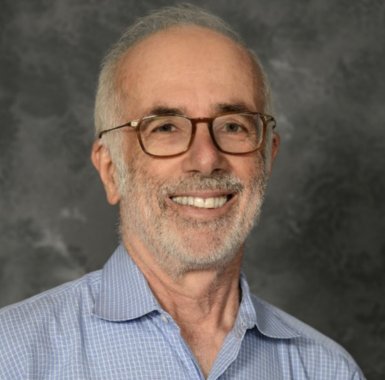 Martin F. Shapiro合作论文数University of California, Los Angeles;Weill Cornell Medical, Cornell University18
 Terry Nakazono合作论文数17MF SHAPIRO合作论文数15
 Ron D. Hays合作论文数Department of Health Policy and Management, Fielding School of Public Health, University of California, Los Angeles;Division of General Internal Medicine and Health Services Research, Department of Medicine, Fielding School of Public Health, University of California, Los Angeles;RAND12John J Gutierrez合作论文数11Carreon Daisy C合作论文数11Barbara Leake合作论文数10
 Sally Morton合作论文数School of Mathematical and Statistical Sciences, College of Liberal Arts and Sciences, Arizona State University;College of Health Solutions, Arizona State University10Amardeep Thind合作论文数10
 Michael Stein合作论文数Health Law, Policy & Management Department, School of Public Health, Boston University10
 William Cunningham合作论文数Department of Psychology, Faculty of Arts and Science, University of Toronto9Crystal Stephen合作论文数9Arangua Lisa合作论文数9
 Neil Wenger合作论文数Division of General Internal Medicine, David Geffen School of Medicine, UCLA9Pamela L Davidson合作论文数9Allen L. Gifford合作论文数9
 Barbara J Turner合作论文数School of Medicine, University of Pennsylvania8
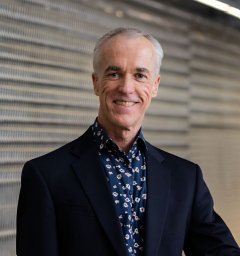 Heslin Kevin C合作论文数Charles R.Drew University of Medicine and Science7Mani Vahidi合作论文数7
 Gerald Kominski合作论文数Department of Health Policy and Management Faculty, Fielding School of Public Health, University of California, Los Angeles6Gabrielian Sonya合作论文数6
 Mitchell Wong合作论文数6
 Sebastian-Edgar Baumeister合作论文数Institute of Health Services Research in Dentistry, Medizinische Fakultät Münster;Faculty of Medicine, University of Münster6Judith A. Stein合作论文数6William E. Cunningham合作论文数6T Nakazono合作论文数5LA ADAY合作论文数5
 Edmond R. Hewlett合作论文数School of Dentistry, University of California, Los Angeles5
 Kathryn A. Atchison合作论文数School of Dentistry, University of California, Los Angeles5
 Honghu Liu合作论文数Department of Biostatistics, Fielding School of Public Health, University of California, Los Angeles5
 Rebecca L. Collins合作论文数RAND Corporation5Marcus Marvin合作论文数5
 Naihua Duan合作论文数Department of Psychiatry, Columbia University Medical Center5
 Steven Asch合作论文数Division of Primary Care and Population Health, School of Medicine, Stanford University;Center of Innovation to Implementation, VA Palo Alto Health Care System5Cathy D. Sherbourne合作论文数5Sally Zierler合作论文数5Katz Mitchell H合作论文数5
 Leo S. Morales合作论文数5
 Suzanne L Wenzel合作论文数5Frank H. Galvan合作论文数5Thomas E. Rams合作论文数5Ian C. Coulter合作论文数5AF Hsiao合作论文数4




