A novel series of substituted 3-[3-(aminopropyl)-4,5,6,7-tetrahydro-1H-indol-2-ylmethylene]-1,3-dihydro-indole-2-ones was discovered as potent inhibitors of the non-receptor tyrosine kinase Src and Yes. A structure-activity relationship was developed in order to optimize their potency and selectivity. Syntheses of these compounds are also described herein.
The hepatocyte growth factor/scatter factor (HGF/SF) receptor, Met, mediates various cellular responses on activation with its ligand, including proliferation, survival, motility, invasion, and tubular morphogenesis. Met expression is frequently up-regulated in sarcomas and carcinomas. Experimental evidence suggests that Met activation correlates with poor clinical outcome and the likelihood of metastasis. Therefore, inhibitors of Met tyrosine kinase may be useful for the treatment of a wide variety of cancers that have spread from the primary site. We have discovered potent and selective pyrrole-indolinone Met kinase inhibitors and characterized them for their ability to inhibit HGF/SF-induced cellular responses in vitro. These compounds inhibit HGF/SF-induced receptor phosphorylation in a dose-dependent manner. They also inhibit the HGF/SF-induced motility and invasion of epithelial and carcinoma cells. Therefore, these compounds represent a class of prototype small molecules that selectively inhibit the Met kinase and could lead to identification of compounds with potential therapeutic utility in treatment of cancers.
The c-Met receptor tyrosine kinase and its ligand, hepatocyte growth factor (HGF), have been implicated in the development and progression of several human cancers and are attractive targets for cancer therapy. PHA-665752 was identified as a small molecule, ATP-competitive, active-site inhibitor of the catalytic activity of c-Met kinase (K(i) 4 nM). PHA-665752 also exhibited >50-fold selectivity for c-Met compared with a panel of diverse tyrosine and serine-threonine kinases. In cellular studies, PHA-665752 potently inhibited HGF-stimulated and constitutive c-Met phosphorylation, as well as HGF and c-Met-driven phenotypes such as cell growth (proliferation and survival), cell motility, invasion, and/or morphology of a variety of tumor cells. In addition, PHA-665752 inhibited HGF-stimulated or constitutive phosphorylation of mediators of downstream signal transduction of c-Met, including Gab-1, extracellular regulated kinase, Akt, signal transducer and activator of transcription 3, phospholipase C gamma, and focal adhesion kinase, in multiple tumor cell lines in a pattern correlating to the phenotypic response of a given tumor cell. In in vivo studies, a single dose of PHA-665752 inhibited c-Met phosphorylation in tumor xenografts for up to 12 h. Inhibition of c-Met phosphorylation was associated with dose-dependent tumor growth inhibition/growth delay over a repeated administration schedule at well-tolerated doses. Interestingly, potent cytoreductive activity was demonstrated in a gastric carcinoma xenograft model. Collectively, these results demonstrate the feasibility of selectively targeting c-Met with ATP-competitive small-molecules and suggest the therapeutic potential of targeting c-Met in human cancers.
One challenging aspect in the clinical development of molecularly targeted therapies, which represent a new and promising approach to treating cancers, has been the identification of a biologically active dose rather than a maximum tolerated dose. The goal of the present study was to identify a pharmacokinetic/pharmacodynamic relationship in preclinical models that could be used to help guide selection of a clinical dose. SU11248, a novel small molecule receptor tyrosine kinase inhibitor with direct antitumor as well as antiangiogenic activity via targeting the vascular endothelial growth factor (VEGF), platelet-derived growth factor (PDGF), KIT, and FLT3 receptor tyrosine kinases, was used as the pharmacological agent in these studies. In mouse xenograft models, SU11248 exhibited broad and potent antitumor activity causing regression, growth arrest, or substantially reduced growth of various established xenografts derived from human or rat tumor cell lines. To predict the target SU11248 exposure required to achieve antitumor activity in mouse xenograft models, we directly measured target phosphorylation in tumor xenografts before and after SU11248 treatment and correlated this with plasma inhibitor levels. In target modulation studies in vivo, SU11248 selectively inhibited Flk-1/KDR (VEGF receptor 2) and PDGF receptor beta phosphorylation (in a time- and dose-dependent manner) when plasma concentrations of inhibitor reached or exceeded 50-100 ng/ml. Similar results were obtained in a functional assay of VEGF-induced vascular permeability in vivo. Constant inhibition of VEGFR2 and PDGF receptor beta phosphorylation was not required for efficacy; at highly efficacious doses, inhibition was sustained for 12 h of a 24-h dosing interval. The pharmacokinetic/pharmacodynamic relationship established for SU11248 in these preclinical studies has aided in the design, selection, and evaluation of dosing regimens being tested in human trials.
Angiogenesis, or the sprouting of new blood vessels, is a central process in the growth of solid tumors. For many cancers, the extent of vascularization of a tumor is a negative prognostic indicator signifying aggressive disease and increased potential for metastasis. Recent efforts to understand the molecular basis of tumor-associated angiogenesis have identified several potential therapeutic targets, including the receptor tyrosine kinases for the angiogenic factor vascular endothelial growth factor (VEGF). Here we review the approach taken at SUGEN, Inc. to discover and develop small molecule inhibitors of receptor tyrosine kinases as anti-angiogenic agents. We focus on SU5416, a selective inhibitor of VEGF receptors that is currently in clinical development for the treatment of advanced malignancies. Its biochemical, biological and pharmacological properties are reviewed and clinical implications discussed.
Vascular endothelial growth factor, fibroblast growth factor (FGF), and platelet-derived growth factor (PDGF) and their cognate receptor tyrosine kinases are strongly implicated in angiogenesis associated with solid tumors. Using rational drug design coupled with traditional screening technologies, we have discovered SU6668, a novel inhibitor of these receptors. Biochemical kinetic studies using isolated Flk-1, FGF receptor 1, and PDGF receptor beta kinases revealed that SU6668 has competitive inhibitory properties with respect to ATP. Cocrystallographic studies of SU6668 in the catalytic domain of FGF receptor 1 substantiated the adenine mimetic properties of its oxindole core. Molecular modeling of SU6668 in the ATP binding pockets of the FIk-1/KDR and PDGF receptor kinases provided insight to explain the relative potency and selectivity of SU6668 for these receptors. In cellular systems, SU6668 inhibited receptor tyrosine phosphorylation and mitogenesis after stimulation of cells by appropriate ligands. Oral or i.p. administration of SU6668 in athymic mice resulted in significant growth inhibition of a diverse panel of human tumor xenografts of glioma, melanoma, lung, colon, ovarian, and epidermoid origin. Furthermore, intravital multifluorescence videomicroscopy of C6 glioma xenografts in the dorsal skinfold chamber model revealed that SU6668 treatment suppressed tumor angiogenesis. Finally, SU6668 treatment induced striking regression of large established human tumor xenografts. Investigations of SU6668 activity in cancer patients are ongoing in Phase I clinical trials.
The use of small-molecule inhibitors to study molecular components of cellular signal transduction pathways provides a means of analysis complementary to currently used techniques, such as antisense, dominant-negative (interfering) mutants and constitutively activated mutants. We have identified and characterized a small-molecule inhibitor, SU6656, which exhibits selective for Src and other members of the Src family. A related inhibitor, SU6657, inhibits many kinases, including Src and the platelet-derived growth factor (PDGF) receptor. The nse of SU6656 confirmed our previous findings that Src family kinases are required for both Myc induction and DNA synthesis in response to PDGF stimulation of MDI 3T3 fibroblasts. By comparing PDGF stimulated tyrosine phosphorylation events in untreated and SU6656-treated cells, we found that some substrates (for example, c-Cbl, and protein kinase C delta) were Src family substrates whereas others (for example, phospholipase C-gamma) were not. One protein, the adaptor Shc, was a substrate for both Src family kinases ton tyrosines 239 and 240) and a distinct tyrosine kinase ton tyrosine 317, which is perhaps phosphorylated by the PDGF receptor itself). Microinjection experiments demonstrated that a Shc molecule carrying mutations of tyrosines 239 and 240, in conjunction with an SH2 domain mutation, interfered with PDGF-stimulated DNA synthesis. Deletion of the phosphotyrosine-binding domain also inhibited synthesis. These inhibitions were overcome by heterologous expression of Myc, supporting the hypothesis that Shc functions in the Src pathway. SU6656 should prove a useful additional tool for further dissecting the role of Src kinases in this and other signal transduction pathways.
Platelet-derived growth factor BB (PDGF) stimulates DNA synthesis through a mechanism that is at least partially dependent upon Src family tyrosine kinases, although the signal transduction pathway downstream of Src is poorly understood. We have studied the signaling between Src and different protein kinase C (PKC) isoforms and its possible role in the regulation of PDGF-stimulated DNA synthesis. We found that Src promoted the tyrosine phosphorylation of PKCdelta, and its subsequent degradation. Enforced expression of PKCdelta inhibited PDGF-stimulated DNA synthesis, whereas expression of PKCalpha and PKCepsilon did not, a finding consistent with a model in which PKCdelta negatively regulates G1-to-S-phase progression. We used mutagenesis to map a critical Src phosphorylation site on PKCdelta to tyrosine 311. A mutant form of PKCdelta in which tyrosine 311 was replaced with phenylalanine (Y311F) was more stable in the presence of Src, suggesting that Src-induced degradation was a direct result of PKCdelta tyrosine phosphorylation. We conclude that PKCdelta is downstream of Src but is unlikely to play a positive role in the signaling pathway by which Src promotes DNA synthesis.
 Ad Laird合作论文数6Julie M. Cherrington合作论文数6congxin liang合作论文数5G Mcmahon合作论文数4Mendel D B合作论文数4L Sun合作论文数3
 Laura K. Shawver合作论文数3Cho Tang合作论文数3P Le合作论文数2Lm Strawn合作论文数2todd miller合作论文数2A Rice合作论文数2Xueyan Wang合作论文数2li sun合作论文数2Li G合作论文数2N Shenoy合作论文数2
 Fang Tang合作论文数2Sara A. Courtneidge合作论文数2
 James Christensen合作论文数Mirati Therapeutics, Inc.2Juthamas Sukbuntherng合作论文数2Klaus Peter Hirth合作论文数2KE Lipson合作论文数1S Vasile合作论文数1Sheri Shirazian合作论文数1Raymond M. Shaheen合作论文数1R Schreck合作论文数1Ar Howlett合作论文数1Mikhail L. Gishizky合作论文数1Katherine G Moss合作论文数1D Harris合作论文数1GS Wagner合作论文数1Xiaohua Xin合作论文数1Emily Chan合作论文数1Huiping Guan合作论文数1Martin A. Broome合作论文数1Gerald McMahon合作论文数1
 Stevan R. Hubbard合作论文数Department of Biochemistry and Molecular Pharmacology, Grossman School of Medicine, New York University1Louie Sharianne G合作论文数1
 Zengjian Jeffrey Chen合作论文数Department of Molecular Biosciences, College of Natural Sciences, The University of Texas at Austin;Biodiversity Center, The University of Texas at Austin1Kiewlich David合作论文数1Chan Julie合作论文数1Abrams Tinya J合作论文数1Haznedar Joshua O合作论文数1Chan E合作论文数1Schreck R E合作论文数1
 Jon Burrows合作论文数Department of Film and Television Studies, Faculty of Arts, The University of Warwick1
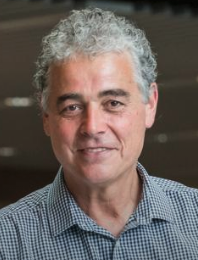 Peter Parker合作论文数Teaching Department of Biochemistry, Comprehensive Cancer Centre, School of Cancer & Pharmaceutical Sciences, Faculty of Life Sciences & Medicine, King's College London;The Francis Crick Institute1
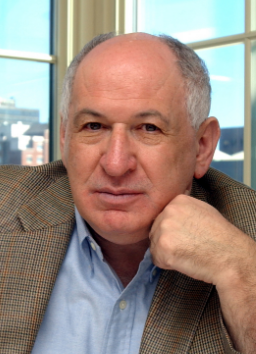 Joseph Schlessinger合作论文数Department of Pharmacology, School of Medicine, Yale University1




