INTRODUCTION: The purpose of this study was to find out whether dissemination of gastroenterology and hepatology (GI) research on social media networks correlates with citation count at 5 years. METHODS: We correlated the Altmetric Attention Score with Web of Science citation counts at 5 years for scholarly work published in the 10 highest impact factor GI journals in 2014. RESULTS: In 4,026 analyzed items, the correlation (r) between Altmetric Attention Score and citations at 5 years was 0.62 (P < 0.001), representing strong correlation. Twitter was the platform with the strongest correlation with citations. DISCUSSION: Social media attention garnered by GI scholarly work strongly correlates with the number of citations at 5 years.
Sarcoidosis is characterised by the formation of noncaseating granulomas classically affecting lungs, lymph nodes and skin. Osteoarticular involvement affects up to 15% of patients; however, acro-osteolysis, destruction involving distal phalanges of fingers and toes, associated with sarcoidosis, is extremely rare. A 44-year-old woman with a history of biopsy-proven sarcoidosis managed with prednisone and methotrexate presented with swelling and pain in the distal fingers of her right hand without skin manifestations. Radiographic imaging showed erosion of distal phalanges on second, third and fifth fingers and bone resorption in bilateral toes. A biopsy of the finger lesions showed noncaseating granulomas consistent with sarcoidosis. She was diagnosed with sarcoid acro-osteolysis and started on adalimumab with clinical and radiographic improvement. While most cases of osteoarticular sarcoidosis are asymptomatic and respond to standard immunosuppression, we present a case with progressive and refractory clinical course. This is the first reported case of sarcoid acro-osteolysis affecting the toes.
An 83-year-old man with a history of chronic myelogenous leukaemia in remission maintained with bosutinib presented with new-onset fevers. He denied pain and had no other focal symptoms. Ultrasound imaging revealed mild gallbladder wall thickening. Non-contrasted CT revealed right upper quadrant inflammation of indeterminate source. The diagnosis of acalculous cholecystitis was made on the third day when a CT with oral contrast demonstrated a remarkably inflamed biliary tree. The gallbladder was surgically removed and found to be necrotic. The case highlights an unusual presentation for a well-known condition. Both ultrasound and CT have limited diagnostic sensitivity for acalculous cystitis. This case adds to existing literature to support development of acalculous cholecystitis in non-critically ill patients. Clinicians should maintain awareness of this condition among patients presenting to the hospital or clinic with abdominal pain. Careful discussion with radiology and surgery is indicated to guide diagnostic testing when initial imaging results are indeterminate.
A 59-year-old male presented with 1 month of progressive dyspnea, 30-lb weight loss, and skin changes on the digits of the hands. In the 4 weeks prior to admission, he was admitted and treated twice for pneumonia at another hospital and received intravenous (IV) vancomycin, ceftriaxone, and azithromycin for a total of 10 days. After admission, he underwent computed tomography imaging of chest, which revealed findings suggestive of interstitial lung disease but given the fact that infection was not ruled out, empiric antibiotics were initiated. The skin lesions on the fingers were felt to be consistent with Gottron’s papules, and his overall constellation of findings were felt to be consistent with dermatomyositis (DM). Over the following 3 days, he developed diffuse, violaceous skin lesions, elevation of liver transaminases, and severe thrombocytopenia. The skin lesions progressed to epidermal necrosis. He developed erosions of the oral mucosa and scrotum. Before skin biopsy results were finalized, IV immunoglobulin and IV dexamethasone were started empirically for suspected DM and immune-mediated thrombocytopenia. His laboratory abnormalities normalized within a week. Biopsy results of the skin were consistent with Stevens-Johnson syndrome (SJS). Autoantibody test for anti-MDA5 were positive, confirming a diagnosis of anti-MDA5 associated DM. Subsequent development of SJS was likely due to antibiotic exposure in the preceding month. Simultaneous development of anti-MDA5 DM and SJS raises the question of a link between the 2 conditions. To our knowledge, this is the first reported association of these 2 conditions reported in the literature.
SESSION TITLE: Pulmonary Manifestations of Systemic Disease Posters SESSION TYPE: Original Investigation Posters PRESENTED ON: October 18-21, 2020 PURPOSE: Inflammatory bowel disease (IBD) is associated with diverse pulmonary manifestations, and it remains difficult to determine whether those are secondary to medications or the underlying process. Little is known about the clinical course or disease severity of these patients. Our objective was to describe the clinical characteristics and disease course of lung disease among patients with IBD seen at our Institution. METHODS: We performed a retrospective cohort study of IBD patients at the University of Florida between 2012 and 2019. We included patients with biopsy proven diagnosis of IBD or by consensus from our gastroenterology department. We collected demographic, clinical, physiological, and radiographic information. RESULTS: 319 patients were included in the analysis. 75% of patients had a pulmonary abnormality either on pulmonary functions tests or chest imaging. The most frequent comorbidity was smoking related lung disease. 6% had parenchymal lung disease, 8% had airway disease, 16% had pulmonary nodules, 17% pulmonary vascular disease (including pulmonary hypertension and pulmonary embolism), and 28% had other pulmonary manifestations. CONCLUSIONS: Pulmonary manifestations of IBD are increasingly recognized. We present a large cohort characterizing the pulmonary manifestations among IBD patients and their clinical course. CLINICAL IMPLICATIONS: Larger studies are needed to provide information on the prevalence and clinical progression of pulmonary disease in the IBD population. Further work to identify therapeutic options for this group is needed. DISCLOSURES: No relevant relationships by Robert Case, source=Web Response No relevant relationships by jared Freitas, source=Web Response No relevant relationships by Diana Gomez Manjarres, source=Web Response No relevant relationships by Michael Langston, source=Web Response No relevant relationships by Divya Patel, source=Web Response No relevant relationships by Nicholas Vernace, source=Web Response
Background/purpose: The Centers for Medicare and Medicaid services penalizes hospitals with higher than expected readmissions for coronary artery bypass graft surgery (CABG). Little information exists regarding outcomes in patients who sustain an acute myocardial infarction (MI) and undergo CABG as the primary revascularization strategy. Our goal was to determine the unplanned 30-day readmission rate in this high-risk population and predictors of readmission. Materials/methods: An institutional database was queried to identify patients from 2011 to 2017 who were admitted with an acute MI and underwent CABG within 30 days. Chart review was performed to collect demographics, medical comorbidities and clinical information related to hospital course and readmission status. Results: A total of 150 patients were included. The 30-day unplanned readmission rate was 23%, and the majority (80%) were non-cardiac related. Predictors of unplanned readmission included female sex (OR 2.61, 95% CI 1.042-6.549, p = 0.041), CABG performed <7 days following MI (OR 2.82, 95% CI 1.21-6.59, p = 0.017), and post-operative atrial fibrillation (OR 3.25, 95% CI 1.07-9.87, p = 0.038). Complications were identified in 32% of clinic visits in patients who did not require readmission. Conclusions: Patients who undergo CABG following MI are a high-risk population with nearly one-quarter readmitted within 30 days. Female sex, <7 days between the index MI and CABG, and post-operative atrial fibrillation are strong predictors for readmission. Early outpatient follow-up may be an effective intervention to reduce hospital readmissions by reassuring patients that non-cardiac symptoms are in line with anticipated post-operative pain and healing. (c) 2019 Elsevier Inc. All rights reserved.
Recurrence of pulmonary sarcoidosis after transplantation of the lung is known to occur and has not been shown to lead to negative outcomes. However, recurrence in a new primary organ is incredibly rare and not an established pattern of clinical presentation. Neurosarcoidosis can present in a variety of ways, one of which is development of acute encephalopathy and diffuse leptomeningeal enhancement on MRI imaging. In this case, we present, the MRI findings and the improvement of symptoms and imaging abnormalities with steroid treatment that support a diagnosis of probable neurosarcoidosis. Because a minority of patients who undergo lung transplantation have sarcoidosis, it is possible that subsequent development of neurosarcoidosis may be under recognized.
Spontaneous tumor lysis syndrome (SPTLS) is a rare phenomenon that can manifest in rapidly proliferating hematological malignancies and solid tumors prior to initiating cytotoxic therapy. We encountered a patient who originally presented with diffuse lymphadenopathy, abdominal distention, and dyspnea, who had laboratory abnormalities suggestive of SPTLS. His peripheral flow cytometry and lymph node biopsy revealed blastoid-variant mantle cell lymphoma. Prior to initiating chemotherapy, acute kidney injury (AKI) and uric acid had improved with intravenous fluids and the initiation of allopurinol. However, after beginning chemotherapy, the patient developed a second AKI concerning for tumor lysis syndrome (TLS). He went on to have renal recovery and did not require renal replacement therapy. With the exception of case reports, there is limited evidence to guide general medicine clinicians who encounter cases of SPTLS. Expert-based guidelines are available to guide use of rasburicase, an uricase enzyme, before initiation of chemotherapy for certain malignancies when risk for TLS is considered high. Despite these guidelines, the role of rasburicase in preventing AKI remains controversial after inconclusive results in a meta-analysis. The causative relationship between uric acid and AKI in TLS is based on a mechanism of tubular obstruction. There are also mechanisms by which uric acid may cause AKI without tubular obstruction related to acute hyperuricemic nephropathy. Further characterization of the role of uric acid in causing AKI in patients without tubular obstruction may identify new mechanisms of injury and offer insight into new treatment strategies.
A 42-year-old woman with a history of cholangiocarcinoma on adjuvant chemotherapy with capecitabine presented with painless haematochezia. She was found to have an isolated twenty-five mm ulcer in the ascending colon. Biopsies of the ulceration demonstrated typical cytomegalovirus (CMV) inclusions and her peripheral blood CMV PCR was significantly elevated. This is an unusual case of a solitary proximal colon ulcer. Non-steroidal anti-inflammatory drugs, inflammatory bowel disease and malignancy, are the most frequent causes of isolated ulcers in the proximal colon. Gastrointestinal (GI) CMV disease most commonly causes CMV colitis and is considered rare outside of the transplant population and other severely immunosuppressed patient groups. Patients who have received chemotherapy may also be at risk for GI CMV disease. The diagnosis should be suspected in patients who present with haematochezia or watery diarrhoea within a broad window of time after receiving chemotherapy.
A 39-year-old woman with a history of Roux-en-Y gastric bypass (RYGB) surgery and alcohol use presented with a confluent erythematous rash involving the perineum spreading outward to the abdomen, thighs and lower back. She had angular cheilitis and glossitis. The rash was painful and blistering in scattered areas. She was hypotensive and appeared to be in septic or hypovolemic shock at presentation. Serum levels of zinc and vitamin B6 were critically low and biopsy of her rash returned suggestive of a nutritional deficiency as its source. The rash slowly improved over the following 2weeks with oral zinc and vitamin B6 replacement. The body rash resembled that of infants born with inherited defects in zinc transporters, referred to as acrodermatitis enteropathica (AE). This case may represent an acquired case of AE in the setting of prior RYGB.
You have accessJournal of UrologyInfections/Inflammation/Cystic Disease of the Genitourinary Tract: Kidney & Bladder II1 Apr 2017MP23-06 A RANDOMIZED, CONTROLLED TRIAL OF ACTIVE VS. PASSIVE VOIDING TRIALS James Mills, Nathan Shaw, Helen Hougen, Hannah Agard, Robert Case, Timothy McMurry, Noah Schenkman, and Tracey Krupski James MillsJames Mills More articles by this author , Nathan ShawNathan Shaw More articles by this author , Helen HougenHelen Hougen More articles by this author , Hannah AgardHannah Agard More articles by this author , Robert CaseRobert Case More articles by this author , Timothy McMurryTimothy McMurry More articles by this author , Noah SchenkmanNoah Schenkman More articles by this author , and Tracey KrupskiTracey Krupski More articles by this author View All Author Informationhttps://doi.org/10.1016/j.juro.2017.02.734AboutPDF ToolsAdd to favoritesDownload CitationsTrack CitationsPermissionsReprints ShareFacebookTwitterLinked InEmail INTRODUCTION AND OBJECTIVES There are national quality initiatives to prevent catheter-associated urinary tract infections (CAUTI) due to morbidity and cost. Differences between active and passive voiding trials have not been previously studied in the general hospitalized population. Active voiding trials entail filling the bladder with saline before catheter removal. Passive voiding trials involve the bladder filling with urine naturally after catheter removal. We assessed the effects of active vs passive voiding trials on time to hospital discharge and the rates of urinary tract infection (UTI) and urinary retention (UR). METHODS In a single-center, single-blind, randomized, controlled trial, patients who had urethral catheter removal were randomized to a standardized active voiding trial or passive voiding trial. Patients undergoing urethral or bladder surgery were excluded. The outcomes of interest were the patient's time to hospital discharge after the catheter removal and the rates of UTI (defined by the National Surgical Quality Improvement Program criteria) and UR within 2 weeks of catheter removal. Logistic regression was used to identify risk factors for urinary retention. RESULTS We enrolled 274 patients. Table 1 shows the differences in outcomes between active and passive voiding trials. BPH (OR 5.3, p=0.007); neurological disease (OR 3.1, p=0.03); and admission to a neurosurgical ward (OR 3.6, p=0.009) were associated with increased urinary retention. CONCLUSIONS Patients in the active group had 64% fewer urinary tract infections than patients in the passive voiding trial group. Although patients in the active group voided nearly 3 hours sooner than patients in the passive group, there was no difference between the groups in time to hospital discharge. There was no difference in the rate of UR between the groups. BPH, neurological disease, and admission to a neurosurgical ward increased the odds of urinary retention. © 2017FiguresReferencesRelatedDetails Volume 197Issue 4SApril 2017Page: e295 Advertisement Copyright & Permissions© 2017MetricsAuthor Information James Mills More articles by this author Nathan Shaw More articles by this author Helen Hougen More articles by this author Hannah Agard More articles by this author Robert Case More articles by this author Timothy McMurry More articles by this author Noah Schenkman More articles by this author Tracey Krupski More articles by this author Expand All Advertisement Advertisement PDF downloadLoading ...
A 33-year-old male with poorly controlled chronic tophaceous gout and chronic kidney disease (CKD) with estimated glomerular filtration rate (GFR) of 37 cc/min. His uric acid was 11 mg/dL despite maximal dosing of febuxostat. He had previously failed pegloticase infusions as well. This patient had a reduction in his uric acid level to less than 6 mg/dL following addition of probenecid to his febuxostat regimen. Most guidelines recommend against utilisation of probenecid therapy in patients with GFR <50, but there is no obvious contraindication to its use, provided renal calculi do not develop. Our case illustrates the synergistic effect probenecid can add to maximal xanthine oxidase inhibitor therapy for patients with refractory hyperuricaemia in a patient with CKD stage IIIb. With the approval of a new uricosuric medication, lesinurad, probenecid may remain a suitable alternative for patients with financial limitations to achieve target uric acid levels.
Background: The Center for Medicare and Medicaid Services (CMS) and other payers are increasingly focusing on 30 day readmissions as a quality metric tied to hospital payments. Factors that predict 30-day readmission in patients admitted with acute myocardial infarctions (AMI) have not been
 Vishal Patel合作论文数3
 Divya Patel合作论文数Division of Pulmonary, Critical Care, and Sleep Medicine.3Jared Freitas合作论文数2Harsh Shah合作论文数2Diana Gomez-Manjarres合作论文数2
 Michael Ladna合作论文数2
 Ahmed Ouni合作论文数Dept Gastroenterol, Mayo Clin2
 Fares Ayoub合作论文数University of Chicago Medicine Inflammatory Bowel Disease Center2Ellen C. Keeley合作论文数2Divya C. Patel合作论文数1Ramon Valentin合作论文数1Jerin George合作论文数1
 Noah Schenkman合作论文数1Grant Jester合作论文数1Carolina Mejia-Otero MD合作论文数1Nancy Fauber合作论文数1Patrick Stoner合作论文数1James T Mills合作论文数1
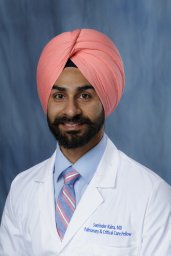 Saminder Kalra合作论文数Div Pulm Crit Care & Sleep1
 Helen Y Hougen合作论文数Dept Urol, Univ Miami1Hannah Agard合作论文数1Qian Li合作论文数Univ Florida, Gainesville, FL 32611 USA1Nathan M Shaw合作论文数1
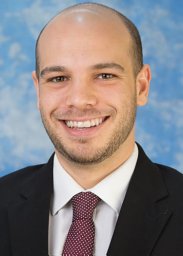 Ellery Altshuler合作论文数Div Hematol & Oncol, Univ Florida1Siroy Alan合作论文数1Wentworth Brian J合作论文数1
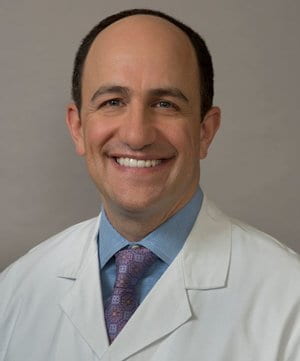 David T. Rubin合作论文数Division of the Biological Sciences, University of Chicago;Digestive Diseases Center, University of Chicago Medicine;MacLean Center for Clinical Medical Ethic;Comprehensive Cancer Center, University of Chicago1
 Mark R. Conaway合作论文数Division of Translational Research and Applied Statistics, Department of Public Health Sciences, School of Medicine, University of Virginia1McMurry Timothy L合作论文数1
 Aaron Carlson合作论文数1
 Michael Salerno合作论文数University of Virginia1George J. Arnaoutakis合作论文数From the Division of Cardiac Surgery, Research Institute at Kennedy-Krieger Baltimore1
 Tracey L Krupski合作论文数Department of Urology, University of Virginia1
 Giuseppe Morelli合作论文数Hepatobiliary Section, Division of Gastroenterology, Hepatology, and Nutrition, Department of Medicine, University of Florida, Gainesville, FL1Ellen M. Zimmermann合作论文数1




