Cardiac allograft rejection (AR) is conventionally managed as an allograft disease. However, data from kidney transplant and proinflammatory cytokine studies suggest the occurrence of recipient tissue injury during AR, which remains poorly defined to date and is a recognized risk factor for poor survival. This study hypothesizes that AR is linked to recipient tissue injury, measured as plasma cell-free DNA (cfDNA), a biomarker of tissue injury. This study analyzed genetic and epigenetic signatures to quantify allograft and recipient cfDNA and the tissue sources for AR and stable controls. To provide a mechanistic connection, the study compared cfDNA damage-associated molecular pattern activity between patients with AR and stable controls. Results indicate that both allograft and recipient cfDNA levels increase during AR compared with stable controls. The increased recipient cfDNA levels primarily originated from immune cells, vascular endothelium, hepatocytes, and kidney epithelial cells and correlated with conventional biomarkers of organ dysfunction. In cell culture models, AR-derived cfDNA demonstrated increased damage-associated molecular pattern activity compared with cfDNA from stable controls. These findings suggest that AR is linked to heightened recipient cfDNA levels and an increased risk of recipient organ dysfunction. Future research is warranted to investigate these findings further to improve the management and outcomes of AR.
There are no specific treatments for Sepsis-associated acute kidney injury (AKI). We previously reported that Il-17a-knockout mice had dramatically improved survival after cecal ligation and puncture (CLP). Neutrophil extracellular traps (NETs) induce IL-17A, which causes harm in some diseases, but this pathway is poorly understood in sepsis. We found that knockout of Pad4 (Peptidyl Arginine Deiminase 4), an enzyme essential for NET formation, improved survival and AKI, and suppressed neutrophil infiltration into remote organs, involving a peritoneal IL-17A/distant organ CXCL-1/CXCL-2 pathway after CLP. NETs were detected in the peritoneal cavity, and not in plasma or distant organs. Adoptive transfer of peritoneal WT neutrophils restored the IL-17A/CXCL-1/CXCL-2 pathway in Pad4KO mice, leading to neutrophil infiltration and damage to remote organs. These results revealed a pathway from peritoneal NET formation to remote organ injury/inflammation via production of IL-17A at the infectious site and distant organ CXCL-1/CXCL-2. While NETs promoted intraperitoneal IL-17A production, we also showed that conversely, peritoneal IL-17A or CXCL-1/CXCL-2 promoted intraperitoneal NET formation after CLP. This peritoneal vicious cycle that includes NET formation, IL-17A, CXCL-1/CXCL-2 that may amplify sepsis-associated organ injury. Breaking this vicious cycle by inhibiting NET formation and/or IL-17A might be a promising therapeutic target for sepsis treatment.
Class B scavenger receptor BI splice variants (SR-BI) and BII (SR-BII) internalize lipoproteins but also bind and internalize bacteria. Their individual roles in sepsis are unknown. We overexpressed human SR-BI or BII in transgenic mice, primarily in the liver, but also in the kidney and in bone marrow-derived macrophages, and then performed cecal ligation and puncture (CLP) surgery. SR-BI and BII transgenic mice had significantly worse survival compared to WT mice. Twenty-four hours after CLP, liver injury markers and histological damage were elevated in both SR-BI and BII transgenic mice, whereas kidney damage was similar. Systemic inflammatory cytokines were markedly increased in SR-BI and BII transgenic mice; parallel increases were seen in liver mRNA expression, but not in the kidney. The highest degree of neutrophil infiltration was observed in the liver of SR-BI. Human SR-BI and BII dramatically decreased bacterial accumulation in the liver. Green fluorescent protein-labeled E. coli were efficiently phagocytosed in hepatic macrophages of SR-BI and BII transgenic mice; phagocytosis was more prominent in SR-BII transgenic mice. Finally, human SR-BI overexpression reduced systemic HDL-C levels, eliminated adrenal cortex lipid droplets, and dampened the systemic increase of corticosterone after CLP. Supplementation with glucocorticoid and mineralocorticoid improved survival in SR-BI but not in SR-BII transgenic mice after CLP. In summary, our findings suggest human SR-BI and BII overexpression contributes to higher mortality after CLP by different mechanisms: excessive inflammatory response due to adrenal insufficiency (SR-BI) or hyperactive phagocytosis (SR-BII) in the liver.
BACKGROUND:Bolus antithrombin III (AT) improved sepsis/organ dysfunction and survival in lipopolysaccharide/monomicrobial infusion pretreatment animal models; however, AT failed in clinical trials. Because insults and drug administration schedules differed between preclinical and clinical settings, we re-examined AT using a clinically relevant polymicrobial insult (cecal ligation and puncture, CLP) and a new method to continuously infuse AT after animals became ill. METHODS:Mice were catheterized with saline-filled osmotic minipumps. During CLP surgery we inserted AT- or saline-containing minipumps. We created and validated a ~6 h delay between sepsis induction and treatment. We compared delayed, continuous AT infusion with a conventional bolus AT injection using survival studies and 48-h studies. RESULTS:6-h delayed, continuous AT infusion significantly improved 7-d survival versus saline infusion (65% vs. 29%, n = 21, P = 0.018) and versus a single injection of AT (65% vs. 19%, n = 21, P = 0.003). Delayed, continuous AT attenuated liver but not kidney or lung injury. Vascular leakage and inflammatory cytokines were suppressed only in liver. The highest accumulation of bacteria and thrombin at 48 h was in liver. AT did not change organ bacterial counts. CONCLUSIONS:Delayed, continuous AT infusion improved 7-d survival after CLP compared to single bolus AT injection or continuous vehicle. Liver may be critical in abdominal sepsis because of bacterial accumulation and subsequent thrombin generation. AT may be protective due to attenuation of thrombin-induced vascular leakage, inflammation, and liver injury during CLP sepsis. Because other organs were unprotected, AT may be combined with drugs protecting different organs.
Cisplatin is a widely used anticancer drug with notable side effects including ototoxicity and nephrotoxicity. Macrophages, the major resident immune cells in the cochlea and kidney, are important drivers of both inflammatory and tissue repair responses. To investigate the roles of macrophages in cisplatin-induced toxicities, we used PLX3397, a U.S. Food and Drug Administration-approved inhibitor of the colony-stimulating factor 1 receptor, to eliminate tissue-resident macrophages. Mice treated with cisplatin alone had considerable hearing loss (ototoxicity) and kidney injury (nephrotoxicity). Macrophage ablation resulted in significantly reduced hearing loss and had greater outer hair cell survival. Macrophage ablation also protected against cisplatin-induced nephrotoxicity, as evidenced by markedly reduced tubular injury and fibrosis. Mechanistically, our data suggest that the protective effect of macrophage ablation against cisplatin-induced ototoxicity and nephrotoxicity is mediated by reduced platinum accumulation in both the inner ear and the kidney. Together, our data indicate that ablation of tissue-resident macrophages represents an important strategy for mitigating cisplatin-induced ototoxicity and nephrotoxicity.
The class B scavenger receptor CD36 is known to bind and mediate the transport of lipid-related ligands and it functions as a pattern recognition receptor (PRR) for a variety of pathogens, including bacteria and viruses. In this study, we assessed CD36’s role as a PRR mediating pro-inflammatory effects of several known Danger-Associated Molecular Patterns (DAMPs) used either as a single preparation or as a combination of DAMPs in the form of total cell/skeletal muscle tissue lysates. Our data demonstrated that multiple DAMPs, including HMGB1, HSPs, histone H3, SAA, and oxPAPC, as well as cell/tissue lysate preparations, induced substantially higher (~7–10-fold) IL-8 cytokine responses in HEK293 cells overexpressing CD36 compared to control WT cells. At the same time, DAMP-induced secretion of IL-6 in bone marrow-derived macrophages (BMDM) from CD36−/− mice was markedly (~2–3 times) reduced, as compared to macrophages from normal mice. Synthetic amphipathic helical peptides (SAHPs), known CD36 ligands, efficiently blocked CD36-dependent inflammatory responses induced by both cell and tissue lysates, HMGB1 and histone H3 in CD36+ cells. IP injection of total cellular lysate preparation induced inflammatory responses that were assessed by the expression of liver and lung pro-inflammatory markers, including IL-6, TNF-α, CD68, and CXCL1, and was reduced by ~50% in CD36-deficient mice compared to normal mice. Our findings demonstrate that CD36 is a PRR contributing to the innate immune response via mediating DAMP-induced inflammatory signaling and highlight the importance of this receptor as a potential therapeutic target in DAMP-associated inflammatory conditions.
Supplementary Table S9 from Cancers as Wounds that Do Not Heal: Differences and Similarities between Renal Regeneration/Repair and Renal Cell Carcinoma
Neutral buffered formalin (NBF) is the most common fixative in clinical applications. However, NBF damages proteins and nucleic acids, limiting the quality of proteomic and nucleic acid-based assays. Prior studies have demonstrated that BE70, a fixative of buffered 70% ethanol, has many benefits over NBF but the degradation of proteins and nucleic acids in archival paraffin blocks remain a challenge. Thus, we evaluated the addition of guanidinium salts to BE70 with the hypothesis that this may protect RNA and protein. Guanidinium salt supplemented BE70 (BE70G)-fixed tissue is comparable with that of BE70 via histology and immunohistochemistry. Western blot analysis also revealed that HSP70, AKT, and glyceraldehyde 3-phosphate dehydrogenase (GAPDH) expression signals in BE70G-fixed tissue were higher than those in BE70-fixed tissue. The quality of nucleic acids extracted from BE70G-fixed, paraffin-embedded tissue was also superior, and BE70G provides improved protein and RNA quality at shorter fixation times than its predecessors. The degradation of proteins, AKT and GAPDH, in archival tissue blocks is also decreased with the addition of guanidinium salt to BE70. In conclusion, BE70G fixative improves the quality of molecular analysis with more rapid fixation of tissue and enhanced long-term storage of paraffin blocks at room temperature for evaluation of protein epitopes:
Supplementary Figure S4 from Cancers as Wounds that Do Not Heal: Differences and Similarities between Renal Regeneration/Repair and Renal Cell Carcinoma
Supplementary Table S5B from Cancers as Wounds that Do Not Heal: Differences and Similarities between Renal Regeneration/Repair and Renal Cell Carcinoma
Supplementary Table S6 from Cancers as Wounds that Do Not Heal: Differences and Similarities between Renal Regeneration/Repair and Renal Cell Carcinoma
Supplementary Table S7 from Cancers as Wounds that Do Not Heal: Differences and Similarities between Renal Regeneration/Repair and Renal Cell Carcinoma
RATIONALE & OBJECTIVE:Acute kidney injury (AKI) carries high rates of morbidity and mortality. This study quantified various short- and long-term outcomes after hospitalization with AKI. STUDY DESIGN:Retrospective propensity score (PS)-matched cohort study. SETTING & PARTICIPANTS:Optum Clinformatics, a national claims database, was used to identify patients hospitalized with and without an AKI discharge diagnosis between January 2007 and September 2020. EXPOSURE:Among patients with prior continuous enrollment for at least 2years without AKI hospitalization, 471,176 patients hospitalized with AKI were identified and PS-matched to 471,176 patients hospitalized without AKI. OUTCOME(S):All-cause and selected-cause rehospitalizations and mortality 90 and 365 days after index hospitalization. ANALYTICAL APPROACH:After PS matching, rehospitalization and death incidences were estimated using the cumulative incidence function method and compared using Gray's test. The association of AKI hospitalization with each outcome was tested using Cox models for all-cause mortality and, with mortality as competing risk, cause-specific hazard modeling for all-cause and selected-cause rehospitalization. Overall and stratified analyses were performed to evaluate for interaction between an AKI hospitalization and preexisting chronic kidney disease (CKD). RESULTS:After PS matching, AKI was associated with higher rates of rehospitalization for any cause (hazard ratio [HR], 1.62; 95% CI, 1.60-1.65), end-stage renal disease (HR, 6.21; 95% CI, 1.04-36.92), heart failure (HR, 2.81; 95% CI, 2.66, 2.97), sepsis (HR, 2.62; 95% CI, 2.49-2.75), pneumonia (HR, 1.47; 95% CI, 1.37-1.57), myocardial infarction (HR, 1.48; 95% CI, 1.33-1.65), and volume depletion (HR, 1.64; 95% CI, 1.37-1.96) at 90 days after discharge compared with the group without AKI, with similar findings at 365 days. Mortality rate was higher in the group with AKI than in the group without AKI at 90 (HR, 2.66; 95% CI, 2.61-2.72) and 365 days (HR, 2.11; 95% CI, 2.08-2.14). The higher risk of outcomes persisted when participants were stratified by CKD status (P<0.01). LIMITATIONS:Causal associations between AKI and the reported outcomes cannot be inferred. CONCLUSIONS:AKI during hospitalization in patients with and without CKD is associated with increased risk of 90- and 365-day all-cause/selected-cause rehospitalization and death.
 peter schindler合作论文数63Xuzhen Hu合作论文数42
 Paul L. Kimmel合作论文数Division of Kidney, Urologic, & Hematologic Diseases, National Institute of Diabetes and Digestive and Kidney Diseases, National Institutes of Health;Division of Renal Diseases and Hypertension, The George Washington University21
 Leelahavanichkul Asada合作论文数Dept Microbiol, Chulalongkorn Univ20
 Mark Knepper合作论文数Epithelial Systems Biology Laboratory, National Heart, Lung, and Blood Institute, National Institutes of Health20
 Jonathan M Street合作论文数16
 Martin W. Brechbiel合作论文数Center for Cancer Research, National Cancer Institute, National Institutes of Health16
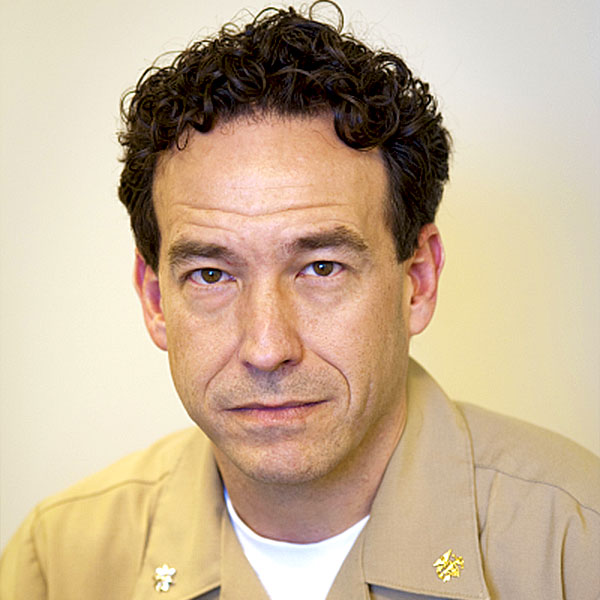 Stephen M. Hewitt合作论文数Laboratory of Pathology, Center for Cancer Research, National Cancer Institute, National Institutes of Health14PST Yuen合作论文数13Hua Zhou合作论文数13Hayase Naoki合作论文数13
 Alexander Bocharov合作论文数13
 Kent Doi (土井研人)合作论文数Department of Emergency and Critical Care Medicine, The University of Tokyo Hospital;Graduate School of Medicine, The University of Tokyo13Jenna M Norton合作论文数12Satomi Kawamoto合作论文数Department of Otolaryngology-Head and Neck Surgery, School of Medicine, Johns Hopkins University12
 Tom H. Greene合作论文数University of Utah12
 Hisataka Kobayashi合作论文数Center for Cancer Research National Cancer Institute12Yukimasa Kohda合作论文数12Takayuki Tsuji合作论文数Graduate School of Information Systems, University of Electro-Communications12Irina N. Baranova合作论文数12Ken H. Buetow合作论文数11Shmuel A. Ben-Sasson合作论文数11Seongjoon Koo合作论文数11Kristin Bauer合作论文数11James R. Vasselli合作论文数11CARL F. SCHAEFER合作论文数11
 Maranchie Jodi K合作论文数Departments of Surgery and Cell Biology, University of Massachusetts11Vishnyakova Tatyana G合作论文数11K Ujiie合作论文数11
 Howard Hao Yang (杨浩)合作论文数Zhejiang University-University of Illinois Urbana-Champaign Institute11
 David E. Kleiner合作论文数Laboratory of Pathology, Center for Cancer Research, National Cancer Institute11Riss Joseph合作论文数11
 W. Marston Linehan合作论文数Center for Cancer Research, National Cancer Institute, National Institutes of Health;Georgetown University11
 Andreas Rosenwald合作论文数Pathologisches Institut, Medizinische Fakultät, Julius-Maximilians-Universität Würzburg11
 John N. Weinstein合作论文数Department of Systems Biology, Division of Cancer Medicine, The University of Texas MD Anderson Cancer Center11
 David W Kane合作论文数11Gadisetti V. R. Chandramouli合作论文数11Olga Aprelikova合作论文数11Thomas L. Eggerman合作论文数11
 Kurt W. Kohn合作论文数Center for Cancer Research, National Cancer Institute, National Institutes of Health11
 Rick Klausner合作论文数Altos Labs;Lyell Immunopharma, Inc;Sonoma Biotherapeutics11
 J. Carl Barrett合作论文数JCarl Consulting, LLC11
 Maxwell P. Lee合作论文数Laboratory of Cancer Biology and Genetics, Center for Cancer Research, National Cancer Institute, National Institutes of Health11
 Chand Khanna合作论文数Ethos Veterinary Health11Ying Hu合作论文数NCI, Ctr Biomed Informat & Informat Technol, NIH, Bethesda, MD 20892 USA10Liming Yang合作论文数10
 Trairak Pisitkun合作论文数Epithelial Syst Biol Lab, NIH10
 Paul M. Palevsky合作论文数Division of Renal-Electrolyte, Department of Medicine, School of Medicine, University of Pittsburgh10
 Paul W. Eggers合作论文数National Institute of Diabetes and Digestive and Kidney Diseases, Bethesda, Maryland10




