Background: Chronic critical illness (CCI) is marked by persistent respiratory failure, with patients commonly receiving tracheostomies for ongoing ventilation across ICU and post-ICU settings. Well-documented communication and support breakdowns across CCI worsen family distress and may perpetuate care misaligned with patient values and goals. Yet, effective interventions supporting surrogate decision-makers throughout CCI are lacking. Research Question: What are the communication and support processes that families view as essential to enabling them as active surrogate decision-makers across the patient’s trajectory to better inform future intervention development? Study Design and Methods: We conducted semistructured interviews with surrogate decision-makers of patients who received a tracheostomy for persistent respiratory failure after an acute illness at 2 time points (first, 2 weeks to 6 months after tracheostomy; second, weeks to months later). We used deductive and inductive coding, followed by thematic analysis of interview transcripts. Results: We interviewed 23 surrogate decision-makers of 19 medical and surgical patients with moderate-high illness severity (mean Acute Physiology and Chronic Health Evaluation II score, 21.5 ± 5.3). Five themes were generated from family perspectives, representing the essential communication and support processes to enable families as active decision-makers across time and settings in CCI. They included being (1) engaged proactively during transitions; (2) connected to tailored practical resources that enable their presence, engagement, and space for self-care across the CCI trajectory; (3) actively engaged in ongoing and iterative anticipatory guidance and reassessment; (4) recognized as the expert and advocate for the patient; and (5) treated with compassion and respect. Interpretation: Our findings suggest that future interventions should deliver decisional support in CCI through longitudinal, relationship-centered strategies integrating iterative care planning, compassionate and inclusive family engagement, and tailored practical resources as core intervention components.
BACKGROUND:As specialty palliative care (SPC) programs expand nationwide, variability in referral criteria and care scope has led to inconsistent care delivery and confusion among clinicians and patients. As demand for SPC increases, workforce limitations necessitate prioritization frameworks. DESIGN:The Brookdale Department of Geriatrics and Palliative Medicine at the Mount Sinai Health System convened a task force of six palliative care physicians to reach consensus on SPC scope of practice. The group conducted a literature review, surveyed department clinicians, and solicited input from 10 peer academic institutions to inform guideline development. The task force met four times over three months and finalized the guideline through departmental review and leadership endorsement. RESULTS:Findings highlighted wide variation in definitions of "serious illness" and appropriateness for SPC. Most surveyed clinicians supported a definition requiring both high mortality risk and negative impact on quality of life or caregiver burden. The resulting institutional guideline emphasizes prioritization of patients with serious illness and high risk of mortality, explicitly excluding patients with chronic pain or psychosocial distress in the absence of a serious illness. The guideline also addresses safe opioid prescribing and recommends tracking "non-eligible" referrals to identify unmet system needs. CONCLUSIONS:This initiative offers the first SPC scope guideline. Ongoing discussions, both at individual institutions and nationally, may be necessary to determine the importance of consistency in defining and communicating the scope of SPC. Health care leaders can use this guideline to address resource allocation, health policy, workforce education, and public understanding of palliative care.
Background Tensions arise when families wish to shield decision-capable patients from medical information. An interdisciplinary palliative care team can help navigate these encounters and support patient autonomy while respecting family perspectives. Objectives 1. Highlight strategies for handling requests for non-disclosure.2. Reflect on the role of an interdisciplinary team in supporting patients and families.Case: Mr. R, a middle-aged Hispanic man with metastatic liver cancer, was admitted for liver and renal failure. His wife, worried that bad news would break his spirit, asked the team not to provide him updates. This created distress for resident physicians, who felt torn between honoring Mr. R’s autonomy and respecting the family’s concerns.The palliative care team met with Mrs. R to find a path forward. We first acknowledged her request came from love. We discussed, word for word, the language that would be used with the patient, emphasizing we would only share information if he asked for it. Reassured, Mrs. R agreed.With residents present, we shared the prognosis with Mr. R using the agreed-upon phrasing. He appreciated the honesty and asked his family to make decisions on his behalf if needed. This eased residents' distress and modeled an approach for future conversations should he get sicker.After seeing how disclosure could be both honest and gentle, Mrs. R allowed us to talk to their teenage children who did not know how sick their dad was. With child life specialist support, we helped her find words to explain the patient’s condition. With this information, the children were able to say goodbye to their dad. Discussion Families shield loved ones from serious news in an effort to protect. Validating these intentions opens dialogue. By previewing conversations and modeling communication, interdisciplinary teams can reframe disclosure as a gentle process rather than an all-or-nothing event.
Background: High-quality preoperative goals of care (GOC) documentation should address prognosis, goals and values, treatment options, and justification of a preferred treatment option. A reproducible method for evaluating note quality is critical for quality improvement. We sought to adapt a pre-existing rating rubric for preoperative GOC documentation and evaluate its interrater reliability (IRR). Methods: We analyzed preoperative GOC notes from frail Veterans considering elective outpatient surgery at 5 Veterans Affairs Medical Centers. IRR was assessed using percent agreement and Cohen's kappa across 4 domains and overall quality. Results: 215 notes (April 2022-July 2023) were included. Cohen's kappa ranged from 0.66 to 0.91 with percent agreement of 80.1% to 94.0%. The pooled kappa across domains was 0.82, indicating substantial to almost perfect agreement. Conclusions: Iterative refinement produced a reliable rubric with at least substantial IRR, supporting its use for independent rating and quality improvement. Domain-specific variability highlights opportunities for further rubric refinement and rater training.
Background Physician-Assisted Dying (PAD) is increasingly legal across the U.S., with more states considering legislation each year. Despite this trend – and the fact that all terminally ill Americans may access PAD through Oregon and Vermont – formal Hospice and Palliative Medicine (HPM) fellowship curricula on PAD are lacking. This session reviews the development and implementation of a neutral PAD curriculum for HPM fellowships that aligns with AAHPM’s position of studied neutrality (1) and the Entrustable Professional Activities for PAD (2). Methods A 5-lecture curriculum was developed by an interdisciplinary group based on a needs assessment of HPM fellows (N=21). Pre- and post-curriculum assessments measured comfort and satisfaction using a a 5-point Likert-type scale. Results The needs assessment response rate was 100%. All fellows rated the importance of PAD education in fellowship as either very important or somewhat important, despite training in a state where PAD is illegal. Among post-curriculum respondents (N=13), self-reported comfort improved significantly across all measured domains. The percentage of respondents reporting being very or somewhat comfortable rose from 0% to 69% for identifying patient eligibility requirements (p = 0.002), 20% to 77% for discussing ethical arguments (p = 0.01), 10% to 92% for responding to patient requests for hastened death (p = 0.0001), and 0% to 62% for describing challenges with self-administered ingestion (p = 0.003). Ninety-two percent of respondents were very or somewhat satisfied; 85% agreed it maintained a neutral tone. Conclusion Fellows value PAD education, even when practicing in a state where it is illegal. A neutral curriculum that incorporates AAHPM’s EPAs on PAD is feasible, improves comfort, and is well-received—offering a model for integrating PAD into HPM training. Based on these preliminary results, a multi-institutional one-day symposium is being developed to further expand access to this education for HPM fellows.
CONTEXT:Disagreement between consulting and primary clinicians is common when caring for seriously ill patients. While disagreements are often distressing, the optimal way to prepare clinicians to navigate these disagreements is unknown. OBJECTIVES:The aim of this study was to better understand consulting fellow and attending physicians' experience with disagreement and explore the skills that would help physicians better navigate these disagreements. METHODS:We conducted semi-structured individual interviews of fellow and attending physicians from three consulting specialties-palliative care, nephrology and gastroenterology. Two investigators independently analyzed the data using inductive thematic analysis. RESULTS:We interviewed ten first-year fellows and nine attending physicians. When disagreements were perceived as going poorly, participants frequently interpreted the disagreement as a comment about their expertise or identity. Trainees found disagreement especially challenging and there were clear differences between fellows and attendings regarding their perception and approach to disagreement. Attendings felt communication was as important to promoting a good relationship as coming up with the "right" decision. Participants described communicating about disagreements directly and recognizing the perspective and interests of the other party as feeling productive. Participants described receiving little training in how to navigate disagreement and attending physicians have acquired skills to navigate disagreement over time. CONCLUSION:Our results suggest that fellows in consulting specialties who care for seriously ill patients do not feel prepared to navigate disagreements. Attendings may have acquired skills to handle disagreement through experience that could be taught to fellows, such as specific communication techniques, relationship building and perspective taking.
BACKGROUND:Clinicians place comfort measures only (CMO) orders for hospitalized patients at the end-of-life when a decision has been made to focus on patient comfort and allow the natural dying process to occur. OBJECTIVES:Our primary aim was to assess the associations of specialty palliative consults (SPC) or documented goals of care conversations (GOCC) with in-hospital mortality among patients with CMO orders. DESIGN:We completed a retrospective cross-sectional study of data from the electronic medical record. SETTING/PARTICIPANTS:We assessed all adult patients with CMO orders admitted to four hospitals in the United States between 2022 and 2024. MEASUREMENTS:We used descriptive statistics and multivariable logistic regression and linear regression models to identify the association of SPC and documented GOCC with patient outcomes. RESULTS:Of 6789 hospitalized patients with CMO orders, 48% were female, and these patients had median age 71 years. Seventy-three percent died in-hospital, and 22% were discharged with hospice. SPC placed anytime during hospital admission were associated with lower in-hospital mortality (aOR 0.4, 95% CI 0.3-0.6, p < 0.0001) and higher discharge with hospice (aOR 2.4, 95% CI 1.8-3.2, p < 0.0001). In contrast, documented GOCC anytime during admission were associated with higher in-hospital mortality (aOR 1.8, 95% CI 1.3-2.4, p = 0.0004) and lower discharge with hospice (aOR 0.5, 95% CI 0.4-0.7, p = 0.0003). CONCLUSIONS:For patients with CMO orders, SPC, rather than documented GOCC, were associated with lower in-hospital mortality and higher receipt of hospice. Future research should explore reasons why only SPC, and not documented GOCC, were associated with these findings.
Background Cystic Fibrosis (CF) is a multisystem, genetic disease impacting physical, mental, and spiritual health of more than 160,000 individuals(1). Treatment advancements in gene modulator therapy, FDA approved in 2019, have improved physical symptoms, quality of life, and life expectancy for persons with CF (pwCF). CF Foundation guidelines, published in 2020, called for both primary and specialist palliative care (SPC) to address multi-dimensional suffering in pwCF, yet SPC’s role in the modulator era is perhaps unclear. Method We conducted secondary qualitative analysis of outpatient intervention transcripts from a trial of SPC in pwCF. Data concerning palliative care domains, CF therapies, and specific symptoms had been previously coded by four individuals. Two investigators conducted further deductive analysis, adapting the Theory of Biographical Disruption(2), which describes physical disruptions and identity trade-offs when individuals are diagnosed with chronic disease, to pwCF as modulator therapy became available. Results We analyzed 329 recorded SPC visits, representing 128 pwCF assigned to receive SPC intervention, of these, 90 participants had begun modulator therapy. Regardless of access or response to CF modulators, pwCF used SPC visits to make meaning of changing illness identities, especially in the context of a generally healthier CF community. Physiological and clinical improvements (i.e. improved lung function, weight gain, and fewer hospitalizations), challenged pwCF’s established illness identities, necessitating the formulation of new self-concepts. Given their new health status, but uncertain disease trajectory, pwCF on modulator therapy wrestled with how and whether to commit to what they considered “normal” roles (e.g. relationships, career, and education) and goals. Conclusion Groundbreaking advancements in CF modulator therapy disrupted the expected disease trajectories of pwCF, leading to illness identity re-negotiation in a process akin to individuals navigating new severe illness diagnoses. Further research is needed to define how SPC can best support individuals with serious illness experiencing therapeutic breakthroughs.
BACKGROUND:Advance care planning (ACP) may improve outcomes for patients with advanced cancer and their family caregivers, but the optimal approach is not known. This study compared the impact of facilitated versus patient-directed ACP on caregiver psychological symptoms and perceptions of goal-concordant end-of-life (EOL) care. METHODS:Adult patients with advanced solid tumors and their caregivers were recruited from 8 oncology clinics in western Pennsylvania. Participants were randomly assigned to complete facilitated ACP with a trained nurse facilitator or patient-directed ACP using written and web-based tools. Caregivers were followed through bereavement and completed surveys assessing depression and anxiety symptoms (Hospital Anxiety and Depression Scale, range 0-21, scores >7 indicative of significant symptoms), post-traumatic stress disorder symptoms (Impacts of Events scale-Revised [IES-R], range 0-88, scores > 24 considered clinically significant), and validated measures of goal-concordant EOL care. RESULTS:Among 400 enrolled patients, 272 (68%) had an enrolled caregiver. Caregivers were predominantly female (73%), Caucasian (95%), and were spouses/partners (64%) of the patient with cancer. Among bereaved caregivers (n = 98), those in the facilitated ACP arm reported significantly fewer post-traumatic stress symptoms compared to the patient-directed arm (mean IES-R scores 23.9 vs 31.5, P = .01). Both depression and anxiety symptoms remained similar between arms (depression: 5.34 vs 5.87, P = .50; anxiety: 6.56 vs 6.72, P = .84) and low overall. Caregiver-reported goal-concordant care was higher in the facilitated ACP arm compared to the patient-directed arm (95.8% vs 75.5%, P = .01). CONCLUSION:In this randomized trial comparing facilitated versus patient-directed ACP, a facilitated approach was associated with lower post-traumatic stress symptoms among bereaved caregivers and higher rates of goal-concordant EOL care. CLINICAL TRIAL REGISTRATION NUMBER:NCT03824158.
Background Integrating specialty palliative care (SPC) with oncology improves outcomes for patients with advanced cancer.(1) Yet, oncologists express concerns that SPC professionals may lack familiarity with evolving oncologic therapies and their impact on prognosis and decision making.(2) While one workshop at the AAHPM Annual Assembly addresses this gap, no formal curricula currently exist.(3) Objective To design, implement, and evaluate an interdisciplinary oncology curriculum for SPC health science professionals (HSPs) at a single institution to enhance knowledge and collaboration in caring for patients with advanced solid-tumor malignancies. Methods A targeted needs assessment was conducted with oncologists and palliative care physicians to inform curriculum content. The curriculum comprised of five synchronous, virtual sessions delivered over five months, with electronic flashcards for session preparation/review. Sessions incorporated active learning strategies and were grounded in the principles of Andragogy and Self-Determination Theory, emphasizing learner autonomy, relevance, and intrinsic motivation.(4,5) Medical oncologists reviewed the curriculum and participated in the sessions. A paired pre/post survey assessed knowledge (via multiple-choice) and attitudes (via 5-point Likert scale); only physicians, APPs, and pharmacists received knowledge questions. Results Four medical oncologists and 4 SPC physicians participated in the needs assessment that identified key topics including terminology, therapeutics and disease trajectories for common advanced solid-tumor cancers. Of 79 invited SPC HSPs across nine sites, 51 participated in the curriculum: 17 APPs, 26 physicians, 1 pharmacist, 7 social workers, and 1 chaplain. Of those asked knowledge questions, mean scores improved from 53.9% (SD 13.6) to 67.8% (SD 13.1), p < 0.001. Confidence increased from 2.7 (0.8) to 3.5 (0.5), p < 0.001. Perceived importance of this education remained high (pre 4.2 [0.6], post 4.1 [0.8], p = 0.609). Conclusion This interdisciplinary oncology curriculum improved knowledge and confidence among SPC HSPs and may serve as a scalable model to strengthen SPC-Oncology collaboration.
CONTEXT:Early palliative care referral has demonstrated benefits in quality of life and end-of-life outcomes, yet results have been inconsistent across cancer types. Previous guidelines recommended time-based referrals, but optimal timing may vary by individual patient factors. OBJECTIVES:Investigate factors associated with the timing of referral to palliative care and the impact of timing of referral and the number of appointments on end-of-life outcomes. METHODS:We conducted a retrospective analysis of 779 patients with metastatic solid tumors referred to outpatient palliative care at two cancer center sites (2021-2023). We examined referral patterns and analyzed associations between timing, patient characteristics, and end-of-life outcomes. For bivariate analysis, "early" was defined as referral within three months of diagnosis. RESULTS:Overall, 38.9% of patients received early referrals, with significant variation by cancer type (P < 0.001): patients with head and neck cancer had the highest early referral rate (53.3%) while those with breast cancer had the lowest (9.6%). Patients with Medicaid insurance were more likely to receive early referral (42.8% vs. 35.2%, P = 0.04). Among 321 patients who died during follow-up, earlier referral relative to death was associated with increased hospice enrollment (OR 1.016 per month, P = 0.01), reduced end-of-life chemotherapy (OR 0.964 per month, P = 0.002), lower hospital death rates (OR 0.988 per month, P = 0.04), and decreased ICU utilization (IRR 0.962, P = 0.02). The timing of referral proved more influential than visit intensity across all end-of-life outcomes. CONCLUSION:Palliative care referral timing varies significantly by cancer type and insurance status. Earlier referral relative to death influenced end-of-life outcomes more than visit intensity, supporting stepped models, which have found noninferior outcomes to early palliative care despite fewer visits.
For patients with serious illnesses, goals of care conversations improve quality of life and patient and family satisfaction and may reduce healthcare costs. However, these conversations often happen late in a serious illness or not at all. To better integrate goals of care into routine clinical practice, health systems across the country have implemented initiatives to increase and document these conversations. In this article, we describe the landscape of goals of care initiatives across eight large health systems in the U.S. and identify core elements for effective programs: 1) Defining the purpose of the initiative; 2) identifying the target patient population using patient diagnoses, artificial intelligence algorithms, or length of stay; 3) engaging key stakeholders, including patient, caregiver, frontline provider, and leadership; 4) encouraging the conversation through clinician and patient education and electronic health record (EHR) prompts; 5) documenting conversations within the EHR; 6) measuring data by building EHR and information technology infrastructure; and 7) planning for sustainability and scalability through leadership and funding support. These core elements can help inform how health systems plan goals of care initiatives, build infrastructure, and garner support to successfully implement these initiatives.
Prenatal diagnosis of congenital heart disease (CHD) causes parental distress, at least in part due to uncertainties regarding the diagnosis, prognosis, treatment, and family impact. In initial fetal cardiology consultations, over half of dialogue focuses on uncertainties, and clinician communication can influence how parents cope. No prior study has gathered parental perspectives on what would be helpful when communicating about uncertainties in these initial conversations. The objective of this study was to gather parental perspectives on optimal clinician-caregiver communication about uncertainties after prenatal CHD diagnosis. Parents who received a prenatal diagnosis of CHD at one of two fetal cardiology centers were recruited to participate in a web-based concept mapping project conducted using four sequential activities. First, brainstorming collected responses to the prompt: “What are some things the team can do or say to help parents with the things that are not yet known?” Second, sorting grouped similar statements gathered during brainstorming. Third, rating assessed each statement in terms of perceived parental importance and impact using a Likert scale. Finally, after multidimensional scaling and hierarchical cluster analysis, parents participated in small group interpreting sessions, during which the findings were examined to identify targets for future intervention. We enrolled 31 parents, including 23 mothers, 8 fathers, and 2 bereaved parents. All received a CHD diagnosis between 2020 and 2023. Average participant age was 33 years (interquartile range: 5 years). Participants brainstormed 108 statements; they then sorted 90 distinct statements into 7 categories, called clusters. Clusters included topics of conveying empathy, educating about the diagnosis, preparing families to face uncertainties, and providing resources and support. Overall, the cluster, “Empathy from Professionals” was rated most important. “Empathy from Professionals” and “Realistic Expectations for after Birth” were rated as most impactful. This study identifies parent-prioritized, actionable communication strategies for addressing uncertainty after prenatal CHD diagnosis. Parents emphasized the importance of empathic communication, anchoring uncertainty within known and controllable factors, realistic expectations, and access to practical and peer support. These findings provide potential context-specific intervention targets for optimizing clinician-caregiver communication in fetal cardiology.
INTRODUCTION:Physician-assisted dying (PAD) is legal in an increasing number of jurisdictions across the United States. Despite this, formal hospice and palliative medicine (HPM) fellowship curricula on PAD are lacking. To address this, a neutral (nonadvocacy) PAD pilot curriculum was developed and implemented in one large HPM fellowship program. METHODS:A five-lecture curriculum was developed by an interdisciplinary group using Kern's six-step method. Comfort, knowledge, and satisfaction were assessed. RESULTS:17 fellows were eligible to complete curriculum assessments with a 76% response rate on the postcurriculum survey (N = 13). Self-reported comfort improved significantly across all measured domains. Ninety-two percent of respondents were very or somewhat satisfied; 85% of respondents agreed the curriculum maintained a neutral tone. CONCLUSION:HPM fellows value PAD education, even when practicing in a state where it is illegal. A neutral curriculum is feasible, improves comfort, and is well received. This offers a model for integrating PAD education into HPM training.
Background People with cystic fibrosis (PwCF) live with complex physical, emotional, and existential symptoms. Specialist palliative care is associated with QOL improvements among people with other serious illnesses, yet no rigorous evidence exists among PwCF. Approach Single-masked, two-arm, Phase III randomized clinical trial at five US & Canadian CF centers. PwCF aged ≥18 years were eligible if they had unmet palliative needs, measured by the Integrated Palliative Outcomes Scale and/or ≥2 CF-related hospitalizations in the prior year. Participants were randomized to InSPIRe:CF plus usual care or usual care alone (control). InSPIRe:CF comprises ≥4 outpatient palliative care visits over a year, addressing symptoms, advance care planning, coping (1). Primary outcome: patient QoL (FACIT-Pal) at 12 months. Secondary outcomes: depression, anxiety, symptom burden, CF-related health perceptions, healthcare planning, utilization. Trial registration: ISRCTN53323164. Results Between December 2020-March 2023, 260 PwCF were randomized to InSPIRe:CF or control (56% female; median age 33 [range 19-78], 78% on CFTR modulator drug at baseline, median FACIT-Pal 129.5 [range 60-184]). 65% of participants randomized to InSPIRe:CF completed at least three visits. At 12 months, QoL did not differ significantly between arms (adjusted mean difference: 3.19 [95%CI:-1.44, 7.81], p=0.18), though improved QoL was associated with CFTR modulator use (p=0.041). ACP discussions with CF clinicians increased significantly: healthcare proxy discussions (aOR: 4.22, p=0.001) and care preferences discussions were more frequent (aOR: 2.96, p=0.03). No significant differences were observed in other outcomes. Conclusions In this trial, specialist palliative care was not associated with QoL or symptom burden among PwCF; healthcare planning discussions were increased. Several factors may explain findings, including the COVID-19 pandemic and the simultaneous rapid uptake of CFTR modulator therapy in the CF population which is projected to increase life expectancy markedly. Research is needed to delineate the role of palliative care in similar conditions experiencing groundbreaking therapies.
 James A. Tulsky合作论文数Division of Palliative Medicine, Brigham and Women's Hospital;Center for Palliative Care, Harvard Medical School;Department of Psychosocial Oncology and Palliative Care, Dana-Farber Cancer Institute;VitalTalk27
 Keri Lyn Rodriguez合作论文数13
 Anthony L. Back合作论文数12Laura A. Siminoff合作论文数11Susan D. Block合作论文数11
 David E. Weissman合作论文数Medical College of Wisconsin Palliative Care Center10
 Michael Jonah Fine合作论文数Division of General Internal Medicine, Department of Medicine, School of Medicine, University of Pittsburgh;Center for Research on Health Care, Department of Medicine, University of Pittsburgh10
 Timothy E. Quill合作论文数Department of Medicine, University of Rochester Medical Center10Amber E. Barnato合作论文数9Gary S. Fischer合作论文数9Galen E. Switzer合作论文数the Division of General Internal Medicine and Center for Research on Health Care, University of Pittsburgh9
 Stewart C. Alexander合作论文数Department of Medicine, Duke University Medical Center9Kathryn I. Pollak合作论文数Department of Community and Family Medicine, Duke Comprehensive Cancer Center8
 Cindy Bryce合作论文数University of Pittsburgh8Steven D. Weisbord合作论文数8
 Derek C. Angus合作论文数Department of Critical Care Medicine, School of Medicine, University of Pittsburgh;School of Public Health, University of Pittsburgh7
 Peter Ubel合作论文数Fuqua School of Business, Duke University7
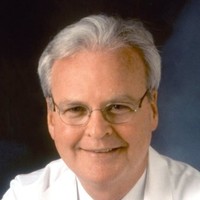 Walter Baile合作论文数University of Texas MD Anderson Cancer Center7Maren K. Olsen合作论文数7Linda F. Fried合作论文数6Wendy G. Anderson合作论文数6Megan Crowley-Matoka合作论文数6
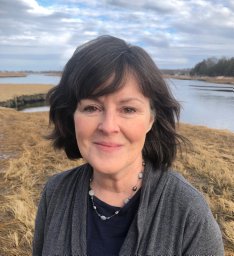 Amy Burleson Sullivan合作论文数Division of Psychosocial Oncology and Palliative Care, Dana-Farber Cancer Institute6
 Lachlan Forrow合作论文数6Barbara H. Hanusa合作论文数6Amy S. Jeffreys合作论文数6
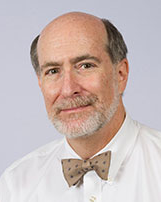 Paul M. Palevsky合作论文数Division of Renal-Electrolyte, Department of Medicine, School of Medicine, University of Pittsburgh5Arthur L. Caplan合作论文数5
 Mark P Aulisio合作论文数5Russ C. Kolarik合作论文数5
 Phyllis Butow合作论文数School of Psychology, Faculty of Science, University of Sydney4Nina M. Gadmer合作论文数4Paul L. Kimmel合作论文数NIH Division of Kidney Urologic and Hematologic Diseases, NIDDK4
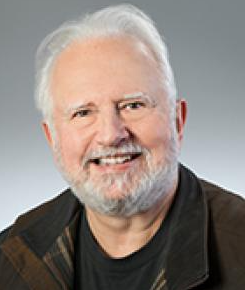 Stuart J. Youngner合作论文数Department of Bioethics, School of Medicine, Case Western Reserve University4Randy S. Hebert合作论文数4Deborah Seltzer合作论文数4James E. Rahe合作论文数4Michael W. Rabow合作论文数4L. Scott Wilner合作论文数4
 Martin H N Tattersall合作论文数The University of Sydney3
 Judith R. Lave合作论文数Department of Economics, Graduate School of Public Health, University of Pittsburgh/Joseph M. Katz Graduate School of Business, University of Pittsburgh/Department of Psychiatry, University of Pittsburgh/Center for Research on Health Care, University of Pittsburgh3
 Cynthia B Cohen合作论文数3Sarah K. Garrigues合作论文数3Steven Z. Pantilat合作论文数3
 Charles Seth Landefeld合作论文数Department of Medicine, Heersink School of Medicine, University of Alabama at Birmingham3




