As the elderly population increases, chronic, age-associated diseases are challenging healthcare systems around the world. Nutrient limitation is well known to slow the aging process and improve health. Regrettably, practicing nutrient restriction to improve health is unachievable for most people. Alternatively, pharmacological strategies are being pursued including myriocin which increases lifespan in budding yeast. Myriocin impairs sphingolipid synthesis, resulting in lowered amino acid pools which promote entry into a quiescent, long-lived state. Here we present transcriptomic data during the first 6 hours of drug treatment that improves our mechanistic understanding of the cellular response to myriocin and reveals a new role for ubiquitin in longevity. Previously we found that the methionine transporter Mup1 traffics to the plasma membrane normally in myriocin-treated cells but is not active and undergoes endocytic clearance. We now show that UBI4, a gene encoding stressed-induced ubiquitin, is vital for myriocin-enhanced lifespan. Furthermore, we show that Mup1 fused to a deubiquitinase domain impairs myriocin-enhanced longevity. Broader effects of myriocin treatment on ubiquitination are indicated by our finding of a significant increase in K63-linked ubiquitin polymers following myriocin treatment. Although proteostasis is broadly accepted as a pillar of aging, our finding that ubiquitination of an amino acid transporter promotes longevity in myriocin-treated cells is novel. Addressing the role of ubiquitination/deubiquitination in longevity has the potential to reveal new strategies and targets for promoting healthy aging.
Accumulating evidence in several model organisms indicates that reduced sphingolipid biosynthesis promotes longevity, although underlying mechanisms remain unclear. In yeast, sphingolipid depletion induces a state resembling amino acid restriction, which we hypothesized might be due to altered stability of amino acid transporters at the plasma membrane. To test this, we measured surface abundance for a diverse panel of membrane proteins in the presence of myriocin, a sphingolipid biosynthesis inhibitor, in Saccharomyces cerevisiae. Unexpectedly, we found that surface levels of most proteins examined were either unaffected or increased during myriocin treatment, consistent with an observed decrease in bulk endocytosis. In contrast, sphingolipid depletion triggered selective endocytosis of the methionine transporter Mup1. Unlike methionine-induced Mup1 endocytosis, myriocin triggered Mup1 endocytosis that required the Rsp5 adaptor Art2, C-terminal lysine residues of Mup1 and the formation of K63-linked ubiquitin polymers. These findings reveal cellular adaptation to sphingolipid depletion by ubiquitin-mediated remodeling of nutrient transporter composition at the cell surface.
The increasing prevalence of age-related diseases and resulting healthcare insecurity and emotional burden require novel treatment approaches. Several promising strategies seek to limit nutrients and promote healthy aging. Unfortunately, the human desire to consume food means this strategy is not practical for most people but pharmacological approaches might be a viable alternative. We previously showed that myriocin, which impairs sphingolipid synthesis, increases lifespan in Saccharomyces cerevisiae by modulating signaling pathways including the target of rapamycin complex 1 (TORC1). Since TORC1 senses cellular amino acids, we analyzed amino acid pools and identified 17 that are lowered by myriocin treatment. Studying the methionine transporter, Mup1, we found that newly synthesized Mup1 traffics to the plasma membrane and is stable for several hours but is inactive in drug-treated cells. Activity can be restored by adding phytosphingosine to culture medium thereby bypassing drug inhibition, thus confirming a sphingolipid requirement for Mup1 activity. Importantly, genetic analysis of myriocin-induced longevity revealed a requirement for the Gtr1/2 (mammalian Rags) and Vps34-Pib2 amino acid sensing pathways upstream of TORC1, consistent with a mechanism of action involving decreased amino acid availability. These studies demonstrate the feasibility of pharmacologically inducing a state resembling amino acid restriction to promote healthy aging.
Diagrammatic representation of the experimental protocol used to generate tetraploid cell populations and list (right) of the analyses subsequently performed on such populations.
Aneuploidy disrupts cellular homeostasis. However, the molecular mechanisms underlying the physiological responses and adaptation to aneuploidy are not well understood. Deciphering these mechanisms is important because aneuploidy is associated with diseases, including intellectual disability and cancer. Although tumors and mammalian aneuploid cells, including several cancer cell lines, show altered levels of sphingolipids, the role of sphingolipids in aneuploidy remains unknown. Here, we show that ceramides and long-chain bases, sphingolipid molecules that slow proliferation and promote survival, are increased by aneuploidy. Sphingolipid levels are tightly linked to serine synthesis, and inhibiting either serine or sphingolipid synthesis can specifically impair the fitness of aneuploid cells. Remarkably, the fitness of aneuploid cells improves or deteriorates upon genetically decreasing or increasing ceramides, respectively. Combined targeting of serine and sphingolipid synthesis could be exploited to specifically target cancer cells, the vast majority of which are aneuploid.
Aging occurs over time with gradual and progressive loss of physiological function. Strategies to reduce the rate of functional loss and mitigate the subsequent onset of deadly age-related diseases are being sought. We demonstrated previously that a combination of rapamycin and myriocin reduces age-related functional loss in the Baker’s yeast Saccharomyces cerevisiae and produces a synergistic increase in lifespan. Here we show that the same drug combination also produces a synergistic increase in the lifespan of the fission yeast Schizosaccharomyces pombe and does so by controlling signal transduction pathways conserved across a wide evolutionary time span ranging from yeasts to mammals. Pathways include the target of rapamycin complex 1 (TORC1) protein kinase, the protein kinase A (PKA) and a stress response pathway, which in fission yeasts contains the Sty1 protein kinase, an ortholog of the mammalian p38 MAP kinase, a type of Stress Activated Protein Kinase (SAPK). These results along with previous studies in S. cerevisiae support the premise that the combination of rapamycin and myriocin enhances lifespan by regulating signaling pathways that couple nutrient and environmental conditions to cellular processes that fine-tune growth and stress protection in ways that foster long term survival. The molecular mechanisms for fine-tuning are probably species-specific, but since they are driven by conserved nutrient and stress sensing pathways, the drug combination may enhance survival in other organisms.
Studies of aging and longevity are revealing how diseases that shorten life can be controlled to improve the quality of life and lifespan itself. Two strategies under intense study to accomplish these goals are rapamycin treatment and calorie restriction. New strategies are being discovered including one that uses low-dose myriocin treatment. Myriocin inhibits the first enzyme in sphingolipid synthesis in all eukaryotes, and we showed recently that low-dose myriocin treatment increases yeast lifespan at least in part by down-regulating the sphingolipid-controlled Pkh1/2-Sch9 (ortholog of mammalian S6 kinase) signaling pathway. Here we show that myriocin treatment induces global effects and changes expression of approximately forty percent of the yeast genome with 1252 genes up-regulated and 1497 down-regulated (P < 0.05) compared with untreated cells. These changes are due to modulation of evolutionarily conserved signaling pathways including activation of the Snf1/AMPK pathway and down-regulation of the protein kinase A (PKA) and target of rapamycin complex 1 (TORC1) pathways. Many processes that enhance lifespan are regulated by these pathways in response to myriocin treatment including respiration, carbon metabolism, stress resistance, protein synthesis, and autophagy. These extensive effects of myriocin match those of rapamycin and calorie restriction. Our studies in yeast together with other studies in mammals reveal the potential of myriocin or related compounds to lower the incidence of age-related diseases in humans and improve health span.
Disease incidence rises rapidly with age and increases both human suffering and economic hardship while shortening life. Advances in understanding the signaling pathways and cellular processes that influence aging support the possibility of reducing the incidence of age-related diseases and increasing lifespan by pharmacological intervention. Here, we demonstrate a novel pharmacological strategy that both reduces signs of aging in the budding yeast Saccharomyces cerevisiae and generates a synergistic increase in lifespan. By combining a low dose of rapamycin, to reduce activity of the target of rapamycin complex 1 (TORC1) protein kinase, and myriocin, to reduce sphingolipid synthesis, we show enhancement of autophagy, genomic stability, mitochondrial function, and AMP kinase pathway activity. These processes are controlled by evolutionarily conserved signal transduction pathways that are vital for maintaining a healthy state and promoting a long life. Thus, our data show that it ought to be possible to find pharmacological approaches to generate a synergistic reduction in the incidence of human age-related diseases to improve health quality in the elderly and enhance lifespan.
Diseases including cancer, type 2 diabetes, cardiovascular and immune dysfunction and neurodegeneration become more prevalent as we age, and combined with the increase in average human lifespan, place an ever increasing burden on the health care system. In this chapter we focus on finding ways of modulating sphingolipids to prevent the development of age-associated diseases or delay their onset, both of which could improve health in elderly, fragile people. Reducing the incidence of or delaying the onset of diseases of aging has blossomed in the past decade because of advances in understanding signal transduction pathways and cellular processes, especially in model organisms, that are largely conserved in most eukaryotes and that can be modulated to reduce signs of aging and increase health span. In model organisms such interventions must also increase lifespan to be considered significant, but this is not a requirement for use in humans. The most encouraging interventions in model organisms involve lowering the concentration of one or more sphingolipids so as to reduce the activity of key signaling pathways, one of the most promising being the Target of Rapamycin Complex 1 (TORC1) protein kinase pathway. Other potential ways in which modulating sphingolipids may contribute to improving the health profile of the elderly is by reducing oxidative stresses, inflammatory responses and growth factor signaling. Lastly, perhaps the most interesting way to modulate sphingolipids and promote longevity is by lowering the activity of serine palmitoyltransferase, the first enzyme in the de novo sphingolipid biosynthesis pathway. Available data in yeasts and rodents are encouraging and as we gain insights into molecular mechanisms the strategies for improving human health by modulating sphingolipids will become more apparent. This article is part of a Special Issue entitled New Frontiers in Sphingolipid Biology.
Survival of Saccharomyces cerevisiae cells, like most microorganisms, requires switching from a rapidly dividing to a non-dividing or stationary state. To further understand how cells navigate this switch, we examined sphingolipids since they are key structural elements of membranes and also regulate signaling pathways vital for survival. During and after the switch to a non-dividing state there is a large increase in total free and sphingolipid-bound long chain-bases and an even larger increase in free and bound C20-long-chain bases, which are nearly undetectable in dividing cells. These changes are due to intrinsic factors including Orm1 and Orm2, ceramide synthase, Lcb4 kinase and the Tsc3 subunit of serine palmitoyltransferase as well as extrinsic factors including glucose and iron. Lowering the concentration of glucose, a form of calorie restriction, decreases the level of LCBs, which is consistent with the idea that reducing the level of some sphingolipids enhances lifespan. In contrast, iron deprivation increases LCB levels and decreases long term survival; however, these phenomena may not be related because iron deprivation disrupts many metabolic pathways. The correlation between increased LCBs and shorter lifespan is unsupported at this time. The physiological rise in LCBs that we observe may serve to modulate nutrient transporters and possibly other membrane phenomena that contribute to enhanced stress resistance and survival in stationary phase.
Knowledge of the mechanisms for regulating lifespan is advancing rapidly, but lifespan is a complex phenotype and new features are likely to be identified. Here we reveal a novel approach for regulating lifespan. Using a genetic or a pharmacological strategy to lower the rate of sphingolipid synthesis, we show that Saccharomyces cerevisiae cells live longer. The longer lifespan is due in part to a reduction in Sch9 protein kinase activity and a consequent reduction in chromosomal mutations and rearrangements and increased stress resistance. Longer lifespan also arises in ways that are independent of Sch9 or caloric restriction, and we speculate on ways that sphingolipids might mediate these aspects of increased lifespan. Sch9 and its mammalian homolog S6 kinase work downstream of the target of rapamycin, TOR1, protein kinase, and play evolutionarily conserved roles in regulating lifespan. Our data establish Sch9 as a focal point for regulating lifespan by integrating nutrient signals from TOR1 with growth and stress signals from sphingolipids. Sphingolipids are found in all eukaryotes and our results suggest that pharmacological down-regulation of one or more sphingolipids may provide a means to reduce age-related diseases and increase lifespan in other eukaryotes.
Iron constitutes a major source of toxicity due to its ability to generate reactive oxygen species that can damage cellular macromolecules. However, the precise mechanism by which exposure to high iron concentrations results in cellular toxicity remains unknown. Here we identify sphingolipid synthesis and signaling as a major mediator of iron toxicity in S. cerevisiae. Inhibition of sphingolipid synthesis by myriocin treatment or after overexpression of the negative regulator Orm2p confers resistance to high iron. High iron conditions upregulate sphingolipid synthesis, and increasing sphingolipid levels by inactivating Orm2p exacerbates sensitivity to iron. Toxicity is mediated by sphingolipid signaling, as inactivation of the sphingolipid-activated protein kinases Pkh1p and Ypk1p and of the transcription factor Smp1p also enhances resistance to high iron conditions. These results demonstrate an unexpected connection between sphingolipid flux and iron toxicity and show that activation of a signal transduction cascade contributes to iron-mediated cellular toxicity.
Regulated mRNA decay is essential for eukaryotic survival but the mechanisms for regulating global decay and coordinating it with growth, nutrient, and environmental cues are not known. Here we show that a signal transduction pathway containing the Pkh1/Pkh2 protein kinases and one of their effector kinases, Pkc1, is required for and regulates global mRNA decay at the deadenylation step in Saccharomyces cerevisiae. Additionally, many stresses disrupt protein synthesis and release mRNAs from polysomes for incorporation into P-bodies for degradation or storage. We find that the Pkh1/2-Pkc1 pathway is also required for stress-induced P-body assembly. Control of mRNA decay and P-body assembly by the Pkh-Pkc1 pathway only occurs in nutrient-poor medium, suggesting a novel role for these processes in evolution. Our identification of a signaling pathway for regulating global mRNA decay and P-body assembly provides a means to coordinate mRNA decay with other cellular processes essential for growth and long-term survival. Mammals may use similar regulatory mechanisms because components of the decay apparatus and signaling pathways are conserved.
To study sphingolipid function(s) in Saccharomyces cerevisiae, we have investigated the effects of environmental stress on mutant (SLC) strains (R. C. Dickson, G. B. Wells, A. Schmidt, and R. L. Lester, Mol. Cell. Biol. 10:2176-2181, 1990) that either contain or lack sphingolipids, depending on whether they are cultured with a sphingolipid long-chain base. Strains lacking sphingolipid were unable to grow at low pH, at 37 degrees C, or with high salt concentrations in the medium; these environmental stresses are known to inhibit the growth of some S. cerevisiae strains with a defective plasma membrane H(+)-ATPase. We found that sphingolipids were essential for proton extrusion at low pH and furthermore found that cells lacking sphingolipid no longer exhibited net proton extrusion at normal pH after a 1-min exposure to pH 3. Cells lacking sphingolipid appeared to rapidly become almost completely permeable to protons at low pH. The deleterious effects of low pH could be partially prevented by 1 M sorbitol in the suspension of cells lacking sphingolipid. Proton extrusion at normal pH (pH 6) was significantly inhibited at 39 degrees C only in cells lacking sphingolipid. Thus, the product of an SLC suppressor gene permits life without sphingolipids only in a limited range of environments. Outside this range, sphingolipids appear to be essential for maintaining proton permeability barriers and/or for proton extrusion.
The epithelial-derived, type II transmembrane serine protease matriptase, the mouse homologue of which is epithin, has been shown to be involved in epidermal differentiation, hair formation, and thymus function. We show in this study that epithin/matriptase (Epi/MTP) plays a significant role in mammary epithelial cell growth and morphogenesis. Epi/MTP is expressed at low level in the mouse mammary epithelium of young animals and it accumulates at the terminal end-bud of the growing ducts. The level of Epi/MTP is elevated in the mammary glands at stages when epithelial proliferation and modeling occur. It is primarily present in the luminal epithelial cells of mouse mammary ducts and lobules. Using an ex vivo three-dimensional culture system for mammary epithelial functional assays, we show that mammary epithelial growth and morphogenesis in the presence of the latent form hepatocyte growth factor (pro-HGF) are blocked either by an inhibitor of the Epi/MTP protease activity or by siRNA knockdown of the Epi/MTP expression. These studies demonstrate that Epi/MTP participates in mammary epithelial growth and modeling through activation of pro-HGF. Our findings reveal an important pathway in normal mammary epithelial morphogenesis which may participate in breast cancer progression.
Objective. The Gynecologic Oncology Group (GOG) examined the prognostic relevance of c-MYC amplification and polysomy 8 in epithelial ovarian cancer (EOC).Methods. Women with suboptimally-resected, advanced stage EOC who participated in GOG-111, a multicenter randomized phase III trial of cyclophosphamide + cisplatin vs. paclitaxel + cisplatin, and who provided a tumor block through GOG-9404 were eligible. Fluorescence in situ hybridization (FISH) with probes for c-MYC and the centromere of chromosome 8 (CEP8) was used to examine c-MYC amplification (>= 2 copies c-MYC/CEP8) and polysomy 8 ( >= 4 CEP8 copies).Results. c-MYC amplification, defined as >= 2 copies c-MYC/CEP8, was observed in 29% (28/97) of EOCs and levels were ranged from 2.0-3.3 copies of c-MYC/CEP8. c-MYC amplification was not associated with patient age, race, GOG performance status, stage, cell type, grade, measurable disease status following surgery, tumor response or disease status following platinum-based combination chemotherapy. Women with vs. without c-MYC amplification did not have an increased risk of disease progression (hazard ratio [HR] = 1.03; 95% confidence interval [CI] = 0.65-1.64; p = 0.884) or death (HR = 1.08: 95% CI = 0.68-1.72; p = 0.745). c-MYC amplification was not an independent prognostic factor for progression-free survival (HR = 1.03, 95% CI = 0.57-1.85; p = 0.922) or overall survival (HR = 1.01, 95% CI = 0.56-1.80; p = 0.982). Similar insignificant results were obtained for c-MYC amplification categorized as >= 1.5 copies c-MYC/CEP8. Polysomy 8 was observed in 22 patients without c-MYC amplification and 3 with c-MYC amplification, and was associated with age and measurable disease status, but not other clinical covariates or outcomes.Conclusions. c-MYC amplification and polysomy 8 have limited predictive or prognostic value in suboptimally-resected, advanced stage EOC treated with platinum-based combination chemotherapy. (C) 2009 Published by Elsevier Inc.
Matriptase is a member of an expanding group of type II transmembrane serine proteases. Recently, much has been learned about the biochemistry, cellular biology, normal tissue physiology, and human pathology of this protease, and of its inhibitor, termed the hepatocyte growth factor inhibitor-1 (HAI-1). This review examines the recent literature that has characterized the regulation of matriptase and HAI-1 with an emphasis on the molecular mechanisms governing its zymogen activation, inhibition by HAI-1, and ectodomain shedding.
In this issue of Cell Metabolism, Aronova et al. (2008) show that target of rapamycin complex 2 (TORC2) controls de novo ceramide synthesis in yeast by regulating the activity of ceramide synthase. This work may provide insight into how chemotherapeutic drugs increase de novo ceramide synthesis and promote cell death in humans.
Eisosomes are recently described fungal structures that play roles in the organization of the plasma membrane and endocytosis. Their major protein components are Pil1 and Lsp1, and previous studies showed that these proteins are phosphorylated by the sphingolipid long-chain base-activated Pkh1 and Pkh2 protein kinases in vitro. We show that Pkh1 and Pkh2 phosphorylate Pil1 and Lsp1 in vivo to produce species B, and that heat stress, which activates Pkh1 and Pkh2, generates a more highly phosphorylated species, C. Cells with low Pkh activity lack species B and C and contain abnormally organized eisosomes. To verify that Pil1 phosphorylation is essential for correct eisosome organization, phosphorylated serine and threonine residues were identified and changed to alanines. A variant Pil1 protein lacking five phosphorylation sites did not form eisosomes during log phase growth, indicating that phosphorylation is critical for eisosome organization. We also found that eisosomes are dynamic structures and disassemble when the Ypk protein kinases, which are activated by the sphingolipid-Pkh signaling pathway, are inactivated or when the sphingolipid signal is pharmacologically blocked with myriocin. We conclude that eisosome formation and turnover are regulated by the sphingolipid-Pkh1/2-Ypk1/2 signaling pathway. These data and previous data showing that endocytosis is regulated by the sphingolipid-Pkh1/2-Ypk1/2 signaling pathway suggest that Pkh1 and -2 respond to changes in membrane sphingolipids and transmit this information to eisosomes via Pil1 phosphorylation. Eisosomes then control endocytosis to align the composition and function of the plasma membrane to match demand.
 Robert L. Lester合作论文数43
 Michael D Johnson合作论文数21
 Marc E. Lippman合作论文数Departments of Oncology and Medicine, Georgetown University Medical Center21Chen-Yong Lin合作论文数17M. Marek Nagiec合作论文数Department of Molecular and Cellular Biochemistry, University of Kentucky School of Medicine16Gb Wells合作论文数9
 Xinhe Huang (黄新河)合作论文数School of Life Science and Engineering, Southwest Jiaotong University8Christine M. Coticchia合作论文数Laboratory of Skin Biology, NIH6Sheau-Ling Lee合作论文数6Rm Sheetz合作论文数5Christelle Benaud合作论文数5Cornelius Knabbe合作论文数5Marek S. Skrzypek合作论文数5Michael D. Oberst合作论文数5Danica Ramljak合作论文数Lombardi Cancer Center;Medical Center, Georgetown University5M. Hunter Jamerson合作论文数4Istvan Enyedy合作论文数4Me Lippman合作论文数4Peter P. Roller合作论文数4Am Farrell合作论文数4Nagiec E E合作论文数4Bradley R. Withers合作论文数4Walter M. Holleran合作论文数4
 Peter M. Elias合作论文数Department of Dermatology, School of Medicine, University of California, San Francisco4
 Shaomeng Wang合作论文数Wang Lab, University of Michigan;University of Michigan Comprehensive Cancer Center4
 Ke Liu (刘科)合作论文数The College of Life Sciences, Sichuan University4
 Ian R. Harris合作论文数Department of Statistical Science;Southern Methodist University;Department of Statistical Science, Southern Methodist University4Edward C. Rosfjord合作论文数3WJ PINTO合作论文数3Jun Liu (刘军)合作论文数3
 Ming-Shyue Lee合作论文数3JS MARKIN合作论文数3Xiping Zhang合作论文数3M Skrzypek合作论文数3MacGurn Jason A合作论文数3
 Nathaniel L Hepowit合作论文数Department of Microbiology and Cell Science, University of Florida3
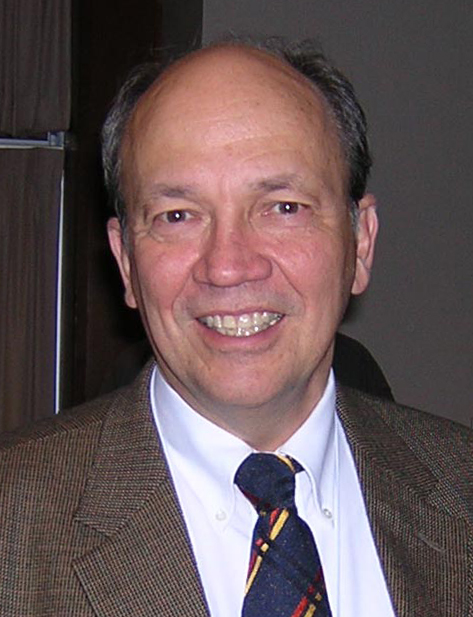 William S. Reznikoff合作论文数Department of Biochemistry, University of Wisconsin-Madison;Bay Paul Center for Comparative Molecular , Marine Biological Laboratory3
 Carl Grunfeld合作论文数Metabolism and Endocrine Sections, Department of Veterans Affairs Medical Center, San Francisco;Department of Medicine, University of California, San Francisco3
 Kenneth Feingold合作论文数School of Medicine, University of California San Francisco3Wayne M. Barnes合作论文数3I-Chu Tseng合作论文数College of Medicine, Chang Gung University3
 Robert Clarke合作论文数The Hormel Institute, University of Minnesota;School of Medicine, Georgetown University3Tushar B. Deb合作论文数3
 Rik Thompson合作论文数School of Biomedical Sciences, Faculty of Health, Queensland University of Technology;Institute of Health & Biomedical Innovation, Queensland University of Technology3Ken-ichi Kiyomiya合作论文数2C Rinker-Schaffer合作论文数2MM WITTE合作论文数2LR LACY合作论文数2J. Takeda合作论文数2




