Despite the critical importance of cryopreservation to medical science, progress is hindered by the toxicity of conventional cryoprotective agents (CPAs), in particular dimethyl sulfoxide (DMSO). Inspired by the natural accumulation of protective amino acids and trehalose during cold stress, we report the synthesis and evaluation of 6,6'-trehalose diesters of glycine (1a), L-alanine (1b), and L-proline (1c) as novel CPAs that address multiple modes of cryoinjury. Differential scanning calorimetry (DSC) confirmed favourable sub-zero glass transition temperatures (Tg) for these compounds, with values of up to -25 °C for 1c, consistent with enhanced vitrification capacity. Diesters exhibited comparable ice recrystallisation inhibition (IRI) activity to trehalose, despite sterically demanding modification at the 6,6'-positions. Modified freeze-float assays revealed controlled ice nucleation at elevated sub-zero temperatures, potentially enabling protective cellular dehydration before intracellular ice formation. Diesters 1a-c exhibited direct radical-scavenging activity, addressing a major limitation of native trehalose in cryopreservation. Molecular dynamics (MD) simulations provided complementary molecular-level insight into hydration behaviour, indicating highly localised hydration shells that disrupt extended water networks. Evaluation with mammalian cells (HaCaT) showed that these compounds possess favourable cytocompatibility, with significantly lower cytotoxicity than DMSO and trehalose at multiple time points. Cryopreservation trials revealed diesters 1a-c conferred measurable cryoprotection, despite lower overall recovery relative to 10 wt% DMSO. These findings establish bio-inspired functionalisation of trehalose as a promising strategy toward DMSO-free cryopreservation.
Uncontrolled ice formation and subsequent growth causes irreversible damage to cells during cryopreservation. Ice recrystallization inhibitors (IRIs) reduce ice crystal growth after nucleation and have proven beneficial for cryopreservation. Controlling ice nucleation can also minimize iceinduced injury and improve the reproducibility of freezing protocols. However, synergy between compounds that influence these processes remains largely unexplored. Herein, we evaluate seven biocompatible carbohydrate-based small-molecules and report that select compounds – 4bromophenyl-β-D-glucose (β-pBrPh-Glc, 1), 4-methoxyphenyl-β-D-glucose (β-PMP-Glc, 2), N-2fluorophenyl-D-gluconamide (2FA, 5), and N-4-chlorophenyl-D-gluconamide (4ClA, 6) – exhibit dual ice-modulating activity, defined as the ability to inhibit ice recrystallization and induce synchronous nucleation, representing a novel mode of ice nucleation control not previously reported. Our results confirm that nucleation control is dependent on carbohydrate structure, where glucose-based molecules are sensitive to AgI-mediated nucleation, producing small ice crystals, whereas galactose-based analogs are insensitive to AgI-mediated nucleation. Overall, our findings reveal that the synergy of ice nucleation and ice recrystallization inhibition is structure- and solvent-dependent.
Hematopoietic stem cells (HSCs) are essential for the reconstitution of the hematopoietic and immune systems and are widely used in transplantation and emerging cell-based therapies. Cryopreservation is a critical technology enabling long-term storage, banking, and distribution of HSC grafts and immuno-oncology cell products. However, the cryopreservation process exposes stem cells and progenitors to multiple sources of cryoinjury, including intracellular ice formation, osmotic shock, solute effects and ice recrystallization, which can compromise post-thaw viability, recovery and functional potency. For decades, dimethyl sulfoxide (DMSO) has remained the gold-standard cryoprotective agent (CPA) due to its ability to reduce osmotic stress, limit intracellular ice formation and stabilize cellular structures. Despite its widespread use, it is associated with dose- and time-dependent cytotoxicity and adverse infusion-related reactions, motivating efforts to reduce or replace its use. This review summarizes key cryobiological principles underlying HSC preservation, including the importance of optimized CPA exposure, controlled cooling, rapid thawing, and storage below glass transition temperature. We also discuss established and emerging permeating and non-permeating CPAs, including sugars, polymers, and carbohydrate-based ice recrystallization inhibitors (IRI), several of which have shown to improve post-thaw outcomes and engraftment in preclinical models. Finally, we review strategies to mitigate DMSO toxicity, including reduced-DMSO formulations and newly developed "all-in-one" DMSO-free cryosolutions. Collectively, these advances are driving the evolution of safer and more effective cryopreservation strategies for HSC transplantation and next-generation cellular therapeutics.
BACKGROUND AIMS:Transient warming events (TWEs) are warming and cooling cycles that can exacerbate the loss of function in frozen cells or tissues during storage. We previously showed that cord blood (CB) hematopoietic stem and progenitor cell (HSPC) grafts can be exposed to TWE during banking operations and that HSPCs are sensitive to TWE, stressing the importance of further investigations. METHODS:Herein, we first established a model to study TWE that replicated observed reductions in cell function. RESULTS:Notably, TWE near to and past the reported intracellular glass transition temperature (Tg, ∼ -50°C) led to a far greater loss in cell viability and graft potency than TWE at cooler temperature (≤ -80°C). Also, HSPCs' natural resistance to delayed onset cell death was abolished by TWE ≥ -80°C. Next, we compared the cryoprotective properties of three different commercial solutions; a dimethyl sulfoxide (DMSO)/dextran-40 solution (CryoSolve) and two DMSO-free freezing solutions. All solutions afforded similar protection under normal cryostorage but provided different outcomes after TWE. We also investigated the impact of cryopreserving CB grafts with a lower DMSO concentration (5%, v/v). Interestingly, lowering DMSO did not accentuate the loss of function due to TWE. Rather, lower DMSO concentration in both control and TWE samples was associated with slight increases in the recovery of CB CD34+ cells. Finally, we sought to clarify the contribution of ice recrystallization to the loss of cell function during TWE. We observed an inverse relationship between ice-crystal size and cell function in the different cryosolutions. Moreover, supplementation with an ice recrystallization inhibitor protected HSPCs from TWE. CONCLUSIONS:In conclusion, this study presents new insights into TWE and freezing solutions for stem cell grafts. It also provides guidance on the appropriate storage of frozen stem cell grafts under unexpected circumstances. Lastly, prevention of ice recrystallization during warming and cooling cycles can prevent the ensuing loss of function.
Fructose metabolism has been implicated in various diseases, including metabolic disorders, neurodegenerative disorders, cardiac disorders, and cancer. However, the limited availability of a quantitative imaging radiotracer has hindered its exploration in pathology and diagnostic imaging. Methods: We adopted a molecular design strategy based on the catalytic mechanism of aldolase, a key enzyme in fructolysis. We successfully synthesized a radiodeoxyfluorinated fructose analog, [F-18]4-fluoro-4-deoxyfructose ([F-18]4-FDF), in high molar activity. Results: Through heavy isotope tracing by mass spectrometry, we demonstrated that C-4-deoxyfluorination of fructose led to effective trapping as fluorodeoxysorbitol and fluorodeoxyfructose-1-phosphate in vitro, unlike C-1- and C-6-fluorinated analogs that resulted in fluorolactate accumulation. This observation was consistent in vivo, where [F-18]6-fluoro-6-deoxyfructose displayed substantial bone uptake due to metabolic processing whereas [F-18]4-FDF did not. Importantly, [F-18]4-FDF exhibited low uptake in healthy brain and heart tissues, known for their high glycolytic activity and background levels of [F-18]FDG uptake. [F-18]4-FDF PET/CT allowed for sensitive mapping of neuro- and cardioinflammatory responses to systemic lipopolysaccharide administration. Conclusion: Our study highlights the significance of aldolase-guided C-4 radiodeoxyfluorination of fructose in enabling effective radiotracer trapping, overcoming limitations of C-1 and C-6 radioanalogs toward a clinically viable tool for imaging fructolysis in highly glycolytic tissues.
Despite the routine use of cryopreservation for the storage of biological materials, its outcomes are often sub-optimal (including reduced post-thaw viability, recovery, and functionality) due to the damage caused by uncontrolled ice growth. Traditional cryoprotective agents (CPAs), including dimethyl sulfoxide (DMSO), fail to prevent damage caused by ice growth and concerns over CPA cytotoxicity have fostered an increased interest in developing improved CPAs and cryoprotection strategies. The inhibition of ice recrystallization by natural antifreeze (glyco)proteins [AF(G)Ps] to improve cryopreservation outcomes has been examined; however, the ice binding properties of these substances and their challenging large-scale production make them poor CPA candidates. Therefore, the development and deployment of biocompatible, small-molecule ice recrystallization inhibitors (IRIs) for use as CPAs is a worthwhile objective. Extensive structure-activity relationship studies on AF(G)Ps revealed that simple carbohydrate derivatives could inhibit ice recrystallization. It was later discovered that this activity could be fine-tuned by delicately balancing the molecule’s hydrophobicity and hydrophilicity. Current generation small-molecule IRIs have been meticulously designed to avoid binding to the surface of ice and subsequent biological testing (for both cytotoxicity and cryopreservation efficacy) has demonstrated significant improvements to the cryopreservation outcomes of several cell types. However, an individualized cell-specific approach for the simultaneous assessment of multiple cryopreservation outcomes is necessary to realize the full potential of IRIs as CPAs. This article provides a detailed overview of the development of small-molecule carbohydrate-based IRIs and highlights the crucial cell-specific biological considerations that must be taken into account when assessing cryopreservation outcomes.
The successful use of human induced pluripotent stem cells (iPSCs) for research or clinical applications requires the development of robust, efficient, and reproducible cryopreservation protocols. After cryopreservation, the survival rate of iPSCs is suboptimal and cell line-dependent. We assessed the use of ice recrystallization inhibitors (IRIs) for cryopreservation of human iPSCs. A toxicity screening study was performed to assess specific small-molecule carbohydrate-based IRIs and concentrations for further evaluation. Then, a cryopreservation study compared the cryoprotective efficiency of 15 mM IRIs in 5 % or 10 % DMSO-containing solutions and with CryoStor® CS10. Three iPSC lines were cryopreserved as single-cell suspensions in the cryopreservation solutions and post-thaw characteristics, including pluripotency and differential gene expression were assessed. We demonstrate the fitness-for-purpose of 15 mM IRI in 5 % DMSO as an efficient cryoprotective solution for iPSCs in terms of post-thaw recovery, viability, pluripotency, and transcriptomic changes. This mRNA sequencing dataset has the potential to be used for molecular mechanism analysis relating to cryopreservation. Use of IRIs can reduce DMSO concentrations and its associated toxicities, thereby improving the utility, effectiveness, and efficiency of cryopreservation.
Human induced pluripotent stem cells (iPSCs) and iPSC-derived neurons (iPSC-Ns) represent a differentiated modality toward developing novel cell-based therapies for regenerative medicine. However, the successful application of iPSC-Ns in cell-replacement therapies relies on effective cryopreservation. In this study, we investigated the role of ice recrystallization inhibitors (IRIs) as novel cryoprotectants for iPSCs and terminally differentiated iPSC-Ns. We found that one class of IRIs, N-aryl-D-aldonamides (specifically 2FA), increased iPSC post-thaw viability and recovery with no adverse effect on iPSC pluripotency. While 2FA supplementation did not significantly improve iPSC-N cell post-thaw viability, we observed that 2FA cryopreserved iPSC-Ns re-established robust neuronal network activity and synaptic function much earlier compared to CS10 cryopreserved controls. The 2FA cryopreserved iPSC-Ns retained expression of key neuronal specific and terminally differentiated markers and displayed functional electrophysiological and neuropharmacological responses following treatment with neuroactive agonists and antagonists. We demonstrate how optimizing cryopreservation media formulations with IRIs represents a promising strategy to improve functional cryopreservation of iPSCs and post-mitotic iPSC-Ns, the latter of which have been challenging to achieve. Developing IRI enabling technologies to support an effective cryopreservation and an efficiently managed cryo-chain is fundamental to support the delivery of successful iPSC-derived therapies to the clinic.
Multiplexed quantitative proteomics using tandem mass tag (TMT) is increasingly used in –omic study of complex samples. While TMT-based proteomics has the advantages of the higher quantitative accuracy, fewer missing values, and reduced instrument analysis time, it is limited by the increased cost due to the use of labeling reagents. In addition, current TMT labeling workflows involve repeated small volume pipetting of reagents in volatile organic solvents, which may increase the sample-to-sample variations and is not readily suitable for high throughput applications. In this study, we demonstrated that the TMT labeling procedures could be streamlined by using pre-aliquoted dry TMT reagents in a 96 well plate or 12-tube strip. As little as 50 μg dry TMT per channel effectively labels 6-12 μg peptides, yielding efficient TMT labeling efficiency (∼99%) in both microbiome and mammalian cell line samples. This streamlined workflow decreases reagent loss and reduces inter-sample variations. We applied this workflow to analyze 97 samples in a study to evaluate whether ice recrystallization inhibitors improve the cultivability and activity of frozen microbiota. The results demonstrated tight sample clustering corresponding to groups and consistent microbiome responses to prebiotic treatments. This study supports the use of TMT reagents that are pre-aliquoted, dried, and stored for streamlined and robust quantitative proteomics and metaproteomics in high throughput applications.
Before the COVID-19 pandemic, many long-term care (LTC) homes experienced difficulties in providing residents with access to primary care, typically delivered by community-based family physicians or nurse practitioners (NPs). During the pandemic, legislative changes in Ontario, Canada enabled NPs to act in the role of Medical Directors thereby empowering NPs to work to their full scope of practice. Emerging from this new context, it remains unclear how NPs and physicians will best work together as primary care providers. NP/physician collaborative models appear key to achieving optimal resident outcomes. This scoping review aims to map available evidence on existing collaborative models of care between NPs and physicians within LTC homes. The review will be guided by the research question, “What are the structures, processes and outcomes of collaborative models of care involving NPs and Physicians in LTC homes?” This scoping review will be conducted according to the methods framework for scoping reviews outlined by Arksey and O’Malley and refined by Levac et al., Colquhoun et al., and Daudt et al., as well as the Preferred Reporting Items for Systematic reviews and Meta-Analyses extension for Scoping Reviews (PRISMA-ScR) Statement. Electronic databases (MEDLINE, Embase + Embase Classic, APA PsycInfo, Cochrane Central Register of Controlled Trials, AMED, CINAHL, Ageline, and Scopus), grey literature, and reference lists of included articles will be searched. English language studies that describe NP and physician collaborative models within the LTC setting will be included. This scoping review will consolidate what is known about existing NP/physician collaborative models of care in LTC homes. Results will be used to inform the development of a collaborative practice framework for long-term care clinical leadership.
N-2-Fluorophenyl-d-gluconamide (2FA) improves the recovery and function of cryopreserved biological materials by inhibiting ice recrystallization. However, as for many small-molecule ice recrystallization inhibitors, the mechanism of action of 2FA is not well-understood. In this study, the IC50 of 2FA for ice recrystallization was determined to be 3.5 mM (95% CI [3.41-3.52]). 1H transverse and longitudinal relaxations were then characterized by NMR at 2FA concentrations from 0 to 10 mM and at temperatures between -15 °C and +30 °C. Corresponding activation energy of water molecule motion (EAH2O) was calculated, showing that at each concentration 2FA did not affect EAH2O in the solid state, whereas in the liquid state EAH2O was significantly higher with 2FA than for pure water. Therefore, 2FA is excluded from the ice lattice upon freezing and concentrated in the interstitial liquid phase. This restricts the migration of water molecules between ice crystals via the liquid phase, inhibiting ice recrystallization.
There is an increasing need for ice protection systems that do not require complex manufacturing considerations or are energy intensive. Fluorinated polymer coatings are potential candidates for such systems although conventional manufacturing processes can be costly, limited in the achievable coating thickness or can degrade the coating’s material mechanical properties during deposition. The current work aims to offer an alternative approach by using cold spray as the mean of coating production. Computational and experimental approaches are used to design a new cold spray nozzle for the efficient deposition of adhesive perfluoroalkoxy alkane. The icephobicity of as-sprayed coatings are evaluated using threefold characterization, one for each stage of the icing process. First, the surface’s wetting behavior is established using single droplet analysis, followed by a time-lapse study of water droplets to observe their freezing process, and finally ice adhesion is evaluated with both macro- and micro-ice adhesion tests. While the as-sprayed coatings exhibited superhydrophobic properties that should be sought in icephobic coatings, their behavior changed when exposed to frost formation. Ice adhesion testing revealed that surface frosting leads to degraded wetting behaviors resulting in much higher ice adhesion, which demonstrates the importance of this phenomena when studying icephobic coatings.
Biopreservation and BiobankingVol. 21, No. 4 Brief ReportFirst Report of Successful Laser Warming for Frozen Gonadal Tissues and Oocytes in the Domestic Cat ModelTricia Rowlison, Jennifer Nagashima, Jason Paul Acker, Robert Ben, Jonathan Daly, Mary Hagedorn, and Pierre ComizzoliTricia RowlisonDepartment of Reproductive Science, Smithsonian Conservation Biology Institute, National Zoological Park, Washington, District of Columbia, USA.*Both coauthors contributed equally to the study.Search for more papers by this author, Jennifer NagashimaDepartment of Reproductive Science, Smithsonian Conservation Biology Institute, National Zoological Park, Washington, District of Columbia, USA.*Both coauthors contributed equally to the study.Search for more papers by this author, Jason Paul AckerDepartment of Laboratory Medicine and Pathology, University of Alberta, Alberta, Canada.Search for more papers by this author, Robert BenDepartment of Chemistry and Biomolecular Sciences, University of Ottawa, Ottawa, Ontario, Canada.Search for more papers by this author, Jonathan DalyDepartment of Reproductive Science, Smithsonian Conservation Biology Institute, National Zoological Park, Washington, District of Columbia, USA.Department of Reproductive Science, Hawaii Institute of Marine Biology, Kaneohe, Hawaii, USA.Search for more papers by this author, Mary HagedornDepartment of Reproductive Science, Smithsonian Conservation Biology Institute, National Zoological Park, Washington, District of Columbia, USA.Department of Reproductive Science, Hawaii Institute of Marine Biology, Kaneohe, Hawaii, USA.Search for more papers by this author, and Pierre ComizzoliAddress correspondence to: Pierre Comizzoli, DVM, PhD, Veterinary Hospital MRC 5502, Smithsonian Conservation Biology Institute, National Zoological Park, PO Box 37012, Washington, DC 20013, USA E-mail Address: [email protected]https://orcid.org/0000-0003-3079-9063Department of Reproductive Science, Smithsonian Conservation Biology Institute, National Zoological Park, Washington, District of Columbia, USA.Search for more papers by this authorPublished Online:17 Aug 2023https://doi.org/10.1089/bio.2022.0071AboutSectionsView articleView Full TextSupplemental MaterialPDF/EPUBView Supplemental Data Permissions & CitationsPermissionsDownload CitationsTrack CitationsAdd to favorites Back To Publication ShareShare onFacebookXLinked InRedditEmail View articleFiguresReferencesRelatedDetailsCited byFirst successful production of adult corals derived from cryopreserved larvae25 May 2023 | Frontiers in Marine Science, Vol. 10 Volume 21Issue 4Aug 2023 InformationCopyright 2023, Mary Ann Liebert, Inc., publishersTo cite this article:Tricia Rowlison, Jennifer Nagashima, Jason Paul Acker, Robert Ben, Jonathan Daly, Mary Hagedorn, and Pierre Comizzoli.First Report of Successful Laser Warming for Frozen Gonadal Tissues and Oocytes in the Domestic Cat Model.Biopreservation and Biobanking.Aug 2023.433-438.http://doi.org/10.1089/bio.2022.0071Published in Volume: 21 Issue 4: August 17, 2023Online Ahead of Print:August 29, 2022PDF download
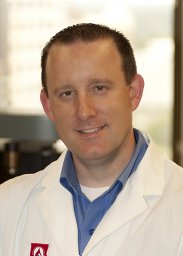 Jason P. Acker合作论文数Canadian Blood Services25
 Capicciotti Chantelle J合作论文数Department of Chemistry, University of Ottawa21
 Turner Tracey R合作论文数Canadian Blood Services, Centre for Innovation, 8249 - 114 Street NW, Edmonton, AB, Canada, T6G 2R8.16Poisson Jessica S合作论文数16
 Jennie G Briard合作论文数Department of Chemistry, University of Ottawa16Madeleine K. Adam合作论文数Dept Chem & Biomol Sci, Univ Ottawa11Durst Tony合作论文数10Av Murphy合作论文数9Tam Roger合作论文数Institute of Biomaterials and Biomedical Engineering, University of Toronto8Adewale Eniade合作论文数8Thomas A. Charlton合作论文数7L. E. McMunn合作论文数7Balcerzak Anna K合作论文数7
 Brendan Luke Wilkinson合作论文数7
 David Allan合作论文数Ottawa Hospital Research Institute, University of Ottawa;Department of Biochemistry, Microbiology and Immunology, University of Ottawa7
 Prabhat Arya合作论文数National Research Council of Canada, Steacie Institute for Molecular Sciences6Ellyssa M. Walsh合作论文数5Vr Bouvet合作论文数5
 Anna Ampaw合作论文数Department of Chemistry and Biomolecular Sciences, University of Ottawa5
 John Frederick Trant合作论文数5Mathieu Leclère合作论文数4
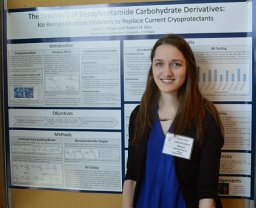 Julia E. Meyer合作论文数University of Ottawa4
 Jacqueline Matthews合作论文数School of Life and Environmental Sciences, Faculty of Science, The University of Sydney4Jennifer Chaytor合作论文数4von Moos Elisabeth合作论文数4
 Anna Jezierski合作论文数4
 Nicolas Pineault合作论文数Biochemistry and Microbiology, Université Laval4M Purushotham合作论文数3Emiliyan Staykov合作论文数3
 Luke Wu合作论文数3ross s mancini合作论文数3Karishma Chopra合作论文数3malay doshi合作论文数3Suria Jahan合作论文数Biochem Microbiol & Immunol, Univ Ottawa3
 Diana Diaz-Dussan合作论文数Department of Chemical & Materials Engineering, University of Alberta3
 Richard Payne合作论文数School of Chemistry, Faculty of Science, The University of Sydney3
 Adam Shuhendler合作论文数Dept Radiol, Stanford Univ3
 Vincent R Bouvet合作论文数Department of Oncology, University of Alberta3Kurach Jayme D R合作论文数3
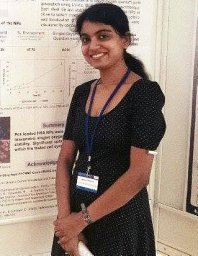 Jayeeta Sengupta合作论文数Laboratory of Toxinology and Experimental Pharmacodynamics, University of Calcutta3Kevin Koh合作论文数3Pawel Czechura合作论文数3Mojmír Suchý合作论文数3
 Ravin Narain合作论文数Department of Chemical and Materials Engineering, Faculty of Engineering, University of Alberta3Dm Sarno合作论文数2Hp Qin合作论文数2L. Breau合作论文数2Salma Alasmar合作论文数2S. Khan合作论文数2




