For millennia humans have pondered the question "Are we alone in the universe?" In recent decades the search for evidence of life beyond earth has focused on the search for habits in which liquid water is now or has in the past been present, as well as the search for organic molecules in extraterrestrial (ET) samples. These efforts have, in turn, spurred significant technological advances to develop methods to analyze fluid inclusions (FI) in ET materials, including meteorites and more recently ET samples collected and returned to earth by various missions that have visited a variety of planetary bodies. Some early reports of fluid inclusions in meteorites in the 1970s were later found to be artifacts introduced during sample preparation. As a result, the study of FI in extraterrestrial samples entered a dark period in which any reports of FI in meteorites were dismissed as likely representing fluids introduced after the samples reached earth. The study of FI in ET samples gained renewed interest following the discovery and documentation of aqueous FI in halite in the Monahans (1998) H5 chondrite. The halite and its contained FI were clearly present before the meteorite reached earth, and subsequent studies confirmed that the age of the halite and its contained FI was 4.7 ±0.2 Ga. This discovery spurred new interest to search for FI in meteorites, now using sample preparation methods that avoid introducing water or other fluids into the sample. In the last two decades much progress has been made in identifying FI in meteorites and mission returned samples, and there are now dozens of well documented reports of FI in these samples. The rarity of FI in ET samples, combined with the generally small size of the FI (less than approximately 1-2 microns in many cases), has led to efforts to develop and improve analytical techniques to characterize the FI. To this end, our group has determined the bulk chemical and H & O stable isotopic composition of individual FI in Zag and Monahans (1998) halite and asteroid Ryugu pyrrhotites using cryo-Time of Flight Secondary Ion Mass Spectrometry (cryo-TOF-SIMS). In this presentation we will summarize some of these recent efforts involving careful and sophisticated sample preparation and analysis methods.
Nyiragongo and Nyamulagira are two of the most active volcanoes in the East African Rift System, producing some of the highest fluxes of volcanic CO(2 )and SO(2 )on Earth, yet pre-eruptive volatile constraints at these volcanoes remain sparse. Here, we report the geochemistry of melt inclusions (MI) from Mg-rich tephra erupted from flank cones of Nyamulagira and Nyiragongo. In our sample suite, CO(2)concentrations in bubble-corrected melt inclusions reach similar to 1.3 and 0.9 wt% for Nyiragongo and Nyamulagira, respectively. Water concentrations are 0.8-1.6 wt% for primitive compositions and 0.2-0.4 wt% for more evolved compositions. Sulfur concentrations reach up to 3100 ppm at Nyiragongo and 2500 ppm at Nyamulagira. Major element 'fingerprinting' of MI shows that some tephra samples have MI with both Nyamulagira and Nyiragongo-type compositions, requiring mixing of olivine originally crystallized from multiple distinct magma types. Volatile solubility modeling yields a wide range of crystallization depths for more primitive magmas, with maximum values of similar to 10-18 km, compared to <5 km for more evolved magmas erupted at the Nyamulagira summit. Estimated CO(2 )concentrations for primary melts based on final equilibration with a lherzolite residue at mantle depths are 6.0 +/- 2.5 wt% for Nyiragongo and 4.4 +/- 2.5 wt% for Nyamulagira. Major element and volatile data are consistent with magma generation in metasomatized lithospheric mantle domains (metasomes) of amphibole + clinopyroxene + lesser phlogopite, with high initial CO(2)sourced from carbonate phase(s). Degassing models of CO2, H2O, and S show that gas compositions at the two volcanoes can be explained by evolved magmas feeding summit lava lakes by a process of conduit convection and degassing.
The chemical history of seawater provides key information on Earth’s geologic processes and is fundamental for robust CO2 reconstructions. The knowledge of the secular evolution of the oceanic boron isotope budget is particularly important for CO2 reconstruction from boron isotopes. The boron isotope composition of seawater (δ11Bsw) is homogeneous, but varies on multi-million year time scales, given its residence time of approximately 10 million years. To date, the secular evolution of the oceanic boron isotope budget has been difficult to constrain, posing a major uncertainty for boron-based pH and CO2 reconstructions from Earth’s geologic past and critically limiting our understanding of the global biogeochemical cycling of this important element through time. Evaporitic minerals bearing fluid inclusions – and halites in particular – have provided important insights on past variations in major and minor ion composition, and present a highly appealing archive for reconstructing δ11Bsw (as well as other isotopic systems) given their direct origin from seawater. However, the interpretation of their signatures is not straightforward due to the possibility of fractionation during evaporation, crystallisation, and local biogeochemical interactions. Here we present data illuminating the evolution of boron isotopes and various other elements during evaporite formation from laboratory experiments and natural modern evaporitic settings across the globe, accompanied by new analytical developments for high-precision single fluid inclusion measurement using laser ablation. These data enable us to critically evaluate the evaporite archive, paving an avenue to robust seawater and CO2 reconstructions from Earth’s geological past.
Porphyry copper deposits (PCDs) are the main source of copper globally, with the metals transported in and deposited from aqueous magmatic fluids. Processes that define the volume of magma and concentration of copper in the magma required to form PCDs, however, are not well understood. Here, we present the results of quantitative modeling of the behavior of Cu and Cl during magma evolution in the upper crust. We show that fractional crystallization is the most important process promoting efficient Cu extraction, and that high concentrations of Cu in the ore-forming hydrothermal fluids can be reached with moderate Cl concentrations. Unusually high concentrations of Cl and Cu in the magma and large magma volumes are not required. Arc magmas of modest volume (<103 km3) and modest initial Cu and Cl concentrations can generate large PCDs, if a sufficient mass of magmatic fluid is exsolved at an advanced stage of crystallization.
The chemical history of seawater provides key information on Earth’s geologic processes and is fundamental for robust CO2 reconstructions. The knowledge of the secular evolution of the oceanic boron isotope budget is particularly important for CO2 reconstruction from boron isotopes. The boron isotope composition of seawater (δ11Bsw) is homogeneous, but varies on multi-million year time scales, given its residence time of approximately 10 million years. To date, the secular evolution of the oceanic boron isotope budget has been difficult to constrain, posing a major uncertainty for boron-based pH and CO2 reconstructions from Earth’s geologic past and critically limiting our understanding of the global biogeochemical cycling of this important element through time. Evaporitic minerals bearing fluid inclusions – and halites in particular – have provided important insights on past variations in major and minor ion composition, and present a highly appealing archive for reconstructing δ11Bsw (as well as other isotopic systems) given their direct origin from seawater. However, the interpretation of their signatures is not straightforward due to the possibility of fractionation during evaporation, crystallisation, and local biogeochemical interactions. Here we present data illuminating the evolution of boron isotopes and various other elements during evaporite formation from laboratory experiments and natural modern evaporitic settings across the globe, accompanied by new analytical developments for high-precision single fluid inclusion measurement using laser ablation. These data enable us to critically evaluate the evaporite archive, paving an avenue to robust seawater and CO2 reconstructions from Earth’s geological past.
Germanium quantum dots (QDs) with defect-free regions and clusters of stacking faults (SFs) relieved the strain from Ge QDs.
Microwave reflection photoconductive decay carrier lifetimes of Ge0.94Sn0.06 materials on oriented GaAs substrates at 300 K.
Abstract Campi Flegrei (CF) is a large volcanic complex west of Naples, in a densely populated region at high volcanic risk due to recurrent ground uplift and subsidence (bradyseism) that has been ongoing since at least Greek-Roman times. We compare the current period of unrest beginning in 2005 with that of the bradyseism crisis of 1982-84. Despite the similarity in the quasi-radially symmetric pattern of ground deformation suggesting a similar source location and overpressure, the current uplift rate is about 8 times lower, and the seismic release energy is an order of magnitude lower than in 1982-84, and mainly located in isolated regions below the Solfatara-Pisciarelli area. We interpret the recent earthquake swarms at Solfatara-Pisciarelli as a reflection of the activation of a fault system that was inactive during previous bradyseism crises. Furthermore, the increase of Solfatara-Pisciarelli fumarole mass flux is the manifestation of fluid discharge that significantly reduces the uplift rate of the ongoing bradyseism event. As a result, the effects of bradyseism in the CF system have self-attenuated through increased fluid expulsion (“breathing or exhalation”) from the deep lithostatically-pressured reservoir. Having gained a clear understanding of the causes of bradyseism at CF, we suggest that modern geoengineering approaches developed to exploit high-temperature geothermal reservoirs may be employed to manage fluid flow and reduce the pressure exerted by geothermal fluids in the Solfatara-Pisciarelli area with the aim of minimizing the risk of phreatic eruptions and, concomitantly, reducing uplift and seismicity. This approach requires concerted and cooperative efforts between geoscientists, engineers, government officials, and the general public.
Extensive research efforts of strained germanium (Ge) are currently underway due to its unique properties, namely, (i) possibility of band gap and strain engineering to achieve a direct band gap, thus exhibiting superior radiative properties, and (ii) higher electron and hole mobilities than Si for upcoming technology nodes. Realizing lasing structures is vital to leveraging the benefits of tensile-strained Ge (epsilon-Ge). Here, we use a combination of different analytical tools to elucidate the effect of the underlying InGaAs/InAlAs and InGaAs overlaying heterostructures on the material quality and strain state of epsilon-Ge grown by molecular beam epitaxy. Using X-ray analysis, we show the constancy of tensile strain in sub-50 nm epsilon-Ge in a quantum-well (QW) heterostructure. Further, effective carrier lifetime using photoconductive decay as a function of buffer type exhibited a high (low) defect-limited carrier lifetime of similar to 68 ns (similar to 13 ns) in 0.61% (0.66%) epsilon-Ge grown on an InGaAs (InAlAs) buffer. These results correspond well with the measured surface roughness of 1.289 nm (6.303 nm), consistent with the surface effect of the epsilon-Ge/III-V heterointerface. Furthermore, a reasonably high effective lifetime of similar to 78 ns is demonstrated in a QW of similar to 30 nm 1.6% epsilon-Ge, a moderate reduction from similar to 99 ns in uncapped epsilon-Ge, alluding to the surface effect of the overlying heterointerface. Thus, the above results highlight the prime quality of epsilon-Ge that can be achieved via III-V heteroepitaxy and paves a path for integrated Ge photonics.
K & imacr;lauea Volcano experiences centuries-long cycles of explosive and effusive eruptive behavior, but the relation, if any, between these eruptive styles and changing conditions in the magma plumbing system remains poorly known. We analyze olivine-hosted melt and fluid inclusions to determine magma storage depths during the explosive-era Keanak & amacr;ko'i Tephra eruptions (similar to 1500-1840 CE) and compare these results to modern effusive-era K & imacr;lauea eruptions (1959 K & imacr;lauea Iki, 1960 Kapoho, 2018 lower East Rift Zone). We find that shallow (1-3 km) magma storage has persisted for centuries at K & imacr;lauea, spanning both explosive and effusive periods. In contrast, mid-crustal zones of magma storage shallowed over time, from 5 to 8 km during the Keanak & amacr;ko'i sequence to 3-5 km during the modern effusive period. Melt and fluid inclusions in high-forsterite olivine (Fo(86-89)) trapped at shallow depths indicate that high-temperature magmas (1200 to similar to 1300 degrees C) commonly reach depths of <= 3 km. CO2-rich fluid inclusions are present in olivine from all investigated K & imacr;lauea eruptions but are larger and much more abundant in Keanak & amacr;ko'i units, which we interpret as indicating that a greater volume fraction of exsolved CO2-rich fluid was present in pre-eruptive Keanak & amacr;ko'i melts. Increased amounts of CO2-rich fluids in the Keanak & amacr;ko'i-era magmas would have increased magma buoyancy and driven rapid magma ascent, thereby increasing eruption energy and enhancing near-surface magma-water interactions compared to the current effusive period.
Energy band alignment of lattice matched Ge 0.94 Sn 0.06 /In 0.12 Al 0.88 As heterostructure, showing type-I configuration.
The boron isotope composition of the ocean is homogeneous, but varies on multi-million year time scales, given its residence time of approximately 10 million years. To date, the secular evolution of the oceanic boron isotope budget has been difficult to constrain. The lack of knowledge on past boron isotope composition of seawater (δ11Bsw) poses a major uncertainty for reliable boron-based pH and CO2 reconstructions from Earth’s geologic past and critically limits our understanding of the global biogeochemical cycling of this important element through time. Evaporitic minerals bearing fluid inclusions – and halites in particular – present a highly appealing archive for reconstructing δ11Bsw given their direct origin from seawater. However, the interpretation of their boron isotope signatures is not straightforward due to the possibility of fractionation during evaporation and crystallisation. Here we present first insights into boron isotope evolution during evaporite formation from laboratory experiments and natural modern evaporitic settings. These data enable us to place constraints on boron fractionation in ancient evaporites, offering new insights into δ11Bsw during some of the key periods of the Phanerozoic.
Mount Somma–Vesuvius is a stratovolcano that represents a geological hazard to the population of the city of Naples and surrounding towns in southern Italy. Historically, volcanic eruptions at Mt. Somma–Vesuvius (SV) include high-magnitude Plinian eruptions, such as the infamous 79 CE eruption that occurred after 295 years of quiescence and killed thousands of people in Pompeii and surrounding towns and villages. The last eruption at SV was in 1944 and showed a Volcanic Explosivity Index (VEI) of 3 (0.01 km3 of volcanic material erupted). Following the 1944 eruption, SV has been dormant for the past nearly 79 years, with only minor fumarolic and seismic activity. During its long history, centuries of dormancy at SV have ended with Plinian eruptions (VEI 6) that signal the beginning of a new cycle of eruptive activity. Thus, the current dormancy stage demands a need to better understand the mechanism involved in high-magnitude eruptions in order to better predict future eruption magnitude and style. Despite centuries of research on the SV volcanic system, many questions remain, including the evolution of magmatic volatiles from deep primitive magmas to shallower more evolved magmas. Developing a better understanding of the physical and chemical processes associated with volatile evolution at SV can provide insights into magma dynamics and the mechanisms that trigger highly explosive eruptions at SV. In this study, we present new data for the pre-eruptive volatile contents of magmas associated with four Plinian and two inter-Plinian eruptions at SV based on analyses of reheated melt inclusions (MIs) hosted in olivine. We correct the volatile contents of bubble-bearing MIs by taking into account the volatile contents of bubbles in the MIs. We recognize two groups of MIs: one group hosted in high-Fo olivine (Fo85–90) and relatively rich in volatiles and the other group hosted in low-Fo olivine (Fo70–69) and relatively depleted in volatiles. The correlation between volatile contents and compositions of host olivines suggests that magma fractionation took place under volatile-saturated conditions and that more differentiated magmas reside at shallower levels relative to less evolved/quasi-primitive magmas. Using the CO2 contents of corrected MIs hosted in Fo90 olivine from SV, we estimate that 347 to 686 t d−1 of magmatic CO2 exsolved from SV magmas during the last 3 centuries (38–75 Mt in total) of volcanic activity. Although this study is limited to only few SV magmas, we suggest that further study applying similar methods could shed light on the apparent lack of correlation between the volatile contents of MIs and the style and age of eruptions. Further, such studies could provide additional constraints on the origin of CO2 and the interaction between the carbonate platform and ascending magmas below SV.
Measuring the carbon stable isotope ratio (13C/12C, expressed as δ13CCO2) in geogenic CO2 fluids is a crucial geochemical tool for studying Earth's degassing. Carbon stable isotope analysis is traditionally performed by bulk mass spectrometry. Although Raman spectroscopy distinguishes 12CO2 and 13CO2 isotopologue bands in spectra, using this technique to determine CO2 isotopic signature has been challenging. Here, we report on in-situ non-destructive analyses of the C stable isotopic composition of CO2, applying a novel high-resolution Raman configuration on 42 high-density CO2 fluid inclusions in mantle rocks from the Lake Tana region (Ethiopia) and El Hierro (Canary Islands). We collected two sets of three spectra with different acquisition times at high spectral resolution in each fluid inclusion. Among the 84 sets of spectra, 58 were characterised by integrated 13CO2/12CO2 band area ratios with reproducibility better than 4‰. Our results demonstrate the determination of δ13CCO2 by Raman spectroscopy in individual fluid inclusions with an error better than 2.5 ‰, which satisfactorily matches bulk mass spectrometry analyses in the same rock samples, supporting the accuracy of the measurements. We thus show that Raman Spectroscopy can provide a fundamental methodology for non-destructive, site-specific, and spatially resolved carbon isotope labelling at the microscale.
Recent studies have shown that the asthenospheric mantle contains significant amounts of H 2 O, mostly occurring as protons (hydrogen ions) in defects in nominally anhydrous phases such as olivine, pyroxene, and garnet, as well as in perovskites in the lower mantle."Free" fluids are rare to non-existent in the asthenospheric mantle, with most "water" and other volatile species hosted in minerals and melts.While less is known concerning volatile abundances, distribution, and speciation in the asthenospheric mantle, considerable information on the volatile budget of the lithospheric mantle (LM) is available from studies of xenoliths brought to the surface from the LM in mainly basaltic or kimberlitic magmas.Volatile-bearing minerals, such as phlogopite, and the presence of volatile-bearing melt inclusions and fluid inclusions in mantle xenoliths, all provide evidence for the presence of volatiles in the LM.For the past 40 years Dr. Csaba Szabó and his students and colleagues in the Lithosphere Fluid Research Lab at Eötvös University have been at the forefront of research to understand the role of fluids in the LM, with much of the work centered on the Nógrád-Gömör volcanic field in northern Hungary and southern Slovakia.Szabó and coworkers were among the first to use data obtained from CO 2rich fluid inclusions (FI) in mantle xenoliths, combined with textural evidence for re-equilibration of the FI, to infer that the FI were originally trapped below the MOHO and transported to the MOHO in ~36 hrs at an average ascent rate of 0.1 m/sec.Following an unknown period of storage in the LM, the xenoliths were transported from the MOHO to the surface in ~1.5 hrs at 5m/sec.More recent work by Szabó and colleagues has confirmed that FI from the LM previously thought to contain pure CO 2 contain small but geochemically significant amounts of H 2 O, and that these fluids are capable of mobilizing various trace elements during metasomatism of the LM.These and other studies by the LFR group led by Professor Szabó have significantly advanced our understanding of the important role that fluids play in the evolution of the lithospheric mantle.
 Matthew Steele-Macinnis合作论文数Department of Geosciences, Virginia Tech38
 Michael Zolensky合作论文数NASA Johnson Space Center, NASA Astrobiology Institute;NASA Stardust, Hayabusa and Spacecraft Microimpact Samples35
 J. Donald Rimstidt合作论文数Department of Geosciences, College of Science, Virginia Polytechnic Institute and State University23
 Hector Lamadrid合作论文数Department of Geological Sciences, University of Missouri19
 Benedetto De Vivo合作论文数Dipartimento di Scienze della Terra, University of Napoli “Federico II”,19
 Rosario Esposito合作论文数18
 Harry Y. McSween合作论文数Department of Earth, Environmental, and Planetary Sciences, College of Arts and Sciences, The University of Tennessee, Knoxville17
 Andras Fall合作论文数Bureau of Economic Geology, Jackson School of Geosciences,The University of Texas at Austin17
 D. Matthew Sublett合作论文数14
 Eszter Sendula合作论文数Department of Geosciences, UiT The Arctic University of Norway14
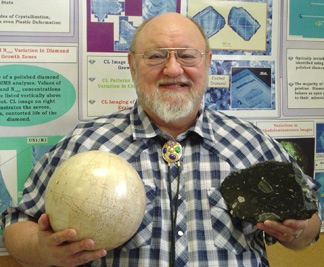 Lawrence A. Taylor合作论文数Department of Earth and Planetary Sciences, The University of Tennessee14
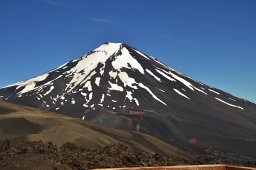 Claudia Cannatelli合作论文数Department of Earth Science, University of California Santa Barbara14
 Pilar Lecumberri-Sanchez合作论文数Department of Geosciences, Virginia Tech13
 Luca Fedele合作论文数Dipartimento di Geofisica e Vulcanologia, University of Napoli “Federico II”,12
 Mantu K. Hudait合作论文数Bradley Department of Electrical and Computer Engineering, Virginia Tech12
 Lowell R. Moore合作论文数Virginia Tech11
 Yoko Kebukawa合作论文数Fac Engn, Yokohama Natl Univ11James G. Blencoe合作论文数11Q. H. S. Chan合作论文数10
 Daniel Moncada合作论文数Dept Geol, Univ Chile10
 Csaba Szabó合作论文数Department of Medicine, Université de Fribourg;Department of Oncology, Microbiology and Immunology, University of Fribourg10
 Annamaria Lima合作论文数Dipartimento di Scienze della Terra, Università di Napoli “Federico II”,10
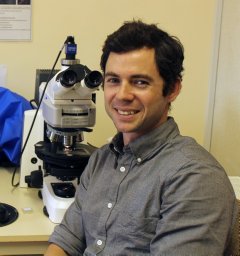 Geoffrey H. Howarth合作论文数Department of Geological Sciences, University of Cape Town10S. Michael Sterner合作论文数9
 Esteban Gazel合作论文数Earth and Atmospheric Sciences, College of Engineering, Cornell University9
 Marc Fries合作论文数Geophysical Laboratory, 5251 Broad Branch Road N.W., Washington, DC 20015, USA9Charles S Oakes合作论文数Department of Geological Sciences, Virginia Polytechnic Institute and State University9
 Andrew Steele合作论文数Geophysical Laboratory, Carnegie Institution of Washington;Carnegie Science9
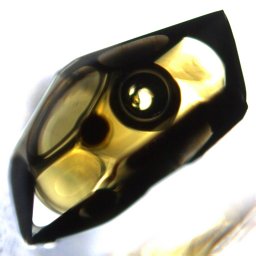 Stephen P. Becker合作论文数Department of Psychology, Miami University9
 Andrei Dolocan合作论文数Texas Mat Inst, Univ Texas Austin8Maxim O. Vityk合作论文数8T. Azbej合作论文数8
 Tibor Guzmics合作论文数Lithosphere Fluid Research Laboratory, Eötvös University8
 Jeffery C. Seitz合作论文数Department of Geological Sciences, Virginia Polytechnic Institute and State University8
 Marta Berkesi合作论文数Lithosphere Fluid Research Laboratory, Eötvös University Budapest8joseph g aylor合作论文数7Donald L. Hall合作论文数7
 Jay B. Thomas合作论文数Earth and Environmental Sciences, and7
 Michael Clavel合作论文数7
 Tim K. Lowenstein合作论文数Department of Geological Sciences and Environmental Studies, Binghamton University7
 Shuhai Xiao合作论文数Department of Geosciences, Virginia Polytechnic Institute and State University7Zoltan Zajacz合作论文数Department of Earth Sciences, Swiss Federal Institute of Technology7
 Mark Caddick合作论文数School of Biological Sciences, The University of Liverpool7J Michael Simonson合作论文数7
 Stephen E. Laubach合作论文数Bureau of Economic Geology, Jackson School of Geosciences, The University of Texas7Harvey E Belkin合作论文数U.S. Geological Survey, US Geological Survey7
 James S. Beard合作论文数7
 Kyle T. Ashley合作论文数Dept Geol Environm, Univ Pittsburgh7




