BACKGROUND:Healthcare innovations have not kept pace with the burden of critical illness survivorship. The majority of patients treated in an intensive care unit (ICU) will survive but suffer new or worsening physical, cognitive or mental health sequelae, known as post-intensive care syndrome (PICS). For these survivors, the transition from hospital-based acute care to community-based care is often complex, with high rates of emergency department visits and unplanned hospital readmission. The purpose of this analysis is to describe ICU survivor and family caregiver experiences navigating the challenges in the transition from hospital to home. METHODS:In this qualitative interpretive description study, data from semi-structured interviews with ICU survivors and family caregivers in the months following discharge from the hospital to home were analyzed using thematic and constant comparative methods. RESULTS:The 47 study participants included 28 survivors (mean age 58, 17 men and 11 women) and 19 family caregivers (mean age 53, 6 men and 13 women), who represented 32 cases. The challenges experienced when transitioning from hospital included (1) feeling too ill to go home and pushed out of the hospital without a plan, (2) confronting illness and exhaustion without a safety net, and (3) managing at home with inadequate healthcare. During this time, patients were vulnerable to stagnation or deterioration of their mental and physical health, unmet healthcare needs, and unplanned emergency department visits and rehospitalization. CONCLUSIONS:The challenging transition from the hospital setting suggests a heightened window of vulnerability in the initial months post-discharge and emphasizes a crucial missing middle in our healthcare system, leaving vulnerable patients at risk for ongoing and new health problems.
Background When critical illness survivors are discharged home, they encounter a myriad of physical, emotional, cognitive, and socioeconomic challenges which can endure for an extended period of recovery. Given the extent of patient need, family members often assume the role of informal caregivers. The work inherent in this role can significantly compromise their own health, which can, in turn, influence the nature and trajectory of recovery for the survivor.Purpose This study aimed to describe the role of informal family caregivers in patient recovery from critical illness following hospitalisation, in the context of publicly-funded healthcare and where there were no critical care follow-up or aftercare programmes.Methods Guided by a qualitative, interpretive description approach, in-depth semi-structured interviews were conducted with 25 family caregivers of patients recovering from critical illness at home. In total, 29 interviews were conducted: 21 caregivers were interviewed once, and 4 caregivers were interviewed twice. Interview data were analyzed thematically using inductive, constant comparative methods.Results The nature of family caregiving was grounded in the patient's condition, whether it involved slow recovery vs stagnation or decline, and the caregiver's capacity to engage in care. Caregivers influenced patient recovery by (1) assuming daily living and physical care responsibilities; (2) providing motivational and emotional support; (3) searching for and gathering information; (4) monitoring and supervising health and treatment; and (5) managing medical appointments and advocating for resources.Conclusions Family caregivers fulfilled a central role in managing a wide range of needs of survivors, found to be pivotal for their recovery. Policy and practical support are needed to help caregivers fulfil this role alongside meeting their own personal challenges and responsibilities.
ObjectivesThere are health disparities and inequities in the outcomes of critical illness survivors related to the influence of social determinants of health on recovery. The purpose of this study was to describe the relationship between critical illness recovery and the intermediary social determinants of health in the Canadian context. Because Canadian healthcare is provided within a universal publicly funded system, this analysis sheds light on the role of social determinants of health in the context of universal health services and a relatively robust social safety net.DesignIn this qualitative interpretive description study, data from semi-structured interviews with intensive care unit survivors, family caregivers and healthcare providers were analysed using thematic and constant comparative methods.SettingWestern Canadian Hospital serving a population of 900 000 people.ParticipantsThe 74 study participants included 30 patients (mean age 58 years, 18 men and 12 women) and 25 family caregivers (mean age 55 years, 8 men and 17 women), representing 37 cases, as well as 19 healthcare providers.ResultsChallenges with employment and finances, home set-up, transportation, food and nutrition, medications and social support complicated and hindered critical illness recovery. Critical illness sequelae also altered these social determinants of health, suggesting a reciprocal relationship. Furthermore, individuals experiencing socioeconomic disadvantage before critical illness described being at a greater disadvantage following their critical illness, which interfered with their recovery and suggests an accumulation of risk for some.ConclusionsOur findings underscore the significant influence of social determinants of health on critical illness recovery, highlighting the importance of creating and evaluating comprehensive approaches to health and well-being that address health inequities.
OBJECTIVE:To evaluate the association between provider religion and religiosity and consensus about end-of-life care and explore if geographical and institutional factors contribute to variability in practice. METHODS:Using a modified Delphi method 22 end-of-life issues consisting of 35 definitions and 46 statements were evaluated in 32 countries in North America, South America, Eastern Europe, Western Europe, Asia, Australia and South Africa. A multidisciplinary, expert group from specialties treating patients at the end-of-life within each participating institution assessed the association between 7 key statements and geography, religion, religiosity and institutional factors likely influencing the development of consensus. RESULTS:Of 3049 participants, 1366 (45%) responded. Mean age of respondents was 45 ± 9 years and 55% were females. Following 2 Delphi rounds, consensus was obtained for 77 (95%) of 81 definitions and statements. There was a significant difference in responses across geographical regions. South African and North American respondents were more likely to encourage patients to write advance directives. Fewer Eastern European and Asian respondents agreed with withdrawing life-sustaining treatments without consent of patients or surrogates. While respondent's religion, years in practice or institution did not affect their agreement, religiosity, physician specialty and responsibility for end-of-life decisions did. CONCLUSIONS:Variability in agreement with key consensus statements about end-of-life care is related primarily to differences among providers, with provider-level variations related to differences in religiosity and specialty. Geography also plays a role in influencing some end-of-life practices. This information may help understanding ethical dilemmas and developing culturally sensitive end-of-life care strategies.
ObjectivesTo investigate how the accumulation of deficits traditionally related and not traditionally related to dementia predicts dementia and mortality.DesignA retrospective cohort study with up to 9 years of follow-up.Setting and ParticipantsLong-term care residents aged ≥65 with or without dementia.MethodsFrailty indices based on health deficit accumulation were constructed. The FI-t consisted of 27 deficits traditionally related to dementia; the FI-n consisted of 27 deficits not traditionally related to dementia; the FI-a consisted of all 54 deficits taken from the FI-t and the FI-n.ResultsIn this long-term care sample (n = 29,758; mean age = 84.6 ± 8.0; 63.8% female), 91% of the residents had at least 1 impairment in activities of daily living, 61% had a diagnosis of dementia, and the vast majority were frail (53% had FI-a > 0.2). Residents with dementia had a higher FI-t compared with those without dementia (0.278 ± 0.110 vs. 0.272 ± 0.108), whereas residents without dementia had a higher FI-n (0.143 ± 0.082 vs. 0.136 ± 0.079). Within 9 years, 97% of the sample had died; a 0.01 increase of the FI-a was associated with a 4% increase of the mortality risk, adjusting for age, sex, admission year, stay length, and dementia type. Residents who developed dementia after admission to long-term care had higher baseline FI-t and FI-a (P's < .003) than those who remained without dementia.Conclusions and ImplicationsFrailty is highly prevalent in older adults living in long-term care, irrespective of the presence or absence of dementia. Accumulation of deficits, either traditionally related or unrelated to dementia, is associated with risks of death and dementia, and more deficits increases the probability. Our findings have implications for improving the quality of care of older adults in long-term care, by monitoring the degree of frailty at admission, managing distinct needs in relation to dementia, and enhancing frailty level-informed care and services.
As people age, they are more likely to accumulate health deficits leading to an increased risk of adverse outcomes, including dementia. In community-dwelling older adults, even combining only the deficits traditionally unrelated to dementia predicts dementia. Previously, we reported an association between deficit accumulation and dementia in residential care. Here, our objectives are to 1) understand the profiles of deficit accumulation and the relationships between traditional and non-traditional dementia risk factors in older residents with or without dementia and 2) investigate the impact of deficit accumulation on dementia and survival outcomes in residential-care older adults. We analyzed the first full-assessment data of older adults in InterRAI Residential Care (RAI-RC MDS2.0) who enrolled in facilities under the care of Fraser Health Canada between 2010 and 2019 (female = 63.8%, mean age = 84.6±8.0 years). Dementia diagnoses (n = 18169), including pure Alzheimer’s disease (AD), mixed AD, other dementia, and no dementia (n = 11,589), were recorded at annual assessments. Two indices were constructed as the mean of the coded deficits between 0 (absent) and 1 (present), employing the same descriptive levels as in the original assessment. One index contained 20 traditional dementia risk factors (e.g., cognition, hypertension, and heart disease); the other contained 20 non-traditional ones (e.g., vision, hearing, arthritis, and continence). Participants were followed until 2021. Relationships between the indices and their impact on survival were tested. Incidental dementia outcome was examined for the non-demented sub-sample. Over 92% of residents had at least one daily-living dependency. The two indices were highly correlated (R = 0.59, p<.001), and each positively related to mortality, regardless of dementia diagnoses. People with dementia accumulated more deficits and had a higher mean traditional risk index than those without dementia (F = 334.72, p<.001), while the latter group accumulated more non-traditional risk factors on average (F = 135.39, p<.001). A higher level of the indices showed variable risks of incidental dementia at follow-ups (p’s<.05). Older residents without dementia are dominated by dependent living with a distinct deficit accumulation profile than those with dementia. Deficit accumulation has negative impact on both dementia and survival outcomes in residential care.
This study assesses two coding approaches on the frailty index (FI). Two FI were calculated using 43 variables from 29,758 older adults (84.6 & PLUSMN; 8 years old; 64 % female) in longterm care. Scores were coded as 0, 0.5, or 1 regardless of the number of levels (grouped), or preserved (e.g., a 4 level variable was coded as 0, 0.33, 0.67, or 1; discrete). Grouped and discrete FI were compared with each ordinal variable removed but all other ordinal variables included. This was repeated until 28 unique (14 grouped, 14 discrete) FI had been constructed each with one ordinal variable removed per FI. FI was correlated to age and mortality separated by sex. The median grouped (0.302 (0.221-0.372)) was higher relative to the discrete (0.237 (0.170-0.307)) FI. The discrete (r = 0.91, r = 0.87) and grouped (r = 0.93, r = 0.87) FI showed similar relationships to age and mortality. Removal of any ordinal variable reduced grouped FI by 0.004 or 0.016, whereas removal led to both increases (range: 0.003-0.001) and reductions (range: 0.002-0.008) for discrete FI. A grouped approach inflates FI. A discrete approach provides a more accurate measure of frailty.
Abstract Background Early frailty assessment is crucial for improving care for older adults through enhancing frailty-informed care planning and execution. To increase the access and use of the established electronic Frailty Index based on the Comprehensive Geriatric Assessment tool, we developed an online software application: the web-based eFI-CGA. Methods End-user requirements primarily adapted the standalone version of the eFI-CGA and covered assessment competency, interface familiarity, accessibility and convenient use by front-line health professionals. Web app-bounded features included user-account authentication and authorization, user-space management, record-search and retrieval, and functions for data management, analysis and display. The web app development used the Microsoft Azure web server with the ASP.NET framework, combined Webforms and Model-View-Controller architecture, and C# programming language with standard client-side libraries incorporating scripting and mark-up languages. Results The web-based eFI-CGA was technically released and accessible online (efi-cga). Tests on the web pages for all the web pages (e.g., Home, Signup Login, Assessment, Search, and Analysis) using large sizes of systematically designed test data and mocked patient cohorts showed that the web software functions meet the requirements with 100% accuracy. Conclusion The web-based eFI-CGA provides a valuable remote frailty assessment and information retrieval method for healthcare professionals, promoting effective multidisciplinary integrated care of older adults. Further work is needed to allow the safe use of the web app. We are also planning a patient-oriented frailty assessment tool for community-dwelling older adults.
Older adults in long-term care are typically frail with multiple health problems and functional impairments; many have dementias of Alzheimer's disease (AD) or other types. Frailty and dementia have a complex relationship; deterioration in one can make people more susceptible to the other. The association between frailty and dementia in long-term care is not well understood. We conducted this study to investigate 1) how frailty differed by AD and dementia diagnoses in long-term care residents, and 2) whether the relationship between frailty and dementia changes over time.Data were retrieved from the InterRAI Residential Care assessments conducted in Fraser Health, Canada. Participants aged 65 years and over at the time of admission to one of the 83 long-term care facilities between 2010 and 2019 (number of participants n=25,744; mean age=84.7±7.7 (85-111) years; 63.2% females) were included in the study. Diagnosis of AD (n=4,055) and other dementias (n=11,882) were recorded during the assessment. A frailty index (FI) was calculated for each participant using 36 variables from their first full MDS2.0 assessment. Deficits included diseases, symptoms, functions, nutrition and other health conditions. The FI was presented as the ratio of deficits present over the total number of deficits considered (i.e., 36 here; higher FI indicating more deficits). Group mean differences of the FI were examined using ANOVA. Relations of the FI with AD and dementia diagnoses were examined using multivariate regressions, adjusted for year of assessment and demographics.The FI of the individuals increased exponentially with age (r=0.127, p<0.001) and differed significantly among diagnoses (no dementia=0.369±0.137, AD=0.394±0.144, other dementias=0.422±0.144, F=370.15, p<0.001). The 99% limits of the FI ranged 0.686 - 0.736, depending on assessment year. Frailty increased dementia risks: a 1% increase of the FI was associated with 2.7% (95% confidence interval CI=2.4-2.9) higher risk for other dementias and 1.4% (1.1-1.6) for AD, independent of the effects of age, sex, and the year of admission.Data demonstrate the robust characteristics of the frailty index. The consistent association between frailty and dementia in long-term care over the decade has implications for integrated management strategies to delay frailty and dementia trajectories among at-risk residents.
Introduction/Hypothesis: Individuals who survive the ICU frequently suffer mental health challenges including anxiety, depression, and post-traumatic stress. While interventions to improve mental health outcomes have emerged, studies evaluating these interventions have found a lack of overall effectiveness. We conducted a realist review to develop and refine a theoretical understanding of why, how, for whom, and in what contexts psychosocial interventions impact general ICU survivors’ outcomes. Methods: Primary studies evaluating general ICU survivors’ outcomes one month post-ICU discharge were identified from an ongoing realist review that searched CINAHL, EMBASE, MEDLINE, and PsycINFO databases. Relevant articles were iteratively coded following realist methods to identify context (C), mechanism (M), and outcome (O) configurations that hypothesize how interventions will work for general ICU survivors. CMO configurations were compiled from a variety of primary studies examining ICU diaries, follow-up programs, support groups, and counselling. The identified patterns were subsequently tested and refined across all psychosocial intervention studies. Results: Seven psychosocial patterns were identified, five with positive outcomes and 2 negative. The CMO patterns with positive outcomes highlight how contextual factors such as a survivors coping style and presence of social support trigger specific mechanisms, such as ‘making sense,’ ‘protective coping,’ ‘facilitated recovery processes,’ ‘resuming roles,’ and ‘preparation for what is to come,’ to achieve improved psychological outcomes and participation in rehabilitation activities. Conversely, the CMO patterns with negatives outcomes highlighted how incongruence of intervention programs with survivors’ needs can trigger mechanisms (dwelling on the past, and failing to make sense) that ultimately produce negative psychological outcomes and health behaviors. Conclusions: Different types of psychosocial interventions suit different ICU survivors, not only based on medical diagnosis, but also an individual’s illness narrative, cognitive impairment, coping style, and overall goals for recovery.
Background: Frailty is characterized by loss of biological reserves and is associated with an increased risk of adverse health outcomes. Frailty can be operationalized using a Frailty Index (FI) based on the accumulation of health deficits; items under health evaluation in the well-established Comprehensive Geriatric Assessment (CGA) have been used to generate an FI-CGA. Traditionally, constructing the FI-CGA has relied on paper-based recording and manual data processing. As this can be time-consuming and error-prone, it limits widespread uptake of this proven type of frailty assessment. Here, we report the development of an electronic tool, the eFI-CGA, for use on personal computers by frontline healthcare providers, to collect CGA data and automate FI-CFA calculation. The ultimate goal is to support early identification and management of frailty at points-of-care, and make uptake in Electronic Medical Records (EMR) feasible and transparent. Methods: An electronic CGA (eCGA) form was implemented to operate on Microsoft's WinForms platform and coded using C# programming language. Users complete the eCGA form, from which items under the CGA evaluation are automatically retrieved and processed to output an eFI-CGA score. A user-friendly interface and secured data saving methods were implemented. The software was debugged and tested using systematically designed simulation data, addressing different logic, syntax, and application errors, and then tested with clinical assessment. The user manual and manual scoring were used as ground truth to compare eFI-CGA input and automated eFI score calculations. Frontline health-provider user feedback was incorporated to improve the end-user experience. Results: The Standalone eFI-CGA software tool was developed and optimized for use on personal computers. The user interface adapted the design of paper-based CGA form to facilitate familiarity for clinical users. Compared to known scores, the software tool generated eFI-CGA scores with 100% accuracy to four decimal places. The eFI-CGA allowed secure data storage and retrieval of multiple types, including user input, completed eCGA form, coded items, and calculated eFI-CGA scores. It also permitted recording of actions requiring clinical follow-up, facilitating care planning. Application bugs were identified and resolved at various stages of the implementation, resulting in efficient system performance. Discussion: Accurate, robust, and reliable computerized frailty assessments are needed to promote effective frailty assessment and management, as a key tool in health care systems facing up to frailty. Our research has enabled the delivery of the standalone eFI-CGA software technology to empower effective frailty assessment and management by various healthcare providers at points-of-care, facilitating integrated care of older adults.
BACKGROUND:While 80% of critically ill patients treated in an intensive care unit (ICU) will survive, survivors often suffer a constellation of new or worsening physical, cognitive, and psychiatric complications, termed post-intensive care syndrome. Emerging evidence paints a challenging picture of complex, long-term complications that are often untreated and culminate in substantial dependence on acute care services. Clinicians and decision-makers in the Fraser Health Authority of British Columbia are working to develop evidence-based community healthcare solutions that will be successful in the context of existing healthcare services. The objective of the proposed review is to provide the theoretical scaffolding to transform the care of survivors of critical illness by a synthesis of relevant clinical and healthcare service programs. METHODS:Realist review will be used to develop and refine a theoretical understanding of why, how, for whom, and in what circumstances post-ICU program impact ICU survivors' outcomes. This review will follow the recommended five steps of realist review which include (1) clarifying the scope of the review and articulating a preliminary program theory, (2) searching for evidence, (3) appraising primary studies and extracting data, (4) synthesizing evidence and sharing conclusions, and (5) disseminating and implementing recommendations. DISCUSSION:This realist review will provide a program theory, encompassing the contexts, mechanisms, and outcomes, to explain how clinical and health service interventions to improve ICU survivor outcomes operate in different contexts for different survivors, and with what effect. This review will be an evidentiary pillar for health service development and implementation by our knowledge user team members as well as advance scholarly knowledge relevant nationally and internationally. SYSTEMATIC REVIEW REGISTRATION:PROSPERO CRD42018087795.
Abstract Frailty Index (FI), polypharmacy and cognition status are significant health concerns in older adults. We conducted this study to investigate the interplay of frailty, polypharmacy, and cognition, in determining health outcomes. InterRAI Residential Care (RAI-RC MDS2.0) data were retrieved from residential care homes in Surrey, BC, Canada. Older residents (65+ years) who had RAI-RC records between 2016 and 2018 were used in the analysis (n=976). A deficit accumulation-based FI was generated using 36 variables. Information on polypharmacy and cognition were obtained by accounting the total number of medications and the cognitive performance scale. Information on falls, emergency visits, and mortality were followed. Multivariate Cox proportional hazard models were used to examine the effects of these variables on different outcomes. The FI showed a near Gaussian distribution (median= 0.370 mean= 0.372 SD= 0.143), and increased linearly with age on a logarithm scale (R=0.75, p<0.001). Residents with cognitive impairment showed a higher level of the FI (KW= 863.3, p<0.001). A higher FI was associated with an increased risk of death (HR=15.2 p=0.006) and emergency visits (HR=2.72 p=0.048), adjusting for age, sex, medications, and education levels. Frailty, polypharmacy, and cognition levels are associated and have interactive effects on health outcomes. Ongoing research is to validate the findings with large samples in different health settings, and to understand the underlying processes of the effect. The close relationships between frailty, polypharmacy, and cognition with health outcomes call for effective integrated strategies for healthcare of older adults with multiple complex health problems.
The impact of chronic exposure to air pollution and outcomes in the acute respiratory distress syndrome (ARDS) is unknown. The Nationwide Inpatient Sample (NIS) from 2011 was utilized for this analysis. The NIS is a national database that captures 20% of all US in-patient hospitalizations from 47 states. Patients with ARDS who underwent mechanical ventilation from the highest 15 ozone pollution cities were compared with the rest of the country. Secondary analyses assessed outcomes of ARDS patients for ozone pollution and particulate matter pollution on a continuous scale by county of residence. A total of 8,023,590 hospital admissions from the 2011 NIS sample were analyzed. There were 93,950 patients who underwent mechanical ventilation for ARDS included in the study. Patients treated in high ozone regions had significantly higher unadjusted hospital mortality (34.9% versus 30.8%, p < 0.01) than patients in cities with control levels of ozone. After controlling for all variables in the model, treatment in a hospital located in a high ozone pollution area was associated with an increased odds of in-hospital mortality (OR 1.11, 95% CI 1.08-1.15, p < 0.01). After adjustment for all variables in the model, for each increase in ozone exposure by 0.01 ppm the OR for death was 1.07 (95% CI 1.06-1.08, p < 0.01). Similarly, for each increase in particulate matter exposure by 10 μg/m3, the OR for death was 1.08 (95% CI 1.02-1.16, p < 0.01). Chronic exposure to both ozone and particulate matter pollution is associated with higher rates of mortality in ARDS. These preliminary findings need to be confirmed by further detailed studies.
Background:Palliative care is recommended for advanced heart failure (HF) by several major societies, though prior studies indicate that it is underutilized. Aim:To investigate patterns of palliative care referral for patients admitted with HF exacerbations, as well as to examine patient and hospital factors associated with different rates of palliative care referral. Design:Retrospective nationwide cohort analysis utilizing the National Inpatient Sample from 2006 to 2012. Patients referred to palliative care were compared to those who were not. Setting/Participants:Patients ≥18 years of age with a primary diagnosis of HF requiring mechanical ventilation (MV) were included. A cohort of non-HF patients with metastatic cancer was created for temporal comparison. Results:Between 2006 and 2012, 74 824 patients underwent MV for HF. A referral to palliative care was made in 2903 (3.9%) patients. The rate of referral for palliative care in HF increased from 0.8% in 2006 to 6.4% in 2012 (P < .01). In comparison, rate of palliative care referral in patients with cancer increased from 2.9% in 2006 to 11.9% in 2012 (P < .01). In a multivariate logistic regression model, higher socioeconomic status (SES) was associated with increased access to palliative care (P < .01). Racial differences were also observed in rates of referral to palliative care. Conclusion:The use of palliative care for patients with advanced HF increased during the study period; however, palliative care remains underutilized in this setting. Patient factors such as race and SES affect access to palliative care.
Objective: Associations between low socioeconomic status (SES) and poor health outcomes have been demonstrated in a variety of conditions. However, the relationship in patients with sepsis is not well described. We investigated the association of lower household income with in-hospital mortality in patients with sepsis across the United States. Methods: Retrospective nationwide cohort analysis utilizing the Nationwide Inpatient Sample (NIS) from 2011. Patients aged 18 years or older with sepsis were included. Socioeconomic status was approximated by the median household income of the zip code in which the patient resided. Multivariate logistic modeling incorporating a validated illness severity score for sepsis in administrative data was performed. Results: A total of 8 023 590 admissions from the 2011 NIS were examined. A total of 671 858 patients with sepsis were included in the analysis. The lowest income residents compared to the highest were younger (66.9 years, standard deviation [SD] = 16.5 vs 71.4 years, SD = 16.1, P < .01), more likely to be female (53.5% vs 51.9%, P < .01), less likely to be white (54.6% vs 76.6%, P < .01), as well as less likely to have health insurance coverage (92.8% vs 95.9%, P < .01). After controlling for severity of sepsis, residing in the lowest income quartile compared to the highest quartile was associated with a higher risk of mortality (odds ratio [OR]: 1.06, 95% confidence interval [CI]: 1.03-1.08, P < .01). There was no association seen between the second (OR: 1.02, 95% CI: 0.99-1.05, P = .14) and third (OR: 0.99, 95% CI: 0.97-1.01, P = .40) quartiles compared to the highest. Conclusion: After adjustment for severity of illness, patients with sepsis who live in the lowest median income quartile had a higher risk of mortality compared to residents of the highest income quartile. The association between SES and mortality in sepsis warrants further investigation with more comprehensive measures of SES.
Objective: The outcome of patients with pulmonary arterial hypertension (PAH) who undergo mechanical ventilation is not well known. Methods: The Nationwide Inpatient Sample for 2006 to 2012 was used to isolate patients with a diagnosis of PAH who also underwent invasive (MV) and noninvasive (NIMV) mechanical ventilation. The primary outcome was in-hospital mortality. Results: The hospital records of 55 208 382 patients were studied, and there were 21 070 patients with PAH, of whom 1646 (7.8%) received MV and 834 (4.0%) received NIMV. Those receiving MV had higher mortality (39.1% vs 12.6%, P < .001) and longer hospital stays (11.9 days, interquartile range [IQR] 6.1-22.2 vs 6.7 days, IQR 3.4-11.9, P < .001) than those undergoing NIMV. Of the patients treated with MV, 4.4% also used home oxygen therapy and had similar overall mortality to those who did not use home oxygen (35.3% vs 39.1%, P = .46). Similarly, there was no relationship between home oxygen use and mortality in patients treated with NIMV (10.6% vs 12.6%, P = .48). Notably, more patients treated with NIMV used home oxygen than those treated with MV (14.4% vs 4.4%, P < .001). Conclusion: Patients with PAH who undergo invasive mechanical ventilation have an in-hospital mortality of 39.1%. Future work may help identify the types of patients who benefit most from advanced respiratory support in a critical care setting.
OBJECTIVE: To estimate the rate of acute respiratory distress syndrome (ARDS) in pregnant patients as well as to investigate clinical conditions associated with mortality.METHODS: We used the Nationwide Inpatient Sample from 2006 to 2012 to identify a cohort of pregnant patients who underwent mechanical ventilation for ARDS. A multivariate model predicting in-hospital mortality was created.RESULTS: A total of 55,208,382 hospitalizations from the 2006-2012 Nationwide Inpatient Samples were analyzed. There were 2,808 pregnant patients with ARDS who underwent mechanical ventilation included in the cohort. The overall mortality rate for the cohort was 9%. The rate of ARDS requiring mechanical ventilation increased from 36.5 cases (95% confidence interval [CI] 33.1-39.8) per 100,000 live births in 2006 to 59.6 cases (95% CI 57.7-61.4) per 100,000 live births in 2012. Factors associated with a higher risk of death were prolonged mechanical ventilation (adjusted odds ratio [OR] 1.69, 95% CI 1.25-2.28), renal failure requiring hemodialysis (adjusted OR 3.40, 95% CI 2.11-5.47), liver failure (adjusted OR 1.71, 95% CI 1.09-2.68), amniotic fluid embolism (adjusted OR 2.31, 95% CI 1.16-4.59), influenza infection (OR 2.26, 95% CI 1.28-4.00), septic obstetric emboli (adjusted OR 2.15, 95% CI 1.17-3.96), and puerperal infection (adjusted OR 1.86, 95% CI 1.28-2.70). Factors associated with a lower risk of death were: insurance coverage (adjusted OR 0.56, 95% CI 0.37-0.85), tobacco use (adjusted OR 0.53, 95% CI 0.31-0.90), and pneumonia (adjusted OR 0.70, 95% CI 0.50-0.98).CONCLUSION: In this nationwide study, the overall mortality rate for pregnant patients mechanically ventilated for ARDS was 9%. The rate of ARDS requiring mechanical ventilation increased from 36.5 cases (95% CI 33.5-41.8) per 100,000 live births in 2006 to 59.6 cases (95% CI 54.3-65.3) per 100,000 live births in 2012.
 Sean Bagshaw合作论文数General Systems Intensive Care Unit, Department of Critical Care Medicine, Faculty of Medicine & Dentistry, University of Alberta;Critical Care Strategic Clinical Network, Alberta Health Services19
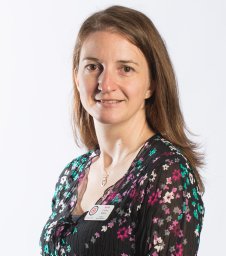 Sarah Crowe合作论文数Corresponding author.7
 Barret Rush合作论文数Sect Crit Care Med, Univ Manitoba7
 Leanne M. Currie合作论文数School of Nursing, Faculty of Applied Science, The University of British Columbia7
 Xiaowei Song合作论文数Surrey Memorial Hospital, Fraser Health Authority7
 Leo Anthony Celi合作论文数MIT Institute for Medical Engineering & Science6
 A. Fuchsia Howard合作论文数School of Nursing, Faculty of Applied Science, The University of British Columbia6
 Gregory Haljan合作论文数5Hilary Low合作论文数4Kelsey Lynch合作论文数4
 Sumit Ranjan Majumdar合作论文数Department of Medicine, Faculty of Medicine & Dentistry, University of Alberta4
 Tom Stelfox合作论文数Faculty of Medicine & Dentistry, University of Alberta4Ibrahim Quazi合作论文数4
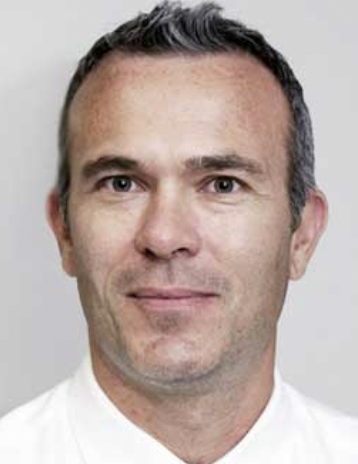 John Boyd合作论文数Division of Critical Care Medicine, Department of Medicine, Faculty of Medicine, The University of British Columbia4
 Sally Thorne合作论文数School of Nursing, Faculty of Applied Science, The University of British Columbia4
 Ronald Kelly合作论文数University of Alberta4Brian Greeley合作论文数University of British Columbia3
 William Harding合作论文数3
 Vicky Bungay合作论文数School of Nursing, Faculty of Applied Science, The University of British Columbia3
 Darryl B Rolfson合作论文数3
 James A. Russell合作论文数Division of Critical Care Medicine, Department of Medicine, Faculty of Medicine, The University of British Columbia;Centre for Heart Lung Innovation, The University of British Columbia3Ross T. Tsuyuki合作论文数3
 Gavin M. Joynt合作论文数Department of Anaesthesia and Intensive Care, Faculty of Medicine, The Chinese University of Hong Kong;The University of Queensland3
 Charles L. Sprung合作论文数Department of Anesthesiology and Critical Care Medicine, Hadassah Hebrew University Medical Center3
 R. T. Noel Gibney合作论文数University of Alberta Edmonton3
 Alexander Avidan合作论文数Hebrew University Hadassah Medical School, Hadassah University Hospital3D E Stollery合作论文数2Macy Zou合作论文数2
 Betty Chinda合作论文数2Andrej Michalsen合作论文数2Adam Mikstacki合作论文数2
 Rakesh Arora合作论文数2
 Mckenzie Braley合作论文数Dept Psychol, Simon Fraser Univ2Grace Park合作论文数2
 Katayoun Sepehri合作论文数2
 Laura Hawryluck合作论文数University of Toronto;Toronto Western Hospital;Critical Care Medicine, University Health Network2
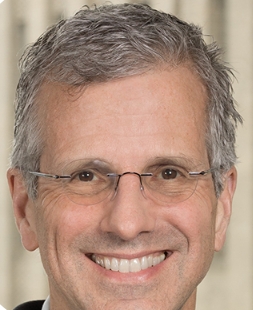 Jared Randall Curtis合作论文数Division of Pulmonary, Critical Care and Sleep Medicine, University of Washington2Leonard Sara合作论文数2
 Namrata Patil合作论文数2
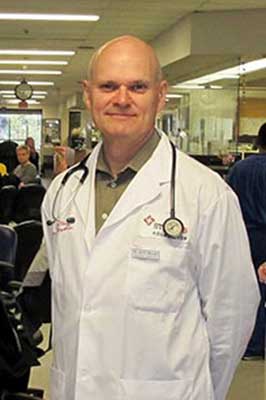 Keith Walley合作论文数Centre for Heart Lung Innovation, University of British Columbia;Department of Medicine, Faculty of Medicine, University of British Columbia2Philipp G. H. Metnitz合作论文数2
 Richard Mularski合作论文数School of Public Health, University of California, Los Angeles2Pierre Bulpa合作论文数2Derek R. Townsend合作论文数2
 Edoardo De Robertis合作论文数2Thomas H. Stelfox合作论文数1Rui Moreno合作论文数1Tara Arvan合作论文数1Colin Gebhardt合作论文数1




