Although the last decade has seen tremendous progress in drugs that treat cystic fibrosis (CF) due to mutations that lead to protein misfolding, there are approximately 8%-10% of subjects with mutations that result in no significant CFTR protein expression demonstrating the need for gene editing or gene replacement with inhaled mRNA or vector-based approaches. A limitation for vector-based approaches is the formation of neutralizing humoral responses. Given that xCD20 has been used to manage post-transplant lymphoproliferative disease in CF subjects with lung transplants, we studied the ability of xCD20 to module both T and B cell responses in the lung to one of the most immunogenic vectors, E1-deleted adenovirus serotype 5. We found that xCD20 significantly blocked luminal antibody responses and efficiently permitted re-dosing. xCD20 had more limited impact on the T cell compartment, but reduced tissue resident memory T cell responses in bronchoalveolar lavage fluid. Taken together, these pre-clinical studies suggest that xCD20 could be re-purposed for lung gene therapy protocols to permit re-dosing.
BACKGROUND:Activating mutations in the BRAF oncogene occur in 45% of papillary thyroid carcinomas (PTCs). Though less studied, K601E may identify a clinically distinct subset of thyroid neoplasms. METHODS:A bioinformatics assessment was conducted using the COSMIC database and in silico data analysis. A systematic search was conducted through August 2024 to identify studies reporting BRAF mutation in thyroid neoplasms. Pooled prevalence, histopathological subtype distribution, extrathyroidal extension, lymph node metastasis, recurrence, and survival were extracted/analyzed from 32 studies (13 191 patients). RESULTS:In the COSMIC database, BRAF K601E was found in various tissue types but mainly in the thyroid. In silico data analysis revealed a structural and functional basis for differences between K601E and V600E. Upon systematic review, the BRAF K601E mutation was identified in 2.8% of PTCs compared to 22% with V600E. The stratified analysis revealed geographical differences, with higher rates in Italy (5.23%) and the United States of America (3.31%). The K601E mutant was enriched for follicular-patterned variants like NIFTP (11.2% of cases). Meta-analysis demonstrated significantly reduced extrathyroidal extension for K601E versus V600E mutants (RR = 0.22, 95% CI = 0.10-0.50, p = 0.0003). CONCLUSION:K601E-mutated neoplasms could be a unique clinicopathological entity associated with low-risk histology and reduced extrathyroidal extension, consistent with a more indolent course than V600E mutants. Although detecting K601E may potentially guide conservative management, further prospective studies are needed.
Patients with natural killer (NK) cell deficiency or dysfunction are more susceptible to infections by Herpesviridae viruses, herpesvirus-related cancers, and macrophage activation syndromes. This review summarizes research on NK cell dysfunction following psychological stress, focusing on stressor type, duration, age of exposure, and species studied. Psychological stressors negatively affect NK cell activity (NKCA) across species. Prolonged stress leads to more significant decreases in NK cell number and function, with rehabilitation efforts proving ineffective in reversing these effects. Early life and prolonged stress exposure particularly increases the risk of infections and cancer due to impaired NKCA. The review also highlights that stress impacts males and females differently, with females exhibiting a more immunosuppressed NK cell phenotype. Notably, mice respond differently compared to humans and other animals, making them unsuitable for NK cell stress-related studies. Most studies measured NKCA using cytolytic assays against K-562 or YAC-1 cells. Although the exact mechanisms of NK cell dysfunction under stress remain unclear, potential causes include reduced release of secretory lysosomes with perforin or granzyme, impaired NK cell synapse formation, decreased expression of synapse-related molecules like CD2 or LFA-1 (CD11a), altered activating receptor expression, and dysregulated signaling pathways, such as decreased Erk1/2 phosphorylation and NFkB signaling.These mechanisms are not mutually exclusive, and future research is needed to clarify these pathways and develop therapeutic interventions for stress-induced immune dysregulation.
Percutaneous ethanol injection (PEI) is a widely used treatment option for cystic and predominantly cystic thyroid nodules. It has several advantages over other treatment modalities. Compared to surgery, PEI is less painful, can be performed in the outpatient setting, and carries less risk of transient or permanent side effects. Compared to other minimally invasive techniques such as radiofrequency ablation (RFA), PEI is less expensive and does not require specialized equipment. PEI performs well in the context of cystic nodules. PEI does not perform as well as other techniques in solid nodules, so its use as a primary treatment is limited to cystic and predominantly cystic thyroid nodules. However, PEI is also being explored as an adjunct treatment to improve ablation of solid nodules with other techniques. Here, we provide a clinical review discussing the genesis, mechanism of action, and patient selection with respect to ethanol ablation, as well as the procedure itself. Predictors of operative success, failure, and common adverse events are also summarized. Altogether, PEI allows impressive volume reduction rates with minimal complications. Several recent studies have also evaluated the long-term impact of PEI up to 10 years after treatment and revealed maintenance of robust treatment efficacy with no undesirable long-term sequelae. Thus, PEI remains the treatment of choice for benign but symptomatic cystic and predominantly cystic thyroid nodules.
Pneumocystis pneumonia (PCP) is a serious fungal lung infection caused by Pneumocystis jirovecii in immunosuppressed individuals. The lack of viable in vitro/ex vivo PCP models has greatly hindered the progress in studying the biology of these fungi, the host/pathogen interactions, as well as antifungal susceptibility testing. In this study, we show the utility of precision-cut lung slices (PCLS) to support the survival of Pneumocystis murina in vitro. We cultured PCLS tissue derived from wild type and immunocompromised mice with a P. murina inoculum in submerged or air-liquid interface models for up to 14 days. We isolated total RNA from the cultured lung tissues at days 0, 3, 7, 10, and 14 and analyzed for the expression of host lung genes and P. murina genes (Gsc1 for asci and Sp for trophs) by real-time quantitative PCR. When cultured in media alone, P. murina died gradually within a few days. However, when cultured on PCLS, both the troph and ascus forms survived throughout the incubation period of 2 weeks. Moreover, immunohistochemistry staining of P. murina inoculated PCLS sections using polyclonal anti-Pneumocystis sera and showed evidence of fungal aggregation and possible biofilm formation. Additionally, in vitro (PCLS) antibiotic susceptibility testing using commonly used antifungal drugs confirmed successful targeting of the troph and ascus forms by trimethoprim sulfamethoxazole and the ascus form by echinocandins.IMPORTANCEOur study reveals the potential of precision-cut lung slices as an ex vivo platform to study the growth/survival of Pneumocystis spp. that can facilitate the development of new anti-fungal drugs.
Extrathyroidal extension (ETE) in patients with papillary thyroid carcinoma (PTC) is an indication of disease progression and can influence treatment aggressiveness. This meta-analysis assesses the diagnostic accuracy of ultrasonography (US) in detecting ETE. A systematic review and meta-analysis were performed by searching PubMed, Embase, and Cochrane for studies published up to April 2022. The pooled sensitivity, specificity, and diagnostic odds ratio (DOR) were calculated. The areas under the curve (AUC) for summary receiver operating curves were compared. A total of 11 studies analyzed ETE in 3795 patients with PTC. The sensitivity of ETE detection was 76% (95%CI = 74–78%). The specificity of ETE detection was 51% (95%CI = 49–54%). The DOR of detecting ETE by US was 5.32 (95%CI = 2.54–11.14). The AUC of ETE detection was determined to be 0.6874 ± 0.0841. We report an up-to-date analysis elucidating the diagnostic accuracy of ETE detection by US. Our work suggests the diagnostic accuracy of US in detecting ETE is adequate. Considering the importance of ETE detection on preoperative assessment, ancillary studies such as adjunct imaging studies and genetic testing should be considered.
Adeno-associated virus serotype 6 (AAV6) is a valuable reagent for genome editing of hematopoietic cells due to its ability to serve as a homology donor template. However, a comprehensive study of AAV6 transduction of hematopoietic cells in culture, with the goal of maximizing ex vivo genome editing, has not been reported. Here, we evaluated how the presence of serum, culture volume, transduction time, and electroporation parameters could influence AAV6 transduction. Based on these results, we identified an optimized protocol for genome editing of human lymphocytes based on a short, highly concentrated AAV6 transduction in the absence of serum, followed by electroporation with a targeted nuclease. In human CD4+ T cells and B cells, this protocol improved editing rates up to 7-fold and 21-fold, respectively, when compared to standard AAV6 transduction protocols described in the literature. As a result, editing frequencies could be maintained using 50- to 100-fold less AAV6, which also reduced cellular toxicity. Our results highlight the important contribution of cell culture conditions for ex vivo genome editing with AAV6 vectors and provide a blueprint for improving AAV6-mediated homology-directed editing of human T and B cells.
Homology-directed repair (HDR) of a DNA break allows copying of genetic material from an exogenous DNA template and is frequently exploited in CRISPR-Cas9 genome editing. However, HDR is in competition with other DNA repair pathways, including non-homologous end joining (NHEJ) and microhomology-mediated end joining (MMEJ), and the efficiency of HDR outcomes is not predictable. Consequently, to optimize HDR editing, panels of CRISPR-Cas9 guide RNAs (gRNAs) and matched homology templates must be evaluated. We report here that CRISPR-Cas9 indel signatures can instead be used to identify gRNAs that maximize HDR outcomes. Specifically, we show that the frequency of deletions resulting from MMEJ repair, characterized as deletions greater than or equal to 3 bp, better predicts HDR frequency than consideration of total indel frequency. We further demonstrate that tools that predict gRNA indel signatures can be repurposed to identify gRNAs to promote HDR. Finally, by comparing indels generated by S. aureus and S. pyogenes Cas9 targeted to the same site, we add to the growing body of data that the targeted DNA sequence is a major factor governing genome editing outcomes.
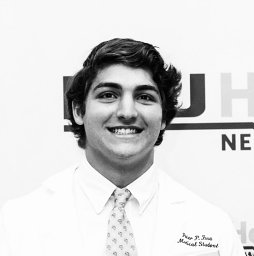 Peter P Issa合作论文数School of Medicine, Louisiana State University3
 Mohammad Hussein合作论文数Department of Surgery, Tulane University School of Medicine2
 Chun Huang合作论文数2
 Eman A Toraih合作论文数Faculty of Medicine, Suez Canal University2
 Jay Kolls合作论文数Center for Translational Research in Infection and Inflammation, School of Medicine, Tulane University2
 Paula Cannon合作论文数Department of Molecular Microbiology & Immunology, Keck School of Medicine, University of Southern California;Institute for Emerging Pathogens and Immune Diseases, University of Southern California2Calder R Ellsworth合作论文数1Alexis R Katz合作论文数1Dylan Pinion合作论文数1Xinyi Luo合作论文数1Eslam Hossam合作论文数1Felix Rabito合作论文数1Guixiang Dai合作论文数1Margaret P Huntwork合作论文数1Dora Pungan合作论文数1Kristina J Tatiossian合作论文数1
 Hsu-Yu Chen合作论文数University of Southern California1
 Aaron L Albuck合作论文数Sch Med, Tulane Univ1
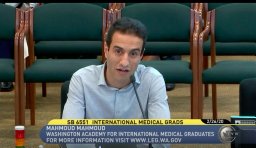 Mahmoud Omar合作论文数Department of Surgery, Tulane University School of Medicine1
 Thomas Parks Remcho合作论文数1
 Mst Shamima Khatun合作论文数Kyushu Inst Technol, Dept Biosci & Bioinformat, 680-4 Kawazu, Iizuka, Fukuoka 8208502, Japan1John Carlson合作论文数Tulane Univ1Mohamed Aboueisha合作论文数1
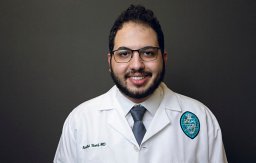 Abdallah S. Attia合作论文数Dept Surg, Tulane Univ1
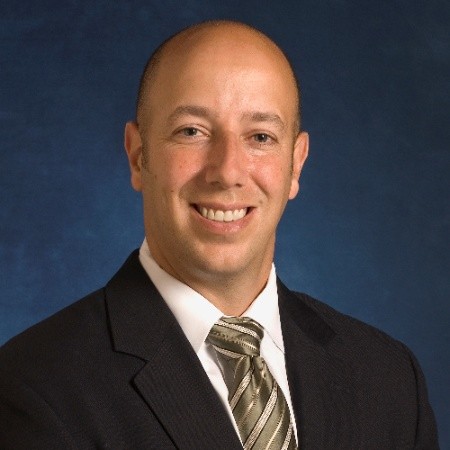 Ralph Tufano合作论文数College of Medicine, Florida State University;Head and Neck Endocrine Surgery, Sarasota Memorial Health Care System;SMH Thyroid and Parathyroid Center, Surgery Sarasota Memorial Health Care System1
 Brendan H. Grubbs合作论文数Keck School of Medicine, University of Southern California;Fetal Maternal Center, University of Southern California1Rogers Geoffrey L合作论文数1
 Rami M. Elshazli合作论文数Faculty of Science, Tanta University1
 Manal Fawzy合作论文数Faculty of Medicine, Suez Canal University1
 Matthew Edward Thornton合作论文数Division of Maternal Fetal Medicine, Saban Research Institute of Children's Hospital of Los Angeles1Emad Kandil合作论文数Department of Surgery, Tulane Medical Center1
 Eduardo Seclén合作论文数1




