Abstract In the last half of the 20th century, psychiatry lost many of the conditions needed for unhindered practice. I compiled from searches of the literature the 20th century changes in the arenas of psychiatric practice and the sources of these changes. I determined how these changes are shaping 21st century health and well-being. The neglect of the severely mentally ill, first in Bedlams and now on Boulevards, reflects a wide loss of resources. Psychiatry's patients have lost a past of community-based mental health services, interdisciplinary care teams, preventive consultation with social agencies, and, with reimbursements targeted for 15-minute visits, time adequate with the physician to individualize diagnosis and treatment. With the Covid-19 and other epidemics, economic inequalities, an economic crisis, unrest over police violence, and racism, psychiatry can find in its past the resources to engage 21st century psychiatric and other problems.
In the last half of the 20th century, psychiatry lost many of the conditions needed for unhindered practice. I compiled from searches of the literature the 20th century changes in the arenas of psychiatric practice and the sources of these changes. I determined how these changes are shaping 21st century health and well-being. The neglect of the severely mentally ill, first in Bedlams and now on Boulevards, reflects a wide loss of resources. Psychiatry's patients have lost a past of community-based mental health services, interdisciplinary care teams, preventive consultation with social agencies, and, with reimbursements targeted for 15-minute visits, time adequate with the physician to individualize diagnosis and treatment. With the Covid-19 and other epidemics, economic inequalities, an economic crisis, unrest over police violence, and racism, psychiatry can find in its past the resources to engage 21st century psychiatric and other problems.
ABSTRACT:After a long and torturous path, an elusive quest for structure and order may have misled the American Psychiatric Association to overexpand the scope of its Diagnostic and Statistical Manual (DSM) codification of mental disorders. The DSM and guidelines came to represent American psychiatry to the world. Although important for epidemiological and statistical research, in volume and complexity, the DSM challenges clinicians. The DSM effort at categorization must be reconceived to acknowledge modern biological realities. Molecular and other selective biological sciences no longer dominate biology as they did at the time of DSM's initial conception. Today, a Darwinian-Hippocratic combined biology leads psychiatry to address individuals and populations irretrievably and uniquely interdependent with environments. Unfortunately, the DSM, as currently conceived, fails to support this emerging 21st century biological grounding for psychiatry.
Abstract After a long and torturous path, an elusive quest for structure and order may have misled the American Psychiatric Association to overexpand the scope of its Diagnostic and Statistical Manual (DSM) codification of mental disorders. The DSM and guidelines came to represent American psychiatry to the world. Although important for epidemiological and statistical research, in volume and complexity, the DSM challenges clinicians. The DSM effort at categorization must be reconceived to acknowledge modern biological realities. Molecular and other selective biological sciences no longer dominate biology as they did at the time of DSM’s initial conception. Today, a Darwinian-Hippocratic combined biology leads psychiatry to address individuals and populations irretrievably and uniquely interdependent with environments. Unfortunately, the DSM, as currently conceived, fails to support this emerging 21st century biological grounding for psychiatry.
This chapter reviews Positron Emission Tomography (PET) studies of the normal brain as well as Alzheimer's Disease (AD) in relationship to neuropsychological functions. We will examine a pattern analysis of PET AD scans and demonstrate how these PET AD scans show a characteristic profile in comparison to other types of dementias. Dramatic improvements in our ability to image the human brain in vivo have expanded researchers' skills in the early diagnosis of AD. One of these techniques, PET, has yielded new significant neurophysiological and cognitive data that shows a distinctive profile for assisting in a diagnosis of AD. PET scanners recently emerged through the integration of several fields of science. Physicists and nuclear engineers developed the essential hardware to measure radioactivity. Physiologists, chemists and statisticians developed models to measure the uptake and decay of radionuclides in brain tissues. Medical doctors and neuropsychologists then developed scanning procedures, experimental design and interpretation of the obtained neurophysiological and neuropsychological data.
Mild traumatic brain injury (mTBI) is a risk factor for neurodegenerative diseases, such as Alzheimer's disease (AD). TBI-derived neuropathologies are promoted by inflammatory processes: chronic microgliosis and release of pro-inflammatory cytokines that further promote neuronal dysfunction and loss. Herein, we evaluated the effect on pre-programmed cell death/ neuroinflammation/ synaptic integrity and function of Phenserine (Phen), an agent originally developed for AD, at two clinically translatable doses (2.5 and 5.0mg/kg, BID), in a weight drop (concussive) mTBI model in wild type (WT) and AD APP/PSEN1 transgenic mice. Phen mitigated mTBI-induced cognitive impairment, assessed by Novel Object Recognition and Y-maze behavioral paradigms, in WT mice. Phen fully abated mTBI-induced neurodegeneration, evaluated by counting Fluorojade C-positive (FJC+) cells, in hippocampus and cortex of WT mice. In APP/PSEN1 mice, degenerating cell counts were consistently greater across all the experimental groups, vs. WT mice; and mTBI significantly elevated FJC+ cell count vs. the AD control (sham) group. In contrast, mTBI-Phen treated mice had degenerating cells count not significantly different from APP/PSEN1 shams. Anti-inflammatory effects on microglial activation (IBA1-immunoreactivity (IR)) and pro-inflammatory cytokine TNF-α were evaluated. mTBI increased IBA1-IR and TNF-α/IBA1 colocalization vs. sham, in WT and APP/PSEN1 mice. Phen decreased IBA1-IR throughout hippocampus and cortex in WT mice, and in hippocampus of AD mice. Phen, likewise, reduced levels of IBA1/TNF-α-IR colocalization volume across all areas in WT, with a similar trend in APP/PSEN1 mice. Synaptic viability was evaluated by quantifying PSD-95+ dendritic spines and Synaptophysin (Syn)-IR. Both were significantly reduced in mTBI vs. sham in WT and APP/PSEN1 mice. Phen fully counteracted the PSD-95+ spines loss in WT and Syn-IR decrease in WT and APP/PSEN1 mice. To associate immunohistochemical changes in synaptic markers with function, Long Term Potentiation (LTP) was induced in WT mice, found impaired by mTBI, and this impairment mitigated in by Phen. In synopsis, clinically translatable doses of Phen ameliorated mTBI-mediated pre-programmed cell death/neuroinflammation/synaptic dysfunction in WT mice, consistent with fully mitigating mTBI-induced cognitive impairments. Phen additionally demonstrated positive actions in the more toxic brain microenvironment of AD mice; supporting consideration of its repurposing as a treatment for mTBI.
Neuronal death is the final step in the progression of preclinical Alzheimer's disease (AD) pathologies into clinically evident AD and its profound dementia. As such, a drug candidate proposed to be effective in AD must successfully prevent neuronal losses. The lack of preclinical demonstrated abilities to prevent neuronal programmed cell death may explain the recent failure of 300-400 AD drug candidates, identify a flaw in the Amyloid Hypothesis, and a risk for subsequent drug candidate interventions against AD. We propose that investigators use either animal models or small early translational clinical trials to test for AD drug candidates' efficacy against clinically critical features of the disease, such as prevention of neuronal death. Such stringent testing would more effectively shelter AD patients from being recruited into clinical trials that are destined to fail in Phase II or III.
Mild traumatic brain injury (mTBI) is a risk factor for neurodegenerative disorders, such as Alzheimer's disease (AD) and Parkinson's disease (PD). TBI-derived neuropathologies are promoted by inflammatory processes: chronic microgliosis and release of pro-inflammatory cytokines that further promote neuronal dysfunction and loss. Herein, we evaluated the effect on pre-programmed cell death/neuroinflammation/synaptic integrity and function of (-)-Phenserine tartrate (Phen), an agent originally developed for AD. This was studied at two clinically translatable doses (2.5 and 5.0 mg/kg, BID), in a weight drop (concussive) mTBI model in wild type (WT) and AD APP/PSEN1 transgenic mice. Phen mitigated mTBI-induced cognitive impairment, assessed by Novel Object Recognition and Y-maze behavioral paradigms, in WT mice. Phen fully abated mTBI-induced neurodegeneration, evaluated by counting Fluoro-Jade C-positive (FJC+) cells, in hippocampus and cortex of WT mice. In APP/PSEN1 mice, degenerating cell counts were consistently greater across all experimental groups vs. WT mice. mTBI elevated FJC+ cell counts vs. the APP/PSEN1 control (sham) group, and Phen similarly mitigated this. Anti-inflammatory effects on microglial activation (IBA1-immunoreactivity (IR)) and the pro-inflammatory cytokine TNF-α were evaluated. mTBI increased IBA1-IR and TNF-α/IBA1 colocalization vs. sham, both in WT and APP/PSEN1 mice. Phen decreased IBA1-IR throughout hippocampi and cortices of WT mice, and in cortices of AD mice. Phen, likewise, reduced levels of IBA1/TNF-α-IR colocalization volume across all areas in WT animals, with a similar trend in APP/PSEN1 mice. Actions on astrocyte activation by mTBI were followed by evaluating GFAP, and were similarly mitigated by Phen. Synaptic density was evaluated by quantifying PSD-95+ dendritic spines and Synaptophysin (Syn)-IR. Both were significantly reduced in mTBI vs. sham in both WT and APP/PSEN1 mice. Phen fully reversed the PSD-95+ spine loss in WT and Syn-IR decrease in both WT and APP/PSEN1 mice. To associate immunohistochemical changes in synaptic markers with function, hippocampal long term potentiation (LTP) was induced in WT mice. LTP was impaired by mTBI, and this impairment was mitigated by Phen. In synopsis, clinically translatable doses of Phen ameliorated mTBI-mediated pre-programmed cell death/neuroinflammation/synaptic dysfunction in WT mice, consistent with fully mitigating mTBI-induced cognitive impairments. Phen additionally demonstrated positive actions in the more pathologic brain microenvironment of AD mice, further supporting consideration of its repurposing as a treatment for mTBI.
AIM:Traumatic brain injury (TBI) is one of the most common causes of morbidity and mortality of both young adults and the elderly, and is a key contributing factor in about 30% of all injury-associated deaths occurring within the United States of America. Albeit substantial impact has been made to improve our comprehension of the mechanisms that underpin the primary and secondary injury stages initiated by a TBI incident, this knowledge has yet to successfully translate into the development of an effective TBI pharmacological treatment. Developing consent suggests that a TBI can concomitantly trigger multiple TBI-linked cascades that then progress in parallel and, if correct, the multifactorial nature of TBI would make the discovery of a single effective mechanism-targeted drug unlikely.DISCUSSION:We review recent data indicating that the small molecular weight drug (-)-phenserine tartrate (PhenT), originally developed for Alzheimer's disease (AD), effectively inhibits a broad range of mechanisms pertinent to mild (m) and moderate (mod)TBI, which in combination underpin the ensuing cognitive and motor impairments. In cellular and animal models at clinically translatable doses, PhenT mitigated mTBI- and modTBI-induced programmed neuronal cell death (PNCD), oxidative stress, glutamate excitotoxicity, neuroinflammation, and effectively reversed injury-induced gene pathways leading to chronic neurodegeneration. In addition to proving efficacious in well-characterized animal TBI models, significantly mitigating cognitive and motor impairments, the drug also has demonstrated neuroprotective actions against ischemic stroke and the organophosphorus nerve agent and chemical weapon, soman.CONCLUSION:In the light of its tolerability in AD clinical trials, PhenT is an agent that can be fast-tracked for evaluation in not only civilian TBI, but also as a potentially protective agent in battlefield conditions where TBI and chemical weapon exposure are increasingly jointly occurring.
New drug development for neurologic disorders has one of the highest attrition rates of all clinical drug developments. This is problematic when, with innovative technology available in so many aspects of life, modern societies expect to have effective treatments for neurodegenerative disorders and mental health conditions that provide something beyond simple symptomatic relief-the expectation is treatment that impacts and mitigates fundamental mechanisms that drive these disorders. The disease burden of neurologic disorders remains extremely high, whereas the proportion of patients receiving effective therapy is relatively low, demonstrating a sizeable unmet medical need. Whether for novel breakthrough therapies or for drugs considered successful, deciding on the basis of clinical trial data whether a particular treatment will be effective for a specific patient is always a leap of faith. However, expertise at reading trial results combined with knowledge of the patient and of his or her disease, together with an understanding of the effect of age on drug pharmacokinetics and pharmacodynamics, the effect of age on the patient's condition, and the effect of age on the patient's life and outlook will ensure the landing is safe. The focus of this article is to provide such knowledge and thereby optimize this expertise.
Traumatic brain injury (TBI) is a major cause of injury-related death throughout the world and lacks effective treatment. Surviving TBI patients often develop neuropsychiatric symptoms, and the molecular mechanisms underlying the neuronal damage and recovery following TBI are not well understood. Extracellular vesicles (EVs) are membranous nanoparticles that are divided into exosomes (originating in the endosomal/multi-vesicular body [MVB] system) and microvesicles (larger EVs produced through budding of the plasma membrane). Both types of EVs are generated by all cells and are secreted into the extracellular environment, and participate in cell-to-cell communication and protein and RNA delivery. EVs enriched for neuronal origin can be harvested from peripheral blood samples and their contents quantitatively examined as a window to follow potential changes occurring in brain. Recent studies suggest that the levels of exosomal proteins and microRNAs (miRNAs) may represent novel biomarkers to support the clinical diagnosis and potential response to treatment for neurological disorders. In this review, we focus on the biogenesis of EVs, their molecular composition, and recent advances in research of their contents as potential diagnostic tools for TBI.
In the patient-physician encounter, physicians hone their skills while alleviating the patient's suffering. Both benefit. Leaning on the work of Hippocrates, Darwin, and William Osler, the authors sketch out the case for honoring patients as indispensable teachers of the art and science of medicine. They argue that this tradition of Hippocratic medicine both anticipates modern precision medicine and reawakens a focus on public health medicine, each a benefit to the patients and communities served by physicians. A community that compromises the learning relationship of physician to patient and population undermines quality of care.
Robert E. Becker, M.D., C.M.a,b, Nigel H. Greig, Ph.D.b, Lon S. Schneider, M.D., M.S.e, Clive Ballard, MB ChB, MRCPsych, M.D.f, Dag Aarsland, M.D., Ph.D.g, Debomoy K. Lahiri, Ph.D.h, Douglas Flanagan, Ph.D.i, Ramprakash Govindarajan, Ph.D.k, Mary Sano, Ph.D.j, Dimitrios Kapogiannis, M.D.d, and Luigi Ferrucci, M.D.c aAristea Translational Medicine Corporation, Park City, UT 84098 bDrug Design and Development Section, National Institute on Aging, Baltimore MD, 21224, USA cLongitudinal Study Section, Translational Gerontology Branch, National Institute on Aging, Baltimore MD, 21224, USA
mTBI is a risk factor for AD. A feature of TBI-derived neuropathologies is that they initiate and are potentiated by inflammatory processes: chronic microgliosis and pro-inflammatory cytokines release further promote neuronal dysfunction and loss. Herein, we evaluated the anti-apoptotic, anti-inflammatory and synapse sparring actions of Phen, an anticholinesterase originally developed for AD, in a weight drop mTBI model in wild type (WT) and AD APP/PSEN1 mice. Clinically translatable Phen doses (2.5 and 5.0mg/kg, BID) mitigated mTBI-induced neurodegeneration in hippocampus and lateral cortex. mTBI-induced pre-programmed cell death, evaluated by counting Fluorojade C positive (FJC+) cells, was fully mitigated by Phen. In APP/PSEN1 mice, degenerating cell counts were consistently greater across all the experimental groups, vs. WT mice. mTBI significantly elevated FJC+ cell count vs. the control (uninjured) group. Phen mTBI mice had degenerating cells count not significantly different from control mice. Anti-inflammatory changes in microglial activation (IBA1 immunoreactivity (IR)) and pro-inflammatory cytokine TNF-α were evaluated. mTBI injury increased IBA1-IR in mTBI vs. control mice in WT and APP/PSEN1 mice. In WT mice, Phen inhibited microglial activation throughout hippocampus/lateral cortex. A similar trend was evident in AD mice; reaching statistical significance in hippocampus. Phen inhibited mTBI-induced microglial TNF-α in WT and AD mice. TNF-α-IR was increased within IBA1+ cells in the mTBI-alone group in WT and APP/PSEN1 mice. Phen reduced the levels of IBA1/TNF-α-IR co-localization volume across all areas in WT, with a strong trend in Phen-treated AD mice. Synaptic viability was evaluated by counting PSD-95-positive dendritic spines. These were significantly reduced in mTBI+vehicle vs. control in both WT and APP/PSEN1 mice. Phen fully counteracted this WT, with a strong trend evident in Phen-treated APP/PSEN1 mice. Clinically translatable doses of Phen directly ameliorated mTBI-instigated pre-programmed cell death/neuroinflammation/synaptic loss in WT mice, consistent with fully mitigating mTBI-derived cognitive impairments, and reversing gene pathways leading to AD (Tweedie et al., 2016). Phen demonstrated positive actions in the more toxic brain microenvironment of AD mice. In light of these results and Phen's tolerability and a signal of efficacy in AD subjects (Winblad et al., 2010), it can rapidly be repurposed as a treatment for mTBI.
Introduction: Neurodegenerative disorders have been a graveyard for hundreds of well-intentioned efforts at drug discovery and development. Concussion and other traumatic brain injuries (TBIs) and Alzheimer's disease (AD) share many overlapping pathologies and possible clinical links. Methods: We searched the literature since 1995 using MEDLINE and Google Scholar for the terms concussion, AD, and shared neuropathologies. We also studied a TBI animal model as a supplement to transgenic (Tg) mouse AD models for evaluating AD drug efficacy by preventing neuronal losses. To evaluate TBI/AD pathologies and neuronal self-induced cell death (apoptosis), we are studying brain extracellular vesicles in plasma and (-)-phenserine pharmacology to probe, in animal models of AD and humans, apoptosis and pathways common to concussion and AD. Results: Neuronal cell death and a diverse and significant pathological cascade follow TBIs. Many of the developing pathologies are present in early AD. The use of an animal model of concussion as a supplement to Tg mice provides an indication of an AD drug candidate's potential for preventing apoptosis and resulting progression toward dementia in AD. This weight drop supplementation to Tg mouse models, the experimental drug (-)-phenserine, and plasma-derived extracellular vesicles enriched for neuronal origin to follow biomarkers of neurodegenerative processes, each and in combination, show promise as tools useful for probing the progression of disease in AD, TBI/AD pathologies, apoptosis, and drug effects on rates of apoptosis both preclinically and in humans. (-)-Phenserine both countered many subacute post-TBI pathologies that could initiate clinical AD and, in the concussion and other animal models, showed evidence consistent with direct inhibition of neuronal preprogrammed cell death in the presence of TBI/AD pathologies. Discussion: These findings may provide support for expanding preclinical Tg mouse studies in AD with a TBI weight drop model, insights into the progression of pathological targets, their relations to apoptosis, and timing of interventions against these targets and apoptosis. Such studies may demonstrate the potential for drugs to effectively and safely inhibit preprogrammed cell death as a new drug development strategy for use in the fight to defeat AD. Published by Elsevier Inc. on behalf of the Alzheimer's Association.
Background: Recent research into the proteomic composition of plasma has identified specific circulating factors that increase with age and are directly associated with cognitive decline and neurodegeneration. CCL11 (eotaxin) is one such factor elevated with aging that has been shown to reduce neurogenesis in the dentate gyrus as well as impair hippocampal learning and memory when administered to young mice (Villeda, et al. 2011). Given the increase in CCL11 levels observed in plasma from Alzheimer’s disease patients, it is possible that CCL11 plays a role in mechanisms underlying cognitive function in neurodegenerative disease, including neuroinflammation. Methods: A CCR3 (CCL11 receptor) antagonist was administered to 23month-old aged C57Bl/6 mice for 3 weeks to measure its effect on age-dependent neuroinflammation. Immunohistochemical assessment of astrocytes and microglia was performed on brain tissues from mice, and circulating cytokines were measured in the plasma. We then used acute and chronic models of LPS administration in young C57Bl/6 mice to determine the effects of CCR3 inhibition in models of induced neuroinflammation, and again performed immunohistochemical assessment of neuroinflammatory markers. Results: We demonstrate that treatment with a CCR3 antagonist resulted in reduced levels of systemic inflammatory cytokines and decreased neuroinflammation in the hippocampus of aged mice. Additionally, treatment with the antagonist diminished LPS-induced neuroinflammation, significantly reducing activated microglia in the hippocampus. Conclusions: CCL11 plays a significant role in the neuroinflammation associated with aging and neurodegenerative disease. Our findings demonstrate that targeting the CCR3 receptor with an antagonist has therapeutic potential to alleviate associated disease phenotypes.
Background: Concussion (mild) and other moderate traumatic brain injury (TBI) and Alzheimer's disease (AD) share overlapping neuropathologies, including neuronal pre-programmed cell death (PPCD), and clinical impairments and disabilities. Multiple clinical trials targeting mechanisms based on the Amyloid Hypothesis of AD have so far failed, indicating that it is prudent for new drug developments to also pursue mechanisms independent of the Amyloid Hypothesis. To address these issues, we have proposed the use of an animal model of concussion/TBI as a supplement to AD transgenic mice to provide an indication of an AD drug candidate's potential for preventing PPCD and resulting progression towards dementia in AD. Methods: We searched PubMed/Medline and the references of identified articles for background on the neuropathological progression of AD and its implications for drug target identification, for AD clinical trial criteria used to assess disease modification outcomes, for plasma biomarkers associated with AD and concussion/TBI, neuropathologies and especially PPCD, and for methodological critiques of AD and other neuropsychiatric clinical trial methods. Results: We identified and address seven issues and highlight the Thal-Sano AD 'Time to Onset of Impairment' Design for possible applications in our clinical trials. Diverse and significant pathological cascades and indications of self-induced neuronal PPCD were found in concussion/TBI, anoxia, and AD animal models. To address the dearth of peripheral markers of AD and concussion/TBI brain pathologies and PPCD we evaluated Extracellular Vesicles (EVs) enriched for neuronal origin, including exosomes. In our concussion/TBI, anoxia and AD animal models we found evidence consistent with the presence of time-dependent PPCD and (-)-phenserine suppression of neuronal self-induced PPCD. We hence developed an extended controlled release formulation of (-)-phenserine to provide individualized dosing and stable therapeutic brain concentrations, to pharmacologically interrogate PPCD as a drug development target. To address the identified problems potentially putting any clinical trial at risk of failure, we developed exploratory AD and concussion/TBI clinical trial designs. Conclusions: Our findings inform the biomarker indication of progression of pathological targets in neurodegenerations and propose a novel approach to these conditions through neuronal protection against self-induced PPCD.
Stroke commonly leads to adult disability and death worldwide. Its major symptoms are spastic hemiplegia and discordant motion, consequent to neuronal cell death induced by brain vessel occlusion. Acetylcholinesterase (AChE) is upregulated and allied with inflammation and apoptosis after stroke. Recent studies suggest that AChE inhibition ameliorates ischemia-reperfusion injury and has neuroprotective properties. (-)-Phenserine, a reversible AChE inhibitor, has a broad range of actions independent of its AChE properties, including neuroprotective ones. However, its protective effects and detailed mechanism of action in the rat middle cerebral artery occlusion model (MCAO) remain to be elucidated. This study investigated the therapeutic effects of (-)-phenserine for stroke in the rat focal cerebral ischemia model and oxygen-glucose deprivation/reperfusion (OGD/RP) damage model in SH-SY5Y neuronal cultures. (-)-Phenserine mitigated OGD/PR-induced SH-SY5Y cell death, providing an inverted U-shaped dose-response relationship between concentration and survival. In MCAO challenged rats, (-)-phenserine reduced infarction volume, cell death and improved body asymmetry, a behavioral measure of stoke impact. In both cellular and animal studies, (-)-phenserine elevated brain-derived neurotrophic factor (BDNF) and B-cell lymphoma 2 (Bcl-2) levels, and decreased activated-caspase 3, amyloid precursor protein (APP) and glial fibrillary acidic protein (GFAP) expression, potentially mediated through the ERK-1/2 signaling pathway. These actions mitigated neuronal apoptosis in the stroke penumbra, and decreased matrix metallopeptidase-9 (MMP-9) expression. In synopsis, (-)-phenserine significantly reduced neuronal damage induced by ischemia/reperfusion injury in a rat model of MCAO and cellular model of OGD/RP, demonstrating that its anti-apoptotic/neuroprotective/neurotrophic cholinergic and non-cholinergic properties warrant further evaluation in conditions of brain injury.
Back to table of contents Previous article Next article LettersFull AccessPublic Psychiatry’s Accomplishments: Bound for Nowhere?Robert E. Becker, M.D., C.M.Robert E. BeckerSearch for more papers by this author, M.D., C.M.Published Online:1 Jun 2017https://doi.org/10.1176/appi.ps.68603AboutSectionsPDF/EPUB ToolsAdd to favoritesDownload CitationsTrack Citations ShareShare onFacebookTwitterLinked InEmail TO THE EDITOR: In a letter to the editor of Psychiatric Services (1), some members of the senior Yale Psychiatry faculty viewed the analyses I offer in “Perhaps I Touched the Minaret, or How Patient-Centered Care Remains a Dream” (2) as driven by “defeat,” “despair,” “discouragement,” and “disillusionment” (1). Their only reference to the analyses was the “unfortunate” citing of 1960s programs as “evidence that public psychiatry has declined.” I still take my later failures to replicate this 1960s collaboration with the Texas Department of Rehabilitation as such evidence (3). The state-sponsored training resulted in full-time, continuous competitive employment of multiple chronically hospitalized patients. In contrast, a recent benchmark for employment success was 41% working at least one day within a three-month period. I leave it to readers to decide whether competitive employment opportunities for people with severe mental illness have declined.The Yale critics go on to cite “tremendous progress . . . in recent years” (1). One example they provide is “jail diversion” at Yale (1). In the years up to 1997, when I retired from academia, I worked in no community or department where we allowed people with a mental illness to be sent to jails. For example, the Springfield, Illinois, police routinely called our 24-hour on-call case manager or Community Support Network office. A typical request was, “We have someone who we think is your client, and if she isn’t, she should be. Will you come?” We went to the site and took responsibility if the person was our client or mentally ill (4).The Yale critics reported participation in the Connecticut jail diversion program. Has diversion met the needs of New Haven’s citizens who have psychiatric illness? In 2015, Supervisory Assistant Public Defender Bevin Salmon, who works at the New Haven Superior Court, said “I’ve been doing this for about 13 years, and . . . to see [my] mentally ill clients incarcerated because there aren’t enough treatment spots for them . . . has been a constant problem” (5).The state of social and community psychiatry truly disappoints me (2), and reports from academia provide no reassurances. Contrary to the Yale critics’ speculations, as I said in my Personal Accounts column (2), I remain gratified by my work and by the patients I have helped and who have taught me medicine. I have learned from them that we cannot depend on all patients’ coming to our offices. Psychiatrists have pioneered prevention programs to identify vulnerable people with severe mental illness who are living in community settings and to provide active care over time to improve their well-being. Programmatic prevention can be used to reduce police encounters and the need for diversion. Two elements are important in this effort. First, interventions in the community can address functional impairments and disabilities of people with severe mental illness: homelessness, unemployment, substance abuse, encounters with police, and so forth. Second, collaborative arrangements can provide on-site mental health workers to intervene when police are concerned about a client or nonclient with mental illness.By understanding our patients, we become experts in the tailoring of medicine and environments to protect and restore health to individuals. By having all medical students and psychiatric residents master the skills of preventive interventions, home visits, agency collaborations that concern a patient, and on-site home or work supervision to ensure that patients take their prescribed medications, we take an important step toward overcoming today’s adversities.Dr. Becker is president of Aristea Translational Medicine Corporation, Park City, Utah (e-mail: [email protected]).References1 Steiner J, Zonana H, Jacobs S: Public psychiatry’s accomplishments. Psychiatric Services 67:930–931, 2016Link, Google Scholar2 Becker RE: Perhaps I touched the minaret, or how patient-centered care remains a dream. Psychiatric Services 67:375–377, 2016Link, Google Scholar3 Becker RE: An evaluation of a rehabilitation program for chronically hospitalized psychiatric patients. Social Psychiatry. Sozialpsychiatrie. Psychiatrie Sociale 2:32–38, 1967Crossref, Google Scholar4 Becker RE, Meisler N, Stormer G: Employment outcomes for clients with severe mental illness in a PACT model replication. Psychiatric Services 50:104–106, 1999Link, Google Scholar5 Sullo MT: Connecticut’s mentally ill need services, not prison, lawyers say. New Haven Register, April 25, 2015. http://www.nhregister.com/article/NH/20150425/NEWS/150429643Google Scholar FiguresReferencesCited byDetailsCited byPsychiatry’s Past Can Be Psychiatry’s FutureJournal of Nervous & Mental Disease, Vol. 209, No. 1 Volume 68Issue 6 June 01, 2017Pages 641-641 Metrics PDF download History Published online 1 June 2017 Published in print 1 June 2017
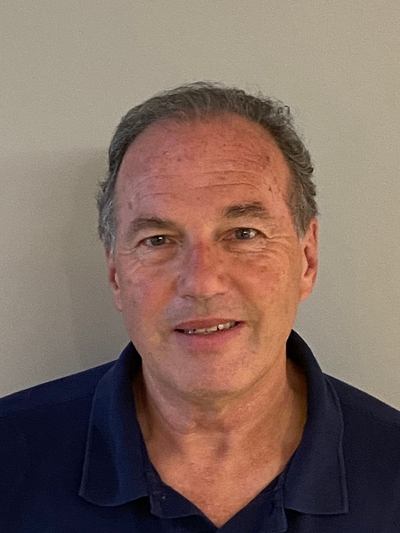 Nigel H. Greig合作论文数National Institute on Aging, National Institutes of Health34
 Richard Heimberg合作论文数Department of Psychology, Temple University11
 Ezio Giacobini合作论文数Laboratory of Neuropsychopharmacology, University of Connecticut10David Tweedie合作论文数7
 Chaim Pick合作论文数Gray Faculty of Medical & Health Sciences, Tel Aviv University;Department of Anatomy & Anthropology, Sackler Faculty of Medicine, Tel Aviv University6
 Debomoy K. Lahiri合作论文数School of Medicine, Indiana University6
 Barry J. Hoffer合作论文数National Institute on Drug Abuse, National Institutes of Health5
 Yung-Hsiao Chiang合作论文数5Latha K. Unni合作论文数5
 Dimitrios Kapogiannis合作论文数National Institute of Neurological Disorders and Stroke, National Institutes of National Institute on Aging/National Institutes of Health;Department of Psychology, Washington University School of Medicine;National Institutes of National Institute on Aging/National Institutes of Health, Washington University School of Medicine5Cynthia S. Dodge合作论文数4
 Daniela Lecca合作论文数NIH, Intramural Research Program National Institute On Aging4
 Mary Seeman合作论文数Division of Neurosciences and Clinical Translation, Department of Psychiatry, Temerty Faculty of Medicine, University of Toronto4Randolph W. Parks合作论文数4Yu Luo合作论文数3
 Miaad Bader合作论文数3Pamela L. Moriearty合作论文数3
 Lon Schneider合作论文数Keck School of Medicine, University of Southern California;Leonard Davis School of Gerontology, University of Southern California3Jane R. Matthews合作论文数3Cathy Vohs合作论文数2Robert F. Rippey合作论文数2Valerie Danz合作论文数2Emil Chiauzzi合作论文数2David J. Crockett合作论文数2
 John Wu合作论文数2Jing-Huei Lai合作论文数2Cheng-Fu Chang合作论文数2Lupica Carl R合作论文数2Rubovitch Vardit合作论文数2Chen Yen-Hua合作论文数2
 Dag Aarsland合作论文数Department of Old Age Psychiatry, Institute of Psychiatry, Psychology and Neuroscience, King’s College London2Debra A. Hope合作论文数University of Nebraska-Lincoln2
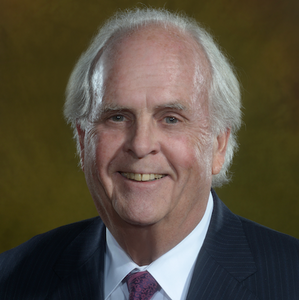 David Barlow合作论文数Center for Anxiety and Related Disorders, Boston University;Department of Psychological & Brain Sciences, College of Arts & Sciences, Boston University2
 Luigi Ferrucci合作论文数National Institute on Aging, National Institutes of Health2
 Kai-Yun Chen (陈开运)合作论文数2Harold W. Holloway合作论文数2
 Alexander F. Hoffman合作论文数Department of Pharmacology, University of Colorado Health Sciences Center2Qian-Sheng Yu合作论文数2Mary Sano合作论文数2Ramprakash Govindarajan合作论文数2Yazhou Li合作论文数2Shuo-Jhen Kang合作论文数2Douglas R. Flanagan合作论文数2Patricia Keim合作论文数2Sandra Vicari合作论文数2Joseph H. Garcia合作论文数1janet s klosko合作论文数1Shani Barak合作论文数1Jonathan P Miller合作论文数1




