We applied the PSC algorithm to Ulcerative Colitis (UC) microbiome data and compared the resulting feature relationships with the equivalent Spearman correlation function results. PSC located many instances of higher phase shifted correlations, where the corresponding Pearson correlation was low.
We implemented a Systems Biology approach using Correlation Difference Probability Network (CDPN) analysis to provide insights into the statistically significant functional differences between HIV-infected patients and uninfected individuals. The analysis correlates bacterial microbiome (“bacteriome”), fungal microbiome (“mycobiome”), and metabolome data to model the underlying biological processes comprising the Human Oral Metabiome. CDPN highlights the taxa-metabolite-taxa differences between the cohorts that frequently capture quorum-sensing modifications that reflect communication disruptions in the dysbiotic HIV cohort. The results also highlight the significant role of cyclic mono and dipeptides as quorum-sensing (QS) mediators between oral bacteria and fungal genus. The developed CDPN approach allowed us to model the interactions of taxa and key metabolites, and hypothesize their possible contribution to the etiology of Oral Candidiasis (OC).
Oral microbiota contribute to health and disease, and their disruption may influence the course of oral diseases. Here, we used pyrosequencing to characterize the oral bacteriome and mycobiome of 12 HIV-infected patients and matched 12 uninfected controls. The number of bacterial and fungal genera in individuals ranged between 8-14 and 1-9, among uninfected and HIV-infected participants, respectively. The core oral bacteriome (COB) comprised 14 genera, of which 13 were common between the two groups. In contrast, the core oral mycobiome (COM) differed between HIV-infected and uninfected individuals, with Candida being the predominant fungus in both groups. Among Candida species, C. albicans was the most common (58% in uninfected and 83% in HIV-infected participants). Furthermore, 15 and 12 bacteria-fungi pairs were correlated significantly within uninfected and HIV-infected groups, respectively. Increase in Candida colonization was associated with a concomitant decrease in the abundance of Pichia, suggesting antagonism. We found that Pichia spent medium (PSM) inhibited growth of Candida, Aspergillus and Fusarium. Moreover, Pichia cells and PSM inhibited Candida biofilms (P = .002 and .02, respectively, compared to untreated controls). The mechanism by which Pichia inhibited Candida involved nutrient limitation, and modulation of growth and virulence factors. Finally, in an experimental murine model of oral candidiasis, we demonstrated that mice treated with PSM exhibited significantly lower infection score (P = .011) and fungal burden (P = .04) compared to untreated mice. Moreover, tongues of PSM-treated mice had few hyphae and intact epithelium, while vehicle-and nystatin-treated mice exhibited extensive fungal invasion of tissue with epithelial disruption. These results showed that PSM was efficacious against oral candidiasis in vitro and in vivo. The inhibitory activity of PSM was associated with secretory protein/s. Our findings provide the first evidence of interaction among members of the oral mycobiota, and identifies a potential novel antifungal.
The objective of the current study was to characterize the profile of oral metabolites in HIV-infected patients using metabolomics. Oral wash samples were collected from 12 HIV-infected and 12 healthy individuals (matched for age, sex, and ethnicity), processed, and analyzed by metabolomics. We detected 198 identifiable and 85 nonidentifiable metabolites; 27 identifiable metabolites were differentially present (12 increased, 15 decreased) in HIV-infected patients. Elevated metabolites included p-cresol sulfate, nucleotides (e.g., allantoin), and amino acids (e.g., phenylalanine, tryptophan), whereas decreased oral metabolites included fucose, fumarate, and N-acetylglucosamine. Pathway network analysis revealed the largest multinode network in healthy versus HIV-infected patients to involve carbohydrate biosynthesis and degradation. HIV-infected patients on antiretroviral therapy (ART) showed the largest number (12) of statistically significant metabolite correlation differences compared with healthy controls. Interestingly, the oral phenlyalanine:tyrosine ratio increased in ART-naive HIV-infected patients (mean ± SEM = 2.58 ± 0.87) compared with healthy individuals (1.33 ± 0.10, p = 0.062) or ART-experienced patients (1.78 ± 0.30, p = 0.441). This is the first study to reveal differential levels of oral metabolites in HIV-infected patients compared withj healthy volunteers, and that oral phenlyalanine:tyrosine ratio may be a useful marker for noninvasive monitoring of the immune status during HIV infection.
 Patrick Gillevet合作论文数Microbiome Analysis Center, College of Science, George Mason University;School of Systems Biology, College of Science, George Mason University11
 Masoumeh Sikaroodi合作论文数9
 Mahmoud Ghannoum合作论文数Department of Dermatology, School of Medicine, Case Western Reserve University;Department of Pathology, School of Medicine, Case Western Reserve University;Digestive Health Research Institute, School of Medicine, Case Western Reserve University;BIOHM Health8
 Pranab K Mukherjee合作论文数8
 Richard Jurevic合作论文数7Retuerto Mauricio合作论文数7
 Michael Lederman合作论文数Department of Pathology, School of Medicine, Case Western Reserve University;Center for Global Health and Diseases, School of Medicine, Case Western Reserve University6
 Robert A Salata合作论文数6Jyotsna Chandra合作论文数6
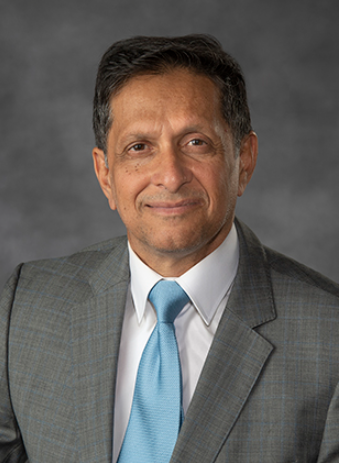 Arun J. Sanyal合作论文数Division of Gastroenterology, Hepatology and Nutrition, Department of Internal Medicine, School of Medicine, Virginia Commonwealth University2Faridoddin Mirshahi合作论文数2Alena Arlova合作论文数1Svetlana Radaeva合作论文数1Mohammad Shadab Siddiqui合作论文数1Lorenzo Mulazzani合作论文数1
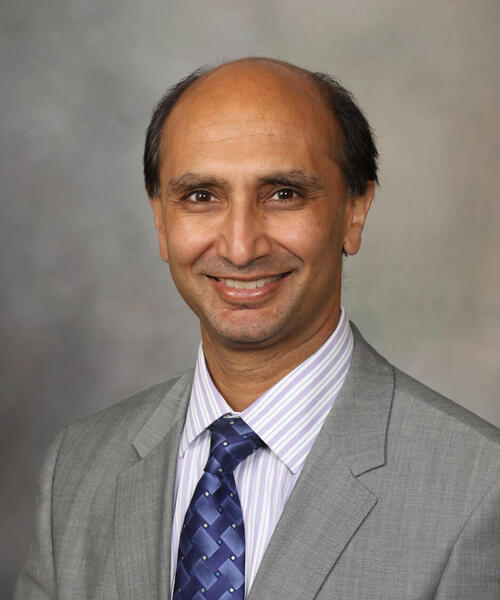 Vijay H. Shah合作论文数Department of Physiology & Biomedical Engineering, Mayo Clinic;Division of Gastroenterology and Hepatology, Department of Internal Medicine, Mayo Clinic1
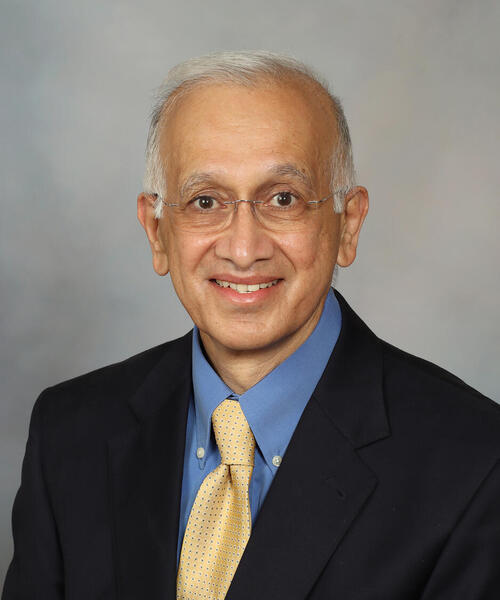 Patrick S. Kamath合作论文数Division of Gastroenterology and Hepatology, Department of Internal Medicine, Mayo Clinic1Min Hae-Ki合作论文数1
 Naga P. Chalasani合作论文数School of Medicine, Indiana University1
 Kalyani Daita合作论文数Division of Gastroenterology, Hepatology and Nutrition, Department of Internal Medicine, Virginia Commonwealth University1Vincent Robert合作论文数1Asgharpour Amon合作论文数VCUHS Center for Inflammatory Bowel Disease, Virginia Commonwealth University Health Center1
 Suthat Liangpunsakul合作论文数School of Medicine, Indiana University1
 David Crabb合作论文数School of Medicine, Indiana University1
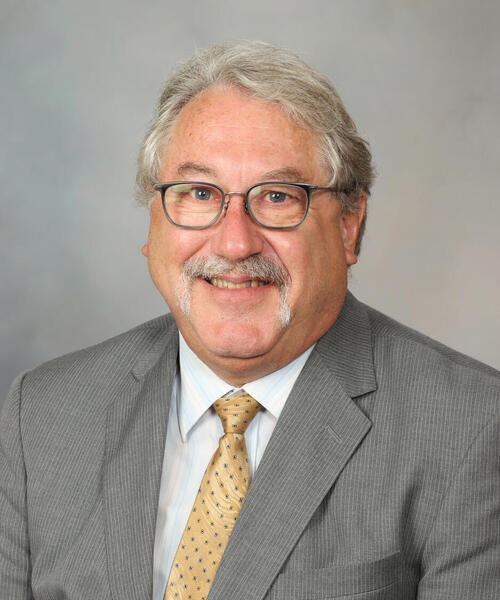 Gregory J. Gores合作论文数Division of Gastroenterology and Hepatology, Department of Internal Medicine, Mayo Clinic1
 Sophie C. Cazanave合作论文数Miles and Shirley Fiterman Center for Digestive Diseases and Mayo Clinic Cancer Center, Mayo Clinic1Sherry Boyett合作论文数1
 Michael Idowu合作论文数Department of Pathology, Virginia Commonwealth University1
 Jennifer Webster-Cyriaque合作论文数National Institute of Dental and Craniofacial Research, National Institutes of Health1
 Puneet Puri合作论文数Department of Internal Medicine, Virginia Commonwealth University Health System1




