Introduction: After a stroke, outpatient rehabilitation provides specialized care to restore function, prevent secondary complications, and support community reintegration. Prior evaluations of outpatient rehabilitation use post-stroke were limited to smaller cohorts or self-reported use. There are no contemporary, population-level evaluations of outpatient physical (PT) and occupational therapy (OT) use post-stroke, creating knowledge gaps around who is receiving care and if disparities exist. Purpose: The purpose of this study was to evaluate outpatient PT and OT use among older Veterans in the six months post-stroke. Methods: This retrospective cohort study included older adults (≥65 years) enrolled in the Veterans Health Administration (VA) and hospitalized for an ischemic or hemorrhagic stroke between January 1, 2017 and December 31, 2021. Outpatient PT and OT visits were measured over the 6 months post-hospitalization using the VA Corporate Data Warehouse and CMS Outpatient and Carrier files. Trends in outpatient PT and OT use by year were examined using a Cochran-Armitage test for trend. Factors associated with outpatient use were evaluated using a generalized linear regression model that adjusted for calendar year. Results: The cohort comprised 161,377 stroke hospitalizations and 133,420 individuals. The cohort had a mean ± SD age 78 ± 8 years, was 81.4% White and 15.2% Black, and 32.1% were rurally residing. Only 26.2% ever received outpatient PT and/or OT in the first 6 months after stroke. Among those with at least one visit, the median [IQR] number of visits was 4 [11] PT and 1 [6] OT visits. There was a significant decrease in the proportion receiving outpatient rehabilitation by year (P <0.001). This trend was observed for mild, moderate, and severe stroke severity (Figure 1). The strongest associations with receiving outpatient therapy were initial post-stroke rehabilitation in an inpatient rehabilitation facility (aOR 2.33, 95% CI [2.24, 2.42]) and stroke hospitalization at VA hospital (aOR 1.69, 95% CI [1.62, 1.76]). Dual Medicare-Medicaid eligibility had the lowest odds of receiving outpatient rehabilitation (aOR 0.61, 95% CI [0.57, 0.65], Figure 2). Conclusions: These results suggests that there are barriers to both initial and sustained use of outpatient rehabilitation post-stroke. This underscores the need to develop interventions to ensure patients receive outpatient rehabilitation at an appropriate dose to maximize outcomes.
BACKGROUND:The Veterans Health Administration (VA) cares for more than one million hospitalized Veterans each year. There is limited knowledge on how hospital medicine care in VA facilities compares with non-VA hospitals in terms of the Institute of Medicine domains of healthcare access, patient experience, quality, clinical outcomes, and cost. OBJECTIVES:To perform a systematic review that compares hospital-based care in VA and non-VA settings with a focus on general medicine conditions typically cared for by hospitalists. METHODS:We identified relevant articles across four databases from January 2015 to April 2025. Eligible studies were required to assess outcomes in any Institute of Medicine healthcare domain among Veterans receiving care in the VA for acute medical conditions. Relevant comparisons included outcomes of (1) Veterans receiving care in the community, or (2) members of the general population receiving care in the community. RESULTS:We identified 13 studies. VA care generally exhibited equal or better outcomes compared with non-VA care, especially in risk-adjusted mortality rates. Most process-of-care studies showed VA care to be as good as or better than non-VA care. Findings on readmissions and patient experience were mixed, with some early findings showing VA care lagging behind but improving significantly by 2021. However, few studies were completed after the passage of the 2018 MISSION Act, which significantly shifted hospitalizations to non-VA care. CONCLUSIONS:Most published studies of comparisons of quality-of-care show that Veterans receiving hospital medicine care from VA receive the same or better quality care than Veterans getting community care.
The Tailored Activity Program (TAP), an intervention for people living with dementia (PLWD) and their caregivers, has been shown to reduce behavioral symptoms for PLWD and caregiver burden. While TAP is proven as an evidence-based practice (EBP), it has yet to be implemented at scale. The Department of Veterans Affairs (VA) has prioritized the Age-Friendly Health System (AFHS) initiative, providing an opportunity to test implementation of TAP in a complex healthcare system. We conducted semi-structured pre-implementation interviews with leaders and clinicians at 6 VA Medical Centers (VAMCs) to engage key implementation partners and understand their unique implementation contexts. We utilized team-based rapid qualitative analysis to identify themes related to implementation determinants. We interviewed 65 unique informants in 58 interviews (5 VAMC leaders, 36 department leaders, and 17 frontline clinical staff). Informants identified 4 key factors critical to consider prior to implementing TAP: (1) alignment with organizational priorities; (2) perceived value and fit with existing clinical workflows; (3) competition with existing organizational and clinical priorities; and (4) considerations about the effect of caregiver burden on participation. We identified key factors to consider for successful implementation of a multicomponent intervention for PLWD and their caregivers within a complex healthcare system. As the AFHS initiative expands, there is a growing need for EBPs focused on the care of PLWD and their caregivers. These factors can guide clinicians, leaders, and implementation scientists in planning for implementation and sustainment of EBPs to bolster AFHS initiatives. Trial Registration Registered 05 May 2021, at ISRCTN #60,657,985. Reporting Guidelines The COnsolidated criteria for REporting Qualitative research (COREQ) checklist was used to ensure proper standards for reporting qualitative studies (see attached).
The strongest risk factor for readmission to the hospital is impaired physical function. We sought to determine the usability and feasibility of a post-hospital behavioral intervention to improve mobility in older adults with significant morbidity and functional impairment. We conducted a two-arm pragmatic pilot randomized trial of a behavioral economics-informed intervention to increase daily steps in Veterans, age 60 or older, receiving home health (HH) services post-discharge. The intervention group received a multicomponent behavioral economics-informed intervention, including daily step count goals, performance feedback, social incentives, and a pedometer. The control group received usual care, which included the use of a pedometer without additional interventions. Both groups wore an ActivPAL device to continuously monitor activity. Outcomes were measured at 60 days post-discharge. The primary outcomes were feasibility (enrollment and completion rates) and usability (device compliance and participant satisfaction). Secondary outcomes included changes in mean daily steps and hospital utilization. Differences in daily steps between the intervention and control group were examined using a linear mixed effects model. Sixteen out of the 37 consented Veterans completed the study (9 intervention, 7 control). All Veterans rated as very satisfied with wearing the pedometer, while 3 did not like wearing the ActivPAL. The pedometer data was more complete, with a missing step data rate of 5%, compared to 29% for the ActivPAL. The median (interquartile range, IQR) baseline step counts were 926 steps (2744) in the control arm and 1131 steps (2952) in the intervention arm. Both groups increased steps during the intervention; however, there was no significant difference between groups ( P = .18). Few older adults were able to complete the study, suggesting improvements to feasibility and acceptability are needed. Step counts were very low but did improve in both groups during the intervention. A pedometer was preferred by participants and provided more complete information than a research-grade device. Larger studies are needed to evaluate efficacy of such interventions.
Medicare's Skilled Nursing Facility Value-Based Purchasing (SNF VBP) Program is the largest pay-for-performance initiative ever implemented to improve care in SNFs. The program ties SNF performance in reducing thirty-day hospital readmissions among Medicare fee-for-service beneficiaries admitted from the hospital for postacute care to financial rewards or penalties of up to 2 percent of annual Medicare fee-for-service payments to SNFs. Using 2011-21 data from the Medicare Provider Analysis and Review files and other sources, we conducted a difference-in-differences analysis to determine whether the SNF VBP Program was successful in reducing thirty-day readmissions among the target population. Our analysis compared patient outcomes over time in SNFs in the highest quartile of Medicare-paid bed-days (which would be most sensitive to the financial impacts of the program) with those in the lowest quartile. We found that the program had no impact on thirty-day hospital readmissions, thirty-day mortality rates, SNF length-of-stay, or 100-day community discharge rates overall or in specific SNF subgroups during the period 2015-21. In light of changes made to the SNF VBP Program in fiscal year 2024, ongoing monitoring and additional research will be critical to efforts that assess the program's impact and inform SNF quality improvement policies and programs in the years ahead.
Introduction: The Age-Friendly Health Systems initiative (AFHS) was developed to spread principles of high-quality care for older adults using the 4Ms Framework: What Matters, Medications, Mentation and Mobility. In 2020, the Veterans Health Affairs (VA) set a goal to become an AFHS, given nearly half of Veterans are over aged 65. Methods: This quality improvement study followed the Model for Improvement which guided a series of Plan Do Study Act (PDSA) cycles to implement and spread the AFHS model within the VA, as measured by clinical sites receiving AFHS recognition from the Institute for Healthcare Improvement (IHI). A national AFHS Steering Committee was formed, followed by a 4Ms note template and dashboard. VA ran 3 AFHS Action Communities which included synchronous training sessions and coaching calls in 4Ms care. IHI recognition was tracked over 5 years for VA sites. The Standards for Quality Improvement Reporting Excellence 2.0 guidelines (SQuIRE) were used. Results: From 2020 to 2025, 455 VA care settings earned Level 1 recognition from IHI at 138/139 (99%) of VA parent facilities. 268/455 (59%) sites have gone on to achieve Level 2 recognition. 66% of Level 1 sites are ambulatory, 7% are acute care, and 24% are nursing homes. Since 2022 when the VA AFHS note template was implemented, 163 000 unique Veterans have been recorded as having been reached with 4Ms care, of whom 71% reside in urban areas, 23% are aged 85 and older, and 59% are aged 65 to 84. Conclusion: The VA implemented the AFHS initiative at nearly all VA parent facilities over 5 years, spreading the 4Ms model of Age-Friendly care across geographic and care settings. Further study is needed on the clinical impact of and optimal implementation strategies for AFHS. The VA experience offers a promising model for health systems seeking to implement AFHS.
The Age-Friendly Health Systems movement has demonstrated remarkable reach, with thousands of health systems now recognized as Age-Friendly. We have served as co-Editors of this Special Issue, which comes at a pivotal time in the Age-Friendly Health System movement. Published in this Special Issue are articles that meaningfully move the field forward by: (1) describing implementation and effects of Age-Friendly adoption across diverse settings of care; (2) contending with the challenge of consistent measurement of the 4Ms of Age-Friendly Care; (3) rigorously evaluating how best to implement and evaluate Age-Friendly care processes; and (4) exploring how policy levers align with Age-Friendly principles. These articles also reveal that while the Age-Friendly Movement has achieved tremendous breadth, the movement must pivot to achieve depth of clinical practice to ensure all older adults receive Age-Friendly care, and depth of research rigor to demonstrate impact and promote sustainability. To make this transition, novel tools are needed to make Age-Friendly care delivery integrated into workflows and the standard of care for older adults. In addition, alignment between payment and policy levers and Age-Friendly implementation must be expanded-including investing in higher levels of recognition that recognize depth of practice, and investment in Age-Friendly Learning Health Systems to encourage both depth of clinical practice and research rigor.
BACKGROUND:Learning health systems (LHS) improve patient and provider experiences, population health, and health system performance. LHS leaders develop LHS' social and scientific infrastructures and align the LHS with host organization's priorities. Although researchers have examined data infrastructure and Learning Community configurations, few studies have evaluated discrete strategies leaders deploy to construct a LHS. OBJECTIVES:We described methods used to establish the Department of Veterans Affairs (VA) Geriatric LHS (GLHS) supporting older Veterans transitioning from hospital to home and examined strategies GLHS leaders used to conduct LHS activities. DESIGN:Qualitative methods were employed to review notes from all meetings and post-meeting debriefs from encounters with operational partners, Learning Community members, and Quantitative and Qualitative Data Core subcommittees. Member checking with Learning Community and Data Core representatives led to iterative refinement of findings. A seven-question survey examined Learning Community member satisfaction with the GLHS. RESULTS:Ten of 16 Learning Community members (62.5%) completed surveys, indicating that the GLHS met Learning Community members' needs. The four key GLHS structural elements were (1) the imperative of maintaining an Idea Repository, (2) the value of notetaking and formal debriefs, (3) the cadence of meetings, and (4) the role of the newsletter to promote engagement. Five themes described core activities/perspectives GLHS operational leaders used: (1) listening to the Learning Community; (2) modifying analyses in response to Learning Community input; (3) including diverse perspectives; (4) managing organizational complexity; and (5) serving the healthcare system. CONCLUSIONS:The GLHS illustrates the importance of active listening, collaborative engagement, and responsive adaptation to advance LHS objectives. LHS leadership strategies such as an Idea Repository and iterative feedback mechanisms fostered stakeholder participation and informed data-driven improvements.
Rationale & ObjectiveDeveloping strategies to improve home dialysis use requires a comprehensive understanding of barriers. We sought to identify the most important barriers to home dialysis use from the perspective of patients, care partners, and providers.Study DesignThis is a convergent parallel mixed-methods study.Setting & ParticipantsWe convened a seven-member advisory board of patients, care partners, and providers who collectively developed lists of major patient/care partner-perceived barriers and provider-perceived barriers to home dialysis. We used these lists to develop a survey that was distributed to patients, care partners, and providers—through the American Association of Kidney Patients and the National Kidney Foundation. The surveys asked participants to: 1) rank their top three major barriers (quantitative); and 2) describe barriers to home dialysis (qualitative).Analytical ApproachWe compiled a list of the top three patient/care partner-perceived and top three provider-perceived barriers (quantitative) and conducted a directed content analysis of open-ended survey responses (qualitative).ResultsThere were 522 complete responses (233 providers; 289 patients/care partners). The top three patient/care partner-perceived barriers were: fear of performing home dialysis; lack of space; and the need for home-based support. The top three provider-perceived barriers were: poor patient education; limited mechanisms for home-based support staff, mental health, and education; and lack of experienced staff. We identified nine themes through qualitative analysis: limited education; financial disincentives; limited resources; high burden of care; built environment/structure of care delivery that favor in-center hemodialysis; fear and isolation; perceptions of inequities in access to home dialysis; provider perspectives about patients; and patient/provider resiliency.LimitationsThis was an online survey that is subject to non-response bias.ConclusionsThe top three barriers to home dialysis for patient/care partners and providers incompletely overlap, suggesting the need for diverse strategies that simultaneously address patient-perceived barriers at home and provider-perceived barriers in the clinic.
Department of Medicine, Division of General Medical Sciences, Washington University in St Louis School of Medicine, St Louis, Missouri, USA Institute for Informatics, Data Science, and Biostatistics, Washington University School of Medicine in St. Louis, Saint Louis, MO, USA Center for Health Equity Research and Promotion (CHERP), Corporal Michael J Crescenz VA Medical Center, Philadelphia, Pennsylvania, USA Divisions of General Internal Medicine and Hospital Medicine, University of Pennsylvania Perelman School of Medicine, Philadelphia, Pennsylvania, USA Leonard Davis Institute of Health Economics, University of Pennsylvania, Philadelphia, Pennsylvania, USA
Background High-quality implementation evaluations report on intervention fidelity and adaptations made, but a practical process for evaluating implementation strategies is needed. A retrospective method for evaluating implementation strategies is also required as prospective methods can be resource intensive. This study aimed to establish an implementation strategy postmortem method to identify the implementation strategies used, when, and their perceived importance. We used the rural Transitions Nurse Program (TNP) as a case study, a national care coordination intervention implemented at 11 hospitals over three years. Methods The postmortem used a retrospective, mixed method, phased approach. Implementation team and front-line staff characterized the implementation strategies used, their timing, frequency, ease of use, and their importance to implementation success. The Expert Recommendations for Implementing Change (ERIC) compilation, the Quality Enhancement Research Initiative phases, and Proctor and colleagues’ guidance were used to operationalize the strategies. Survey data were analyzed descriptively, and qualitative data were analyzed using matrix content analysis. Results The postmortem method identified 45 of 73 ERIC strategies introduced, including 41 during pre-implementation, 37 during implementation, and 27 during sustainment. External facilitation, centralized technical assistance, and clinical supervision were ranked as the most important and frequently used strategies. Implementation strategies were more intensively applied in the beginning of the study and tapered over time. Conclusions The postmortem method identified that more strategies were used in TNP than planned and identified the most important strategies from the perspective of the implementation team and front-line staff. The findings can inform other implementation studies as well as dissemination of the TNP intervention.
The Age-Friendly Health Systems movement is one of the largest efforts to improve care delivery for older adults, with thousands of health care systems recognized as “Age-Friendly.” However, significant questions regarding this movement remain, including how best to implement evidence-based practices and the effect of Age-Friendly transformation on the outcomes of older adults. This Special Collection will focus on issues of implementation and intervention effectiveness of Age-Friendly Health System redesign efforts, furthering the field.Panel discussion questions: 1. There is a growing realization that the tremendous scale and spread of AFHS hasn’t been matched by a growing evidence base. Why do you think this is, and what do you think are the right ways to start addressing this gap?2. One particular gap in the evidence is about the Age-Friendly movement itself – how it came to be so widespread, and what principles undergirded this success. What do you think helps explain why this movement has been so successful in terms of its spread, and what do you think we still need to learn?3. What do you see as promising opportunities for health care policy to support Age-Friendly implementation and sustainment? What do you think is needed in terms of evidence for policymakers?4. A key question I think is how to generate relevant evidence. There’s a lot of real-world experimentation with Age-Friendly and the 4Ms, but it’s in such heterogeneous contexts that it’s hard to generalize. Do we need randomized, controlled trials of the 4Ms? If not, what do you think is the best way to generate rigorous evidence?5. What do we know so far about Age-Friendly implementation outside the US? What lessons could we learn from evaluation of these initiatives?6. There’s an active debate about whether Age-Friendly care should be delivered (and measured) for all other adults, versus in specific populations that might be at highest risk, or most likely to respond. How do you think about this given your experience with Special Needs Plans?7. If you had a crystal ball, what do you predict the future of Age-Friendly Health Systems are? What do you think are the critical places of influence to get from here to there?
Background:The purpose of this qualitative study was to use a Learning Health System approach to identify factors influencing the emergence of innovation in rehabilitation hospital discharge decision-making during the Coronavirus 2019 (COVID-19) pandemic. Methods:Rehabilitation clinicians were recruited from the Veterans Affairs Health Care System and participated in individual semi-structured interviews guided by the integrated Promoting Action on Research Implementation in Health Services (i-PARIHS) framework. Data were analyzed using a rapid qualitative, deductive team-based approach informed by directed content analysis. Results:Twenty-three rehabilitation clinicians representing physical (N = 11) and occupational therapy (N = 12) participated in the study. Three primary themes were generated: (1) Recipients: innovations emerged as approaches to communicating discharge recommendations changed (in-person to virtual) and strong patient/family preferences to discharge to the home challenged collaborative goal setting; (2) Context: the ability of rehabilitation clinicians to innovate and the form of innovations were influenced by the broader hospital system, interdisciplinary team dynamics, and policy fluctuations; (3) Innovation: emerging innovations in discharge processes included perceived increases in team collaboration, shifts in caseload prioritization, and alternative options for post-acute care. Conclusions:Our findings reinforce that rehabilitation clinicians developed innovative strategies to quickly adapt to multiple systems-level factors that were changing in the face of the COVID-19 pandemic. Future research is needed to assess the impact of innovations, remediate unintended consequences, and evaluate the implementation of promising innovations to respond to emerging healthcare delivery needs more rapidly.
The authors declare no conflict of interest.
Background: High-quality transitional care at discharge is essential for improved patient outcomes. Registered nurses (RNs) play integral roles in transitions; however, few receive structured training. Purpose: We sought to create, implement, and evaluate an evidence-informed nursing transitional care coordination curriculum, the Transitions Nurse Training Program (TNTP). Methods: We conceptualized the curriculum using adult learning theory and evaluated with the New World Kirkpatrick Model. Self-reported engagement, satisfaction, acquired knowledge, and confidence were assessed using surveys. Clinical and communication skills were evaluated by standardized patient assessment and behavior sustainment via observation 6 to 9 months posttraining. Results: RNs reported high degrees of engagement, satisfaction, knowledge, and confidence and achieved a mean score of 92% on clinical and communication skills. Posttraining observation revealed skill sustainment (mean score 98%). Conclusions: Results suggest TNTP is effective for creating engagement, satisfaction, acquired and sustained knowledge, and confidence for RNs trained in transitional care.
Background Unmet care needs among older adults accelerate cognitive and functional decline and increase medical harms, leading to poorer quality of life, more frequent hospitalizations, and premature nursing home admission. The Department of Veterans Affairs (VA) is invested in becoming an “Age-Friendly Health System” to better address four tenets associated with reduced harm and improved outcomes among the 4 million Veterans aged 65 and over receiving VA care. These four tenets focus on “4Ms” that are fundamental to the care of older adults, including (1) what M atters (ensuring that care is consistent with each person’s goals and preferences); (2) M edications (only using necessary medications and ensuring that they do not interfere with what matters, mobility, or mentation); (3) M entation (preventing, identifying, treating, and managing dementia, depression, and delirium); and (4) M obility (promoting safe movement to maintain function and independence). The Safer Aging through Geriatrics-Informed Evidence-Based Practices (SAGE) Quality Enhancement Research Initiative (QUERI) seeks to implement four evidence-based practices (EBPs) that have shown efficacy in addressing these core tenets of an “Age-Friendly Health System,” leading to reduced harm and improved outcomes in older adults. Methods We will implement four EBPs in 9 VA medical centers and associated outpatient clinics using a type III hybrid effectiveness-implementation stepped-wedge trial design. We selected four EBPs that align with Age-Friendly Health System principles: Surgical Pause, EMPOWER (Eliminating Medications Through Patient Ownership of End Results), TAP (Tailored Activities Program), and CAPABLE (Community Aging in Place – Advancing Better Living for Elders). Guided by the Pragmatic Robust Implementation and Sustainability Model (PRISM), we are comparing implementation as usual vs. active facilitation. Reach is our primary implementation outcome, while “facility-free days” is our primary effectiveness outcome across evidence-based practice interventions. Discussion To our knowledge, this is the first large-scale randomized effort to implement “Age-Friendly” aligned evidence-based practices. Understanding the barriers and facilitators to implementing these evidence-based practices is essential to successfully help shift current healthcare systems to become Age-Friendly. Effective implementation of this project will improve the care and outcomes of older Veterans and help them age safely within their communities. Trial registration Registered 05 May 2021, at ISRCTN #60,657,985. Reporting guidelines Standards for Reporting Implementation Studies (see attached).
1Department of Internal Medicine, Perelman School of Medicine, University of Pennsylvania, Philadelphia, Pennsylvania, USA. 2Leonard Davis Institute of Health Economics, University of Pennsylvania, Philadelphia, Pennsylvania, USA. 3Center for Health Equity Research and Promotion, Corporal Michael J. Crescenz VA Medical Center, Philadelphia, Pennsylvania, USA. 4Division of General Internal Medicine, Perelman School of Medicine, University of Pennsylvania, Philadelphia, Pennsylvania, USA. 5Renal-Electrolyte and Hypertension Division, Perelman School of Medicine, University of Pennsylvania, Philadelphia, Pennsylvania, USA. *Corresponding Author: George Maliha / Hospital of the University of Pennsylvania / 3400 Civic Center Drive / Philadelphia, PA 19104 (email: [email protected]) (phone: 806-206-2640) Email: [email protected]
Objective: The objective of this pilot study was to examine the feasibility of a remote physical activity monitoring program, quantify baseline activity levels, and examine predictors of activity among rurally residing adults with Parkinson disease (PD) or stroke.Design: Thirty-day observational study. Participants completed standardized assessments, connected a wearable device, and synced daily step counts via a remote monitoring platform.Setting: Community-based remote monitoring.Participants: Rurally residing adults with PD or stroke enrolled in the Veterans Health Administration.Intervention: N/A. Main Outcome Measures: Feasibility was evaluated using recruitment data (response rates), study completion (completed assessments and connected the wearable device), and device adherence (days recording >= 100 steps). Daily step counts were examined descriptively. Predictors of daily steps were explored across the full sample, then by diagnosis, using linear mixed effects regression analyses.Results: Forty participants (n=20 PD; n=20 stroke) were included in the analysis with a mean (SD) age of 72.9 (7.6) years. Participants resided 252.6 (105.6) miles from the coordinating site. Recruitment response rates were 11% (PD) and 6% (stroke). Study completion rates were 71% (PD) and 80% (stroke). Device adherence rates were 97.0% (PD) and 95.2% (stroke). Participants with PD achieved a median [interquartile range] of 2618 [3896] steps per day and participants with stroke achieved 4832 [7383] steps. Age was the only significant predictor of daily steps for the full sample (-265 steps, 95% confidence interval [-407,-123]) and by diagnosis (PD,-175 steps, [-335,-15]; stroke,-357 steps [-603,-112]).Conclusions: A remote physical activity monitoring program for rurally residing individuals with PD or stroke was feasible. This study establishes a model for a scalable physical activity program for rural, older populations with neurologic conditions from a central coordinating site.Published by Elsevier Inc. on behalf of American Congress of Rehabilitation Medicine. This is an open access article under the CC BY-NC-ND license (http://creativecommons.org/licenses/bync-nd/4.0/).
 S Fahn合作论文数34N Kholodilov合作论文数28
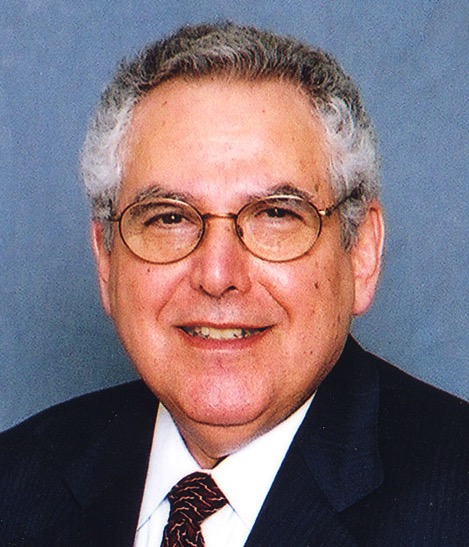 Stanley Fahn合作论文数Division of Movement Disorders, Department of Neurology, Columbia University Medical Center in New York;Center for Parkinson’s Disease, Columbia University Medical Center in New York25Nikolai Kholodilov合作论文数25
 Serge Przedborski合作论文数Columbia University16Olga Yarygina合作论文数16Tatyana Kareva合作论文数13S. B. Bressman合作论文数13Oo T F合作论文数12Vernice Jackson-Lewis合作论文数12Margarita Rzhetskaya合作论文数11Tinmarla F. Oo合作论文数10
 Laurie Jean Ozelius合作论文数Massachusetts General Hospital;Harvard Medical School10MF Brin合作论文数9D DELEON合作论文数9Chelsea Leonard合作论文数9
 Kim Sang Ryong合作论文数Plus KNU Creat BioRes Grp BK21, Kyungpook Natl Univ9
 Matthew During合作论文数University of Oxford;Nightstar Therapeutics9
 Xandra Breakefield合作论文数Mass General Research Institute, Massachusetts General Hospital;Department of Neurology, Harvard Medical School9
 Un Jung Kang合作论文数Department of Neurology, Department of Medicine, New York University8
 Gilmartin Heather合作论文数8Mitchell F. Brin合作论文数8Hsiao-Chun Cheng合作论文数7
 Marina Neystat合作论文数7
 David Sulzer合作论文数Department of Molecular Pharmacology and Therapeutics, Columbia University Irving Medical Center;School of Arts, Columbia University;School of Arts, New York State Psychiatric Institute7
 Susan Bressman合作论文数Department of Neurology, Icahn School of Medicine at Mount Sinai7
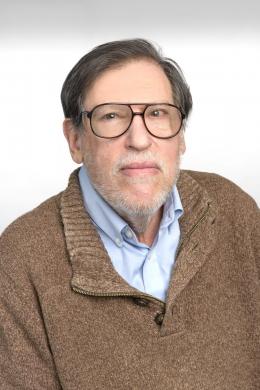 Lloyd A. Greene合作论文数Department of Pathology and Cell Biology, Columbia University7Avinoam Reches合作论文数7Leonidas Stefanis合作论文数7Lynette Kelley合作论文数6
 Claire Henchcliffe合作论文数Feil Family Brain and Mind Research Institute, Weill Cornell Medicine, Cornell University6
 William Dauer合作论文数Medical School, University of Michigan6J Ilson合作论文数6Patricia L. Kramer合作论文数6V. Ries合作论文数6JinWhan Cho合作论文数5A HUNT合作论文数5Emily Lawrence合作论文数5Ries Vincent合作论文数5McCreight Marina合作论文数5
 Jones Christine D合作论文数Department of Medicine, University of Colorado5Neil Risch合作论文数5
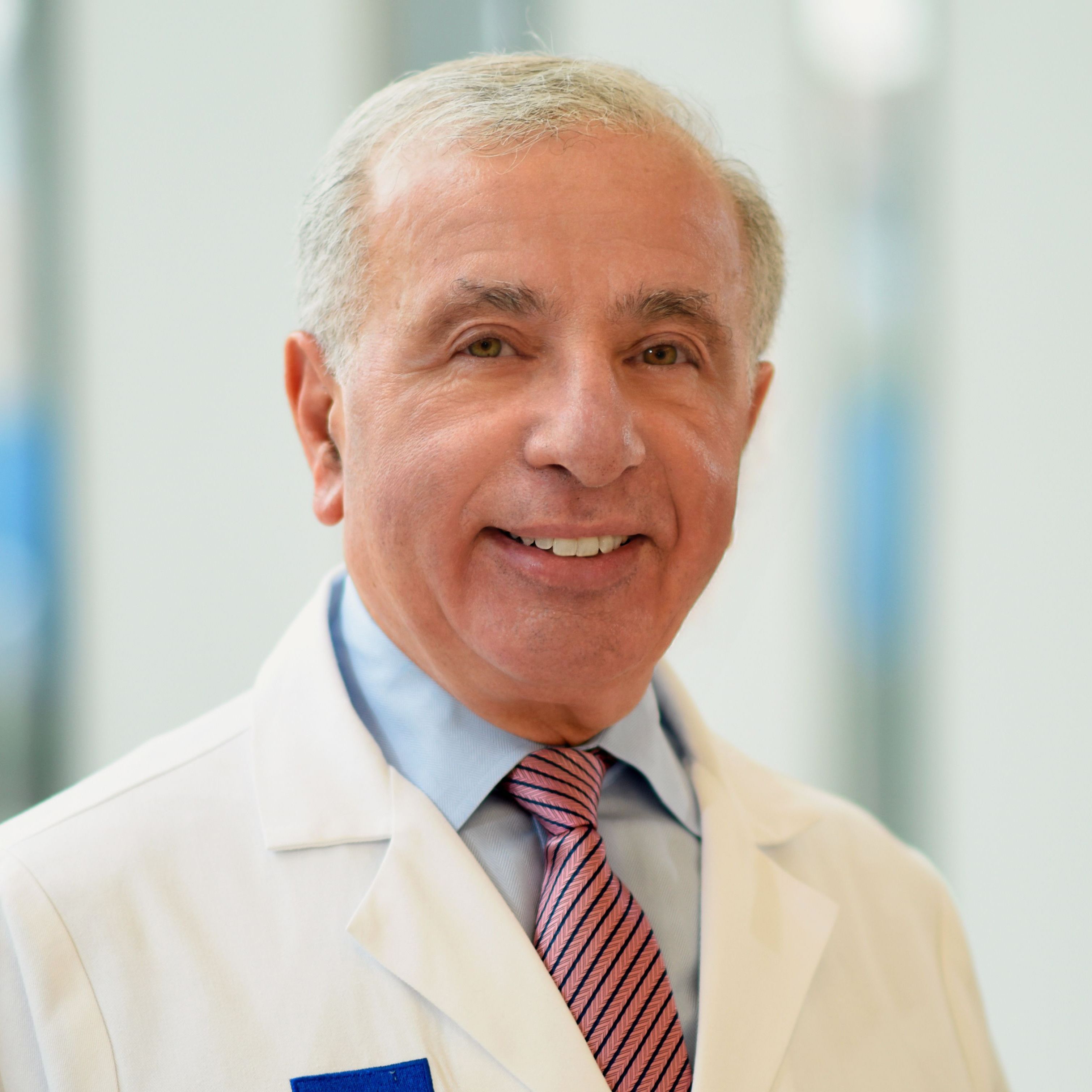 Joseph Jankovic合作论文数Parkinson's Disease Center and Movement Disorders Clinic, Baylor College of Medicine;Department of Neurology, Baylor College of Medicine5
 Alfons Macaya合作论文数Vall d'Hebron Research Institute, Hospital Universitari de la Vall d'Hebron;Department of Pediatrics, Obstetrics, Gynecology and Preventive Medicine, Autonomous University of Barcelona5H Shale合作论文数5T Kareva合作论文数4R Bland合作论文数4
 David M. Kwiatkowski合作论文数Cardiovascular Institute, Stanford University;Lucile Packard Children's Hospital4
 Tim Lynch合作论文数Dublin Neurological Institute at the Mater Misericordiae Hospital, University College Dublin4




