Back to table of contents Previous article Next article EditorialFull AccessA Season of Change for The Journal of Neuropsychiatry and Clinical NeurosciencesDavid B. Arciniegas, M.D., , Robert E. Hales, M.D., M.B.A., , Stuart C. Yudofsky, M.D., David B. Arciniegas, M.D., Deputy Editor, Robert E. Hales, M.D., M.B.A., Deputy Editor, Stuart C. Yudofsky, M.D., EditorPublished Online:29 Apr 2015https://doi.org/10.1176/appi.neuropsych.270301AboutSectionsPDF/EPUB ToolsAdd to favoritesDownload CitationsTrack Citations ShareShare onFacebookTwitterLinked InEmail The Journal of Neuropsychiatry and Clinical Neurosciences is in its 27th year of publication. Through its nearly three decades of operation, it has become a premier venue for publishing articles on the psychiatric aspects of neurological conditions and the neurology of psychiatric disorders. Our latest impact factor is 2.77, our 5-year impact factor is 3.14, our current H-index is 85, and the articles in our journal have been collectively cited more than 41,000 times. Our readership base has expanded to more than 1,500 subscribers, including nearly 600 individual subscribers, more than 500 institutional subscribers, and more than 400 institutional subscribers with access to Journal of Neuropsychiatry and Clinical Neurosciences through the PsychiatryOnline program. The journal is home to many of the most highly cited articles in the field of neuropsychiatry, and our website is accessed more than 650,000 times annually. We also are honored to continue our more than 25 years of service as the official journal of the American Neuropsychiatric Association.While our successes are substantial, progress requires continued growth and periodic redevelopment. Toward that end, American Psychiatric Publishing (APP) began this publishing year with a new cover design and article layout aligned with others in its catalog. The table of contents of each issue now includes brief abstracts describing each article and highlights articles that address one or more of the Accreditation Council for Graduate Medical Education core competencies. Our peer review process has been expanded and expedited by shared use of ScholarOne with our sister journals in the APP catalog, enabling us to reduce the time from submission to first editorial decision to 20.5 days. During the last year, APP also instituted JNP in Advance, which makes articles available to subscribers and indexes them in PubMed within 12 weeks of their acceptance for publication. The creation of the Online Exclusives section of the journal enabled rapid movement of articles through our publication queue. Together, these maneuvers have positioned the Journal of Neuropsychiatry and Clinical Neurosciences to expeditiously publish cutting-edge neuropsychiatric research, scholarly reviews, and instructive cases. With regard to the cases in our Letters to the Editor section, this issue also marks the transition to a refined focus for these reports: novel clinical observations that inform usefully on the neuropsychiatric manifestations of neurological conditions and/or the neurology of psychiatric disorders.This issue also marks a time of renewal for the journal's Editorial Board. With deep gratitude and great respect, we thank our outgoing Editorial Board members for their many years of volunteer service to the journal: Consulting Editors Floyd Bloom, M.D., Eric R. Kandel, M.D., Solomon H. Synder, M.D., and the late Edward G. Jones, M.D., Ph.D.; and Associate Editors Nancy C. Andreasen, M.D., Ph.D., Joseph T. Coyle, M.D., Jeffrey L. Cummings, M.D., Dwight L. Evans, M.D., Robert C. Green, M.D., John M. Morihisa, M.D., Stephen Salloway, M.D., M.S., Randolph B. Schiffer, M.D., and Daniel R. Weinberger, M.D. All have been stalwart members of the journal's Editorial Board during its formative years, and we are honored by and deeply appreciative of their contributions to and support of the journal. We welcome new members of our Editorial Board, all of whom are Fellows of the American Neuropsychiatric Association: Deputy Editor C. Alan Anderson, M.D.; Consulting Editors C. Edward Coffey, M.D., Thomas W. McAllister, M.D., Fred Ovsiew, M.D., and Jonathan M. Silver, M.D.; and Associate Editors Sheldon Benjamin, M.D., Kevin J. Black, M.D., John J. Campbell, M.D., Miles Cunningham, M.D., Richard B. Ferrell, M.D., Laura A. Flashman, Ph.D., Yonas E. Geda, M.D., Daniel I. Kaufer, M.D., W. Curt LaFrance, M.D., Mario Mendez, M.D., Ph.D., David A. Silbersweig, M.D., Kaloyan S. Tanev, M.D., and Hal S. Wortzel, M.D. We look forward to working with them as stewards of the journal's editorial direction, operations, and peer-review process. We also wish to take this opportunity to convey our heartfelt gratitude to the many professionals who have provided peer review over the years. Their selfless contributions are essential to maintaining the high quality and scientific integrity of our journal.To paraphrase C.S. Lewis,1 growth is the synthesis of continuity and change. The contributions and goodwill of colleagues concluding their service to the journal, the energy brought by our new additions to our Editorial Board, the stalwart service of our many peer reviewers, and the freedom to move forward creatively in partnership with our colleagues at APP are the ingredients for continued growth and success of the Journal of Neuropsychiatry and Clinical Neurosciences. We are confident that this combination of continuity and change will enhance our work and provide you, our readers, with the stuff of professional sustenance and growth for many years to come.Reference1 Lewis CS: Hamlet, the Prince or the Poem? Proceedings of the British Academy (vol XXVIII). London, Humphrey Milford, 1942, p 16Google Scholar FiguresReferencesCited byDetailsCited ByEditor Emeritus of The Journal of Neuropsychiatry and Clinical Neurosciences: Stuart C. Yudofsky, M.D.David B. Arciniegas, M.D.27 January 2016 | The Journal of Neuropsychiatry and Clinical Neurosciences, Vol. 28, No. 1 Volume 27Issue 2 Spring 2015Pages 80-80 Metrics PDF download History Published online 29 April 2015 Published in print 1 April 2015
Healthcare reform initiatives have highlighted the importance of interdisciplinary teams, especially within psychiatry departments, where multiple disciplines already work together (1). The goal of these collaborations is to optimize patient outcomes. A succession of Institute of Medicine (IOM) reports has reaffirmed that optimal clinical services require health professionals (not just physicians) to collaborate in order to foster wellness, manage acute and chronic illness, and provide compassionate care across the life continuum. The IOM report titled, “Health Professions Education: A Bridge to Quality” (2), observed that the training of healthcare professionals must change because, once in practice, they are asked to work in interdisciplinary teams, yet they are not educated together or trained in team-based skills. To achieve this educational goal, the IOM report titled, “Crossing the Quality Chasm” (3) observed that, across professional schools, there are shared competencies that should be identified and integrated into the educational programs. The report went on to recommend that accreditation, credentialing, and licensing organizations provide competency-based oversight across disciplines. These recommendations were reaffirmed more recently by a Josiah Macy Jr. Foundation report (4). When the IOM evaluated rural health care (5), one of its recommendations for schools of medicine, dentistry, nursing, allied health, public health, and behavioral health was to develop curricula in order to improve health care in rural communities. These curricula would include a core competency for all disciplines to be able to provide interdisciplinary care. The report also advocated for cross-training in key shortage areas for rural communities. For example, the report expressed particular concern over the lack of mental health and substance abuse programs, and recommended that all physicians, nurses, and allied health professionals who work in rural settings, regardless of specialty, receive training in the recognition and treatment of psychiatric disorders, including alcoholism and substance abuse. Finally, the IOM expressed concern over the quality of care in long-term care facilities (6) and the shortage of clinical services being provided to an aging population (7). Among their many recommendations in both reports was the need to improve the training and competencies of all healthcare professionals in the field of geriatric medicine, including paid caregivers, informal caregivers, and traditional specialties, such as nursing and medicine. The reports also discussed the need for educating and training multidisciplinary teams to provide clinical care (6, 7). Articles that support the need for multidisciplinary and team approaches to clinical problems have also been published in the psychiatric literature (8–11). Since psychiatrists have extensive experience in collaborating with social workers, psychologists, psychiatric nurses, and other mental health professionals, they are well-positioned to assist other healthcare professionals in such team approaches. As the five IOM reports emphasized (1–3, 5–7), there is a compelling need to have care delivered through collaboration and integration. This goal has been articulated by the leadership at UC Davis (12) and has led to the changes described in this article. To create more multidisciplinary and team approaches to education and clinical care, the University of California, Davis Health System made structural reforms to better achieve these goals. This article discusses the reforms made at UC Davis.
*Menninger Department of Psychiatry and Behavioral Sciences, Baylor College of Medicine; †Department of Psychiatry, The Methodist Hospital, Houston, TX; ‡Department of Psychiatry and Behavioral Sciences, UC Davis School of Medicine; and §Mental Health Services, Sacramento, CA. Send reprint requests to Stuart C. Yudofsky, MD, 1977 Butler Blvd, Suite E4.400, Houston, TX 77030. E-mail: [email protected]. Authors' note: Throughout the past three decades, John Talbott, MD, Editor of JNMD, has been a beloved mentor, distinguished colleague, and dear friend. We are honored to accept his invitation to comment upon an advertisement that appeared in the 1937 volume of this Journal, which is being acknowledged in celebration of the anniversary of the 200th volume of JNMD. The advertisement was for "Residencies in Neuropsychiatry" and comprised four newly-approved positions at the Menninger Clinic in Topeka, Kansas. The educational experience included "class work in neurology, neuropathology, psychiatry and psychoanalysis." We use this opportunity to review our previous work and publications regarding the definition of neuropsychiatry and critical events in the history of neuropsychiatry and to emphasize problems with the current concepts of psychiatry and neurology. In addition, we offer a template of what we believe to be an ideal vision for the future of training and practice in neuropsychiatry, neurology, and psychiatry.
Most medical faculty receive little or no training about how to be effective teachers, even when they assume major educational leadership roles. To identify the competencies required of an effective teacher in medical education, the authors developed a comprehensive conceptual model. After conducting a literature search, the authors met at a two-day conference (2006) with 16 medical and nonmedical educators from 10 different U.S. and Canadian organizations and developed an initial draft of the "Teaching as a Competency" conceptual model. Conference participants used the physician competencies (from the Accreditation Council for Graduate Medical Education [ACGME]) and the roles (from the Royal College's Canadian Medical Education Directives for Specialists [CanMEDS]) to define critical skills for medical educators. The authors then refined this initial framework through national/regional conference presentations (2007, 2008), an additional literature review, and expert input. Four core values grounded this framework: learner engagement, learner-centeredness, adaptability, and self-reflection. The authors identified six core competencies, based on the ACGME competencies framework: medical (or content) knowledge; learner- centeredness; interpersonal and communication skills; professionalism and role modeling; practice-based reflection; and systems-based practice. They also included four specialized competencies for educators with additional programmatic roles: program design/implementation, evaluation/scholarship, leadership, and mentorship. The authors then cross-referenced the competencies with educator roles, drawing from CanMEDS, to recognize role-specific skills. The authors have explored their framework's strengths, limitations, and applications, which include targeted faculty development, evaluation, and resource allocation. The Teaching as a Competency framework promotes a culture of effective teaching and learning.
BACKGROUND:Medical comorbidity and mortality disproportionately affect adults with serious mental illness, as compared with the general population.OBJECTIVE:This study examined the medical diagnoses of patients transferred from a psychiatric health facility to general-medical hospitals.METHOD:The authors retrospectively reviewed the charts of 81 adult patients admitted to an inpatient psychiatric facility who were subsequently transferred to local general-medical hospitals from January 2005 to June 2007.RESULTS:Of 6,688 separate inpatient admissions, 81 patients (2.1%) were admitted to general-medical hospitals a total of 93 times, and had 108 admitting medical diagnoses. The leading admission indications were infections (N=33; 34%), electrolyte or nutritional abnormalities (N=12; 11%), and cardiovascular disorders (N=12; 11%). Iatrogenic causes related to psychiatric medications accounted for a small proportion of medical admissions (N=8; 7.5%). Over 90% of the patients had chronic medical disorders, and 80% of the patients had a psychotic or bipolar disorder.CONCLUSION:Patients with severe mental illness and chronic medical disorders may experience significant acute medical complications during inpatient psychiatric treatment. Given the complex care issues involved, continued vigilance in treating or preventing these conditions is warranted.
INTRODUCTION:This study examines predictors of reduced preventive health service use in patients with severe mental illness by examining psychiatric diagnoses and demographic factors.METHOD:Of 387 patients approached in 4 community mental health clinics regarding their preventive health services use from January 2005 to May 2007, 234 (60.5%) were interviewed. Of those participants interviewed, 221 had a DSM-IV-TR diagnosis of (1) primary psychotic disorder (schizophrenia or schizoaffective disorder), (2) bipolar disorder, or (3) recurrent major depressive disorder. Psychiatric disorders and demographic factors that predicted high service utilization were analyzed using analysis of variance and χ² tests.RESULTS:In the linear predictive model, use of preventive services was not statistically different among the 3 diagnostic groups. Participants with primary psychotic disorder used a similar number of preventive services compared to those with bipolar disorder and major depression. Women used more services than men (P < .01), and individuals with health insurance used more than uninsured participants (P < .001).CONCLUSION:Male gender and not having medical insurance were predictive of lower preventive health service use in this sample of patients with severe mental illness. Further research is needed to replicate these findings and to improve use of preventive health services in people with severe mental illness.
Objective: Psychiatric residency programs have had chief residents for many years, and several articles previously published describe the chief residents' unique role as both faculty and resident. This article describes chief resident roles and responsibilities and explores trends in academic psychiatry departments from 1995 to 2006.Methods: The authors mailed a survey about the roles and responsibilities of chief resident positions to psychiatric residency training directors using the American Association of Directors of Psychiatric Residency Training (AADPRT) mailing list in 1995 and e-mailed the AADPRT e-mail list in 2006. Data were collected by mail in 1995 and collected in 2006 by a web-based survey similar to the instrument used in 1995.Results: Joint selection of chief resident by faculty and residents, 12-month terms, protected time for administrative duties, and written job descriptions were helpful features common to most programs.Conclusion: Our results demonstrate that the majority of general psychiatry residency programs use the joint selection method with a negotiated job description, as well as a 12-month term.
 Stuart C. Yudofsky合作论文数31
 Donald M Hilty合作论文数11McCarron Robert M合作论文数4M. E. Servis合作论文数4
 Russell Lim合作论文数4C. Shahrokh合作论文数4Thomas S. Nesbitt合作论文数4James A. Bourgeois合作论文数4Martin H. Leamon合作论文数3Glen L. Xiong合作论文数3Richard Bermudes合作论文数Mindful Health Solutions2
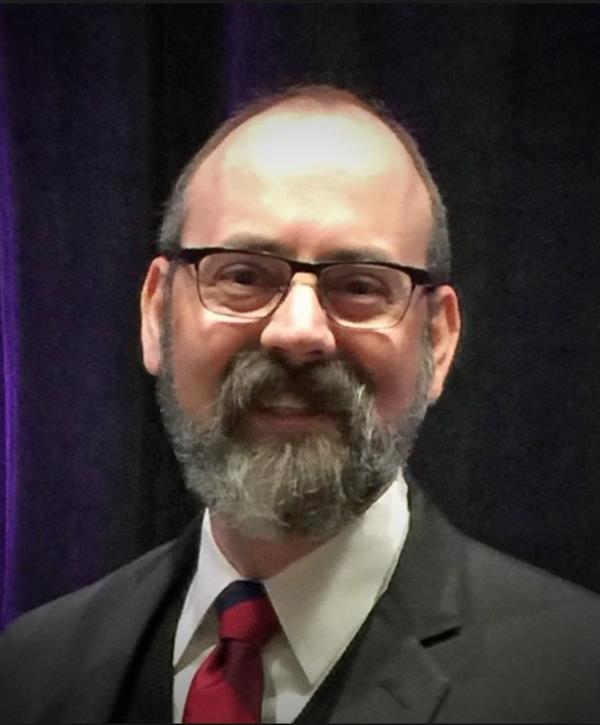 David B. Arciniegas合作论文数School of Medicine, University of Colorado 2
 Jaesu Han合作论文数2Xia Guohua合作论文数2
 Cameron Carter合作论文数School of Medicine, University of California, Irvine;Department of Psychiatry and Behavioral Sciences, University of California, Davis;Imaging Research Center, University of California, Davis2
 Jacob A Wegelin合作论文数2Rosemary H Kelly合作论文数2Daniel C. West合作论文数1Ju Hui Park合作论文数1Don Hilty合作论文数1Paul D Cox合作论文数1Margaret W Leung合作论文数1franklin d jones合作论文数1JOHN M. OLDHAM合作论文数1Su-Ting T Li合作论文数1H. Ton合作论文数1O.-P. John合作论文数1Glen Gabbard合作论文数1
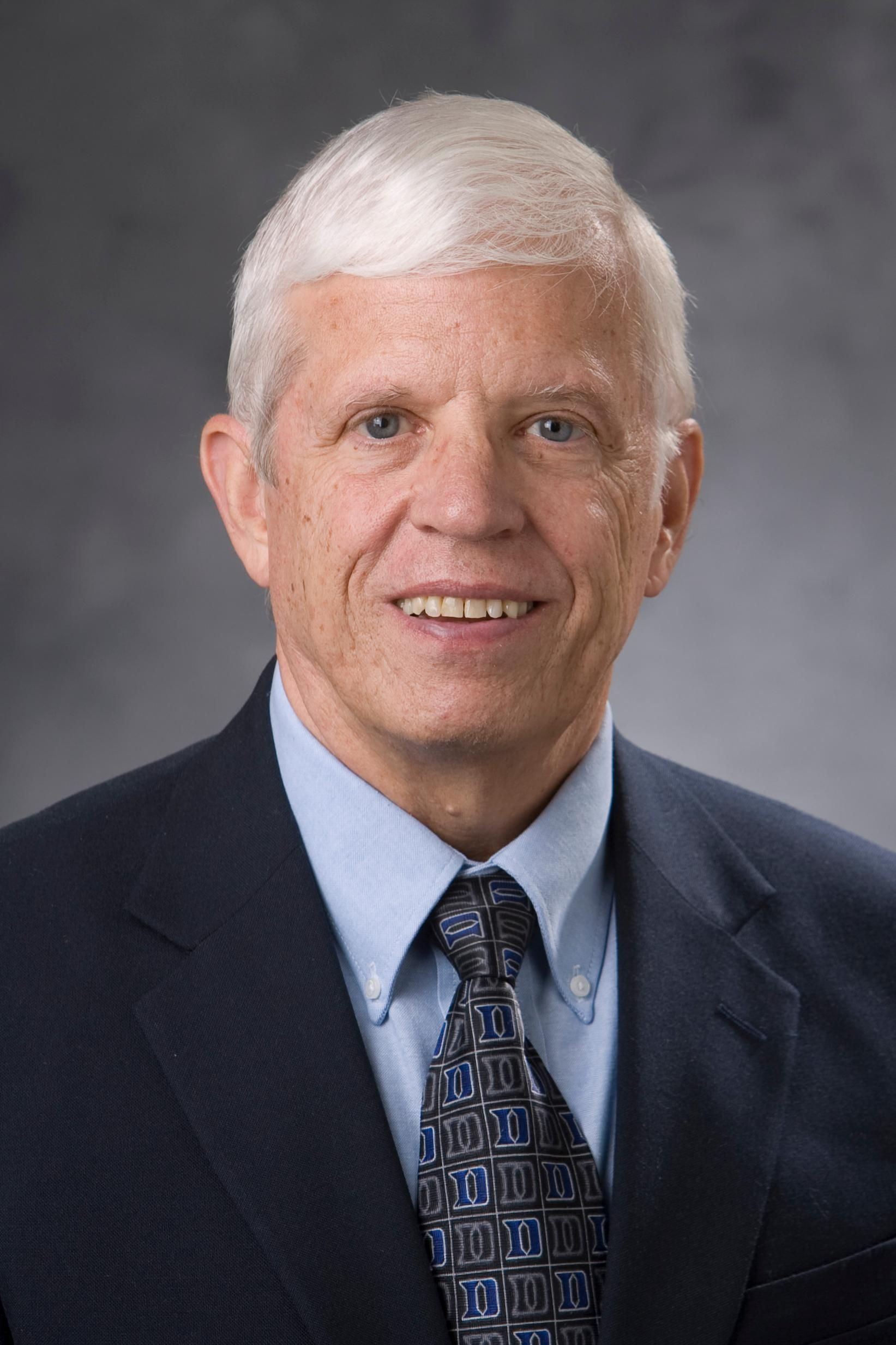 Daniel German Blazer合作论文数Division of Behavioral Medicine & Neurosciences, Department of Psychiatry & Behavioral Sciences, Duke University School of Medicine1
 David Folsom合作论文数Department of Psychiatry, School of Medicine, University of California, San Diego1Frederick J Meyers合作论文数1
 John Luo合作论文数Semel Inst Neurosci & Human Behav, Univ Calif Los Angeles1Jonathan M. Silver合作论文数Department of Psychiatry, Grossman School of Medicine, New York University1
 Ursano J Robert合作论文数Center for the Study of Traumatic Stress, Department of Psychiatry, F. Edward Hebert School of Medicine, Uniformed Services University1Kuenneth Christina A合作论文数1Rivelli Sarah K合作论文数1
 Lydia Chwastiak合作论文数School of Medicine, Yale University1
 David C. Steffens合作论文数Department of Psychiatry, University of Connecticut1Meyers Frederick J合作论文数1Scher Lorin M合作论文数1Bhangoo Robinder合作论文数1Suo Shannon合作论文数University of California at Davis.1
 David Whitney合作论文数Department of Psychology, School of Optometry, University of California, Berkeley1D. Pitman合作论文数1Koike Alan K合作论文数1Thomas F. Anders合作论文数1
 Ana-Maria Iosif合作论文数Department of Public Health Sciences, University of California at Davis1
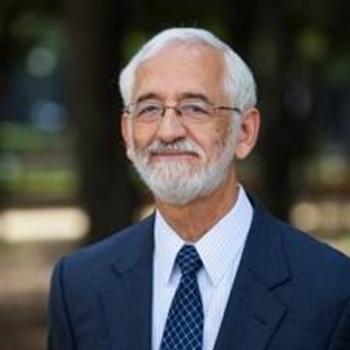 Kelley M. Skeff合作论文数Stanford Faculty Development Center for Medical Teachers, Stanford University;Department of Medicine, Stanford University Medical Center1
 Claire Pomeroy合作论文数Albert and Mary Lasker Foundation1




