Background Cotton is an important crop worldwide for producing natural fibres for textile, among other uses. Water input for cotton production is tightly linked to yield and ongoing climate changes require purpose-bred cotton genotypes able to be grown productively in water-conservative environments, particularly as most fertile land must be prioritised for food production. Here we investigate metabolome and transcriptome changes in the leaves of two closely related upland cotton (Gossypium hirsutum) genotypes with a differing fraction of transpirable soil water (FTSW) threshold trait, undergoing a progressive soil drying treatment in a controlled environment. Results We show that gene expression and metabolite changes are present earlier in the genotype with a higher FTSW threshold (early-saver; ES), matching physiology data collected at the same time. There were unique gene expression patterns present in the ES genotype involving upregulation of predicted MEX1 and pGlct-2 genes involved in starch breakdown, as well as lower transcript levels of a predicted cold and drought responsive CORA-like protein. Integration of metabolome and transcriptome showed associations between genes and metabolites in each genotype, notable in ES were multiple aquaporin genes with L-proline, suggesting these may be key players in the higher FTSW-threshold response of cotton to progressive soil-drying. Conclusions This work contributes to the understanding of genes and metabolites involved in cotton's response to progressive soil drying and highlights potential differences between high and low FTSW threshold phenotypes. This will provide a basis for further studies to pursue the breeding of cotton genotypes with improved productivity and adaptation to water limited and rainfed production systems.
C4 crops such as maize and sorghum are vital to global food and bioenergy systems due to their high productivity and resource use efficiency, underpinned by a CO2 concentrating mechanism. Despite this advantage, modelling and experimental evidence indicate that C4 photosynthesis can be further optimised to boost yield and carbon capture. This review examines key metabolic and physiological processes predicted to limit C4 photosynthetic flux by the steady-state and dynamic models, including the activity of carboxylases, electron transport, and mesophyll and bundle sheath (BS) conductance. We highlight recent progress using Setaria viridis and model crops to test genetic strategies for alleviating these limitations. In addition, we explore promising but less-understood areas, such as enhancing light-harvesting and adenosine triphosphate (ATP) generation in BS cells, improving metabolite exchange and activating alternative decarboxylation pathways under stress. We suggest that improving C4 photosynthesis will require coordinated manipulation of multiple biochemical and regulatory processes. Advancing our understanding of these processes will not only enhance C4 crop productivity and resilience but also support long-term goals of engineering C4 traits into C3 crops to address rising demands for food, energy, and climate adaptation.
Amino acid biostimulants have emerged as powerful alternatives to conventional inorganic nitrogen fertilisers, yet their potential in forestry species like radiata pine (Pinus radiata) remains largely unexplored. In this study, we reveal physiological mechanisms underlying the enhanced growth of radiata pine seedlings achieved by substituting traditional inorganic fertigation, either partially or fully, with amino-acid-based biostimulants. Amino-acid fertigation notably increased shoot biomass, plant height, and collar diameter. Critically, this approach reshaped the root fungal community, selectively enriching fungi with diverse ecological roles, including several taxa known for auxin production. These microbial shifts correlated directly with elevated auxin concentrations observed in needle tissues, providing a plausible mechanism for the enhanced growth. Additionally, amino-acid fertigation improved nitrogen assimilation, correlating positively with increased chlorophyll content and photosynthetic efficiency. Our findings highlight that transitioning to amino-acid biostimulants from inorganic sources not only enhances plant growth and nitrogen use but also promotes a beneficial root microbiome, thereby offering a sustainable pathway for nursery production of radiata pine. ### Competing Interest Statement The authors have declared no competing interest.
Many C4 plants are used as food and fodder crops and often display improved resource use efficiency compared to C3 plants. However, the response of C4 plants to future extreme conditions such as heatwaves is less understood. Here, Setaria viridis, an emerging C4 model grass, was grown under long-term high-temperature stress for 2 wk (42 degrees C, compared to 28 degrees C). This resulted in stunted growth, but surprisingly had little impact on leaf thickness, leaf area-based photosynthetic rates, and bundle sheath leakiness. Dark respiration rates increased, and there were major alterations in carbon and nitrogen metabolism in the heat-stressed plants. Abscisic acid and indole-3-acetic acid-amino acid conjugates accumulated in the heat-stressed plants, consistent with transcriptional changes. Leaf transcriptomics, proteomics, and metabolomics analyses were carried out and mapped onto the metabolic pathways of photosynthesis, respiration, carbon/nitrogen metabolism, and phytohormone biosynthesis and signaling. An in-depth analysis of correlations between transcripts and their corresponding proteins revealed strong differences between groups in the strengths and signs of correlations. Overall, many stress signaling pathways were upregulated, consistent with multiple signals leading to reduced plant growth. A systems-based model of the plant response to long-term heat stress is presented based on the oxidative stress, phytohormone, and sugar signaling pathways. Long-term heat stress does not affect photosynthesis in the C4 grass Setaria viridis owing to an effective acclimation response of carbon assimilation, although it inhibits plant growth.
There is increasing urgency for more productive and resource-use-efficient crops to cope with changing climates. One possibility to improve crop productivity is to enhance photosynthesis. Here, we studied four linted cotton species (Gossypium hirsutum, G. barbadense, G. arboreum, and G. herbaceum) for diversity in the temperature response of Rubisco catalysis and impact on carbon assimilation. Compared with the model C3 plant tobacco, each cotton Rubisco had a slower carboxylation rate (kcatc) and higher CO2 affinity (lower KC21%O2) in response to temperature, with the specificity for CO2 over O2 (Sc/o) of G. hirsutum Rubisco being thermally advantaged above 20 °C relative to tobacco. Consistent with high homology between the cotton species Rubisco large subunits, there was little difference in the response of kcatc or KC21%O2 to temperature. However, at temperatures above 15 °C, the carboxylation efficiency (kcatc/KC21%O2) of G. herbaceum Rubisco significantly exceeded that of G. hirsutum Rubisco by 23–29%, with the G. herbaceum enzyme predicted to support 20% higher rates of photosynthesis than tobacco Rubisco at 35 °C. Leaf-level photosynthetic measurements at 28 °C, however, showed no significant variation in the net photosynthetic CO2 assimilation rates, stomatal conductance, transpiration rate, intrinsic water-use efficiency, or photosynthetic electron transport rates between each cotton species. Using the ‘OptiFitACi’ A/Ci model parameterized with cotton Rubisco and mesophyll conductance (gm) values, the maximum Rubisco carboxylase activity (Vcmax) was 20% lower in G. herbaceum leaves compared with G. hirsutum. However, the greater Rubisco kinetics of G. herbaceum did not confer higher leaf photosynthesis.
Climate change due to anthropogenic CO2 emissions affects plant performance globally. To improve crop resilience, we need to understand the effects of elevated CO2 concentration (e[CO2]) on CO2 assimilation and Rubisco biochemistry. However, the interactive effects of e[CO2] and abiotic stress are especially unclear. This study examined the CO2 effect on photosynthetic capacity under different water availability and temperature conditions in 42 different crop species, varying in functional group, photosynthetic pathway, and phenological stage. We analysed close to 3000 data points extracted from 120 published papers. For C-3 species, e[CO2] increased net photosynthesis and intercellular [CO2], while reducing stomatal conductance and transpiration. Maximum carboxylation rate and Rubisco in vitro extractable maximal activity and content also decreased with e[CO2] in C-3 species, while C-4 crops are less responsive to e[CO2]. The interaction with drought and/or heat stress did not significantly alter these photosynthetic responses, indicating that the photosynthetic capacity of stressed plants responded to e[CO2]. Moreover, e[CO2] had a strong effect on the photosynthetic capacity of grasses mainly in the final stages of development. This study provides insight into the intricate interactions within the plant photosynthetic apparatus under the influence of climate change, enhancing the understanding of mechanisms governing plant responses to environmental parameters.
Leaf gas exchange measurements provide an important tool for inferring a plant’s photosynthetic biochemistry. In most cases, the responses of photosynthetic CO assimilation to variable intercellular CO concentrations ( A / C response curves) are used to model the maximum rate of carboxylation by ribulose-1,5-bisphosphate carboxylase/oxygenase (Rubisco, V ) and the rate of electron transport at a given photosynthetically active radiation (PAR; J ). The standard Farquhar-Von Caemmerer-Berry model is typically used with default parameters of Rubisco kinetic values and mesophyll conductance to CO ( g ) derived from tobacco that impairs analytical reliability across species. To study this, here we measured the temperature responses of key in vitro Rubisco catalytic properties and g in cotton ( Gossypium hirsutum cv. Sicot 71) and derived V and J ( J at 2000 µmol m s PAR) from cotton A / C curves incrementally measured at 15°C to 40°C using cotton and tobacco parameters with our new automated fitting R package ‘OptiFitACi’. When applied to cotton, the tobacco parameters produced unrealistic J : V ratio of <1 at 25°C, two- to three-fold higher estimates of V , approximately 50% higher estimates of J and more variable estimates of V and J , compared to model parameterisation with cotton-derived values. We determined that errors arise when using a g of 0.23 mol m s bar or below and Rubisco CO -affinities under ambient O ( K ) outside 461 µbar to 627 µbar to model A / C responses in cotton. We show how the multi- A / C modelling capabilities of ‘OptiFitACi’ serves as a robust, user-friendly extension of ‘plantecophys’ by providing simplified temperature-sensitivity and species-specificity parameterisation capabilities to enable higher accuracy estimates of V and J .
In the developing seeds of all higher plants, filial cells are symplastically isolated from the maternal tissue supplying photosynthate to the reproductive structure. Photoassimilates must be transported apoplastically, crossing several membrane barriers, a process facilitated by sugar transporters. Sugars Will Eventually be Exported Transporters (SWEETs) have been proposed to play a crucial role in apoplastic sugar transport during phloem unloading and the post-phloem pathway in sink tissues. Evidence for this is presented here for developing seeds of the C4 model grass Setaria viridis. Using immunolocalization, SvSWEET4 was detected in various maternal and filial tissues within the seed along the sugar transport pathway, in the vascular parenchyma of the pedicel, and in the xylem parenchyma of the stem. Expression of SvSWEET4a in Xenopus laevis oocytes indicated that it functions as a high-capacity glucose and sucrose transporter. Carbohydrate and transcriptional profiling of Setaria seed heads showed that there were some developmental shifts in hexose and sucrose content and consistent expression of SvSWEET4 homologues. Collectively, these results provide evidence for the involvement of SWEETs in the apoplastic transport pathway of sink tissues and allow a pathway for post-phloem sugar transport into the seed to be proposed.
Summary statement: Mesophyll conductance (gm) was negatively correlated with wheat leaf age but was positively correlated with the surface area of chloroplasts exposed to intercellular airspaces (Sc). The rate of decline in photosynthetic rate and gm as leaves aged was slower for water-stressed than well-watered plants. Upon rewatering, the degree of recovery from water-stress depended on the age of the leaves, with the strongest recovery for mature leaves, rather than young or old leaves. Diffusion of CO2 from the intercellular airspaces to the site of Rubisco within C3 plant chloroplasts (gm) governs photosynthetic CO2 assimilation (A). However, variation in gm in response to environmental stress during leaf development remains poorly understood. Age-dependent changes in leaf ultrastructure and potential impacts on gm, A, and stomatal conductance to CO2 (gsc) were investigated for wheat (Triticum aestivum L.) in well-watered and water-stressed plants, and after recovery by re-watering of droughted plants. Significant reductions in A and gm were found as leaves aged. The oldest plants (15 days and 22 days) in water-stressed conditions showed higher A and gm compared to irrigated plants. The rate of decline in A and gm as leaves aged was slower for water-stressed compared to well-watered plants. When droughted plants were rewatered, the degree of recovery depended on the age of the leaves, but only for gm. The surface area of chloroplasts exposed to intercellular airspaces (Sc) and the size of individual chloroplasts declined as leaves aged, resulting in a positive correlation between gm and Sc. Leaf age significantly affected cell wall thickness (tcw), which was higher in old leaves compared to mature/young leaves. Greater knowledge of leaf anatomical traits associated with gm partially explained changes in physiology with leaf age and plant water status, which in turn should create more possibilities for improving photosynthesis using breeding/biotechnological strategies.
A substantial number of C 4 plants are utilized as food and fodder crops and often display improved resource use efficiency compared to C 3 counterparts. However, their response to future extreme climates such as heatwaves is less understood. Setaria viridis , an emerging C 4 model grass closely related to important C4 crops, was grown under high temperature for two weeks (42°C as compared to 28°C). High temperature resulted in stunted growth, but surprisingly had little impact on leaf area based photosynthetic rates. Rates of dark respiration significantly increased and there were major alterations in carbon and nitrogen metabolism in the heat-stressed plants, including reduced starch levels, accumulation of soluble sugars and an increase in leaf nitrogen content. Measurements of major phytohormones revealed a dramatic increase in abscisic acid in the heat-stressed plants. Leaf transcriptomics, proteomics and metabolomics analyses were carried out and mapped onto metabolic pathways of photosynthesis, respiration, carbon/nitrogen metabolism and hormone synthesis and signaling. Overall, upregulation of a number of stress-signaling pathways was observed, consistent with multiple potent signals leading to reduced plant growth. A systems model of plant response is presented based on oxidative stress, hormone and sugar signaling pathways.
Significant advances in Rubisco research over the past decade have highlighted the intricate nature of the CO2-fixing enzyme and the complexity of environmental and cellular factors that affect its activity in photosynthetic organisms. This special issue offers comprehensive coverage of all things Rubisco (Fig. 1), from functional diversity to folding and assembly, in vivo regulation of its activity, including the role of its molecular partner, Rubisco activase (Rca), as well as sugar phosphate derivatives that inhibit activity.
Rubisco catalysis is complex and includes an activation step through the formation of a carbamate at the conserved active site lysine residue and the formation of a highly reactive enediol that is the key to its catalytic reaction. The formation of this enediol is both the basis of its success and its Achilles' heel, creating imperfections to its catalytic efficiency. While Rubisco originally evolved in an atmosphere of high CO2, the earth's multiple oxidation events provided challenges to Rubisco through the fixation of O2 that competes with CO2 at the active site. Numerous catalytic screens across the Rubisco superfamily have identified significant variation in catalytic properties that have been linked to large and small subunit sequences. Despite this, we still have a rudimentary understanding of Rubisco's catalytic mechanism and how the evolution of kinetic properties has occurred. This review identifies the lysine base that functions both as an activator and a proton abstractor to create the enediol as a key to understanding how Rubisco may optimize its kinetic properties. The ways in which Rubisco and its partners have overcome catalytic and activation imperfections and thrived in a world of high O2, low CO2, and variable climatic regimes is remarkable.
Photosynthetic efficiency and sink demand are tightly correlated with rates of phloem loading, where maintaining low cytosolic sugar concentrations is paramount to prevent the downregulation of photosynthesis. Sugars Will Eventually be Exported Transporters (SWEETs) are thought to have a pivotal role in the apoplastic phloem loading of C4 grasses. SWEETs have not been well studied in C4 species, and their investigation is complicated by photosynthesis taking place across two cell types and, therefore, photoassimilate export can occur from either one. SWEET13 homologues in C4 grasses have been proposed to facilitate apoplastic phloem loading. Here, we provide evidence for this hypothesis using the C4 grass Setaria viridis. Expression analyses on the leaf gradient of C4 species Setaria and Sorghum bicolor show abundant transcript levels for SWEET13 homologues. Carbohydrate profiling along the Setaria leaf shows total sugar content to be significantly higher in the mature leaf tip compared with the younger tissue at the base. We present the first known immunolocalization results for SvSWEET13a and SvSWEET13b using novel isoform-specific antisera. These results show localization to the bundle sheath and phloem parenchyma cells of both minor and major veins. We further present the first transport kinetics study of C4 monocot SWEETs by using a Xenopus laevis oocyte heterologous expression system. We demonstrate that SvSWEET13a and SvSWEET13b are high-capacity transporters of glucose and sucrose, with a higher apparent Vmax for sucrose, compared with glucose, typical of clade III SWEETs. Collectively, these results provide evidence for an apoplastic phloem loading pathway in Setaria and possibly other C4 species.
AbstractConventional breeding techniques have been integral to the development of many agronomically important traits in numerous crops. The adoption of modern biotechnology approaches further advanced and refined trait development and introduction beyond the scope possible through conventional breeding. However, crop yields continue to be challenged by abiotic and biotic factors that require the development of traits that are more genetically complex than can be addressed through conventional breeding or traditional genetic engineering. Therefore, more advanced trait development approaches are required to maintain and improve yields and production efficiency, especially as climate change accelerates the incidence of biotic and abiotic challenges to food and fibre crops. Synthetic biology (SynBio) encompasses approaches that design and construct new biological elements (e.g., enzymes, genetic circuits, cells) or redesign existing biological systems to build new and improved functions. SynBio ‘upgrades’ the potential of genetic engineering, which involves the transfer of single genes from one organism to another. This technology can enable the introduction of multiple genes in a single transgenic event, either derived from a foreign organism or synthetically generated. It can also enable the assembly of novel genomes from the ground up from a set of standardised genetic parts, which can then be transferred into the target cell or organism. New opportunities to advance breeding applications through exploiting SynBio technology include the introduction of new genes of known function, artificially creating genetic variation, topical applications of small RNAs as pesticides and potentially speeding up the production of new cultivars with elite traits. This review will draw upon case studies to demonstrate the potential application of SynBio to improve crop productivity and resistance to various challenges. Here, we outline specific solutions to challenges including fungal diseases, insect pests, heat and drought stress and nutrient acquisition in a range of important crops using the SynBio toolkit.
Photosynthetic manipulation provides new opportunities for enhancing crop yield. However, understanding and quantifying the importance of individual and multiple manipulations on the seasonal biomass growth and yield performance of target crops across variable production environments is limited. Using a state-of-the-art cross-scale model in the APSIM platform we predicted the impact of altering photosynthesis on the enzyme-limited (Ac ) and electron transport-limited (Aj ) rates, seasonal dynamics in canopy photosynthesis, biomass growth, and yield formation via large multiyear-by-location crop growth simulations. A broad list of promising strategies to improve photosynthesis for C3 wheat and C4 sorghum were simulated. In the top decile of seasonal outcomes, yield gains were predicted to be modest, ranging between 0% and 8%, depending on the manipulation and crop type. We report how photosynthetic enhancement can affect the timing and severity of water and nitrogen stress on the growing crop, resulting in nonintuitive seasonal crop dynamics and yield outcomes. We predicted that strategies enhancing Ac alone generate more consistent but smaller yield gains across all water and nitrogen environments, Aj enhancement alone generates larger gains but is undesirable in more marginal environments. Large increases in both Ac and Aj generate the highest gains across all environments. Yield outcomes of the tested manipulation strategies were predicted and compared for realistic Australian wheat and sorghum production. This study uniquely unpacks complex cross-scale interactions between photosynthesis and seasonal crop dynamics and improves understanding and quantification of the potential impact of photosynthesis traits (or lack of it) for crop improvement research.
Improvement of photosynthetic traits in crops to increase yield potential and crop resilience has recently become a major breeding target. Synthetic biology and genetic technologies offer unparalleled opportunities to create new genetics for photosynthetic traits driven by existing fundamental knowledge. However, large ‘gene bank’ collections of germplasm comprising historical collections of crop species and their relatives offer a wealth of opportunities to find novel allelic variation in the key steps of photosynthesis, to identify new mechanisms and to accelerate genetic progress in crop breeding programmes. Here we explore the available genetic resources in food and fibre crops, strategies to selectively target allelic variation in genes underpinning key photosynthetic processes, and deployment of this variation via gene editing in modern elite material.
Analysis of Rubisco evolution could inform how to engineer a better enzyme.
The assimilation of CO2 within chloroplasts is catalyzed by the bi-functional enzyme ribulose-1,5-bisphosphate carboxylase/oxygenase, Rubisco. Within higher plants the Rubisco large subunit gene, rbcL, is encoded in the plastid genome, while the Rubisco small subunit gene, RbcS is coded in the nucleus by a multi-gene family. Rubisco is considered a poor catalyst due to its slow turnover rate and its additional fixation of O2 that can result in wasteful loss of carbon through the energy requiring photorespiratory cycle. Improving the carboxylation efficiency and CO2/O2 selectivity of Rubisco within higher plants has been a long-term goal which has been greatly advanced in recent times using plastid transformation techniques. Here we present experimental methodologies for efficiently engineering Rubisco in the plastids of a tobacco master-line and analyzing leaf Rubisco content.
A fundamental limitation of photosynthetic carbon fixation is the availability of CO2. In C4 plants, primary carboxylation occurs in mesophyll cytosol, and little is known about the role of CO2 diffusion in facilitating C4 photosynthesis. We have examined the expression, localization, and functional role of selected plasma membrane intrinsic aquaporins (PIPs) from Setaria italica (foxtail millet) and discovered that SiPIP2;7 is CO2-permeable. When ectopically expressed in mesophyll cells of Setaria viridis (green foxtail), SiPIP2;7 was localized to the plasma membrane and caused no marked changes in leaf biochemistry. Gas exchange and C18O16O discrimination measurements revealed that targeted expression of SiPIP2;7 enhanced the conductance to CO2 diffusion from the intercellular airspace to the mesophyll cytosol. Our results demonstrate that mesophyll conductance limits C4 photosynthesis at low pCO2 and that SiPIP2;7 is a functional CO2 permeable aquaporin that can improve CO2 diffusion at the airspace/mesophyll interface and enhance C4 photosynthesis.
 Spencer M. Whitney合作论文数ARC Centre of Excellence for Translational Photosynthesis and Research School of Biology, Australian National University26
 Oula Ghannoum合作论文数Hawkesbury Institute for the Environment, Western Sydney University;School of Science, WesternSydneyUniversity15
 Susanne Von Caemmerer合作论文数Division of Plant Sciences, Australian National University;Research School of Biology, College of Science and Medicine, Australian National University11
 Robert Furbank合作论文数ARC Centre of Excellence for Translational Photosynthesis, Australian National University;Division of Plant Sciences, Research School of Biology, College of Science and Medicine, Australian National University10
 David Tissue合作论文数Hawkesbury Institute for the Environment, Western Sydney University9
 David Stern合作论文数School of Integrative Plant Science, College of Agriculture and Life Sciences, Cornell University;Boyce Thompson Institute7
 Sonawane Balasaheb V合作论文数Hawkesbury Institute for the Environment, University of Western Sydney5
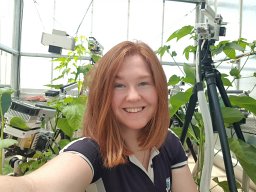 Demi Sargent合作论文数Hawkesbury Inst Agr & Environm, Univ Western Sydney4Coralie E Salesse-Smith合作论文数Carl R Woese Inst Genom Biol, Univ Illinois4
 Maria Ermakova合作论文数Laboratory of Molecular Plant Biology, University of Turku;Laboratory of Molecular Plant Biology, University of Turku4
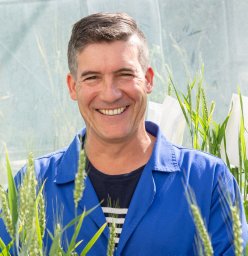 Estavillo Gonzalo M合作论文数Australian Res Council, Australian Natl Univ4
 Benedict M Long合作论文数Department of Botany;La Trobe University;Department of Botany, La Trobe University4
 Hugo Alonso-Cantabrana合作论文数División de Genética;Universidad Miguel Hernández;Campus de San Juan4
 Ana Heureux合作论文数3Yi-Leen Lim合作论文数3Soumi Bala合作论文数Australian Natl Univ, Res Sch Biol, Canberra, ACT 0200, Australia3Warren Conaty合作论文数3
 Dean Price合作论文数Division of Plant Sciences, Australian National Univeristy3
 John Evans合作论文数Division of Plant Sciences, Research School of Biological Sciences, College of Science, Australian National University3Pinto Harshini合作论文数3
 Florian A Busch合作论文数Research School of Biology, Australian National University3
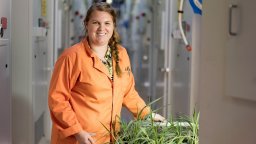 Osborn Hannah L合作论文数CSIRO Land and Water3
 Murray Badger合作论文数Division of Plant Sciences, Research School of Biology, College of Science, Australian National University3
 Ros Rickaby合作论文数Department of Earth Sciences, University of Oxford3
 Jodi Young合作论文数School of Oceanography, College of the Environment, University of Washington3Lily Chen合作论文数2Nghiem D. Nguyen合作论文数2Baxter Massey合作论文数Research School of Biology, Australian National University2Wei Yih Hee合作论文数2Brett Ford合作论文数2
 Cristobal Uauy合作论文数John Innes Centre2
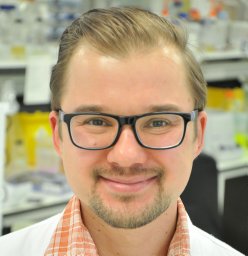 Maxim Kapralov合作论文数Dept Plant Sci, Univ Oxford2
 Galmés Jeroni合作论文数University of the Balearic Islands2
 Silva Pérez Viridiana合作论文数2
 Rae Benjamin D合作论文数2Bollenbach Thomas J合作论文数2
 Ganguly Diep合作论文数Australian National University2
 Shafik Sarah H合作论文数*Research School of Biology, The Australian National University2
 Elizabete Carmo-Silva合作论文数Plant Biology and Crop Science, Rothamsted Research2
 Sarah Covshoff合作论文数2
 Luro Scott合作论文数Hawkesbury Institute for the Environment, University of Western Sydney2Clayton Harmony合作论文数2
 Michael Groszmann合作论文数NSW Agricultural Genomics Centre2Sarah Kaines合作论文数2
 Adam Carroll合作论文数Centre of Excellence in Plant Energy Biology, ARC;University of Western Australia;ARC Centre of Excellence in Plant Energy Biology, University of Western Australia2
 Christopher P. L. Grof合作论文数CSIRO-Plant Industry, Queensland Bioscience Precinct2
 Florence R Danila合作论文数2
 Michael P. Bange合作论文数Division of Plant Industry2
 Kristine Y. Crous合作论文数1 School of Natural Resources and Environment;University of Michigan;1 School of Natural Resources and Environment, University of Michigan2




