11088 Background: Patients with cancer using post-acute care facilities have poor outcomes, including delayed return home and increased health care utilization. However, little is known about post-acute care use and outcomes among patients with cancer undergoing surgery. Methods: We examined Medicare claims of 100% of fee-for-service Medicare beneficiaries from 2010-2022, to identify patients who underwent inpatient cancer-directed surgery and were thus eligible for a post-acute facility stay. We used billing codes within 3 days of hospital discharge to identify post-acute facility stays, defined as skilled nursing facility (SNF), long-term acute care hospital (LTACH), or inpatient rehabilitation facility (IRF) stays. We used logistic regression to identify patient sociodemographic and clinical factors associated with post-acute care facility use. We also compared hospital readmissions within 30 days and days at home (defined as days not in an acute or post-acute facility) in the 90 days after discharge by setting, using Chi-square and Wilcoxon rank sum tests. Results: We studied 1,637,792 Medicare beneficiaries who underwent inpatient cancer surgery from 2010 to 2022. About half (48.9%) were women; median age was 73.0 years. The most common cancer diagnoses were colorectal (28.4%), lung (14.4%), and prostate (12.1%), and 22.7% had a Charlson comorbidity index (CCI) of ≥3. Overall, 16.0% of patients were discharged to a post-acute care facility (11.4% SNF, 4.5% LTACH/IRF). Discharge to post-acute care was greater among patients who were aged ≥80 vs 65-69 (Adjusted Odds Ratio[AOR] 3.85, 95% Confidence Interval[CI] 3.79,3.90), had CCI ≥3 versus 0 (AOR 2.92, 95%CI 2.88,2.95), were dual-eligible (AOR 2.01, 95%CI 1.99,2.04), or had metastatic cancer (AOR 1.26, 95%CI 1.24,1.28). Patients undergoing brain or spinal surgeries for primary or metastatic cancers had highest odds of PAC facility utilization. Compared to those discharged home, patients discharged to post-acute care facilities had a higher 30-day hospital readmission rates (18.6% vs. 9.5%, p<0.0001), and fewer days at home in the 90 days after discharge from their index surgical admission (median 68 vs. 90 days, p<0.0001). Conclusions: Patients with cancer undergoing inpatient surgery who are older, have comorbidities, or have advanced disease have higher rates of post-acute care facility use, and such post-acute care is associated with higher hospital readmissions and fewer post-operative days at home. Further work is needed to improve pre-operative decision-making and optimization as well as to develop supportive care and rehabilitative interventions that can improve post-operative outcomes for patients who need post post-acute care.
BACKGROUND:Neoadjuvant chemoradiation before surgery is an emerging treatment modality for pancreatic ductal adenocarcinoma (PDAC). However, analysis of prognostic factors is limited for patients with PDAC treated with neoadjuvant chemoradiation and pancreaticoduodenectomy (PD). METHODS:The study population was comprised of 240 consecutive patients with PDAC who received neoadjuvant chemoradiation and PD and was compared with 60 patients who had no neoadjuvant therapy between 1999 and 2007. Clinicopathologic features were correlated with disease-free survival (DFS) and overall survival (OS). RESULTS:Among the 240 treated patients, the 1-year and 3-year DFS rates were 52% and 32%, with a median DFS of 15.1 months. The 1-year and 3-year OS rates were 95% and 47%, with a median OS of 33.5 months. By univariate analysis, DFS was associated with age, post-therapy tumor stage (ypT), lymph node status (ypN), number of positive lymph nodes, and American Joint Committee on Cancer (AJCC) stage, whereas OS was associated with intraoperative blood loss, margin status, ypT, ypN, number of positive lymph nodes, and AJCC stage. By multivariate analysis, DFS was independently associated with age, number of positive lymph nodes, and AJCC stage, and OS was independently associated with differentiation, margin status, number of positive lymph nodes, and AJCC stage. In addition, the treated patients had better OS and lower frequency of lymph node metastasis than those who had no neoadjuvant therapy. CONCLUSIONS:In patients with PDAC who received neoadjuvant chemoradiation and subsequent PD, post-therapy pathologic AJCC stage and number of positive lymph nodes are independent prognostic factors.
Background: Patients with pancreatic ductal adenocarcinoma (PDA) has poor prognosis.To improve the clinical outcome, most patients with PDA are treated with neoadjuvant chemoradiation prior to surgery at our institution.In this group of patients, pathologic complete response (PCR) is rarely observed in subsequent pancreatectomies.However, the prognostic significance of PCR is not clear.Design: Among 442 patients with PDA who received neoadjuvant chemoradiation and pancreatectomy from 1995 to 2010, 11 (2%) patients with PCR were identified.The cytologic diagnosis on pre-therapy tumor was reviewed and PCR in pancreatectomies was confirmed in all patients.Clinical and follow-up information were extracted from the medical records.Survival analysis was performed using the Kaplan-Meier method.Results: There were 6 men and 5 women with age ranging from 43y to 75y (median: 61y).4/11 (36%) patients had prior history of or synchronous extrapancreatic cancers, including one with lung cancer, one with breast cancer, one with prostate cancer and one with renal cell carcinoma.5 patients received neoadjuvant chemotherapy followed by chemoradiation and 6 patient received chemoradiation.10 patients had pancreaticoduodenectomy (PD) and one had distal pancreatectomy.These specimens were well sampled by histology and the entire pancreas was submitted for histology in 9 cases.On review, scar with fibrosis and chronic pancreatitis were present in all eleven cases.Carcinoma in situ was present in 2 cases and PanIN3 or PanIN2 in 4 cases.However, no residual viable invasive carcinoma cells or lymph node metastasis was identified in all cases.Follow-up information was available in 9/11 patients.Follow-up time ranges from 6M to 181M (median, 49M).During follow-up, four patients died, including one from brain metastasis of prior lung cancer, one from bone metastasis of breast cancer, one from sepsis, and one developed a second primary or recurrent PDA in the tail of pancreas at 84 M after PD and died of PDA at 105 M after the diagnosis of the initial PDA.The last patient had carcinoma in situ in the initial PD specimen.The other 5 patients were alive with no evidence of disease.Patients with PCR had better survival compared to the 240 patients who had residual viable PDA in pancreatectomy specimens after neoadjuvant therapy (p<0.001).Conclusions: Patients with PDA who received neoadjuvant chemoradiation and had PCR in pancreatectomy is rare and is associated with better prognosis.1603 Hepatocellular Carcinomas Occasionally Express Neuroendocrine Markers While Neuroendocrine Tumors Metastatic to the Liver Do Not Show Hepatocellular Expression.
 Asif Rashid合作论文数Department of Pathology, Division of Pathology-Lab Medicine, The University of Texas MD Anderson Cancer Center2
 James Abbruzzese合作论文数Division of Medical Oncology, Department of Medicine, Duke University School of Medicine;Duke Cancer Institute2
 Matthew H.G. Katz合作论文数Department of Surgical Oncology, Division of Surgery, The University of Texas MD Anderson Cancer Center2
 Varadhachary Gauri R合作论文数1Landrum Mary Beth合作论文数Dept Hlth Care Policy, Harvard Univ1
 Nancy Lynn Keating合作论文数Department of Health Care Policy, Harvard Medical School;Department of Medicine, Brigham and Women’s Hospital;Faulkner Hospital;Dana-Farber Cancer Institute1Schniederjan Matthew J合作论文数1Estrella Jeannelyn S合作论文数1Lage Daniel E合作论文数1Appin Christina L合作论文数Department of Pathology and Laboratory Medicine, Emory University School of Medicine1
 Huamin Wang (王华民)合作论文数Department of Pathology, Division of Pathology/Lab Medicine, The University of Texas MD Anderson Cancer Center;MD Anderson UT Health Graduate School of Biomedical Sciences, The University of Texas1Hua Wang合作论文数1
 Jeffrey E. Lee合作论文数Division of Surgery, Department of Surgical Oncology, University of Texas MD Anderson Cancer Center1
 Jean-Nicolas Vauthey合作论文数Department of Surgical Oncology, The University of Texas MD Anderson Cancer Center;Division of Surgery, The University of Texas MD Anderson Cancer Center1
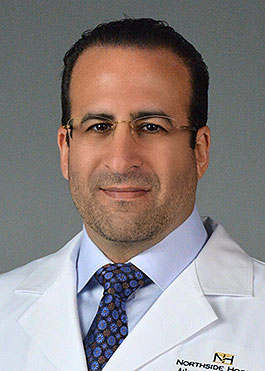 Eddie K. Abdalla合作论文数Cancer Institute, Northside Hospital1
 Alexander Melamed合作论文数Center for New Directions in Organic Synthesis, University of California1
 Alexi Anne Wright合作论文数Department of Cell & Tissue Biology, University of California1
 Douglas B. Evans合作论文数Division of Surgical Oncology, Department of Surgery, Medical College of Wisconsin1
 Henry Gomez合作论文数Inst Nacl Enfermedades Neoplas1
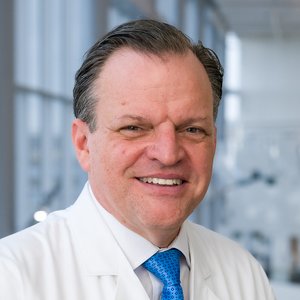 Jason B. Fleming合作论文数Department of Surgery, UT Southwestern Medical Center1
 Peter WT Pisters合作论文数The University of Texas MD Anderson Cancer Center1
 Gauri Varadhachary合作论文数The University of Texas MD Anderson Cancer Center1




