Battery safety is regulated by management systems that use current and cell voltage to define operating limits, but these signals can miss lithium metal plating. Negative electrode potential can reveal this failure mode, yet direct measurement requires an additional reference electrode that is difficult to implement in practical cells. Here, we introduce a virtual reference electrode that estimates negative electrode potential during battery operation without a physical reference electrode. Trained on measured negative electrode potentials from three-electrode cells, the model predicts this internal state using only signals available from two-electrode cells, with root-mean-squared and mean absolute errors of 0.023 and 0.018 volts, respectively. Electron microscopy validates the predicted transition between intercalation and lithium metal plating near the thermodynamic threshold. Integrated into adaptive charging, the virtual reference electrode adjusts current in response to predicted failure risk and extends cycle life by 8.25 times relative to a constant-current constant-voltage baseline under the tested low negative-to-positive capacity ratio. More broadly, this framework may enable virtual sensing of internal battery states without changing battery chemistry or architecture.
A zero-electricity electrolysis technology, eXERO TM , has been developed and demonstrated to provide a solution for industrial decarbonization. The process uses individual feed streams of H 2 O and CO to produce separated streams of H 2 and CO 2 , without an external electrical power source. The core of this electrochemical process is a high temperature solid oxide cell (SOC) that uses a Mixed Ionic-and-Electronic Conductor (MIEC) membrane. The ambipolar conductivity of the MIEC membrane allows spontaneous red-ox reactions at the two electrodes, where the chemical potential difference across the membrane thermodynamically drives the process. For example, with an industrial off-gas that contains CO and CO 2 flowing to the anode, steam at the cathode spontaneously dissociates into hydrogen molecules and oxygen ions. Oxygen ions are then transported through the MIEC membrane and oxidize the gaseous species on the anode side. This presentation provides a better understanding of the underpinning thermodynamics of the eXERO TM process and relevant material transport properties with an electrochemical model. Insights on best-case driving potentials, heterogenous catalysis, defect chemistry, and charge-transfer chemistry are discussed. After fitting experimental data, the electrochemical model is used to guide material properties optimization, process improvement, and process scaling. In addition, experimental results from pressurized testing of eXERO TM devices are reported and interpreted. The eXERO TM technology is a proven turnkey solution for industrial decarbonization and energy transition for hard-to-abate sectors, including the steel industry. A first-of-a-kind demonstration plant utilizing the eXERO TM technology was designed, fabricated, installed, and commissioned at an operating steel mill to convert Blast Furnace Gas (BFG) into high-purity hydrogen, without significant electricity inputs and infrastructure change. Operational results under real plant conditions, impact of industrial feedstocks, and broader implications are highlighted.
In this study, we address the challenges associated with developing a mechanically and chemically stable electrode featuring iron as the active component for ammonia synthesis. Our investigations reveal that Fe-BCZY721 cermet electrodes induce significant morphological changes in the BCZY721 electrolyte. These changes are influenced by various parameters, such as sintering temperature and the Fe2O3/BCZY721 ratio, leading to the formation of interlacing Ba-rich and Ce-rich phases. This process is challenging to control and can result in mechanical weakening of the material. As a promising alternative, an iron-filled backbone electrode was proposed, constructed from two consecutively sintered components. In this novel electrode design approach, a porous BCZY721 backbone is first sintered on the electrolyte, followed by incorporation of the catalyst ink into it using a screen-printing technique. This method enables a substantially lower sintering temperature for the catalyst compared to conventional composite electrodes, effectively mitigating morphological alterations while enhancing mechanical stability. Additionally, sintering the scaffold separately from the inserted catalyst provides greater flexibility in adjusting parameters and allows for the introduction of various catalysts as needed. Initial tests demonstrate that the developed electrode design is suitable for ammonia production when compared to existing literature, with ammonia formation rates at -1.2 V against OCV of 1.110(-9)mol cm(-2) s(-1), 4.910(-9)mol cm(-2) s(-1) and 5.010(-9)mol cm(-2) s(-1) measured at 400 degrees C, 500 degrees C and 600 degrees C respectively. The active cell surface area was 12.57 cm(2), which is the largest to date in electrochemical ammonia synthesis using proton-conducting ceramic cells.
This paper develops a model to predict and interpret the performance of an elevated-temperature, electrochemical, membrane-assisted, water-gas-shift process. The process uses separated feed streams of H2O and CO to produce separated streams of H-2 and CO2, without an external electrical power source. The dense ceramic membrane is mixed ionic-electronic-conducting (MIEC) gadolinium-doped ceria (GDC) and the porous composite electrodes are Ni-YSZ. At elevated temperature, GDC conducts both oxygen ions and small polarons. The present process uses chemical potential to drive the process. Electrochemical oxidation of CO proceeds within the composite anode and H2O reduction proceeds within the composite cathode. At high temperature (e.g., T > 700 degrees C), GDC has significant electronic leakage in the form of a reduced-cerium small polaron, which supports the charge-transfer reactions. In a typical electrolyzer or fuel cell, this leakage is significantly problematic. However, the present process depends on the leakage current to complete the electrochemical circuit. Model development and validation is based on measured material properties and reactor performance. Potential applications include using CO-rich blast-furnace off gases in steel processing, producing separated streams of H-2 and CO2.
All-solid-state batteries (ASSBs) are promising candidates for next-generation energy storage. However, realizing their potential requires an understanding of their underlying coupled, multiphysics behaviors. In an effort to understand these complex interactions, the present paper develops and applies a finite-element phase-field model that represents coupled electro-chemo-mechanical behaviors in composite ASSBs cathodes. The model predicts stress distributions as well as fracture and phase separations under several operating conditions. The results show that structural disintegration and the resulting loss of active surface area creates tortuous pathways for Li and Li-ion transport, contributing to capacity fade. The model is used to investigate the sensitivity of cell performance to different variables. The model evaluates the effects of electrode/electrolyte material properties, such as material stiffness and fracture toughness; microstructural characteristics, such as porosity and void distribution; and operating conditions such as charge/discharge rates and externally applied pressure. The voltage responses are validated using previously published experimental measurements. The model can be used to inform microstructural design and operating conditions that minimize or prevent mechanical damage during multiphysical interactions in ASSBs.
In Li-ion battery research, it is common to simulate chemo-mechanical phenomena in reduced dimensions (e.g., 2-D) as opposed to fully resolve these complex physics in 3-D. It is common to assume either (1) the out-of-plane strain is negligible (commonly referred to as plane-strain), or (2) the out-of-plane stress is negligible (commonly referred to as plane-stress). However, there is typically little consideration as to the quantitative consequences of these approximations. Furthermore, the influence of these out-of-plane assumptions can be compounded and convoluted when chemo-mechanics models implement so-called “fully coupled” formulations, where the local species concentrations influence the stress-state and the stress-state influences the local species fluxes. The present manuscript explores the implications of using plane-stress and plane-strain assumptions in 2-D as compared to simulating a full 3-D electrode particle. This comparative study includes simulating both isotropic and anisotropic particle intercalation where the particles can be surrounded by either a liquid or solid electrolyte. Additionally, common Li-ion battery-model metrics such as the state-of-stress, intercalation fraction distribution, and specific capacity are compared, while also considering the effects of particle size and C-rate. As alternatives to the pure plane-strain and plane stress approximations, two modified plane-strain assumptions are found to better approximate the fully coupled chemo-mechanical 3-D behavior.
A model-based understanding can assist and accelerate developing all-solid-state batteries (ASSB). In addition to chemo-mechanical influences within electrode particles (e.g., NMC) [1-2], a solid electrolyte (e.g., argyrodites) introduces additional interfacial interactions between electrode and electrolyte phases [3-5]. The present research derives and implements a coupled multi-physics finite-element model that captures electrochemical, transport, and structural behaviors of composite electrode structures. The models incorporate concentration-dependent and anisotropic material properties that are based on previously published combinations of experiment and density functional theory (DFT). These include stiffness and fracture toughness, porosity and crystallographic orientation, and operating conditions such as charge/discharge rates and external pressure. Figure 1 illustrates predicted stresses developed during electrode manufacturing. The relatively complex cathode microstructure is based on replicating scanning electron microscopy (SEM) images [6]. The composite electrode consists of electrode, electrolyte, and pore phases (Fig. 1a). As illustrated in Fig. 1b, the ASSB synthesis process involves applying and removing high compressive pressure, which causes plastic deformation and introduces residual stresses. Figure 1c shows residual von Mises stresses near electrode-electrolyte interfaces that can be on the order of a gigapascal. The synthesis-generated residual stresses serve as initial conditions for modeling the chemo-mechanics during battery cycling. During cell operation, spatially varying Li concentrations cause material deformation and associated stresses. Figure 1d shows predicted crack nucleation and growth during operation. Depending on the stress levels, crack nucleation and growth leads to cell degradation and capacity fade. The models predict interfacial fracture and phase separations using phase-field fracture theory. In phase-field formulation, the sharp cracks are approximated as diffuse cracks using a process-zone. High values of the phase parameter ξ (Fig. 1d) represent cracked surfaces. The structural disintegration and loss of active surface areas increase the tortuous path for Li/Li-ion transport, which eventually manifests as capacity-fade. The simulations are validated using published experimental work. The modeling approach, which combines phase-field and finite-element algorithms, is implemented using the COMSOL Multiphysics software. The models are expected to inform microstructure/manufacturing design and optimal operating conditions that improve cycling performance and limit/prevent mechanical damage. [1] K. Taghikhani, P.J. Weddle, J.R. Berger, and R.J. Kee. Modeling coupled chemo-mechanical behavior of randomly oriented NMC811 polycrystalline Li-ion battery cathodes. J. Electrochem. Soc., 168(8):080511, 2021. [2] R. Xu, Y. Yang, F. Yin, P. Liu, P. Cloetens, Y. Liu, F. Lin, and K. Zhao, Heterogeneous damage in Li-ion batteries: experimental analysis and theoretical modeling. J. Mech. Phys. Solids , 129, 160, 2019. [3] K. Taghikhani, P.J. Weddle, R.M. Hoffman, J.R. Berger, and R.J. Kee. Electro-chemo-mechanical finite-element model of single-crystal and polycrystalline NMC cathode particles embedded in an argyrodite solid electrolyte. Electrochim. Acta , 460:142585, 2023. [4] A. Bielefeld, D.A. Weber, R. Rueß, V. Glavas, and J. Janek. Influence of lithium ion kinetics, particle morphology and voids on the electrochemical performance of composite cathodes for all-solid-state batteries. J. Electrochem. Soc ., 169(2):020539, 2022. [5] P. Minnmann, F. Strauss, A. Bielefeld, R. Ruess, P. Adelhelm, S. Burkhardt, S.L. Dreyer, E. Trevisanello, H. Ehrenberg, T. Brezesinski, F.H. Richter, and J. Janek. Designing cathodes and cathode active materials for solid-state batteries. Adv. Energy Mater. , 12(35):2201425, 2022. [6] C. Doerrer, I. Capone, S. Narayanan, J. Liu, C.R.M. Grovenor, M. Pasta, and P.S. Grant. High energy density single-crystal NMC/Li 6 PS 5 Cl cathodes for all-solid-state lithium-metal batteries. ACS Appl. Mater. & interfaces , 13(31):37809–37815, 2021. Figure 1
This paper implements a highly efficient algorithm to extract electrochemical impedance spectra (EIS) from physics-based battery models (e.g., a P2D model). The mathematical approach is different from how EIS is practiced experimentally. Experimentally, the voltage (current) is harmonically perturbed over a wide range of frequencies and the amplitude and phase shift of the corresponding current (voltage) is measured. The experimental approach can be implemented in simulation software, but is computationally expensive. The approach here is to determine locally linear state-space models from the full physical model. The four Jacobian matrices that are the basis of the state-space models can be derived by numerical differentiation of the physical model. The EIS is then extracted from the state-space model using computationally efficient matrix-manipulation techniques. The algorithm can evaluate the full EIS at an instant in time during a transient, independent of whether the battery is in a stationary state. The approach is also able to separate the full-cell impedance to evaluate partial EIS, such as for a battery anode alone. Although such partial EIS is difficult to measure experimentally, the partial EIS provides valuable insights in interpreting the full-cell EIS.
Widely practiced Li-ion battery models, such as pseudo-two-dimensional (P2D) models [1-3], use representative spherical electrode particles with assumed isotropic transport properties. Electrode particles, such as NMC, are typically composites that are comprised of numerous randomly oriented crystallites. Each of the single-crystal primary particles that compose secondary particle can have strongly anisotropic transport properties that affect the intercalation process. The empirically approximated effective properties (e.g., diffusion coefficients) as reported in literature vary by as much as six orders of magnitude. In many cases, the effective diffusion coefficients are determined as a part of a parameter-fitting procedure to represent battery polarization measurements. The present approach develops both analytical and computational homogenization methods that derive effective properties based upon the intrinsic single-crystal properties of the crystallites. Homogenization techniques are computationally effective methods to predict macroscale behavior based on microscale properties. As illustrated in Fig. 1, the computational approach begins by assembling over 1000 randomly oriented single-crystal primary particles, with each crystallite having anisotropic properties associated with the crystal lattice. The dodecahedron-shaped primary particles are tightly assembled into a secondary particle that is approximately spherical. A three-dimensional finite-element model predicts transient Li-intercalation fractions throughout a secondary particle during charge or discharge processes. In graphite, the transverse and normal diffusion coefficients differ by approximately six orders of magnitude. Based on the cut plane in Fig. 1, and despite extreme anisotropy within the crystallites, the homogenized macroscopic behavior is nearly isotropic. The analytical approach extends a self-consistent method (SCM) for polycrystalline materials first presented by Ponte-Castañeda and Willis [4], which mathematically combines tensors describing diffusion pathways for every primary particle. The present study considers the concentration-dependent and anisotropic diffusion parameters collected by Persson et al. [5] and Zhou et al. [6] for graphite and NMC, respectively. Another homogenization method is the use of an orientation distribution function (ODF) [7], which predicts the effective diffusion parameters based on the statistical average of every possible primary particle orientation. Fig. 2 shows the predicted effective diffusion coefficients bounded by Hashin-Shtrikman bounds for anisotropic composites proposed by Willis [8] and the experimentally determined diffusion coefficients. The predicted effective diffusion coefficients are lower than the experimentally determined values in transverse direction but are significantly larger than the values in the normal direction. Additionally, the in-plane diffusion dominates the curvature of the predicted effective properties. [1] M. Doyle, T. F. Fuller, and J. Newman. Modeling of galvanostatic charge and discharge of the lithium/polymer/insertion cell. J. Electrochem. Soc. , 140:1526–1533, 1993. [2] T. F. Fuller, M. Doyle, and J. Newman. Simulation and optimization of the dual lithium ion insertion cell. J. Electrochem. Soc. , 141:1–10, 1994. [3] M. Doyle, J. Newman, A. S. Gozdz, C. N. Schmutz, and J.-M. Tarascon. Comparison of modeling predictions with experimental data from plastic lithium ion cells. J. Electrochem. Soc. , 143:1890–1903, 1996 [4] P.P.- Castañeda and J.R. Willis. The effect of spatial distribution on the effective behavior of composite materials and cracked media. J. Mech. Phys. Solids , 43:1919–1951, 1995 [5] K. Persson, V. A. Sethuraman, L. J. Hardwick, Y. Hinuma, Y. S. Meng, A. van der Ven, V. Srinivasan, R. Kostecki, and G. Ceder. Lithium diffusion in graphitic carbon. J. Phys. Chem. Lett., 1:1176–1180, 2010 [6] H. Zhou, F. Xin, B. Pei, and M. S. Whittingham. What limits the capacity of layered oxide cathodes in lithium batteries? ACS Energy Lett ., 4:1902–1906, 2019 [7] S. Nemat-Nasser, M. Hori, and J. D. Achenbach. Micromechanics: Overall properties of heterogeneous materials. In Micromechanics , volume 37. Elsevier Science I& Technology, The Netherlands, 1993 [8] J.R. Willis. Bounds and self-consistent estimates for the overall properties of anisotropic composites. J. Mech. Phys. Solids , 25:185–202, 1977 Figure 1
The present study develops a combined experimental and modeling approach to study temperature gradients in Li-ion batteries. Although through-plane temperature differences may be small (Δ T ≈ 1-10 °C), large interelectrode thermal gradients (∇ T ≈ 1,000-10,000 °C/m) can be present and have been found to significantly affect Li-ion battery performance and degradation [1,2]. Figure 1 illustrates a thin pouch cell (order of 300 microns thick) sandwiched between cool and warm plates. The cell uses a graphite anode and a NMC622 cathode. By maintaining the temperature of the cool and warm blocks, a thermal gradient can be enforced across the cell. Depending on how the cell is positioned, the cell’s cathode or anode can be on the cool or warm side. Experiments include overpotential analysis and galvanostatic intermittent titration technique (GITT) at different states of charge. Results show different behaviors as the thermal gradient is applied and the directionality of the thermal gradient changes. This presentation presents a pseudo-two-dimensional (P2D) model [3] that has been modified to represent the experimental conditions, including the thermal gradients. The model considers the temperature dependencies of thermodynamic properties, electrolyte conductivities, electrode diffusion coefficients, intercalation rates, etc. [4]. The model captures some, but not all, of the measured behaviors. Thus, an important objective is to investigate physical and chemical behaviors that are not included in typical P2D models. For example, off-diagonal Onsager contributions could be significant in the presence of high temperature gradients. The results predict how thermal gradients can contribute to Li-ion concentration fluxes (Soret contribution), and thus affect battery performance. The scientific intent is to understand the thermal gradient behaviors and thus assist battery design guidelines and battery-management control considerations. Acknowledgments The authors thank the Office of Naval Research (Dr. Michele Anderson) for financial support (ONR award numbers: N00014-23-1-2694 and N00014-22-1-2411) of this work. References [1] C. Fear et al. , Journal of Energy Storage Materials , 35 , 500-511 (2021) [2] R. Carter et al. , Cell Reports Physical Science , 2 , 100351 (2021) [3] T.F. Fuller et al. , J. Electrochem. Soc. , 141 , 1 (1994) [4] A.M. Colclasure et al., J. Electrochem. Soc., 166, A1412 (2019) Figure 1
Advancing protonic ceramic electrochemical cell (PCEC) technology offers promise for a variety of energy applications, including membrane reactors, fuel cells, and electrolyzers. Computational modeling of PCECs requires tracking the movement of three mobile charge carriers: protons, oxygen vacancies, and small polarons to adequately predict the cell operating characteristics. This paper develops an experimentally validated, quasi2D (1 + 1D), transient, dual -channel cell model based on a multiple -charged defect -conducting electrolyte. The new model advances predictive capabilities on a number of fronts. First, it reduces empiricism, simplifies integration of experimentally derived modeling parameters, and enables rapid model scale -up to large cell platforms. Additionally, it predicts the distribution of properties in the streamwise gas flow direction and cell faradaic efficiency over a wide range of operating cell conditions helping to establish the inlet gas conditions needed to produce a dry hydrogen product gas. Model simulation reveals that the evolution of steady-state, thermal -neutral voltages in a PCEC can significantly change from initial operating values due to a dynamic, complex interaction which arises from local decreases in faradaic efficiency. Insights from modelbased performance predictions touch upon thermal management considerations and the means for regulating cell temperature when trying to achieve either adiabatic or quasi -isothermal PCEC operation.
The objective of the research is to develop reduced-order state-space models that can predict internal states that are not directly observable with existing sensors. In doing so, battery management systems (BMS) can make real-time control decisions based upon sensor inferences. For example, estimating local electrode Li and electrolyte Li-ion concentrations or local electrostatic potential differences between electrode and electrolyte phases offer valuable knowledge in predicting behaviors such as Li plating, dendrite growth, or electrode fracture. Such indirect predictive capabilities, for example, can enable fast-charging protocols that avoid damage mechanisms. This talk explores the mathematical feasibility of estimating local Li concentrations and electrostatic potentials using observed current-voltage sequences. The approach for determining internal battery states begins with an estimator that uses observed input-output data from a physics-based reduced-order state-space model. If the model satisfies the property of observability , a sufficiently long window of input-output data can predict unique internal-state trajectories that are compatible with the observable data. The research considers understanding the effects of sampling time and state of charge on internal-state observability. Efficient estimation algorithms must incorporate battery physics and chemistry yet be sufficiently simple as to run in real-time on a battery management system (BMS). The present research first develops a physics-based pseudo-two-dimensional (P2D) model, which describes battery thermodynamics, transport, and kinetics, results in a system of nonlinear, coupled, differential-algebraic equations that can be solved computationally, but too slow for real-time implementation. The P2D model is then reduced to a gain-scheduled, locally linear, state-space model that can be run in real-time. Both models are implemented within the MATLAB/Simulink framework that facilitates development and evaluation of control strategies.
This paper initially fits a comprehensive set of thermodynamic and transport properties charged mobile defects (protons, oxygen vacancies, and small polarons) in proton-conducting BaZr 0.8 Y 0.2 O 3− δ (BZY20). The fits are based on recently published measurements, including conductivity, proton concentrations via Karl–Fischer titration, and non-stoichiometry via thermogravimetric analysis, all with wide ranges of temperatures and pressures. These properties are needed for inclusion in physics-based models. The paper goes on to fit charge-transfer kinetics in Butler–Volmer form, based primarily in protonic-ceramic fuel cell data in button-cell format. These fits use the previously fitted thermodynamic and transport properties without alteration. The next step is to consider the kinetics of H 2 O-incorporation kinetics (i.e. Stotz-Wagner hydration). Unfortunately, to date, there are no direct measurements of these thermal (i.e. not charge-transfer) kinetics. However, the present analysis shows great sensitivities to the defect-incorporation kinetics, ranging from near equilibration to strong rate limitations. The paper concludes with modeling and interpreting the performance of an electrochemical hydrogen-compression cell, using the newly established properties.
All-solid-state batteries (ASSB) are emerging as a high-performance alternative to Li-ion batteries. However, some technical challenges need to be overcome before commercialization. Understanding and improving the chemo-mechanical behavior is considered one of the fundamental challenges in the development of ASSB. This work develops a continuum-level, two-dimensional finite-element model that predicts electro-chemo-mechanical responses of a cathode particle in contact with, and surrounded by, solid electrolyte. The model incorporates physics such as structural anisotropy, intergranular particle fracture, cathode embrittlement upon lithiation and cycling, and intragranular separation at cathode-electrolyte interfaces. The model results compare electrochemical performance between single-crystal and randomly oriented polycrystalline cathode particles. Additionally, performance is predicted at several operating pressures. The manuscript considers LiXNi0.8Mn0.1Co0.1O2 (NMC811) electrode particles surrounded by Li6PS5Cl (LPSC) solid-state electrolyte. The model aims to inform the design of microstructures and operating conditions that limit or prevent mechanical damage during electrochemical cycling of all-solid-state batteries. The results indicate the superior performance of single-crystal NMC811 particles with smaller sizes and higher applied pressure. The highest degradation is predicted in the first cycle. Particle size is identified as a critical parameter for composite electrode performance.
This presentation extends widely used pseudo-2D (P2D) Li-ion battery models to include electrode particles that have strong crystal-scale anisotropies and possibly non-spherical shapes. Typical P2D models predict Li transport with representative spherical electrode particles by solving a one-dimensional diffusion equation in spherical coordinates. However, battery electrodes (graphite, NMC, etc.) may have strong crystalline anisotropies, leading to transport and mechanical properties that vary by orders of magnitude depending on crystallographic orientations. The anisotropic transport can cause large concentration gradients, possibly leading to particle fracture associated with concentration-induced stress. The remainder of the P2D model, such as Li-ion transport within the electrolyte solvent, remains essentially unchanged. The charge-transfer boundary conditions at the particle surfaces do need to accommodate the crystallographic anisotropy. The present model discretizes representative electrode particles in a two-dimensional finite-volume axisymmetric geometry, accounting for the anisotropic behaviors. The computational burden is greater than it is for the one-dimensional spherical solution. However, the P2D model with two-dimensional axisymmetric particle discretization still runs in only a few minutes on a typical personal computer. The model shows how electrode-particle anisotropy affects the battery performance, such as charge-discharge characteristics and electrochemical impedance spectroscopy. The model also predicts the concentration gradients and correlated stress for various axisymmetric, non-spherical particles.
Although solid oxide fuel cells (SOFC) offer high fuel-to-electric energy conversion efficiencies, their relatively low power-to-weight ratios make it difficult to integrate them with aircraft propulsion systems. This paper explores the feasibility of designing high throughput SOFCs for hybridization with gas turbines in aircraft powerplants. This paper explores and compares two SOFC technologies for achieving high specific power (kW/kg) with different membrane electrode assembly architectures, one with thin-film yttria-stabilized zirconia (YSZ) electrolytes and the second with high-power density gadolinia doped-ceria (GDC) electrolytes. The studies explore the operation of the respective SOFC stacks with synthetic CH4 as a carbon-neutral aviation fuel. Down-the-channel SOFC models are calibrated to experimental measurements of YSZ- and GDC-electrolyte cells at Elcogen and at the University of Maryland respectively. The model results provide a basis for determining the flow inlet conditions that enable each cell type to achieve high specific powers. The results also indicate the requirement of high airflows and upstream fuel preprocessing to sustain the high specific powers with sustainable cell operating conditions.
This paper reports a physics-based model that predicts membrane-electrode assembly (MEA) performance of solid-oxide fuel cells (SOFCs) with Ce0.9Gd0.1O2−δ (GDC10) electrolyte membranes. The paper derives self-consistent thermodynamic and transport properties for GDC1o mobile charged defects (oxide vacancies and reduced-ceria small polarons) by fitting published measurements of oxygen non-stoichiometry and conductivity over ranges of temperature and O2 partial pressures. The button-cell model is applied to evaluate how mixed ionic-electronic conductivity influences the performance of an SOFC MEA with a GDC10 electrolyte sandwiched between a porous, composite Ni-GDC10 anode and a porous, composite cathode of Sm0.5Sr0.5CoO3−δ (i.e., SSC) and GDC10. SSC properties are also derived by fitting published conductivity and oxygen non-stoichiometry measurements. Mixed conductivity of GDC10 and competing charge transfer reactions at both electrodes reduce open circuit voltages due to leakage current and buildup of defect concentrations at electrode-electrolyte interfaces. To fit polarization data, the button-cell model includes heterogeneous reaction rates for defect incorporation on the GDC10 surface along with Butler–Volmer expressions derived for competing charge transfer reaction rates from rigorous analyses assuming rate-limiting, elementary charge transfer reactions for each electrode. The calibrated MEA model can support rigorous SOFC modeling with GDC10 electrolytes over the range of conditions within a fully operating cell.
High-temperature fuel cells and electrolyzers (e.g., T > 700 ˚C) rely on oxide electrolytes such as stabilized cubic zirconia that conduct a single defect, oxygen vacancies. Intermediate-temperature electrochemical cells (e.g., T < 650 ˚C) utilize mixed conducting ceramic electrolytes, that conduct multiple defects. Operating at T < 600 ˚C facilitates lower-cost interconnect materials and balance-of-plant components, but the mixed conductor behavior can reduce fuel cell voltages and lower electrolyzer faradaic efficiencies. Predicting behavior of these mixed conductors, even at open-circuit voltage, requires modeling the coupled transport of the multiple conducting defects in the electrolyte. Detailed models of mixed conductors coupled to porous electrode models can simulate cell performance over a broad range of operating conditions. This presentation highlights models of two types of cells with mixed conducting oxide electrolytes. Firstly, gadolinium-doped ceria (GDC) primarily conducts oxygen vacancies but also some electrons via a reduced-ceria small polaron, but it performs well in intermediate temperature solid-oxide fuel cells [1]. Secondly, yttrium-doped barium zirconates (BZY) primarily conducts protons but also oxygen vacancies and small polarons, which contribute to electronic leakage. Variants of BZY electrolytes perform well in fuel cells and electrolyzers [2-4]. This paper focuses on cell-level models of these mixed-conductors and how to identify favorable regions for high performance in fuel cells and electrolyzers. Zhu, A. Ashar, R.J. Kee, R.J. Braun, G.S. Jackson, “Physics-based model to represent the membrane-electrode assemblies of solid-oxide fuel cells based on gadolinium-doped ceria,” J. Electrochem. Soc., Under revision, 2023. J. Kee, S. Ricote, H. Zhu, R.J. Braun, G. Carins, J.E. Persky, “Perspectives on technical challenges and scaling considerations for tubular protonic-ceramic electrolysis cells and stacks ,” J. Electrochem. Soc. 169:054525 (2022). Zhu, Y. Shin, S. Ricote, R.J. Kee, “Defect incorporation and transport in dense BaZr0.8Y0.2O3-d membranes and their impact on hydrogen separation and compression,” J. Electrochem. Soc., Under revision, 2023. Zhu, S. Ricote, R.J. Kee, “Thermodynamics, transport, and electrochemistry in proton-conducting ceramic electrolysis cells,” in High Temperature Electrolysis, W. Sitte and R. Merkle, Editors, IOP Publishing, 2023.
In this study, 50%-50% Ni-8YSZ and Ni-BCZY27 composites were exposed to CH 4 in the absence and presence of H 2 O. Carbon deposition at 750 °C and carbon removal were estimated by exposure to steam using operando vibrational emission spectroscopy and thermal imaging. Carbon removal reveals more CO 2 + CO formation from Ni-8YSZ compared to Ni-BCZY27, suggesting more carbon on the surface of the former. Carbon removal from composites exposed to CH 4 alone indicates limited formation and fast depletion of CO over Ni-BCZY27. Over Ni-8YSZ, CO and CO 2 depletion is gradual and sustained, suggesting carbon formation over Ni-BCZY27 is restricted and full oxidation readily occurs. Methane cracking over Ni-8YSZ is accompanied by more cooling compared to Ni-BCZY27. Wet reforming results in similar cooling over Ni-8YSZ and Ni-BCZY27. The results are discussed in the context of recent work using operando spectroscopies of fuel utilization over Ni-8YSZ SOFCs.
 Huayang Zhu合作论文数Department of Mechanical Engineering, Colorado School of Mines128
 Canan Karakaya合作论文数Oak Ridge Natl Lab29
 Michael E. Coltrin合作论文数M. E. Coltrin Consulting27
 Neal Sullivan合作论文数Center for Combustion and Environmental Research Department, University of Colorado Boulder25
 S. Ricote合作论文数Dept Mech Engn, Colorado Sch Mines25
 ME COLTRIN合作论文数24
 Peter Glarborg合作论文数Department of Chemical and Biochemical Engineering, Technical University of Denmark22
 Peter J. Weddle合作论文数National Renewable Energy Laboratory (NREL), 15013 Denver West Parkway, Golden, CO 80401, United States of America20
 Andrew M. Colclasure合作论文数Colorado School of Mines, Golden, CO 80401, USA18Joseph F. Grcar合作论文数18
 Robert J. Braun合作论文数Dept Mech Engn, Colorado Sch Mines17
 Tyrone L. Vincent合作论文数Engineering Division, Colorado School of Mines17
 Ryan P. O'Hayre合作论文数Department of Metallurgical and Materials Engineering, Colorado School of Mines17E Meeks合作论文数15
 Olaf Deutschmann合作论文数Institut fur Technische Chemie und Polymerchemie, Karlsruhe Institute of Technology14
 James F. Miller合作论文数Argonne National Laboratory;International Energy Agency;Abri Credit Union14
 Gregory S. Jackson合作论文数Mechanical Engineering, University of Maryland College Park14FM Rupley合作论文数13
 Mitchell D. Smooke合作论文数Department of Mechanical Engineering & Materials Science, Yale University13
 Laxminarayan L. Raja合作论文数Department of Aerospace Engineering and Engineering Mechanics, Cockrell School of Engineering, University of Texas at Austin12J. R. Berger合作论文数11
 Kasra Taghikhani合作论文数Dept Mech Engn, Colorado Sch Mines11
 Anthony M Dean合作论文数Colorado School of Mines11Gh Evans合作论文数10
 Scott Barnett合作论文数Department of Materials Science and Engineering, McCormick School of Engineering, Northwestern University10
 Andrew Lutz合作论文数7
 Chuancheng Duan合作论文数Department of Chemical Engineering, Kansas State University7HK Moffat合作论文数7
 Graham Goldin合作论文数7
 Steven C. Decaluwe合作论文数Department of Mechanical Engineering7Andrew E Lutz合作论文数7Nicholas E. Mcguire合作论文数7
 Colin A. Wolden合作论文数Department of Chemical Engineering, Colorado School of Mines7
 justin m blasi合作论文数Mechanical Engineering Department, Colorado School of Mines6David G Goodwin合作论文数6
 Linda Petzold合作论文数Department of Mechanical Engineering and Computer Science, University of California, Santa Barbara6
 Jürgen Warnatz合作论文数Interdisciplinary Center for Scientific Computing, University of Heidelberg;Deutschen Sektion des Combustion Institute6
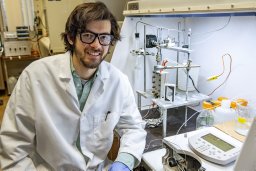 Benjamin L. Kee合作论文数Engineering Division, Colorado School of Mines6ellen meeks合作论文数5
 Alexis Dubois合作论文数Dept Mech Engn, Colorado Sch Mines5
 Mark Allendorf合作论文数Nanoelectronics and Nanophotonics Group, Sandia National Laboratories, California5David T. Wickham合作论文数5
 Yuyin Zhang (张玉银)合作论文数School of Mechanical Engineering, Shanghai Jiao Tong University5William Coors合作论文数5Tyler A. P. Evans合作论文数4peter v meyers合作论文数4Aleksei La Rue合作论文数4Bryan Euser合作论文数Earth & Environm Sci Div, Los Alamos Natl Lab4




