Background: The Appointment-Based Model (ABM) is a care model that helps community pharmacists streamline their medication dispensing workflow while simultaneously integrating patient care into the medication preparation process through medication synchronization. Implementation of the ABM has varied across community pharmacies. Further studies that identify tailored implementation approaches are needed to support broad adoption of the ABM in practice. Objectives: (1) To determine facilitators and barriers to ongoing adoption and implementation of the ABM at a small chain of rural independent pharmacies where adoption has stalled and (2) to identify implementation strategies to support further adoption of the ABM at these pharmacies Methods: This project was an exploratory, mid-implementation study. Semistructured interviews were conducted with pharmacy staff who participated in the ongoing implementation and use of the ABM at the pharmacies. Interviews elicited stakeholder-centered perspectives on (1) experiences with the ABM to date, (2) processes and roles for the ABM, and (3) opinions on how implementation of the ABM could be improved at the pharmacies. Rapid qualitative assessment methodology was used for analysis to identify facilitators and barriers and to select implementation strategies. Results: Thirty-one pharmacy personnel were interviewed: pharmacists (n = 10), pharmacy technicians (n = 7), and fill clerks (n = 14). The research team identified 6 facilitators and 4 barriers to the implementation of the ABM at the pharmacies. Five implementation strategies were selected based on the facilitators and barriers: (1) capture and share local knowledge across pharmacy sites, (2) conduct educational outreach visits, (3) conduct ongoing training, (4) prepare patients to be active participants in the ABM, and (5) organize clinician implementation team meetings. Conclusions: Development of a stakeholder-driven implementation approach may support further implementation and adoption of the ABM in practice. (C) 2022 American Pharmacists Association (R). Published by Elsevier Inc. All rights reserved.
Introduction: Polypharmacy, defined as the use of multiple drugs or more than are medically necessary, is a growing concern for older adults. MEDLINE and EMBASE databases were searched from January 1, 1986 to June 30, 2013) to identify relevant articles in people aged > 65 years.Areas covered: We present information about: i) prevalence of polypharmacy and unnecessary medication use; ii) negative consequences of polypharmacy; and iii) interventions to improve polypharmacy.Expert opinion: International research shows that polypharmacy is common in older adults with the highest number of drugs taken by those residing in nursing homes. Nearly 50% of older adults take one or more medications that are not medically necessary. Research has clearly established a strong relationship between polypharmacy and negative clinical consequences. Moreover, well-designed interprofessional (often including clinical pharmacist) intervention studies that focus on enrolling high-risk older patients with polypharmacy have shown that they can be effective in reducing aspects of unnecessary prescribing with mixed results on distal health outcomes.
This year, the oldest baby boomers turned 65 years of age. Baby boomers, which include individuals born between 1946 and 1964, represent 25% of the US population.1 In addition, given their life experiences, this group of individuals is likely to have higher expectations for the quality of health care services, including medication safety. Thus, it is timely to discuss what new knowledge on often preventable medication-related problems (i.e., medication errors and medication adverse events) in older adults was published in 2011. Hopefully, by doing so we can begin to develop approaches to reduce medication-related problems and meet this cohort’s expectations.
Medication error is a common health problem that occurs in our healthcare systems on a yearly basis. Older adults are at an increased risk for medication errors due to increased numbers of medications needed to treat multiple chronic conditions. Medication errors in the elderly can occur at various stages of the medication use process, including prescribing, transcription, dispensing, adherence, monitoring and transitions of care. Studies in the elderly population over the last 20 years have helped to identify possible reasons why and where these errors occur at the various stages of the medication use process. Although these studies have offered possible ways to manage medication errors in the elderly patient, future research is still needed to develop better ways of identifying, educating and managing medication errors in the future, especially through technological means.
OBJECTIVE:This paper reviews recent articles examining medication errors in the elderly.METHODS:MEDLINE and International Pharmaceutical Abstracts were searched for articles published in 2006 using a combination of the terms medication errors, medication adherence, medication compliance, suboptimal prescribing, and aged. A manual search of the reference lists of the identified articles and the authors' article files, book chapters, and recent reviews was conducted to identify additional publications. Those studies that described new measures of medication errors or had a randomized controlled design, evaluated the impact of an intervention on > or =1 measure of medication errors, and involved the community-dwelling elderly were included in the review.RESULTS:The search identified 5 studies and a new set of explicit criteria for prescribing problems in nursing homes from the Centers for Medicare and Medicaid Services (CMS). One of the studies found a new instrument, the Medication Management Instrument for Deficiencies in the Elderly, to be a reliable and valid measure of medication management in older adults. A study in the ambulatory elderly found that 13.0% reported cost-related medication nonadherence. A randomized controlled trial of a pharmacist intervention in elderly patients at high risk for coronary events found the intervention was associated with improvements in both medication adherence and systolic blood pressure control. The report from the CMS described new explicit criteria for unnecessary drug use in elderly patients in long-term care facilities, including drugs to avoid, drugs that should be limited in dose or duration, drugs to be monitored, and drug-drug interactions. A modified Delphi survey of an expert panel reached consensus on 28 drug-disease interactions in older adults. Finally, a randomized controlled trial of computerized feedback in a health maintenance organization found improvements in inappropriate prescribing of target drugs in older adults.CONCLUSION:Data from recently published studies may provide guidance to practitioners and help direct future research.
Background: Polypharmacy is a significant problem among older adults. Patient-related characteristics and beliefs have not been the focus of prior research in this area, which has primarily evaluated the effects of patients' health status and health care system factors.
Behavioral and psychological symptoms in dementia (BPSD) are often overlooked due to the main focus of treating or preventing cognitive decline symptoms. Almost two-thirds of patients with dementia will develop some type of noncognitive symptoms that include symptoms such as wandering, agitation, sexually inappropriate behaviors, physical and verbal aggression, uncooperativeness, and “sun-downing.” Psychological symptoms include depression, anxiety, delusions, hallucinations, and suspiciousness/paranoia. Worsening of these symptoms can lead to caregiver burden and is one of the major reasons for patients with dementia to be institutionalized. A major drawback of treating these symptoms pharmacologically is that the response rate is low with the current available therapies such as antipsychotics, anxiolytics, and antidepressants. In addition, all of these therapeutic classes have drawbacks due to side effect profiles. This article provides an overview of the current recommendations for pharmacological approaches for the treatment of behavioral and psychological symptoms of dementia.
Wellness prevention in the elderly has similar goals as prevention in nonelderly adults, which is to improve lifestyles and habits to prevent disease (primary prevention) or the progression of disease (secondary prevention). Pharmacists who interact with the community elderly have a great opportunity of helping to keep our elderly healthy and preventing lifelong chronic problems that can contribute to a decrease in function of activities of daily living (ADLs) and instrumental activities of daily living (IADLs). This article focuses on the key prevention interventions that a pharmacist can target in helping to promote health maintenance.
Objectives. The geriatrics concentration elective sequence in the entry-level doctor of pharmacy program at the Mylan School of Pharmacy at Duquesne University was devised, first, to introduce students to the complex pharmaceutical care needs of the elderly; second, to expose students to career options and enhance employability through credentialing in geriatrics; and third, to increase the confidence and motivation for graduates to pursue advanced geriatrics education, training, and specialist certification.Design. The curriculum consists of a didactic elective sequence of 3 courses (8 total credits) offered in the evenings of the fifth and sixth academic years. Sixth year students must complete at least one specialized experiential rotation and pass a final comprehensive geriatrics certification examination.Assessment. Preliminary data from university teaching and clinical teaching effectiveness questionnaires in didactic and experiential courses, respectively, are presented. Available data are limited by voluntary student participation in instructor evaluation and by the short amount of time since program inception. Methods tentatively planned for assessing program outcomes are included.Conclusion. The geriatrics concentration has been positively received in the first 2 years since its inception, as suggested by sustained enrollment figures and preliminary teaching effectiveness evaluation data.
The detection of adverse drug reactions (ADRs) by a traditional passive reporting system and by a method involving patient and provider interviews was studied. The study sample consisted of randomly selected outpatients seen by their primary care provider during scheduled appointments in January and February 2001 at a Veterans Affairs medical center. After ambulatory care clinic sessions, patients and providers were asked (by telephone and in person, respectively) to identify potential ADRs. Also obtained were demographic data, information about drug regimens, and the severity and management of each ADR. A standardized ADR-assessment tool was used to determine the severity of each reported reaction and its causal relationship with the medication. A total of 198 patients were included. Of these, 51 (26%) had one or more ADRs. The patient and provider interviews identified a total of 83 ADRs, compared with 1 ADR identified by the passive reporting system. When providers were made aware of the ADRs they had not identified, changes were made to the patient's medication regimen in 34% of cases. The risk of an ADR was not associated with age, number of medications, or provider type. Direct patient and provider interviews yielded a significantly higher rate of ADR detection in an ambulatory care setting than did a passive ADR-reporting system.
 Joseph T. Hanlon合作论文数7
 Emily Hajjar合作论文数4
 Poirier Therese I合作论文数Southern Illinois University Edwardsville2Aspinall Sherrie L合作论文数2P W Keys合作论文数1Holly Lassila合作论文数1
 Amanda Ellen Normandeau Young合作论文数1
 Sophia M C Herbert合作论文数Sch Pharm, Univ Pittsburgh1
 Joni C Carroll合作论文数Sch Pharm, Univ Pittsburgh1
 Good Chester B合作论文数VA Pittsburgh Healthcare Syst, Univ Pittsburgh1
 Melissa Somma McGivney合作论文数1O'Neil Christine合作论文数1
 Michelle I Rossi合作论文数1
 Carolyn T Thorpe合作论文数1Aspinall Monica B合作论文数1
 Subashan Perera合作论文数1
 Jeffrey Whittle合作论文数Division of General Internal Medicine, Medical College of Wisconsin1Steven M. Handler合作论文数1
 Keri Lyn Rodriguez合作论文数1
 Shelly L. Gray合作论文数Department of Pharmacy, School of Pharmacy, University of Washington1Mary Ann Sevick合作论文数Graduate School of Public Health, University of Pittsburgh1
 Kenneth Edwin Schmader合作论文数Department of Medicine, School of Medicine, Duke University;Center for the Study of Aging and Human Development, Duke University1
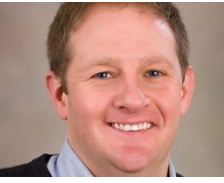 Joshua M Thorpe合作论文数Division of Pharmaceutical Outcomes and Policy, Eshelman School of Pharmacy, The University of North Carolina at Chapel Hil1
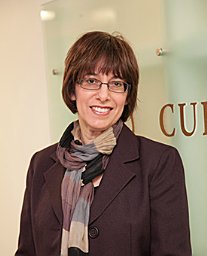 Kim C. Coley合作论文数1
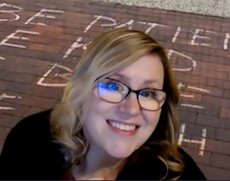 Cathleen J. Appelt合作论文数Mental Illness Research Education and Clinical Center, Veterans Affairs Pittsburgh Healthcare System1Julie M Donohue合作论文数Graduate School of Public Health, University of Pittsburgh1




