The purpose of this paper is to identify studies of hospital-based occupational stress prior to the COVID-19 pandemic that can offer lessons to nurse leaders in our current post-pandemic environment. A scoping review was conducted based on the Joanna Briggs Institute framework, including key phases and principles identified by Arksey and O'Malley. Evidence from different disciplines and settings has been relatively siloed. Nurses and doctors have tended to be studied separately using different constructs. Progress in developing more effective interventions to mitigate occupational stress in healthcare may require greater cross-disciplinary collaboration in which nurse leaders are well poised to lead.
Multimorbidity contributes to complexity in seniors, but the impact of co-occurring physical and psychiatric illnesses on emergency department (ED) visits has received little attention. We investigated relationships between trans-diagnostic psychiatric severity, physical multimorbidity, and their interaction with non-psychiatric ED use; and tested the association of continuity of primary care on these relationships. A retrospective cohort design (n = 2,560,986) measured exposures to physical multimorbidity, psychiatric severity, and continuity in primary care. The main outcome was number of medical ED visits. At each level of physical multimorbidity, non-psychiatric ED visits increased with psychiatric severity. There were direct effects of physical multimorbidity (OR 1.35, 95%CI 1.35 - 1.35), psychiatric severity (OR 1.52, 95%CI 1.49 - 1.54), and continuity of care (low vs high OR 1.26, 95%CI 1.24 - 1.28) on frequent non-psychiatric ED use. Continuity of care did not mediate the relationships of physical multimorbidity, psychiatric severity or their interaction on frequent non-medical ED use. Transdiagnostic psychiatric severity correlates with seniors using the ED for non-psychiatric reasons, especially for repeated visits, in addition to the expected contribution of physical multimorbidity. Continuity of primary care does not mediate this relationship. Understanding the contribution of regular primary care requires further investigation.
Burnout among healthcare workers in Canada remains a critical challenge with implications for workforce retention, patient safety, and system sustainability. Traditional responses have often emphasized individual coping strategies rather than structural change. This article argues that Artificial Intelligence (AI) might offer new opportunities to address some of the organizational drivers of burnout. We outline three domains where AI may provide value: (1) enhancing the measurement and understanding of burnout, (2) strengthening workforce planning and operational decision-making, and (3) mitigating workplace risks through process redesign and automation. By shifting attention from "fixing workers" to "fixing work," AI might be part of the "solution" to support healthier, more sustainable healthcare environments.
Shared decision-making is central to patient-centered care, yet immigrant patients, particularly East Asian immigrants, are underrepresented in shared decision-making research. Cultural norms and language barriers may shape the decision-making experiences and preferences of East Asian immigrants. Further, existing research on East Asian immigrant patient preferences and experiences is often non-purposive and conflicting. This hermeneutic phenomenological study explores Korean immigrant patients' experiences and preferences in their therapeutic relationships with Canadian primary care providers, focusing on the elements of "caring" and "sharing" in shared decision-making. Twelve adult Korean immigrant participants will be recruited through a purposive criterion and convenience sampling approach via both active and passive recruitment methods. Participants must have or have had permanent resident status in Canada, have immigrated to Canada from South Korea in the economic category, and have a family doctor or have seen the same primary care physician at a walk-in clinic at least three times. Interviews will be conducted in Korean or English and analyzed through an inductive analysis approach. This study is currently in the recruitment stage. Findings will be shared to participants, the communities involved and published in a peer-reviewed journal presented as aggregate, de-identified themes.
BackgroundEngagement in psychotherapy is essential for achieving effective mental health outcomes, yet maintaining participation can be challenging—especially during significant disruptions such as the COVID-19 pandemic. The SUMMIT Trial evaluated a brief behavioral activation treatment for perinatal depression and anxiety, comparing telemedicine with in-person psychotherapy. Due to pandemic-related disruptions, in-person randomization was suspended twice, dividing participants into peak and non-peak COVID-19 timeframes.MethodsThis secondary mixed-methods analysis examined enrollment, retention, satisfaction, and depressive and anxiety symptoms between peak (March 2020-July 2021 & Jan-April 2022) and non-peak COVID-19 periods (Jan-March 2020, Jul 2021-Jan 2022, April 2022-Sep 2023). During peak-COVID-19, participants received telemedicine-only; otherwise, they were randomized to telemedicine or in-person treatment. T-tests compared symptom scores and enrollment rates; chi-square and logistic regression analyzed retention and satisfaction. Qualitative data underwent thematic analysis.ResultsOf 1230 participants, 597 (48.5%) enrolled during peak-COVID and were randomized to telemedicine, while 693 (56.3%) were randomized to telemedicine or in-person treatment. Enrollment (25.4 vs. 21.8 participants/month, p = 0.250), retention (98.12% vs. 98.42%, p = 0.689) and satisfaction (CSQ-8: 3.45 vs. 3.39, p = 0.174) did not differ significantly. No differences were observed in depressive or anxiety symptoms at baseline (EPDS: 15.85 vs. 15.72, p = 0.546; GAD-7: 11.70 vs. 11.96, p = 0.3670) or at 3 months (EPDS: 9.09 vs. 9.09, p = 0.980; GAD-7: 6.42 vs. 6.38, p = 0.907).ConclusionsEngagement, efficacy, and experience were comparable across pandemic phases, highlighting the feasibility of telemedicine-based adaptations in the midst of public health crises.
OBJECTIVE:To identify the conceptual similarities, differences, and interrelationships between shared decision-making (SDM), the working alliance, and patient-centered care (PCC) in primary care. METHODS:This study is a simultaneous concept analysis based on the method of Walker and Avant (2005) and Haase et al. (1992). First, a systematic search was conducted for articles published between 2012 and 2022 to identify those describing definitions, antecedents, attributes, consequences, and empirical referents of any of the three concepts. Then, data was extracted and organized into a validity matrix for comparison. RESULTS:Shared decision-making is a procedural communicative process involving both providers and patients in making clinical decisions. The working alliance between the patient and provider serves as a relational model foundational to the patient-provider relationship. Patient-centered care is an approach or philosophy adopted by clinicians (dyadic PCC) or organizations (organizational PCC) that shapes how care is conceptualized and delivered. Collaboration, common ground, integration of patient preferences, and information exchange are integral to all three concepts but are emphasized to varying degrees. PCC can be applied unilaterally, while SDM and the working alliance are always relational. Overall, the working alliance establishes the context in which providers adopt a patient-centered approach and can practice SDM. CONCLUSIONS:Shared decision-making, the working alliance, and patient-centered care are distinct concepts but are intrinsically interrelated in both theory and practice. The working alliance can be described as a relational "setting" where PCC (an approach to care) can be applied and SDM (a conversational model) can be practiced. Practice implications This study contributes to enhancing the conceptual clarity of the three concepts in the primary care, which may facilitate better operationalization and subsequent care design.
Background:During the COVID-19 pandemic, approximately 25% of healthcare providers (HCP) worldwide were reported to have experienced symptoms associated with post-traumatic stress disorder (PTSD). While longitudinal studies have identified factors associated with PTSD in this group of essential workers, associations with psychological distress trajectories have not been studied. Methods:Healthcare providers who participated in the prospective Canadian COVID-19 Cohort Study were eligible. Baseline data were collected at enrolment with time-varying measures updated by participants every 12 months. Kessler Psychological Distress Scale (K10) questionnaires were completed in March 2021 or upon their recruitment (whichever came first) and every 6 months thereafter. Impact of Event Scale-Revised (IES-R) questionnaires were completed within two weeks of their withdrawal from the study or study termination date (December 2023). Modified Poisson regression was used to assess the association between PTSD symptoms (i.e., IES-R scores of < 24 vs. ≥ 24) and score trajectories of the first four K10 questionnaires that were completed 180 (± 60) days apart. Results:Of 441 participants, 105 (24.0%) had IES-R scores indicative of concern for PTSD (i.e., ≥ 24). Five trajectories of K10 scores were identified including: resilient (n = 111, 25.2%), chronically distressed (131, 29.7%), delayed onset of distress (43, 9.8%), recovery (83, 18.8%), and mutable (73, 16.6%). HCP whose K10 score trajectories were classified as chronically distressed (i.e., all ≥ 16) had rates of IES-R scores indicative of PTSD that were 6.9 times [95% confidence interval (CI) 3.7, 13.0] higher than HCP with resilient score trajectories (i.e., all < 16). Participants with scores in the other three K10 trajectories also had higher rates of IES-R scores of ≥ 24 when compared to those with resilient scores, with adjusted incident rate ratios of 2.6 (delayed onset; CI 1.3, 5.1), 3.1 (recovery; CI 1.4, 7.2), and 4.0 (mutable; CI 2.2, 7.3). Conclusion:Early and repeated assessment of HCP distress levels will help identify those who are distressed so that evidence-based mitigation strategies can be provided.
While infertility and fertility treatment cause significant psychological distress for many women, the effectiveness of existing psychological interventions is unproven. This paper explores the potential applicability of an existential psychotherapeutic framework in this context by reviewing the lived experience of women with infertility and women in fertility treatment from an existential perspective. We conducted a qualitative evidence synthesis, specifically a best fit framework synthesis. Qualitative studies that included quotations from women with infertility and women in fertility treatment addressing one or more existential concerns were reviewed. Irvin Yalom’s existential framework provided a pre-existing framework into which the findings from the studies were extracted and synthesized, producing a revised model. Of 1,506 studies screened, 144 satisfied inclusion criteria. Sixteen themes were populated deductively by quotations from the studies. Quotations not coded into the a priori themes were synthesized inductively to develop 13 additional themes, resulting in an Existential Model of Women in Fertility Treatment. Based on this model, the psychological challenges and opportunities for growth associated with infertility and fertility treatment can be understood as relating to: (1) loss and grief, and the threatened loss of symbolic immortality, (2) the powerlessness to direct one’s life, (3) alienation from the fertile world and diminished sense of self, and (4) the threatened loss of meaning and purpose. This review generated an Existential Model of Women in Fertility Treatment. Future research is needed to test the validity of this model, including research aimed at developing and testing existentially oriented interventions for this population.
OBJECTIVE:To determine the moderating effect of healthcare empowerment on the relationship between enacted, internalized and anticipated stigma and self-rated health. METHODS:Participants (n = 1318) were recruited to complete the People Living with HIV Stigma Index, a community-based cross-sectional survey administered across all provinces in Canada from August 2018 to October 2024. The survey contained externally validated quantitative scales measuring stigma, healthcare empowerment and health. Healthcare empowerment was broken down into subscales of Informed, Committed, Collaborative, and Engaged (ICCE) and Tolerance of Uncertainty (TU). Moderation models were created for each type of stigma as the antecedent, healthcare empowerment (total, ICCE and TU) as the moderator, and self-rated health as the outcome. RESULTS:Total healthcare empowerment was a significant moderator for the relationship between enacted (b = 0.11, 95% CI: 0.00, 0.23) and internalized (b = 0.23, 95% CI: 0.09, 0.37) stigma and self-rated health. The ICCE subscale was a significant moderator for the relationship between internalized (b = 0.20, 95% CI: 0.08, 0.33) and anticipated (b = 0.17, 95% CI: 0.04, 0.31) stigma and self-rated health. Overall, for those with low levels of healthcare empowerment, greater enacted and internalized stigma resulted in worse self-rated health; however, high levels of healthcare empowerment buffered the negative impact of stigma. CONCLUSION:Healthcare empowerment may have the potential to buffer or mitigate the negative effect of stigma. Understanding how to bolster levels of healthcare empowerment, specifically dimensions of ICCE, may be important for the development of interventions aiming to reduce the impact of stigma for people living with HIV.
Determinants of health are important drivers of health states, yet there is little work examining their role in the relationship between HIV stigma and health. This study uses moderation analysis to examine how determinants of health affect the relationship between enacted, internalized, and anticipated stigma and mental health. Quantitative data was collected on 337 participants in Ontario, Canada at baseline (t(1)) between August 2018 and September 2019 and at follow-up (t(2)) between February 2021 and October 2021. Separate moderation models were created with each determinant of health (age, gender, sexual orientation, ethnicity, geographic region, education, employment, and basic needs) acting as the moderator between types of stigma at t1 and mental health at t(2). Age was a significant moderator for the relationship between internalized and enacted stigma at t(1) and mental health at t(2). Region was a moderator for enacted and anticipated stigma and mental health. Sexual orientation was a moderator for anticipated stigma and mental health. Lastly, having basic needs was a moderator for enacted and anticipated stigma and mental health. Our findings suggest that intervention strategies may be more effective by incorporating supports for these determinants of health in addition to stigma reduction to improve mental health.
There is limited information regarding factors related to education workers’ responses to traumatic stress during the COVID-19 pandemic. The study goal was to determine whether personal factors, behaviours that mitigate viral spread, and work-related factors were associated with post-traumatic symptoms. This observational study, embedded within a cohort study, recruited Ontario education workers from February 2021 to June 2023. Exposure data were collected at enrollment and updated annually. Participants completed the Impact of Event Scale (IES) at withdrawal/study completion. Modified Poisson regression was used to build hierarchical models of dichotomized IES scores (≥26: moderate/severe post-traumatic symptoms). Of the 1518 education workers who submitted an IES between September 2022 and December 2023, the incidence rate ratio of IES scores ≥26 was significantly higher among participants who usually/always wore a mask at work (1.48; 95% confidence interval 1.23, 1.79), usually/always practiced physical distancing (1.31; 1.06, 1.62), lived in larger households (1.06; 1.01, 1.12), and reported poor/fair/good health (1.27; 1.11, 1.46). However, models accounted for little of the variance in IES scores, suggesting the need for future studies to collect data on other factors associated with the development of PTSD, such as pre-existing mental health challenges. Early identification of those experiencing traumatic stress and the implementation of stress reduction strategies are needed to ensure the ongoing health of education workers.
Background Intermittent theta burst stimulation (iTBS), a novel form of repetitive transcranial magnetic stimulation (rTMS), can be administered in 1/10th of the time of standard rTMS (~ 3 min vs. 37.5 min) yet achieves similar outcomes in depression. The brief nature of the iTBS protocol allows for the administration of multiple iTBS sessions per day, thus reducing the overall course length to days rather than weeks. This study aims to compare the efficacy and tolerability of active versus sham iTBS using an accelerated regimen in patients with treatment-resistant depression (TRD). As a secondary objective, we aim to assess the safety, tolerability, and treatment response to open-label low-frequency right-sided (1 Hz) stimulation using an accelerated regimen in those who do not respond to the initial week of treatment. Methods Over three years, approximately 230 outpatients at the Centre for Addiction and Mental Health and University of British Columbia Hospital, meeting diagnostic criteria for unipolar MDD, will be recruited and randomized to a triple blind sham-controlled trial. Patients will receive five consecutive days of active or sham iTBS, administered eight times daily at 1-hour intervals, with each session delivering 600 pulses of iTBS. Those who have not achieved response by the week four follow-up visit will be offered a second course of treatment, regardless of whether they initially received active or sham stimulation. Discussion Broader implementation of conventional iTBS is limited by the logistical demands of the current standard course consisting of 4–6 weeks of daily treatment. If our proposed accelerated iTBS protocol enables patients to achieve remission more rapidly, this would offer major benefits in terms of cost and capacity as well as the time required to achieve clinical response. Trial registration ClinicalTrials.gov Identifier: NCT04255784.
Abstract Background The EvalUation of goal-diRected activities to prOmote well-beIng and heAlth (EUROIA) scale is a novel patient-reported measure that was administered to individuals with chronic heart failure (CHF). It assesses goal-directed activities that are self-reported as being personally meaningful and commonly utilized to optimize health-related quality of life (HRQL). Our aim was to evaluate psychometric properties of the EUROIA, and to determine if it accounted for novel variance in its association with clinical outcomes. Methods This study was a secondary analysis of the CHF-CePPORT trial, which enrolled 231 CHF patients: median age = 59.5 years, 23% women. Baseline assessments included: EUROIA, Kansas City Cardiomyopathy Questionnaire–Overall Summary (KCCQ-OS), Patient Health Questionnaire–9 for depression (PHQ-9), and the Generalized Anxiety Disorder–7 (GAD-7). 12-month outcomes included health status (composite index of incident hospitalization or emergency department, ED, visit) and mental health (PHQ-9 and GAD-7). Results Exploratory Principal Axis Factoring identified four EUROIA factors with satisfactory internal reliability: i.e., activities promoting eudaimonic well-being (McDondald’s ω = 0.79), social affiliation (⍺=0.69), self-affirmation (⍺=0.73), and fulfillment of social roles/responsibilities (Spearman-Brown coefficient = 0.66). Multivariable logistic regression indicated that not only was the EUROIA inversely associated with incidence of 12-month hospitalization/ED visits independent of the KCCQ-OS (Odds Ratio, OR = 0.95, 95% Confidence Interval, CI, 0.91, 0.98), but it was also associated with 12-month PHQ-9 (OR = 0.91, 95% CI, 0.86, 0.97), and GAD-7 (OR = 0.94, 95% CI, 0.90, 0.99) whereas the KCCQ-OS was not. Conclusion The EUROIA provides a preliminary taxonomy of goal-directed activities that promote HRQL among CHF patients independently from a current gold standard state-based measure. Clinical trial registration NCT01864369; https://classic.clinicaltrials.gov/ct2/show/NCT01864369.
Abstract Background Healthcare providers (HCP) continue to provide patient care during the COVID-19 pandemic despite the known risks for transmission. Studies conducted early in the pandemic showed that factors associated with higher levels of distress among HCP included being of younger age, female, in close contact with people with COVID-19, and lower levels of education. The goal of this study was to determine if level of patient contact was associated with concern for post-traumatic stress disorder (PTSD) as measured by the Impact of Event Scale-Revised (IES-R). Methods This cross-sectional study, embedded within a prospective cohort study, recruited HCP working in hospitals in four Canadian provinces from June 2020 to June 2023. Data were collected at enrolment and annually from baseline surveys with the IES-R scale completed at withdrawal/study completion. Modified Poisson regression was used to determine the association between level of patient contact and concern for PTSD (i.e., IES-R scores ≥24). Results The adjusted rate ratio (RR) associated with concern for PTSD among HCP with physical contact/direct patient care was 1.19 (95% confidence interval (CI) 1.03, 1.38) times higher than for HCP with no direct contact. In fully adjusted linear regression models, physical care/contact was associated with higher avoidance and hyperarousal scores, but not intrusion scores. Conclusions Administrators and planners need to consider the impact of heightened and ongoing stress among HCP by providing early screening for adverse emotional outcomes and delivery of tailored preventive strategies to ensure immediate and long-term HCP health.
HIV stigma remains a barrier to good health and understanding how social support may reduce the negative impact of stigma on health may help with designing stigma interventions. This study aims to understand how different types of social support may moderate or change the nature of the relationship between stigma and mental health. We recruited 327 participants to complete the People Living with HIV Stigma Index at baseline (t1) between August 2018 and September 2019 and at follow-up (t2) between February 2021 and October 2021. Separate moderation models were created with different types of social support (emotional/informational, tangible, affectionate, positive social interaction) as moderators, baseline stigma (internalized, enacted, anticipated) as the antecedent, and mental health (t2) as the outcome. Emotional/informational support was a significant moderator for the relationship between enacted (b = -2.12, 95% CI: -3.73, -0.51), internalized (b = -1.72, 95% CI: -3.24, -0.20), and anticipated (b = -2.59, 95% CI: -4.59, -0.60) stigma at t1 and mental health at t2. Tangible support was a significant moderator for internalized stigma (b = -1.54, 95% CI: -2.74, -0.35). Lastly, positive social interaction was a significant moderator for internalized (b = -1.38, 95% CI: -2.71, -0.04) and anticipated stigma (b = -2.14, 95% CI: -3.93, -0.36). In general, the relationship between social support and better mental health was stronger for participants with low stigma. Intervention strategies aimed at both stigma reduction and boosting social supports with different functions may be important for improving the mental health of people living with HIV.
BACKGROUND:COVID-19 added to healthcare provider (HCP) distress, but patterns of change remain unclear. This study sought to determine if and how emotional distress varied among HCP between March 28, 2021 and December 1, 2023. METHODS:This longitudinal study was embedded within the 42-month prospective COVID-19 Cohort Study that recruited HCP from four Canadian provinces. Information was collected at enrollment, from annual exposure surveys, and vaccination and illness surveys. The 10-item Kessler Psychological Distress Scale (K10) was completed approximately every six months after March 28, 2021. Linear mixed effects models, specifically random intercept models, were generated to determine the impact of time on emotional distress while accounting for demographic and work-related factors. RESULTS:Between 2021 and 2023, the mean K10 score fell by 3.1 points, indicating decreased distress, but scores increased during periods of high levels of mitigation strategies against transmission of SARS-CoV-2, during winter months, and if taking antidepression, anti-anxiety or anti-insomnia medications. K10 scores were significantly lower for HCP who were male, older, had more children in their household, experienced prior COVID-19 illness(es), and for non-physician but regulated HCP versus nurses. A sensitivity analysis that included only those who had submitted at least five K10 surveys consisted of the factors in the full model excluding previous COVID-19 illness, occupation, and season, after adjustment. Models were also created for K10 anxiety and depression subscales. CONCLUSIONS:K10 scores decreased as the COVID-19 pandemic continued but increased during periods of high mitigation and the winter months. Personal and work-place factors also impacted HCP distress scores. Further research into best practices in distress identification and remediation is warranted to ensure future public health disasters are met with healthcare systems that are able to buffer HCP against short- and long-term mental health issues.
 Jonathan Hunter合作论文数Department of Psychiatry, Temerty Faculty of Medicine, University of Toronto66
 Lesley Wiesenfeld合作论文数Department of Psychiatry, Temerty Faculty of Medicine, University of Toronto15Le Thao Lan合作论文数15William J. Lancee合作论文数15Gordon R. Greenberg合作论文数14Jon Hunter合作论文数11
 Sean Rourke合作论文数Department of Psychiatry, Temerty Faculty of Medicine, University of Toronto;St. Michael's Hospital, Unity Health Toronto11
 Lianne Jeffs合作论文数St Michael’s Hospital11Natalie D Heeney合作论文数9
 Molyn Leszcz合作论文数Department of Psychiatry, Temerty Faculty of Medicine, University of Toronto9Janice Halpern合作论文数Department of Psychiatry, Temerty Faculty of Medicine, University of Toronto9
 Maria Gurevich合作论文数8
 Brian Schwartz合作论文数Clinical Public Health Division, Dalla Lana School of Public Health, University of Toronto8
 Rose G. Geist合作论文数Department of Psychiatry, Temerty Faculty of Medicine, University of Toronto8
 Maria Mylopoulos合作论文数Wilson Centre for Research in Education, Temerty Faculty of Medicine, University of Toronto8Wj Lancee合作论文数7
 Paula Ravitz合作论文数Department of Psychiatry, Temerty Faculty of Medicine, University of Toronto7Deanna Chaukos合作论文数Department of Psychiatry, Temerty Faculty of Medicine, University of Toronto7Erin Bearss合作论文数6
 Rosalie Steinberg合作论文数Department of Psychiatry, Temerty Faculty of Medicine, University of Toronto6
 Robert Nolan合作论文数Institute of Medical Science, Temerty Faculty of Medicine, University of Toronto;Department of Psychiatry, Temerty Faculty of Medicine, University of Toronto;School of Graduate Studies, University of Toronto;Peter Munk Cardiac Centre;Toronto General Hospital Research Institute, University Health Network;Toronto Research Institute, University Health Network;Behavioural Cardiology Research Unit, University Health Network6
 Janet Parsons合作论文数Department of Physical Therapy, University of Toronto6Jennie Johnstone合作论文数Department of Laboratory Medicine and Pathobiology, Temerty Faculty of Medicine, University of Toronto6Levitan Robert D合作论文数6
 Allison McGeer合作论文数Department of Laboratory Medicine and Pathobiology, Temerty Faculty of Medicine, University of Toronto;Dalla Lana School of Public Health, University of Toronto6
 Mary Jane Esplen合作论文数Department of Psychiatry, Temerty Faculty of Medicine, University of Toronto;Department of Psychiatry, Samuel Lunenfeld Research Institute;Ontario Institute for Cancer Research6Nathalie Peladeau合作论文数6Leanne Ginty合作论文数5Anthony R Boni合作论文数5A. H. Steinhart合作论文数5
 Brenda L. Coleman合作论文数Epidemiology Division, Dalla Lana School of Public Health, University of Toronto5
 Sanjeev Sockalingam合作论文数Department of Psychiatry, Temerty Faculty of Medicine, University of Toronto;Centre for Addiction & Mental Health;Toronto General Hospital Research Institute, University Health Network5James Watson合作论文数5Cleo Haber合作论文数4Lynne Cioppa合作论文数4Rebecca Greenberg合作论文数4
 Sandalia Genus合作论文数4
 Jason M. Lo Hog Tian合作论文数4Clare Pain合作论文数4Donald A. Wasylenki合作论文数Department of Psychiatry, Temerty Faculty of Medicine, University of Toronto4
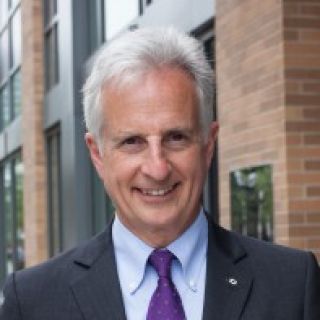 David S. Goldbloom合作论文数Department of Psychiatry, Temerty Faculty of Medicine, University of Toronto4Tannenbaum David合作论文数4Lawson Andrea合作论文数4
 Gillian Strudwick合作论文数Krembil Centre for Neuroinformatics, Centre for Addiction and Mental Health;Institute of Health Policy, Management and Evaluation, University of Toronto4Savage Diane合作论文数4
 Robert Mann合作论文数Department of Physics and Astronomy, University of Waterloo4Iris Gutmanis合作论文数3A. McGee合作论文数3Heather Read合作论文数3




