Progressive post-traumatic postsurgical myelopathy (PPPM) is a known entity that can occur months to years after the initial insult. Symptomatic patients can become myelopathic and have rapid and progressive neurological decline. Surgical correction of PPPM usually involves intradural exploration and lysis of adhesions that carries the risk of further injury to the spinal cord. In this manuscript, we provide a report of a patient presenting more than 50 years after the initial resection of an intramedullary tumor. Additionally, we present and describe a novel surgical technique for managing this difficult problem and restoring normal CSF dynamics.
Amyotrophic lateral sclerosis (ALS) involves progressive motor neuron loss, leading to paralysis and death typically within 3–5 years of diagnosis. Dysfunctional astrocytes may contribute to disease and glial cell line-derived neurotrophic factor (GDNF) can be protective. Here we show that human neural progenitor cells transduced with GDNF (CNS10-NPC-GDNF) differentiated to astrocytes protected spinal motor neurons and were safe in animal models. CNS10-NPC-GDNF were transplanted unilaterally into the lumbar spinal cord of 18 ALS participants in a phase 1/2a study (NCT02943850). The primary endpoint of safety at 1 year was met, with no negative effect of the transplant on motor function in the treated leg compared with the untreated leg. Tissue analysis of 13 participants who died of disease progression showed graft survival and GDNF production. Benign neuromas near delivery sites were common incidental findings at post-mortem. This study shows that one administration of engineered neural progenitors can provide new support cells and GDNF delivery to the ALS patient spinal cord for up to 42 months post-transplantation.
CASE Stiff-person syndrome (SPS) presents with progressive muscle rigidity, postural instability, and periodic debilitating spasms. Reports of axial hyperextension exist, but kyphotic deformities have not been described. We surgically treated a patient with debilitating SPS and severe cervicothoracic hyperkyphosis with posterior spinal fusion and instrumentation. At 1-year follow-up, the patient displayed better upright gait and forward gaze, 18° cervical lordosis, and improved patient-reported outcome scores. CONCLUSION SPS can lead to extreme spinal deformity and disease, including hyperkyphosis of the cervicothoracic spine, and can successfully be managed with a multidisciplinary team and a posterior-only correction with spinal instrumentation and fusion.
Rubinstein-Taybi Syndrome (RSTS) is an autosomal dominant disorder that is classically characterized by prenatal and postnatal growth restriction, microcephaly, dysmorphic craniofacial features, broad thumbs and toes, and intellectual disability. We describe the first reported case of a pituitary macroadenoma associated with RSTS. A 39-year-old Caucasian female with a past medical history of RSTS diagnosed at age two was found to have a gadolinium-enhancing pituitary mass on magnetic resonance imaging (MRI) of the brain three years ago during workup for migraine-like headaches. Subsequent serial imaging showed radiographic evidence of growth up to 11.5 x 14.0 x 10.0 mm in size. The pituitary sellar lesion was resected through an endoscopic transnasal transsphenoidal approach and was found to be a thyrotroph adenoma. RSTS is a rare, neurodevelopmental genetic disease where most patients with disabilities survive into adulthood. The disorder is associated with an increased predisposition for development of nervous system tumors, including pituitary adenomas.
Study Objective: To compare the C-MAC video laryngoscope to the standard flexible fiberoptic scope (FFS) with an eye piece (but without a camera or a video screen) for intubation of patients undergoing cervical spine surgery with manual inline stabilization. The primary end point was the time to achieve successful tracheal intubation. Secondary end points included glottic view at intubation and number of intubation attempts.Design: Prospective, randomized, single-blinded study.Setting: Cedars Sinai Medical Center in Los Angeles, CA.Patients: One hundred forty patients (American Society of Anaesthesiologists physical status I-III), aged 18 to 80 years undergoing elective cervical spine surgery.Intervention: Patients were prospectively randomized to undergo tracheal intubation using either an FFS (n = 70) or the C-MAC video laryngoscope (n = 70).Measurements: After performing a preoperative airway evaluation, patients underwent a standardized induction sequence. The glottic view was assessed at the time of tracheal tube placement using the Cormack-Lehane and percentage of glottic opening scoring systems. In addition, the time required for successful insertion of the tracheal tube, number of intubation attempts to secure the airway, the need for adjuvant airway devices, hemodynamic changes, adverse events, and any airway-related trauma were recorded.Main Results: The glottic view at the time of intubation did not differ significantly with the 2 devices; however, the C-MAC facilitated more rapid tracheal intubation compared with the FFS (P = .001). The peak heart rate response following insertion of the tracheal tube was also reduced (P = .004) in the C-MAC (vs FFS) group.Conclusion: The C-MAC may offer an advantage over the FFS with respect to the time required to obtain glottic view and successful placement of the tracheal tube in patients requiring cervical spine immobilization. (C) 2016 The Authors. Published by Elsevier Inc. This is an open access article under the CC BY-NC-ND license (http://creativecommons.org/licenses/by-nc-nd/4.0/).
Study objective: To compare three different video laryngoscope devices (VL) to standard direct laryngoscopy (DL) for tracheal intubation of obese patients undergoing bariatric surgery. Hypothesis: VL (vs DL) would reduce the time required to achieve successful tracheal intubation and improve the glottic view.Design: Prospective, randomized and controlled.Setting: Preoperative/operating rooms and postanesthesia care unit.Patients: One hundred twenty-one obese patients (ASA physical status I-III), aged 18 to 80 years, body mass index (BMI) >30 kg/m(2) undergoing elective bariatric surgery.Intervention: Patients were prospectively randomized assigned to one of 4 different airway devices for tracheal intubation: standard Macintosh (Mac) blade (DL); Video-Mac VL; Glide Scope VL; or McGrath VL.Measurements: After performing a preoperative airway evaluation, patients underwent a standardized induction sequence. The glottic view was graded using the Cormack Lehane and percentage of glottic opening (POGO) scoring systems at the time of tracheal intubation. Times from the blade entering the patient's mouth to obtaining a glottic view, placement of the tracheal tube, and confirmation of an end tidal CO2 waveform were recorded. In addition, intubation attempts, adjuvant airway devices, hemodynamic changes, adverse events, and any airway-related trauma were recorded.Main results: All three VL devices provided improved glottic views compared to standard DL (p < 0.05). Video-Mac VL and McGrath also significantly reduced the time required to obtain the glottic view. Video-Mac VL significantly reduced the time required for successful placement of the tracheal tube (vs DL and the others VL device groups). The Video-Mac and GlideScope required fewer intubation attempts (P< .05) and less frequent use of ancillary intubating devices compared to DL and the McGrath VL.Conclusion: Video-Mac and GlideScope required fewer intubation attempts than standard DL and the McGrath device. The Video-Mac also significantly reduced the time needed to secure the airway and improved the glottic view compared to standard DL. (C) 2016 The Authors. Published by Elsevier Inc. This is an open access article under the CC BY-NC-ND license (http://creativecommons.org/licenses/by-nc-nd/4.0/).
BACKGROUND:There is still controversy regarding the optimal strategy for managing postoperative nausea and vomiting (PONV) in high-risk surgical populations. Although acustimulation at the P6 acupoint has been demonstrated to be effective in preventing PONV, the effect of this nonpharmacologic therapy on the patient's recovery with respect to resumption of normal activities of daily living has not been previously assessed when it is used as part of a multimodal antiemetic regimen. Therefore, we designed this randomized, sham-controlled, and double-blind study to assess the efficacy of a disposable acupressure device (Pressure Right®; Pressure Point Inc., Grand Rapids, MI) on the incidence of emetic episodes and quality of recovery when used in combination with ondansetron and dexamethasone for antiemetic prophylaxis. METHODS:One hundred ASA physical status I and II patients undergoing major laparoscopic procedures were randomly assigned to either a control group (n = 50) receiving a "sham" acustimulation device or an acupressure group (n = 50) receiving a disposable Pressure Right device placed bilaterally at the P6 point 30 to 60 minutes before induction of anesthesia. All patients received a standardized general anesthetic. A combination of ondansetron, 4 mg IV, and dexamethasone, 4 mg IV, was administered during surgery for antiemetic prophylaxis in both study groups. The incidence of nausea and vomiting and the need for "rescue" antiemetic therapy were assessed at specific time intervals for up to 72 hours after surgery. The recovery profiles and quality of recovery questionnaires were evaluated at 48 hours and 72 hours after surgery. Patient satisfaction with the management of their PONV was assessed at the end of the 72-hour study period. RESULTS:The 2 study groups did not differ in their demographic characteristics or risk factors for PONV. The incidence of vomiting at 24 hours was significantly decreased in the acupressure group (10% vs 26%, P = 0.04, 95% confidence interval for absolute risk reduction 1%-31%). The overall incidence of vomiting from 0 to 72 hours after surgery was also significantly decreased from 30% to 12% in the acupressure group (P = 0.03, 95% confidence interval 2%-33%). Furthermore, adjunctive use of the acupressure device seemed to enhance patient satisfaction with their PONV management and quality of recovery at 48 hours after surgery. However, the recovery times to hospital discharge, resumption of normal physical activities, and return to work did not differ significantly between the 2 study groups. CONCLUSION:Use of the Pressure Right acupressure device in combination with antiemetic drugs provided a reduction in the incidence of vomiting from 0 to 72 hours after surgery with an associated improvement in patient satisfaction with their PONV management. However, recovery and outcome variables failed to demonstrate any improvement with the addition of the acupressure device.
BACKGROUND:Nonsteroidal antiinflammatory drugs have become increasingly popular as part of multimodal analgesic regimens for pain management in the ambulatory setting. We designed this randomized, double-blind, placebo-controlled study to evaluate the effect of postoperative administration of either a nonselective nonsteroidal antiinflammatory drug (ibuprofen) or the cyclooxygenase-2 selective inhibitor (celecoxib when administered as part of a multimodal analgesic regimen) on the severity of pain, the need for rescue analgesics, and clinically relevant patient outcomes after ambulatory surgery. The primary end point was the time to resumption of normal activities of daily living. METHODS:One hundred eighty patients undergoing outpatient surgery were randomly assigned to 1 of 3 treatment groups: group 1 (control) received either 2 placebo capsules (matching celecoxib) or 1 placebo tablet (matching ibuprofen) in the recovery room and 1 placebo tablet at bedtime on the day of surgery, followed by 1 placebo capsule or tablet 3 times a day for 3 days after discharge; group 2 (celecoxib) received celecoxib 400 mg (2 capsules) orally in the recovery room and 1 placebo capsule and tablet at bedtime on the day of surgery, followed by celecoxib 200 mg (1 capsule) twice a day + placebo capsule every day at bedtime for 3 days after surgery; or group 3 (ibuprofen) received ibuprofen 400 mg (1 tablet) orally in the recovery room and 400 mg orally at bedtime on the day of surgery, followed by 400 mg orally 3 times a day for 3 days after surgery. Recovery times, postoperative pain scores, and the need for rescue analgesics were recorded before discharge. Follow-up evaluations were performed at 24 hours, 48 hours, 72 hours, 7 days, and 30 days after surgery to assess postdischarge pain, analgesic requirements, resumption of normal activities, opioid-related side effects, as well as quality of recovery and patient satisfaction with their postoperative pain management using a 5-point verbal rating scale. RESULTS:The 3 groups did not differ with respect to their demographic characteristics. Compared with the placebo treatment, both celecoxib and ibuprofen significantly decreased the need for rescue analgesic medication after discharge (P < 0.05). The effect sizes (celecoxib and ibuprofen versus control group) were 0.73 to 1 and 0.3 to 0.8, respectively. Quality of recovery scores and patient satisfaction with their postoperative pain management were also improved in the celecoxib and ibuprofen groups compared with the control group (P < 0.05, effect size [vs control group] = 0.67). The incidence of postoperative constipation was significantly higher in the control group (28%) compared with the celecoxib (5%) and ibuprofen (7%) groups, respectively (P < 0.05). Both active treatments were well tolerated in the postdischarge period. However, the time to resumption of normal activities of daily living was similar among the 3 groups. CONCLUSIONS:Both ibuprofen (1200 mg/d) and celecoxib (400 mg/d) significantly decreased the need for rescue analgesic medication in the early postdischarge period, leading to an improvement in the quality of recovery and patient satisfaction with their pain management after outpatient surgery.
BACKGROUND: There is controversy regarding the relative perioperative benefits of desflurane versus sevoflurane when used for maintenance of anesthesia in the ambulatory setting. Although studies have consistently demonstrated a faster emergence with desflurane (versus sevoflurane), the impact of this difference on the later recovery end points has not been definitively established. Furthermore, the effect of desflurane (versus sevoflurane) on the incidence of coughing is also controversial. METHODS: We randomized 130 outpatients undergoing superficial surgical procedures requiring general anesthesia to one of two maintenance anesthetic treatment groups. All patients were induced with propofol, 2 mg/kg IV, and after placement of a laryngeal mask airway, anesthesia was maintained with either sevoflurane 1%–3% or desflurane 3%–8% in an air/oxygen mixture. The inspired concentration of the volatile anesthetic was varied to maintain hemodynamic stability and a Bispectral Index value of 50–60. Analgesia was provided with local anesthetic infiltration and ketorolac (30 mg IV). Antiemetic prophylaxis consisted of a combination of ondansetron (4 mg), dexamethasone (4 mg), and metoclopramide (10 mg) at the end of surgery. Assessments included recovery times to eye opening, response to commands, orientation, fast-track score of 14, first oral intake, sitting, standing, ambulating unassisted, and actual discharge. Patient satisfaction with anesthesia, the ability to resume normal activities on the first postoperative day, adverse side effects (e.g., coughing, purposeful movement, oxygen desaturation <90%, sore throat, postoperative nausea, and vomiting), and the requirement for postoperative analgesic and antiemetic drugs were recorded in the early postoperative period and during the initial 24-h period after discharge. RESULTS: The two study groups had comparable demographic characteristics. Although the overall incidence of coughing during the perioperative period was higher in the desflurane group (60% versus 32% in the sevoflurane group, P < 0.05), the incidences of coughing during the actual administration of the volatile anesthetics (i.e., the maintenance period) did not differ between the two groups. Emergence from anesthesia was more rapid after desflurane; however, all patients achieved fast-track recovery criteria (fast-track score ≥12) before leaving the operating room. Finally, the time to discharge home (90 ± 31 min in sevoflurane and 98 ± 35 min in desflurane, respectively) and the percentage of patients able to resume normal activities on the first postoperative day (sevoflurane 48% and desflurane 60%) did not differ significantly between the two anesthetic groups. CONCLUSIONS: Use of desflurane for maintenance of anesthesia was associated with a faster emergence and a higher incidence of coughing. Despite the faster initial recovery with desflurane, no significant differences were found between the two volatile anesthetics in the later recovery period. Both volatile anesthetics should be available for ambulatory anesthesia.
Background: Office-based surgery is becoming increasingly popular because of its cost-saving potential. Both propofol and sevoflurane are commonly used in the ambulatory setting because of their favorable recovery profiles. This clinical investigation was designed to compare the clinical effects, recovery characteristics, and cost-effectiveness of propofol and swoflurane when used alone or in combination for office-based anesthesia. Methods: One hundred four outpatients undergoing superficial surgical procedures at an office-based surgical center were
 Paul Frederick White合作论文数Department of Anesthesiology, Cedars-Sinai Medical Center6
 Ronald H. Wender合作论文数6
 Roya Yumul合作论文数5R Kariger合作论文数5J. Patrick Johnson合作论文数3Alexander Sloninsky合作论文数3Alan Zaentz合作论文数2Manxu Zhao合作论文数2Christine Pham合作论文数2
 Doniel Drazin合作论文数Dept Neurosurg, Cedars Sinai Med Ctr2Kim Terrence T合作论文数Department of Orthopedics, Cedars Sinai-Medical Center2
 Ross Lindsey合作论文数Department of Neurosurgery, Cedars-Sinai Medical Center2Sloninsky Alejandro V合作论文数2Jun Tang合作论文数2
 Tom Webb合作论文数Department of Neurodegenerative Disease, University College London Institute of Neurology2
 Ofelia Loani Elvir Lazo合作论文数Department of Anesthesiology, Cedars Sinai Medical Center2John Yu合作论文数1Omar Durra合作论文数1Leslie Garcia合作论文数1Kristina Roxas合作论文数1George Lawless合作论文数1Koral Wheeler合作论文数1Dana Fine合作论文数1C. Sanchez合作论文数1Carolyn Prina合作论文数1Elizabeth C Behringer合作论文数1Robert Ravinsky合作论文数1Robert Wong合作论文数1Wesley King合作论文数1Abirami Muthukumaran合作论文数1Justin D Cohen合作论文数1Matthew Burford合作论文数1Vicki Manoukian合作论文数1Haniah Stokes合作论文数1Tami Kendra-Romito合作论文数1Rebecca Naor合作论文数1Jake A Sossamon合作论文数1Amanda Wu合作论文数1Maria G Banuelos合作论文数1Stephen R Stephan合作论文数1
 Ashley A Vo合作论文数1
 Monis Khan合作论文数Raritan Bay Med Ctr1Yu Hong合作论文数1
 Clive Svendsen合作论文数Regenerative Medicine Institute, Cedars-Sinai Medical Center1Bannykh Serguei I合作论文数1Phuphanich Surasak合作论文数1Hu Jethro合作论文数1
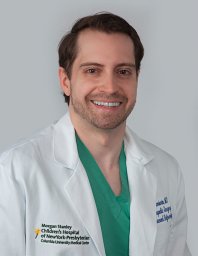 Sarmiento J Manuel合作论文数1Patil Chirag G合作论文数1




