BACKGROUND:Comparative durability of subsequent procedures after transcatheter aortic valve replacement (TAVR) remains unclear. This study aimed to assess long-term outcomes of repeated TAVR vs TAVR explantation for bioprosthetic valve dysfunction after TAVR. METHODS:Medicare beneficiaries undergoing aortic valve reintervention after index TAVR (January 2012-December 2020) were assigned to repeated TAVR or TAVR explantation categories. Exclusion criteria included endocarditis or reintervention during the same admission. Primary outcome was 5-year mortality; secondary outcomes included major adverse cardiovascular events (death, pacemaker placement, major bleeding, stroke, acute kidney injury, cardiac arrest). Time-to-event analyses used Kaplan-Meier curves. Adjusted outcomes were assessed by 1:1 propensity matching. RESULTS:Of 1172 patients undergoing reintervention after TAVR, 70.6% had repeated TAVR and 29.4% had TAVR explantation. Repeated TAVR patients were older and more often female, with higher Charlson comorbidity score (all P < .05). Median follow-up was 29.2 months (27.7 months repeated TAVR, 32.3 months TAVR explantation). In the propensity score-matched cohorts, 30- and 90-day mortality was higher after TAVR explantation, but Kaplan-Meier estimated cumulative mortality was lower in TAVR explantation at 3 and 5 years (all P < .001). Survival curves crossed at approximately 9 months, after which TAVR explantation maintained a persistent advantage. The hazard ratio during the entire follow-up was 0.61 (95% CI, 0.49-0.75; P < .001). Similar survival patterns were observed across Charlson comorbidity stratification and after exclusion of concomitant procedures. CONCLUSIONS:Although repeated TAVR showed lower short-term mortality, long-term outcomes favored TAVR explantation. These findings suggest that for Medicare beneficiaries experiencing TAVR failure, there is a subset of patients who could benefit from TAVR explantation over repeated TAVR.
Background Direct oral anticoagulants (DOACs) are a commonly used class of anti-coagulants that may complicate surgical management of acute Type A aortic dissection (ATAAD). Methods Surgical management and clinical courses were described for patients who presented to our institution with ATAAD while taking DOACs, after FDA approval of the two currently available reversal agents. A thorough literature review was completed for cases of administration of DOAC reversal agents in ATAAD. Results The only patient treated with andexanet-alfa had heparin insensitivity while on cardiopulmonary bypass. Four other patients were successfully managed with a combination of surgical delay and factor repletion. Conclusion This case series demonstrates that preoperative management of DOACs in patients with ATAAD may employ factor repletion with success. Literature review demonstrated a safety signal for heparin insensitivity or pump thrombosis when andexanet-alfa was administered before or while on cardiopulmonary bypass or extracorporeal membrane oxygenation. Our institutional clinical practice guidelines recommend against administration of andexanet-alfa within 4 to 6 hours before heparinization for surgery in ATAAD but recommend considering andexanet-alfa administration when there is life-threatening bleeding after heparin reversal that is thought to be due to Xa-inhibition with laboratory evidence of elevated anti-Xa activity.
BACKGROUND:Valve-in-valve transcatheter aortic valve replacement (ViV-TAVR) is associated with improved perioperative safety compared with redo surgical aortic valve replacement (redo-SAVR), but long-term outcomes remain uncertain. We therefore compare long-term outcomes of ViV-TAVR and redo-SAVR. METHODS:The study included 1:1 propensity score-matched Medicare beneficiaries with degenerated bioprosthetic valves admitted between September 29, 2011, and December 30, 2020, undergoing either redo-SAVR or ViV-TAVR. Exclusion criteria included endocarditis, other concomitant cardiac surgery, and aortic valve reintervention during the same admission. The primary outcome was 5-year survival. Composite secondary outcomes included major adverse cardiovascular events (30-day operative mortality, stroke, or acute myocardial infarction) and major valve event-free survival (congestive heart failure readmission, endocarditis, or aortic valve reintervention). Time-to-event analyses used Kaplan-Meier analysis and multivariable Cox proportional hazards modeling. RESULTS:Overall, 4699 patients, including 1775 redo-SAVR and 2924 ViV-TAVR patients, were identified. Redo-SAVR patients were younger (median [interquartile range], 72 [68-77] years vs 79 [73-84] years) with less congestive heart failure (39.6% vs 68.8%) and prior coronary artery bypass grafting (17.9% vs 32.0%; all P < .05). In the propensity score-matched cohorts of 1256 patients each, redo-SAVR had higher major adverse cardiovascular events (17.4% vs 13.1%; P = .003) but better major valve event-free (71 [62-79] months vs 43 [38-47] months; P < .001) and 5-year (62.3% vs 46.7%; P < .001) survival. After stratification by Charlson comorbidity index, the long-term survival benefit persisted in patients of lower (67.6% vs 54.9%; P = .001) and medium or higher risk (55.1% vs 36.7%; P < .001). CONCLUSIONS:Redo-SAVR may have better long-term survival than ViV-TAVR despite greater perioperative morbidity. Clinical trial data are needed to fully inform clinical decision-making about degenerated bioprosthetic valve reintervention, particularly for patients with reasonable life expectancy.
Background Epistaxis is common with antithrombotic therapy and is often troublesome to patients, yet its frequency, severity, and outcomes are poorly characterized. Methods and Results Effective Anticoagulation with Factor Xa Next Generation in Atrial Fibrillation–Thrombolysis in Myocardial Infarction 48 (ENGAGE AF‐TIMI 48) randomized 21 105 patients with atrial fibrillation and CHADS2 risk score ≥2 to higher‐dose edoxaban regimen (60 mg daily, dose‐reduced to 30 mg), lower‐dose edoxaban regimen (30 mg, dose reduced to 15 mg, daily), or warfarin. Bleeds were adjudicated using International Society on Thrombosis and Haemostasis criteria. Patients with intracranial hemorrhage during follow‐up were excluded; those with >1 bleeding event were categorized according to their most severe event. The safety cohort with interval censoring during drug interruption was analyzed. Proportions were compared using Pearson's chi‐square test and treatment arms were compared using a Cox proportional hazards model. Among 5247 patients with a bleeding event, 1008 (19.2%) had epistaxis and 4239 (80.8%) had nonepistaxis bleeding. Epistaxis events were less severe than nonepistaxis bleeds (International Society on Thrombosis and Haemostasis major: 3.2% versus 20.7%; clinically relevant nonmajor: 64.7% versus 60.1%; minor: 32.1% versus 19.2%; P <0.001). Permanent drug discontinuation was similar following epistaxis versus nonepistaxis bleeding in patients with major (59.4% versus 53.6%; P =0.52) or clinically relevant nonmajor (32.5% versus 33.3%; P =0.70) bleeding but was significantly higher in patients with minor epistaxis versus other minor bleeds (33.3% versus 23.9%; P =0.001). Compared with warfarin, higher‐dose edoxaban regimen had similar risk of epistaxis (hazard ratio [HR], 1.09 [95% CI, 0.95–1.26]), whereas lower‐dose edoxaban regimen conferred reduced risk (HR, 0.73 [95% CI, 0.62–0.86]). Conclusions Epistaxis was frequent, and despite being overall less severe than nonepistaxis bleeding, was associated with similar rates of anticoagulant discontinuation. Compared with warfarin, lower‐dose edoxaban regimen reduced the risk of epistaxis by 27% whereas higher‐dose edoxaban regimen had no effect. Registration URL: https://clinicaltrials.gov ; Unique Identifier: NCT00781391 .
IntroductionPediatric tonsillectomy is a frequent otolaryngologic procedure. This study aimed to characterize disparities in post-tonsillectomy revisits, including emergency department evaluation, readmission, or reoperation as well as indication for revisit.MethodsCases of inpatient and ambulatory pediatric tonsillectomy in New York and Florida in 2016 constituted the analytic sample. Patients were extracted from the State Ambulatory Surgery Databases (SASD) and State Inpatient Databases (SID) and linked to the SID and State Emergency Department Database (SEDD) and SASD. Outcomes include 3 types of revisits within 30 days: ED visits, hospital readmissions, and reoperation. Indication for revisit was also analyzed. Multivariable analysis determined the association of each outcome with gender, age, race/ethnicity, primary payer, urbanicity, and zip code median household income quartile. The Holm Bonferroni test was used to correct for multiple hypothesis testing.Results15,264 pediatric tonsillectomies were included. The revisit rate was 6.77% (N = 1,034, 49.1% female; 6 years median age [interquartile range: 5]). The 30-day ED revisit rate was 4.85%, readmission rate was 1.27%, and reoperation rate was 0.65%. On multivariate analysis, Latinx patients (OR = 3.042, 95% CI = 1.393-6.803) and those who identify as other race/ethnicity (OR = 6.116, 95% CI = 1.989 - 19.245) have greater odds of requiring inpatient care for indications including pain, dehydration, nausea, and vomiting compared to white patients. No significant differences in tier of care for the management of post-tonsillectomy hemorrhage were identified.ConclusionDisparities in pediatric post-tonsillectomy ED presentation, readmission and reoperation demonstrate opportunities to improve patient safety and equity.
(1) Background: This study examines frailty’s impact on proximal aortic surgery outcomes. (2) Methods: All patients with a thoracic aortic aneurysm who underwent aortic root, ascending aorta, or arch surgery from the 2016–2017 National Inpatient Sample were included. Frailty was defined by the Adjusted Clinical Groups Frailty Indicator. Outcomes of interest included in-hospital mortality and a composite of death, stroke, acute kidney injury (AKI), and major bleeding (MACE). (3) Results: Among 5745 patients, 405 (7.0%) met frailty criteria. Frail patients were older, with higher rates of chronic pulmonary disease, diabetes, and chronic kidney disease. There was no difference in in-hospital death (4.9% vs. 2.4%, p = 0.169); however, the frail group exhibited higher rates of stroke and AKI. Frail patients had a longer length of stay (17 vs. 8 days), and higher rates of non-home discharge (74.1% vs. 54.3%) than non-frail patients (both p < 0.001). Sensitivity analysis confirmed increased morbidity and mortality in frail individuals. After adjusting for patient comorbidities and hospital characteristics, frailty independently predicted MACE (OR 4.29 [1.88–9.78], p = 0.001), while age alone did not (OR 1.00 [0.99–1.02], p = 0.568). Urban teaching center status predicted a lower risk of MACE (OR 0.27 [0.08–0.94], p = 0.039). (4) Conclusions: Frailty is associated with increased morbidity in proximal aortic surgery and is a more significant predictor of mortality than age. Coordinated treatment in urban institutions may enhance outcomes for this high-risk group.
BACKGROUND: Delays in hospital presentation limit access to acute stroke treatments. While prior research has focused on patient-level factors, broader ecological and social determinants have not been well studied. We aimed to create a geospatial map of prehospital delay and examine the role of community-level social vulnerability. METHODS: We studied patients with ischemic stroke who arrived by emergency medical services in 2015 to 2017 from the American Heart Association Get With The Guidelines-Stroke registry. The primary outcome was time to hospital arrival after stroke (in minutes), beginning at last known well in most cases. Using Geographic Information System mapping, we displayed the geography of delay. We then used Cox proportional hazard models to study the relationship between community-level factors and arrival time (adjusted hazard ratios [aHR] <1.0 indicate delay). The primary exposure was the social vulnerability index (SVI), a metric of social vulnerability for every ZIP Code Tabulation Area ranging from 0.0 to 1.0. RESULTS: Of 750 336 patients, 149 145 met inclusion criteria. The mean age was 73 years, and 51% were female. The median time to hospital arrival was 140 minutes (Q1: 60 minutes, Q3: 458 minutes). The geospatial map revealed that many zones of delay overlapped with socially vulnerable areas (https://harvard-cga.maps.arcgis.com/apps/webappviewer/index.html?id=08f6e885c71b457f83cefc71013bcaa7). Cox models (aHR, 95% CI) confirmed that higher SVI, including quartiles 3 (aHR, 0.96 [95% CI, 0.93-0.98]) and 4 (aHR, 0.93 [95% CI, 0.91-0.95]), was associated with delay. Patients from SVI quartile 4 neighborhoods arrived 15.6 minutes [15-16.2] slower than patients from SVI quartile 1. Specific SVI themes associated with delay were a community's socioeconomic status (aHR, 0.80 [95% CI, 0.74-0.85]) and housing type and transportation (aHR, 0.89 [95% CI, 0.84-0.94]). CONCLUSIONS: This map of acute stroke presentation times shows areas with a high incidence of delay. Increased social vulnerability characterizes these areas. Such places should be systematically targeted to improve population-level stroke presentation times.
Transcatheter aortic valve replacement may be performed with a transcarotid approach when peripheral vascular disease is prohibitive for transfemoral access. In this case, a patient who presented in cardiogenic shock secondary to severe aortic stenosis developed electroencephalographic changes during transcarotid TAVR. A temporary extracorporeal femoro-carotid shunt permitted successful TAVR.
Acute type A aortic dissection (ATAAD) is a surgical emergency with a nonoperative mortality rate of up to 1% per hour and an operative mortality rate as high as 24%. Therefore, evaluation of comorbidities and patient presentation characteristics prompts a pause for risk stratification before proceeding to the operating room, as emergent surgery may not always be the optimal approach. This comprehensive review explores key considerations in ATAAD management, emphasizing the need for nuanced decision making, by considering medical management and delayed surgery as an alternative management approach for high-risk populations such as the frail or patients who have a history of cardiac surgery. Beyond the immediate threat of aortic rupture, organ malperfusion stands out as the most feared complication of ATAAD, also elevating perioperative risk significantly. In such cases, careful assessment of patient’s hemodynamic status is paramount. For stable patients, a thorough preoperative strategy and multidisciplinary discussions are encouraged. Notably, the advent of endovascular techniques provides viable lower-risk alternatives to the traditional open approach. The consequences of ATAAD surgical intervention extend beyond the immediate procedural concerns, with a substantial impact on the patient’s overall function. Prioritizing patient-centered care becomes imperative in aligning management with individual goals of care. This review seeks to provide insights into these considerations by offering a stepwise approach to patient-centered decision-making in ATAAD management.
INTRODUCTION In 2015, the United States moved from the International Classification of Diseases, Ninth Revision ( ICD-9 ), to the International Classification of Diseases, Tenth Revision ( ICD-10 ), coding system. The American Association for the Surgery of Trauma Committee on Severity Assessment and Patient Outcomes previously established a list of ICD-9 diagnoses to define the field of emergency general surgery (EGS). This study evaluates the general equivalence mapping (GEM) crosswalk to generate an equivalent list of ICD-10 –coded EGS diagnoses. METHODS The GEM was used to generate a list of ICD-10 codes corresponding to the American Association for the Surgery of Trauma ICD-9 EGS diagnosis codes. These individual ICD-9 and ICD-10 codes were aggregated by surgical area and diagnosis groups. The volume of patients admitted with these diagnoses in the National Inpatient Sample in the ICD-9 era (2013–2014) was compared with the ICD-10 volumes to generate observed to expected ratios. The crosswalk was manually reviewed to identify the causes of discrepancies between the ICD-9 and ICD-10 lists. RESULTS There were 485 ICD-9 codes, across 89 diagnosis categories and 11 surgical areas, which mapped to 1,206 unique ICD-10 codes. A total of 196 (40%) ICD-9 codes have an exact one-to-one match with an ICD-10 code. The median observed to expected ratio among the diagnosis groups for a primary diagnosis was 0.98 (interquartile range, 0.82–1.12). There were five key issues identified with the ability of the GEM to crosswalk ICD-9 EGS diagnoses to ICD-10 : (1) changes in admission volumes, (2) loss of necessary modifiers, (3) lack of specific ICD-10 code, (4) mapping to a different condition, and (5) change in coding nomenclature. CONCLUSION The GEM provides a reasonable crosswalk for researchers and others to use when attempting to identify EGS patients in with ICD-10 diagnosis codes. However, we identify key issues and deficiencies, which must be accounted for to create an accurate patient cohort. This is essential for ensuring the validity of policy, quality improvement, and clinical research work anchored in ICD-10 coded data. LEVEL OF EVIDENCE Diagnostic Test/Criteria; Level III.
Objective The interdependence of hospitals is underappreciated in patient outcomes studies. We used a network science approach to foreground this interdependence. Specifically, within two large state-based interhospital networks, we examined the relationship of a hospital’s network position with in-hospital mortality and length of stay. Methods We constructed interhospital network graphs using data from the Healthcare Cost and Utilization Project and the American Hospital Association Annual Survey for Florida (2014) and California (2011). The exposure of interest was hospital centrality, defined as weighted degree (sum of all ties to a given hospital from other hospitals). The outcomes were in-hospital mortality and length of stay with sub-analyses for four acute medical conditions: pneumonia, heart failure, ischemic stroke, myocardial infarction. We compared outcomes for each quartile of hospital centrality relative to the most central quartile (Q4), independent of patient- and hospital-level characteristics, in this retrospective cross-sectional study. Results The inpatient cohorts had 1,246,169 patients in Florida and 1,415,728 in California. Compared to Florida’s central hospitals which had an overall mortality 1.60%, peripheral hospitals had higher in-hospital mortality (1.97%, adjusted OR (95%CI): Q1 1.61 (1.37, 1.89), p<0.001). Hospitals in the middle quartiles had lower in-hospital mortality compared to central hospitals (%, adjusted OR (95% CI): Q2 1.39%, 0.79 (0.70, 0.89), p<0.001; Q3 1.33%, 0.78 (0.70, 0.87), p<0.001). Peripheral hospitals had longer lengths of stay (adjusted incidence rate ratio (95% CI): Q1 2.47 (2.44, 2.50), p<0.001). These findings were replicated in California, and in patients with heart failure and pneumonia in Florida. These results show a u-shaped distribution of outcomes based on hospital network centrality quartile. Conclusions The position of hospitals within an inter-hospital network is associated with patient outcomes. Specifically, hospitals located in the peripheral or central positions may be most vulnerable to diminished quality outcomes due to the network. Results should be replicated with deeper clinical data.
OBJECTIVE:To determine the association between SAO workforce and mortality from emergent surgical and obstetric conditions within US HR Rs.BACKGROUND:SAO workforce per capita has been identified as a core metric of surgical capacity by the Lancet Commission on Global Surgery, but its utility has not been assessed at the subnational level for a high-income country.METHODS:The number of practicing surgeons, anesthesiologists, and obstetricians per capita was estimated for all HRRs using the US Health Resources & Services Administration Area Health Resource File Database. Deaths due to emergent general surgical and obstetric conditions were determined from the Center for Disease Control and Prevention WONDER database. We utilized B-spline quantile regression to model the relationship between SAO workforce and emergent surgical mortality at different quantiles of mortality and calculated the expected change in mortality associated with increases in SAO workforce.RESULTS:The median SAO workforce across all HRRs was 74.2 per 100,000 population (interquartile range 33.3-241.0). All HRRs met the Lancet Commission on Global Surgery lower target of 20 SAO per 100,000, and 97.7% met the upper target of 40 per 100,000. Nearly 2.8 million Americans lived in HRRs with fewer than 40 SAO per 100,000. Increases in SAO workforce were associated with decreases in surgical mortality in HRRs with high mortality, with minimal additional decreases in mortality above 60 to 80 SAO per 100,000.CONCLUSIONS:Increasing SAO workforce capacity may reduce emergent surgical and obstetric mortality in regions with high surgical mortality but diminishing returns may be seen above 60 to 80 SAO per 100,000. Trial Registration: N/A.
Introduction: Despite concerns about long-term dependence, opioids remain the mainstay of treatment for acute pain from traumatic injuries. Additionally, early pain management has been associated with improved long-term outcomes in injured patients. We sought to identify the patterns of prehospital pain management across the United States. Methods: We used 2019 national emergency medical services (EMS) data to identify the use of pain management for acutely injured patients. Opioid specific dosing was calculated in morphine milligram equivalents (MME). The effects of opioids as well as adverse events were identified through objective patient data and structured provider documentation. Results: We identified a total of 3,831,768 injured patients, 85% of whom were treated by an advanced life support (ALS) unit. There were 269,281 (7.0%) patients treated with opioids, including a small number of patients intubated by EMS ( n = 1537; 0.6%). The median opioid dose was 10 MME [IQR 5-10] and fentanyl was the most commonly used opioid (88.2%). Patients treated with opioids had higher initial pain scores documented by EMS than those not receiving opioids (median: 9 vs 4, p < 0.001), and had a median reduction in pain score of 3 points (IQR 1-5) based on the final prehospital pain score. Adverse events associated with opioid administration, including episodes of altered mental status ( n = 453; 0.2%) and respiratory compromise ( n = 252; 0.1%), were rare. For patients with severe pain ( >= 8/10), 27.3% of patients with major injuries (ISS >= 15) were treated with opioids, compared with 24.8% of those with moderate injuries (ISS 9-14), and 21.4% of those with minor (ISS 1-8) injuries ( p < 0.001). Conclusion: The use of opioids in the prehospital setting significantly reduced pain among injured patients with few adverse events. Despite its efficacy and safety, the majority of patients with major injuries and severe pain do not receive opioid analgesia in the prehospital setting. (c) 2022 Elsevier Ltd. All rights reserved.
Interview with Dr. Melissa Wachterman on cultural factors and financial incentives driving where people in the United States choose to die. (10:09)Download The perception that a good death is one that occurs at home is ingrained in our cultural and social history. But palliative care clinicians have begun to question this idea. What is needed is high-quality end-of-life care that aligns with individual goals and needs.
IMPORTANCE Advance care planning (ACP) can promote patient-centered end-of-life (EOL) care and is intended to ensure that medical treatments are aligned with patient's values. Sexual and gender minority (SGM) people face greater discrimination in health care settings compared with heterosexual, cisgender people, but it is unknown whether such discrimination occurs in ACP and how it might affect the ACP experiences of SG M people. OBJECTIVES To increase understanding of barriers and facilitators of ACP facing SGM individuals. DESIGN, SETTING, AND PARTICIPANTS This mixed-methods national study of ACP included a telephone survey of self-identified SGM and non-SG M participants in a nationally representative sample drawn from a larger omnibus national panel by SSRS. Qualitative interviews were conducted with a subset of survey participants who identified as SGM. Data were collected from October 2020 to March 2021. EXPOSURES Self-identified SGM. MAIN OUTCOMES AND MEASURES The survey included 4 items from the validated ACP Engagement Survey, adapted to capture experiences of discrimination. Interviews asked about participants' experiences with ACP, including the appointment of medical decision-makers, sharing preferences, and experiences within the health care system more broadly. RESULTS A total of 603 adults participated in the survey, with 201 SGM individuals (mean [SD] age, 45.7 [18.7] years; 101 [50.2%] female; 22 [10.9%] Black, 37 [18.4%] Hispanic, and 140 [69.7%] White individuals) and 402 non-SGM individuals (mean [SD] age, 53.7 [19.2] years; 199 [49.5%] female; 35 [8.7%] Black, 41 [10.2%] Hispanic. and 324 [80.6%] White individuals). Regarding reasons for not completing ACP. SGM respondents, compared with non-SG M respondents, were more likely to say "I don't seethe need" (72 [73.5%] vs 131[57.2%],P = .006) and "I feel discriminated against by others" (12 [12.2%] vs 6 [2.6%], P < .001). Of 25 completed interviews among SGM participants, 3 main themes were identified: how fear and experiences of discrimination affect selection of clinicians and whether to disclose SGM identity; concerns about whether EOL preferences and medical decision-makers would be supported; and a preference to discuss EOL decisions and values outside of clinical settings. CONCLUSIONS AND RELEVANCE This study found that fear of disclosing sexual orientation or gender identity information and discrimination are important barriers to ACP for SGM in clinical settings, but discussions of preferences and values still occur between many SGM people and medical decision-makers. More SGM-specific patient-centered care might better support these discussions within the health care system. Furthermore, health systems can facilitate improved engagement by supporting clinician sensitivity training, including guidance on documentation and requirements.
Background Medicare introduced billing codes in 2016 to encourage clinicians to engage in advance care planning (ACP) and promote goal-concordantend-of-life care, but uptake has been modest. While prior research examined individual-level factors in ACP billing, organization-level factors associated with physician practices billing for ACP remain unknown. Objective Examine the role of practices in ACP billing. Design Retrospective cohort study analyzing 2016-2018 national Medicare data. Participants A total of 53,926 practices with at least 10 attributed Medicare beneficiaries. Main Measures Outcomes were practice-level ACP billing (any use by the practice) and ACP use rate by practice-attributed beneficiaries. Practice characteristics were number of beneficiaries attributed to the practice; percentage of beneficiaries by race, Medicare-Medicaid dual enrollment, sex, and age; practice size; and specialty mix. Key Results Fifteen percent of practices billed for ACP. In adjusted models, we found higher odds of ACP billing and higher ACP use rates among practices with more primary care physicians (billing AOR: 10.01, 95%CI: 8.81-11.38 for practices with 75-100% (vs 0) primary care physicians), and those serving more Medicare beneficiaries (billing AOR: 4.55, 95%CI 4.08-5.08 for practices with highest (vs lowest) quintile of beneficiaries), and larger shares of female beneficiaries (billing AOR: 3.06, 95% CI 2.01-4.67 for 75-100% (vs <25%) female ). Conclusions Several years after Medicare introduced ACP reimbursements for physicians, relatively few practices bill for ACP. ACP billing was more likely in large practices with a greater percentage of primary care physicians. To increase ACP billing uptake, policymakers and health system leaders might target interventions to larger practices where a small number of physicians already bill for ACP and to specialty practices that serve as the primary source of care for seriously ill patients.
Purpose: We examined the use of advance care planning (ACP) among Medicare beneficiaries who were identified as transgender. Methods: This study is a cross-sectional analysis of Medicare claims from 2016 to 2018, comparing ACP visits between transgender and other beneficiaries. Results: Beneficiaries identified as transgender were slightly more likely than those who were dual eligible for Medicaid and Medicare, and the remaining fee-for-service Medicare population, to have received a claim for ACP. However, racial and ethnic differences exist and transgender beneficiaries were more likely to receive an ACP claim from hospice/palliative care clinicians compared with primary care clinicians relative to other beneficiaries. Conclusions: Differences in ACP provision may exacerbate disparities in access to ACP benefits faced by transgender patients.
Background Dementia is a leading cause of death for older adults and is more common among persons from racial/ethnic minoritized groups, who also tend to experience more intensive end-of-life care. This retrospective cohort study compared end-of-life care in persons with and without dementia and identified dementia's moderating effects on the relationship between race/ethnicity and end-of-life care. Methods Administrative claims data for 463,590 Medicare fee-for-service decedents from 2016 to 2018 were analyzed. Multivariable logistic and linear regression analyses examined the association of dementia with 5 intensive and 2 quality of life-focused measures. Intensity measures included hospital admission, ICU admission, receipt of any of 5 intensive procedures (CPR, mechanical ventilation, intubation, dialysis initiation, and feeding tube insertion), hospital death, and Medicare expenditures (last 30 days of life). Quality of life measures included timely hospice care (>3 days before death) and days at home (last 6 months of life). Models were adjusted for demographic and clinical factors. Results 54% of Medicare decedents were female, 85% non-Hispanic White, 8% non-Hispanic Black, and 4% Hispanic. Overall, 51% had a dementia diagnosis claim. In adjusted models, decedents with dementia had 16%-29% lower odds of receiving intensive services (AOR hospital death: 0.71, 95% CI: 0.70-0.72; AOR hospital admission: 0.84, 95% CI: 0.83-0.86). Patients with dementia had 45% higher odds of receiving timely hospice (AOR: 1.45, 95% CI: 1.42-1.47), but spent 0.74 fewer days at home (adjusted mean: -0.74, 95% CI: (-0.98)-(-0.49)). Compared to non-Hispanic White individuals, persons from racial/ethnic minoritized groups were more likely to receive intensive services. This effect was more pronounced among persons with dementia. Conclusions Although overall dementia was associated with fewer intensive services near death, beneficiaries from racial/ethnic groups minoritized with dementia experienced more intensive service use. Particular attention is needed to ensure care aligns with the needs and preferences of persons with dementia and from racial/ethnic minoritized groups.
Study objective: The COVID-19 pandemic in the United States has underscored the need to understand health care in a regional context. However, there are multiple definitions of health care regions available for conducting geospatial analyses. In this study, we compare the novel Pittsburgh Atlas, which defined regions for emergency care, with the existing definitions of regions, counties, and the Dartmouth Atlas, with respect to nonemergent acute medical conditions using pneumonia admissions. Methods: We identified patients hospitalized with a primary diagnosis of pneumonia or a primary admitting diagnosis of sepsis with a secondary diagnosis of pneumonia in the Agency for Healthcare Research and Quality's State Inpatient Databases. We calculated the percentage of region concordant care, the localization index, and market share for 3 definitions of health care regions (the Pittsburgh Atlas, Dartmouth Atlas, and counties). We used logistic regression identified predictors of region concordant care. Results: We identified 1,582,287 patients who met the inclusion criteria. We found that the Pittsburgh Atlas and Dartmouth Atlas definitions of regions performed similarly with respect to both localization index (92.0 [interquartile range 87.9 to 95.7] versus 90.3 [interquartile range 81.4 to 94.5]) and market share (8.5 [interquartile range 5.1 to 13.6] versus 9.4 [interquartile range 6.7 to 14.1]). Both atlases outperformed the localization index (67.5 [interquartile range 49.9 to 83.9]) and market share (20.0% [interquartile range 11.4 to 31.4]) of the counties. Within a given referral region, the demographic factors, including age, sex, race/ethnicity, insurance status, and the level of severity, affected concordance rates between residential and hospital regions. Conclusion: Because the Pittsburgh Atlas also has the benefit of respecting state and county boundaries, the use of this definition may have improved policy applicability without sacrificing accuracy in defining health care regions for acute medical conditions.
 Regan W. Bergmark合作论文数Department of Otolaryngology Head and Neck Surgery, Harvard Medical School, Harvard University;Brigham and Women's Hospital12
 Jarman Molly P合作论文数10
 Joel S. Weissman合作论文数Harvard T.H. Chan School of Public Health, Harvard University10
 Reich Amanda J合作论文数9Adoma Manful合作论文数8Sabe Ashraf A合作论文数7
 Thais Faggion Vinholo合作论文数Aortic Institute at Yale-New Haven Hospital, Yale University6
 Ladin Keren合作论文数Interfaculty Initiative on Health Policy, Harvard University6
 Holly G Prigerson合作论文数Joan and Sanford I. Weill Department of Medicine, Weill Cornell Medicine;Center for Research on End-of-Life Care, Weill Cornell Medicine5
 Gezzer Ortega合作论文数Dept Surg, Howard Univ5Paige Newell合作论文数4Elizabeth A Luth合作论文数Institute for Health, Health Care Policy, and Aging Research and Department of Family Medicine and Community Health, Rutgers University4
 Amar Dhand合作论文数Department of Neurology, University of California San Francisco4Michael K. Dalton合作论文数3Jake Awtry合作论文数3Wendy Williams合作论文数3
 Paul Truche合作论文数Harvard Medical School - Program in Global Surgery and Social Change, Boston, Massachusetts3
 Tarsicio Uribe-Leitz合作论文数Department of Surgery, Stanford University School of Medicine3
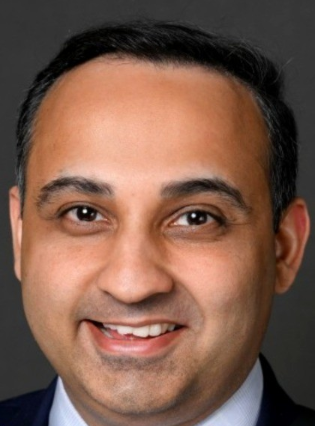 Sameer Hirji合作论文数Division of Cardiac Surgery, Brigham and Women's Hospital, Harvard Medical School;Department of Surgery, Brigham and Women's Hospital;Mass General Brigham3
 Zara Cooper合作论文数Brigham and Women’s Hospital, Harvard Medical School3John G. Meara合作论文数3
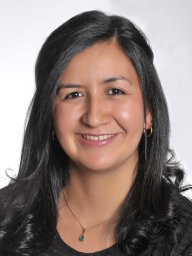 Lina Roa合作论文数University of Calgary3
 Jennifer Tjia合作论文数Division of Geriatric Medicine, University of Massachusetts Medical School3Samir K Shah合作论文数2Stephen Perez合作论文数2Amber Nieves合作论文数2Jeremy Ader合作论文数2
 Morgan Harloff合作论文数2Khanjan Shah合作论文数2Lingwei Xiang合作论文数Ctr Surg & Publ Hlth, Brigham & Womens Hosp2Carey Candrian合作论文数2
 Kevin Sheth合作论文数Department of Neurology and Neurosurgery, Yale School of Medicine, Yale University;Yale Center for Brain & Mind Health, Yale School of Medicine, Yale University2
 Gregg C. Fonarow合作论文数Department of Medicine, University of California, Los Angeles2
 Priscilla K Gazarian合作论文数Simmons College2
 Eric Smith合作论文数Department of Clinical Neurosciences, University of Calgary2
 Goralnick Eric合作论文数2Tsuyoshi Kaneko合作论文数2
 Justin C. McCarty合作论文数Lake Erie of Osteopathic Medicine2
 Robert P Giugliano合作论文数Cardiovascular Division, Brigham and Women’s Hospital;Harvard Medical School2
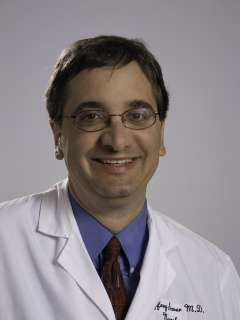 Jeffrey L. Saver合作论文数Department of Neurology, University of California, Los Angeles2
 Ali Salim合作论文数Howard University,College of Medicine2
 Elliott Marshall Antman合作论文数Brigham and Women's Hospital;Harvard Medical School;Boston Biomedical Innovation Center2
 Craig Mcclain合作论文数Children’s Hospital Boston, Harvard Medical School2
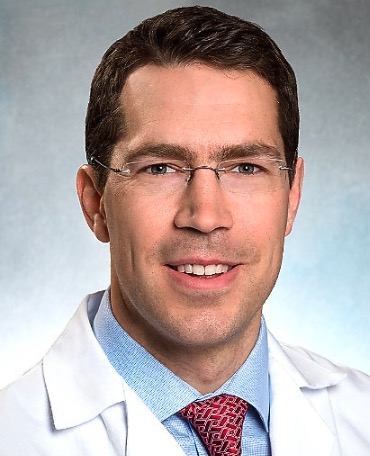 Brian A. Bergmark合作论文数Division of Cardiovascular Medicine, Brigham and Women's Hospital;Heart and Vascular Center, Brigham and Women's Hospital;Harvard Medical School2Siobhan Mcgurk合作论文数2
 Christian Thomas Ruff合作论文数Cardiovascular Division, Brigham and Women's Hospital;Harvard Medical School2
 Lee Schwamm合作论文数Yale School of Medicine2
 Mat Reeves合作论文数Department of Epidemiology and Biostatistics, College of Human Medicine, Michigan State University2
 Tanujit Dey合作论文数2




