Tissue engineering approaches to spinal cord injury (SCI) treatment are attractive because they allow for manipulation of native regeneration processes involved in restoration of the integrity and function of damaged tissue. A clinically relevant spinal cord regeneration animal model requires that the model mimics specific pathologic processes that occur in human SCI. This manuscript discusses issues related to preclinical testing of tissue engineering spinal cord regeneration strategies from a number of perspectives. This discussion includes diverse causes, pathology and functional consequences of human SCI, general and species related considerations, technical and animal care considerations, and data analysis methods.
INTRODUCTION Activation of Vbeta8+ T cells with superantigen staphylococcal enterotoxin B (SEB) and use of an antitumor, anti-CD3 bispecific antibody (BsAb) leads to tumor protective immunity. We hypothesize that Vbeta8+ T-cell activation in combination with BsAb is crucial for tumor protective immunity in this model. METHODS Adolescent C3H/HeN mice were intravenously injected with syngeneic CL62 melanoma to establish pulmonary metastasis. Three days after establishing pulmonary metastasis, predominantly Vbeta8+ T cells are activated with 50 mug of intraperitoneal superantigen SEB. T cells were depleted at different time points in relation to SEB administration to assess the effect on protective immunity against a second tumor challenge. RESULTS Protective immunity is significantly (P < 0.008) decreased when Vbeta8+ depletion occurs 6 h after SEB injection, as growth of rechallenged CL62 melanoma occurred in 43%. Protective immunity is present at all other time points when mice survive Vbeta8+ T-cell depletion. Survival of animals treated with SEB/BsAb (82%) is significantly better (P < 0.002) than with SEB alone (60%) or nontreated control (0%). Survival when Vbeta8+ T-cell depletion occurred at 6 h and 48 h post-SEB is 72% and 77%, respectfully, and is statistically indistinguishable (P < 0.232 and P < 0.602). If T-cell depletion was conducted before SEB administration, however, the combination of SEB and BsAb did not result in significant protective immunity. T-cell depletion before the use of SEB alone, without BsAb, failed to result in significant protective immunity. CONCLUSIONS Depletion of Vbeta8+ T cells 6 h after activation disrupts the development of protective immunity.
MODERN ORTHOPEDIC SURGERY HAS become complex and technically sophisticated. Orthopedic surgeons and basic scientists have translated recent advances in chemistry, molecular biology, physiology, and biomaterials science into novel management options for their patients. In particular, the development of new synthetic bone graft substitutes (BGS) represents a rapidly evolving area. These synthetic biomaterials may be used alone, as scaffold, or as carrier for bioactive agents (proteins, antibiotics, blood derived or bone marrow derived agents, and cells). To date, most BGS materials available on the market have been classified as Bone Void Fillers (BVF) “intended to be gently packed into bone voids or gaps that are not intrinsic to the stability of the bony structure” [12]. These graft alternatives are subjected to varying degrees of regulatory scrutiny, and thus their true safety and effectiveness in patients may not be known prior to their clinical use [22]. Continuous innovation and the development of new implants raise important issues for technology testing, clinical performance, risk assessment and regulation. It is therefore not surprising that the development of standards for these implants represents an issue that increasingly confronts the professionals from industrial and health care sectors.
and histological types.Contrary to that stage distribution was statistically different between groups, namely due to lack of pts with stage I and 3 times higher incidence of pts with stage IV (38.7% vs. 12.1%;p<0.05) in the study group.As a result curative procedures were performed in 52% of the study group and 88% in the control group (p=0.001),Patients in the POCRC group were followed for an average of 29 months, while controls -for 32 months.Kaplan-Meir analysis at 5 years demonstrated overall survival of 32% in the POCRC and 59% in the NCCRC groups (p=O.OOl).When survival was analyzed by stage it appeared not different between the groups of pts with stage II and IV.For pts with stage III survival was statistically different at 5 years but difference disappeared at 6 years.Perforations were detected in 32 of 75 pts with 26 of them (81%) occurring at the tumor site.In the POCRC group diverting ostomy was utilized in 51 pts (68%) and bypass procedure in 3 (4%).Curative resection was done in 39 pts (52% of all pts).Anastomosis after resection was performed in 21 pts (28% of all or 58.8% of curative resections), in the POCRC group morbidity was 37% and mortality was 5.3%.It can be concluded that decreased 5-year survival in pts with POCRC was attributable to the higher proportion of pts with stage IV compared to the NCCRC group.Stage for stage comparison of survival demonstrates no difference between groups.Though risk of morbiiity and mortality is increased in pts with POCRC, curative resection of the primary cancer must be the goal of surgery when possible.
There are disparate variables available to appraise the quality of the laparoscopic colorectal surgery. Currently available data suggest that laparoscopic colectomy can be completed safely in most cases. It is feasible and offers patient-related benefits similar to those described for other laparoscopic procedures. The framework, within which the quality of laparoscopic colon and rectum surgery is appraised and judged, is discussed with an emphasis on diverse outcomes used to measure quality.
 Heidi Nelson合作论文数Department of Surgery, Mayo Clinic4
 La Boardman合作论文数1JM Cunningham合作论文数1CW Vockley合作论文数1
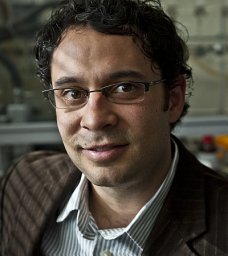 Michael J Moore合作论文数Dept Biomed Engn, Tulane Univ1
 Gloria M. Petersen合作论文数Comprehensive Cancer Center, Mayo Clinic1
 Katti Dhirendra S合作论文数Department of Orthopaedic Surgery, University of Virginia1
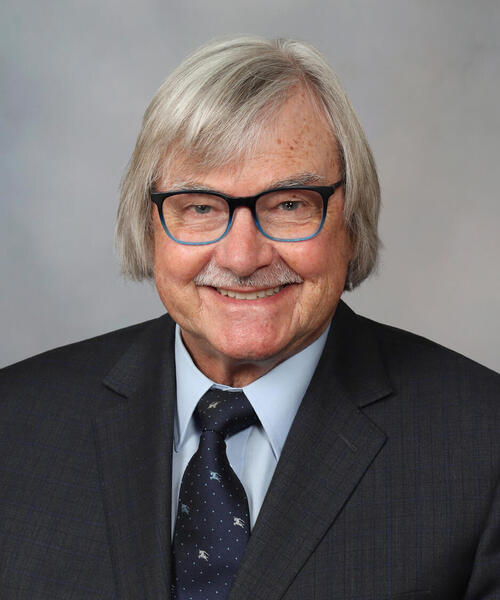 Anthony J. Windebank合作论文数Department of Neurology, Mayo Clinic1Virginia V. Michels合作论文数Mayo Clinic1Jonathan A. Friedman合作论文数1
 Lokesh Joshi合作论文数Department of Bioengineering, Arizona State University1Bradford L. Currier合作论文数1
 Elizabeth J. Mcconnell合作论文数School of Biological and Health Systems Engineering, Arizona State University1Kari G. Rabe合作论文数1
 Michael Yaszemski合作论文数Biomaterials and Tissue Engineering Laboratory, Mayo Clinic1Elisabeth C. Mclemore合作论文数1
 Esmaiel Jabbari合作论文数Department of Biomedical Engineering, Molinaroli College of Engineering and Computing, University of South Carolina1
 Stephen N. Thibodeau合作论文数Laboratory Medicine and Pathology, Mayo Clinic1




