The lymphatic system plays a central role in lipid absorption by transporting triglyceride-rich particles called chylomicrons (CMs) from the small intestine to the systemic circulation. However, the molecular mechanism by which CMs get into the intestinal lymphatics is unknown. Here, we demonstrated that GPR182, an atypical chemokine receptor in lymphatic endothelial cells, mediates dietary fat absorption. GPR182-KO mice exhibited a selective increase in circulating high-density lipoproteins and are resistant to diet-induced obesity. GPR182 ablation in mice led to poor lipid absorption and thereby a delay in growth during development. GPR182 broadly interacted with and transported lipoproteins. Transmission electron microscopy analysis revealed that, mechanistically, loss of GPR182 prevented CMs from entering the lacteal lumen of the small intestine. Consistent with this, GPR182 blockade with mAbs protected mice from diet-induced obesity and treated existing obesity. Together, our study identifies GPR182 as a lipoprotein receptor that mediates dietary fat absorption and supports GPR182 blockade as a feasible approach to treating obesity and related disorders.
BACKGROUND:The influence of obesity and sex on outcomes in pancreatic adenocarcinoma (PDAC) remains unclear. The association between obesity (body mass index [BMI], ≥30) and biologic sex (male or female) for outcomes in patients with PDAC undergoing a surgery-first approach was investigated. METHODS:A prospectively maintained pancreatic cancer database at the Memorial Sloan Kettering Cancer Center was queried to identify all patients undergoing surgery with a pathologic diagnosis of PDAC. Clinicodemographic variables, outcomes, and tumor mutational analyses for all available patients were collected. Cumulative incidence of first recurrence involving the liver was estimated via a cumulative incidence function. Multivariable Cox regression was used to investigate the association between BMI and sex for overall survival. RESULTS:From 2012 to 2022, 939 patients were identified who underwent surgery with a final pathologic diagnosis of PDAC. Median age was 70 years, 52% were male, and 24% were obese (BMI, ≥30). When dichotomized by sex and obesity status (BMI, <30 or ≥30), females with obesity had the lowest cumulative incidence of liver recurrence at 12 and 24 months postsurgery compared to all other groups (13% [95% CI, 7.2%-20%] and 15% [8.7%-23%], respectively). Females with obesity had the longest median overall survival at 37 months. CONCLUSIONS:After curative surgery for pancreatic cancer, females with obesity have a significantly lower rate of liver recurrence and the longest median overall survival. This does not appear to be related to surgical quality, receipt of adjuvant therapy, or tumor mutational profile. Investigation into host immune, metabolic, and hormonal parameters is paramount to understanding these differences.
BACKGROUND:The effectiveness and preferred reconstruction methods of pancreatectomy associated with vein resection (PAVR) for pancreatic cancer, especially for the extensive portal vein/superior mesenteric vein (PV/SMV) resections (more than 4 cm), are still subjects of debate. The aim of this study is to evaluate the safety and feasibility of PAVR by analyzing data from two large institutions from different regions. METHODS:From 2008 to 2018, we identified consecutive series of patients with pancreatic cancer who underwent PAVR at Karolinska University Hospital (KUH), Sweden, and Cancer Institute Hospital, Japanese Foundation of Cancer Research (JFCR), Japan. Both institutions adopted the artery-first approach to enhance surgical precision. This study compared the short- and long-term outcomes, vein resection types, and reconstruction methods between the two centers. RESULTS:A total of 506 patients who underwent PAVR were identified, 211 patients were from KUH and 295 patients were from JFCR. A higher incidence of total pancreatectomy was identified at KUH (24.6 % vs 0.3 %). There were no significant differences in intraoperative estimated blood loss (KUH: 630 ml, JFCR: 600 ml), severe complications rate (8.5 %, 5.1 %), and mortality (2.4 %, 0.7 %). Primary end-to-end anastomosis was primarily performed even if the length of PV/SMV resection was 5 cm or more and achieved successfully with acceptable patency (No thrombus rate: overall cases, 98.0 %; 5 cm or more, 93.5 %). CONCLUSIONS:We report favorable outcomes of PAVR for pancreatic cancer from two high-volume centers in the east and west. Primary end-to-end anastomosis was safe and feasible even if the length of PV/SMV resection was 5 cm or more.
BACKGROUND:Radiologic occult metastatic disease (ROMD) in patients with pancreatic ductal adenocarcinoma (PDAC) who undergo contemporary neoadjuvant chemotherapy (NAC) has not been well studied. This study sought to analyze the incidence, risk factors, and oncologic outcomes for patients who underwent the NAC approach for PDAC. METHODS:A retrospective review analyzed a prospectively maintained database of patients who had potentially resectable PDAC treated with NAC and were offered pancreatectomy at our institution from 2011 to 2022. Multivariable regression analysis was performed to assess risk factors associated with ROMD. Kaplan-Meier curves with log-rank analyses were generated to estimate time-to-event end points. RESULTS:The study enrolled 366 patients. Upfront and borderline resectable anatomic staging comprised 80% of the cohort, whereas 20% had locally advanced disease. The most common NAC regimen was FOLFIRINOX (n = 274, 75%). For 55 patients (15%) who harbored ROMD, the most common site was liver-only metastases (n = 33, 60%). The independent risk factors for ROMD were increasing CA19-9 levels during NAC (odds ratio [OR], 7.01; confidence interval [CI], 1.97-24.96; p = 0.008), indeterminate liver lesions (OR, 2.19; CI, 1.09-4.39; p = 0.028), and enlarged para-aortic lymph nodes (OR, 6.87; CI, 2.07-22.74; p = 0.002) on preoperative cross-sectional imaging. Receipt of palliative chemotherapy (p < 0.001) and eventual formal pancreatectomy (p = 0.04) were associated with survival benefit in the log-rank analysis. The median overall survival (OS) of the patients with ROMD was nearly 15 months from the initial diagnosis, with radiologic evidence of metastases occurring after a median of 2 months. CONCLUSIONS:Radiologic occult metastatic disease remains a clinical challenge associated with poor outcomes for patients who have PDAC treated with multi-agent NAC.
Pancreatic adenocarcinoma remains one of the most aggressive and difficult-to-treat solid tumor malignancies, with a high mortality-to-incidence ratio. Globally, pancreatic cancer ranks 12th in terms of incidence but sixth for mortality signifying its aggressive behavior and limited treatment options. While the mortality rates for many other solid tumors have substantially improved over the past few decades, temporal trends in pancreatic cancer mortality rates are quite sobering. In the United States, from 2000 to 2020, the mortality rates from pancreatic cancer have increased, whereas at the same time, mortality rates from other cancers, such as lung, colorectal, or kidney, have fallen appreciably. Is this for lack of treatment innovation? How do we improve survival for patients with pancreatic cancer? In this chapter, we discuss the recent advances and future directions with targeted therapies and immunotherapies in the treatment of pancreatic cancer, and provide the reasons for both optimism and caution for the future of systemic treatment of pancreatic cancer.
Pancreatic neuroendocrine tumors (PanNETs) are rare malignancies of the pancreas, but their incidence is steadily increasing. Standard therapy with antiangiogenic inhibitors, including sunitinib, has shown clinical benefit for advanced PanNETs; however, its long-term effectiveness is limited due to the development of resistance. In this study, we demonstrate that targeting the CD93-IGFBP7 axis enhances the efficacy of sunitinib by normalizing tumor vasculature in PanNETs. Both CD93 and its ligand IGFBP7 are enriched in the tumor microenvironment (TME) of PanNETs. Disrupting the CD93/IGFBP7 interaction with monoclonal antibodies (mAbs) in RIP1-Tag2 mice normalizes tumor vasculature to inhibit tumor progression and metastasis. Combining anti-CD93 mAb and sunitinib synergistically slows tumor growth and improves survival. Mechanistically, CD93 blockade mitigates sunitinib-induced tumor hypoxia and invasiveness, preventing the upregulation of proangiogenic factors. Critically, anti-CD93 mAb treatment prolongs survival in RIP1-Tag2 mice with late-stage, sunitinib-resistant PanNETs. Our results support CD93 blockade as a promising therapeutic approach for advanced PanNETs.
Resectable cholangiocarcinoma (CCA) arising from the middle of the extrahepatic biliary tree has historically been classified as perihilar or distal CCA, depending on the operation contemplated or performed, namely the associated hepatectomy or pancreaticoduodenectomy, respectively. Segmental bile duct resection is a less invasive alternative for select patients harboring true middle extrahepatic CCA (MCC). A small, yet growing body of literature has emerged detailing institutional experiences with bile duct resection versus pancreaticoduodenectomy or concomitant hepatectomy for MCC. Herein, we provide a brief overview of the epidemiology, preoperative evaluation, and emerging systemic therapies for MCC, and narratively review the existing work comparing segmental resection with pancreaticoduodenectomy or less commonly, hepatectomy, for MCC, with emphasis on the surgical management and oncologic implications of the approach used.
Assessment of individual tumor biology and response to systemic therapy in pancreatic ductal adenocarcinoma (PDAC) remains a clinical challenge. The significance of anthropometric (body composition) changes during chemotherapy as a surrogate for tumor biology in the setting of localized PDAC is unknown. A retrospective, single-institution analysis of patients with PDAC who received neoadjuvant therapy (NAT) and pancreatectomy from 2017 to 2021 was performed. Radiologic anthropometric analysis used artificial intelligence-driven software to segment and compute total and sub-compartment muscle area, adipose tissue area, and attenuation values at the level of the L3 vertebra. Kaplan–Meier survival estimates, log-rank tests, and multivariable Cox regression models were used in survival analyses. The inclusion criteria were met by 138 patients. Although decreases in muscle and adipose tissue areas during NAT were predominant, a subset of patients experienced an increase in these compartments. Increases in muscle greater than 5
C-type lectins, distinguished by a C-type lectin binding domain (CTLD), are an evolutionarily conserved superfamily of glycoproteins that are implicated in a broad range of physiologic processes. The group XIV subfamily of CTLDs are comprised of CD93, CD248/endosialin, CLEC14a, and thrombomodulin/CD141, and have important roles in creating and maintaining blood vessels, organizing extracellular matrix, and balancing pro- and anti-coagulative processes. As such, dysregulation in the expression and downstream signaling pathways of these proteins often lead to clinically relevant pathology. Recently, group XIV CTLDs have been shown to play significant roles in cancer progression, namely tumor angiogenesis and metastatic dissemination. Interest in therapeutically targeting tumor vasculature is increasing and the search for novel angiogenic targets is ongoing. Group XIV CTLDs have emerged as key moderators of tumor angiogenesis and metastasis, thus offering substantial therapeutic promise for the clinic. Herein, we review our current knowledge of group XIV CTLDs, discuss each’s role in malignancy and associated potential therapeutic avenues, briefly discuss group XIV CTLDs in the context of two other relevant lectin families, and offer future direction in further elucidating mechanisms by which these proteins function and facilitate tumor growth.
Objective: To assess the association of survival with neoadjuvant chemotherapy (NAC) in resectable pancreatic adenocarcinoma (PDAC). Summary Background Data: The early control of potential micrometastases and patient selection using NAC has been advocated for patients with PDAC. However, the role of NAC for resectable PDAC remains unclear. Methods: Patients with clinical T1 and T2 PDAC were identified in the National Cancer Database from 2010 to 2017. Kaplan-Meier estimates and Cox regression models were used to compare survival. To address immortal time bias, landmark analysis was performed. Interactions between preoperative factors and NAC were investigated in subgroup analyses. A propensity score analysis was performed to compare survival between multiagent NAC and upfront surgery. Results: In total, 4,041 patients were treated with upfront surgery and 1,175 patients treated with NAC (79.4% multiagent NAC, 20.6% single-agent NAC). Using a landmark time of 6 months after diagnosis, patients treated with multiagent NAC had longer median overall survival, compared to upfront surgery and single-agent NAC. (35.8 vs. 27.1 vs. 27.4 mo). Multiagent NAC was associated with lower mortality rates compared to upfront surgery (adjusted HR, 0.77; 95% CI, 0.70–0.85), whereas single-agent NAC was not. The association of survival with multiagent NAC were consistent in analyses using the matched data sets. Interaction analysis revealed that multiagent NAC was associated with lower mortality rates across age, facility type, CA 19-9 levels, and clinical T/N stages, except in patients with body/tail tumors. Conclusion: The findings suggest that multiagent NAC followed by resection is associated with improved survival compared to upfront surgery.
Background: Patients who undergo a liver resection are at moderate-to-high risk for postoperative venous thromboembolism (VTE). This is especially true for those who undergo a major hepatectomy. However, VTE prophylaxis is often withheld in these patients due to concerns about postoperative bleeding. This study was designed to evaluate the incidence of VTE after a major hepatectomy as well as to identify possible perioperative risk factors.
Objectives: Intraoperative pancreatoscopy is a promising procedure that might guide surgical resection for suspected main duct (MD) and mixed type (MT) intraductal papillary mucinous neoplasms (IPMNs). The aim of the present study was to assess the diagnostic yield and clinical impact of intraoperative pancreatoscopy in patients operated on for MD and MT-IPMNs.Methods: This is a retrospective cohort study. Patients undergoing surgery for suspected MD or MT-IPMN underwent intraoperative pancreatoscopy and frozen section analysis. In all patients who required extended resection due to pancreatoscopic findings, we compared the final histology with the results of the intraoperative frozen section analysis.Results: In total, 46 patients, 48% females, mean age (range) 67 years (45-82 years) underwent intra-operative pancreatoscopy. No mortality or procedure related complications were observed. Pancreato-scopy changed the operative course in 30 patients (65%), leading to extended resections in 20 patients (43%) and to parenchyma sparing procedures in 10 patients (22%). Analyzing the group of patients who underwent extended resections, 7 (35%) displayed lesions that needed further surgical treatment (six high grade dysplasia and one with G1 pancreatic neuroendocrine tumor) and among those 7, just 1 (14%) would have been detected exclusively with histological frozen section analysis of the transection margin. The combination of both pancreatoscopy and frozen section analysis lead to 86% sensitivity and 92% specificity for the detection of pathological tissue in the remnant pancreas.Conclusion: Intraoperative pancreatoscopy is a safe and feasible procedure and might allow the detection of skip lesions during surgery for suspect MD-involving IPMNs.(c) 2023 The Authors. Published by Elsevier B.V. on behalf of IAP and EPC. This is an open access article under the CC BY-NC-ND license (http://creativecommons.org/licenses/by-nc-nd/4.0/).
Background: Pancreatic cancer is known to be an aggressive disease, and patients initially thought to have localized disease often have micrometastasis at the time of diagnosis. These patients have traditionally been treated with upfront surgery followed by adjuvant therapy. However, with the introduction of more effective chemotherapy agents, there has been increased interest in the use of neoadjuvant treatment (NAT) for these patients and, despite the lack of high-level evidence, this approach has been endorsed as an acceptable alternative to upfront surgery by national guidelines. Given shifting treatment paradigms, the purpose of our study is to evaluate national trends and identify determinants of NAT use in surgically resected pancreatic cancer.
Background: Limited evidence is available on the safety of pancreatectomy for patients with celiac artery stenosis (CAS).
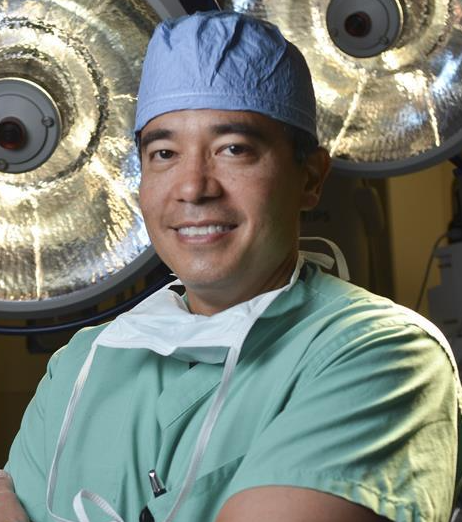 Richard Schulick合作论文数Division of Surgical Oncology, Department of Surgery, School of Medicine, University of Colorado44
 Martin D. Mccarter合作论文数Department of Surgery, University of Colorado Health Sciences Center31
 Ana Gleisner合作论文数Division of Surgical Oncology, Department of Surgery, School of Medicine, University of Colorado28Zhu Yuwen合作论文数16
 Marco Del Chiaro合作论文数16
 Steven A Ahrendt合作论文数14Chloe Friedman合作论文数Lifecourse Epidemiology of Adiposity and Diabetes (LEAD) Center, University of Colorado Anschutz Medical Campus11Yuki Fujiwara合作论文数Institute of DNA Medicine, Jikei University School of Medicine11
 Salvador Rodriguez Franco合作论文数Department of Surgery, University of Colorado School of Medicine10Benedetto Mungo合作论文数Department of Surgical and Gastroenterological Sciences, University of Padova8Barish Edil合作论文数7
 Elliott Yee合作论文数7Felix Ho合作论文数University of Colorado, School of Medicine Aurora CO7
 Alison Halpern Mungo合作论文数Univ Colorado7
 Cheryl Meguid合作论文数7
 Jen Jen Yeh合作论文数Departments of Surgery and Pharmacology, University of North Carolina at Chapel HIll;Division of Surgical Oncology, Department of Surgery, School of Medicine, University of North Carolina at Chapel HIll;Lineberger Comprehensive Cancer Center, School of Medicine, University of North Carolina at Chapel HIll7William A. Robinson合作论文数6Volmar Keith E合作论文数6
 Stewart Camille L合作论文数Department of Surgery, University of Colorado School of Medicine;Division of Pediatric Surgery, Children's Hospital Colorado;Children's Hospital Colorado, University of Colorado School of Medicine6
 Christopher J. Tignanelli合作论文数Department of Applied Science;College of William and Mary;Department of Applied Science|College of William and Mary6Jessica S W Borgers合作论文数5Theresa Medina合作论文数5
 Kathryn L Colborn合作论文数5
 Richard Moffitt合作论文数Department of Hematology and Medical Oncology, School of Medicine, Emory University5M Del Chiaro合作论文数5
 Karyn A Goodman合作论文数Department of Radiation Oncology, Icahn School of Medicine at Mount Sinai;The Tisch Cancer Institute, Icahn School of Medicine at Mount Sinai5Victoria M Vorwald合作论文数4Christopher D. Scott合作论文数4Christan Bartsch合作论文数4
 Kasey L Couts合作论文数4
 Atsushi Oba合作论文数Japanese Foundation for Cancer Research, Cancer Institute Hospital4Tobin Richard P合作论文数4
 Stephen Leong合作论文数Division of Medical Oncology, University of Colorado Cancer Center4
 Robert A. Meguid合作论文数The Johns Hopkins University School of Medicine4Eric A. Collisson合作论文数4C. Bartsch合作论文数3Thiago B. de Araujo合作论文数3Toshitaka Sugawara合作论文数3Dasha T Cogswell合作论文数3Dana M. Davis合作论文数3
 Xianlu Laura Peng (彭娴璐)合作论文数Lineberger Comprehensive Cancer Center, University of North Carolina3
 Adam Christopher Mueller合作论文数Dept Radiat Oncol, Thomas Jefferson Univ3
 Mohammed Al-Musawi合作论文数Department of Surgery, University of Colorado School of Medicine3Robert Van Gulick合作论文数Univ Colorado Denver, Dept Med, Div Med Oncol, Aurora, CO 80045 USA3
 Karl Lewis合作论文数Meinig School of Biomedical Engineering, College of Engineering, Cornell University3Schefter Tracey E合作论文数3Amato Carol M合作论文数3
 Joyce Kamande合作论文数Department of Chemistry, Louisiana State University3
 Alessandro Paniccia合作论文数Department of Surgery, University of Pittsburgh Medical Center, Pittsburgh, PA, USA
Division of Surgical Oncology, University of Pittsburgh Medical Center, Pittsburgh, PA, USA3
Alessandro Paniccia合作论文数Department of Surgery, University of Pittsburgh Medical Center, Pittsburgh, PA, USA
Division of Surgical Oncology, University of Pittsburgh Medical Center, Pittsburgh, PA, USA3




