BACKGROUND:HIV patients with wasting are at increased risk of opportunistic complications and fatality. OBJECTIVE:We hypothesized that augmenting dietary intake with high-biologic-value protein would enhance weight and lean tissue in weight-stable subjects with a prior unintentional weight loss of >3%. DESIGN:Fifty-nine subjects with HIV RNA concentrations <5000 copies/mL were randomly assigned to receive a 280-kcal supplement containing 40 g whey protein or a matched isocaloric control supplement without added protein twice daily for 12 wk. RESULTS:Before the study, intake of total energy and protein exceeded estimated requirements (44.3 +/- 12.6 kcal x kg(-1) x d(-1) and 1.69 +/- 0.55 g x kg(-1) x d(-1), respectively). Both supplements failed to increase total energy intake because of decreases in self-selected food intake. Changes in weight (0.8 +/- 2.4 and 0.7 +/- 2.4 kg) and lean body mass (0.3 +/- 1.4 and 0.3 +/- 1.5 kg) did not differ significantly between the whey protein and control groups, respectively. Waist-to-hip ratio improved more with whey protein (-0.02 +/- 0.05) than with the control (0.01 +/- 0.03; P = 0.025) at week 6 but not at week 12. Fasting triacylglycerol increased by 39 +/- 98 mg/dL with the control supplement and decreased by 16 +/- 62 mg/dL with whey protein at week 12 (P = 0.03). CD4 lymphocytes increased by 31 +/- 84 cells/mm(3) with whey protein and decreased by 5 +/- 124 cells/mm(3) with the control supplement at 12 wk (P = 0.03). Gastrointestinal symptoms occurred more often with whey protein. CONCLUSIONS:A whey protein supplement did not increase weight or lean body mass in HIV-positive subjects who were eating adequately, but it did increase CD4 cell counts. The control supplement with rapidly assimilable carbohydrate substituted for protein increased cardiovascular disease risk factors. Careful dietary and weight history should be obtained before starting nutritional supplements in subjects with stable weight loss and good viral control.
Introduction: Fish oil has been shown to reduce serum triglyceride (TG) concentrations. In HIV-infected patients on antiretroviral therapy, high TG concentrations likely contribute to increased risk of cardiovascular disease. AIDS Clinical Trials Group A5186 examined the safety and efficacy of fish oil plus fenofibrate in subjects not achieving serum TG levels ≤200 mg/dL with either agent alone. Methods: One hundred subjects on highly active antiretroviral therapy with serum TG concentrations ≥400 mg/dL and low-density lipoprotein cholesterol ≤160 mg/dL were randomized to 3 g of fish oil twice daily or 160 mg of fenofibrate daily for 8 weeks. Subjects with a fasting TG level >200 mg/dL at week 8 received a combination of fish oil and fenofibrate in the same doses from week 10 to week 18. Results: Median baseline TG was 662 mg/dL in the fish oil group and 694 mg/dL in the fenofibrate group (P = not significant). Fish oil reduced TG levels by a median of 283 mg/dL (46%), fenofibrate reduced them by 367 mg/dL (58%), and combination therapy reduced them by 65.5%. Combination therapy achieved TG levels of ≤200 mg/dL in 22.7% subjects. Fish oil had no measurable effect on immunologic parameters or the pharmacokinetics of lopinavir. Conclusions: Fish oil was safe when administered alone or combined with fenofibrate and significantly reduced TG levels in HIV-infected subjects with hypertriglyceridemia.
CONTEXT:Reduced energy intake is a primary factor in HIV-associated wasting. Megestrol acetate (MA) stimulates appetite and weight gain. However, much of the weight gained is fat, possibly as a result of MA-induced hypogonadism.OBJECTIVE:The objective of the study was to determine whether coadministration of testosterone with MA could enhance lean body mass (LBM) accrual and evaluate the effects of MA, alone or combined with testosterone, on sexual functioning and the hypothalamic-pituitary-adrenal axis.DESIGN:This was a randomized, double-blind, placebo-controlled, multicenter trial.SETTING:Fourteen AIDS Clinical Trials Units in the United States participated in the study.SUBJECTS:Seventy-nine HIV-positive men with 5% or more weight loss or body mass index less than 20 kg/m2 took part in the study.INTERVENTION:Subjects were randomized to receive MA (800 mg daily) plus testosterone enanthate (200 mg; MA/TE; n = 41) or placebo (MA/PL; n = 38) biweekly for 12 wk.MAIN OUTCOME MEASURES:Weight, body composition (bioelectric impedance analysis), adrenal and gonadal hormones, and sexual functioning (questionnaire) were measured.RESULTS:Both groups experienced robust increases in weight (median 5.3 and 7.3 kg in MA/TE and MA/PL, respectively), LBM (3.3 and 3.3 kg), and fat (3.0 and 3.8 kg). There were no significant differences between groups in the magnitude or composition of weight gain (P = 0.44, 0.90, and 0.11 for weight, LBM, and fat, respectively). Trough testosterone concentrations decreased to a greater extent in MA/PL (-12.3 vs. -6.1 nmol/liter in MA/TE; P = 0.04). Cortisol levels became nearly undetectable in subjects with plasma MA levels greater than 150 ng/ml. Sexual functioning was preserved with MA/TE but worsened in MA/PL.CONCLUSIONS:MA produced robust weight gain. Coadministration of testosterone preserved sexual functioning but did not enhance LBM accrual.
Objective: To examine pretreatment factors associated with longer term (144 weeks) responses to antiretroviral therapy (ART). Methods: Of 1498 ART-naive subjects randomized to ART regimens, including ≥3 agents, 1083 patients who had plasma HIV RNA (vRNA) levels and CD4 cell counts at baseline and week 144 were analyzed. Primary baseline factors evaluated were CD4 cell count, vRNA level, gender, race, and age, using multivariable Cox, log-binomial, and linear regression models. Results: Shorter time to achieving a vRNA level <50 copies/mL was associated with lower baseline vRNA level (P < 0.001), older age (P = 0.007), and lower baseline CD4 cell count (P = 0.055). After adjusting for race, gender, and baseline CD4 cell count, older age was associated with a vRNA level <50 copies/mL at week 144 (P = 0.018). Greater CD4 count increases from baseline to week 144 (mean = 284 cells/μL) were seen in younger men, blacks, and subjects with higher pretreatment vRNA levels; the effect of pretreatment vRNA level was most apparent in women. Conclusions: Older age was the most important baseline predictor of a vRNA level <50 copies/mL at week 144; lower pretreatment vRNA level and older age were the most important predictors of time to a vRNA level <50 copies/mL. The influence of pretreatment factors on increases in CD4 cell counts differed between men and women.
Purpose:To assess how patients with HIV who are enrolled in a clinical trials cohort rate their health and to compare their ratings with those of patients with HIV from 2 other cohorts: the HIV Cost and Services Utilization Study (HCSUS), and Adult AIDS Clinical Trials Group protocol 320 (ACTG 320). Methods: We analyzed baseline information for the 1649 subjects enrolled in the Adult AIDS Clinical Trials Group Longitudinal Linked Randomized Trials (ALLRT) study prior to March 2002 who had self-rated health data available. We compared those results with results from 2 other groups: HCSUS, the only nationally representative sample of people in care for HIV in the U.S., which conducted baseline interviews in 1996 and 1997, and ACTG 320, a randomized, double-blinded, placebo-controlled trial comparing a 3-drug antiretroviral regimen with a 2-drug combination, which enrolled subjects in the same general time frame as HCSUS. We used t tests, Pearson correlations, and linear regression to determine factors associated with self-rated health and z scores to compare results between cohorts. Results: The mean (SD) rating scale value on a 0–100 scale for ALLRT participants was 79.8 (16.8). Values were significantly lower for subjects who were older, had a history of injection drug use, had lower CD4 cell counts, or were beginning salvage antiretroviral therapy. Subjects in ALLRT reported significantly better self-rated health at baseline than those in HCSUS or ACTG 320 (11–12% higher rating scale values in ALLRT; p<0.05). When cohort differences were accounted for through regression and stratification, the differences in scores between subjects in ALLRT and HCSUS increased and the differences in scores between subjects in ALLRT and ACTG 320 diminished. Conclusions: Self-rated health varied significantly by age, CD4 count, injection drug use history, and salvage therapy status. Differences in self-rated health for clinical trials and non-clinical trials samples appear to be substantial and should be considered when applying trial results to clinical populations.
Objective: To determine if particular components of antiretroviral drug regimens are associated with greater insulin resistance, dyslipidemia, and peripheral lipoatrophy.Methods: Metabolic and body composition variables were measured prospectively over 64 weeks in 334 anti retroviral-naive, HIV-infected subjects who were randomized to receive nelfinavir, efavirenz, or both, combined with zidovudine/lamivudine or didanosine/stavudine in a factorial design, multicenter trial. Subjects assigned to efavirenz (n = 110) were compared with those assigned to nelfinavir (n = 99); subjects assigned to zidovudine/lamivudine (n = 154) were compared with those assigned to didanosine/stavudine (n = 180). A subset of 157 subjects had serial dual-energy X-ray absorptiometry (DEXA) scans.Results: Lipid measures increased in all groups. Greater increases in high density lipoprotein (HDL) cholesterol occurred with efavirenz than with nelfinavir. Greater increases in total cholesterol, non-HDL cholesterol and HDL cholesterol occurred with stavudine and didanosine than with zidovudine/lamivudine. There were no differences in insulin resistance in the comparisons. After initial increases in the first 16 weeks, median limb fat decreased. Greater changes in percentage changes in limb fat occurred with didanosine/stavudine (-16.8%) than with zidovudine/lamivudine (+4.0%; P<0.001 for overall change from baseline) and with nelfinavir (-13.1%) compared with efavirenz (+1.8 %; P = 0.003).Conclusions: Over 64 weeks, all regimens were associated with increases in lipids but insulin resistance did not differ between groups. Regimens containing didanosine/ stavudine and regimens containing nelfinavir were associated with greater loss of limb fat. (c) 2005 Lippincott Williams & Wilkins
There is a paucity of information on the safety and efficacy of lipid-lowering therapy for dyslipidemia associated with human immunodeficiency virus (HIV) and antiretroviral therapy. Our objective was to determine whether fenofibrate and pravastatin were equivalent for the treatment of combined dyslipidemia in HIV as measured by a composite of the National Cholesterol Education Project (NCEP) goals based on absolute values for low-density lipoprotein (LDL), triglycerides (TG), and high-density lipoprotein (HDL) and to compare the safety of these agents through 48 weeks. This was a randomized, open-label trial with subjects assigned to fenofibrate 200 mg (n = 88) or pravastatin 40 mg (n = 86) daily. Subjects who failed to reach the NCEP composite goal on monotherapy by week 12 received both drugs. The composite goal at week 12 was achieved in 1% of fenofibrate and 5% of pravastatin subjects. At week 16, 69/88 subjects on fenofibrate added pravastatin (FP) and 67/86 subjects on pravastatin added fenofibrate (PF). At week 48, 7% FP subjects and 3% PF subjects achieved the composite goal. Median changes in LDL/HDL/TG/non-HDL were -8/+5/-144/+50 and -14/+2/-66/+34 mg/dl in subjects receiving FP and PF, respectively. There were few adverse events and no rhabdomyolysis reported. Combination therapy with fenofibrate and pravastatin for HIV-related dyslipidemia provides substantial improvements in lipid parameters and appears safe, but is unlikely to achieve all NCEP targets for lipid levels.
BACKGROUND:Although initiation of potent antiretroviral therapy (ART) has significantly improved immune perturbations in individuals with AIDS, it is unclear which factors are most important in determining the degree of immune reconstitution.METHODS:Whole blood was analyzed at baseline and week 12 in six groups of subjects (n = 81): those with acute or following immune reconstitution after Pneumocystis jirovecii (previously known as Pneumocystis carinii) pneumonia (PcP) (two groups) and cytomegalovirus (CMV) retinitis (two groups), HIV-infection without AIDS (one group), and healthy volunteers (one group). Absolute CD4+ and CD8+ T lymphocytes, naive (CD45RA+) and memory (CD45RO+) CD4+ T lymphocytes and percentages of activated CD8+ T lymphocytes (CD8+/CD38+/HLA-DR), and CD28 expression on CD4+ and CD8+ T lymphocytes were enumerated.RESULTS:The reconstituted CMV group, which had a history of a lower CD4+ T lymphocyte nadir compared to the reconstituted PcP group (15 cells/mm(3) versus 48 cells/mm(3); p = .013), had significantly lower absolute CD4+, CD8+ and naive CD4+ T lymphocytes and a trend toward lower memory CD4+ T lymphocytes compared to the reconstituted PcP group. Moreover, no difference was noted between the reconstituted groups in the proportion of subjects with undetected HIV-1 RNA. The reconstituted subjects had significantly lower absolute CD4+, memory CD4+ and naive CD4+ T lymphocytes than the HIV-positive controls and a significantly higher percentage of activated CD8+ T lymphocytes with a lower percentage of CD8+CD28 expression than the HIV-negative controls.CONCLUSION:The association of CD4+ T lymphocyte nadir with the extent of immune reconstitution in HIV-infected individuals suggests that HIV-1 may cause irreparable immune system damage despite potent ART.
The advent of highly active antiretroviral therapy has greatly improved the long-term outcome of patients with human immunodeficiency virus (HIV) infection. This article reports successful cardiac transplantation in a patient infected with HIV type 1 (HIV-1) in whom heart failure had developed after daunorubicin therapy for Kaposi's sarcoma.
Objective: To determine the efficacy and safely of amphotericin B oral suspension (ABOS) for the treatment of fluconazole refractory oral candidiasis in persons with HIV infection. Design and setting: A prospective, multicenter, open label trial at 25 study centers within the AIDS Clinical Trials Group. Patients and methods: Individuals with diffuse oral candidiasis after 14 days of treatment with 200 mg of fluconazole daily (more than five plaques or a single plaque > 3 cm largest length) were treated with ABOS, 100 mg/ml, 5 mi swish and swallow, four times daily for 14 days. Thereafter incomplete or non-responders received an additional 14 days of therapy and responders received maintenance ABOS twice daily for up to 6 months. Relapses during maintenance ABOS were treated by increasing the dose to four times daily. Main outcome measures: To demonstrate an ABOS clinical response rate > 33% and a treatment-limiting toxicity rate < 50%. Clinical response was defined as the absence of mouth pain and the presence of less than five oral plaques, the largest being < 3 cm largest dimension. Results: Fifty-eight subjects with a median age of 39 years and a median CD4 count of 10 x 10(6) cells/l were enrolled. Four subjects were excluded from the analysis because of inadequate follow-up after randomization (n = 3) or the presence of active esophageal disease (n = 1). Of the remaining 54 subjects, 23 (42.6%; 95% lower confidence interval, 31.1%) were classified as responders after 28 days. Five subjects (9%) stopped treatment due to toxicity. Relapse occurred in 16 responders (70%). Conclusions: Amphotericin B oral suspension is well tolerated but has limited efficacy for the treatment of fluconazole refractory oral candidiasis. (C) 2000 Lippincott Williams & Wilkins.
 Constance Ann Benson合作论文数3
 Carl J. Fichtenbaum合作论文数College of Medicine, University of Cincinnati3
 Natasa Rajicic合作论文数2Yang Yijun合作论文数2
 Judith Aberg合作论文数2Kathleen Mulligan合作论文数2Beverly L Alston合作论文数2Fred R. Sattler合作论文数2Michael Basar合作论文数1MS Yi合作论文数1Fj Torriani合作论文数1Triin Umbleja合作论文数1scott r evans合作论文数1Liu Tun合作论文数1Sally Snyder合作论文数1Ronald D'Amico合作论文数1
 Bruce Ryan Bistrian合作论文数Division of Nutrition, Harvard Medical School;Department of Medicine, Harvard Medical School;Division of Clinical Nutrition, Beth Israel Deaconess Medical Center1
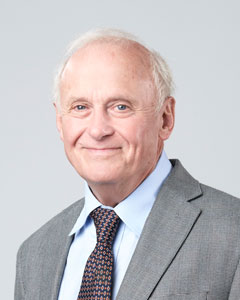 Lawrence Joseph Wheat合作论文数MiraVista Diagnostics1
 Richard Auchus合作论文数Division of Metabolism, Endocrinology & Diabetes, University of Michigan Medical School;Endocrinology & Metabolism Section, Ann Arbor VA Medical Center1
 Keith Henry合作论文数School of Medicine, University of Minnesota;HIV Clinical Research, Hennepin County Medical Center1
 Robert W. Shafer合作论文数Department of Medicine, Stanford University1
 Kojic Erna合作论文数Miriam Hospital1
 Kenneth A. Freedberg合作论文数Center for AIDS Research, Harvard University;Harvard Medical School, Massachusetts General Hospital;Harvard T.H. Chan School of Public Health1Schnizlein-Bick Carol T合作论文数1Collier Ann C合作论文数1
 Albert Wu合作论文数Division of Health Systems, Bloomberg School of Public Health, Johns Hopkins University;Center for Global Health, Johns Hopkins University;Center for Health Services and Outcomes Research, Johns Hopkins University1Charles Stéphannie合作论文数1
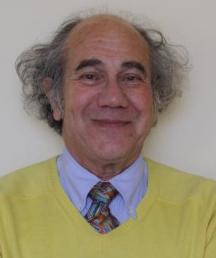 Robert Alan Parker合作论文数Biostatistics Center, Massachusetts General Hospital;Harvard Medical School1Bennett Kara合作论文数1
 Pablo Tebas合作论文数Department of Medicine, Perelman School of Medicine, University of Pennsylvania1
 Ronald Bosch合作论文数Center for Biostatistics in AIDS Research, Harvard T.H. Chan School of Public Health, Harvard University1John G. Gerber合作论文数1Morris Schambelan合作论文数1
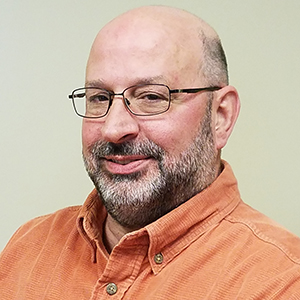 Acosta, Edward P.合作论文数Division of Clinical Pharmacology, Department of Pharmacology and Toxicology, Heersink School of Medicine, The University of Alabama at Birmingham;NIH/NIAID1
 Kevin E. Yarasheski合作论文数Division of Endocrinology, Metabolism & Lipid Research, John T. Milliken Department of Internal Medicine, School of Medicine,;Washington University in St. Louis1
 Leonard Calabrese合作论文数Department of Rheumatic and Immunologic Diseases, Cleveland Clinic;Section of Clinical Immunology, Cleveland Clinic;Clinical Immunology Clinic, Cleveland Clinic;Center for Vasculitis Care and Research, Cleveland Clinic1
 Donna Mildvan合作论文数AIDS Clinical Trials Group1John A. Jarcho合作论文数1
 Merrill J. Egorin合作论文数School of Medicine, University of Pittsburgh;University of Pittsburgh Cancer Institute1Jamie H. Von Roenn合作论文数1
 Margaret A. Chesney合作论文数Osher Center for Integrative Health, University of California, San Francisco;Department of Medicine, University of California, San Francisco1Barry S. Zingman合作论文数and the Einstein/Montefiore Center for AIDS Research, Albert Einstein College of Medicine1
 Steven Grinspoon合作论文数Metabolism Unit, Massachusetts General Hospital;Harvard Medical School;Nutrition Obesity Research Center, Harvard University1
 Susan L. Koletar合作论文数Division of Infectious Diseases, College of Medicine, The Ohio State University;AIDS Clinical Trials Unit, The Ohio State University1Evelyn Hogg合作论文数1
 James B. Young合作论文数Endocrinology and Metabolism Institute, Cleveland Clinic;Cleveland Clinic Lerner College of Medicine, Case Western Reserve University1Susan W. Brobst合作论文数1Mark A. Jacobson合作论文数1




