In Romania, the HIV epidemic attributed to male-to-male sexual contact is high, due to multiple sociocultural manifestations of stigma toward gay, bisexual, and other men who have sex with men (GBM), which is associated with inadequate HIV prevention. The current analyses describe the results of an intervention aiming to reduce HIV risk and heavy alcohol use, and improve mental health and minority stress-related outcomes, among GBM in Romania. Between 2019 and 2023, 300 Romanian GBM reporting HIV risk and heavy alcohol use were randomized to receive eight 1-h text-based live counseling sessions (the Comunica condition) or self-directed online educational control modules, both informed by the Information-Motivation-Behavior (IMB) model and minority stress theory. Self-reported assessments were conducted at baseline and at 4-, 8-, and 12-month follow-ups; HIV and STI testing was self-administered at baseline and 12-month follow-up. Analyses compared the conditions in terms of their impact on the primary outcome – past-30-day HIV-transmission-risk behavior. Secondary outcomes included mental (e.g., depression symptoms) and behavioral health (e.g., alcohol use) measures. We also examined between-condition change in hypothesized IMB and minority stress mechanisms. The conditions did not significantly differ in any primary or secondary outcomes over time. Both conditions demonstrated decreases in past-30-day HIV-transmission-risk behavior, number of heavy drinking days, depression and anxiety symptoms, and suicidal ideation over the 12-month follow-up period. Education control participants reported significantly greater increases in alcohol- and HIV/AIDS-related knowledge, while Comunica participants reported significantly greater decreases in perceived benefits of condomless sex across the follow-up period. Both conditions showed improvements in self-efficacy for condom use and alcohol use reduction and in all minority stress factors across the follow-up period. As all participants reported similar improvements across outcomes, future research is needed to determine how to best support this stigmatized population’s health given the limited population-specific supports.
Purpose: Experiences with the criminal legal system can increase the risk of HIV transmission and disrupt linkage to HIV care and prevention. This study quantified the association between criminal legal system involvement and HIV outcomes among transgender women of color (TWOC).Methods: We conducted a cross-sectional analysis using first-wave data from the Trying to Understand Relationships, Networks, and Neighborhoods Among Transgender Women of Color Cohort Study (n = 314). We investigated the association between measures of criminal legal system involvement (history of arrest and history of incarceration) and HIV care and prevention outcomes (serostatus, testing, condom use, pre-exposure prophylaxis use, and viral load suppression) among TWOC living in New York City from August 2020 to November 2022. We used modified Poisson regression models to calculate the adjusted prevalence ratios.Results: Among our cohort of TWOC, 50% had previously been arrested and 28% had previously been incarcerated. Half of the participants were living with HIV. History of incarceration was positively associated with living with HIV. Among those living with HIV, a history of incarceration was associated with an increased risk of having a detectable HIV viral load.Conclusions: Among TWOC in our study, criminal legal system involvement was significantly associated with HIV seropositivity and having a detectable viral load among those living with HIV. These findings highlight the negative health implications of the criminal legal system for a socially oppressed population and can potentially inform future directions to challenge policing practices that disproportionately target TWOC.
Objectives. To examine how one's community connectedness may act as a source of resilience and promote HIV prevention and care behaviors among transgender women of color. Methods. We analyzed survey data from 313 transgender women of color living in New York City collected from August 2020 to November 2022. The Community Connectedness Scale asks participants about their baseline feelings of connection, feelings of inclusion, feelings of belonging, feelings of isolation, and feelings of being unlike in relation to the transgender community. The HIV prevention and care outcomes of interest were measured at 6-month follow-up and included consistent condom usage, recent testing for sexually transmitted infections (STIs), current preexposure prophylaxis use, and HIV viral load suppression. Results. Those with a high (compared to low) community connectedness were 62% more likely to consistently use condoms and 16% more likely to test for STIs. Conclusions. Community connectedness was associated with a greater likelihood of HIV prevention behaviors. Public Health Implications. Future interventions could include strategies to strengthen community connectedness to improve HIV status neutral care continuums. (Am J Public Health. 2025;115(10):1631-1641. https://doi.org/10.2105/AJPH.2025.308144)
Transgender women of color (TWOC) are disproportionately impacted by psychological distress. Though gender-affirming care (GAC) has been recommended to alleviate this distress, research examining associations between perceived access to GAC, specific gender-affirming medical interventions (GAMIs), and mental health among TWOC in the United States remains limited. In this study, we examine cross-sectional and longitudinal associations between perceived access to GAC, completion of specific GAMIs, and psychological distress among TWOC, using modified Poisson regression and multilevel linear modeling. Data came from the Trying to Understand Relationships, Networks and Neighborhoods Among Transgender Women of Color (TURNNT) Cohort Study. In multivariable analyses, increased access to GAC was associated with reduced psychological distress risk. All assessed GAMIs suggested protective effects against psychological distress (aRR < 1), with statistical significance found for breast augmentation and facial feminization surgery. On average, those with unmet GAMI needs experienced higher distress risk than those without. Longitudinally, those experiencing reduced access to GAC over 6 months faced the highest distress risk among all trajectory groups (aRR: 1.40, 95% CI, 1.08-1.82). Our findings support the need for further inquiry in this area and suggest that policies protecting and increasing access to GAC may improve mental health among TWOC. This article is part of a Special Collection on Methods in Social Epidemiology.
Transgender women of color (TWOC) experience high rates of police violence and victimization compared to other sexual and gender minority groups, as well as compared to other White transgender and cisgender women. While past studies have demonstrated how frequent police harassment is associated with higher psychological distress, the effect of neighborhood safety and neighborhood police violence on TWOC’s mental health is rarely studied. In this study, we examine the association between neighborhood safety and neighborhood police violence with psychological distress among TWOC. Baseline self-reported data are from the TURNNT (“Trying to Understand Relationships, Networks and Neighborhoods among Transgender Woman of Color”) Cohort Study (analytic n = 303). Recruitment for the study began September 2020 and ended November 2022. Eligibility criteria included being a TWOC, age 18–55, English- or Spanish-speaking, and planning to reside in the New York City metropolitan area for at least 1 year. In multivariable analyses, neighborhood safety and neighborhood police violence were associated with psychological distress. For example, individuals who reported medium levels of neighborhood police violence had 1.15 [1.03, 1.28] times the odds of experiencing psychological distress compared to those who experienced low levels of neighborhood police violence. Our data suggest that neighborhood safety and neighborhood police violence were associated with increased psychological distress among TWOC. Policies and programs to address neighborhood police violence (such as body cameras and legal consequences for abusive officers) may improve mental health among TWOC.
Background: Transgender women of color in the US are disproportionately vulnerable to HIV risks. Pre-Exposure Prophylaxis (PrEP) has demonstrated effectiveness in preventing HIV transmission among transgender women of color. However, factors across multiple levels can hinder oral PrEP adherence. Methods: We analyzed the baseline data from The Trying to Understand Neighborhoods and Networks Among Transgender Women of Color (TURNNT) Cohort Study of women not living with HIV. We analyzed questionnaire responses to identify why participants stopped using PrEP and if they would consider taking it again. To identify multi-level determinants that were associated with PrEP discontinuation, we conducted bivariate analysis and created multivariable modified Poisson models comparing factors between former users and current users. Results: Among 140 transgender women of color included in this analysis, 44.3% were currently on PrEP, 25.0% were on formerly on the regimen, and 30.7% had never used it. Participants reported many reasons for discontinuing PrEP, notably, 22.9% reported being concerned about interactions with hormones. 60.0% reported that they were likely to take PrEP again in the future. Discontinuation was positively associated with history of sexual assault (Prevalence Ratio: 1.78; 95% CI: 1.01, 3.14) and negatively with having a primary care provider (PR: 0.43; 95% CI: 0.25, 0.73). Conclusion: Many factors can influence PrEP discontinuation among transgender women of color. A majority of those who discontinued PrEP were interested in restarting it again, indicating a potential for reengagement. We recommend a holistic approach to HIV prevention to reduce PrEP discontinuation.
Objective The overall goal of this work is to create a patient-reported outcome (PRO) and decision support system to help postpartum patients determine when to seek care for concerning symptoms. In this case study, we assessed differences in perspectives for application design needs based on race, ethnicity, and preferred language. Methods A sample of 446 participants who reported giving birth in the past 12 months was recruited from an existing survey panel. We sampled participants from four self-reported demographic groups: (1) English-speaking panel, Black/African American race, non-Hispanic ethnicity; (2) Spanish-speaking panel, Hispanic-ethnicity; (3) English-speaking panel, Hispanic ethnicity; (4) English-speaking panel, non-Black race, non-Hispanic ethnicity. Participants provided survey-based feedback regarding interest in using the application, comfort reporting symptoms, desired frequency of reporting, reporting tool features, and preferred outreach pathway for concerning symptoms. Results Fewer Black participants, compared with all other groups, stated that they had used an app for reporting symptoms ( p = 0.02), were least interested in downloading the described application ( p < 0.05), and found a feature for sharing warning sign information with friends and family least important ( p < 0.01). Black and non-Hispanic Black participants also preferred reporting symptoms less frequently as compared with Hispanic participants (English and Spanish-speaking; all p < 0.05). Spanish-speaking Hispanic participants tended to prefer calling their professional regarding urgent warning signs, while Black and English-speaking Hispanic groups tended to express interest in using an online chat or patient portal (all p < 0.05) Conclusion Different participant groups described distinct preferences for postpartum symptom reporting based on race, ethnicity, and preferred languages. Tools used to elicit PROs should consider how to be flexible for different preferences or tailored toward different groups.
Introduction In the USA, transgender women are among the most vulnerable to HIV. In particular, transgender women of colour face high rates of infection and low uptake of important HIV prevention tools, including pre-exposure prophylaxis (PrEP). This paper describes the design, sampling methods, data collection and analyses of the TURNNT ('Trying to Understand Relationships, Networks and Neighbourhoods among Transgender women of colour') study. In collaboration with communities of transgender women of colour, TURNNT aims to explore the complex social and environmental (ie, neighbourhood) structures that affect HIV prevention and other aspects of health in order to identify avenues for intervention. Methods and analyses TURNNT is a prospective cohort study, which will recruit 300 transgender women of colour (150 Black/African American, 100 Latina and 50 Asian/Pacific Islander participants) in New York City. There will be three waves of data collection separated by 6 months. At each wave, participants will provide information on their relationships, social and sexual networks, and neighbourhoods. Global position system technology will be used to generate individual daily path areas in order to estimate neighbourhood-level exposures. Multivariate analyses will be conducted to assess cross-sectional and longitudinal, independent and synergistic associations of personal relationships (notably individual social capital), social and sexual networks, and neighbourhood factors (notably neighbourhood-level social cohesion) with PrEP uptake and discontinuation. Ethics and dissemination The TURNNT protocol was approved by the Columbia University Institutional Review Board (reference no. AAAS8164). This study will provide novel insights into the relationship, network and neighbourhood factors that influence HIV prevention behaviours among transgender women of colour and facilitate exploration of this population's health and well-being more broadly. Through community-based dissemination events and consultation with policy makers, this foundational work will be used to guide the development and implementation of future interventions with and for transgender women of colour.
PURPOSE:To determine factors that affect whether low-income adolescents report that their doctor talked with them about risky behavior.METHODS:Random digit-dial survey of low-income adolescents in New York City asking about depression, smoking, alcohol use, and sexual activity and the screening and counseling they received on these risk factors and risks during health visits.RESULTS:Prevalence of counseling by physicians was low, according to adolescent reports, ranging from 17% of adolescents counseled about depression to 52% about sexually transmitted diseases. Older adolescents were more likely than younger to receive counseling about all topics. In bivariate and multivariate models, having the risk factor was strongly associated with physicians counseling for depression (adjusted [adj.] OR = 4.42; p < 0.001); for sexual activity and counseling about condom use (adj. OR = 4.06; p < 0.01), and birth control (adj. OR = 2.76; p < 0.03). Still, many adolescents at risk had not received counseling. Many adolescents have not had a private and confidential visit with their provider. Having a private and confidential visit was also associated with receipt of counseling.CONCLUSIONS:Adolescents are not receiving sufficient counseling about risks and risky behavior, according to their own reports. There is need to improve delivery of counseling and ensure that private and confidential visits are provided to youth.
Objectives: We examined the relationship between acculturation and tobacco use behaviors among Chinese Americans.Methods: Using a Chinese-language instrument based on validated questions from several national surveys, we conducted in-person, household-based interviews with 712 representative adults aged 18-74 years.Results: Observed smoking prevalence was 29% for men and 4% for women. Predictors of smoking cessation included being 35 years and older and having a high level of tobacco-related knowledge. Acculturation was positively associated with a history of never smoking, as was being younger than 35 years and having a high level of tobacco-related knowledge.Conclusions: Acculturation was positively associated with never smoking among men but not with smoking cessation. However, knowledge of tobacco-related health risks was associated with both. Results indicate a need for language-specific educational interventions.
A cohort of families was followed through the enrollment process for Medicaid and Child Health Plus in New York City to determine success in enrollment and the time it takes to enroll. Families were recruited into the study by enrollers in community-based organizations and managed-care organizations. In our sample, three of four families were successful in enrolling. On average, it took 60 days to attain insurance. Most applicants (76%) received some sort of assistance from enrollers, most frequently in determining which documents were needed (74%). In a multivariable analysis, some of the factors associated with success in enrollment included being assisted by a community-based facilitated enroller, knowledge of required documents, and baving lost a child’s other bealth insurance.
This paper examines the care of uninsured patients in general internists' private practices. More than two-thirds of internists provide at least some charity care, usually to their existing patients who have become uninsured. They appear to be filling a need for people who are moving between coverage, by helping bridge coverage intervals. Approximately two-thirds of all internists accommodate uninsured patients by reducing the charge or creating a payment plan, with internists who are practice owners much more likely to do so. This care to the uninsured is important, especially with growing unemployment rates, because the safety net would not be able to absorb these patients.
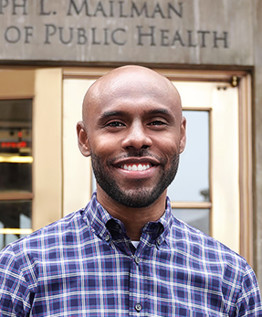 Dustin T. Duncan合作论文数Department of Epidemiology, Columbia University Mailman School of Public Health6
 Asa Radix合作论文数Department of Internal Medicine, New Britain General Hospital6
 John A. Schneider合作论文数Department of Public Health Sciences, The University of Chicago6
 Sahnah Lim合作论文数Division of Health & Behavior, Department of Population Health, Grossman School of Medicine, New York University5
 Chau Trinh-Shevrin合作论文数Division of Health & Behavior, Department of Population Health, Grossman School of Medicine, New York University5
 Park Su Hyun合作论文数Saw Swee Hock School of Public Health, National University of Singapore5
 Gerry Fairbrother合作论文数4
 Denton Callander合作论文数3
 Adam M Whalen合作论文数Irving Med Ctr, Columbia Univ2
 Krish J Bhatt合作论文数Mailman School of Public Health, Columbia University2
 Christoffer Dharma合作论文数ICES2
 Yusuf Ransome合作论文数Social and Behavioral Sciences, Yale School of Public Health, Yale School of Medicine, Yale University2
 Ichiro Kawachi合作论文数Harvard T.H. Chan School of Public Health, Harvard University;Department of Social and Behavioral Science, Harvard University2Stephanie Niño de Rivera合作论文数1Maria R Khan合作论文数1
 Gerard Torrats-Espinosa合作论文数Department of Sociology, Columbia University1
 Alison Hermann合作论文数Weill Cornell Med, Dept Psychiat, New York, NY USA1Donna Shelley合作论文数Division of Comparative Effectiveness & Decision Science, Department of Population Health, Grossman School of Medicine, New York University1
 Rachel Bluebond-Langner合作论文数Department of Plastic Surgery, Grossman School of Medicine, New York University1Robert Garofalo合作论文数Adolescent Medicine, Department of Pediatrics, Feinberg School of Medicine, Northwestern University1
 Laura E. Riley合作论文数Department of Obstetrics and Gynecology, Weill Cornell Medicine, Cornell University1
 Jessica S Ancker合作论文数Department of Population Health Sciences, Weill Cornell Medical College, Cornell University1
 Tonia Poteat合作论文数School of Nursing, Duke University;Johns Hopkins Bloomberg School of Public Health;UNC Gillings School of Global Public Health1
 Michael K Gusmano合作论文数Hastings Ctr1
 Jae Sevelius合作论文数Columbia University Irving Medical Center;Department of Psychiatry, Columbia University;University of California, San Francisco1
 Ruth Masterson Creber合作论文数Population Health Sciences, Weill Cornell Medicine, Cornell University1
 Sari L. Reisner合作论文数Department of Epidemiology, School of Public Health, University of Michigan1
 Benda Natalie合作论文数MedStar Health Research and Diabetes Institutes, Georgetown University School of Medicine1
 Regan Seann D合作论文数Department of Population Health, New York University School of Medicine1
 Jennifer P. Stuber合作论文数School of Social Work, University of Washington1
 Basile Chaix合作论文数Inserm1
 Dee Burton合作论文数University of Southern California1Rachel Cooper合作论文数1Heidi L. Park合作论文数1Jiaojie Qu合作论文数1Robin B. Kalish合作论文数1B Osthimer合作论文数1
 Marianne Fahs合作论文数Department of Surgery, The University of Michigan1
 Jonathan D Klein合作论文数Departments of aPediatrics and bCommunity and Preventive Medicine;Strong Children ' s Research Center;School of Medicine and Dentistry, University of Rochester;Strong Children ' s Research Center, University of Rochester School of Medicine and Dentistry1




