The formation of tropospheric ozone (O3) can be influenced by climatic factors, as by anthropogenic activities, including the emission of BTEX (benzene, toluene, ethylbenzene, and xylenes) from automobiles. Itaperuna, Rio de Janeiro, has deep valleys that facilitate the accumulation of atmospheric pollutants and experiences one of the hottest climates in the state. Thus, this study aimed to evaluate O3 and BTEX emissions in Itaperuna. Air samples were collected from August 2023 to April 2024. O3 was indirectly determined through its reaction with potassium indigotrisulfonate and measured using ultraviolet-visible spectroscopy. BTEX were analyzed using gas chromatograph with flame ionization detection. The O3 analytical method demonstrated good linearity (R2 = 0.989) and low limit of detection (LOD = 0.6 mg L-1). The results obtained for BTEX showed good recovery rates (mean = 90%). Principal component analysis correlated O3 formation and BTEX emissions with climatic factors and vehicle traffic. It is suggested that the increase of BTEX due to anthropogenic activities may enhance the formation of O3 in the afternoon. This pioneering study on O3 in Itaperuna is crucial for understanding the correlation between O3 and BTEX in urbanizing cities. Furthermore, it can provide a scientific basis for developing effective public policies in air quality management.
This study aimed to assess how a partial lockdown due to the coronavirus disease 2019 (COVID-19) pandemic affected air quality in four cities with dissimilar characteristics. In three cities, Araraquara (ARQ), Presidente Prudente (PPE), and Santos (STS), reductions in NO2 concentrations were observed due to social distancing. Conversely, in Santa Gertrudes (SGD), NO2 concentrations increased, indicating that a brief pause in ceramics industry activity was not sufficient to reduce NO2 emissions. A variable behavior was observed in O3 concentrations; in some cases, it followed the trends observed in previous years, but in others, an increase or decrease in concentrations was observed due to variations in concentrations of NO2 and volatile organic compounds and/or climatic conditions. Particulate matter (PM) concentrations decreased in SGD and STS due to social distancing, meteorological conditions, such as wind speed, and reductions in industrial and port activities. Nevertheless, in the cities of ARQ and PPE, particulate matter with aerodynamic diameter ≤ 10 µm (PM10) concentrations were elevated during the pandemic period, due to numerous biomass burning events in 2020. Thus, although vehicular and industrial emission control/reduction policies are effective in improving air quality, they may not be sufficient to achieve air quality standards if they are not combined with more restrictive measures to manage biomass burning.
The widespread use of plastics has revolutionized modern life, but also led to environmental pollution. Although microplastics (MPs) have been detected in various environments, their presence in the atmosphere, particularly in Brazil, is poorly studied. This research investigated atmospheric MP concentrations at Alvaro Guião School in São Carlos, Brazil, from 2021 to 2022. Outdoor MP concentrations ranged from the limit of detection (LOD) to 168.03 items m−2 day−1, and indoor concentrations ranged from LOD to 60.16 items m−2 day−1. Predominantly, these MPs were fragments, even in the indoor environment, suggesting abundant sources, such as resuspension. Seasonal variations were not observed for outdoor fragments and fibers, nor for indoor fragments. However, indoor fiber concentrations were higher during the dry season (p > 0.05), likely due to winter clothing and reduced ventilation. Fragment sizes were mainly <60 μm, while fibers ranged from <60 μm to 3000–5000 μm. Polyester was the primary MP component (83–100% outdoors and 29–100% indoors), followed by ethylene vinyl acetate (EVA, 0–17% outdoors and 0–57% indoors), common in synthetic clothing and school supplies, respectively. Other plastics, found in packaging and bottles, like polyethylene (0–14%) and polyethylene terephthalate (0–6%), were also identified indoors. This study not only enhances the current understanding, but also pioneers analyses within a school environment. Despite being a work in progress, this study has already shown the presence of plastic particles in environments where children, one of the most susceptible groups to air pollution, spend a significant portion of their time. Furthermore, it can assist in developing an assessment of acceptable levels and guidelines.
Airborne particulate matter (PM10) samples were collected daily, indoors and outdoors, in a primary school at Aveiro, Portugal, from February 28 to May 27, 2011. The carbonaceous content (organic and elemental carbon) was determined by a thermo-optical technique. The organic speciation of PM10 was performed by gas chromatography-mass spectrometry. Mean PM10 levels of 107 and 36 µg/m3 were obtained in the schoolroom and outdoors, respectively. On average, organic carbon accounted for 30.0
Brazil maintains its position at the top of the global ranking of plastic producers, yet recycling efforts have been incipient. Recent data reveals an annual production of approximately 14 million tons of plastic waste, not accounting for the surge in the usage of plastic masks and related materials due to the COVID-19 pandemic. However, what remains largely unreported is that over half of post-consumer plastic packaging in Brazil is managed without any monitoring, and it remains unclear how this will contribute to the occurrence of plastic waste and microplastics in Brazilian freshwaters. This scenario requires the consideration of several other crucial factors. Studies have been carried out mainly in marine and estuarine waters, while data on freshwaters are lacking. Brazil has continental dimensions and the highest water availability on the planet, yet the demand for water is greatest in regions with medium to low supply. Many densely populated Brazilian urban areas face chronic flood problems, possess inadequate levels of wastewater treatment, and display inadequate solid waste management practices. Consequently, urban freshwater with tropical characteristics in Brazil presents an intriguing scenario and is complementary to the most commonly studied marine environments. In this study, we explore the nuances of pollution in Brazilian urban freshwater and discuss how various parameters, such as organic matter, suspended solids, temperature, and pH, among others, influence the behavior of microplastics and their interactions with organic and inorganic contaminants. Furthermore, we address how microplastic conditions, such as biofouling, the type of plastic, or degradation level, may impact their behavior. By analyzing how these conditions change, we propose priority themes for investigating the occurrence of microplastics in Brazilian urban freshwater systems under different degrees of human impact. Ultimately, this study aims to establish a network dedicated to standardized monitoring of microplastic pollution in Brazilian urban freshwaters.
The present study reports the development of a bioassay using Artemia spp. to analyse the preliminary ecotoxicity of atmospheric aerosols (PM), which can affect the environment and human health. Herein, PM samples were collected in the city of Goiânia (Brazil) in 2016, extracted with ultrapure water and subsequently filtered through membranes with different pore sizes (100, 0.8, and 0.22 μm), and the extracts employed in the bioassays. The mortality rates (endpoint analysed) declined to membranes with smaller pore sizes (15 ± 4%, 47 ± 10% and 43 ± 9% for pore sizes of 100 μm, 0.8 μm and 0.22 μm, respectively). In general, the toxicity of the extract depended on its concentration, except for the sample with a higher negative particle surface charge, which presents a lower affinity for the negatively charged surfaces of cellular membranes. Moreover, although the PM concentration was higher for the sample collected during the dry season (September), the mortality rate was not significantly different to that determined for a sample with similar physical and chemical characteristics collected in the rainy season (December). This result demonstrates the importance of monitoring PM toxicities and their chemical and physical characteristics, in addition to their concentrations. Therefore, the new protocol to provide a preliminary analysis of the toxicity of the extracts of aerosol emerges as a useful, accessible, and fast tool for monitoring possible environmental hazards, and can simplify fieldwork.
Atmospheric Particulate Matter (PM) is a pollutant with diverse origins, exhibiting varying chemical compositions, and undergoes several molecular transformations in the atmosphere. In this study, PM samples (PM2.5, PM10 and TSP) were collected in five Brazilian cities (Camboriú-SC; Catalão-GO; Florianópolis-SC; Limeira-SP and Novo Hamburgo-RS) during the four seasons of the year. Analysis of Variance (ANOVA) was used to evaluate the differences between each city and season in PM concentration. PM10 average concentrations were higher in the city of Limeira, compared to the other (ANOVA p-values and Tukey's test). Moreover, Tukey's test demonstrated differences between the average PM10 concentrations in summer and winter. Regarding TSP and PM2.5, Tukey's test showed differences between winter and warm seasons (spring and summer). Moreover, polar compounds from the samples collected in the summer (February) and winter (August) periods were analyzed (Ultra-High-Performance Liquid Chromatography coupled to a Quadrupole Time-of-Flight Mass Spectrometer) following a non-targeted approach and annotated. This is the first study to carry out this type of analysis in these five Brazilian cities. Despite the differences in PM concentrations, profiles of polar organic compounds, showed similarities between samples/and, in general, the same compounds were present, albeit with different intensities. The annotated compounds are associated with vehicle emissions and plastics, which are considered important global air polluters. Therefore, there is an urgent necessity for comprehensive studies aimed at investigating the non-targeted compounds existing in the atmosphere. Such research can provide invaluable insights to policymakers, enabling them to formulate effective guidelines and policies to mitigate particulate matter concentration and enhance overall air quality.
In this study, positive matrix factorization method was used for source apportionment of PM10 in the city of São Carlos from 2015 to 2018. The annual mean concentrations of PM10, 15 PAHs, 4 oxy-PAHs, 6 nitro-PAHs, 21 saccharides, and 17 ions in these samples were in the ranges 18.1 ± 6.99 to 25.0 ± 11.3 μg m-3 for PM10, 9.80 × 10⁻¹ ± 2.06 to 2.03 ± 8.54 × 10⁻¹ ng m-3 for ΣPAHs, 83.9 ± 35.7 to 683 ± 521 pg m-3 for Σoxy-PAHs, 1.79 × 10⁻² ± 1.23 × 10⁻¹ to 7.12 ± 4.90 ng m-3 for Σnitro-PAHs, 83.3 ± 44.7 to 142 ± 85.9 ng m-3 for Σsaccharides, and 3.80 ± 1.54 to 5.66 ± 4.52 μg m-3 for Σions. For most species, the concentrations were higher in the dry season than in the rainy. This was related not only to the low rainfall and relative humidity characteristic of the dry season but also to an increase in fire spots recorded in the region between April and September every year from 2015 to 2018. A 4-factor solution provided the best description of the dataset, with the four identified sources of PM10 being soil resuspension (28%), biogenic emissions (27%), biomass burning (27%), and vehicle exhaust together with secondary PM (18%). Although the PM10 concentrations were not above the limit established by local legislation, the epidemiological study showed that by reducing PM2.5 concentrations to the level recommended by the WHO, approximately 35 premature deaths per 100,000 population could be avoided annually. The results revealed that biomass burning continues to be one of the main anthropic sources of emissions to the atmosphere in the region, so it needs to be incorporated into the existing guidelines and policies to reduce the concentration of particulate matter to within the limits recommended by the WHO, in order to avoid premature deaths.
The effects of PM10 on human health were investigated using samples collected in São Carlos city (São Paulo state), by the determination of the concentrations of PAHs and derivatives, together with evaluations of cytotoxicity and the formation of ROS in in vitro tests. In 2016, the mean concentrations of PM10, ΣPAHs, Σoxy-PAHs, Σnitro-PAHs, Σsaccharides, and Σions were 21.12 ± 9.90 μg m−3, 1.47 ± 1.70 ng m−3, 0.37 ± 0.31 ng m−3, 0.84 ng m−3, 119.91 ± 62.14 ng m−3, and 5.66 ± 4.52 μg m−3, respectively. The PM10 concentrations did not exceed the limit thresholds set by national legislation, however, the annual lung cancer risk calculated was 2.59 ± 1.22 cases per 100,000 people, in the dry season, which accounts for the annual risk (April to September). Moreover, the carcinogenic activities of the PAHs mixture were more than 1000-fold higher in the dry season (dry season: BaPeq = 0.30 ng m−3; wet season BaPeq = 0.02 ng m−3). The concentrations of most analytes were also higher during the dry season, as had already been demonstrated in the same city. This was due to reductions in precipitation, relative humidity and air temperature, and increased biomass burning, which was the main source of PM10 in the city in 2016 (contribution rate of more than 50%). Toxicological results also showed the negative impacts of PM10, exposure to PM10 extracts for 72 h reduced the viability of A549 and MRC5 cells, and the formation of ROS was observed. The cellular responses obtained using combined and individual extracts of PM10 differed and were sometimes associated with specific compounds. These demonstrate the importance of monitoring PM toxicity using different approaches and the main anthropogenic sources’ contribution. Therefore, to improve air quality and human health, existing legislation needs to be modified to incorporate these tests.
In the context of a rising global temperature, biomass burning represents an increasing risk to human health, due to emissions of highly toxic substances such as polycyclic aromatic hydrocarbon (PAHs). Size-segregated particulate matter (PM) was collected in a region within the sugarcane belt of São Paulo state (Brazil), where biomass burning is still frequent, despite the phasing out of manual harvesting preceded by fire. The median of the total concentration of the 15 PAHs determined was 2.3 ± 1.8 ng m−3 (n = 19), where 63% of this content was in PM1.0. Concentrations of OPAHs and NPAHs were about an order of magnitude lower. PM2.5 collected in the dry season, when most of the fires occur, presented PAHs and OPAHs total concentrations three times higher than in the wet season, showing positive correlations with fire foci number and levoglucosan (a biomass burning marker). These results, added to the fact that biomass burning explained 65% of the data variance (PCA analysis), evidenced the importance of this practice as a source of PAHs and OPAHs to the regional atmosphere. Conversely, NPAHs appeared to be mainly derived from diesel-powered vehicles. The B[a]P equivalent concentration was estimated to be 4 times higher in the dry season than in the wet season, and was greatly increased during a local fire event. Cytotoxicity and genotoxicity of PM1.0 organic extracts were assessed using in vitro tests with human liver HepG2 cells. For both types of tests, significant toxicity was only observed for samples collected during the dry season. Persistent DNA damage that may have impaired the DNA repair system was also observed. The results indicated that there was a health risk associated with the air particulate mixture, mainly related to biomass burning, demonstrating the urgent need for better remediation actions to prevent the occurrence of burning events.
This work describes the optimization of an extraction method for the determination of polycyclic aromatic hydrocarbons (PAHs) and their nitro- and oxy-PAH derivatives in atmospheric particulate matter (PM) samples, and demonstrates that this method is also effective for the determination of levoglucosan. The optimization of the extraction solvents was performed using a three-component mixture design with the solvents dichloromethane, methanol, and acetonitrile. The number of extractions, volume of solvent, and duration of extraction in an ultrasonic bath were optimized using a full factorial design followed by a central composite design. The analyses were performed by gas chromatography coupled with mass spectrometry. The optimized conditions of the method were three extractions using 4.0 ml of acetonitrile, with ultrasonication for 34 min. The proposed method presented good linearity (r > 0.990) and acceptable precision for low (100 ng ml −1 , RSD: 1–16%), medium (300 ng ml −1 , RSD: 1–19%), and high (500 ng ml −1 , RSD: 2–16%) concentrations of PAHs. The limits of quantification for different PAHs ranged from 10 to 50 ng ml −1 , which were suitable for atmospheric PM. Assessment of the method using sample matrix spiking/recovery assays, as well as use of a reference method, showed good recoveries for levoglucosan and for most of the PAHs and their derivatives, except for the most volatile compounds, which were lost during the evaporation of the solvent. The results for PM samples extracted by the optimized method and the reference method were in good agreement. The proposed method required 97% less solvent than the reference method, shortened the analysis time by 85%, and proved to be accurate and precise for the determination of at least 27 PAHs and their derivatives present in PM samples collected with a low-volume sampler.
Atmospheric aerosol or particulate matter (PM) has huge potential to affect health and climate.
Levoglucosan is used as a tracer of biomass burning; however, its determination often requires expensive analytical techniques. Therefore, this study describes the development of an inexpensive and useful method using paper-based analytical devices (PADs) to determine levoglucosan based on colorimetric measurements. The color intensities were correlated with the analytical concentrations and presented linear behavior in the range from 0 to 64.8 mu g mL(-1). The achieved limits of detection and quantification were 2 and 6 mu g mL(-1), respectively. The conversion rate of levoglucosan into glucose was 81 +/- 8% and the average recovery was 105 +/- 9%. Moreover, the method presented selectivity for levoglucosan, showing variation in colorimetric signal intensity lower than 8% in the presence of other saccharides (xylose, glucose, galactose, maltose, mannose, arabinose, and fructose). The accuracy of the method was confirmed by comparison with gas chromatography-mass spectrometry. The proposed method was explored to determine levoglucosan in samples of atmospheric particulate matter collected in Goiania city (Brazil) and the values ranged from 0.08 to 1.10 mu g m(-3), showing the high impact of the biomass burning to the particulate matter in the region's atmosphere. The method was also used to detect levoglucosan in rainwater samples. Therefore, the use of PADs can simplify fieldwork involving the determination of levoglucosan in atmospheric particulate matter.
Objectives To determine the concentration of calcium, iron, manganese and zinc ions after the application of chelator to Enterococcus faecalis biofilms. Material and Methods Fifty bovine maxillary central incisors were prepared and inoculated with E. faecalis for 60 days. The following were used as irrigation solutions: 17% EDTA (pH 3, 7 and 10), 2.5% sodium hypochlorite (NaOCl) combined with 17% EDTA (pH 3, 7 and 10), distilled water (pH 3, 7 and 10), and 2.5% NaOCl. Each solution was kept in the root canal for five minutes. Fifteen uncontaminated root canals were irrigated with 17% EDTA (pH 3, 7 and 10). Six teeth were used as bacterial control. The number of calcium, iron, manganese and zinc ions was determined using flame atomic absorption spectrometry. Mean ± standard deviation (SD) values were used for descriptive statistics. Results Calcium chelation using 17% EDTA at pH 7 was higher than at pH 3 and 10, regardless of whether bacterial biofilm was present. The highest concentration of iron occurred at pH 3 in the presence of bacterial biofilm. The highest concentration of manganese found was 2.5% NaOCl and 17% EDTA at pH 7 in the presence of bacterial biofilm. Zinc levels were not detectable. Conclusions The pH of chelating agents affected the removal of calcium, iron, and manganese ions. The concentration of iron ions in root canals with bacterial biofilm was higher after the use of 17% EDTA at pH 3 than after the use of the other solutions at all pH levels.
The proposed new sensor combines low cost, sensitivity, selectivity, portability and suitability for the speciation analysis of copper in natural waters.
Ambient aerosols were collected in an agro-industrial region of Sao Paulo State (Brazil) between May 2010 and February 2012 (n = 87). The atmosphere of the study region is highly affected by the emissions of gases and particles from sugar and fuel ethanol production, because part of the area planted with sugarcane is still burned before manual harvesting. This work proposes the quantification of total sugars as an alternative chemical tracer of biomass burning, instead of levoglucosan. The quantification of total sugars requires a small area of a filter sample and a simple spectrophotometer, in contrast to the determination of levoglucosan, which is much more complex and time-consuming. Total sugars concentrations in the aerosol ranged from 0.28 to 12.5 mu g m(-3), and (similarly to levoglucosan) the emissions were significantly higher at night and during the sugarcane harvest period, when most agricultural fires occur. The linear correlation between levoglucosan and total sugars (r = 0.612) was stronger than between levoglucosan and potassium (r = 0379), which has previously been used as a biomass burning tracer. In the study region, potassium is used in fertilizers, and this, together with substantial soil dust resuspension, makes potassium unsuitable for use as a tracer. On average, ca. 40% of the total sugars was found in particles smaller than 0.49 mu m. By including data from previous work, it was possible to identify from 35 to 42% of the total sugars, with biomass burning making the largest contribution. The high solubility in water of these sugars means that determination of their concentrations could also provide important information concerning the hydrophilic properties of atmospheric aerosols. (C) 2014 Elsevier Ltd. All rights reserved.
This work presents the first comprehensive organic characterization of atmospheric aerosols from an agro-industrial region (São Paulo State, Brazil) highly impacted by biomass burning. The organic speciation was performed using different solvents of increasing polarity, enabling the identification and quantification of 172 different organic species by GC–MS. The mass of organic compounds reached 123μgm−3 in an aerosol sample collected during the sugar cane harvest period compared with 0.82μgm−3 in the non-harvest period. The samples most impacted by biomass burning were those with the highest percentages of non-polar compounds (n-alkanes; up to 96%). However, in absolute terms, the total mass of polar compounds in such samples was greater than for samples less impacted by this activity. Retene (a marker for biomass combustion) was the most abundant of the 19 polycyclic aromatic hydrocarbons quantified, corresponding to 14%–84%. This work shows that biomass burning was responsible for a benzo(a)pyrene equivalent index value that exceeded the recommendation of the World Health Organization. Principal component analysis indicated that agricultural biomass burning and emissions from crop processing facilities explained 42% of the variance of the data, while 37% was explained by urban emissions, 10% by vehicle emissions, and 10% by biogenic sources. This study provides insights into the emissions of a suite of organic compounds that could participate in anthropic alteration of regional cloud formation and precipitation patterns.
This work aimed to better understand how aerosol particles from sugar cane burning contribute to the chemical composition of the lower troposphere in an agro-industrial region of Sao Paulo State (Brazil) affected by sugar and ethanol fuel production. During a period of 21 months, we collected 105 samples and quantified 20 saccharides by GC-MS. The average concentrations of levoglucosan (L), mannosan (M), and galactosan (G) for 24-h sampling were 116, 16, and 11 ng m(-3) respectively. The three anhydrosugars had higher and more variable concentrations in the nighttime and during the sugar cane harvest period, due to more intense biomass burning practices. The calculated L/M ratio, which may serve as a signature for sugar cane smoke particles, was 9 +/- 5. Although the total concentrations of the anhydrosugars varied greatly among samples, the relative mass size distributions of the saccharides were reasonably constant. Emissions due to biomass burning were estimated to correspond to 69% (mass) of the sugars quantified in the harvest samples, whereas biogenic emissions corresponded to 10%. In the non-harvest period, these values were 44 and 27%, respectively, indicating that biomass burning is an important source of aerosol to the regional atmosphere during the whole year. (C) 2014 Elsevier Ltd. All rights reserved.
The impact of air pollution on school children’s health is currently one of the key focus of international organisations. Children spend up to ten hours per day at school and the health impact of air pollutants is much higher for pupils than for adults in similar environments (Guo et al., 2010). Particulate matter is one of the most important pollutants in indoor air. In spite of the various studies performed worldwide to assess the pupils' exposure to indoor particles, only a few aimed at characterising their chemical composition and most of them were mainly focused on the elemental content (e.g. Almeida et al., 2011). Comparatively almost nothing is known about the organic matter in particulate matter, which can encompass irritant, carcinogenic and/or mutagenic compounds. In this study, an intensive sampling campaign of indoor and outdoor airborne particulate matter (PM10) was carried out in a primary school of Aveiro, Portugal, from February 28 to March 27, 2011, to investigate mass concentrations and organic composition and to evaluate the influence of outdoor air pollution on the indoor air. The organic speciation was performed by gas chromatography-mass spectrometry after multi-solvent extraction, fractionation of the organic extracts in a silica gel column and application of derivatisation techniques to the more polar compounds. The weekly indoor PM10 concentrations during occupancy periods ranged from 75 to 145 μg m, whereas much lower levels, from 20 to 62 μg m, were registered outdoors. The dominant organic compound classes were acids, sugars, polyols and n-alkanes (Fig. 1). Polycyclic aromatic compounds were detected at indoor and outdoor concentrations of 893±650 and 830±421 pg m -3 , respectively, never exceeding the benzo[a]pyrene equivalent carcinogenic threshold of 1 ng m set by the World Health Organisation. It can be clearly seen that concentrations of most organic compounds were many times higher than their homologous outdoor levels. The ratio between indoor and outdoor (I/O) concentrations gives an indication whether the generation is from indoors or derived from the outdoor environment. Air exchange rates below 1 h -1 , such as those registered in this study, have been reported to give higher I/O ratios for particles (Rojas-Bracho et al., 2000). Carbon preference indices of n-alkanes around 1, both indoors and outdoors, and the presence of biomass combustion tracers (e.g. levoglucosan, L, mannosan, M, and galactosan, G) in indoor particles suggest that infiltration of outdoor particulates leads to contamination of classrooms with vehicle emissions and biomass burning smoke likely coming from biofuel use in nearby restaurants and bakeries. The L/M and L/(M+G) ratios are within the ranges reported for softwood burning (Fine et al., 2004). The input of this source is also confirmed by fluoranthene/(fluoranthene+pyrene) ratios > 0.5. The indoor and outdoor concentrations of organic compounds were closely correlated (r=0.5-0.8). The slopes of the linear regressions indicate that 12-22% of the indoor levels are of outdoor origin.
 M.L.A.M Campos合作论文数School of Environmental Sciences, University of East Anglia7
 Caroline Scaramboni合作论文数Chem Dept, Univ Sao Paulo4
 Pedro Sergio Fadini合作论文数4
 Arnaldo Cardoso合作论文数Institute of Chemistry Department of Analytical Chemistry, UNESP4Grosseli Guilherme M合作论文数3
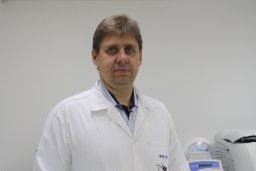 Valtencir Zucolotto合作论文数Instituto de Física de São Carlos, Universidade de São Paulo3
 Wendell Karlos Tomazelli Coltro合作论文数Federal University of Goiás3Andrew G Allen合作论文数3
 Maria Cristina Canela合作论文数2Natasha Leandra Chiaranda da Rosa合作论文数2Rita de Kássia Silva do Nascimento合作论文数2
 Jonatas Schadeck Carvalho合作论文数Chemistry Department, Federal University of São Carlos2
 Habdias de Araujo Silva Neto合作论文数2
 Thiago M G Cardoso合作论文数Univ Fed Goias, Inst Quim, BR-74690900 Goiania, Go, Brazil2Pegas Priscilla N.合作论文数2
 Célia dos Anjos Alves合作论文数Centre for Environmental and Marine Studies, University of Aveiro2Maria Eugênia Costa Queiroz合作论文数Faculdade de Filosofia Ciências e Letras de Ribeirão Preto, Universidade de São Paulo2
 Raquel F. Pupo Nogueira合作论文数Institute of Chemistry of Araraquara, UNESP – São Paulo State University2
 Teresa Nunes合作论文数Departamento de Ambiente e Ordenamento, Universidade de Aveiro2Hugo L. I. Betim合作论文数1gerhard held合作论文数1Rodrigo Costa e Silva合作论文数1João Vítor França da Rosa Ferreira Cintra合作论文数1
 Marco Tadeu Grassi合作论文数1
 Isabela M. Dias合作论文数Instituto de Química, aUniversidade Federal de Goias (UFG),1
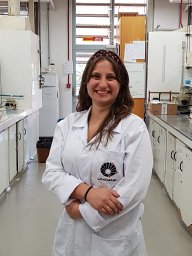 Mariana Amaral Dias合作论文数Institute of Chemistry, University of Campinas1
 Murilo De O. Souza合作论文数Lab Ciencias Quim, Univ Estadual Norte Fluminense Darcy Ribeiro UENF1
 Mauro Almeida Lima合作论文数Departamento de Química, Universidade Federal de São Carlos1
 Crislaine Bertoldi合作论文数Inst Quim, Univ Fed Rio Grande Sul UFRGS1
 Emmanuel Bezerra D'Alessandro合作论文数1
 Jordan Brizi Neris合作论文数Polymer Lab, Univ Fed Sao Carlos1
 Renata Rank Miranda合作论文数Nanomed & Nanotoxicol Grp, Univ Sao Paulo1
 Cristiane Vidal合作论文数Inst Chem, Univ Estadual Campinas1
 Simone Andrea Pozza合作论文数Sch Technol, Univ Estadual Campinas1
 Ferreira Rodrigo da Silva合作论文数1
 Josiane Aparecida de Souza Vendemiatti合作论文数School of Technology, University of Campinas1Fernandes Andreia合作论文数Centro Hospitalar e Universitário de Coimbra-Hospital Geral1
 Lseult Lynch合作论文数School of Geography, Earth and Environmental Sciences, University of Birmingham1
 Ove Peters合作论文数Department of Endodontics, School of Dentistry, University of Queensland;Arthur A. Dugoni School of Dentistry in San Francisco, University of Queensland1
 Leonardo Hoinaski合作论文数1
 Wouters Felipe C合作论文数Chemistry Institute, State University of Campinas1Andrew G. Allen合作论文数Centre for Veterinary Science, University of Cambridge1
 Edenir Rodrigues Pereira-Filho合作论文数Departamento de Química, Universidade Federal de São Carlos1
 Daniel Dorta合作论文数Faculdade de Ciências Farmacêuticas de Ribeirão Preto, Universidade de São Paulo1Pablo J. Gonçalves合作论文数Departamento de Física e Matemática, Universidade de São Paulo1Danielle Palma De Oliveira合作论文数Faculdade de Ciências Farmacêuticas de Ribeirão Preto, Universidade de São Paulo1
 Julio Almeida Silva合作论文数Federal University of Goiás1
 Cyntia Estrela合作论文数Institute of Biological Sciences, Federal University of Goiás1
 Carlos Estrela合作论文数Faculty of Dentistry;Federal University of Goiás;Faculty of Dentistry, Federal University of Goiás1




