Objective:Post-implant thrombocytopenia and subclinical leaflet thrombosis (SLT) are two common phenomena, yet their potential interplay remains unexplored. This study aimed to determine whether early platelet dynamics differed in patients diagnosed with SLT on multidetector computed tomography (MDCT) compared with those without SLT. Methods and results:A total of 118 consecutive patients treated with self-expandable supra-annular and intra-annular prostheses were longitudinally analysed. Platelet count was assessed using the corrected platelet count (CPC) from baseline to day 7 (or hospital discharge) and at 30 days. Platelet-to-lymphocyte ratio (PLR) and lymphocyte-to-monocyte ratio (LMR) were also measured as inflammatory markers. Spleen volume was assessed at baseline. MDCT was performed at 6-month follow-up to evaluate SLT. SLT, ranging from mild to severe, was detected in 22 patients at the 6-month MDCT follow-up. The SLT group had a lower baseline platelet count compared to the No-SLT group, with persistently lower levels from day 1 to day 7 post-implant. Platelet count was significantly lower in the SLT group on days 5 and 6 (CPC: 170 (IQR: 50) × 10³/μL vs. 215 (IQR: 72) × 10³/μL, P = 0.048; and 175 (IQR: 55) × 10³/μL vs. 240 (IQR: 85) × 10³/μL, P = 0.038). No significant differences were observed in PLR or LMR. Spleen volume was also significantly lower in the SLT group. Conclusion:We demonstrated a reversible thrombocytopenia during the first week post-implant, which was more pronounced in the SLT group than in the No-SLT group. Additionally, spleen volume was smaller in the SLT group, suggesting a potential interplay between these factors.
BACKGROUND:The role of transcatheter aortic valve implantation (TAVI) in bicuspid aortic valve stenosis requires further evaluation, particularly as its use has become comparable to surgical aortic valve replacement. We sought to compare midterm outcomes of TAVI and surgical aortic valve replacement in patients with bicuspid aortic valve stenosis. METHODS:Systematic searches of MEDLINE, EMBASE, and Cochrane Central Register of Controlled Trials identified studies reporting TAVI and surgical aortic valve replacement outcomes in patients aged ≥60 years with bicuspid aortic valve stenosis. The primary analysis included only comparative studies with interpretable Kaplan-Meier curves. Individual patient data were reconstructed for time-to-event analysis. Sensitivity analyses incorporated noncomparative single-arm studies. Baseline differences and heterogeneity were addressed using landmark analysis, time-varying hazard ratios (HRs), frailty Cox models, and covariate-adjusted restricted mean survival time. The primary outcome was death with or without unplanned rehospitalization and stroke. RESULTS:Five comparative, risk-adjusted studies (TAVI, 5901; surgical aortic valve replacement, 12 427) were included. At 48-month follow-up, TAVI was associated with a higher hazard for adverse events (HR, 1.62 [95% CI, 1.46-1.79]; P<0.0001 for the composite end point of death, stroke, or rehospitalization at 48 months); landmark analysis showed an initial benefit with TAVI, followed by a reversal at 6 months that was maintained beyond 12 months (12-48 months; P<0.0001). Time-varying HRs confirmed this trend. Sensitivity analyses, including frailty Cox models on the full cohort and restricted mean survival time analysis, supported the robustness of the findings. CONCLUSIONS:This meta-analysis found limited midterm benefits (ie, 48 months) of TAVI in bicuspid aortic valve stenosis. These findings should be interpreted considering patient selection, as younger patients with bicuspid aortic valve stenosis are increasingly referred for TAVI.
OBJECTIVES:Coronary endarterectomy (CE) extends complete revascularisation to patients with diffuse coronary disease unsuitable for conventional bypass but adds perioperative risk to coronary artery bypass grafting (CABG). Whether the number of vessels endarterectomised influences early outcomes has not been formally synthesised. We compared short-term outcomes of single-vessel and multivessel CE-CABG. METHODS:MEDLINE, Embase, and CENTRAL were searched for studies of CE-CABG reporting outcomes stratified by single-vessel versus multivessel CE within the same cohort. The primary outcome was 30-day or in-hospital mortality. Risk ratios (RR) were pooled using DerSimonian-Laird random-effects models. Sensitivity analyses included leave-one-out analysis, Hartung-Knapp-Sidik-Jonkman (HKSJ) adjustment, and univariate meta-regression on study-level covariates. Risk of bias was assessed with ROBINS-I. RESULTS:Nine studies (1988-2022; 7,302 patients; 4,731 single-vessel CE, 2,571 multivessel CE) met inclusion criteria. Multivessel CE was associated with higher mortality (RR, 2.59; 95% CI, 1.78-3.77), higher perioperative myocardial infarction (RR, 2.09; 95% CI, 1.67-2.62), and higher stroke (RR, 1.62; 95% CI, 1.01-2.61). Intra-aortic balloon pump use did not differ. Findings were stable on leave-one-out, HKSJ adjustment, and exclusion of pre-2000 studies. No single covariate accounted for the multivessel effect on meta-regression. CONCLUSIONS:Multivessel CE substantially increases early mortality and infarction relative to single-vessel CE. The signal is consistent across analyses but the evidence is largely retrospective and unadjusted. These data support a selective approach to CE in which the prognostic value of each target vessel is weighed against the cumulative operative cost, rather than routine extension of endarterectomy to multiple territories.
OBJECTIVES:Subclinical leaflet thrombosis is an early form of bioprosthetic valve dysfunction after transcatheter aortic valve implantation. Predicting subclinical leaflet thrombosis remains challenging. We aimed to apply machine learning not only to identify predictors but also to interpret their dynamic, non-linear effects on subclinical leaflet thrombosis risk using Accumulated Local Effects curves, a robust method that accounts for variable collinearity. METHODS:A prospective cohort of 128 consecutive patients receiving a self-expanding transcatheter heart valve underwent multimodality imaging and haematological profiling. The primary outcome was subclinical leaflet thrombosis on 6-month computed tomography. An Extreme Gradient Boosting classifier was trained on 126 variables. Model performance was evaluated via nested cross-validation. Interpretability used SHapley Additive exPlanations and Accumulated Local Effects plots. RESULTS:Subclinical thrombosis was detected in 22 patients (17.1%). Extreme Gradient Boosting model demonstrated excellent discrimination (AUC: 0.91, 95% CI: 0.87-0.94) and calibration (Brier score: 0.09). SHapley Additive exPlanations analysis identified the top predictors: bicuspid valve anatomy (mean: 0.45), baseline haemoglobin (0.28), peri-procedural Δhaematocrit (0.19), prosthesis eccentricity (0.14), and post-procedural platelet nadir (0.09). Accumulated Local Effects curves revealed a U-shaped association for baseline haemoglobin (lowest risk around 13 g/dL) a monotonic rise in SLT risk with increasing prosthesis eccentricity and greater peri-procedural declines in haematocrit, and a progressively higher risk with post-procedural thrombocytopenia. CONCLUSIONS:This study introduces Accumulated Local Effectsplots to cardiovascular medicine, translating predictions into interpretable risk curves that show how leaflet thrombosis risk evolves across key predictors, linking valve geometry and peri-procedural haematological changes to guide patient surveillance after transcatheter aortic valve replacement.
We describe the case of a 31-year-old male with incessant left atrial appendage tachycardia and resultant severe left ventricular systolic dysfunction. Despite medical therapy, catheter ablation and surgical excision of the left atrial appendage with the AtriClip device, the tachycardia persistent. Following detailed multimodality workup including computational modelling with recreation of virtual implantation scenarios, the tachycardia was eventually terminated with pulsed field ablation and percutaneous left atrial appendage occlusion.
Objective Subclinical leaflet thrombosis is a known finding after transcatheter aortic valve implantation, but its predictors remain poorly defined. Machine learning offers new opportunities for identifying complex, nonlinear relationships among clinical, anatomic, and hematological variables. Methods We analyzed data from 118 patients who underwent transcatheter aortic valve implantation with self-expanding valves and scheduled multidetector computed tomography at 6 months. A total of 120 preprocedural and postprocedural variables were included. Three machine learning models, least absolute shrinkage and selection operator logistic regression, Random Forest, and Extreme Gradient Boosting, were trained and internally validated using stratified 5-fold cross-validation. Results Subclinical leaflet thrombosis was identified in 22 patients (18.6%). Bicuspid aortic valve morphology emerged as one of the strongest predictors across all machine learning models (least absolute shrinkage and selection operator β = 1.33; Gini = 1.31; SHapley Additive exPlanations = 0.42). Other top predictors included serum creatinine (β = 0.29; Gini = 0.90), hemoglobin decrease (β = 0.05; Gini = 1.32; SHapley Additive exPlanations = 0.10), hematocrit decrease (β = 0.02; Gini = 1.43; SHapley Additive exPlanations = 0.11), and platelet nadir (SHapley Additive exPlanations = 0.09). All models demonstrated strong discriminative ability (area under the curve range, 0.84-0.89; Brier scores: 0.040-0.163). Conclusions This is the first study to apply a multimodal machine learning framework to predict subclinical leaflet thrombosis after transcatheter aortic valve implantation. Bicuspid anatomy and perioperative hematological changes were consistently associated with subclinical leaflet thrombosis, highlighting the potential of machine learning to enhance postprocedural risk stratification. Incorporating routinely available variables into machine learning models may help guide early imaging and personalized antithrombotic strategies.
Indication to perform surgical explantation of TAVR is becoming increasingly more frequent, due to the higher number of transcatheter procedures performed in patients with longer life expectancy. We proposed to perform a systematic review and meta-analysis with metaregression to identify potential factors that can determine an increase in the high mortality and morbidity that characterize these surgical procedures. MEDLINE and Embase were searched for relevant studies. Twelve studies were eligible according to our inclusion criteria. TAVR explantation was confirmed as a procedure with high 30-day mortality (0.17; 95% CI, 0.14-0.21) and morbidity (stroke incidence 5%; 95% CI, 0.04-0.07; kidney injury incidence 16%; 95% CI, 0.11-0.24). The type of transcatheter valve implanted during the index procedure did not influence the outcomes after surgical explantation. The role of these high-risk operations is growing, and it will likely expand in the coming years. Specific tools for risk stratification are required.
BACKGROUND:We aim to provide a comprehensive review of the current state of knowledge of myocardial viability assessment in patients undergoing coronary artery bypass grafting (CABG), with a focus on the clinical markers of viability for each imaging modality. We also compare mortality between patients with viable myocardium and those without viability who undergo CABG. METHODS:A systematic database search with meta-analysis was conducted of comparative original articles (both observations and randomized controlled studies) of patients undergoing CABG with either viable or nonviable myocardium, in EMBASE, MEDLINE, Cochrane database, and Google Scholar, from inception to 2022. Imaging modalities included were dobutamine stress echocardiography (DSE), cardiac magnetic resonance (CMR), single-photon emission computed tomography (SPECT), and positron emission tomography (PET). RESULTS:A total of 17 studies incorporating a total of 2317 patients were included. Across all imaging modalities, the relative risk of death post-CABG was reduced in patients with versus without viability (random-effects model: odds ratio: 0.42; 95% confidence interval: 0.29-0.61; p < 0.001). Imaging for myocardial viability has significant clinical implications as it can affect the accuracy of the diagnosis, guide treatment decisions, and predict patient outcomes. Generally, based on local availability and expertise, either SPECT or DSE should be considered as the first step in evaluating viability, while PET or CMR would provide further evaluation of transmurality, perfusion metabolism, and extent of scar tissue. CONCLUSION:The assessment of myocardial viability is an essential component of preoperative evaluation in patients with ischemic heart disease undergoing surgical revascularization. Careful patient selection and individualized assessment of viability remain paramount.
ObjectiveFractional flow reserve (FFR) and instantaneous wave-free ratio (iFR) are invasive methods to assess the functional significance of intermediate severity coronary lesions. Both indexes have been extensively validated in clinical trials in guiding revascularisation in patients with stable ischaemic heart disease undergoing percutaneous coronary intervention (PCI) with improved clinical outcomes. However, the role of these tools in coronary artery bypass grafting (CABG) is less clear.MethodsA meta-analysis of randomised trials and observational studies was carried out to help in determining the optimal strategy for assessing lesion severity and selecting graft targets in patients undergoing CABG. Electronic searches were carried out on Embase, MEDLINE, and Web of Science. A group of four authors independently screened and then assessed the retrieved records. Cochrane's Risk of Bias and Robins-I tools were used for bias assessment. A survey was conducted among surgeons and cardiologists to describe current attitudes towards the preoperative use of functional coronary investigations in practice.ResultsClinical outcomes including mortality at 30 days, perioperative myocardial infarction, number of grafts, incidence of stroke, rate of further need for revascularisation, and patient-reported quality of life did not differ in CABG guided by functional testing from those guided by traditional angiography.The survey revealed that in half of the surgical and cardiology units functional assessment is performed in CABG patients; there is a general perception that functional testing has improved patient care and its use would clarify the role of moderate coronary lesions that often need multidisciplinary rediscussions; moderate stenosis are felt to be clinically relevant; and anatomical considerations need to be taken into account together with functional assessment.ConclusionsAt present, the evidence to support the routine use of functional testing in intermediate lesions for planning CABG is currently insufficient. The pooled data currently available do not show an increased risk in mortality, myocardial injury, and stroke in the FFR/iFR-guided group. Further trials with highly selected populations are needed to clarify the best strategy.Systematic Review RegistrationClinicalTrials.gov, identifier (CRD42023414604).
Background:Evaluation of coronary flow velocity reserve (CFVR) is the physiological approach to assess the severity of coronary stenosis and microvascular dysfunction. Impaired CFVR occurs frequently in women with suspected or known coronary artery disease. The aim of this study was to assess the role of CFVR to predict long-term cardiovascular event rate in women with unstable angina (UA) without obstructive coronary artery stenosis. Methods:CFVR in left anterior descending coronary artery was assessed by adenosine transthoracic echocardiograhy in 161 women admitted at our Department with UA and without obstructive coronary artery disease. Results:During a mean FU of 32.5 ± 19.6 months, 53 cardiac events occurred: 6 nonfatal acute myocardial infarction, 22 UA, 7 coronary revascularization by percutaneous transluminal coronary angioplasty, 1 coronary bypass surgery, 3 ischemic stroke, and 8 episodes of congestive heart failure with preserved ejection fraction and 6 cardiac deaths. Using a ROC curve analysis, CFVR 2.14 was the best predictor of cardiac events and was considered as abnormal CFVR. Abnormal CFVR was associated with lower cardiac event-free survival (30 vs 80%, p < 0.0001). During FU, 70% of women with reduced CFVR had cardiac events whereas only 20% with normal CFVR (p = 0.0001). At multivariate Cox analysis, smoke habitus (p = 0.003), metabolic syndrome (p = 0.01), and CFVR (p < 0.0001) were significantly associated with cardiac events at FU. Conclusion:Noninvasive CFVR provides an independent predictor of cardiovascular prognosis information in women with UA without obstructive coronary artery disease whereas, impaired CFVR seems to be associated with higher CV events at FU.
OBJECTIVES The objectives of this study were to understand the challenges faced by early adopters of MIS mitral surgery in the national health system in the United Kingdom. It was to (i) capture the significance of the scrutiny introduced by reporting surgeon specific results during the introduction of surgical innovation, (ii) understand how individual personality and behaviour helped these surgeons succeed despite, in many cases, little wider support, (iii) to help more surgeons adopt these patient-centred techniques. SETTING AND PARTICIPANTS The study is based on a qualitative exploration of the reported experiences of all ten early adopters of MIS cardiac surgery in the NHS between 2006-2016. Interviewees were recruited by invitation through their professional society (BISMICS). All interviewees consented to the process; ethical permission was not deemed necessary. RESULTS The experience of introducing surgical innovation into the NHS was unanimously noted to be difficult with few incentives and many systemic and institutional obstacles. Despite this there was a general belief in pushing forward with these patient centred procedures while accumulating the evidence to support it. CONCLUSIONS Individual determination, confidence, mental agility and self-reflection were seen as characteristics of those who were successful. All surgeons agreed that the reporting of surgeon specific results were not conducive to adoption of innovation in teams. Starting a new program as two surgeons appeared to help reduce perceived pressures. Surgical innovation and its early adoption are always likely to be difficult and needs to be recognised as such, within the NHS
Introduction: Our aim is to describe the use of cardiopulmonary exercise testing in watchful waiting for asymptomatic severe primary mitral regurgitation.Methods: Between October 2016 and October 2017, ten patients with asymptomatic severe primary mitral regurgitation underwent watchful waiting in a single centre. Baseline assessment included history, physical examination, transthoracic echocardiogram and cardiopulmonary exercise testing. Patients were re-evaluated every 6 months with history, physical examination and transthoracic echocardiogram; and at 12 months with cardiopulmonary exercise testing.Results: At 1 year follow up, five patients remained asymptomatic with no significant change in left ventricular ejection fraction (p = 0.18). This was associated with no significant change in cardiopulmonary exercise testing parameters. However, five patients developed early new symptoms or changes in echocardiographic parameters with a significant fall in left ventricular ejection fraction (p < 0.01). This was associated with a significant fall in anaerobic threshold (p = 0.04) and four of the five patients having an abnormal percentage predicted peak VO2 at 1 year follow up.Conclusions: Changes in symptomatic status or echocardiographic parameters during a watchful waiting approach for asymptomatic severe primary mitral regurgitation is associated with a significant reduction in cardiopulmonary exercise testing parameters.
Postoperative acute kidney injury (AKI) and the requirement for renal replacement therapy (RRT) remain common and significant complications of both transcatheter valve-in-valve aortic valve replacement (ViV-TAVR) and redo surgical aortic valve replacement (SAVR). Nevertheless, the understanding of renal outcomes in the population undergoing either redo SAVR or ViV-TAVR remains controversial.A systematic database search with meta-analysis was conducted of comparative original articles of ViV-TAVR versus redo SAVR in EMBASE, MEDLINE, Cochrane database, and Google Scholar, from inception to September 2021. Primary outcomes were AKI and RRT. Secondary outcomes were stroke, major bleeding, pacemaker implantation rate, operative mortality, and 30-day mortality.Our search yielded 5435 relevant studies. Eighteen studies met the inclusion criteria with a total of 11,198 patients. We found ViV-TAVR to be associated with lower rates of AKI, postoperative RRT, major bleeding, pacemaker implantation, operative mortality, and 30-day mortality. No significant difference was observed in terms of stroke rate. The mean incidence of AKI in ViV-TAVR was 6.95% (±6%) and in redo SAVR was 15.2% (±9.6%). For RRT, our data showed that VIV-TAVR to be 1.48% (±1.46%) and redo SAVR to be 8.54% (±8.06%).Renoprotective strategies should be put into place to prevent and reduce AKI incidence regardless of the treatment modality. Patients undergoing re-intervention for the aortic valve constitute a high-risk and frail population in which ViV-TAVR demonstrated it might be a feasible option for carefully selected patients. Long-term follow-up data and randomized control trials will be needed to evaluate mortality and morbidity outcomes between these 2 treatments.
INTRODUCTION:Cardiac surgery involving cardiopulmonary bypass (CPB) activates an inflammatory response releasing cytokines that are associated with less favourable outcomes. This study aims to compare i) CPB during cardiac surgery (control) versus ii) CPB with haemoadsorption therapy; and assess the effect of adding this therapy in reducing the inflammatory cytokines burden.METHODS:A systematic literature review with meta-analysis was conducted regarding the main outcomes (operative mortality, ventilation duration, intensive care unit [ICU] and hospital stays) and day-1 inflammatory markers levels post-surgery. Fifteen (15) studies were included for final analysis (eight randomised controlled trials, seven observational studies) with no evidence of publication bias.RESULTS:Subgroup analysis of non-elective surgeries across observational studies (emergency and infective endocarditis) significantly favoured cytokine filters in terms of 30-day mortality (OR 0.40, 95% CI 0.20, 0.83; p=0.01) and shorter ICU stay (MD -42.36, 95% CI -68.07, -16.65; p=0.001). At day-1 post-surgery, there was a significant difference favouring the cytokine filter group in c-reactive protein (CRP) (MD -0.71, 95% CI -0.84, -0.59; p<0.001) with no differences in white blood count (WBC), procalcitonin (PCT), tumour necrosis factor-alpha (TNF-α), IL-6, IL-8 and lactate. When comparing cytokine filters and control across all studies there was no significant difference in operative mortality, ventilation duration, hospital stay and ICU length of stay. Also, there were no statistical differences in randomised controlled trials (RCTs) using haemadsorption filters.CONCLUSIONS:A significant reduction in 30-day mortality and ICU stay could be obtained by using haemadsorption therapy during non-elective cardiac surgery, especially emergency surgery and in patients with higher inflammatory burden such as infective endocarditis.
OBJECTIVES:Mitral and tricuspid ring annuloplasty dehiscence with consequent recurrent valve regurgitation is a rare but challenging procedural failure. The incidence and predisposing risk factors for annuloplasty ring dehiscence include technical and pathological ones. METHODS:A systematic database search with pooled analysis was conducted of original articles that only included dehiscence rate of mitral and tricuspid ring in EMBASE, MEDLINE, Cochrane database and Google Scholar, from inception to November 2020. The outcomes included were dehiscence rate in mitral and tricuspid, type of ring implanted, dehiscence rate by pathology and by ring size and shape. RESULTS:Our search yielded 821 relevant studies. Thirty-three studies met the inclusion criteria with a total of 10 340 patients (6543 mitral, 1414 tricuspid) of which 87 (mitral) and 30 (tricuspid) had dehiscence. Overall, dehiscence rate was 1.43%, diagnosed at a median of 4.5 ± 1.0 months postoperatively. A significant difference in mitral dehiscence rate was found by ring type (semi-rigid 1.86%, rigid 2.32%; flexible 0.43%; P < 0.001). There was no significant difference in rate of dehiscence by ring size (P = 0.067) and shape in mitral (P = 0.281) but there was higher dehiscence rate in ischaemic compared to non-ischaemic mitral regurgitation (3.91% vs 1.63%; P = 0.022). Among tricuspid studies, 9 of 10 studies did not report any dehiscence. CONCLUSIONS:Although rigid, semi-rigid and flexible annuloplasty rings provide acceptable valve repair outcomes, mitral annuloplasty ring dehiscence is clinically more common among rigid rings. Understanding the multifactorial nature of ring dehiscence will help in identifying the patients at high risk and improve their clinical outcomes.
BACKGROUND:Infective endocarditis (IE) is challenging to manage in the COVID-19 lockdown period, in part given its reliance on echocardiography for diagnosis and management and the associated virus transmission risks to patients and healthcare workers. This study assesses utilisation of the endocarditis team (ET) in limiting routine echocardiography, especially transoesophageal echocardiography (TOE), in patients with suspected IE, and explores the effect on clinical outcomes.METHODS:All patients discussed at the ET meeting at Imperial College Healthcare NHS Trust during the first lockdown in the UK (23 March to 8 July 2020) were prospectively included and analysed in this observational study.RESULTS:In total, 38 patients were referred for ET review (71% male, median age 54 [interquartile range 48, 65.5] years). At the time of ET discussion, 21% had no echo imaging, 16% had point-of-care ultrasound only, and 63% had formal TTE. In total, only 16% underwent TOE. The ability of echocardiography, in those where it was performed, to affect IE diagnosis according to the Modified Duke Criteria was significant (p=0.0099); however, sensitivity was not affected. All-cause mortality was 17% at 30 days and 25% at 12 months from ET discussion in those with confirmed IE.CONCLUSION:Limiting echocardiography in patients with a low pretest probability (not probable or definite IE according to the Modified Duke Criteria) did not affect the diagnostic ability of the Modified Duke Criteria to rule out IE in this small study. Moreover, restricting nonessential echocardiography, and importantly TOE, in patients with suspected IE through use of the ET did not impact all-cause mortality.
Aim The aim of this study was to compare minimally invasive surgery (MI) and median sternotomy (MS) in terms of post-procedure health-related quality of life (HRQoL) and functional outcome. Method We conducted a multicentre prospective cohort study that enrolled patients from January 2015 until February 2017. Combined cardiac procedures were performed with MS and isolated valve procedures with either MS or MI, depending on patient preference and surgeon experience. HRQoL was measured using the five-level version of the EQ-5D (EQ-5D-5L) and physical activity before and after surgery was evaluated using a wearable accelerometer. Activity patterns and intensity recorded by the accelerometer in each period were classified as "sedentary", "light physical activity", "moderate physical activity", and "vigorous physical activity" for each patient. We also conducted a sub-analysis of frail patients in each group, as identified by the Reported Edmonton Frail Scale (>10 points). Patients were followed for 1 year. Results The study included 100 consecutive patients who underwent MI (n=50) or MS (n=50) during the study period. Patients in the MI group showed a faster recovery of physical activity in the immediate postoperative period and superior HRQoL in the first 3 months (both p<0.001) versus the MS group. Differences between the MI and MS group were indistinguishable over a longer follow-up. A similar correlation was observed in the frailty subanalysis. Overall, the MS group had a higher cumulative incidence of events than the MI group (p<0.001). Conclusions Compared to conventional MS, MI was associated with better HRQoL and early functional outcome, even in frail patients.
 Thanos Athanasiou合作论文数Department of Surgery & Cancer, Faculty of Medicine, Imperial College London;Hammersmith Hospital;St Mary's Hospital;St Bartholonew’s Hospital;Wellington Hospital87
 Leanne Harling合作论文数20Moscarelli Marco合作论文数19
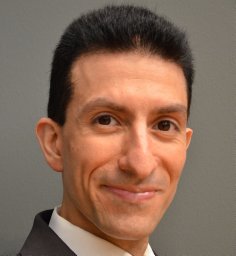 Hutan Ashrafian合作论文数Department of Surgery & Cancer, Faculty of Medicine, Imperial College London;Flagship Pioneering;Oxford Medical Products;Leeds University Business School;Institute of Global Health Innovation;NHS Digital Academy;Institute of Polymaths18B Glenville合作论文数12
 Ara Darzi合作论文数Department of Surgery & Cancer, Faculty of Medicine, Imperial College London11
 Giuseppe Speziale合作论文数Division of Cardiac Surgery, GVM Care & Research11
 Omer Aziz合作论文数10Khalil Fattouch合作论文数University of Palermo10Yusuf S Abdullahi合作论文数9
 Darrel Francis合作论文数National Heart and Lung Institute, Faculty of Medicine, Imperial College London;Centre for Cardiac Engineering, Imperial College London9Jamil Mayet合作论文数9Sharif Al-Ruzzeh合作论文数9
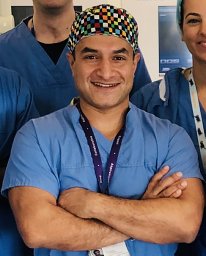 Sanjay Purkayastha合作论文数St. Mary’s Hospital, Imperial College London9Rodney A. Foale合作论文数8Glenville Brian合作论文数7
 Punjabi Prakash P合作论文数Imperial College Healthcare NHS Trust, Hammersmith Hospital7
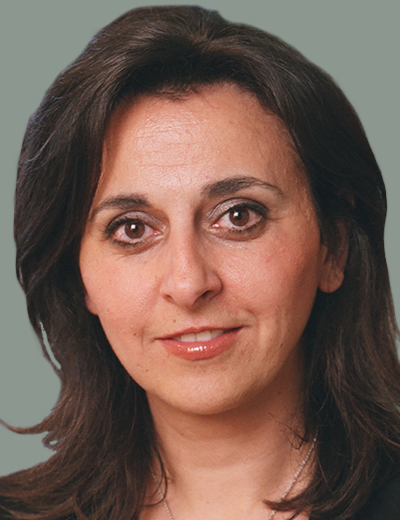 Ghada Mikhail合作论文数Imperial College Healthcare NHS Trust7
 Ugolino Livi合作论文数6
 Alun Hughes合作论文数Centre for Cardiovascular Physiology and Pharmacology, Institute of Cardiovascular Science, Faculty of Pop Health Sciences, University College London;Department of Population Science and Experimental Medicine, Institute of Cardiovascular Science, Faculty of Pop Health Sciences, University College London6
 M Yousuf Salmasi合作论文数5
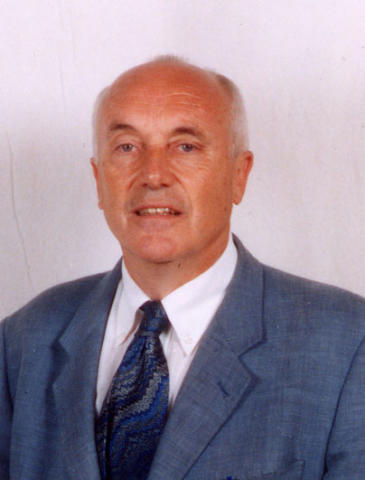 Gaetano Thiene合作论文数Dipartimento di Scienze Cardiologiche, Toraciche e Vascolari, Università degli Studi di Padova5
 Attaran Saina合作论文数Department of Cardiothoracic Surgery, King's College Hospital5Graeme P. Penney合作论文数5
 Marialuisa Valente合作论文数Università Degli Studi Di Padova5
 Daniel Rueckert合作论文数Department of Computing, Imperial College London;Centre for Cardiac Engineering, Imperial College London;School of Computation, Information and Technology, Technical University of Munich;School of Medicine and Health, Technical University of Munich5
 Mohamed el Amrani合作论文数Harefield Hospital5
 David Hawkes合作论文数University College London,Dept. of Computer Science5
 Michael Figl合作论文数Center for Medical Physics and Biomedical Engineering, Medical University of Vienna5Fernando Bello合作论文数Department of Biosurgery and Surgical Technology5
 Philip Edwards合作论文数the firm’s civil litigation department
Solicitor for The Berks County Register of Wills & Clerk of the Orphan’s Court5Leonidas V Athanasopoulos合作论文数4
Philip Edwards合作论文数the firm’s civil litigation department
Solicitor for The Berks County Register of Wills & Clerk of the Orphan’s Court5Leonidas V Athanasopoulos合作论文数4 Arian Arjomandi Rad合作论文数Oxford University, University of Oxford4
 Jarral Omar A合作论文数St Mary's Hospital, Imperial College London4
 Andrew Chukwuemeka合作论文数4Sen Sayan合作论文数4Baksi A John合作论文数4Kim Parker合作论文数Department of Bioengineering, Faculty of Engineering, Imperial College London4Nearchos Hadjiloizou合作论文数4Vincenzo Pernice合作论文数Angiographic Unit, Villa Maria Eleonora Hospital4
 Srdjan Saso合作论文数Imperial College London, Hammersmith Hospital Campus4
 Justine Davies合作论文数Institute of Applied Health Research, College of Medical and Dental Sciences, University of Birmingham4Christopher Rao合作论文数Imperial College of Science, Technology and Medicine, St. Mary's Hospital4Aldo Milano合作论文数4Iqbal S Malik合作论文数3Ashok Cherian合作论文数3Chris Broyd合作论文数3D Casarotto合作论文数3Alessandro Viviano合作论文数3




