Mental health disparities among sexual minority men (SMM) are commonly studied in the context of minority stress theory. The psychological mediation hypothesis posits that stigma is adversely associated with mental health in part through disruptions in interpersonal relationships. This study tested models hypothesizing internalized, enacted, and relationship-focused stigma would be associated with mental health through diminished relationship quality in a sample of SMM in relationships. A sample of 192 cisgender SMM (aged 18 to 35 and in a relationship with an adult cisgender man) responded to advertisements on social and sexual networking applications and completed survey assessments as part of the baseline for a larger randomized controlled trial. Results of path model analysis indicated that internalized, enacted, and relationship stigma were all in some way associated with one or more indicators of relationship quality. In turn, one indicator of relationship quality - barriers to leaving the relationship - was associated with depression and anxiety. Both internalized heterosexism and relationship marginalization were positively associated with depression and anxiety through indirect pathways involving the perception of barriers to leaving the relationship. Results generally aligned with minority stress theory and the psychological mediation hypothesis specifically. Existing interventions that address the impact of coping with stigma for sexual and gender minority people are presently focused on individuals. The development of relevant interventions for those in relationships would help to address extant mental health disparities in this population.
IntroductionLatino sexual minority men (SMM) represent 26% of new HIV diagnoses among sexual minority men, with lower PrEP utilization rates despite its effectiveness. Provider perceptions play a crucial role in effective PrEP delivery, necessitating coordination with Latino SMM.MethodsWe interviewed 10 providers from an LGBTQ health center in a major city using convenience sampling via clinic administrator emails until saturation. Interviews, conducted over Zoom, lasting 45-60 minutes. Data analysis was performed using NVivo, employing thematic analysis based on Levesque's healthcare access dimensions, along with cross-case analysis and analytical coding.ResultsAppropriateness and acceptability of services were the most salient topics discussed. Respondents reported inconsistent language accommodations for the Spanish speaking population, while others reported the utilization of an interpreter line. Participants commented on issues with the cultural representation across all departments at the clinic. Providers also noted specific barriers to care among Latino SMM, such as a lack of Latino representation in clinical and health care coordination positions.ConclusionOur study focused on provider perceptions of engaging Latino SMM. Findings highlight the significance of service appropriateness and acceptability, suggesting that cultural preferences and service adequacy may play a larger role in PrEP access for Latino SMM than traditional barriers like affordability and availability.
Despite the disproportionate burden of HIV among sexual minority men (SMM), PrEP is underutilized among this population. This study used a discrete choice experiment (DCE) to examine preferences and concerns related to PrEP uptake among HIV-negative, PrEP-eligible SMM (n = 271). Participants evaluated hypothetical PrEP profiles based on administration method, side effects, provider language, and peer use. On-demand PrEP was preferred over daily and long-acting injectable regimens. Side effects, particularly headaches and nausea, were rated as more influential than other attributes. Participants who knew someone taking PrEP had increased odds of taking PrEP themselves. Language concordance with providers did not significantly affect preferences. These findings underscore the importance of flexible PrEP options and minimizing side effects to increase acceptability. Tailoring healthcare delivery and messaging to these preferences may improve PrEP uptake among SMM.
BACKGROUND:The development of interventions addressing drug use and sexual HIV infection risk for emerging adult sexual minority men in primary relationships is a public health priority. This study evaluated the efficacy of PARTNER, a 4-session motivational interviewing intervention, to reduce cannabis and illicit drug use, increase preexposure prophylaxis (PrEP) uptake, and reduce HIV infection risk. SETTING:Staff at Hunter College in New York City, NY, administered study procedures between January 2018 and February 2024. METHODS:Participants included 196 HIV-negative cisgender sexual minority men aged 18-34 years who had adult cisgender male partners. All reported recent drug use and condomless anal sex with a casual partner or with a serodiscordant or nonmonogamous main partner. Participants were randomized to PARTNER or a time-and-attention matched education control condition. They completed follow-ups at 3, 6, 9, and 12 months postbaseline. RESULTS:At immediate follow-up, PARTNER significantly reduced illicit drug use among those who scored ≥1 SD above the mean on relationship satisfaction (B = -1.461; P = 0.013) and those ≥1 SD below the mean on communication skills (B = -1.249; P = 0.050). Effects were moderate in size ( βpartial = 0.584 and 0.510). Although PrEP uptake diminished over time in the control condition, participants assigned to PARTNER had significantly more positive trajectories, indicating increasing PrEP uptake. Between-condition differences in cannabis and sexual HIV infection risk were nonsignificant. CONCLUSIONS:PARTNER achieved moderate immediate reductions in illicit drug use (for those with high levels of relationship satisfaction or low levels of communication skills) and improved trajectories of PrEP uptake compared with a highly competitive control.
PURPOSE:To compare mental health and substance use between single and partnered sexual and gender minority (SGM) adolescents in the context of romantic relationship quality. METHODS:SGM adolescents (aged 15-17 years) reported on their relationship status (single vs. partnered) and completed measures of mental health (depression, anxiety) and substance use (problematic drinking, recent cannabis use). Partnered SGM adolescents also reported on their romantic relationship quality. RESULTS:Relationship quality moderated the extent to which being partnered was associated with depression and problematic drinking. Partnered SGM adolescents with very low levels of relationship quality (2 standard deviations below the mean) and below reported higher depressive symptoms compared to single SGM adolescents (B = 1.02, p = .027). In contrast, partnered SGM adolescents with low levels of relationship quality and above did not differ from single adolescents on depressive symptom scores. Partnered SGM adolescents with very low levels of relationship quality reported higher problematic drinking (B = 1.21, p = .006) compared to single SGM adolescents; meanwhile, partnered SGM adolescents with high levels of relationship quality (1 standard deviation above the mean) had lower problematic drinking scores compared to single SGM adolescents (B = -1.10, p = .003). DISCUSSION:Findings underscore the importance of integrating both relationship status and quality in studies of SGM adolescent health. Compared to single SGM adolescents, very low-quality romantic relationships are associated with depression symptoms and problematic alcohol use, while high-quality romantic relationships may be protective with respect to problematic drinking. Early romantic relationship skill training to increase relationship quality may promote healthy mental health and substance use outcomes in SGM adolescents.
The literature differentiates between two domains of machismo: traditional machismo and caballerismo. Research has largely focused on measuring machismo among English speakers. We evaluated whether Estrada’s (2011) 2-factor model of machismo was invariant across language (English vs. a direct Spanish translation). A series of multigroup confirmatory factor analyses were conducted between respondents who completed the survey in English ( n = 428) and Spanish ( n = 102). Analyses suggested the hypothesized 2-factor model did not fit across language groups. While the traditional 2-factor structure emerged in the English language data, exploratory factor analysis indicated a 3-factor structure of machismo among Spanish-speaking respondents. One of the new factors (inherent machismo), among Spanish-speaking respondents, was associated with internalized heterosexism, suggesting that the new factor structure may capture the belief that masculine men are superior. These findings suggest there is a need for the development of culturally appropriate Spanish language assessment.
BACKGROUND:To reduce substance use and sexual HIV transmission risk among sexual minority men (SMM) requires the development of interventions tailored for those in relationships. In the past 5 years, there have been considerable advances in the development of motivational nterviewing (MI) with couples. The Couples Health Project (CHP) is the first multi-session risk reduction protocol built on this formative research. The purpose of this study is to evaluate the efficacy of CHP relative to a standard of care control - couples HIV testing and counseling (CHTC). METHODS:Eligibility includes couples where both partners are aged 18 or older, identify as cisgender male (assigned male sex at birth and identify as male gender), live in the US, and can communicate in English. Additionally, at least one partner has to be aged 18-34, HIV-negative, report recent drug use (excluding cannabis) and report condomless anal sex during the past 30 days. Couples are randomized post-baseline assessment to either CHP or CHTC. Follow-up assessments are completed at 3, 6, and 9-months post-randomization. DISCUSSION:Findings from this trial will inform the practice of MI with couples. If found efficacious, the CHP intervention would be the first multi-session MI with couples' risk reduction protocol designed for use by substance use treatment or HIV prevention service providers who wish to engage SMM and their relationship partners. PROTOCOL VERSION:1.0; April 1, 2024. TRIAL REGISTRATION:ClinicalTrials.gov Protocol Registration; NCT06307977; completed March 6, 2024; https://register. CLINICALTRIALS:gov/ .
Few studies have examined developmentally relevant sources of resilience, such as peer social support, among young sexual minority men (SMM) of color experiencing discrimination and mental health distress. To address this gap in the literature, we examined the role of peer social support in the association between discrimination and mental health distress in a sample of young SMM of color. Ninety-four cisgender young SMM of color (aged 16–29) were recruited through community-based organizations in the New York City metropolitan area as part of an effectiveness trial of a tailored Motivational Interviewing intervention. Participants completed a baseline survey that included measures of school/workplace ethnoracial discrimination, sexual orientation discrimination, peer social support, and symptoms of anxiety and depression. Results of multivariable models indicated some evidence of the stress-buffering effects of peer social support. School/workplace ethnoracial discrimination was negatively associated with symptoms of anxiety ( B = −0.12, SE = 0.03, p < .001) and depression ( B = 0.44, SE = 0.15, p = .005) among young SMM of color with lower levels of peer social support. Peer social support did not moderate the association between sexual orientation discrimination and either depression or anxiety. Findings provide some evidence of the protective role of peer social support. We discuss the implications of the results for practice with young SMM of color with mental health distress.
OBJECTIVE:Substance use, including drug and alcohol misuse, is associated with myriad health conditions, including a higher risk for HIV infection. Although preliminary evidence suggests that higher levels of relationship functioning can buffer against the deleterious health consequences of discrimination on mental health broadly, such protective associations have been understudied with respect to alcohol and drug use. The topic is particularly understudied among Latino sexual minority men even though they are at greater risk for problematic substance use behaviors and are likely to experience multiple forms of discrimination (e.g., racism, homophobia). METHOD:To address this gap in the literature, we sampled 95 predominantly Latino sexual minority male couples to assess their drinking and drug use behaviors, relationship functioning, and experiences of discrimination. We used Actor-Partner Interdependence models to test our hypotheses. RESULTS:We found that having a partner who experienced discrimination and higher partner reports of relationship functioning buffered against the negative relationship between own experiences of discrimination and drug use, but not problematic drinking. CONCLUSIONS:Our results suggest that higher relationship functioning serves as a buffer between the negative ramifications of discrimination on drug use, but not problematic drinking. We explicate implications for policy and practice to facilitate well-being among coupled Latino sexual minority men.
The majority of new HIV infections in the US occur among sexual minority men (SMM) with older adolescent and emerging adult SMM at the highest risk. Those in relationships face unique HIV prevention challenges. Existing sexual HIV transmission risk interventions for male couples often encounter implementation challenges and engaging younger SMM early in relationships may be particularly difficult. This pilot randomized controlled trial evaluated the acceptibility and feasibility of We Test HIV testing - a behavioral health intervention tailored for younger SMM in realtionships - and generated preliminary estimates of effect size. The intervention comprises two adjunct moduls - video-based communication skills training as well as communication goal setting and planning - delivered in conjunction with routine HIV testing and counseling in individual or dyadic formats. A sample of 69 SMM aged 17 to 24 were recruited online. Following baseline assessment, youth were randomized to receive either the experimental, We Test, intervention or routine HIV testing (the control condition). Follow-up assessments were completed 3 and 6 months post-baseline. Results suggested the study was feasible and the individually delivered format was acceptible. We Test HIV testing was associated with significant improvements in communication skills. In addition, youth who remained in a relationship experienced an increase in communal coping to reduce HIV infection risk and relationship power. While groups did not differ with respect to condomless anal sex with casual partners, these psycho-social constructs (communication, communal coping with HIV prevention, and relationship power) may serve as mediators of intervention effects on sexual risk reduction in a larger study.
Preexposure prophylaxis (PrEP)-related stigma is linked to inadequate PrEP uptake, yet there are no validated scales to test this association among Spanish-speaking Latino sexual minority men (SMM). The present study examined if the Spanish-translated PrEP Stigma Scale (PSS) was psychometrically appropriate for implementing in Spanish language-dominant Latino SMM. Recruitment was conducted using geosocial networking applications, social media sites, and email blasts (N = 3,049). First, we utilized item response theory (IRT) modeling to evaluate the reliability of the PSS items and the latent construct across both language groups (nEnglish = 2,844 and nSpanish = 205). Subsequently, we applied the PSS scale in a theoretical application by examining its association with key steps in the PrEP uptake cascade (i.e., perceived PrEP candidacy, PrEP willingness, PrEP intentions, and having spoken to provider about PrEP) stratified by language. Results of the IRT analyses provided evidence that the translated version of the PSS was appropriate for use among this sample. Further, among English respondents, PrEP stigma was negatively associated with perceived PrEP candidacy (B = -0.30, p < .001), PrEP willingness (B = -0.46, p < .001), and PrEP intentions (B = -0.23, p = .003). PrEP stigma, among Spanish respondents, was not significantly associated with any of the PrEP cascade steps. This study demonstrated that the PSS scale performs adequately for both English-and Spanish-speaking Latino SMM. However, researchers and health professionals alike should pay close attention to the nuanced effects in U.S.-based English-and Spanish language samples as PrEP stigma may impact the PrEP cascade for one language sample and not the other.
The immigrant population in the United States (U.S.) is rapidly growing; yet there is limited knowledge about how reasons for migrating to the U.S. are associated with HIV prevention behaviors. Using data from the American Men's Internet Survey (2018-2020), we performed a Latent Class Analysis (LCA) to identify patterns in reasons for migration among cisgender gay, bisexual, and other sexual minority men (SMM) who born outside the U.S. We used multivariable logistic regression controlling for demographic characteristics to assess class associations with the following in the past 12 months: condomless anal sex (CAS), illicit drug use, marijuana use, HIV testing, and PrEP use. LCA identified six distinct patterns in reasons for migration among the sample (n = 1,657): (1) Family and friends (14%); (2) Financial (17%); (3) Personal freedom related to being gay (10%); (4) Pursuit of opportunities while living openly as SMM (12%); (5) Educational purposes (18%); (6) Not my decision (29%). While HIV testing (range = 57.6-65.4%) and PrEP use (range = 15.6-21.4%) did not vary by class (p > .05 for all), CAS and illicit drug use were significantly different (p < .05). SMM who migrated to pursue opportunities while living openly and whose reasons were not their decision had greater odds of CAS than SMM who migrated for educational purposes (aOR:1.72, 95% confidence interval [95%CI]:1.15-2.59; 1.57, 1.13-2.19, respectively). Reasons for migration among SMM were associated with behaviors that can increase HIV risk, but not testing or PrEP. Push and pull factors related to migration should be considered when developing behavioral HIV interventions for immigrant SMM.
Dyadic research among male couples is of increasing interest to researchers, as relationship factors have been implicated in a variety of physical and mental health outcomes. A small evidence base suggests samples of same-gender couples that participate in research may be biased towards those with better relationship quality. Unfortunately, this research is limited and has not examined perceptions that might determine a respondent's willingness to recruit their partner, such as the perception that a partner would be willing to participate. This study examined whether relationship quality (i.e., satisfaction, commitment, and intimacy) was associated with perceptions of a partner's willingness to participate in dyadic research among same-gender male couples. Partnered sexual minority men (n = 5,317) recruited from dating/social networking applications completed a brief online survey. Bivariate analyses suggested that satisfaction, commitment, and intimacy were all associated with perceptions of a partner's willingness to participate in research, which persisted in the multivariable, multinominal regression models. Those who were younger, and living with HIV, as well as those with younger partners, were more likely to perceive their partner as willing to participate. Samples in dyadic research involving male couples might over-represent those with better relationship quality. They may also over-represent relatively younger sexual minority men and those living with HIV. Recruitment strategies should explore ways to facilitate the recruitment of couples with lower relationship quality to facilitate the generalizability of evidence-based practice.
We examined the association between everyday discrimination and HIV testing patterns-current (≤ 6 months), recent (7-12 months), and delayed (> 12 months or never tested)-among partnered Latino/x sexual minority men (SMM). Multinomial regression analyses revealed that in the full sample (N = 484) experiencing discrimination based on sexual orientation and race/ethnicity attributions concurrently (vs. no discrimination) was associated with higher odds of delayed (vs. current) HIV testing (AOR = 2.6, 95% CI [1.0, 6.7]). Similarly, in the subset of Latino/x SMM born outside the mainland U.S. (n = 209), experiencing concurrent sexual orientation- and race/ethnicity-based discrimination (vs. no discrimination) was associated with higher odds of recent (AOR = 12.4, 95% CI [1.3, 115.7]) and delayed HIV testing (AOR = 7.3, 95% CI [1.6, 33.0]), compared with current testing. Findings suggest that addressing discrimination may improve HIV testing uptake among partnered Latino/x SMM, particularly those born outside the U.S.
Mental health disparities are well documented among sexual minority men (SMM) and generally attributed to sexuality-based minority stress. Separate research has established that being in a main or primary partner relationship-particularly one of high quality-is associated with better mental health. The current study tested an integrated model predicting mental health from relationship status and quality and evaluated the potential for these to indirectly link state-level policy with mental health. Adult cisgender SMM (n = 7,705) completed an online survey, which included the Patient Health Questionnaire-4 and subscales of the Perceived Relationship Quality Components questionnaire. State-level policy was evaluated using State Equality Index ratings from the Human Rights Campaign. The likelihood of being in a relationship was significantly greater for participants living in states with policies supportive of LGBTQ+ people. Partnered men with average levels of relationship quality or better reported significantly better mental health compared to single men. Single SMM did not differ significantly from partnered SMM with relationship quality 1 SD below the mean and their mental health was significantly better than partnered whose relationship functioning was 2 SDs below the mean. State-level policy was significantly associated with mental health through an indirect pathway involving relationship status. Results highlight the relevance of both relationship status and functioning to mental health among SMM. They also point to the need for ongoing advocacy to address structural inequality and to develop interventions that address the impact of stigma on close personal relationships in this population.
OBJECTIVE:The objective of this paper is to examine how state-level characteristics relate to social support and mental health outcomes among Latino sexual minority men in the U.S. METHODS:Multilevel linear regression analyses were used to estimate the effect of social support and contextual-level characteristics on mental health and alcohol use among Latino sexual minority men (n = 612). Individual-level data were collected via a national, online survey between November 2018 and May 2019. State-level data were drawn from the 2019 American Community Survey and the Human Rights Campaign's 2018 State Equality Index score cards. RESULTS:The interaction between friend support and supportive LGBTQ+ policies was associated with anxiety (B = 1.77; 95% CI 0.69, 2.85; p = 0.001) and depression (B = 2.25; 95% CI 0.99, 3.50; p<0.001). The interaction between friend support and Latino population size was associated with greater problematic alcohol use (B = 0.06; 95% CI 0.03, 0.10; p<0.001). The interaction between partner support and supportive LGBTQ+ policies were also associated problematic drinking (B = -1.72; 95% CI -3.05, -0.38; p<0.012). CONCLUSIONS:Contextual factors can affect the everyday experiences of Latino sexual minority men. The effect of social support on mental health outcomes may depend on state-level factors. Public health efforts that seek to address the mental health and problematic drinking behaviors of Latino sexual minority men must consider the impact of macro-level policies on program and intervention development.
Among the many effective prevention strategies, frequent HIV testing continues to be promoted to reduce the risk of HIV transmission among sexual minority men (SMM). Testing negative for HIV can result in varied reactions that influence subsequent HIV transmission behaviors, yet the extant research has primarily been conducted in English. The current study examined measurement invariance of a Spanish-translated Inventory of Reactions to Testing HIV Negative (IRTHN). The study also examined whether the IRTHN was associated with subsequent condomless anal sex. Data were drawn from 2,170 Latinx SMM subsample of the UNITE Cohort Study. We conducted a multigroup confirmatory factor analysis to test for measurement invariance between participants who opted to take the survey in English (n = 2,024) and those who opted to take it in Spanish (n = 128). We also examined if the IRTHN is associated with subsequent CAS. The results were suggestive of partial invariance. The subscales of Luck and Invulernability were associated with CAS at the 12-month follow-up. Practice and research-based implications are discussed.
Background: Hispanic and Latinx gay, bisexual, and other sexual minority men (SMM) are disproportionately affected by HIV in the United States. With the availability of self-testing services, HIV and sexually transmitted infection (STI) testing may be more accessible for Latinx immigrant SMM who face obstacles to obtaining HIV-related services. Combining the potential of self-testing kits and the influence of peer educators may present an opportunity to increase HIV and STI testing and preexposure prophylaxis (PrEP) uptake or linkage to HIV care among Latinx immigrant SMM.Objective: This study aimed to develop and pilot a peer intervention to distribute HIV and STI self-testing kits and provide peer counseling based on the information-motivation-behavioral skills model to increase PrEP uptake and HIV and STI testing among Latinx immigrant SMM. Our evaluation focused on determining the differences in HIV testing, STI testing, and PrEP uptake outcomes between the intervention and control groups.Methods: We conducted semistructured interviews with community stakeholders to elicit factors to consider for training and intervention. The interview findings informed the development of the intervention and peer training protocols. We piloted the intervention with Latinx immigrant SMM and randomly assigned participants to the intervention group, who received peer counseling and HIV and STI self-testing kits, or the control group, who only received peer counseling. We administered baseline, 1-week, 6-week, and 12-week follow-up surveys to assess behaviors related to HIV testing, STI testing, and PrEP uptake. Owing to the COVID-19 pandemic, the intervention components were delivered via web-based modalities. Chi-square tests were performed to examine the associations between HIV testing, STI testing, and PrEP motivation and behaviors across the study arms (intervention vs control). We conducted Cramer V test to determine the strength of the association between study arm and each of the outcome variables. We also assessed the impact of the COVID-19 pandemic on participants.Results: Overall, 50 (intervention, n=30 and control, n=20) Latinx immigrant SMM participated in the program. Participants reported life disruptions owing to COVID-19, with 68% (34/50) reporting job loss after the declaration of the pandemic. After intervention participation, a higher proportion of participants in the intervention group reported having been tested for STIs (76% vs 36.8%; P=.01; Cramer V=0.394). Among the participants in the intervention group, 91% (21/23) reported being motivated to use PrEP compared with 59% (10/17) in the control group (P=.02; Cramer V=0.385). Conclusions: By facilitating access to HIV and STI testing through peer-delivered information, motivational support, and behavioral skills training as well as the provision of self-testing kits, our intervention demonstrated the potential to increase HIV prevention behaviors in Latinx immigrant SMM. Peer-based programs that offer self-testing and internet-based modes of accessing information may be a feasible strategy for reaching Latinx immigrant SMM.Trial Registration: ClinicalTrials.gov NCT03922126; https://clinicaltrials.gov/ct2/show/NCT03922126
Compared with non-Latino White sexual minority men, Latino sexual minority men (LSMM) have lower engagement with HIV pre-exposure prophylaxis (PrEP) and likelihood of discussing PrEP with a health care provider. The overall goal of the current study was to collect data from community stakeholders to inform the integration of culturally relevant factors into an empirically supported PrEP prevention program. Between December 2020 and August 2021, 18 interviews were conducted with 18 stakeholders with experience delivering health and social services. Themes identified are: (1) stakeholders' perspectives of new HIV infections among LSMM; (2) stakeholders' perspectives of general cultural variables; and (3) the development of culturally tailored programs. Our findings demonstrate how culturally competent stakeholders can leverage their established rapport and trust to reduce the negative effects of machismo and/or homophobia in the Latinx community to promote HIV prevention.
 Tyrel J Starks合作论文数CUNY Hunter Coll38
 Jane J. Lee合作论文数School of Social Work, University of Washington15
 Dellucci Trey合作论文数14
 Demetria Cain合作论文数University of Connecticut Department of Psychology9
 Stephen C. Bosco合作论文数8
 Ruben H. Jimenez合作论文数7
 H. Jonathon Rendina合作论文数CUNY Hunter Coll7
 Carlos Rodriguez-Diaz合作论文数Graduate School of Public Health, University of Puerto Rico Medical Sciences Campus7
 Addam Reynolds合作论文数6
 Naar Sylvie合作论文数5Christopher A Leyva Vera合作论文数4Kory D Kyre合作论文数4
 Kendell M. Doyle合作论文数Doctoral Program Hlth Psychol & Clin Sci, CUNY4
 Daniel Sauermilch合作论文数Dept Psychol, Long Isl Univ Brooklyn4
 Rob Stephenson合作论文数School of Nursing, University of Michigan4
 Jeffrey T. Parsons合作论文数Graduate Center, City University of New York4Joseph R. Hillesheim合作论文数3
 Jonathan Lopez-Matos合作论文数3Lesster Munguia合作论文数3
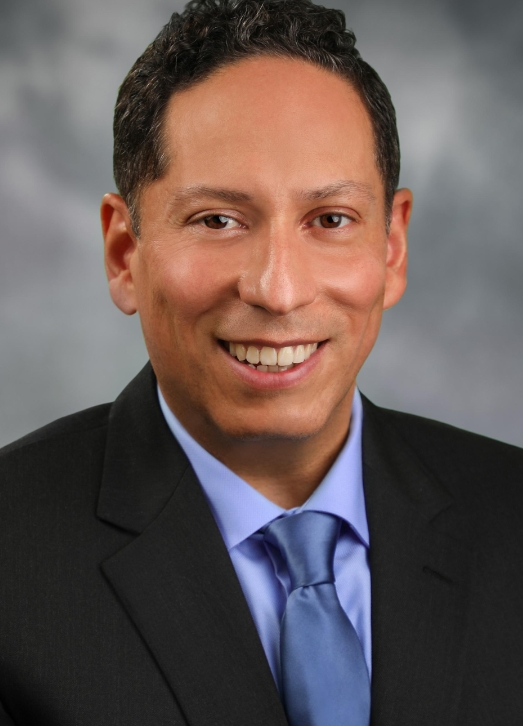 Vincent Guilamo-Ramos合作论文数Department of Medicine, School of Medicine, Duke University3
 Brett M. Millar合作论文数3
 Patrick Sullivan合作论文数Rollins School of Public Health, Emory University3
 Justin E. Lerner合作论文数School of Social Work, University of Washington3
 Mark Pawson合作论文数Center for HIV Educational Studies &Training;The Graduate Center, City University of New York;The Graduate Center, City University of New York3
 Travis I Lovejoy合作论文数3
 Sarah W. Feldstein Ewing合作论文数The Mind Research Network3David A Katz合作论文数2Jessica I. Ramirez合作论文数2Mark Stratton Jr.合作论文数2Yong Gun Lee合作论文数2Melanie Yu合作论文数2Jorge Cienfuegos-Szalay合作论文数2
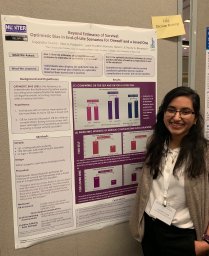 Sugandha Gupta合作论文数Psychol, CUNY2
 Zahira Quinones合作论文数2
 Steven A John合作论文数Center for AIDS Intervention Research, Medical College of Wisconsin2
 Latoya Small合作论文数Luskin School of Public Affairs, University of California, Los Angeles2
 Angulique Outlaw合作论文数2
 Thomas Alex Washington合作论文数2
 Lisa Rosenthal合作论文数2
 Karen MacDonell合作论文数Center for Translational Behavioral Science, Florida State University;College of Medicine, Florida State University2
 Karen S Ingersoll合作论文数2
 Monica Gandhi合作论文数2
 Roxanne P. Kerani合作论文数Division of Allergy and Infectious Diseases, Department of Medicine, School of Medicine, University of Washington2S. Scott Jones合作论文数1Justin C Smith合作论文数1
 Jennifer L. Walsh合作论文数1
 Candence Wills合作论文数1
 Laurel Sprague合作论文数1Andrés Alvarado Avila合作论文数1




