BACKGROUND AND OBJECTIVE:Telesurgery has advanced with improvements in robotic platforms and communication technologies. While full telesurgery has demonstrated technical feasibility, the use of telesurgical systems to enhance telepreceptoring, particularly through teleassistance, remains limited in clinical practice. A systematic synthesis of the existing evidence is needed to clarify its feasibility, limitations, and potential role in surgical training. METHODS:A systematic review was conducted in accordance with Preferred Reporting Items for Systematic Reviews and Meta-analysis guidelines. MEDLINE and Scopus were searched through November 12, 2025, using predefined keywords related to teleproctoring, telepreceptoring, teleassistance, and telesurgery. Studies were included if they described teleassisted telepreceptoring, defined as remote surgical supervision with optional, reversible operative control, and reported technical, safety, surgical, or training-related outcomes. RESULTS:Four studies met the inclusion criteria, two human clinical series and two animal (porcine) experimental studies. The human clinical series demonstrated that remote experts could provide meaningful operative assistance with low complication rates and successful task completion. The animal experimental studies showed that teleassisted supervision remained reliable at communication delays below 150 ms, while higher latency impaired guidance and emergency response. Modern robotic platforms enabled rapid console switching and shared control, supporting the technical feasibility of teleassistance. However, structured clinical programs implementing this model in humans remain absent. CONCLUSIONS:Teleassisted preceptoring is technically feasible and may enhance surgical training. Its limited clinical adoption appears to be driven primarily by ethical, regulatory, economic, and credentialing barriers rather than technological constraints. Well-designed clinical trials, standardized training frameworks, and international regulatory models are needed to support broader implementation and evaluate its impact on surgical education and patient care.
Partial nephrectomy (PN) is preferred treatment for localized renal cell carcinoma (RCC), with shift toward robotic-assisted PN (RAPN) over open PN (OPN). However, high-quality comparative data remain limited. This study aimed to compare intraoperative, perioperative, and oncologic outcomes of RAPN versus OPN using a propensity score-matched cohort. In this retrospective, single-centre study, 386 patients underwent PN between January 2020 and December 2024. After applying exclusion criteria and propensity-score matching, 152 OPN cases were matched with 125 RAPN. Matching variables included age, Charlson Comorbidity Index, RENAL and PADUA scores, cT stage, and location. Primary endpoint was the intraoperative complication rate. Secondary endpoints included estimated blood loss (EBL), operative time, warm-ischemia time, length of hospital stay (LOS), postoperative complications rate (Clavien-Dindo classification), and 5-year oncologic outcomes (overall-survival [OS], cancer-specific survival [CSS], and recurrence-free survival [RFS]). RAPN was associated with a lower intraoperative complication rate compared to OPN (2
OBJECTIVE:To report the minimum 18-month follow-up oncological results of the first preliminary descriptive series of robot-assisted radical prostatectomy (RARP) using Versius Robotic Surgical System (VRSS). MATERIAL AND METHODS:Data of patients were collected from two Italian centres. Data on demographic variables, surgical results, pre- and postoperative prostatic specific antigen (PSA), needed for post-operative radiotherapy were extracted from the common database. RESULTS:Sixty patients underwent RARP performed by two surgeons at two different centres. Median follow-up time was 29.5 (IQR 23-35) months. Twenty-one (35%) patients had reported positive surgical margins and 18 (30%) presented extracapsular invasion in the final pathology report. Fifty-five (91.7%) patients had undetectable PSA (≤ 0.05 ng/mL) at 40 days follow-up after surgery. Thirteen (21.7%) patients underwent post-operative radiotherapy during our follow-up. CONCLUSIONS:Results of our experience with RARP suggest that performing RARP using VRSS oncologic results are comparable with other case studies using other robotic platforms.
BACKGROUND AND OBJECTIVE:Patients undergoing radical cystectomy (RC) for bladder cancer may present with synchronous or metachronous upper tract urothelial carcinoma (UTUC). These scenarios may differ in oncological outcomes and surgical complexity. This study sought to compare oncologic and perioperative outcomes in patients undergoing RC and radical nephroureterectomy (RNU) for synchronous or metachronous UTUC. METHODS:Data from 23 tertiary referral centers were retrospectively collected (2002-2024). Perioperative outcomes included length of stay (LOS) and complications (Clavien-Dindo classification). Disease-free survival (DFS), cancer-specific survival (CSS) and overall survival (OS) were estimated from RC using Kaplan-Meier and landmark analysis. Multivariable Cox regression modeling identified predictors of DFS and OS and explored the impact of RNU timing on oncological outcomes. KEY FINDINGS AND LIMITATIONS:Among 177 RC patients (n = 142 [80%] males), 106 (60%) underwent RNU subsequent to RC for metachronous UTUC. Concomitant RC and RNU led to longer LOS (10 vs. 7 days, P = 0.004), and statistically significant higher rate of major complications (Clavien-Dindo ≥ IIIa, 29.6% vs. 15.1%, P = 0.03). Metachronous disease showed better 60-month DFS (69.1% vs. 47.6%), CSS (80.3% vs. 66.4%) and OS (69.2% vs. 47.6%). Histological subtype at RNU independently predicted worse DFS (HR 2.64, P = 0.01) and OS (HR 3.22, P = 0.01), while metachronous presentation predicted better DFS (HR 0.36, P < 0.001) and OS (HR 0.53, P = 0.04). Limitations include the retrospective design and a relatively limited sample size. CONCLUSIONS AND CLINICAL IMPLICATIONS:Synchronous panurothelial disease at diagnosis requiring RC and RNU is related to worse perioperative and survival outcomes compared to metachronous disease. Our results highlight the need for dedicated studies to define individualized treatment and surveillance strategies for this challenging patient population.
Recently, the EAU guidelines presented the EAU guidelines bot to assist urologists in the reading of the guidelines; however, up to date, no external validation is available. The aim of our study is to assess the accuracy, completeness, and clarity of the guideline’s bot in testicular cancer. A total of 36 questions based on the EAU testicular cancer guidelines recommendations were developed. Each question was systematically presented to the EAU guidelines bot and the responses were independently assessed by two expert urologists to assess the accuracy, completeness, and clarity. A 5-point Likert scale was used as a score, and in case of discrepancies, a third urologist was queried. Accuracy, completeness, and clarity were assessed per chapter and per grade of recommendation. All questions and answers were recorded in an Excel file. Overall, 36 questions were developed. In terms of accuracy, 36/36 (100
BACKGROUND:Work-related musculoskeletal disorders are a growing concern in surgical practice, particularly in the context of robot-assisted surgery. Physical strain can significantly impact the well-being and performance of surgeons and surgical staff. This study aimed to evaluate the prevalence and severity of surgical strain among urologists using different available surgical platforms. METHODS:An anonymized, web-based survey was conducted between March and October 2024 using the REDCap platform. Distributed via professional networks and social media, the survey collected data on demographics, surgical experience, platform usage, and self-reported physical discomfort. Statistical analysis included Mann-Whitney U and Chi-squared tests, with P<0.05 considered significant. RESULTS:A total of 427 urologists participated. Most console surgeons (up to 83% for one robotic system variant) reported some level of physical discomfort. Discomfort was also reported by 83% of open surgeons and 80% of bedside assistants, the latter of whom had the highest incidence of injury (53%) from robotic arms. A noteworthy subset of survey respondents required physiotherapy (13-15%), medical (6-11%), or surgical (2-3.8%) interventions due to physical strain. No significant differences were observed by age or sex among console users. CONCLUSIONS:Ergonomic strain is prevalent among urologic surgeons, regardless of surgical platform, with bedside assistants particularly vulnerable. These findings underscore the need for ergonomic training, physical conditioning, and design improvements in surgical systems to safeguard surgeon health and maintain procedural efficacy.
BACKGROUND:Recently, the European Association of Urology (EAU) Guidelines presented an official Bot to assist urologists during Guidelines navigation. However, up to date no external validation is available. Aim: To assess accuracy, completeness, and clarity of the Guidelines Bot for Sexual and Reproductive Health. METHODS:A total of 228 questions based on the EAU Sexual and Reproductive Health Guidelines recommendations were developed. Each question was inputted to the EAU Guidelines Bot and the response was reviewed by two expert uro-andrologists. Discrepancies were resolved by discussion with a third expert. Results were further stratified per grade of recommendation. Outcomes: Evaluate the rate of accurate, complete, and clear answers to guidelines-related questions using a 5-point Likert scale and the impact of the grade of recommendation on the quality of the answer. RESULTS:Overall, 228 questions were developed. In terms of accuracy 224/228 (98.3%) were defined as accurate (score-4-5), 2/228 (0.9%) presented a fair accuracy (score = 3) while 2/228 (0.9%) were deemed not accurate (score 1-2). In terms of completeness, 223/228 (97.8%) were defined as complete (score-4-5), 2/228 (0.9%) presented a fair completeness (score 3), while 3/228 (1.3%) were deemed not complete. Finally in terms of clarity, 225/228 (98.7%) were defined as clear (score-4-5), 2/228 (0.9%) presented a fair clarity (score 3) and 0/228 were not clear. When comparing strong and weak recommendations, no differences were recorded. CLINICAL IMPLICATIONS:The EAU Guidelines Bot may serve as a reliable clinical decision support tool for urologists seeking rapid, evidence-based guidance on sexual and reproductive health management. STRENGTHS & LIMITATIONS:This is the first external evaluation of the EAU Guidelines Bot. Our results suggest a significant improvement in terms of reliability when compared to general AI tools. However, our queries were straightforward and developed directly from guideline recommendations and results might not apply to complex real-world clinical scenarios. CONCLUSIONS:EAU Guidelines Bot represents an accurate and reliable tool for Sexual and Reproductive Health Guidelines navigation, but further validation is required to evaluate its applicability in clinical practice.
Robotic surgery is a game-changing innovation in urology. Novel multiport robotic systems’s (MRS) benefits and limitations in renal surgery when compared to Da Vinci MRS need to be fully understood. This study aims to identify variations from the well-known Da Vinci MRS in terms of surgical, oncological, and functional outcomes in patients undergoing robot-assisted partial nephrectomy (RAPN). Our systematic review and meta-analysis screened Pubmed, Web of Science, and Scopus databases, analyzing data from eighteen papers. Of them, 6 studies compared RAPN outcomes in patients between the novel MRS and Da Vinci MRS. Surgical outcomes (surgical times, estimated blood loss, length of hospital stay, Clavien-Dindo grade > 2 complications rate) and oncological outcomes (positive surgical margins rate and trifecta achievement rate) were analyzed using a Sidik-Jonkman method in a random-effects model. The abovementioned eighteen studies involved and included 1204 patients (631 novel MRS and 573 Da Vinci). Six of them were comparative studies between novel MRS and Da Vinci. Meta-analysis between novel MRS and Da Vinci revealed statistically significant differences in terms of docking time (Mean Difference 1.95; 95
This study aimed to externally validate the performance of the European Association of Urology (EAU) Guidelines Bot in neuro-urology by assessing the accuracy, completeness, and clarity of chatbot-generated answers to guideline-based questions and to compare its performance with that of a general-purpose large language model (ChatGPT 5.5). A cross-sectional validation study was conducted using 47 questions derived from the EAU Neuro-Urology Guidelines. Each question was linked to a specific recommendation and classified by recommendation strength (strong vs weak). Questions were independently submitted to both the EAU Guidelines Bot and ChatGPT 5.5 without additional prompting. Two expert urologists independently evaluated each response for accuracy, completeness, and clarity using a five-point Likert scale; discrepancies were resolved by a third reviewer. Overall, 45 questions (95.7%) were linked to strong recommendations and two (4.3%) to weak recommendations. The EAU Guidelines Bot and ChatGPT 5.5 achieved identical mean accuracy scores (4.96 ± 0.20), with all responses rated as highly accurate (Likert 4-5). ChatGPT 5.5 indicated significantly higher completeness scores than did the EAU Guidelines Bot (4.74 ± 0.44 vs 4.57 ± 0.54; p = 0.011), whereas clarity scores were not significantly different (4.83 ± 0.38 vs 4.77 ± 0.43; p = 0.083). High-quality completeness was observed in 46/47 EAU Guidelines Bot responses (97.9%) and 47/47 ChatGPT responses (100%). Score discrepancies between systems were identified in ten of 47 questions (21.3%) and were limited to completeness and clarity domains. Performance remained uniformly high across recommendation grades, with no meaningful differences observed. The EAU Guidelines Bot showed excellent accuracy, completeness, and clarity when applied to neuro-urology guideline-based questions. Its performance was comparable to that of ChatGPT 5.5, with both systems providing highly accurate guideline-concordant responses. Although ChatGPT 5.5 generated more comprehensive answers, the EAU Guidelines Bot maintained closer adherence to the original guideline recommendations. Although not a substitute for clinical judgment, the tool appears to be a reliable adjunct for rapid access to evidence-based neuro-urological guidance.
PURPOSE:While mitomycin C (MMC) is widely used for intravesical therapy, the optimal maintenance regimen for non-muscle invasive bladder cancer (NMIBC) remains unclear. This study assessed the impact of MMC maintenance on recurrence-free survival (RFS) in patients with intermediate-risk Ta NMIBC and aimed to identify the optimal number of instillations for improved outcomes. METHODS:We conducted a retrospective multicenter analysis of patients with Ta NMIBC treated with transurethral resection and adjuvant MMC across 13 Italian centers (2010-2023). Patients were grouped based on MMC maintenance duration: no maintenance, short-term (≤ 6 instillations), and long-term (> 6 instillations). Kaplan-Meier curves, Cox regression, and CART analysis were used to evaluate RFS and high-grade RFS (HG-RFS). RESULTS:Among 292 patients included, maintenance therapy significantly improved 2-year and 3-year RFS compared to no maintenance (78% vs. 55% and 67% vs. 30%, respectively; p < 0.001). CART analysis identified > 6 instillations as the threshold for optimal benefit. Long-term maintenance was associated with a lower risk of recurrence (HR 0.23 vs. no maintenance; HR 0.39 vs. short-term; both p < 0.001). No significant difference in HG-RFS was observed between no maintenance, long-term, and short-term groups. CONCLUSION:Long-term MMC maintenance (> 6 instillations) significantly prolongs RFS in patients with Ta NMIBC. These findings suggest that extended MMC regimens may improve patients' outcomes and should be considered in clinical practice. Prospective studies are needed to confirm these results and guide evidence-based treatment strategies.
The surgical management of pathologic T3a (pT3a) renal cell carcinoma (RCC) remains contentious due to the lack of high-level evidence guiding the choice between partial nephrectomy (PN) and radical nephrectomy (RN). This systematic review and meta-analysis aims to evaluate whether PN represents a safe and effective alternative to RN. A comprehensive search of PubMed, Web of Science, and Scopus was conducted through July 2025. The study included comparative trials of adult pT3a RCC patients undergoing PN or RN, focusing on oncological, perioperative, and functional outcomes. Sixteen retrospective studies involving 34,304 patients (5878 PN; 28426 RN) were analyzed. There were no statistically significant differences between PN and RN regarding estimated blood loss, operative time, hospital stay, or major postoperative complications (Clavien-Dindo > 2). PN was associated with significantly better preservation of renal function (9.96; I2 0
 Maria Chiara Sighinolfi合作论文数Università degli Studi di Milano;Azienda Ospedaliero Universitaria di Modena259
 Patel Vipul R合作论文数164
 Salvatore Micali合作论文数Dipartimento Chirurgico, Medico, Odontoiatrico e di Scienze Morfologiche, Universita degli Studi di Modena e Reggio Emilia151
 Rafael Coelho合作论文数Instituto do Câncer do Estado de São Paulo;Instituto de laparoscopia e Robotica;Florida Hospital107
 Giorgio Bozzini合作论文数99
 Ottavio de Cobelli合作论文数Global Robotic Institute of Orlando;Urology Division, European Institute of Oncology;University of Milano67
 Eissa Ahmed合作论文数65
 Luca Sarchi合作论文数58
 Andrea Minervini合作论文数Department of Clinical and Experimental Medicine, School of Human Health Sciences, University of Florence55Simone Assumma合作论文数53
 Alessandro Antonelli合作论文数51
 Stefano Puliatti合作论文数Univ Modena & Reggio Emilia, Dept Urol, Modena, Italy51Giampaolo Bianchi合作论文数47
 Sanket Chauhan合作论文数Celebration47
 Marcio Covas Moschovas合作论文数Global Robotics Institute42
 Angelo Porreca合作论文数41
 Angelica Grasso合作论文数ASST Santi Paolo e Carlo41Filippo Turri合作论文数38
 Luigi Schips合作论文数Unit of Urology, Department of Medical, Oral and Biotechnological Sciences, SS. Annunziata Hospital, G. d'Annunzio University/Department of Urology, ASL Abruzzo 238Tommaso Calcagnile合作论文数37Francesco Porpiglia合作论文数37Umberto Besana合作论文数35
 Cosimo De Nunzio合作论文数Dipartimento di Medicina Clinica e Molecolare, Sapienza Università di Roma34
 Antonio Luigi Pastore合作论文数Department of Medico-Surgical Sciences and Biotechnologies, Sapienza University of Rome34Kenneth Palmer合作论文数33
 Pierluigi Bove合作论文数UPMC Salvator Mundi International Hospital;University of Rome Tor Vergata;University Hospital Policlinico Tor Vergata33Srinivas Samavedi合作论文数Department of Urology, University of Miami Miller School of Medicine32
 Ananthakrishnan Sivaraman合作论文数32
 Luca Cindolo合作论文数G. Rummo Hospital30Mazzoleni Federica合作论文数29
 Riccardo Schiavina合作论文数Department of Medical and Surgical Sciences, University of Bologna;Department of Urology, S. Orsola-Malpighi Hospital;School of Urology, University of Bologna29G Bianchi合作论文数28
 Giorgia Gaia Gaia合作论文数Department of Obstetrics and Gynecology, Université d’Auvergne28
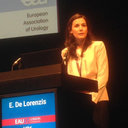 Elisa De Lorenzis合作论文数Department of Specialist Surgical Sciences, University of Milan27
 Alexandre Mottrie合作论文数OLV Ziekenhuis;Urological Department, University Hospital of Homburg-Saar;Department of Urology, OLV Hospital Aalst27Carlo Buizza合作论文数26
 Stefano Terzoni合作论文数26Paolo Guido Dell'Orto合作论文数ASST Santi Paolo e Carlo, La Statale University25Marcelo A. Orvieto合作论文数25
 Giancarlo Albo合作论文数25
 Luca Reggiani Bonetti合作论文数24Travis Phillip Rogers合作论文数24
 Davide Perri合作论文数24
 Matteo Maltagliati合作论文数24
 Cristian Fiori合作论文数Dipartimento Di Scienze Cliniche E Biologiche, Università Degli Studi Di Torino24
 Deliu Victor Matei合作论文数Division of Urology, European Institute of Oncology24
 Felice Crocetto合作论文数24
 Javier Romero Otero合作论文数Urology Department, Hospital Universitario24Alberto Calori合作论文数23




